

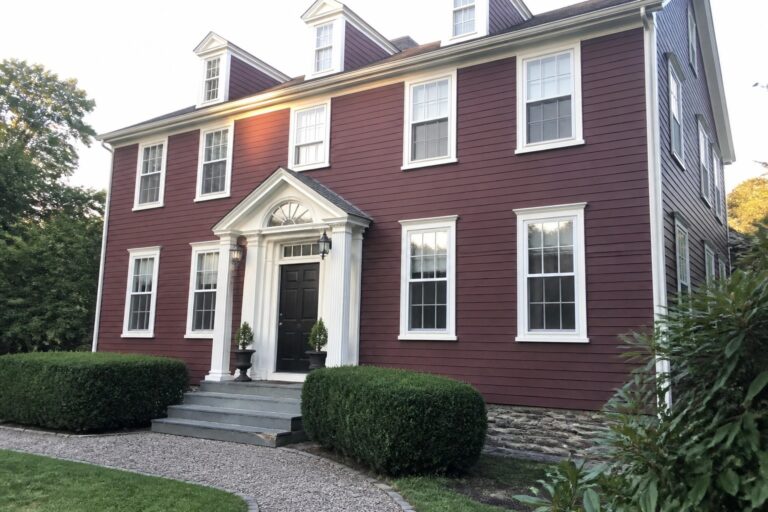
I have noticed that burgundy siding paired with white trim often looks stronger in person than it does in plans because the contrast shifts with the angle of the light.
The width and finish of the trim around each window can change how the whole front reads from the street.
Small choices add up.
Rooflines and the texture of the siding play a bigger role than most people expect when they first pick these colors.
I would try the trim detail on one side of the house before painting the rest to see how it settles with the actual materials.
Burgundy Siding With White Trim
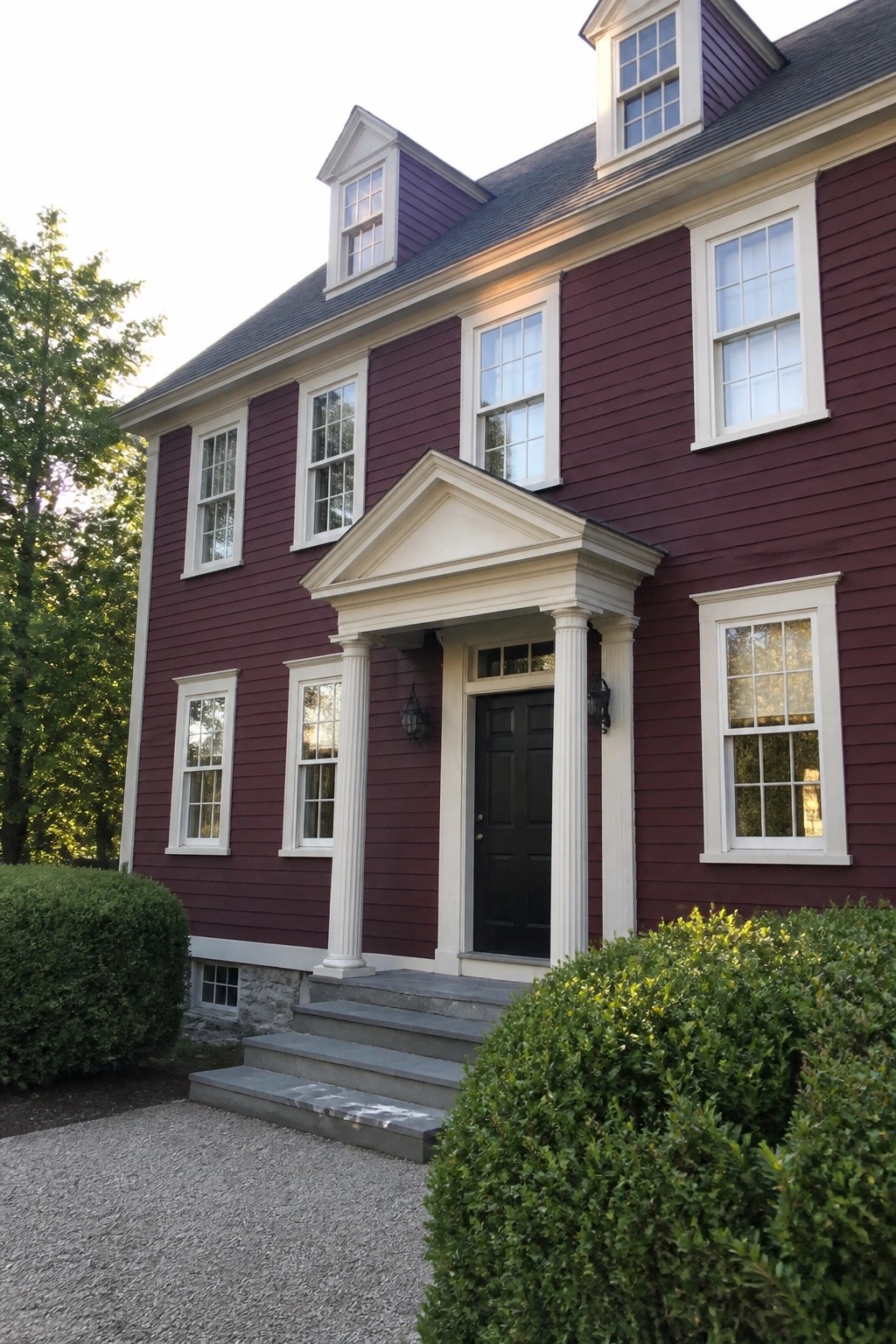
A deep burgundy exterior paired with white trim gives the house a strong but simple look. The white around the windows and entry stands out against the dark color, which helps the shape of the house read clearly from the street.
This works best on homes with some architectural detail like columns or dormers. Keep the trim lines straight and the paint consistent so the contrast stays sharp instead of muddy.
Burgundy Siding With White Window Trim
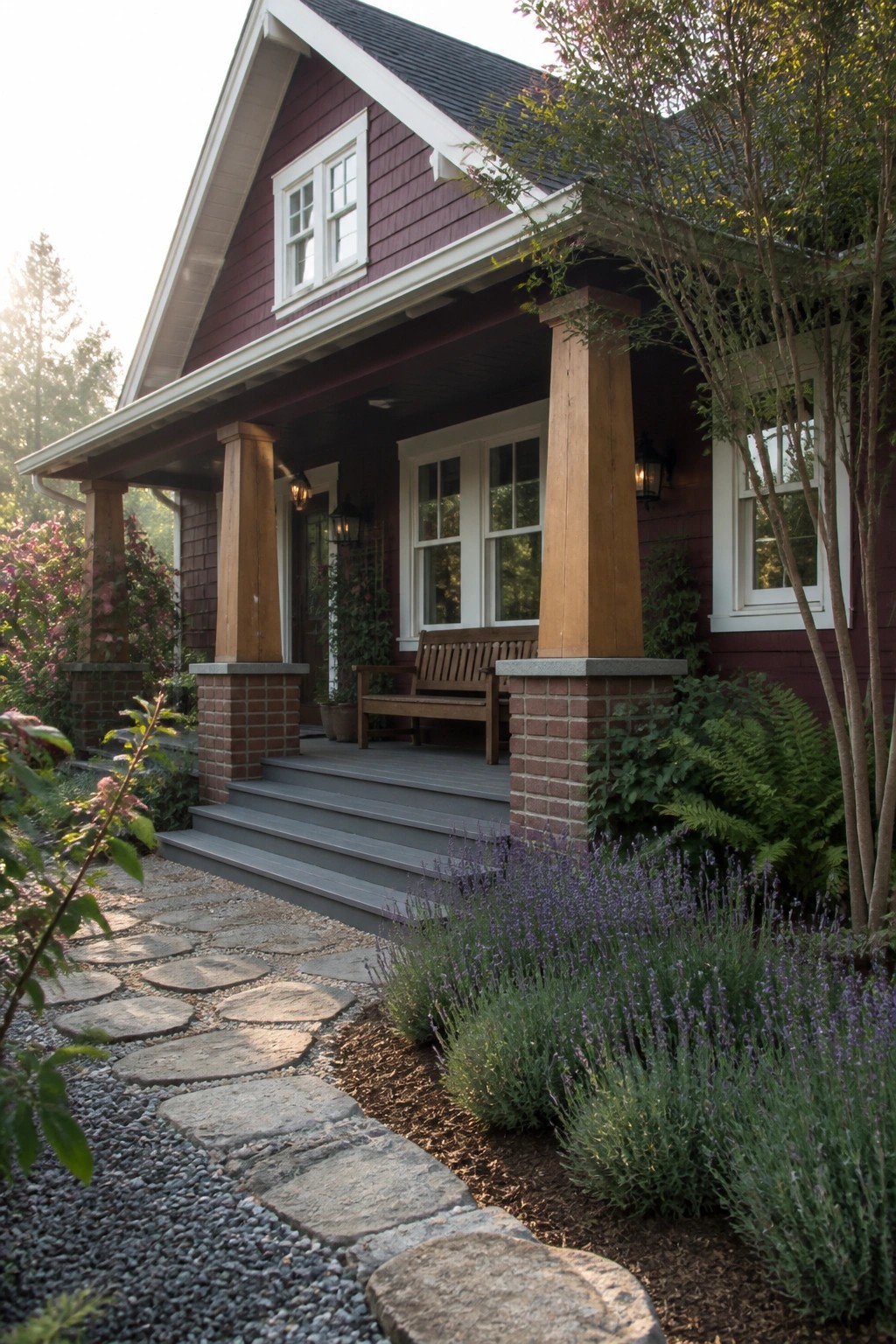
White trim around the windows makes the deep burgundy siding read as more structured and intentional. The contrast keeps the house from looking flat and helps the windows stand out even when the light is low.
This approach suits homes that already have a simple gable or straightforward roofline. It works best when the trim is kept fairly wide and the siding color stays rich rather than faded, so the white stays crisp over time.
Burgundy Siding With White Trim
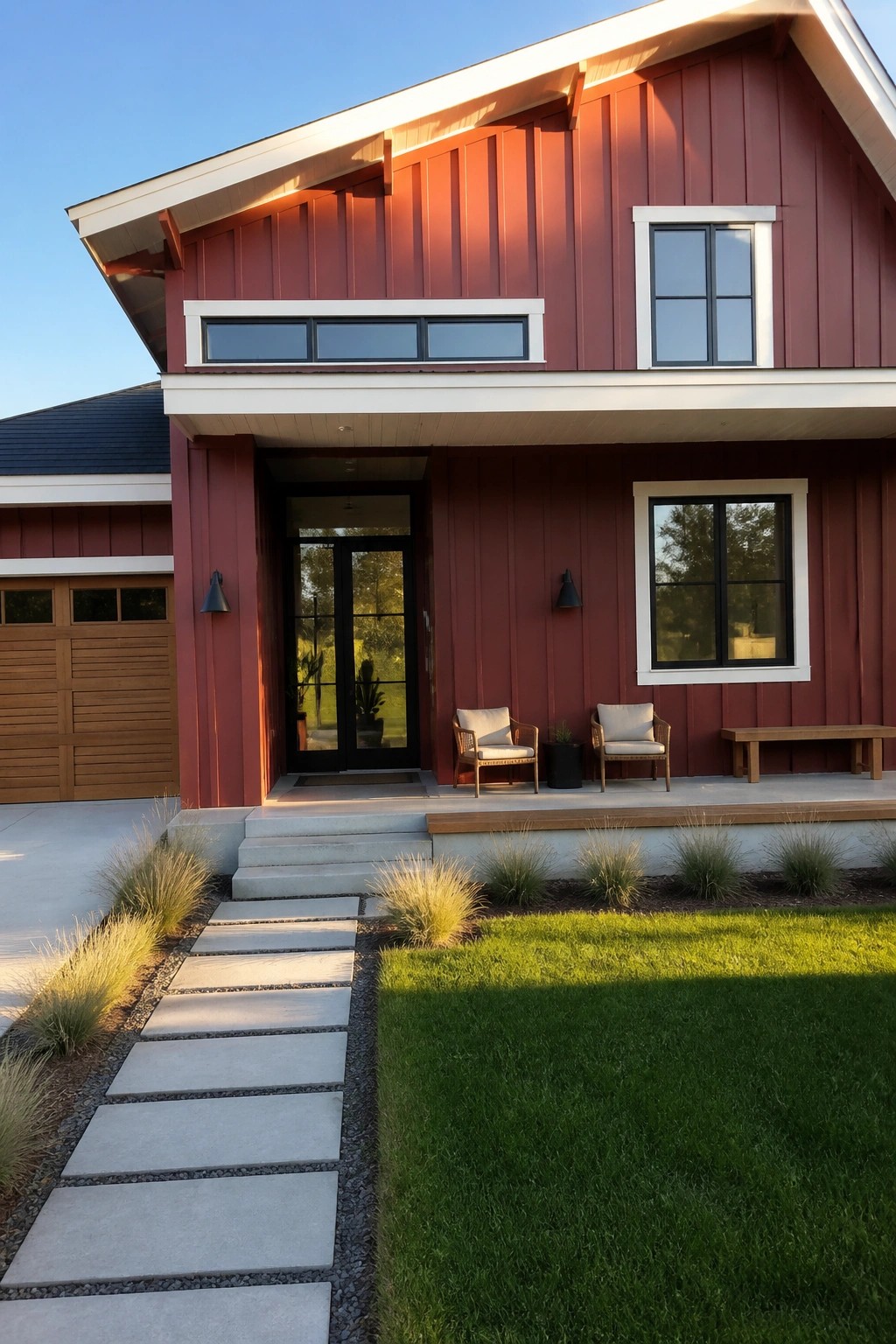
Deep burgundy siding stands out more when the trim stays bright white. The clean edges around the windows and roofline keep the color from feeling heavy or flat. Black window frames add another layer of contrast that helps the whole front read as simple rather than busy.
This color and trim combination works best on homes with fairly straight rooflines and larger window openings. It suits both newer builds and updated older houses that need a stronger curb appeal without adding extra materials. Keep the trim width consistent and avoid mixing in too many other accent colors.
Burgundy Siding With White Trim
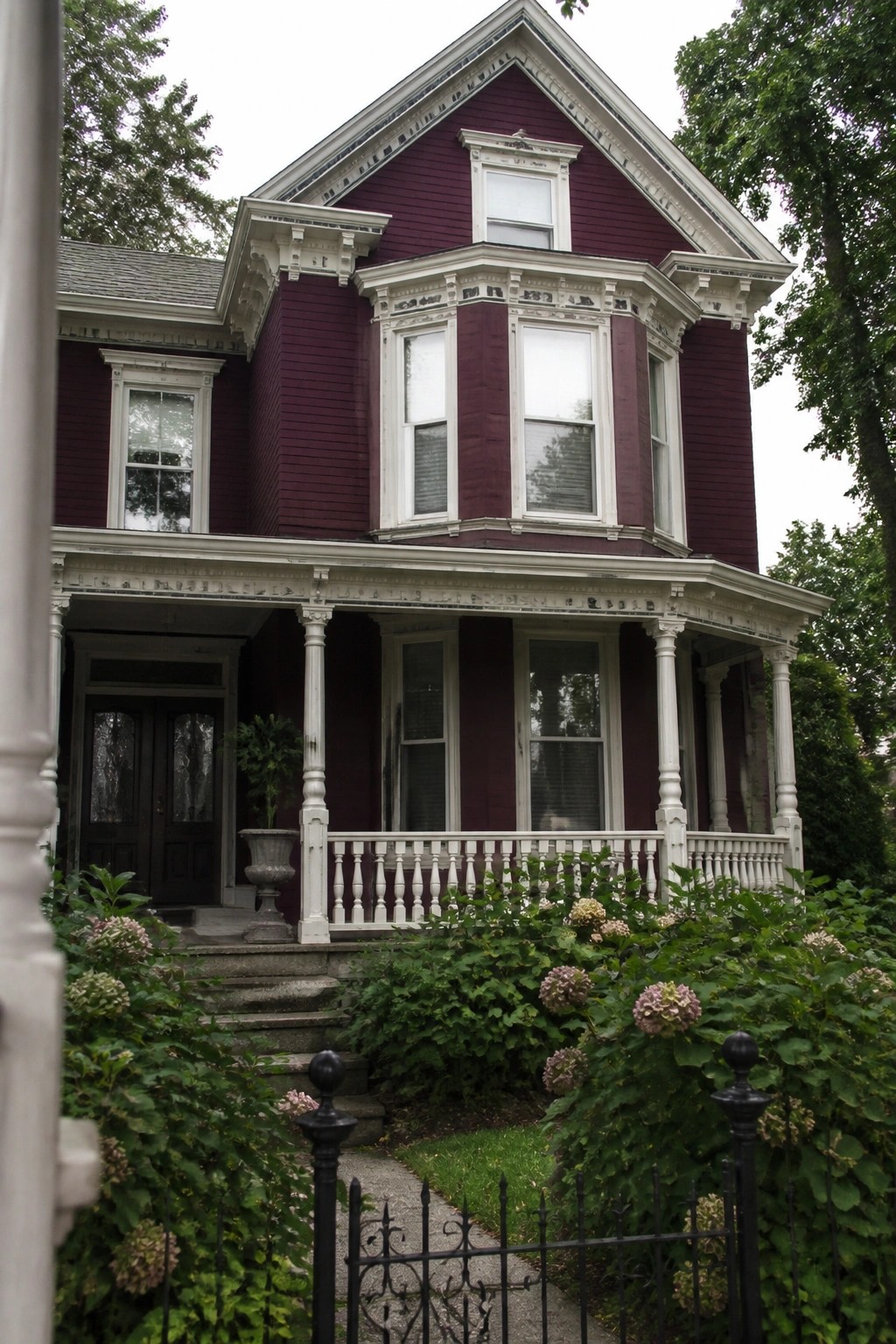
A deep burgundy exterior paired with white trim gives a house a clean, classic look without feeling too formal. The white edges draw attention to the windows and any turned posts or brackets, which keeps the whole front from looking heavy.
This approach works best on homes that already have some architectural detail to highlight. Stick to the same white shade for all the trim and keep it bright so it stays crisp against the darker paint.
Burgundy Siding With White Trim
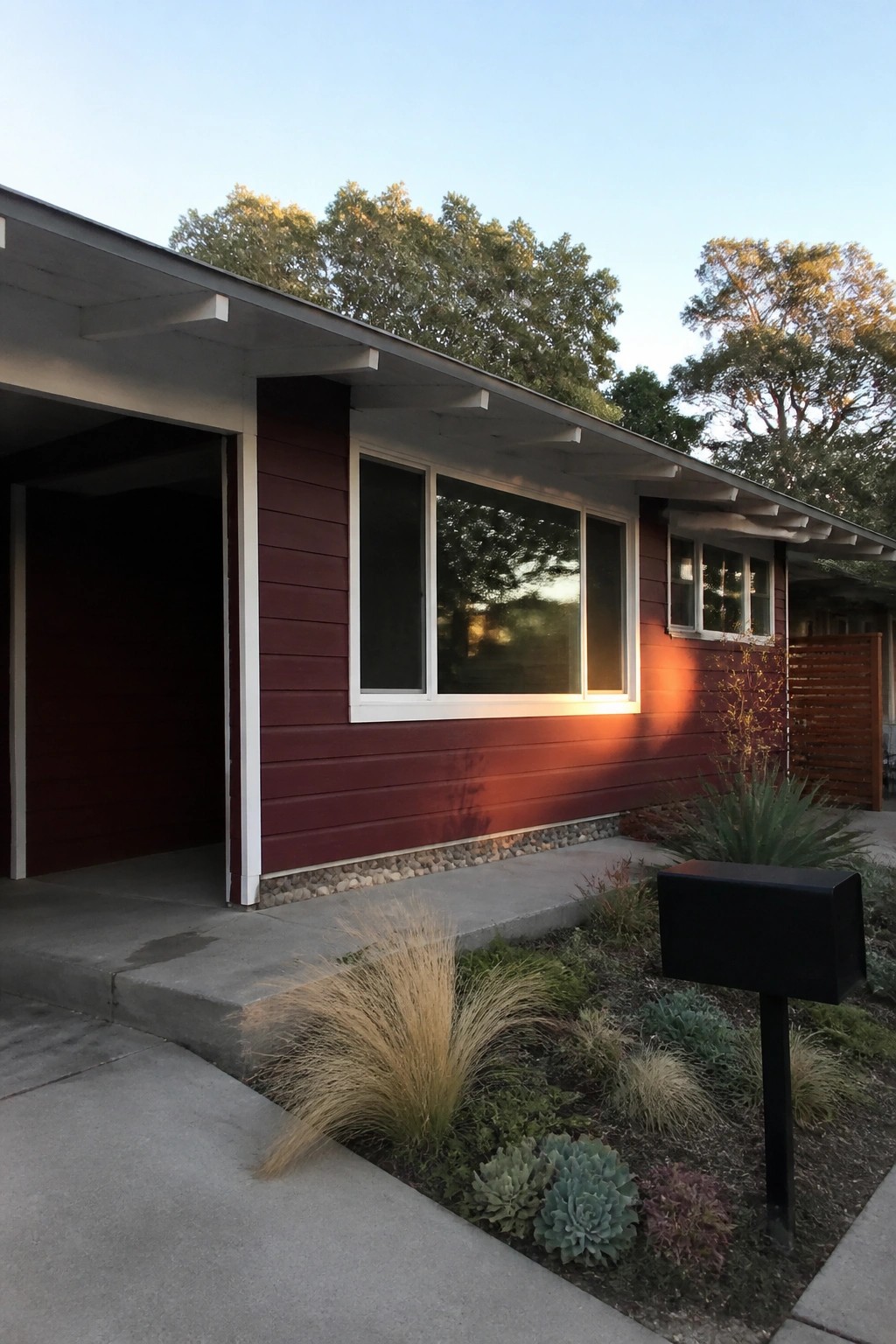
The deep burgundy siding stands out because the white trim around the windows keeps the color from feeling heavy or flat. That clean edge makes the whole front look sharper and more put together, especially when the windows are large and evenly spaced.
This approach works best on single-story homes with simple rooflines. Use a matte paint on the siding so the white trim stays the focus, and avoid adding too many other colors that could compete with the contrast.
Burgundy and White on Half-Timbered Facades
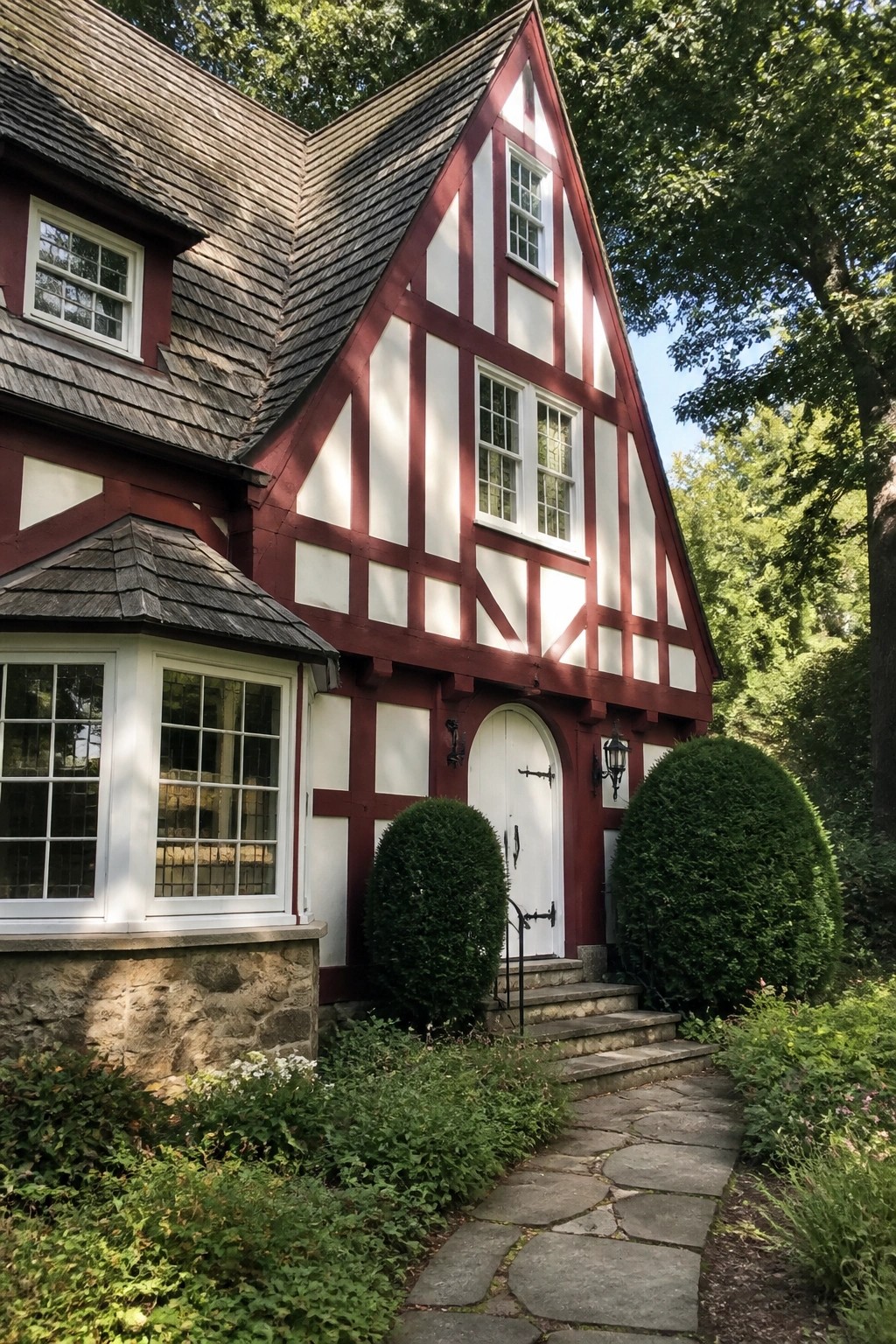
Deep burgundy with white trim gives this kind of Tudor exterior a clear, defined look. The dark red makes the wood framing stand out while the white sections keep the whole front from feeling heavy.
This color pairing suits homes that already have strong vertical and diagonal lines in the facade. It works best when the trim around the windows stays crisp and the door is kept light so the balance does not tip too far toward the red.
Burgundy Siding With White Trim
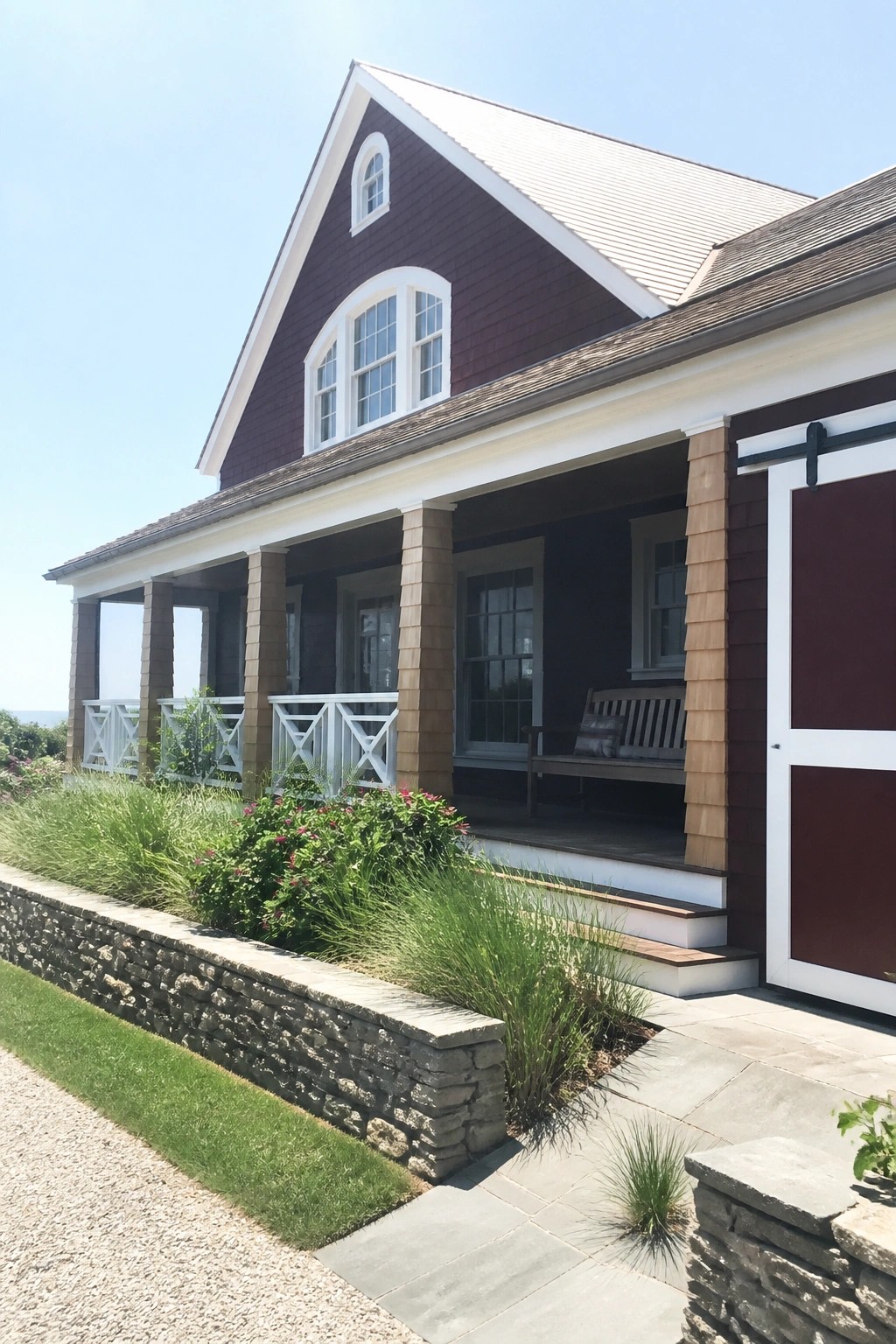
A deep burgundy on the main siding creates a strong base color that holds up well next to bright white trim. The contrast keeps the windows and roof edges looking sharp without needing extra decoration.
This works best on houses with straightforward rooflines and a front porch. Use the white on all window frames, column tops, and railings so the burgundy reads as the main color instead of getting lost.
Burgundy Brick With White Window Trim
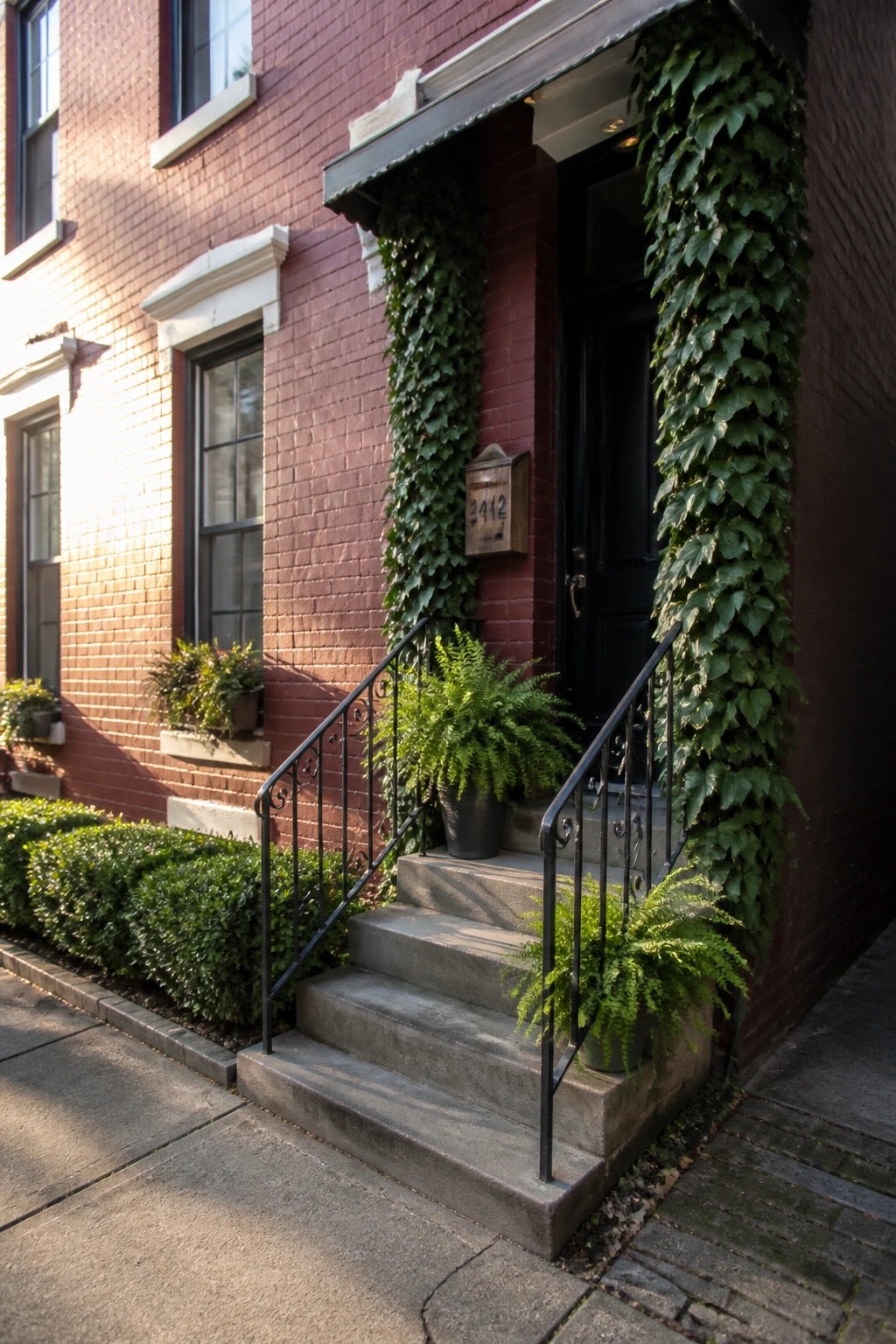
White trim works especially well on deep red or burgundy brick because it gives the windows a clean outline without competing with the strong color of the brick itself. The contrast keeps the facade from feeling heavy while still letting the brick stay the main feature.
This approach suits older brick homes that already have simple window openings. Keep the trim bright and the sash color consistent so the windows read as a deliberate design choice rather than an afterthought.
Burgundy Walls With White Trim
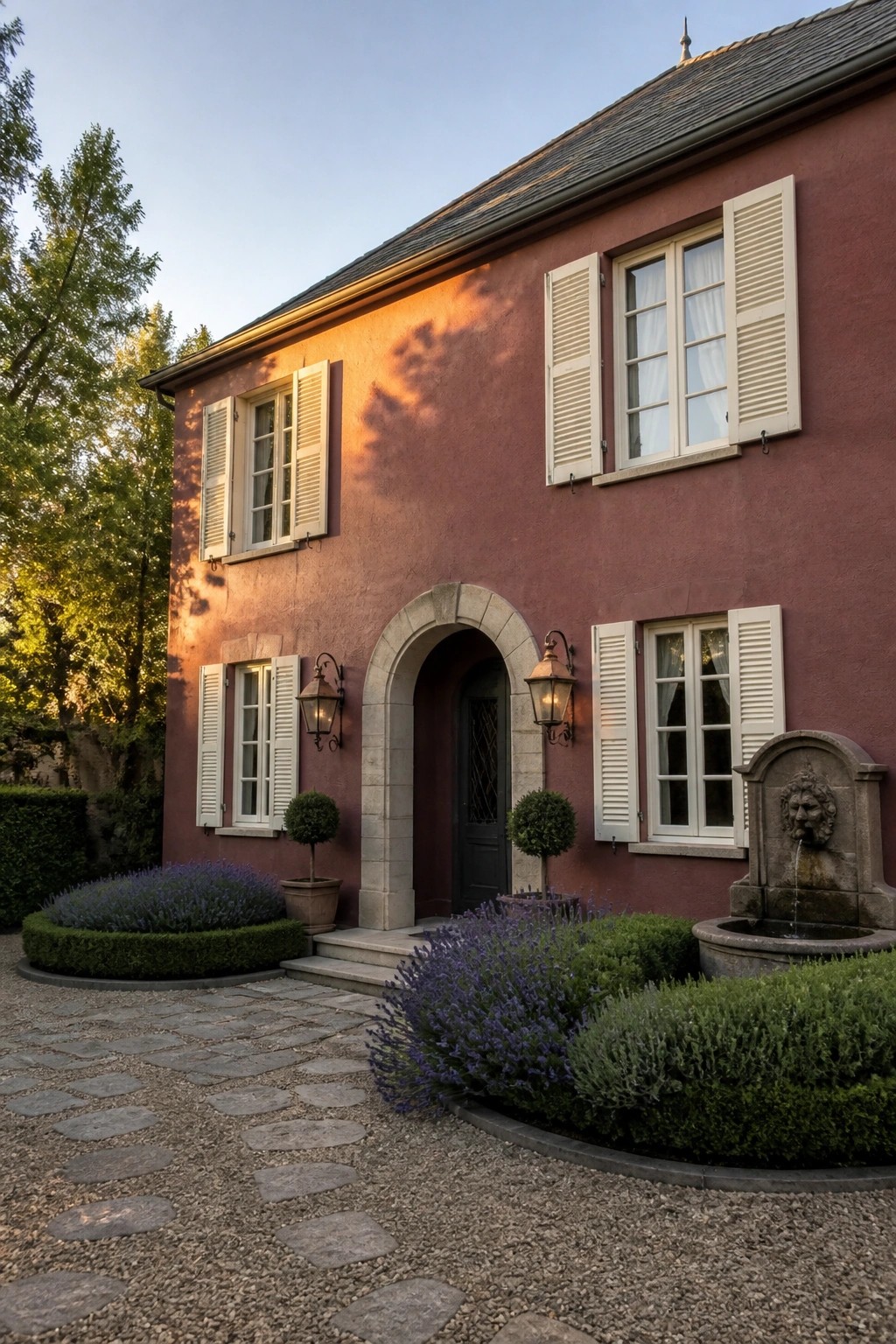
This color choice stands out because the white trim and shutters create a clean line that keeps the deep burgundy from feeling heavy. The contrast makes the windows read as a strong feature instead of blending into the wall.
It works well on stucco or plaster homes that already have some architectural detail around the openings. The look suits older styles or homes trying to feel more classic without adding extra molding or stone.
Burgundy Siding With White Window Trim
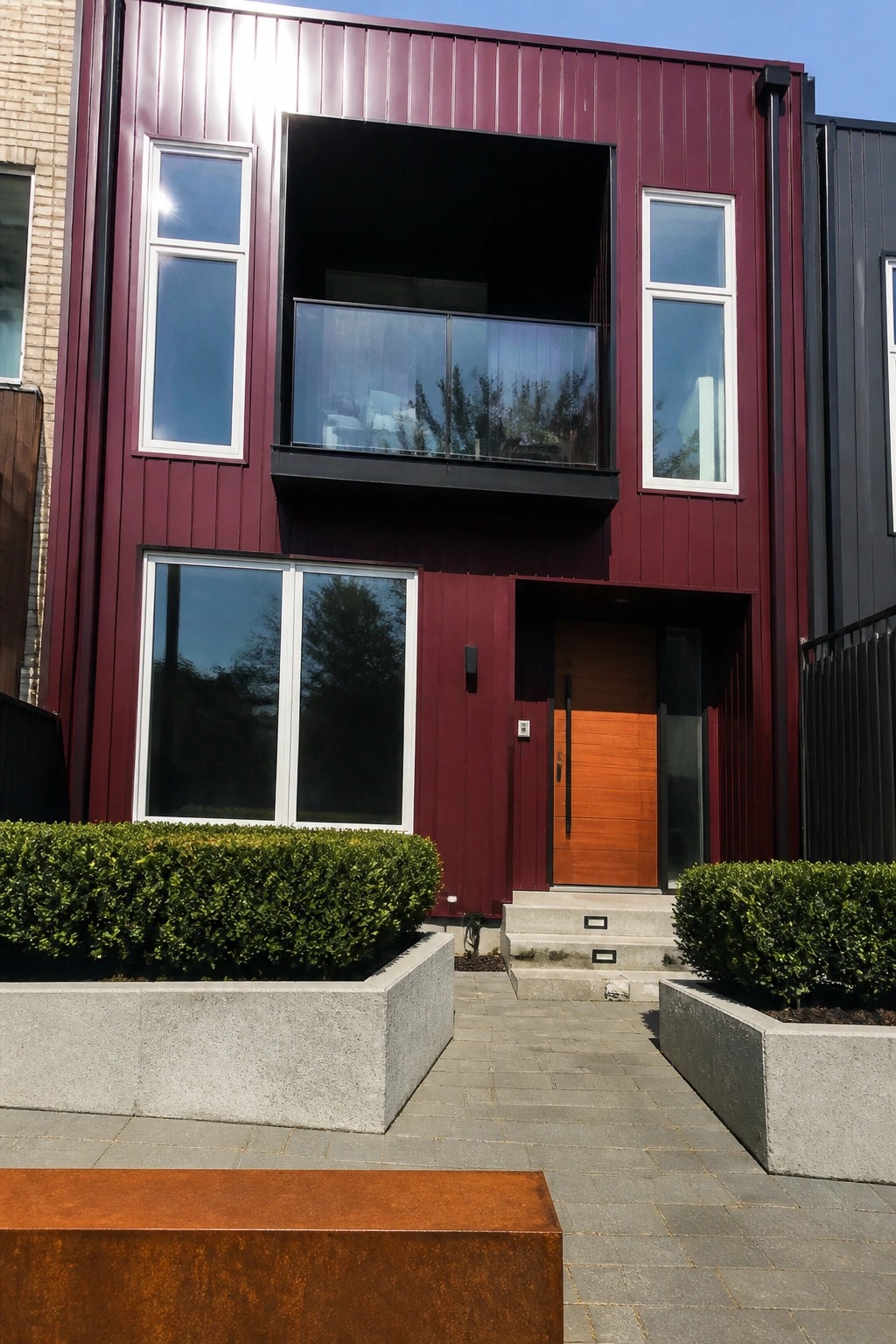
A deep burgundy exterior works well when the windows get a clean white frame. The contrast makes the house feel sharp and modern instead of flat or heavy.
This approach suits simple modern homes with straight lines. It helps the windows read as a strong design element without adding extra trim or detail.
Burgundy Siding With White Trim
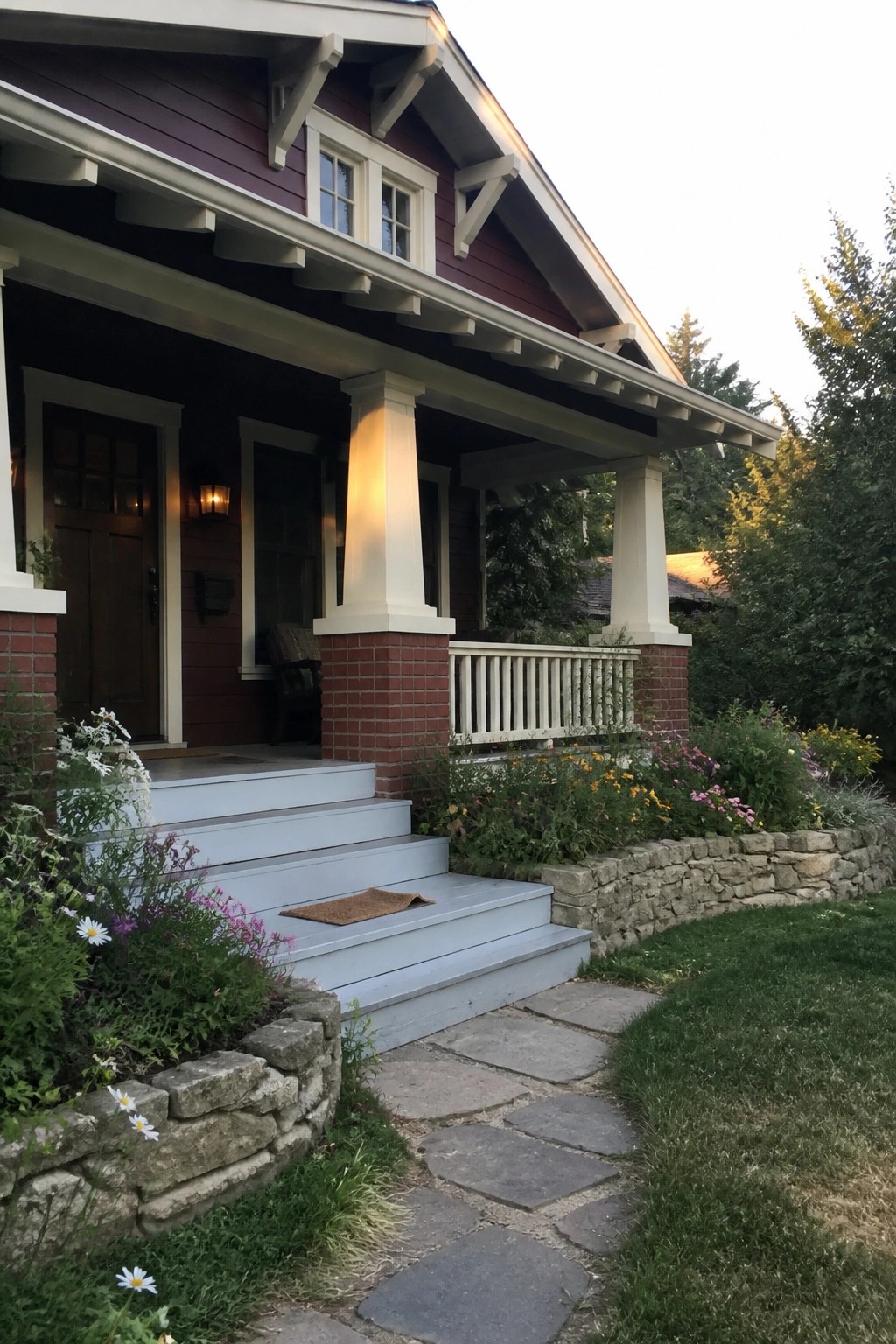
Deep burgundy siding gains definition when paired with white trim on the windows, porch columns, and eaves. The contrast keeps the house from looking flat and helps the shape read clearly from the street.
This color choice works best on traditional homes where the trim lines are already strong. Make sure the white stays bright and the edges stay sharp so the burgundy does not overpower the rest of the facade.
Burgundy Siding With Crisp White Trim
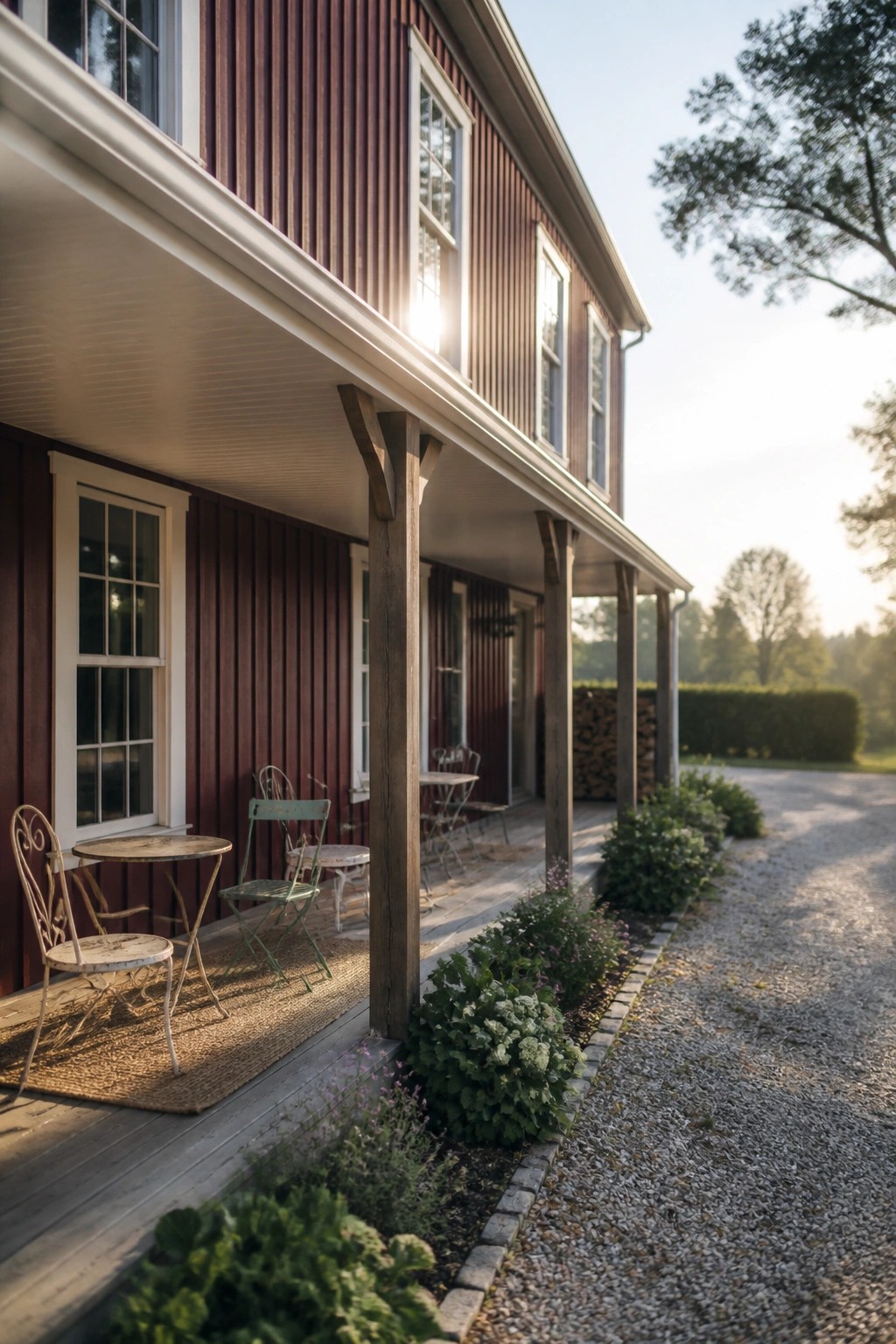
The strong contrast between deep burgundy siding and bright white trim gives the windows clear definition. It keeps the whole front from looking flat while still feeling simple and traditional.
This approach works best on homes with several windows or a long porch line. Keep the trim fairly narrow and make sure the white stays bright so it reads cleanly against the darker paint.
White Trim Against Deep Burgundy Walls
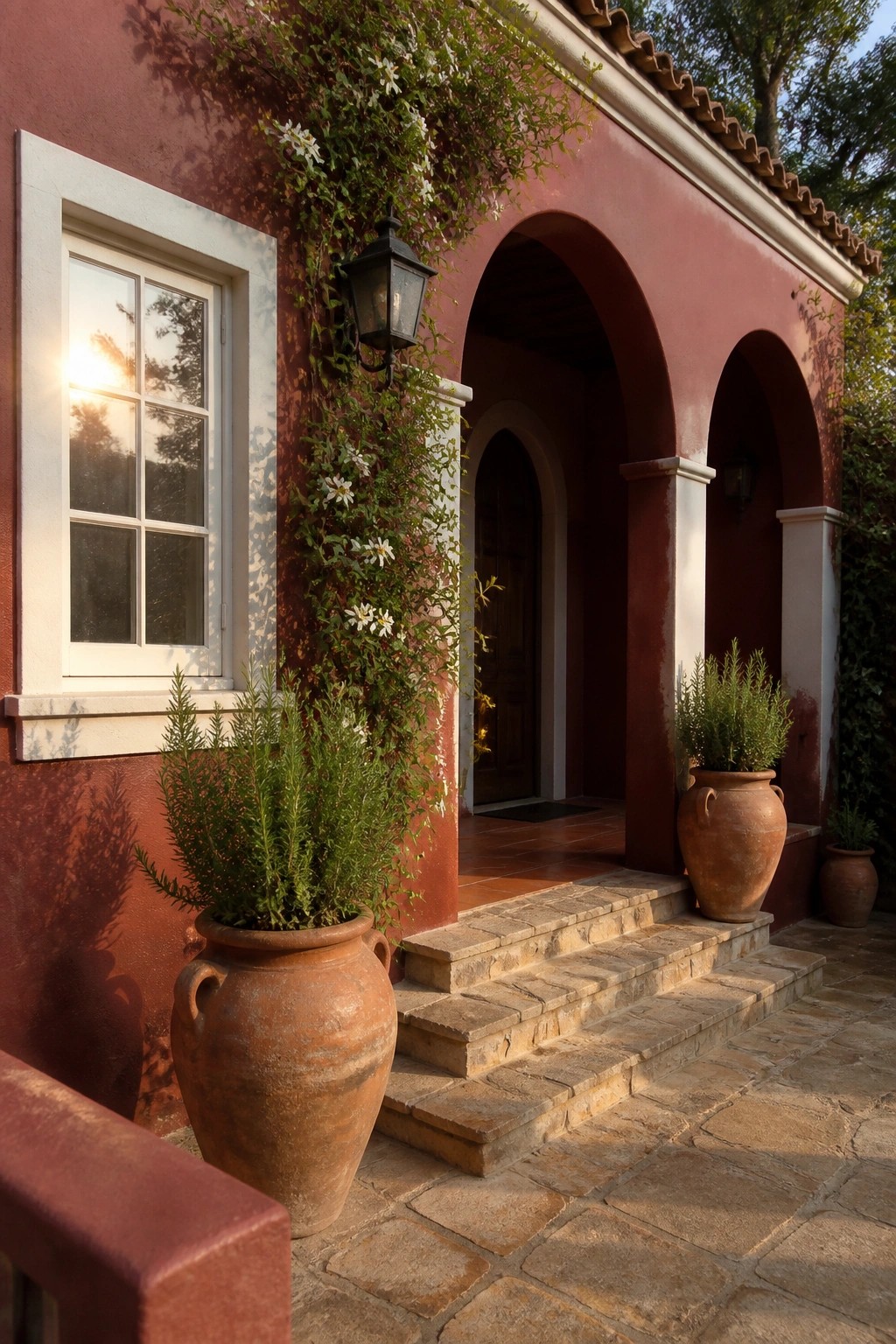
White trim gives a burgundy exterior a clean edge that stops the color from feeling heavy. It draws attention to the shape of the windows and doors without needing extra decoration.
This approach suits houses with straightforward lines and a few strong openings. Keep the white bright and the paint finish smooth so the contrast stays sharp over time.
Burgundy Siding With Crisp White Trim
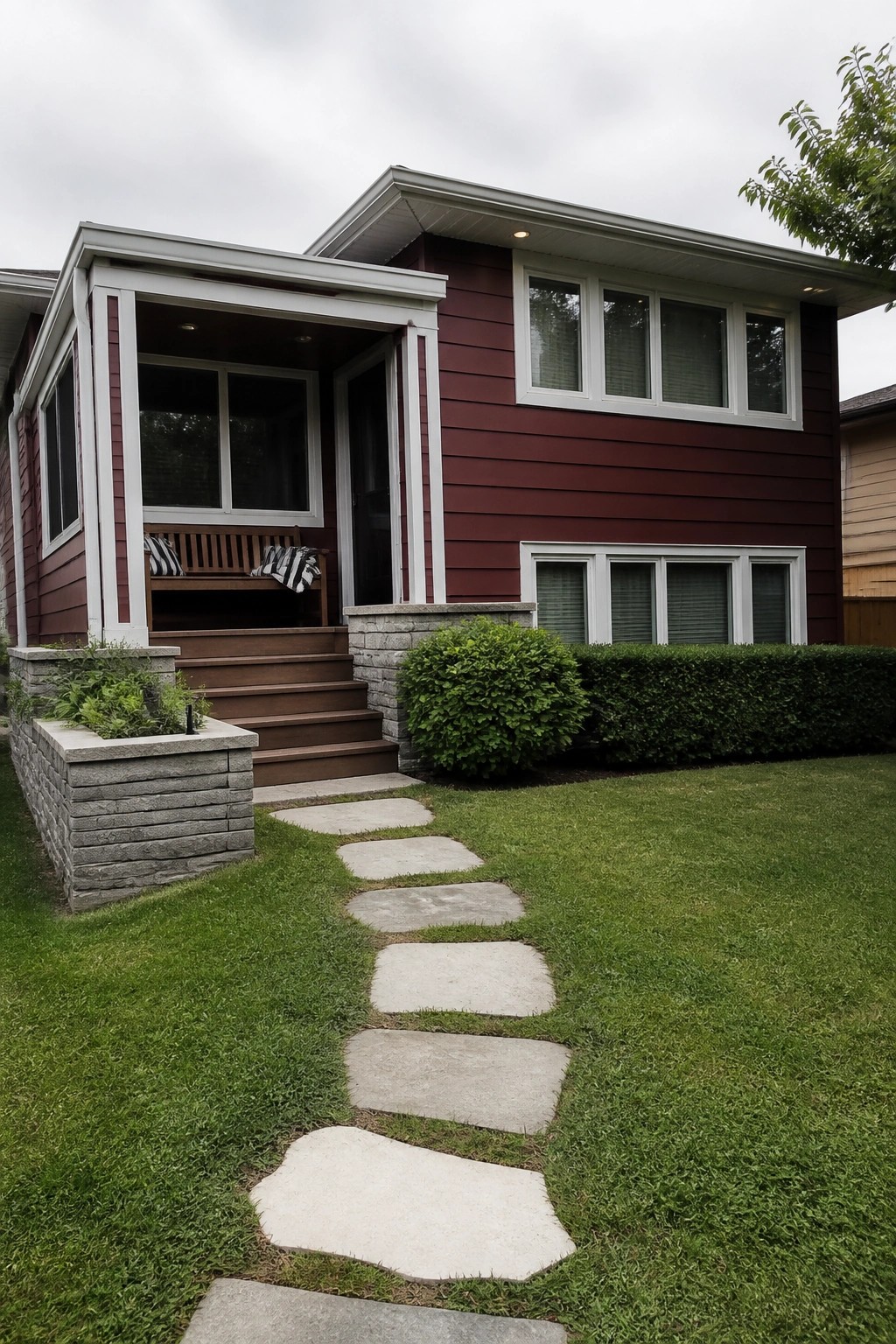
The contrast between deep burgundy siding and white trim makes the windows and porch structure stand out without extra decoration. It gives the front a tidy, finished look that holds up even on an overcast day.
This works best on houses with straightforward shapes and multiple windows. Keep the trim consistent around every opening and the porch edge so the color stays the main focus rather than competing with other details.
Building a Deck That Extends the Living Space
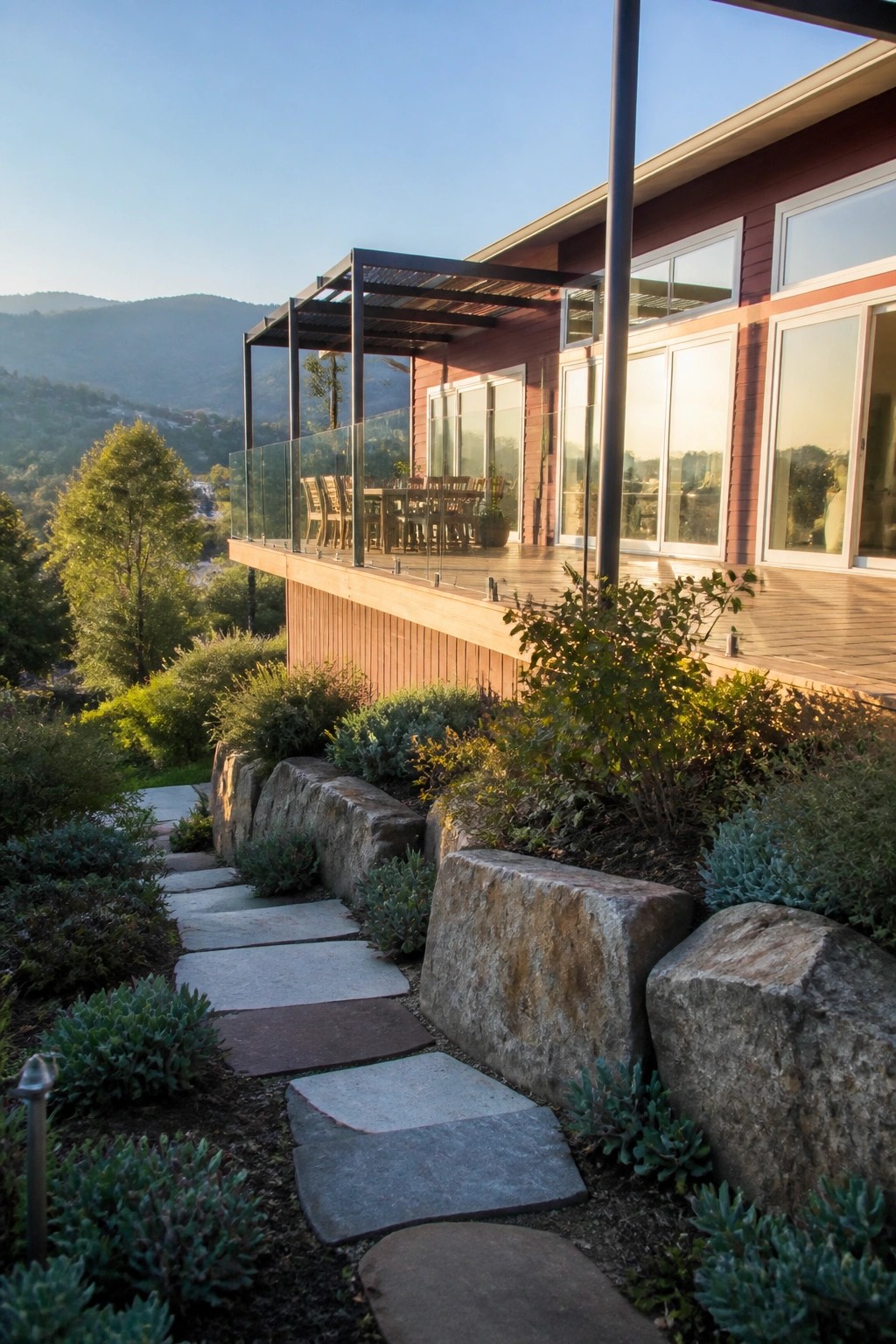
A raised deck works well when it sits at the same level as the main floor. It turns the side of the house into usable outdoor space without feeling like an afterthought. The wood decking and dark pergola give the area structure while the house color stays the main focus.
This setup suits homes on a slope where the ground drops away from the back or side. Keep the railing simple so the windows and trim stay visible. Make sure the deck material does not fight with the siding color.
Burgundy Siding With White Trim
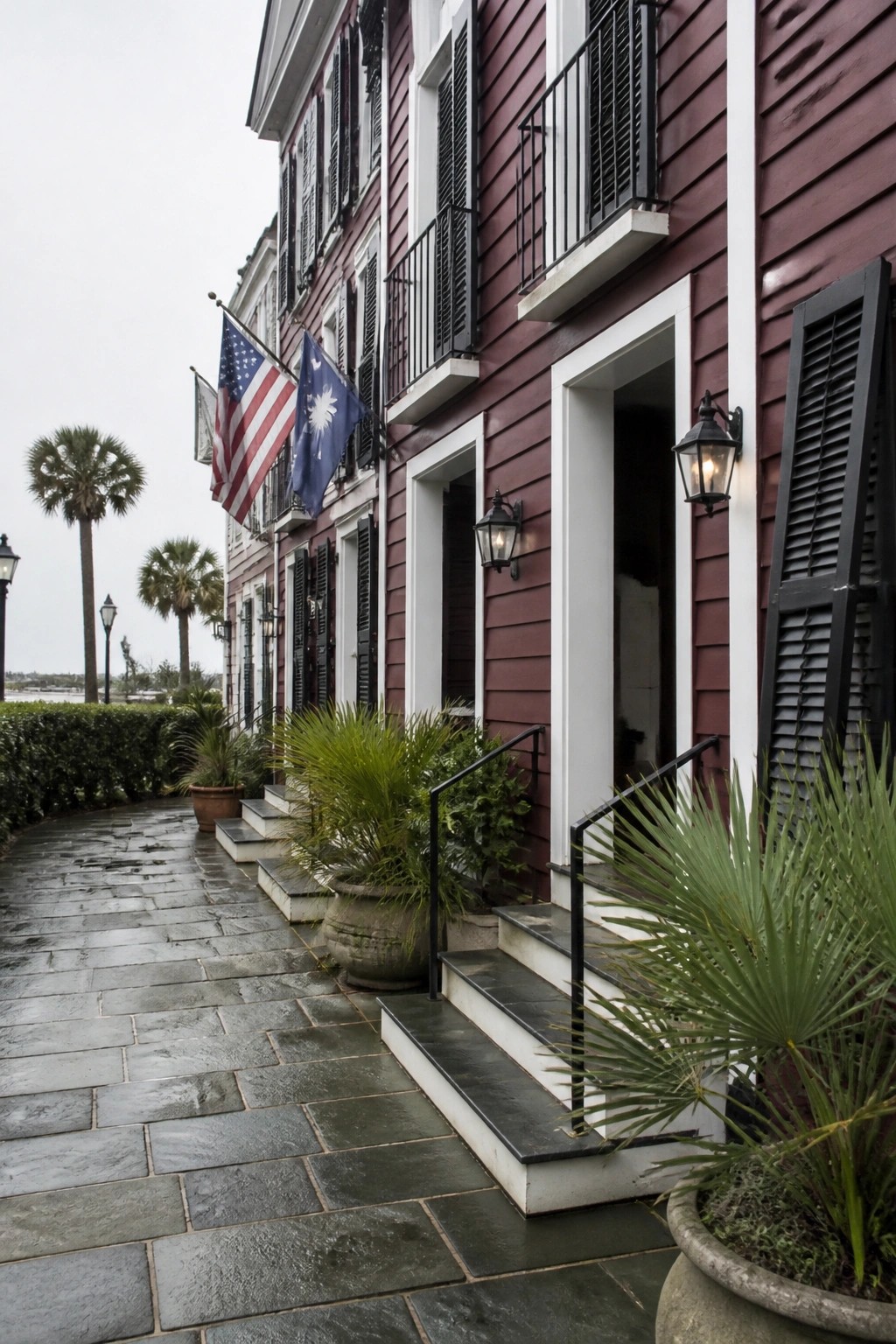
Burgundy siding paired with white trim gives a house a sharp, traditional look that still feels approachable. The white frames around doors and windows stand out cleanly against the darker color and help define the shape of the facade without extra decoration.
This combination suits older homes or neighborhoods that favor classic details. Keep the white bright and use black shutters or railings if you want a bit more contrast, but avoid adding too many other colors that could compete with the main pairing.
White Trim Sharpens Brick Exteriors
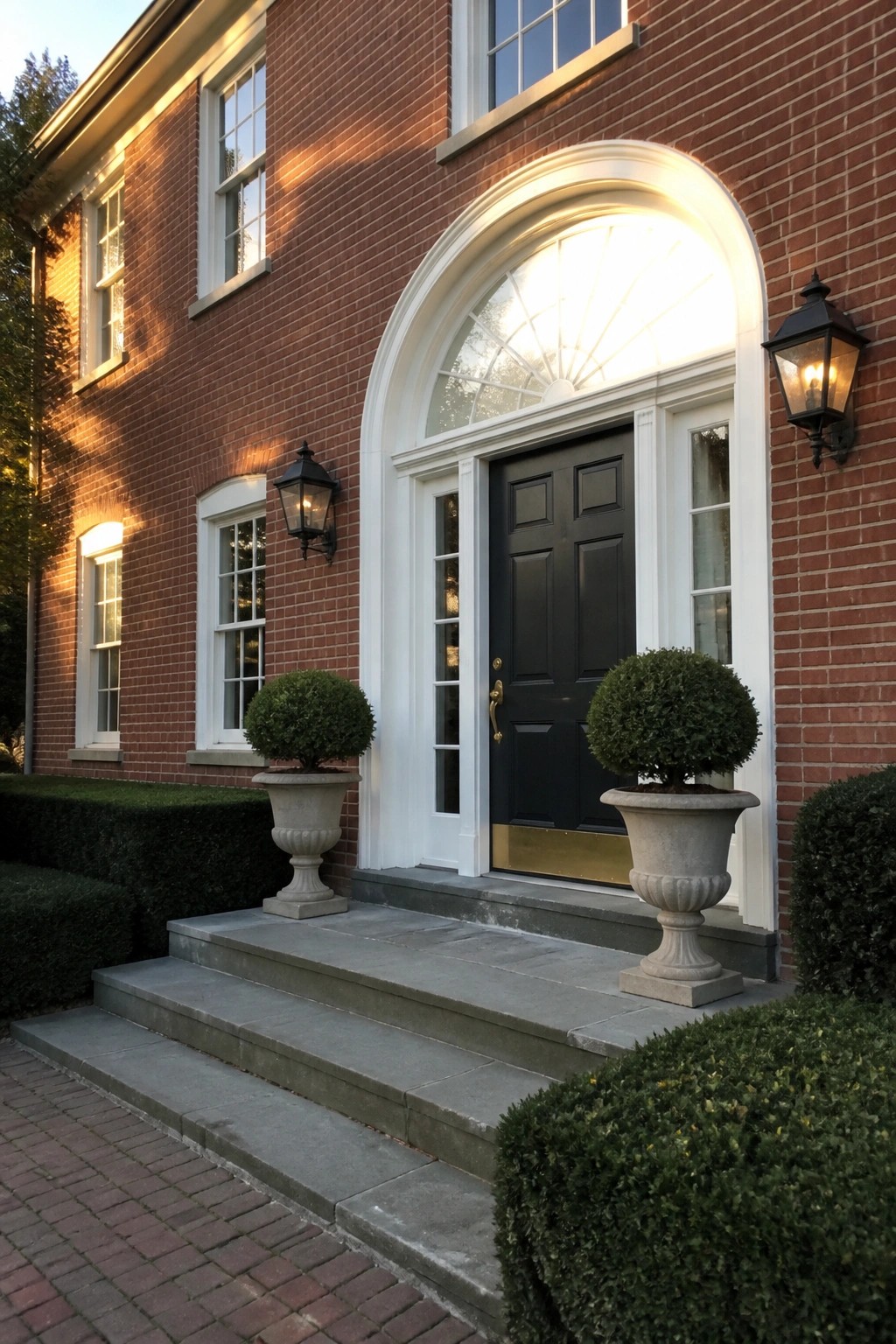
White trim around windows and doors gives a brick house a cleaner, more finished look. It creates clear lines that keep the facade from feeling flat or heavy.
This approach works best on homes with straightforward brick walls and simple rooflines. Match the trim color around the main entry and keep it bright so the contrast stays consistent across the front.
Adding a Fire Pit Near the Porch
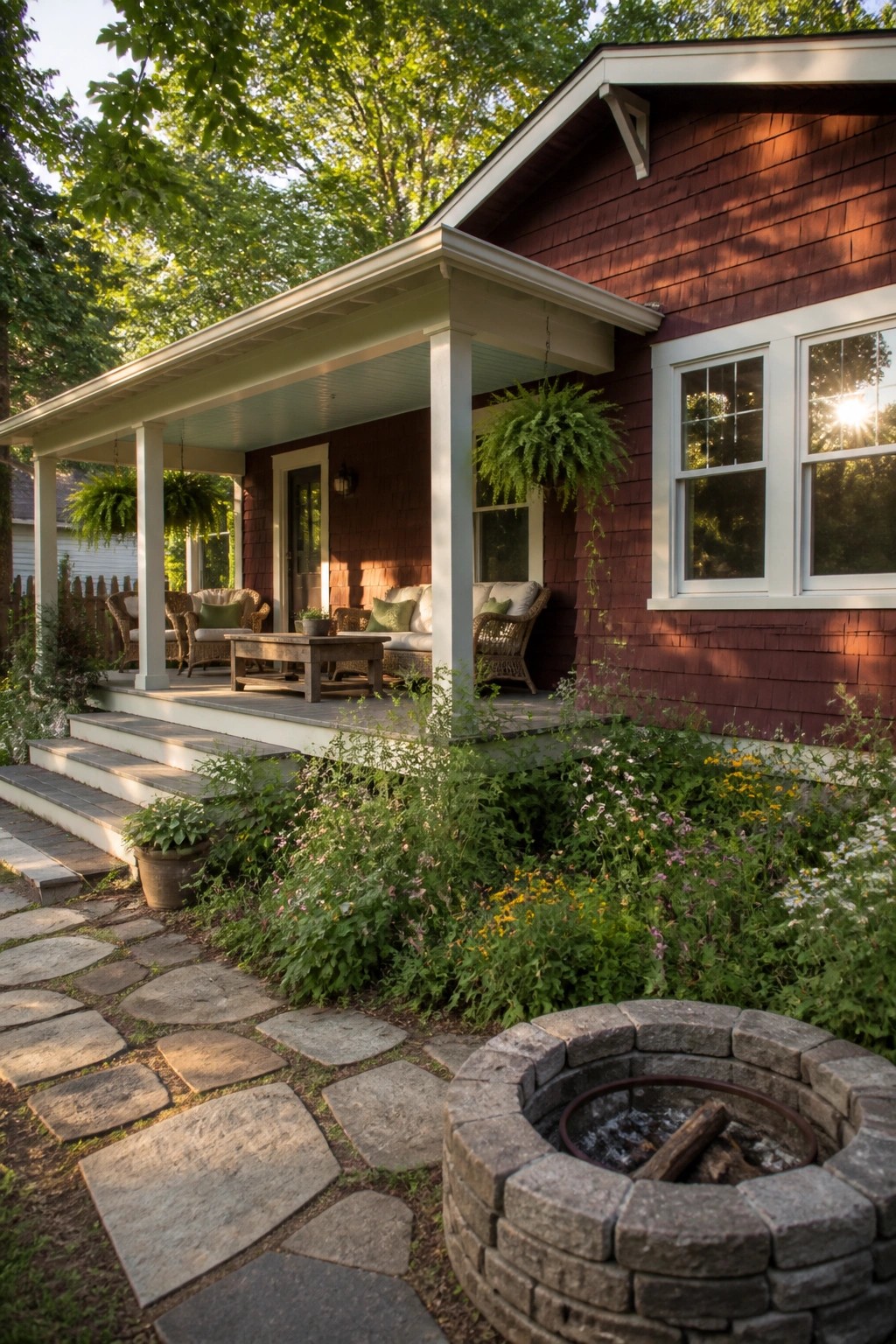
Placing a fire pit right off the porch gives the outdoor space a clear purpose. It turns the area just beyond the steps into a spot people actually use instead of walking past on the way to the yard.
This works best on homes with a simple porch and some open ground in front. Keep the pit at a comfortable distance from the seating so the heat stays manageable and the path around it stays clear.
Frequently Asked Questions
Q: What shade of burgundy works best with white trim if my house gets a lot of sun? A: Pick a mid-tone burgundy that leans warm rather than cool. It holds its depth without shifting flat or muddy after a season outside. Paint a couple of test patches on the siding and check them at different times of day.
Q: How often do I need to repaint the trim to keep it looking crisp? A: Touch up the trim every three to five years based on how much weather it takes. Scrub the surface clean before each new coat so the edges stay sharp. That schedule keeps the look clean without constant effort.
Q: Should I paint the front door burgundy too? A: Leave the door a different color like deep green or black. Matching it to the siding can flatten the whole front instead of giving it contrast. The white trim already does the work of framing everything.
Q: Does this color scheme hide dirt well on a busy street? A: Burgundy siding covers most road grime without much fuss. The white trim shows dust sooner so wipe it down a few times a year with a hose. That small step keeps the crisp lines from fading into the background.
