

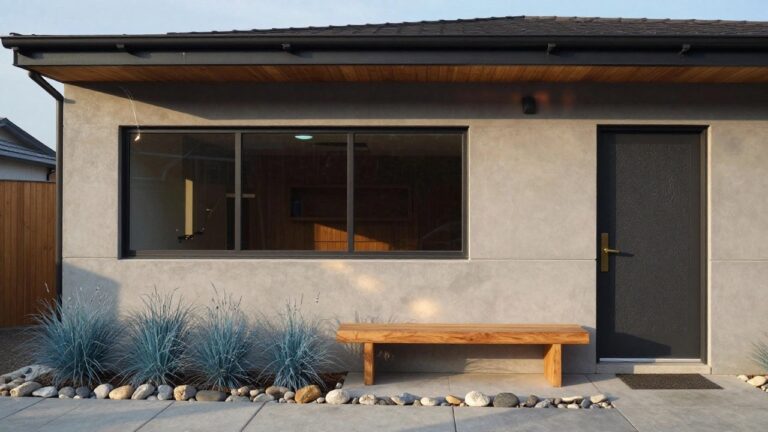
When you approach a house, the way windows sit under their overhangs often sets the tone for the whole facade right away.
A good overhang tempers harsh sunlight to keep interiors cooler and adds depth that makes plain siding or brick read more intentionally from the street.
I remember eyeing our roofline one summer and realizing a basic flat extension was washing out the entry instead of framing it.
These designs play with shapes and materials that echo everything from gabled roofs to flat modern lines.
A few caught my eye enough that I’d adapt them to test on paper first for any exterior.
Deep Concrete Overhang for Window Shade
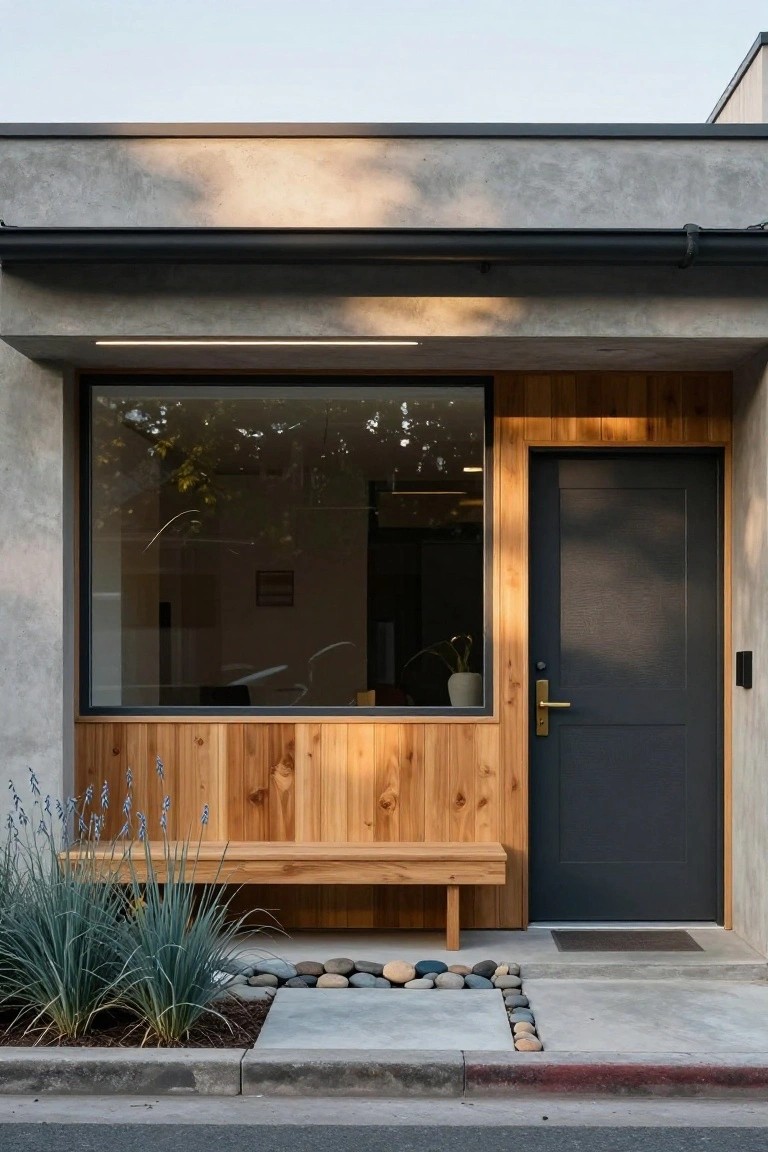
A wide concrete overhang sits right above a tall glass window on this modern house front. It cuts harsh sunlight during the day, which you can see from the shadows inside. A slim LED strip tucked under the edge gives soft light at night, turning a simple shade feature into something practical and a bit stylish.
This kind of overhang fits homes with flat roofs or strong horizontal lines. Use it over entry windows or living room glass to keep interiors cooler. Match the depth to your window height, and add wood trim nearby if the concrete feels too stark. It keeps things low-maintenance too.
Simple Roof Eave Shades Windows
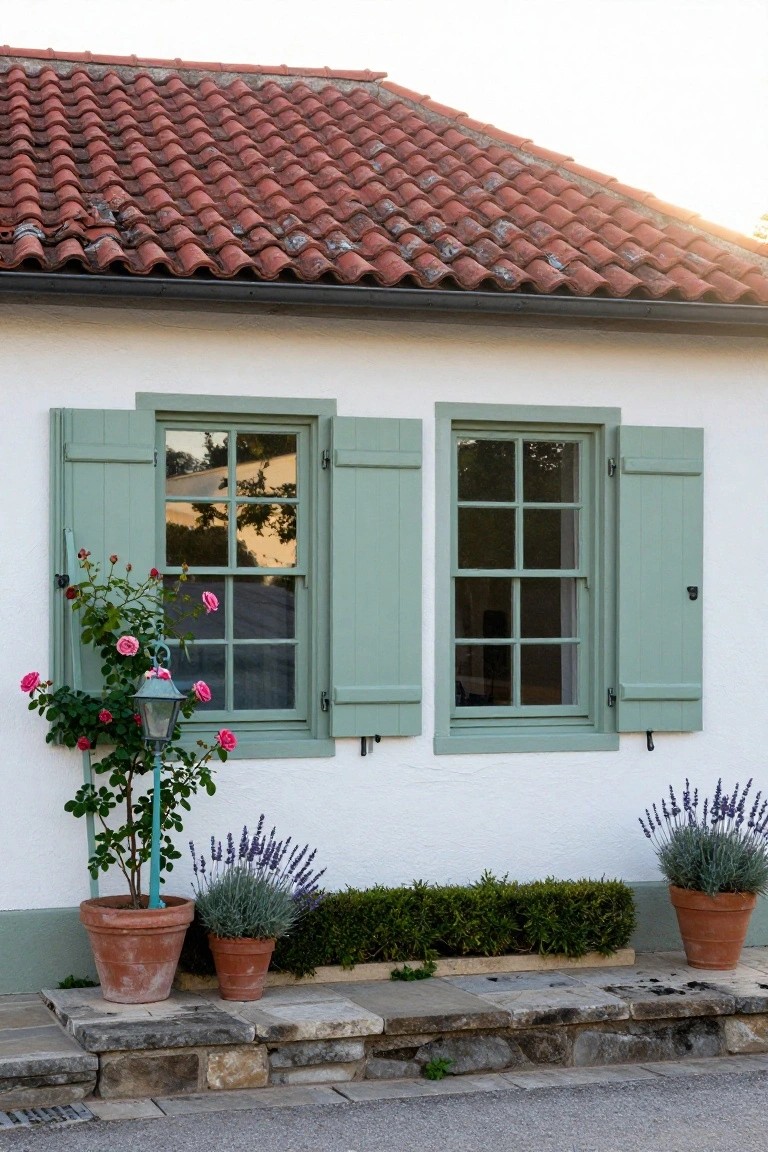
A basic roof eave like this one works quietly to keep direct sun off the windows. You see it here extending over a pair of shuttered panes on a white stucco wall, with those red barrel tiles catching the light just right. It cuts glare inside without blocking the view, and pairs easy with plants like climbing roses at the base.
This setup fits older homes or ones with a bit of Mediterranean feel, especially where afternoons get hot. Keep the eave wide enough, around two feet, and let shutters swing open for air. Add a few pots nearby to soften things up. Skip it on super modern flat roofs though.
Recommended Products

Easy to Install: Our awnings for windows come with clear instructions and pictures that make assembly and installation a breeze. Save time and effort with hassle-free installation process. We recommend having two people for the installation process
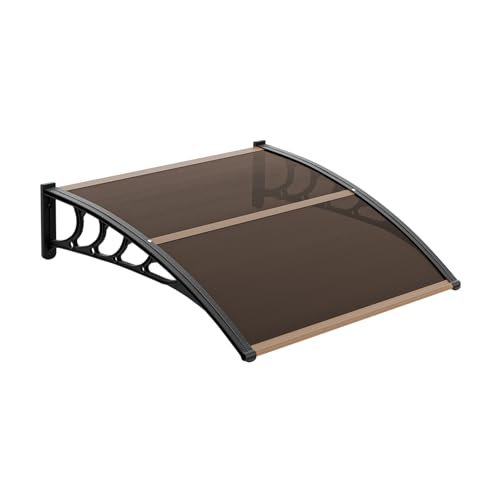
Easy to Install: Our awnings for windows come with clear instructions and pictures that make assembly and installation a breeze. Save time and effort with hassle-free installation process. We recommend having two people for the installation process

Efficient Drainage Design: Designed with an upgraded directional drainage sink, this polycarbonate door awning quickly guides rainwater away from your entrance. From light drizzles to heavy downpours, it keeps your doorway clean, dry, and slip-free
Window Eaves with Hanging Lanterns
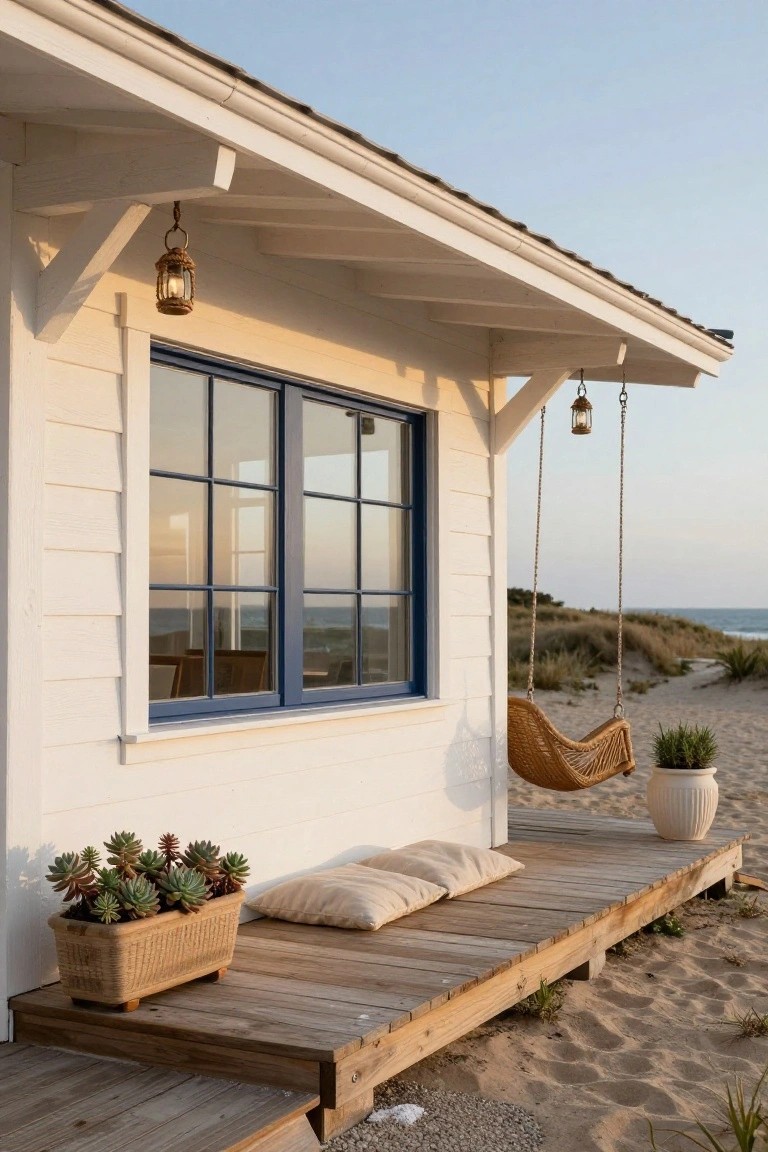
A deep eave like this one over the window keeps direct sun off the glass during the day. Then a couple of lanterns hang right from the underside on ropes, ready for soft light at dusk. On a white-sided beach house with a blue window frame, it pulls together shade and a little evening glow without looking fussy.
Put this on any casual exterior where overhangs already exist, like cottages or porches facing water. Use simple rope-hung lanterns that take weather. It fits relaxed spots best… nothing too formal. Just check the chains stay secure in wind.
Rusted Metal Window Overhangs
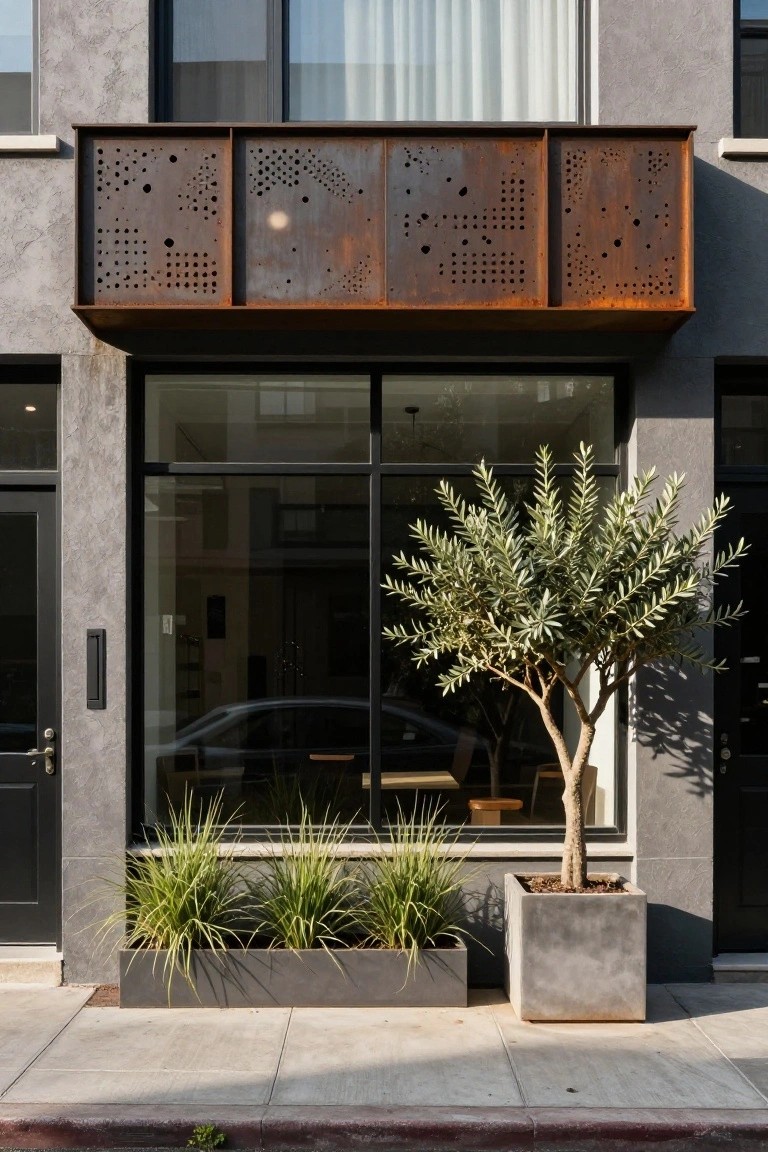
A rusted metal overhang like this one uses perforated steel panels stretched out over large windows. The cutout patterns let in dappled light for shade inside without blocking the view. That weathered patina gives a tough industrial feel that fits right with clean lines on a modern house.
You can pull this off on urban row homes or new builds where you want some grit. Stick it above big glass to frame the entry and pair with low plants in concrete pots, like grasses or that olive tree here. Just make sure the metal is treated if you don’t want rust spreading everywhere.
Terracotta Tile Window Overhangs
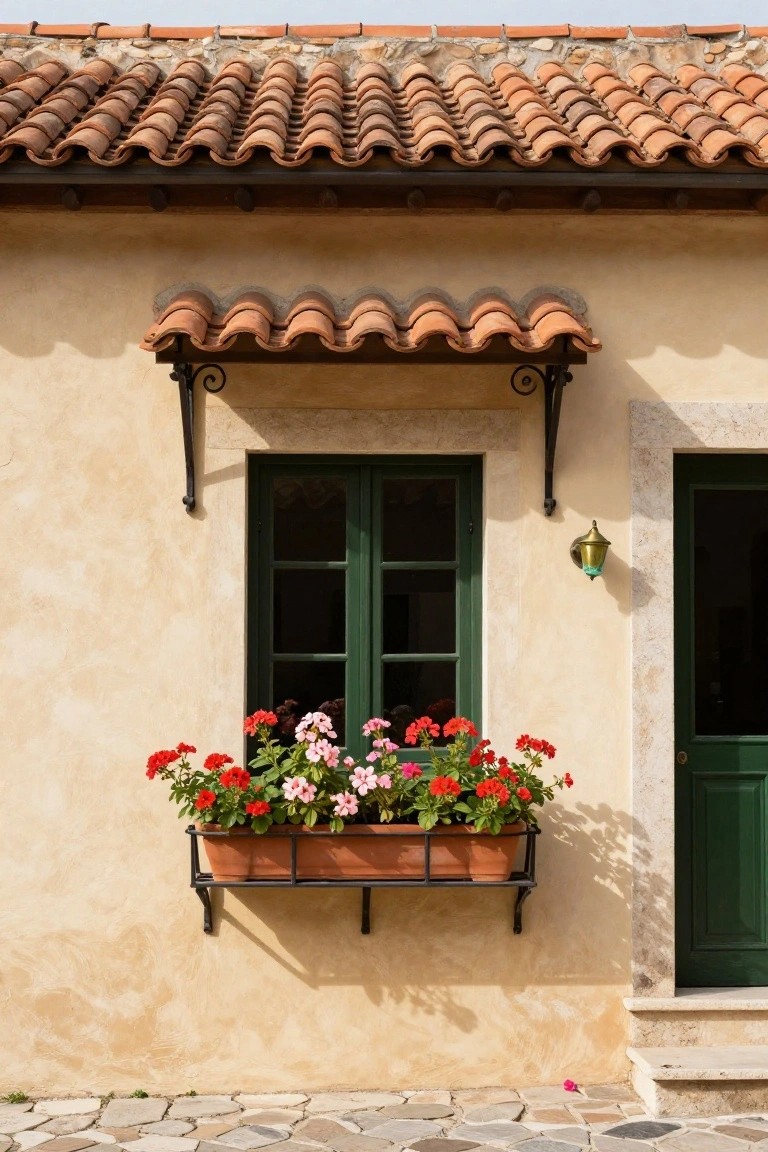
A terracotta tile overhang like this one sits right above the window, curving out just enough to block harsh sun while echoing the main roofline. The green shutters below keep things simple, and that flower box full of geraniums adds a pop of color without trying too hard. It’s practical shade that looks right at home on older-style houses.
You can pull this off on any sunny side of the house, especially where you want to protect the window glass and grow some plants. Match the tiles to your roof, use strong wrought iron brackets, and pick trailing flowers that hang over the edge a bit. Works best on stucco or stone walls… just make sure the box drains well so the wood doesn’t rot.
Deep Eaves for Window Shade
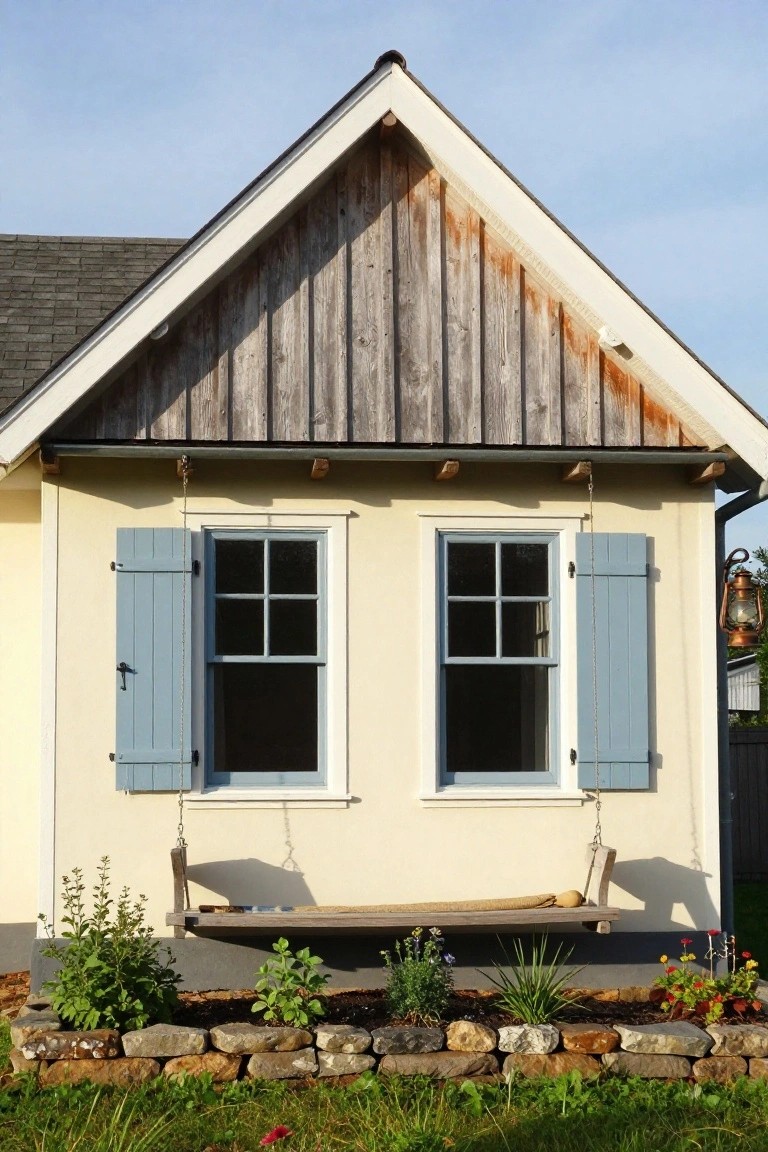
One straightforward way to shade your windows is with deep roof eaves like these. The wooden beams stick out far enough to block strong sun, keeping the rooms cooler inside. Here the weathered wood gives a rustic look that fits right with the yellow walls and blue shutters. It makes the house feel sturdy and timeless without much extra work.
These work best on homes with gabled roofs or simple farm-style designs. Build them wide, at least two feet out from the windows, using real wood for that natural patina over time. Pair with shutters for more style. Skip if your roofline is too flat, though. Just check local building rules first.
Recommended Products
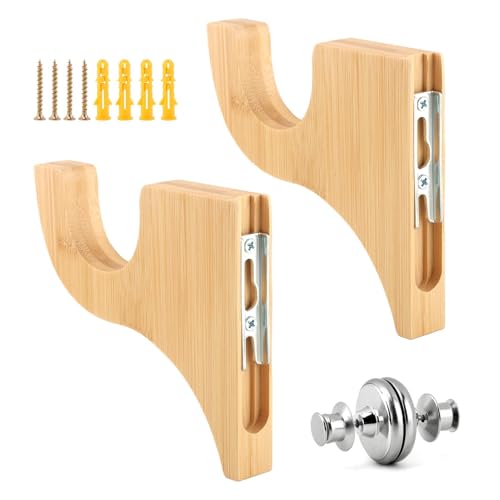
📏 This 2-pack complete set includes 2 wall-mounted wooden curtain rod brackets, each measuring 5.51" × 4.72" × 0.79". It is precision-engineered to perfectly fit 2-inch diameter curtain rods with a 3.5" projection. We highly recommend measuring your curtain rod’s outer diameter before purchase to avoid size mismatch issues.
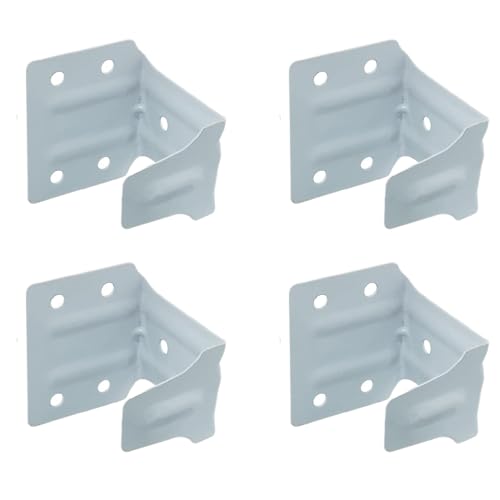
Package & Size: 4pcs center support brackets; Size: 47 x 56 x 45 mm/ 1.8 x 2.2 x 1.7 inch; Suitable for: 50 mm/ 2 inch top blinds

Size: Approx. 1.75 inch in height and 2.5 inch in width, please refer to pictures for checking the size information before purchase (make sure it's matched to your blinds).
Perforated Metal Window Overhang
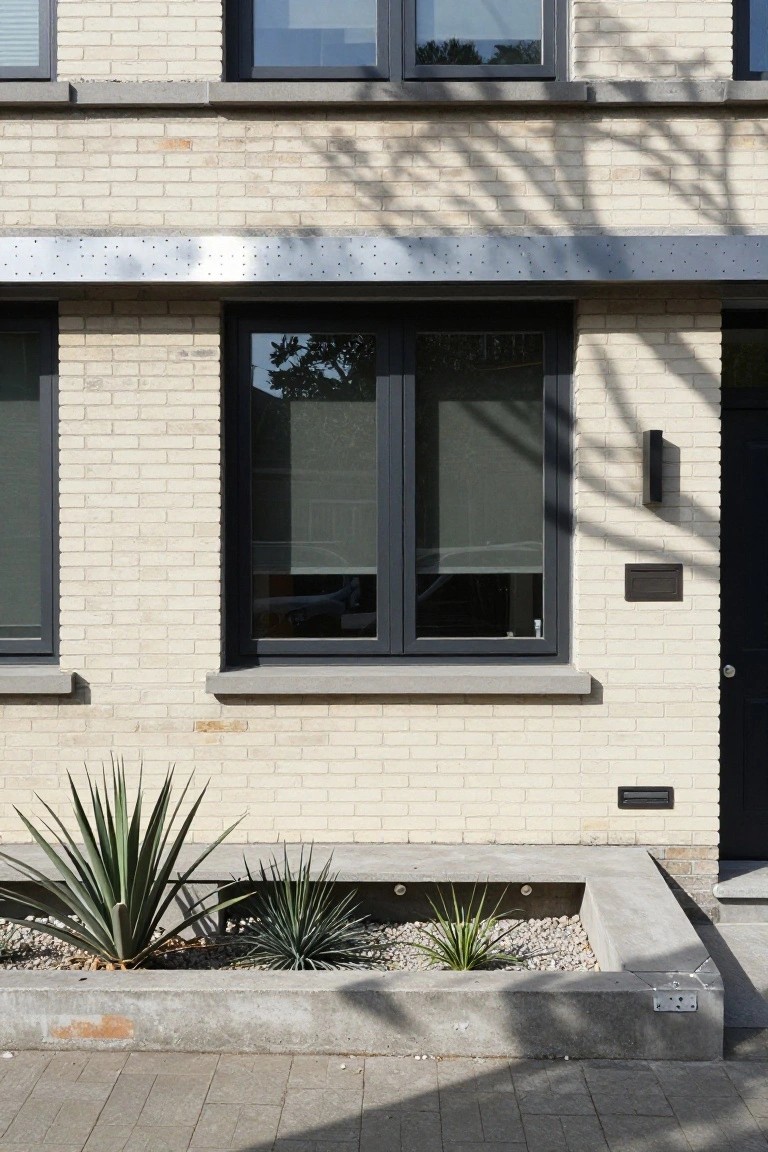
A perforated metal overhang sits right above the upper windows on this brick house. The pattern filters sunlight so you get shade without losing all the light inside. It adds a simple industrial touch that fits the beige brick and dark frames nicely.
This kind of overhang works best on homes with lots of glass facing the sun. Try it on mid-century or contemporary facades where you want protection from glare and heat. Pick a metal finish close to your siding… avoids clashing.
Roof Eaves as Window Overhangs
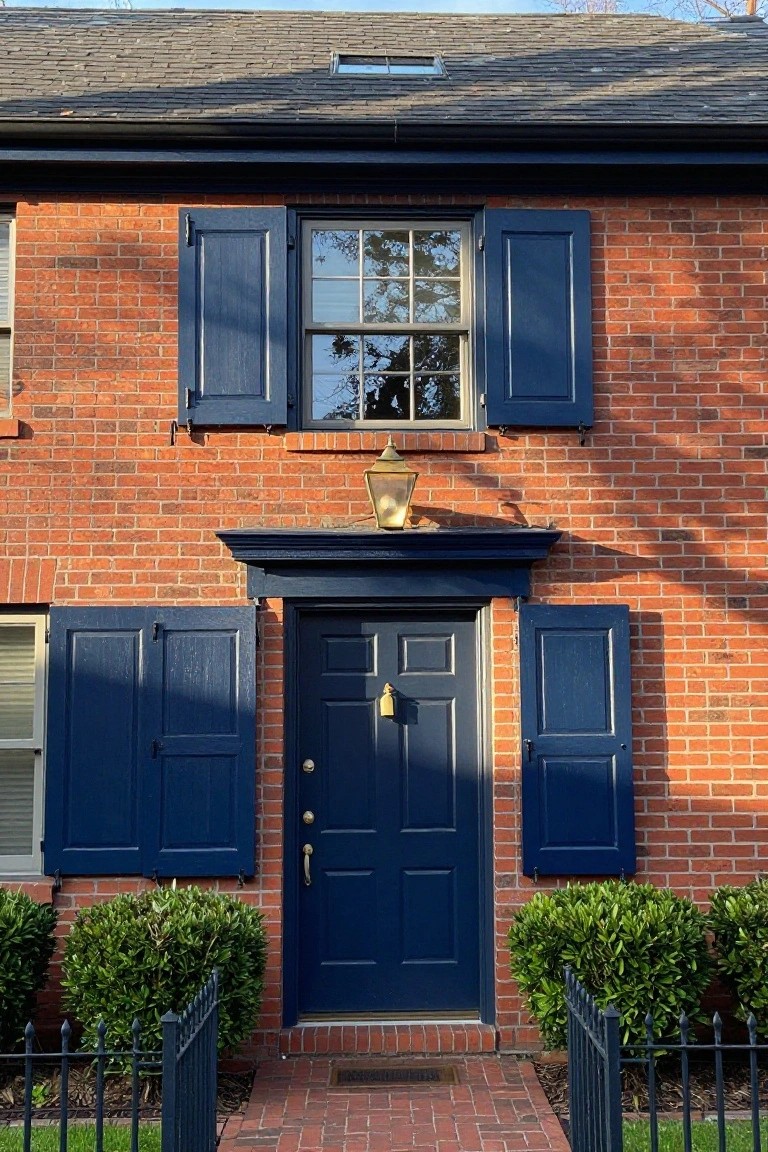
A simple pitched roof with wide eaves works well as a natural overhang for upper windows. In this brick house, the dark slate roof extends out just enough to keep direct sun off the glass panes below. It adds shade without extra structures, and the style fits older homes nicely. Those blue shutters help too, closing for more block when needed.
This setup suits traditional or colonial-style houses, especially two-stories where upper windows catch the most light. Keep the eave at least a foot out from the window for good coverage. It works best on south or west sides. Avoid steep pitches if you want even shade. Easy to add during a re-roof if your home has the right roofline already.
Rustic Wooden Beam Window Overhang
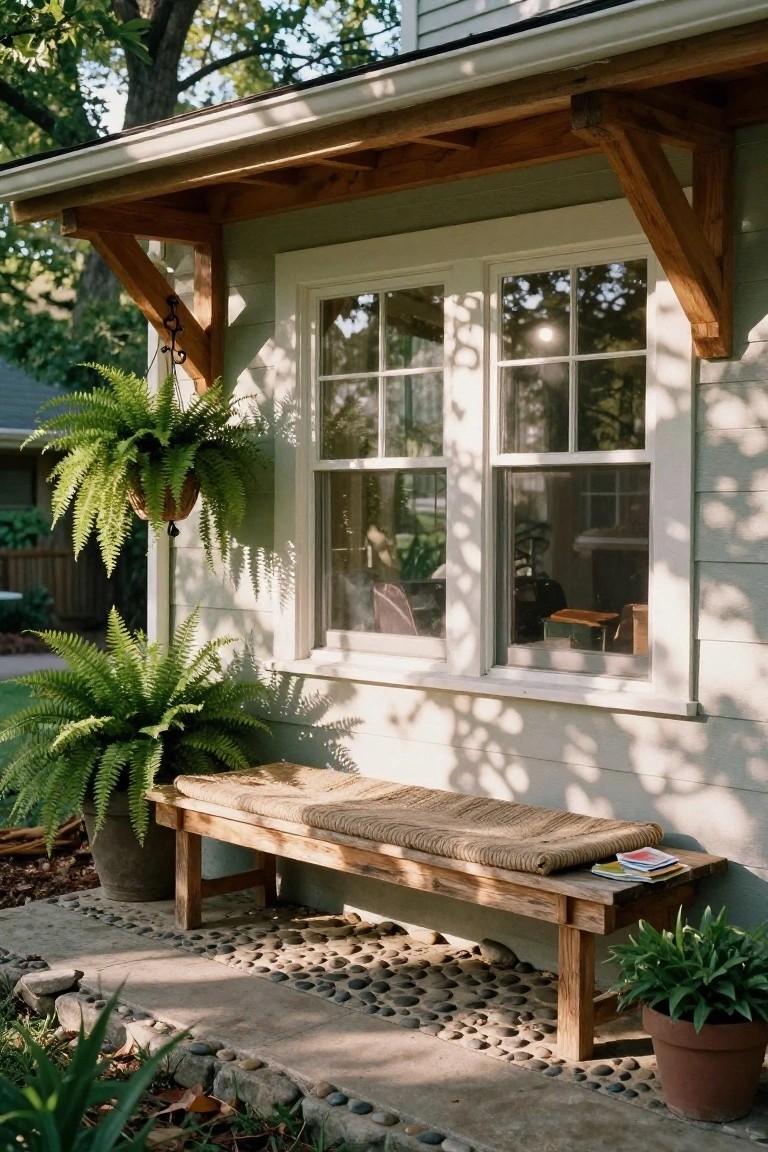
A simple wooden beam overhang like this one stretches out over the window, using thick exposed timbers that echo the porch style. It blocks harsh sunlight coming straight in, while the natural wood grain brings a cozy, handcrafted feel to the siding. Hanging ferns dangle from the beams, softening things up without much effort.
This works best on casual homes like cottages or farmhouses in sunny spots. Bolt the beams into the eaves or add brackets for support, then tuck a bench underneath for reading or waiting out a rain. Skip it on super modern facades, though. Keeps maintenance low if you seal the wood now and then.
Tile-Framed Arched Windows
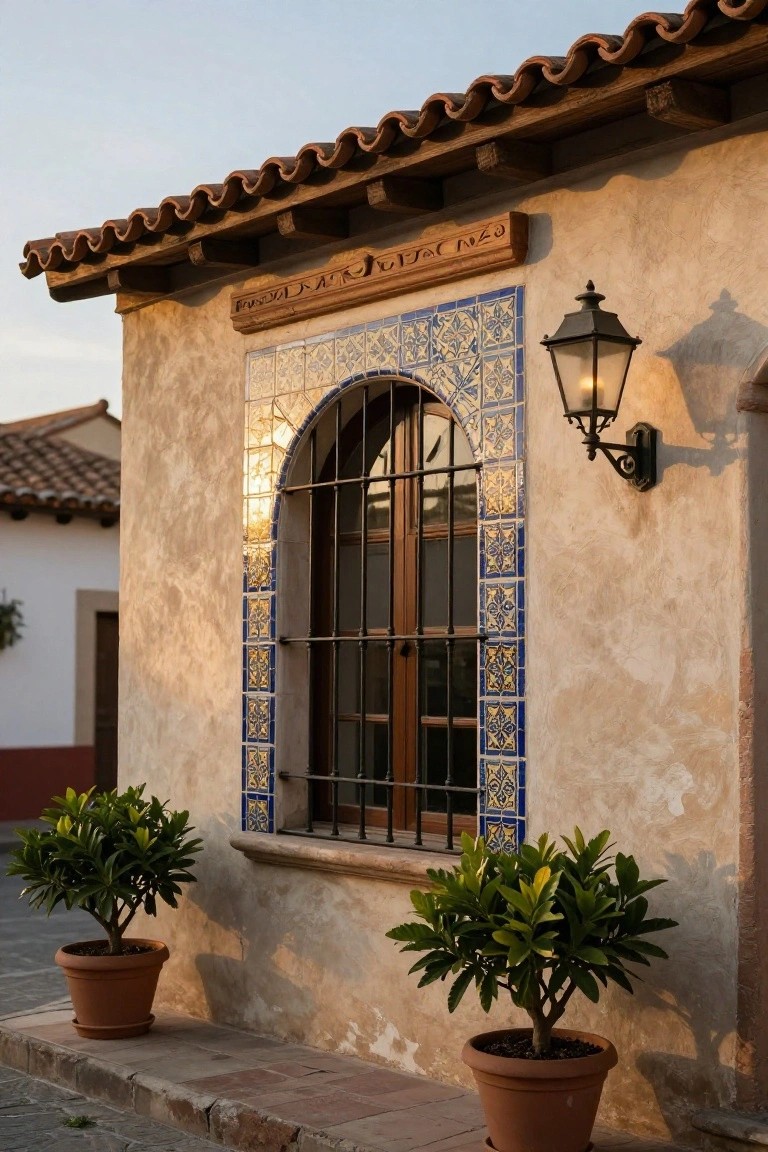
Arched windows like this one stand out when you frame them with colorful tiles. The blue and gold patterns pull from old Mexican or Spanish styles, giving the wall a warm, lived-in feel. That tile surround draws your eye right to the window without overpowering the simple stucco. And with the roof edge overhanging just enough, it keeps direct sun off the glass during those long afternoons.
You can pull this off on any Southwestern or Mediterranean-style home, especially where you want more curb appeal without big changes. Stick to tiles in blues or earth tones that match your roof or door. Pair them with potted plants nearby for a grounded look. Just make sure the arch shape fits your existing windows, or it might feel off. Works best on single-story walls facing the street.
Rustic Pergola Shades Coastal Windows
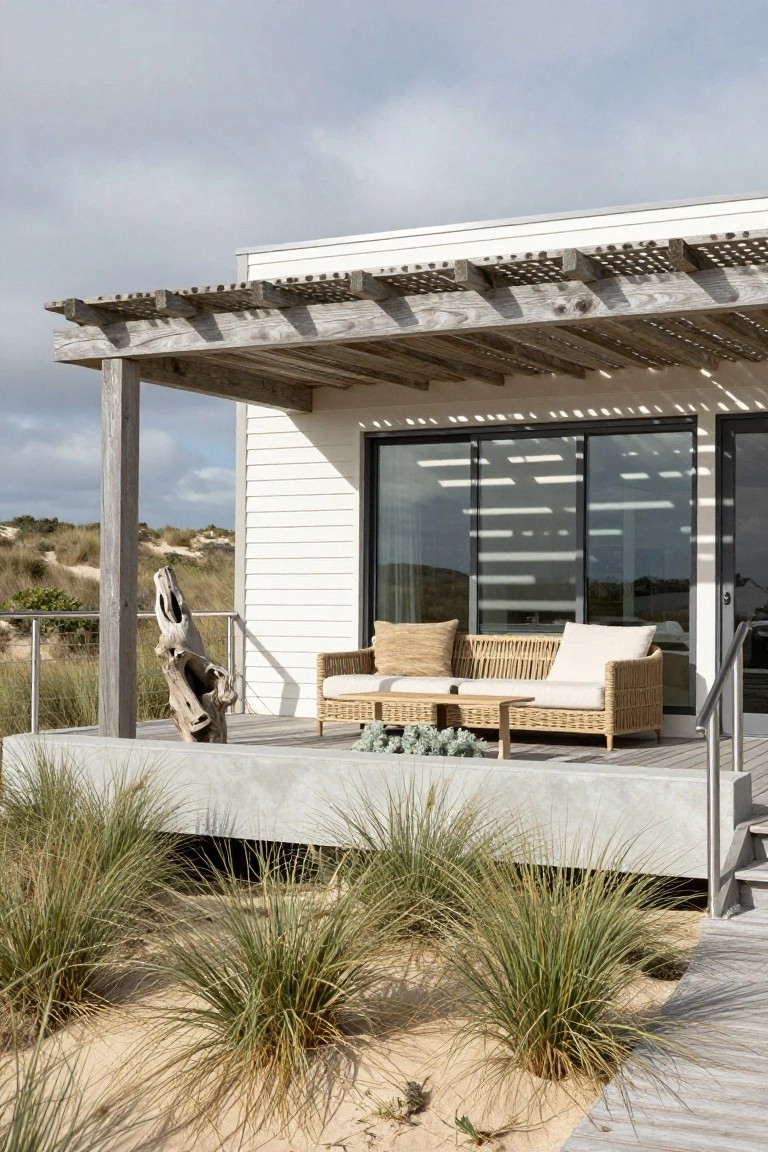
A wooden pergola like this one sits right over big sliding glass doors on a beach house. The slatted roof cuts direct sun but still lets light filter through in soft patterns. It’s a practical pick for spots with strong afternoon glare, and the weathered wood gives it a natural beachy feel without much upkeep.
You can add this to modern homes with lots of glass facing south or west. It works best on simple white or light facades where the wood texture stands out. Just make sure the posts are sturdy against wind, and keep the slats spaced for that dappled look.
Simple Sloped Awning Over a Side Window
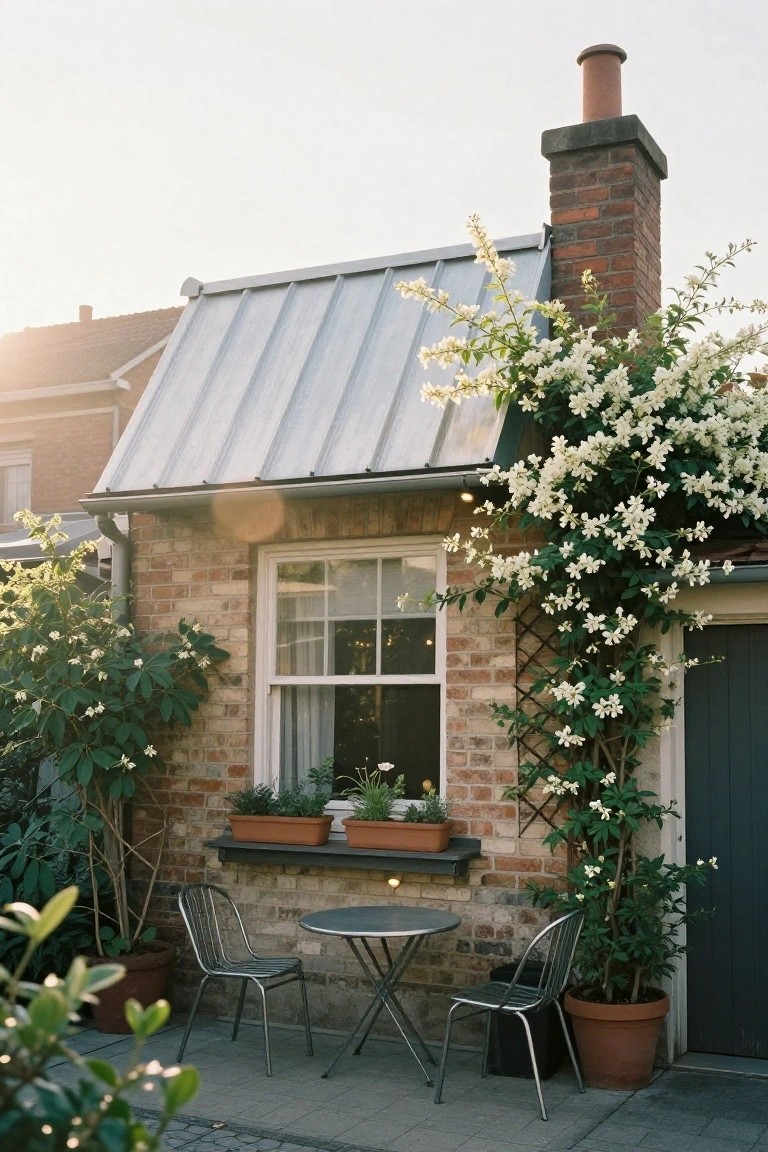
A sloped metal awning like this one hugs the brick wall right above the window. It throws shade on hot days and keeps rain from beating straight down on the glass. Climbing white flowers trail over it, making the whole thing feel easy and lived-in.
Try this on a kitchen or garden-facing window where you want protection without fuss. It suits brick or stone homes, especially older ones with some character. Pick sturdy vines that grip well, and keep the metal simple to blend with your roofline.
Wooden Overhang with Hanging Ferns
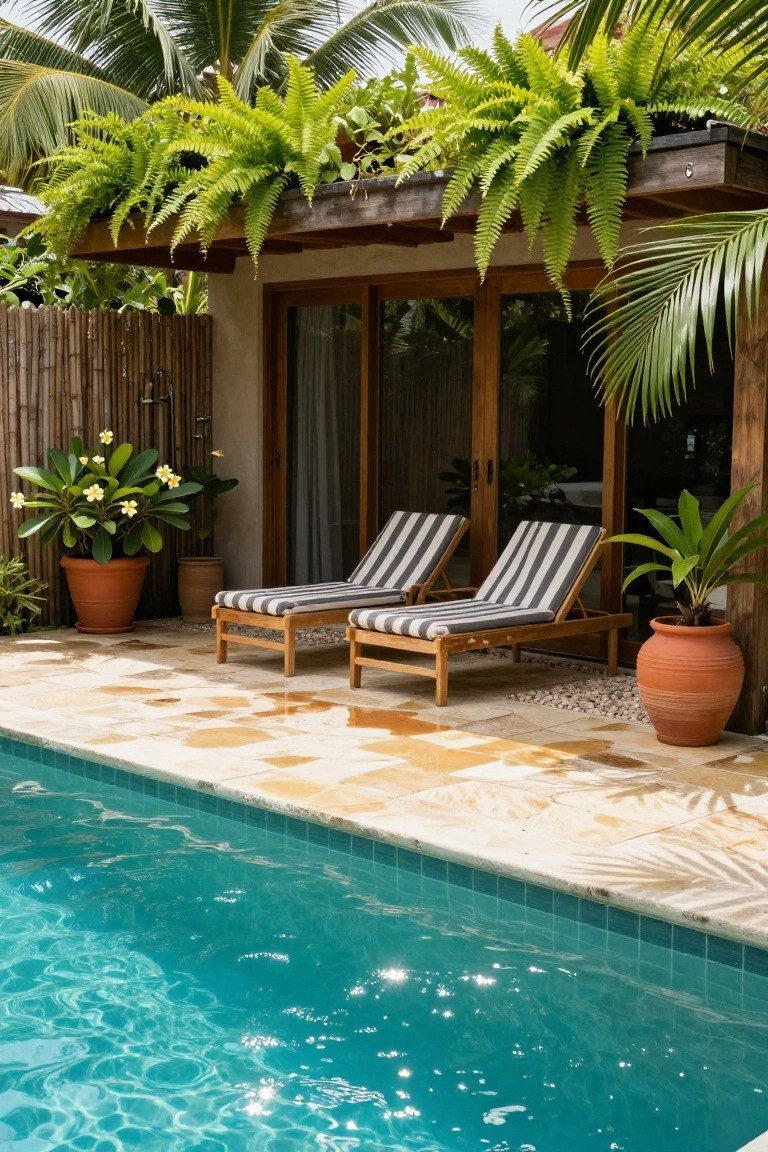
A simple wooden overhang like this works great for covering sliding doors that open to a pool patio. The thick ferns hanging from the beams create natural shade without blocking the view inside. It pulls in that tropical feel, especially with the loungers right underneath.
You can add this over any glass doors facing a backyard pool or terrace. It suits warmer spots where you want cover from sun but still some filtered light. Just pick sturdy plants that hang well, and make sure the wood matches your house trim to keep things easy.
Rustic Timber Window Overhangs
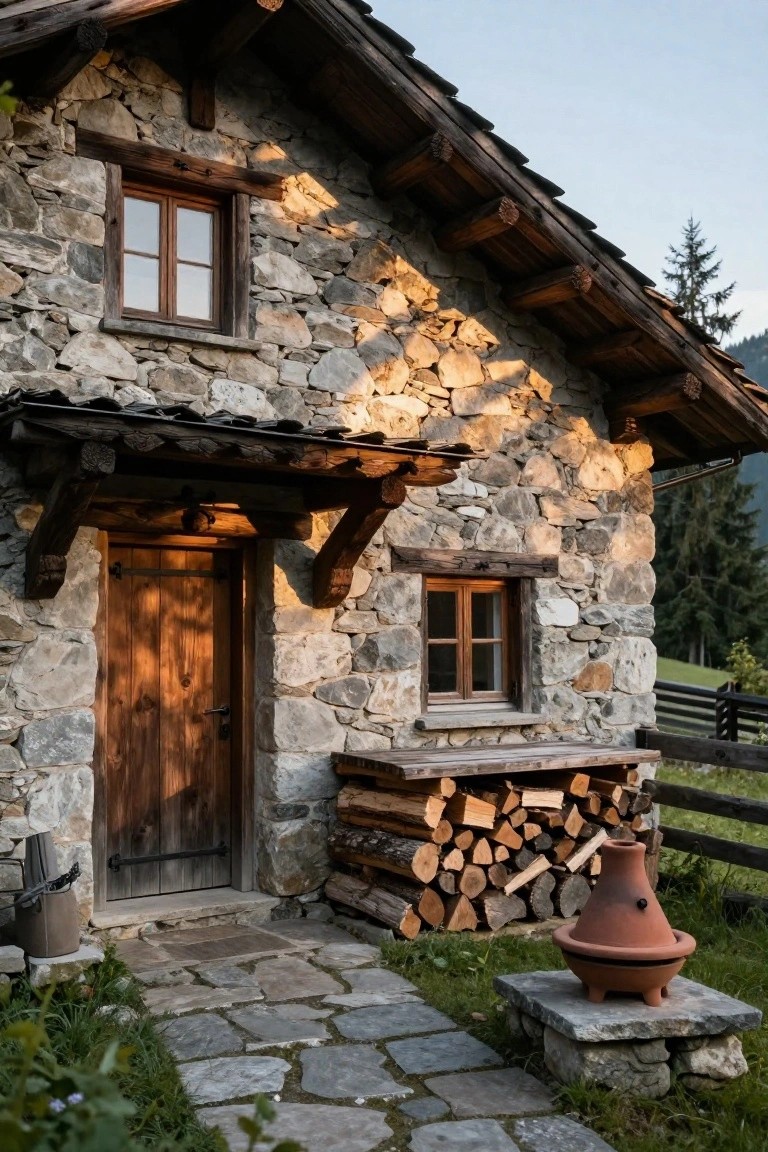
Heavy wooden beams stretched across the top of these double casement windows create simple overhangs that shield the glass from direct sun. On a stone-walled chalet like this, they add a sturdy, handcrafted look that fits right into the mountainside setting. The beams echo the porch roof too, tying the front together without much fuss.
You can pull this off on vacation homes or cabins where you want shade plus that old-world cabin vibe. Stick to thick timbers over smaller windows so the overhang feels right. Works best against rough stone or siding, but watch the scale, bigger houses need beefier beams to match.
Green Roof Overhang Shades Windows Naturally
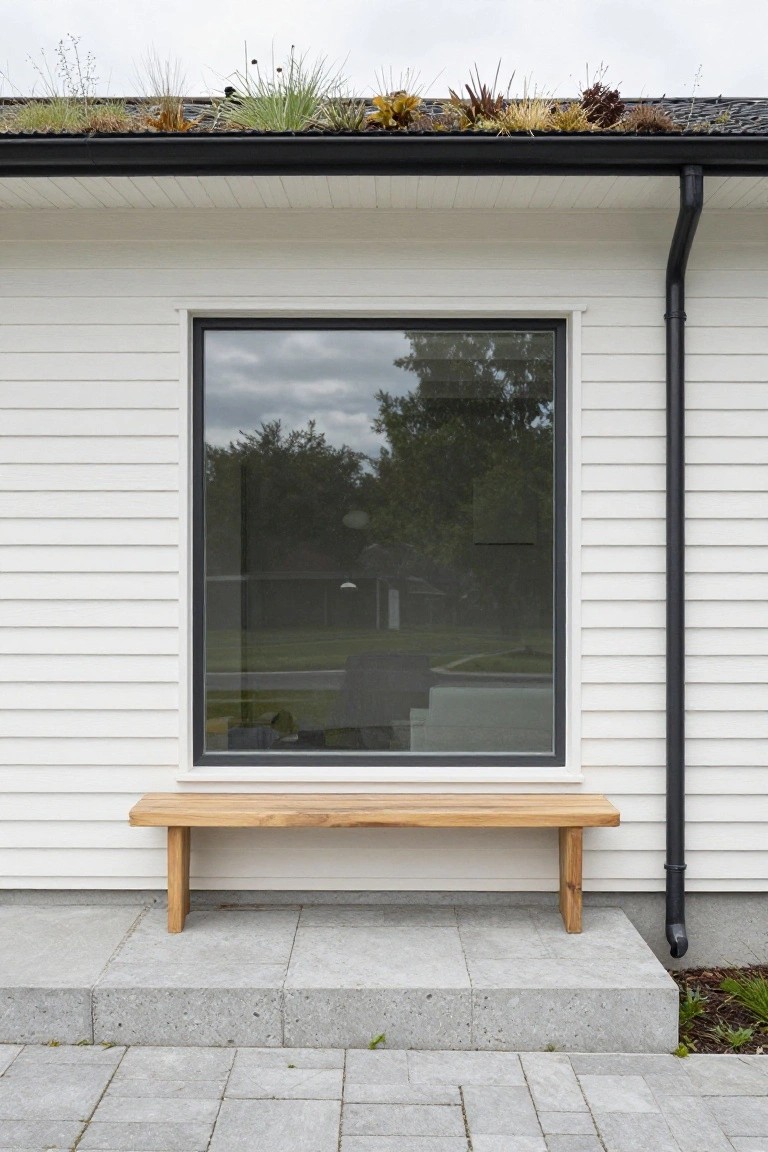
A green roof like this one works great as a soft overhang for windows. The plants and grasses grow right along the edge, casting dappled shade without any bulky structure. It ties into the house nicely, especially on a simple white siding wall, and keeps the look modern yet earthy. Plus, that large window below gets protection from harsh sun, while still letting in plenty of light.
You can pull this off on low-slope roofs near seating areas or patios. It suits cabins, modern homes, or eco-friendly builds in cloudy spots where plants thrive. Just make sure the roof can handle the weight, and pick tough sedums or grasses that need little care. Pair it with a bench underneath for a spot to sit and enjoy the setup.
Striped Retractable Window Awning
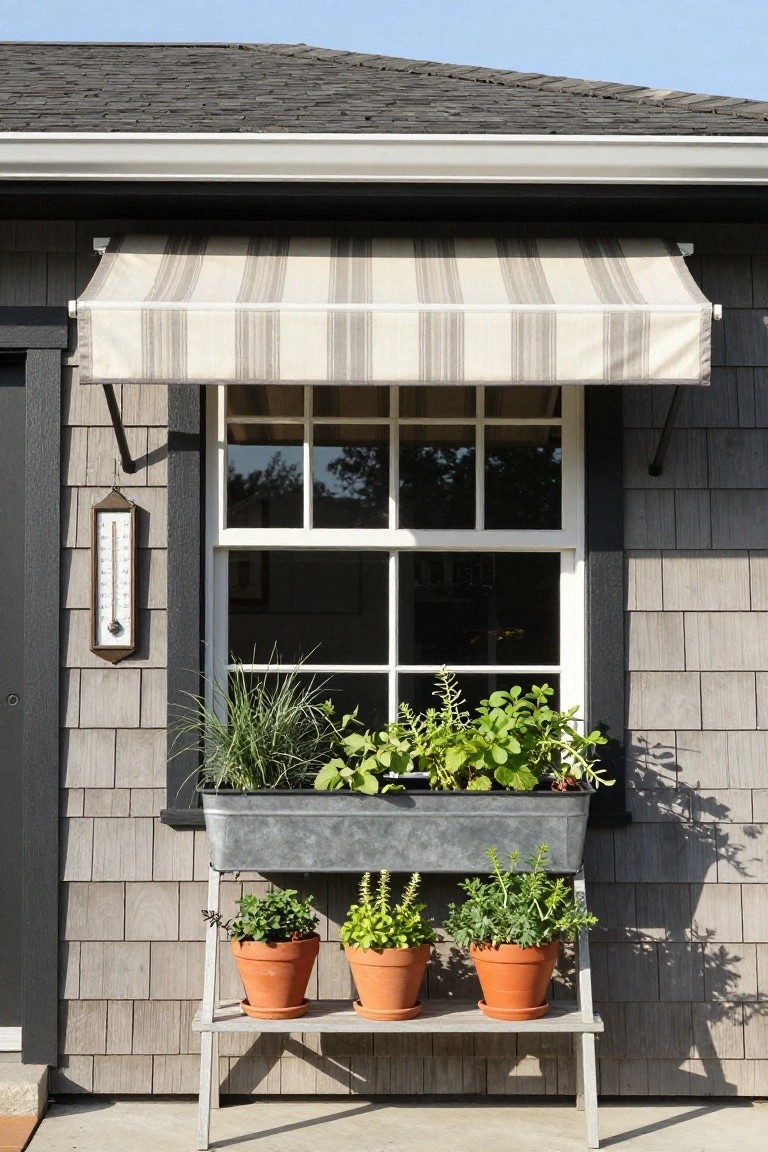
A retractable awning like this one offers practical shade for windows that get afternoon sun. The beige and gray stripes give it a casual look that fits right in with shingle siding. It’s pulled out just enough to cover the glass without blocking the view inside.
Add a galvanized window box full of herbs up top and a simple plant stand below with pots of basil or rosemary. This works well on kitchen or side windows of cottages or beach houses. Keep the fabric clean and check the brackets now and then.
Recommended Products

All-Weather Protection Window Awning: This waterproof window door awning with waterproof polyester fabric repels rain and blocks UV rays, protecting windows, doors and outdoor furniture from sun damage. Installed on windows/doors for reliable shade and rain protection.

All-Weather Protection Window Awning: This waterproof window door awning with waterproof polyester fabric repels rain and blocks UV rays, protecting windows, doors and outdoor furniture from sun damage. Installed on windows/doors for reliable shade and rain protection.

Manual Retractable Awning: This Stripe pattern patio retractable awning is made of high-quality polyester fabric and PU waterproof coating, offers strong UPF sun protection, allowing you to enjoy your outdoor spaces in comfort, come rain or shine.
Shade Large Windows with a Concrete Overhang
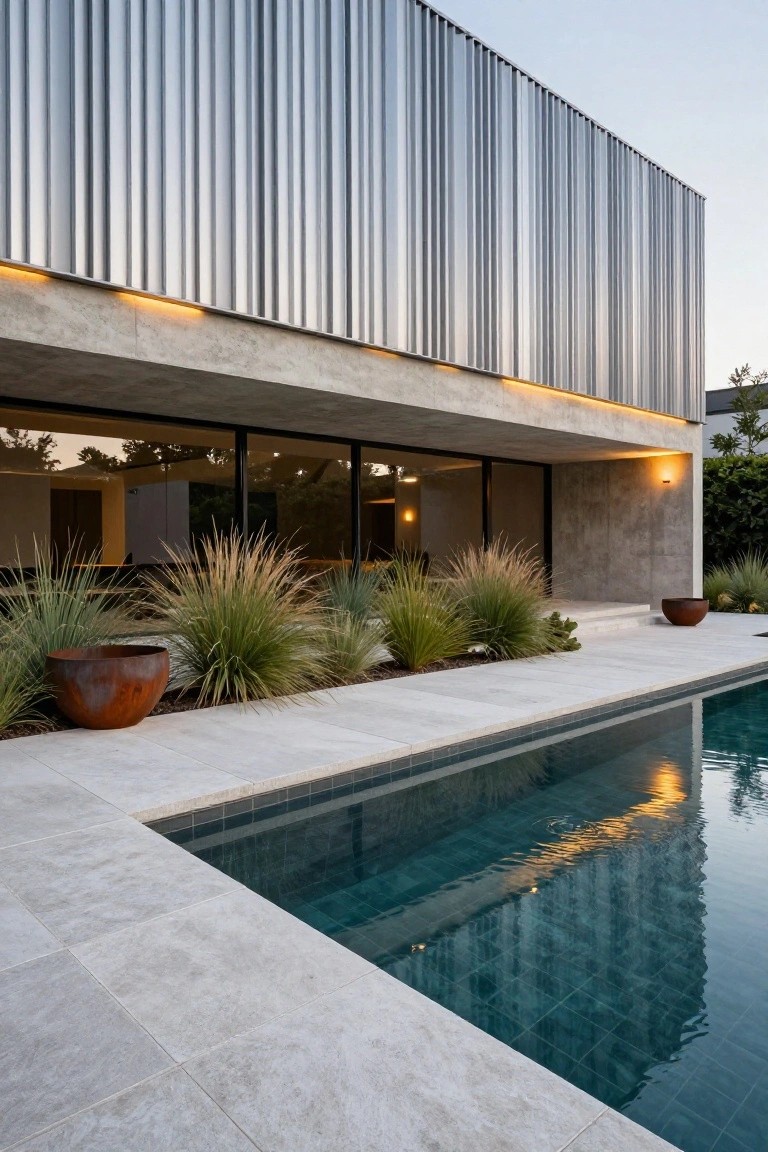
A simple concrete overhang like this one juts out over the full length of big glass windows. It blocks harsh sun without cutting off the views inside. That lower edge with its built-in lighting strip turns the shade into something useful come evening too.
You see this work best on flat-roof modern houses facing south or west. It suits poolside spots where you want glare down but easy indoor-outdoor flow. Keep the concrete finish rough to blend with stone paths around, and it won’t feel too heavy.
Roof Overhangs with Stone Brackets
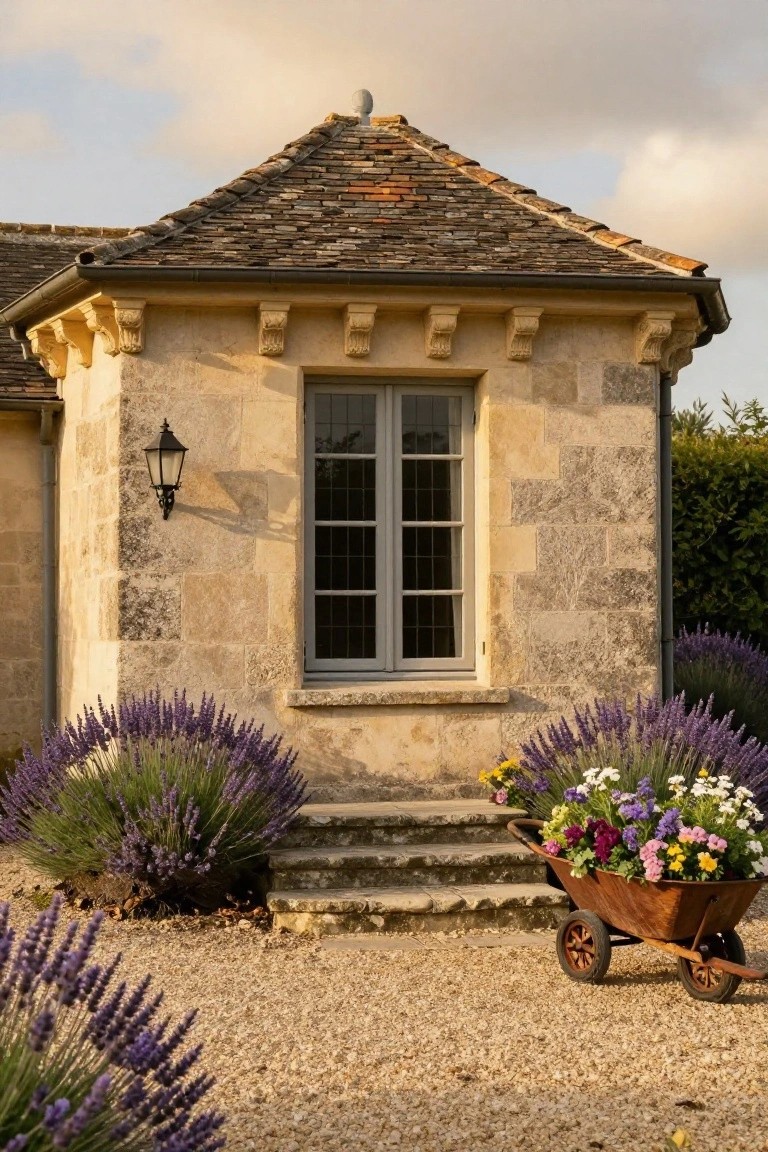
A simple roof overhang like this one gets extra character from carved stone brackets underneath. They hold up the edge just right and cast a bit of shade over the window below. You see it here on a stone cottage wall, where the brackets echo the rustic build without overdoing it. That touch makes the whole facade feel put-together and a little more French countryside.
Try this on older homes or additions with tile roofs. It works best where you want shade for the windows but not a full awning. Stone brackets suit limestone or stucco walls… pair them with a lantern nearby for evening light. Skip it on super modern places unless you’re blending styles.
Rustic Metal Awning Over Glass Entry
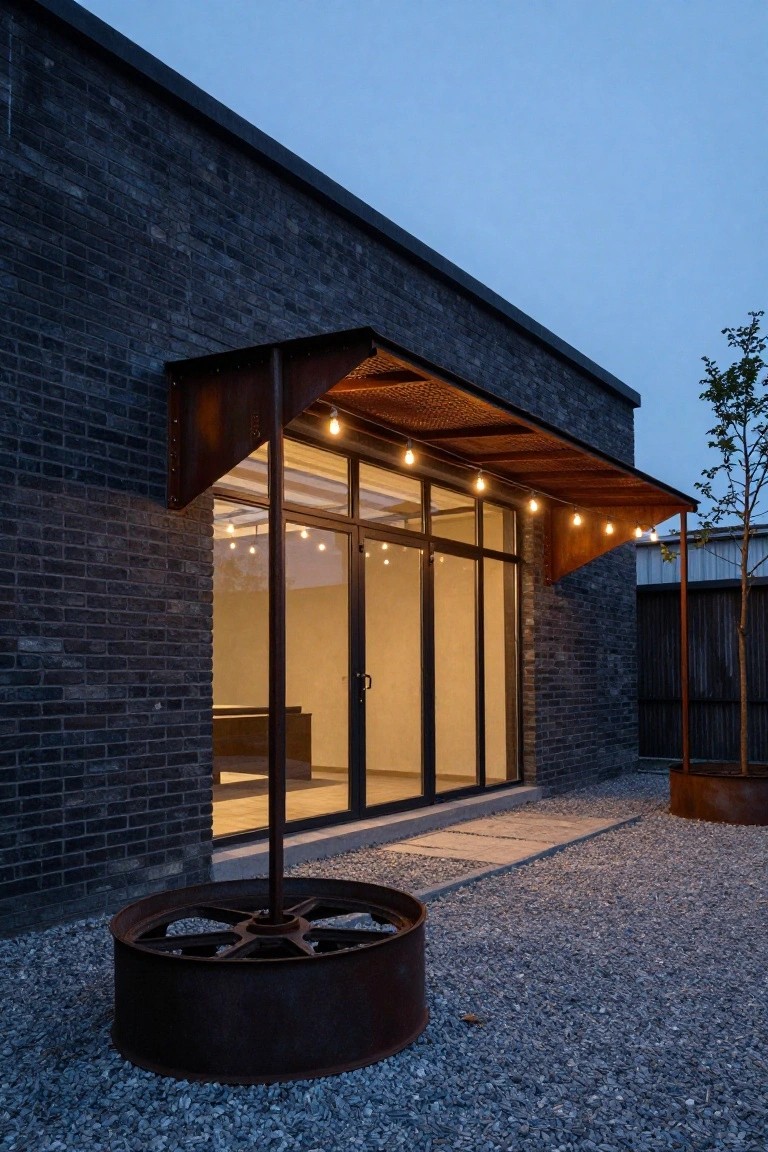
A rusted metal awning juts out over those big glass doors, giving real shade during the day. String lights hang right across it, so the spot lights up nicely come evening. Paired with a plain brick wall, it keeps things simple but adds some character without fuss.
This works best on homes with a modern or industrial lean, especially where you want protection for windows or doors that face west or south. It’s easy to build or buy prefab, fits gravel yards or patios fine. Skip it if your style runs too traditional… might clash.
Frequently Asked Questions
Q: How deep should an overhang be to really shade my windows in summer?
A: Picture the sun high overhead on the hottest days. Go for two to three feet deep on south-facing windows. That blocks glare while letting winter sun warm things up.
Q: What holds up best if I live in a rainy spot?
A: Pick cedar or aluminum. They shrug off moisture without warping. Give wood a fresh coat of sealant every couple years.
Q: Can I add overhangs without calling a pro?
A: Grab prefab kits from the hardware store if you’re handy with tools. Bolt them right to the fascia board. Test the fit first, though – a wobbly one looks off.
Q: Do overhangs help cut my AC bills?
A: They stop hot sun from baking the glass. Your house stays cooler inside. And yeah, you’ll notice it on those peak summer days.
