

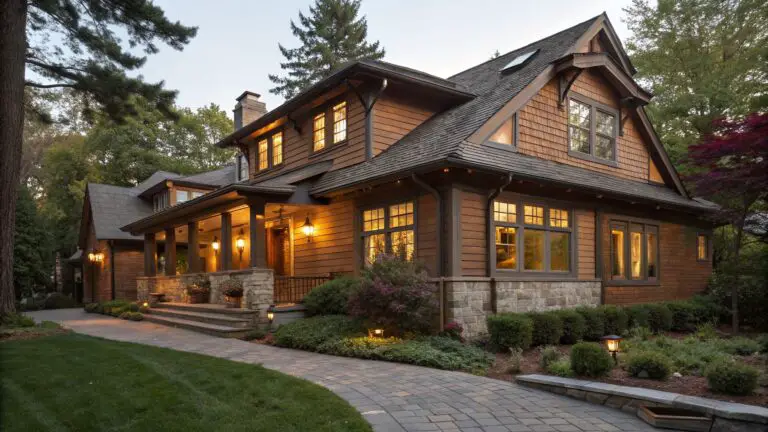
When I spot a brown house from the street, the shutters usually make or break its curb appeal by framing the windows against all that warm siding. Plain ones can weigh down the facade, but the right style lifts the whole entry and ties into the roofline nicely. I’ve walked up to a few where slim louvered shutters added just enough texture to balance heavier brickwork without stealing the show. Folks notice those details first because they give the house personality that photos alone can’t capture. Certain pairings here feel right for adapting to real homes.
Dark Shutters on Warm Brown Siding
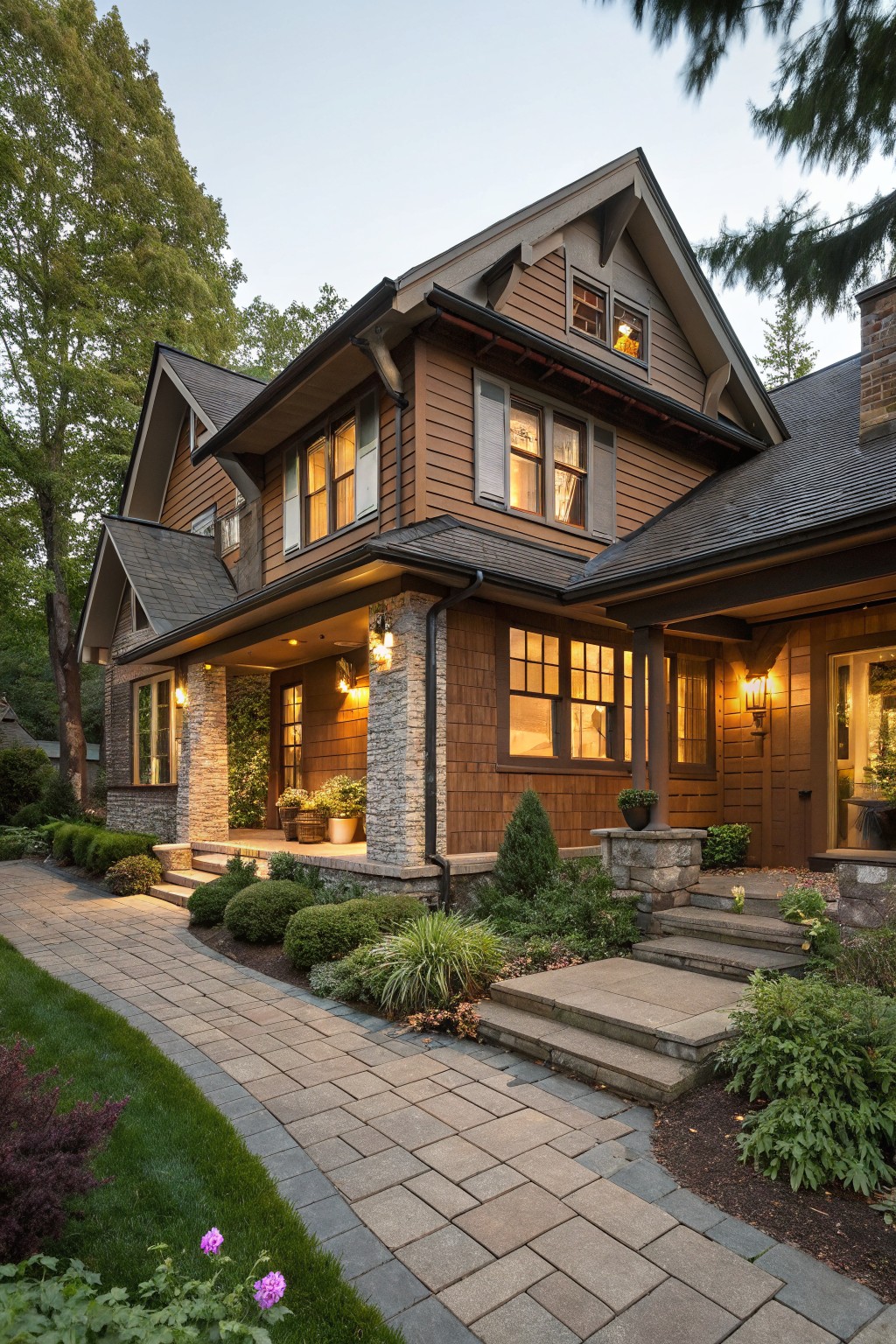
Dark shutters work really well on houses with warm brown shingle siding like this one. They add some needed contrast against the softer tones of the siding and the stone porch pillars. The simple rectangular shape keeps things straightforward while giving the front a bit more definition, especially when lights come on at dusk.
You can pull this off on most traditional or Craftsman-style homes in wooded or suburban spots. Go for matte black or deep gray shutters to avoid clashing, and make sure they line up neatly with the window frames. Skip glossy finishes though. They can look too shiny next to natural materials.
Black Shutters on Brick Facades
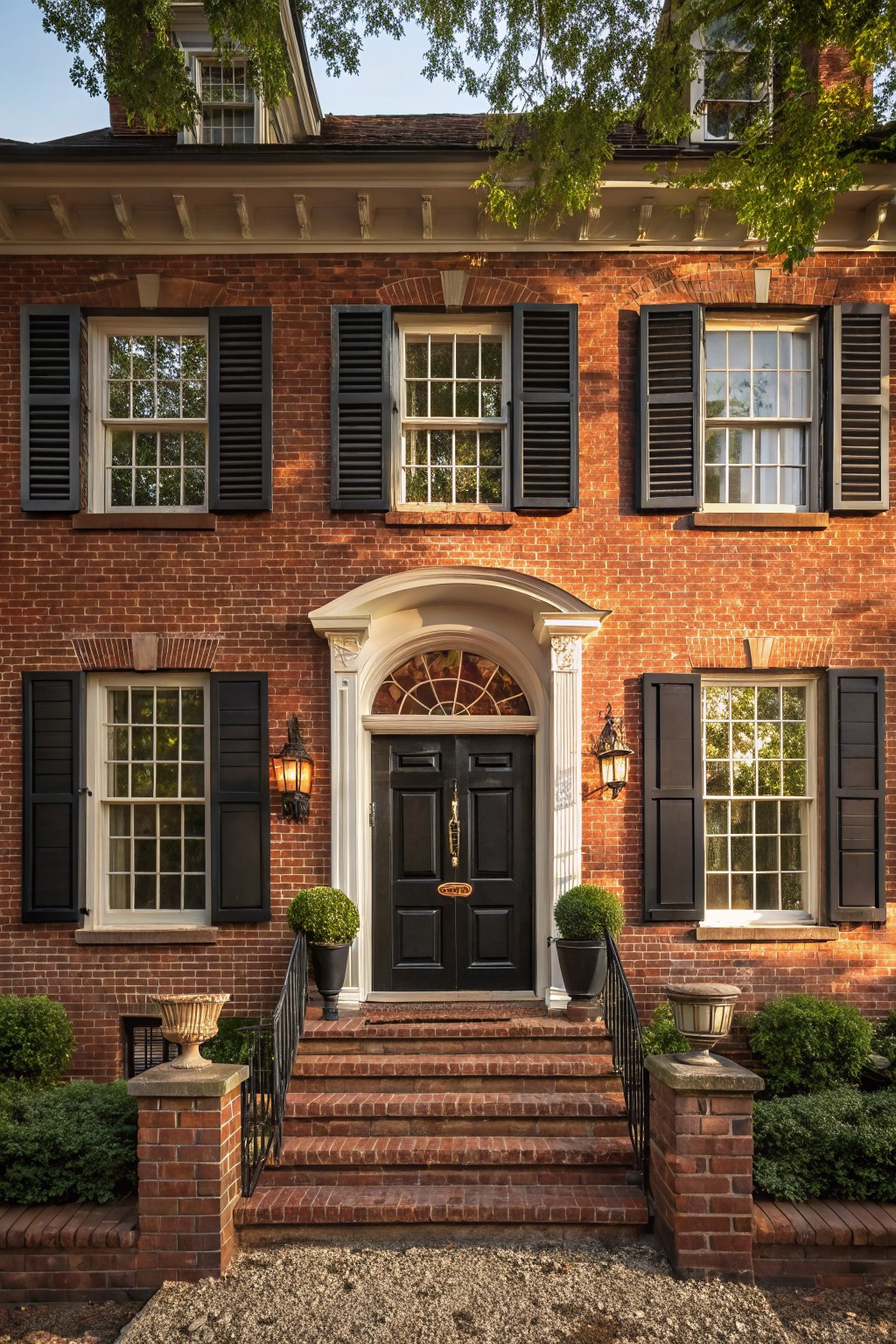
Black shutters stand out strong against red brick. They pull the eye right to the windows and door without much effort. That dark contrast keeps things sharp and classic. No need for fancy trim or extras.
These work best on older style homes like colonials or federals. Match them to a black front door if you want more punch. Skip if your brick is too orange… it can clash. Just paint or swap existing ones for a quick update.
Brown Shutters on Pale Stucco
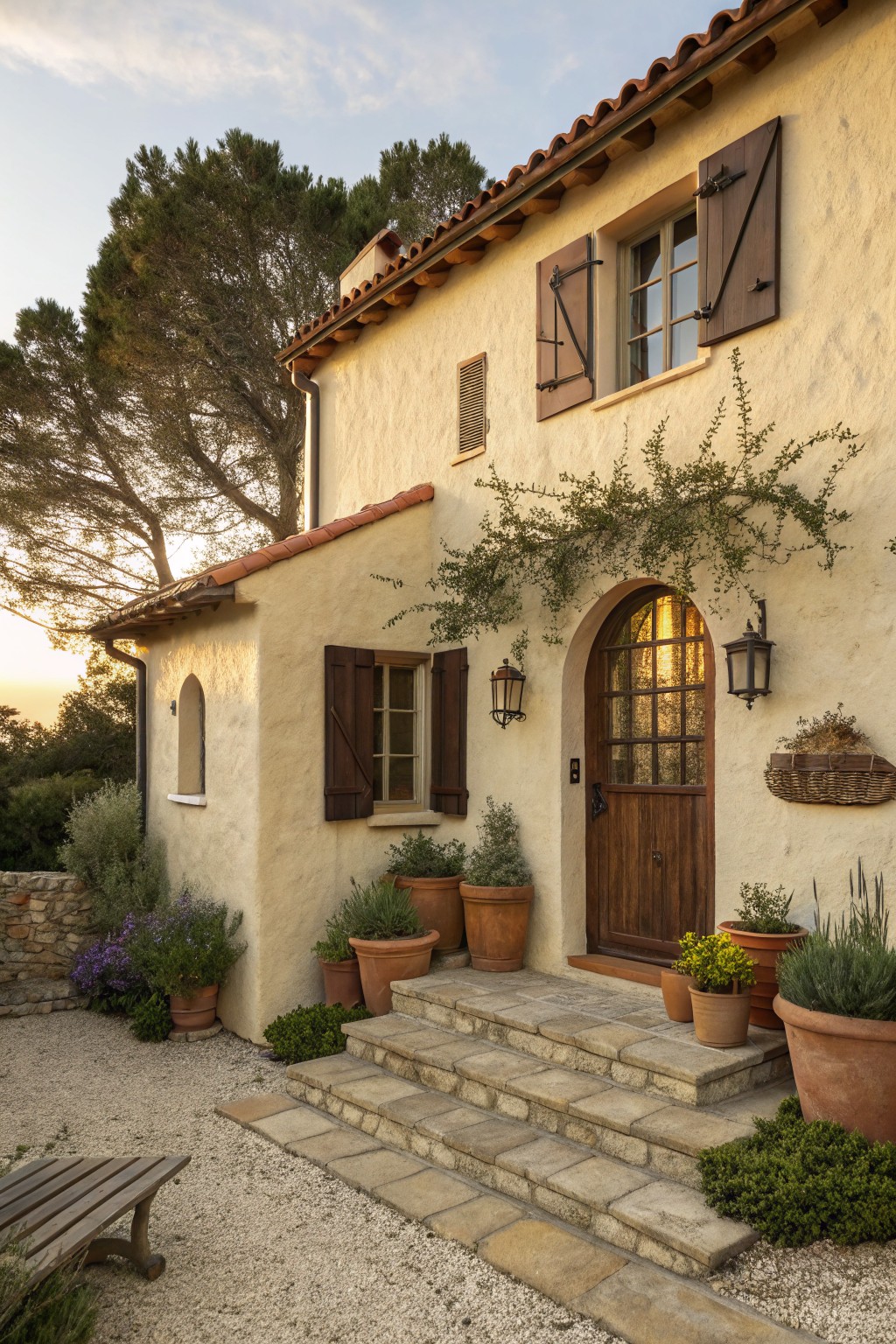
Dark brown wooden shutters like these stand out nicely against light stucco walls. They bring a bit of warmth to the simple facade and frame the windows and door without much fuss. On this house, the shutters pick up the wood tones in the entry door, tying everything together at the end of the day.
You can pull this off on older homes with that Mediterranean look, especially where the walls are pale and the roof is terracotta. Hang matching lanterns nearby and add a few pots on the steps. It keeps things grounded… just avoid going too heavy if your house has a lot of windows already.
Black Metal Roof on White Siding
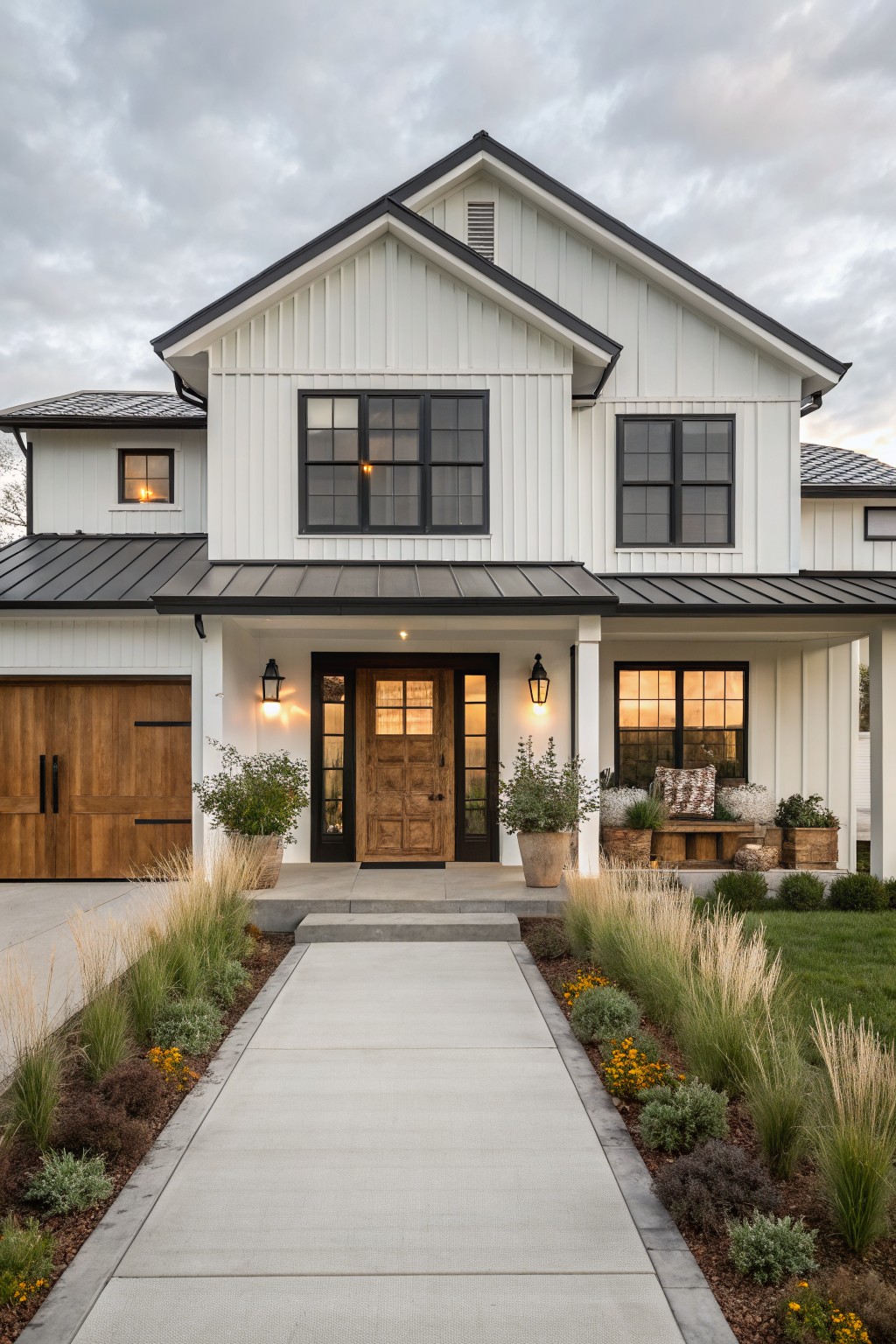
A black metal roof gives this white-sided house a sharp, modern edge. The dark roofline stands out against the clean board-and-batten siding, while black window frames pull it all together. It keeps things simple but adds real presence from the street.
Try this on a two-story farmhouse or ranch style home. It suits open suburban lots where you want contrast without color overload. Just match the black trim to windows and porch posts, and add a wood door for some warmth.
Shuttered Windows with Flower Boxes
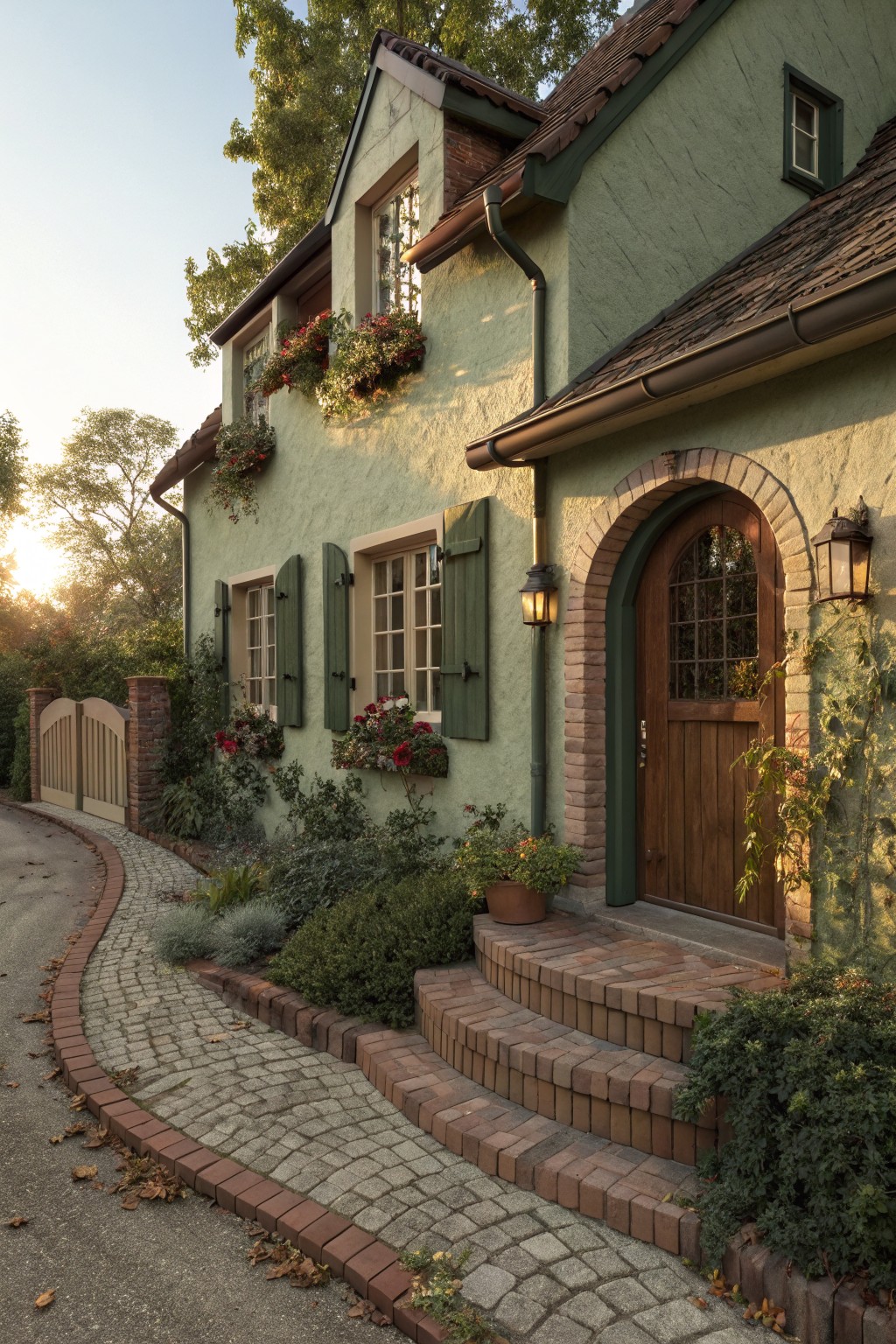
Dark green shutters on a sage stucco house get a big lift from flower boxes stuffed with red blooms. Those windows look dressed up and ready for company. It’s a simple way to show some personality without changing the whole facade.
Try this on a brown exterior where the shutters are a shade darker or richer. Pick tough plants like geraniums that hang over the edges. It works best on two-story homes or cottages with good window placement. Just keep the boxes from getting too heavy on old shutters.
Dark Shutters on Brick Houses
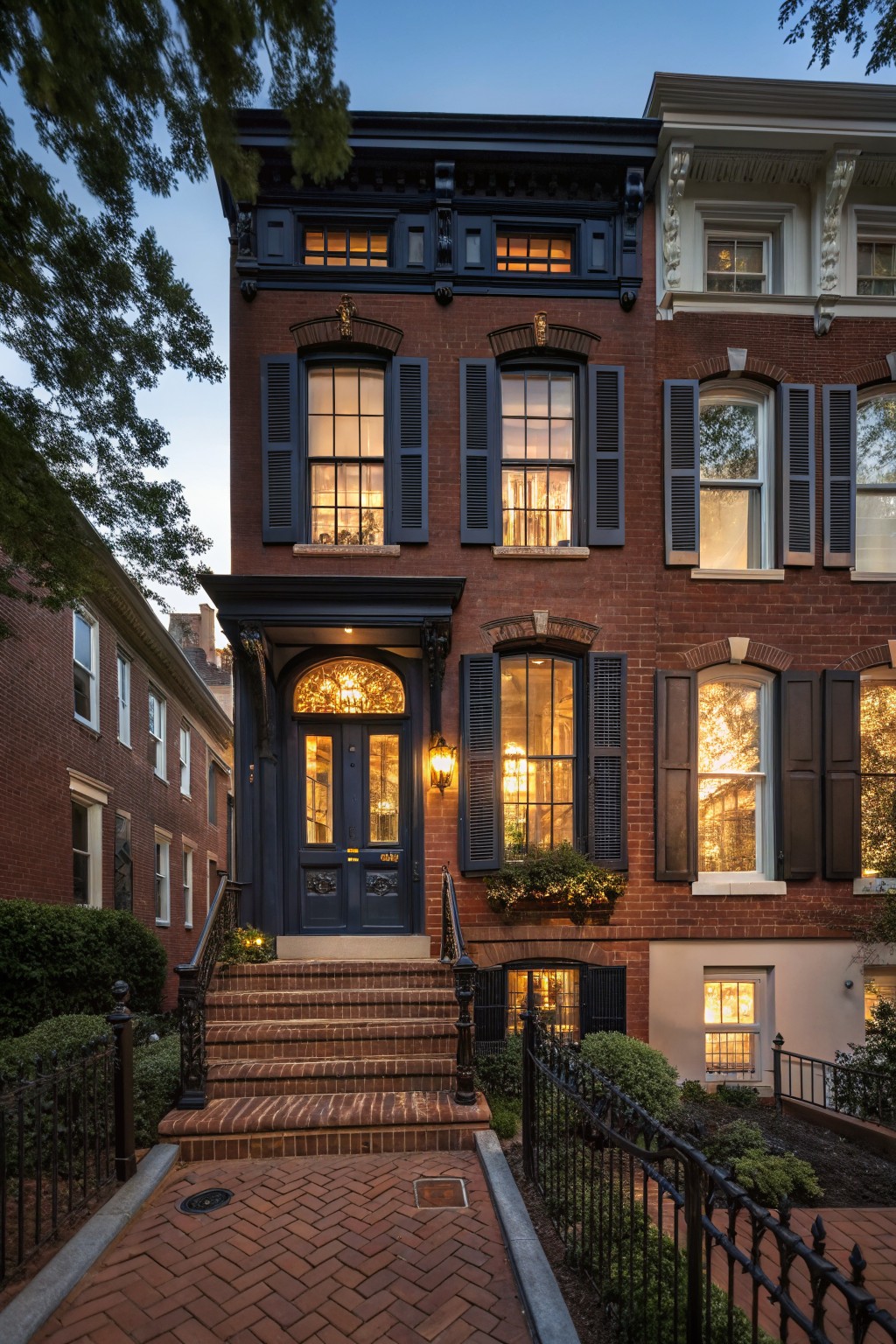
Dark shutters stand out nicely against the warm tones of brick, like on this rowhouse. The deep navy color frames each window without overpowering the facade. When lights glow through the glass at dusk, it pulls the whole look together in a quiet way.
This works well on older urban homes or attached houses where you want some punch up front. Go for matte navy or black paint on the shutters, and pair it with simple brass hardware on the door. Skip bright colors here. It suits brick that’s not too orange, and keeps things feeling steady year-round.
Slatted Entry Doors for Privacy and Light
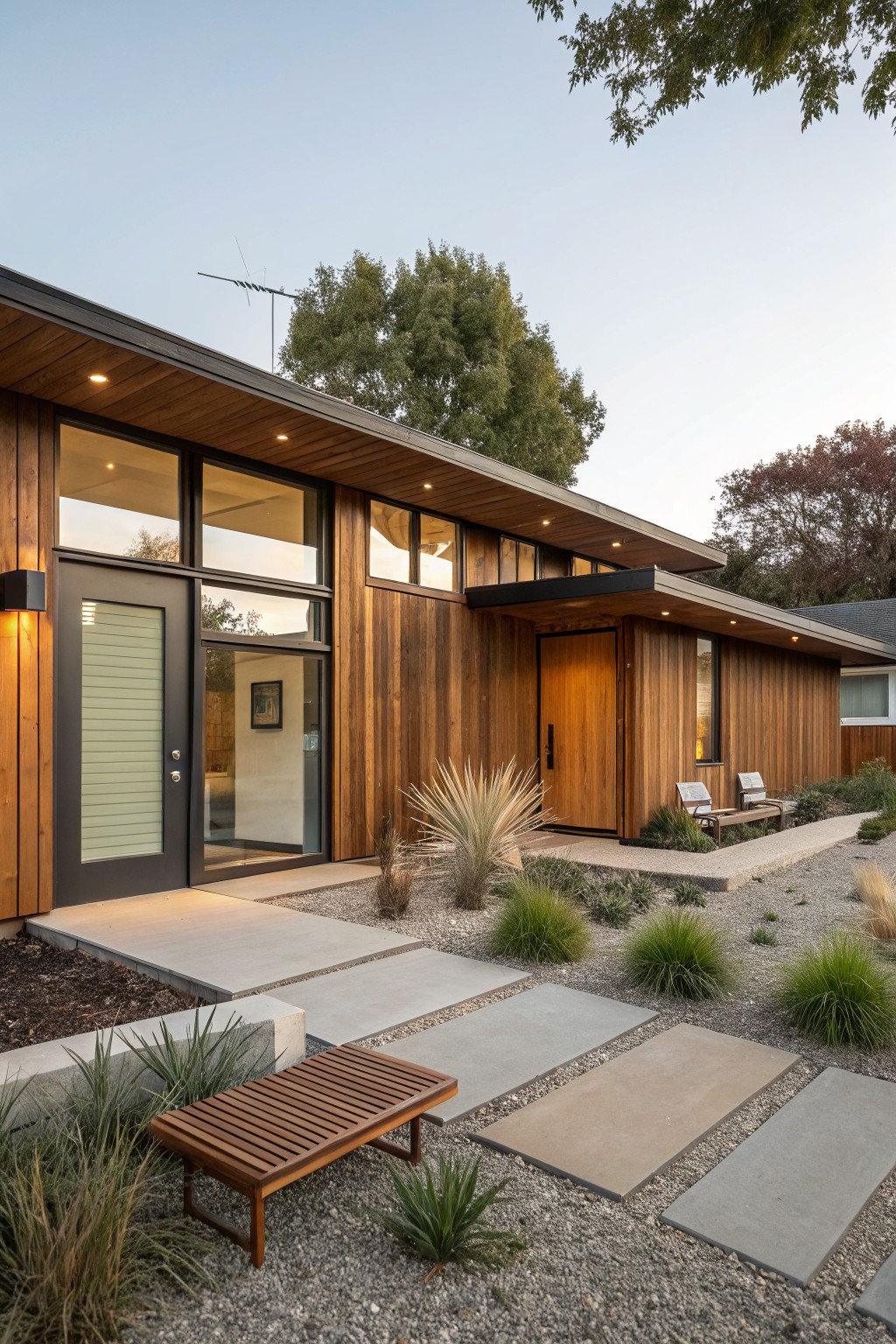
One simple way to add personality to a brown wood house is with slatted glass on the entry door. Here, the black-framed door has frosted slats that hide the inside view but still let soft light filter through. It contrasts nicely with the smooth cedar siding, giving the facade some texture without much fuss.
These doors work well on modern or midcentury-style homes where you want a welcoming entry that feels private. Use them next to big glass windows to balance openness and seclusion. They suit warmer climates too, since the slats help with airflow on milder days.
Dark Shutters on Half-Timbered Exteriors
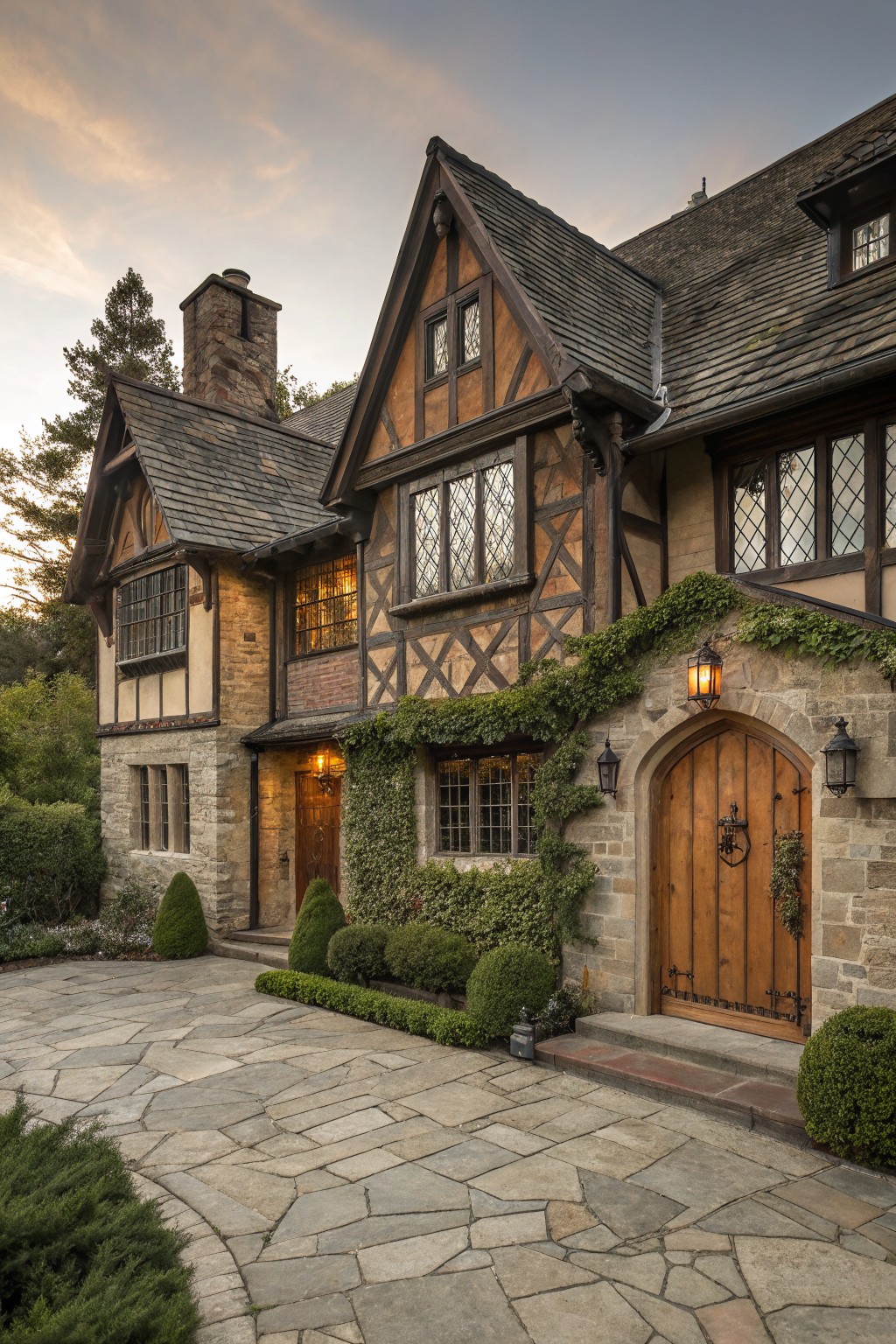
Dark shutters work great on brown houses with that classic half-timbered look. They frame the windows nicely against the lighter plaster and stone, making the whole facade feel more defined and old-world charming. In this setup, the dark wood pulls the eye to those leaded glass panes without overwhelming the earthy tones. It’s a simple way to add some structure to what might otherwise blend together.
You can pull this off on homes with mixed materials like stone bases and timber accents. Stick to matte black or deep brown shutters that match the timbers for cohesion. They suit Craftsman or Tudor styles best, especially where you want subtle personality around the entry. Just keep them proportional to the windows, and avoid glossy finishes that might clash with natural siding.
Brown Shutters on Beige Stucco
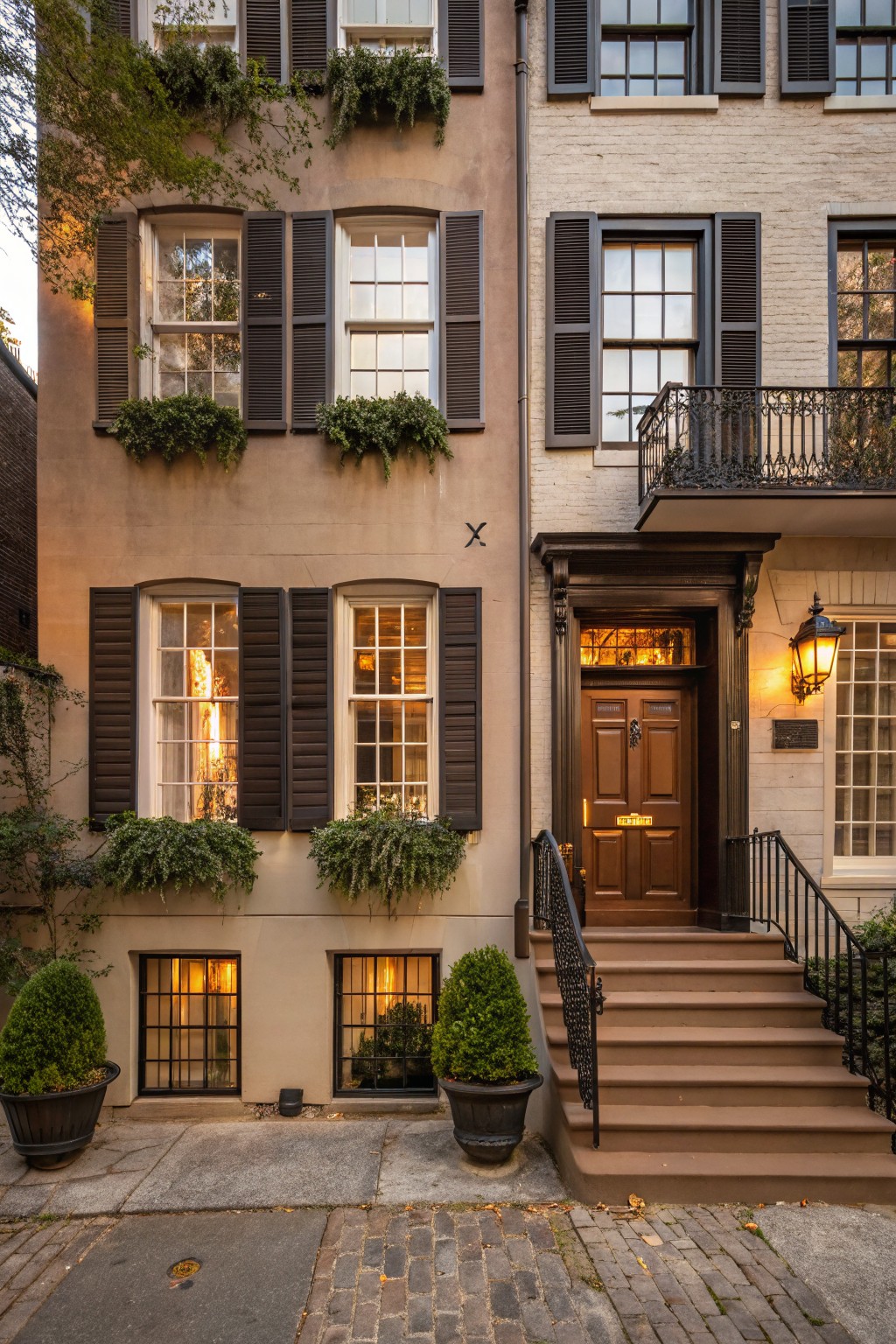
Dark brown shutters work really well against a soft beige stucco exterior like this. They give the house a grounded, classic feel that fits right into older neighborhoods. Notice how they frame the windows nicely, especially with those simple window boxes adding some green.
This look suits townhouses or row homes where you want subtle personality without big changes. Use it on light walls to make the shutters stand out, and add a matching dark door up front. Keep the plantings low-key so the shutters stay the focus… it keeps things tidy.
Brown Shutters on a Stone Facade
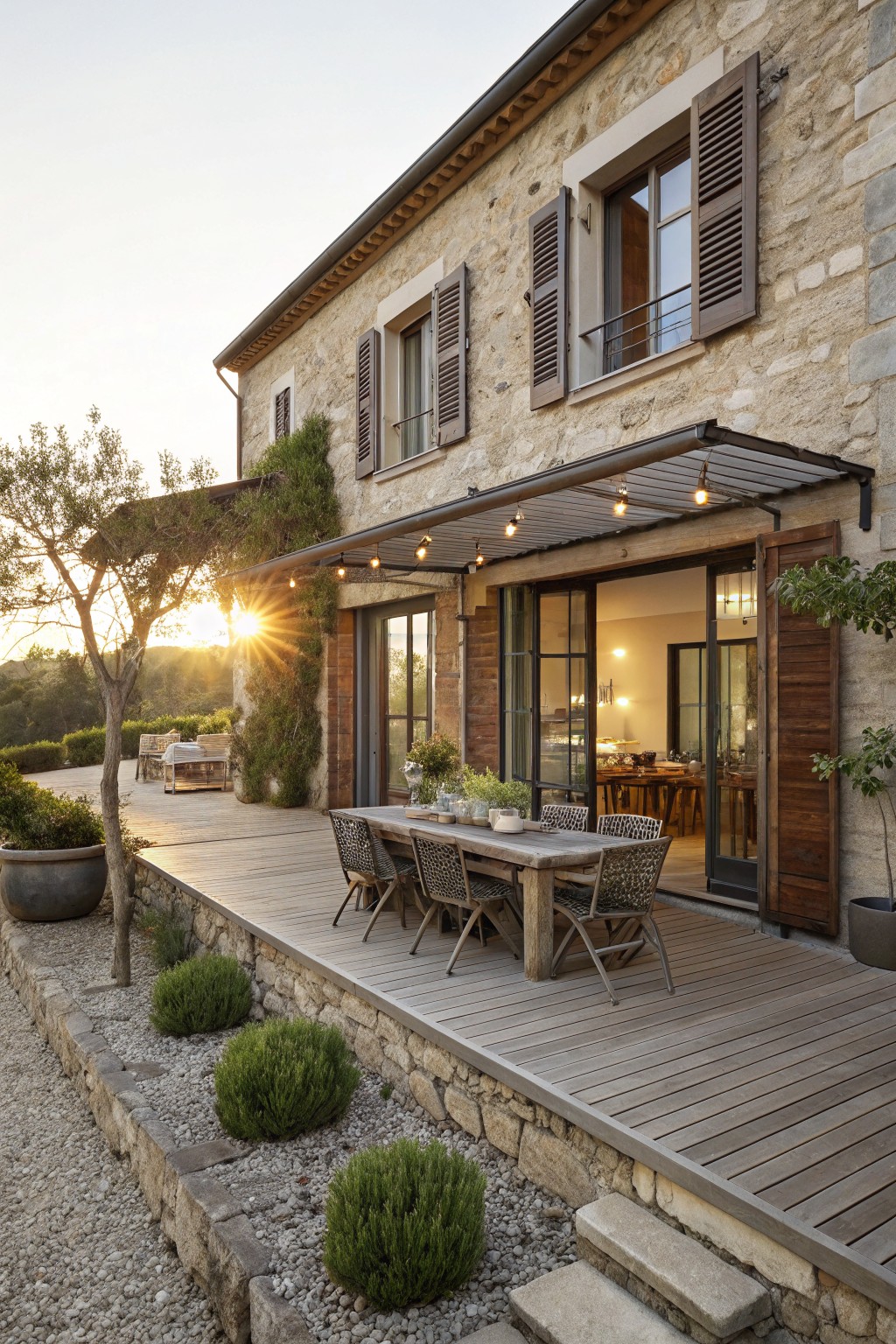
Brown wooden shutters work really well on light stone houses like this one. They add a bit of warmth to the cooler tones of the stone without overwhelming the look. The dark wood pulls your eye to the windows and doors, making the whole side of the house feel more put-together and lived-in. It’s a simple choice that gives off that old European village feel.
You can pull this off on any stone or stucco exterior, especially if your home has a rustic or Mediterranean style. Match the shutter color to nearby wood elements like doors or deck railings for a cohesive setup. Just make sure the wood is treated to handle weather, since shutters take a beating from sun and rain.
Dark Brown Shutters on Light Siding
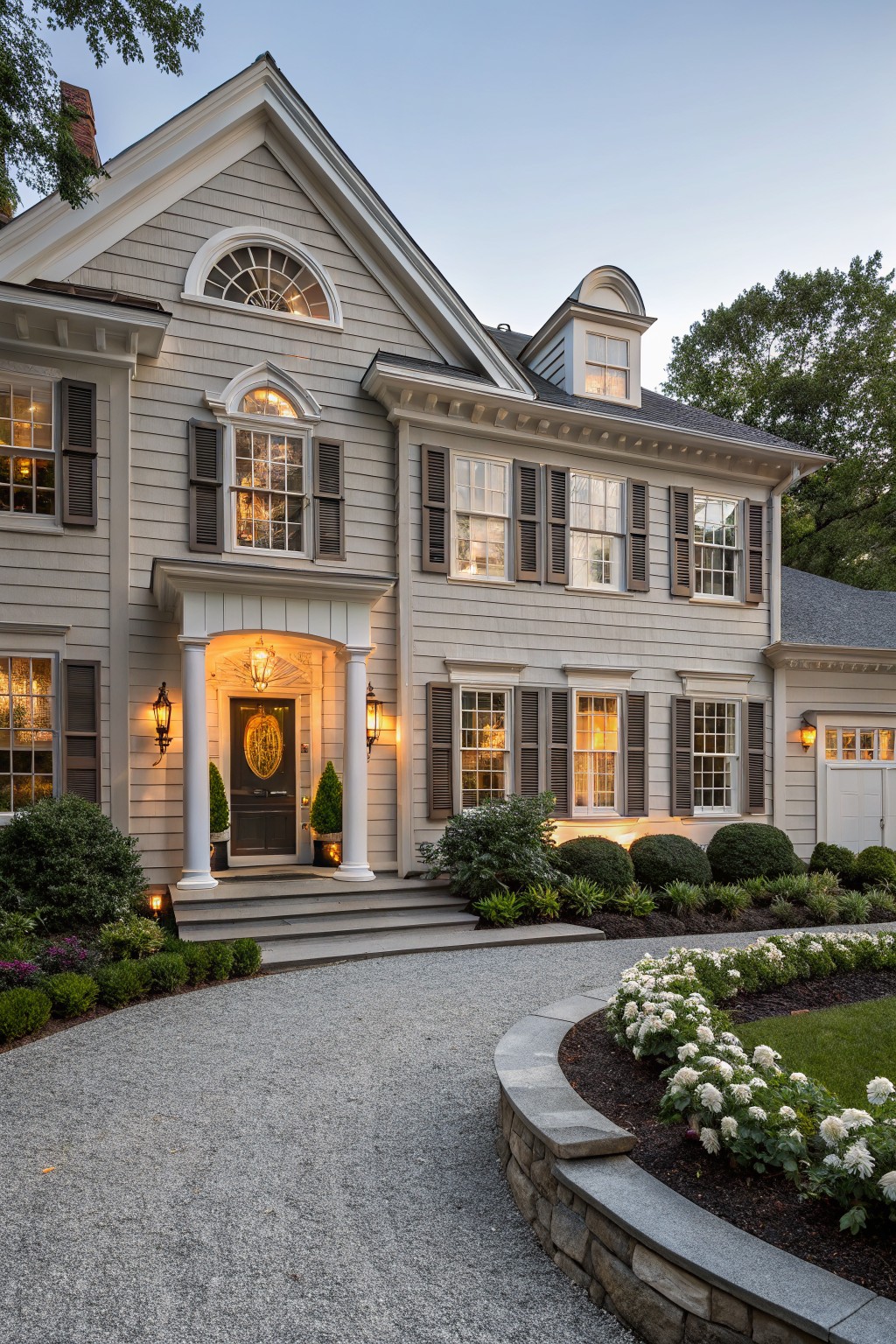
Dark brown shutters work well on houses with light gray or beige siding like this one. They add a bit of warmth and frame the windows without stealing the show. The contrast makes the front entry feel more defined, especially with simple columns and lanterns nearby.
This look suits classic colonial or shingle-style homes in neighborhoods with trees. Go for shutters that match the window height, and keep the siding neutral so the brown stands out. It helps curb appeal on a budget… just paint or replace what you have.
Dark Brown Shutters on Gray Siding
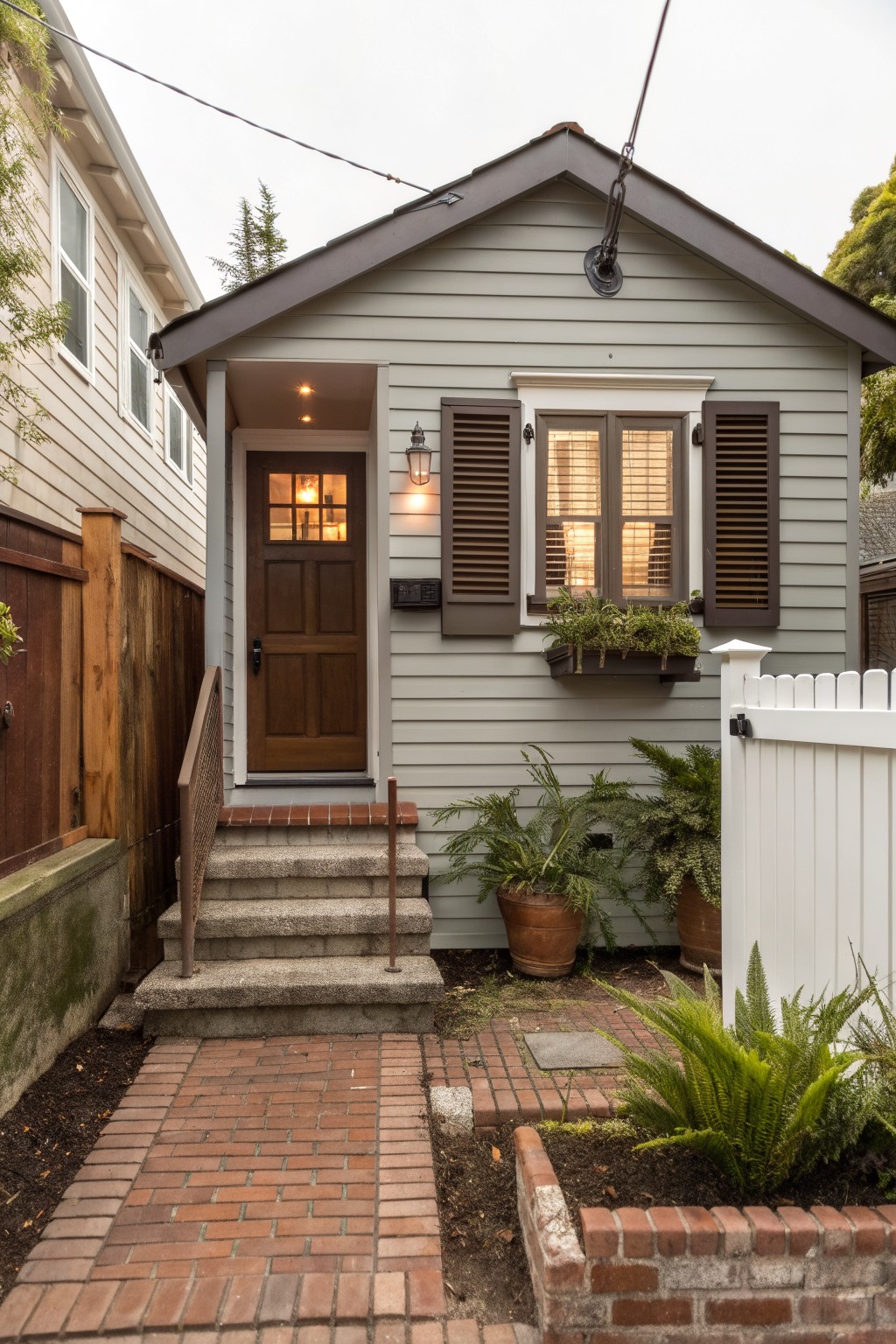
Dark brown shutters work nicely on a light gray house like this one. They add some warmth to the cooler siding color and make the windows stand out more. Pairing them with a wooden front door keeps things cohesive, and a few plants in window boxes tie it all together without much fuss.
This look suits smaller homes or cottages in milder climates. Go for wood-tone shutters if your siding is pale gray or white. They hold up well outside and give the place more personality. Just match the door hardware to avoid clashing.
Warm Wood Shutters on Stone Houses
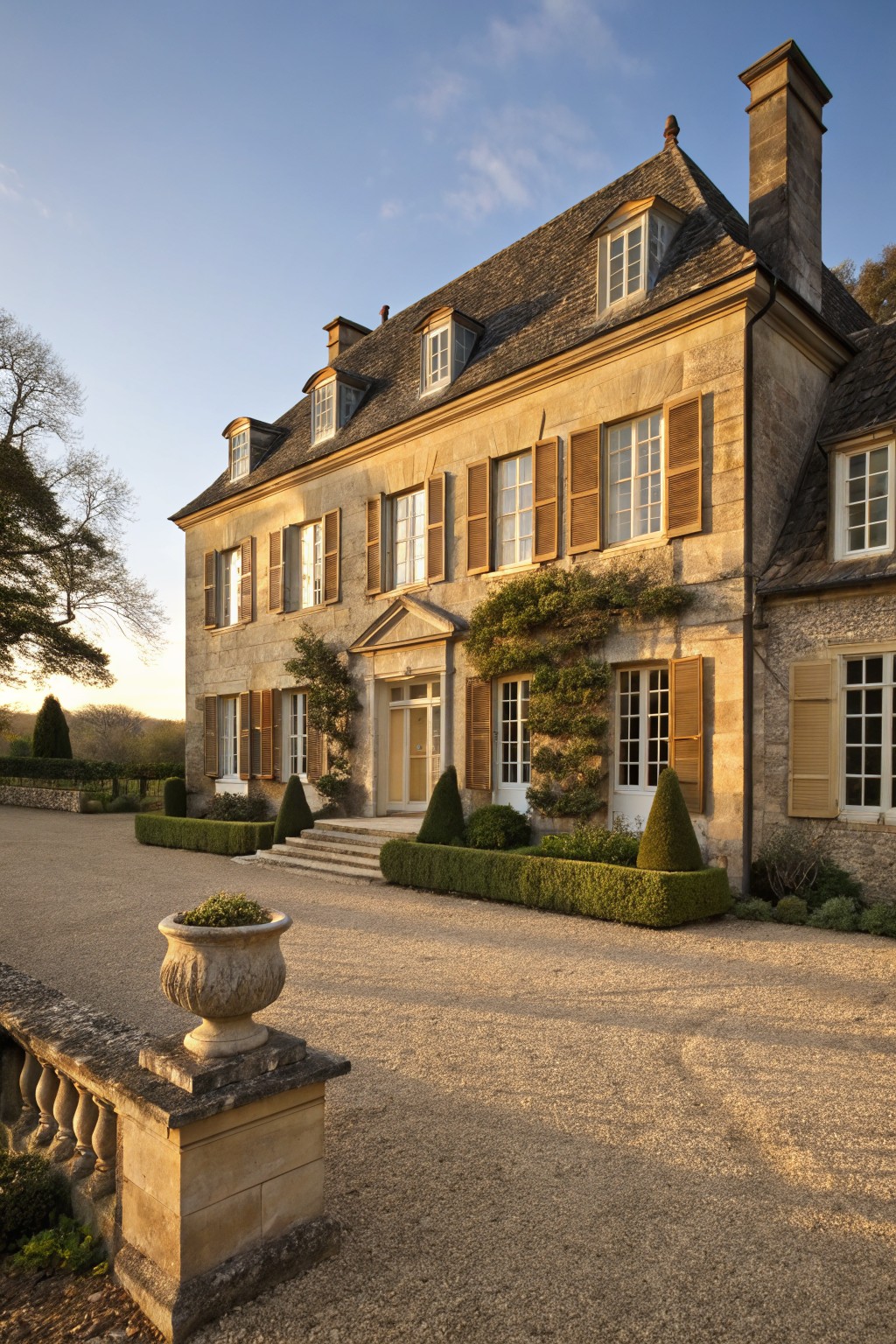
Wooden shutters in a warm brown shade look right at home against the soft tones of a limestone or stone facade. They bring a bit of texture and personality to what could otherwise feel plain. Here, the louvered style frames the tall windows nicely, picking up on the house’s natural color without clashing.
This setup suits country-style homes or older properties with stone walls. Match the shutter color to your stone’s warmth, using stain for a subtle aged look. Add them to most windows but leave the entry clear. Simple black hinges keep things practical and let the wood stand out.
Brown Slatted Shutters on White Stucco Entries
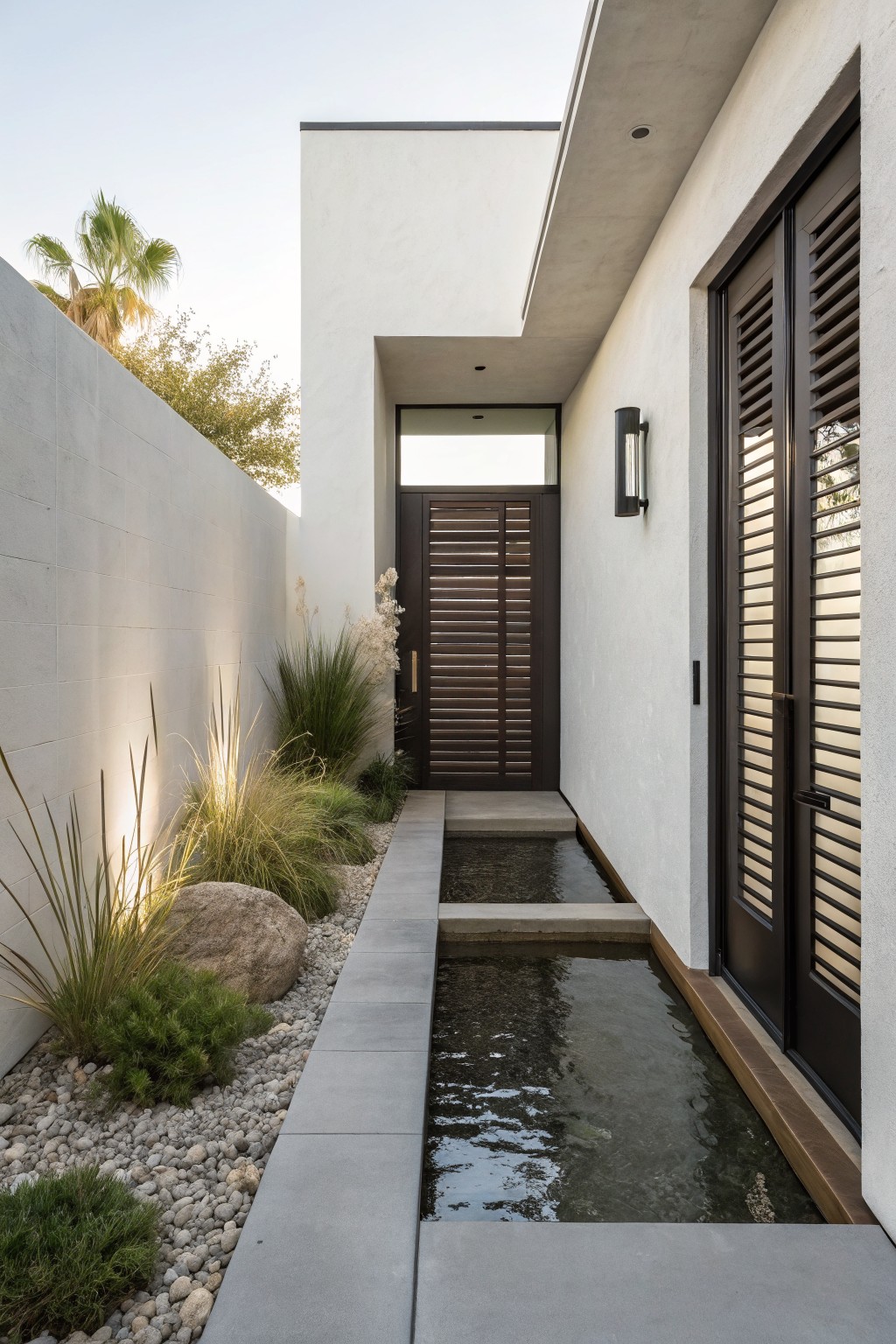
Brown slatted shutters work well on plain white stucco walls like you see here. The dark wood tones pull focus to the entry without overwhelming the clean lines. They add a bit of texture and rhythm that makes the whole facade feel more intentional. It’s a quiet way to bring warmth to a stark modern look.
Try this on low-profile homes in dry climates where you want subtle interest up close. Line up the slats on both a gate and doors for unity. Keep plants sparse along the path so the shutters stay the main draw. Pick durable cedar or ipe to hold up over time.
Navy Blue Shutters on Shingle Siding
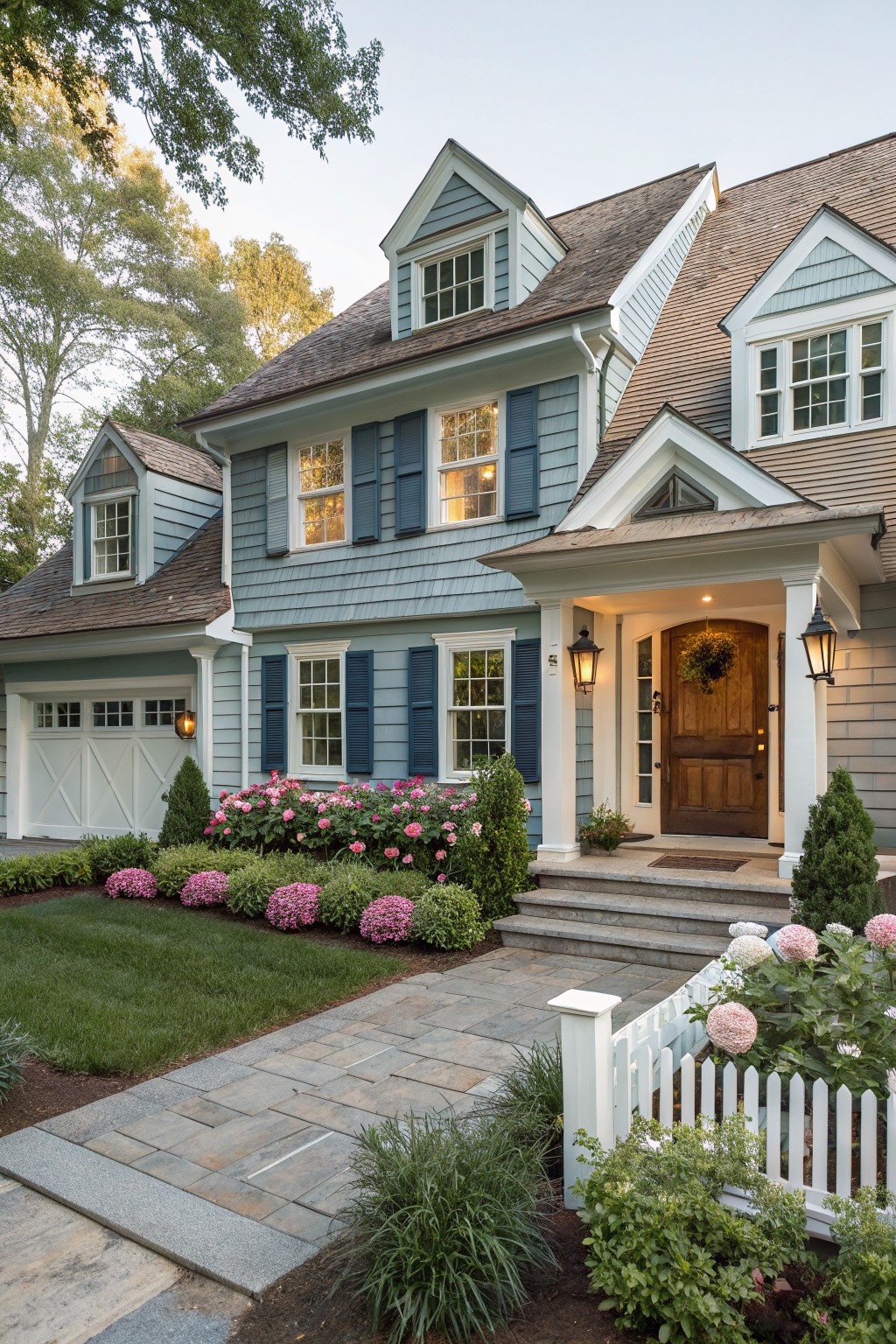
Navy blue shutters stand out nicely here against the soft blue-gray shingles. They frame the tall windows and give the facade a sharp, traditional edge without much fuss. That dark color pulls the eye right to the house front and ties in with the brown roof shakes for a grounded look.
These shutters work well on coastal or colonial-style homes where you want some contrast but not too bold. Go for them on light siding colors like grays, beiges, or even browns. Just size them to match your window openings and keep the trim white to let the navy do its job.
Brown Slatted Shutters Warm Up Plain Stucco
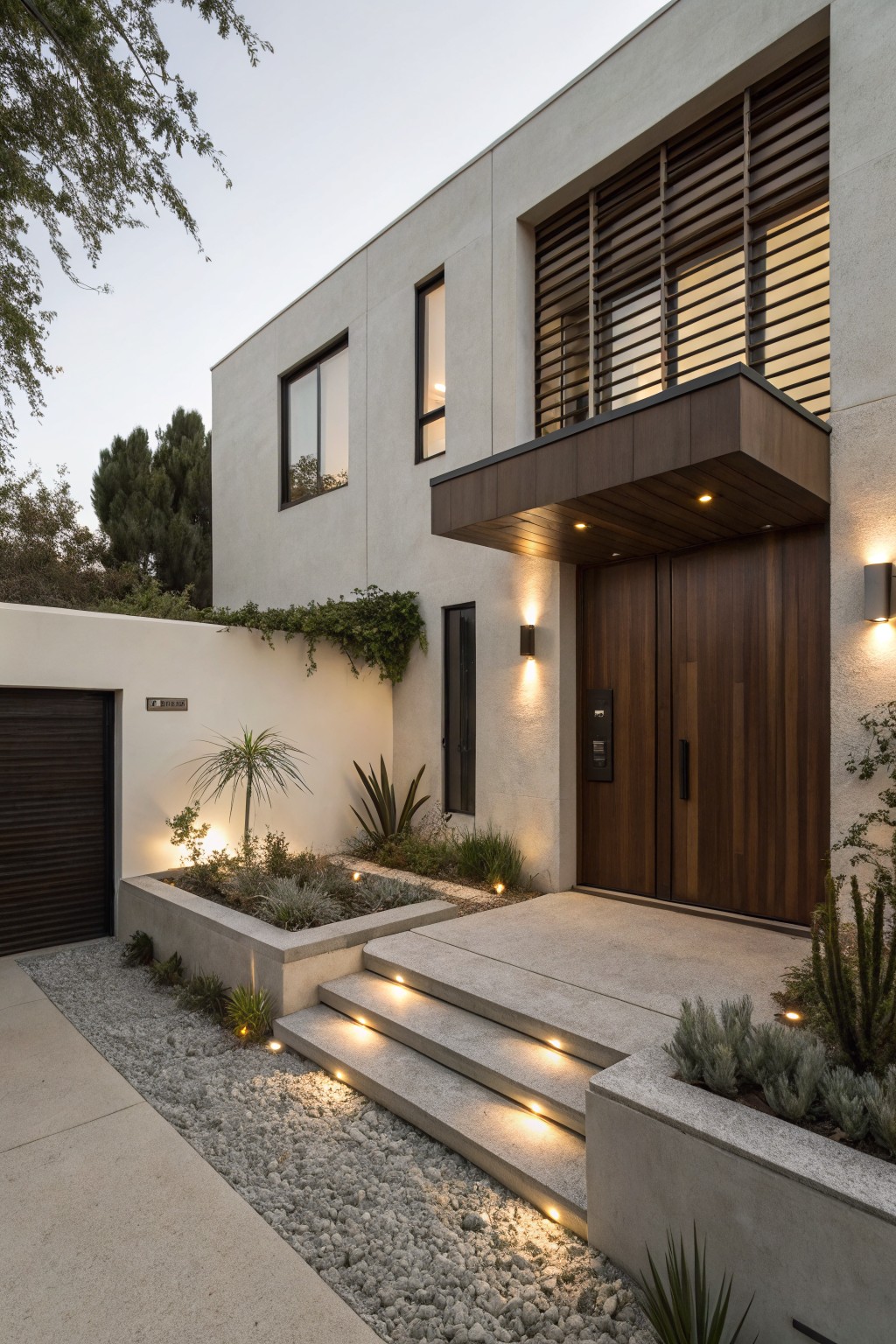
Brown slatted shutters like these work well on a simple stucco house. The wood adds texture and a bit of color against the light walls. It keeps things modern but feels less stark. Those slats over the tall windows let light filter in nicely.
Put them on the upper windows of a two-story home. Match the brown tone to your front doors for easy flow. This setup suits dry climates with succulents nearby. Just make sure the wood is treated for weather.
Dark Wood Shutters on Stone Walls
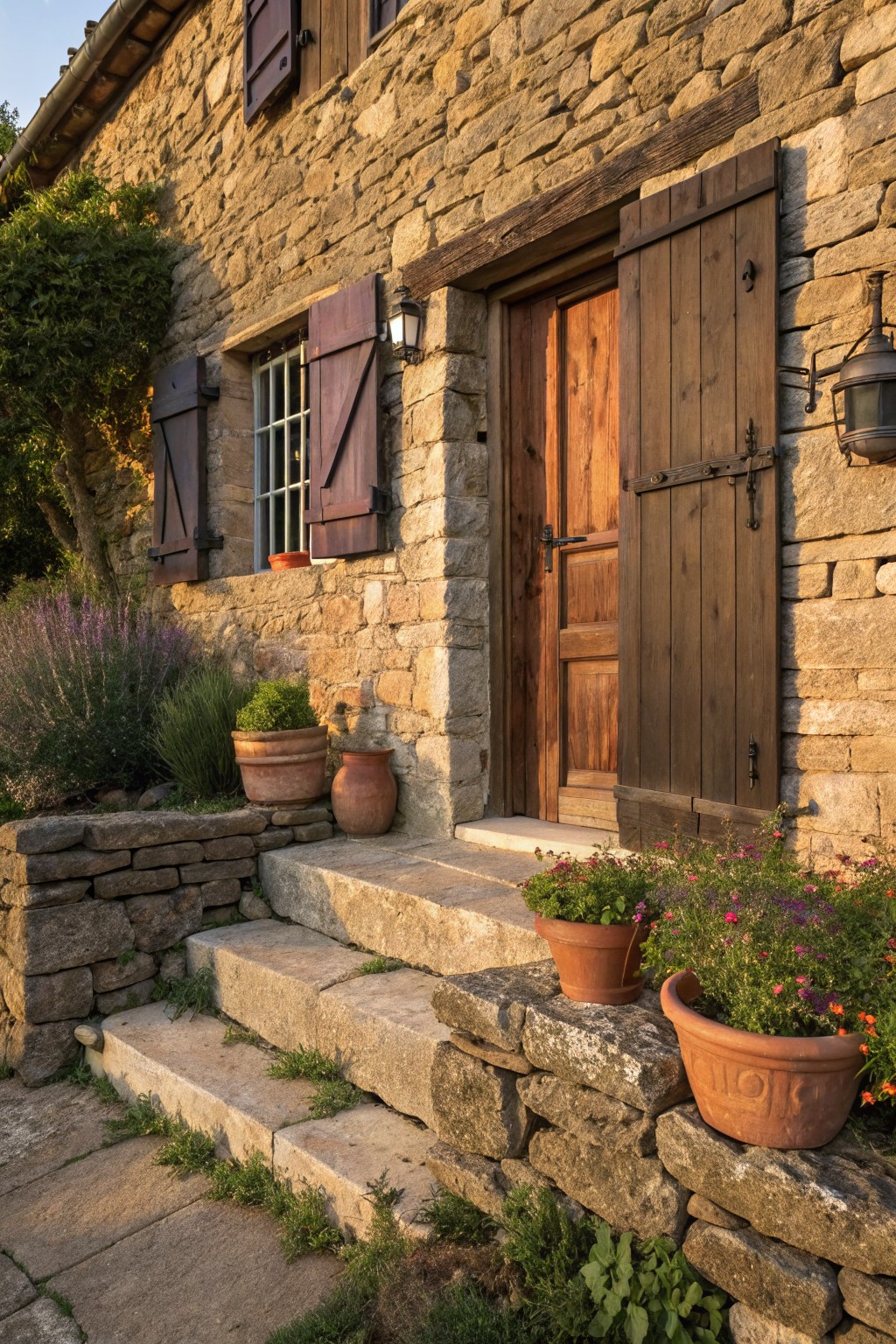
Dark wood shutters stand out nicely against a rough stone wall. Here the brown tones on the shutters and door pick up the warm shades in the stone itself. That match keeps things cohesive while the wood’s smooth grain contrasts the stone’s texture. It gives the entry a welcoming rustic look that feels settled and real.
Try this on older stone homes or ones with a bit of stucco mixed in. Keep the shutters simple, maybe with iron hardware, and add a couple terracotta pots nearby for life. It suits country settings best, where you want charm without fuss. Skip it on super modern builds though.
Small Bistro Table for Courtyard Dining
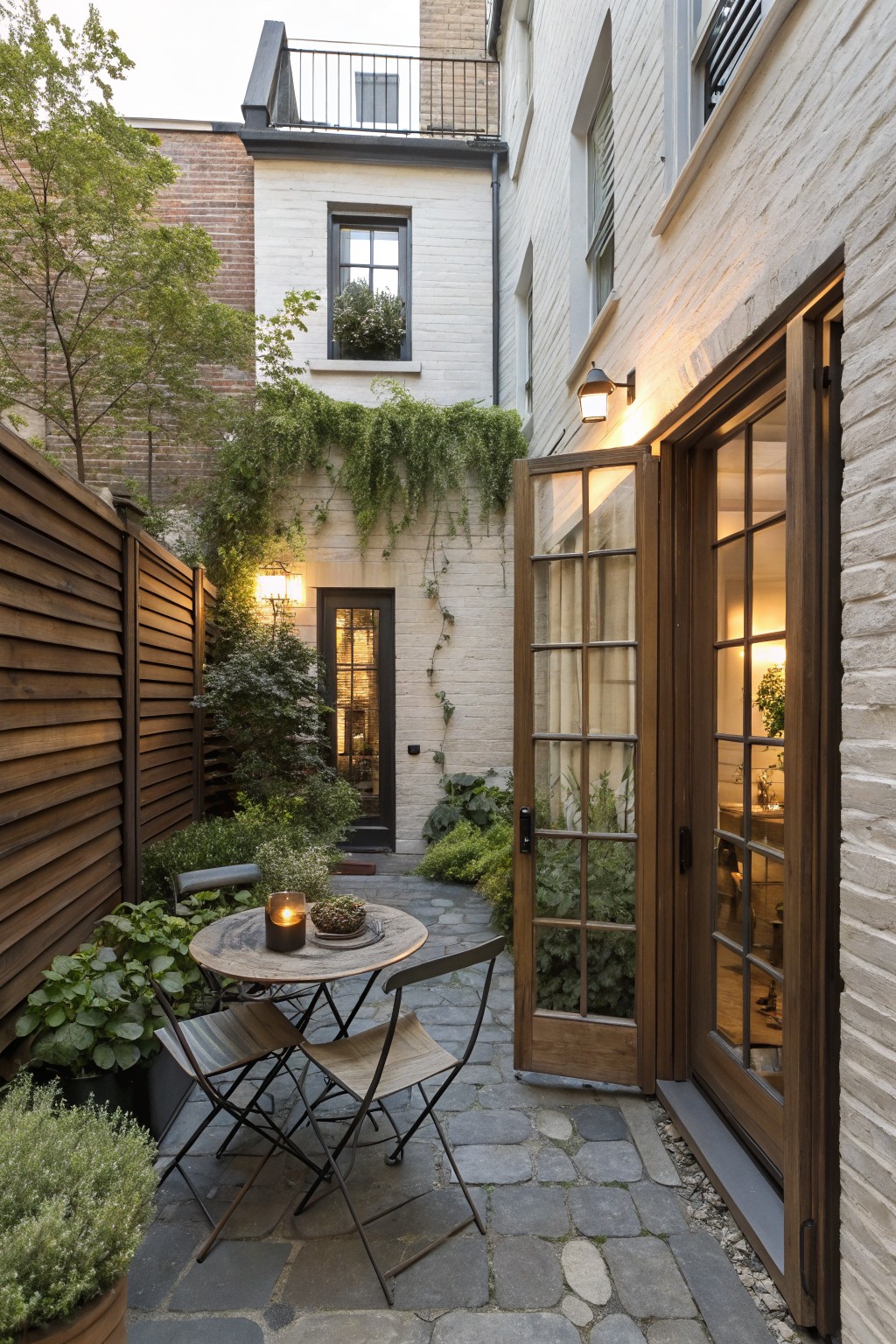
A small round table with two chairs works wonders in tight spots like this courtyard. It fits right up against the house without overwhelming the space, letting you pull up for coffee or a light meal while the doors stay open. That single candle on top gives it a relaxed evening feel too.
Put one in your own narrow patio or alleyway yard, especially if you have stone pavers or gravel underfoot. It suits row houses or city homes where every inch counts. Go for slim metal frames that fold if needed, and pair with potted herbs nearby. Skip bulky furniture; this keeps things easy and personal.
Dark Wood Cladding Fits Right into the Woods
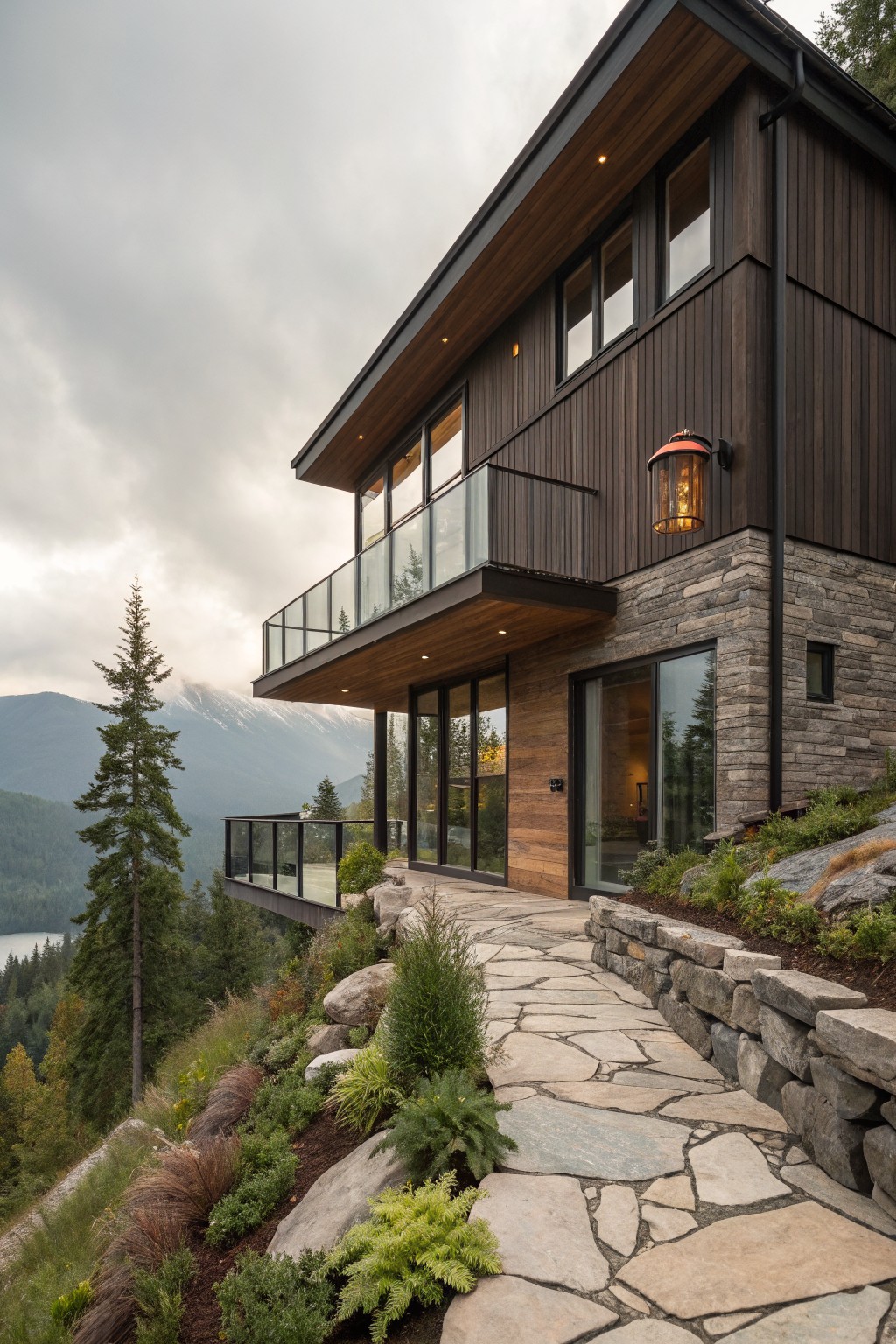
Dark wood cladding like this gives a house that low-key modern feel, especially on a sloped lot near trees and rocks. The vertical panels here run up the full height, making the place look tall and integrated with the hillside. Paired with a sturdy stone base, it keeps things from feeling too sleek or out of place.
You can pull this off on any wooded site or cabin-style home. Go for cedar or similar boards treated dark brown, and mix in local stone at the bottom for stability. It works best where you want subtle curb appeal that doesn’t shout. Just make sure the wood is sealed well against moisture.
Frequently Asked Questions
Q: What colors pop best on a brown house exterior?
A: Crisp white or soft cream shutters brighten lighter brown siding and make details stand out. Darker shades like hunter green or charcoal add depth to richer brown tones. Navy brings a fresh coastal feel without overwhelming the natural warmth.
Q: Do shutters need to match my front door?
A: Not at all. Play with contrast for more personality, like black shutters on a red door. That combo turns heads.
Q: How do I add shutters to vinyl siding without damage?
A: Use spacers behind the shutter to create an air gap. Screw through the top and bottom hinges into the siding with short screws. They hold firm and let moisture escape.
Q: What’s the best way to refresh faded shutters?
A: Sand off loose paint, then wipe clean. Prime and top with exterior paint in your chosen shade. They’ll look brand new and protect against weather.
