

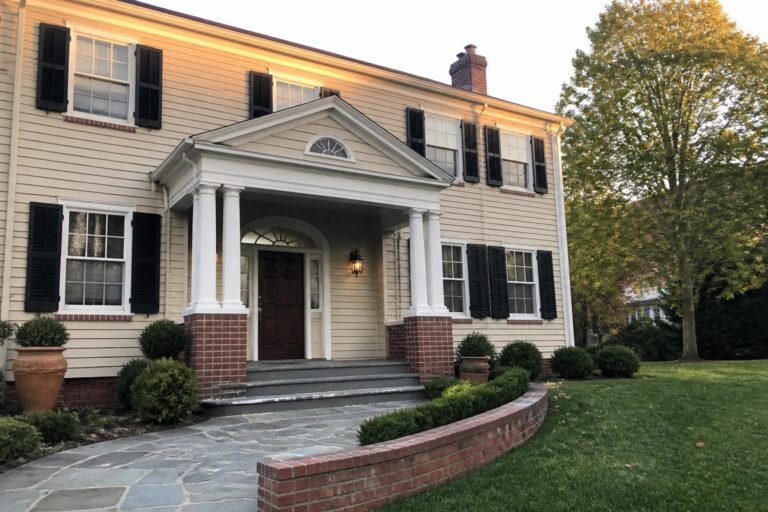
I have always noticed that beige exteriors gain a lot of character when paired with red brick accents around the windows and chimneys.
The right balance keeps the house from looking flat while still feeling traditional and grounded in its setting.
Over time I have learned that small brick details often make the biggest difference in how the whole facade reads from the street.
Some pairings hold up better than others once you see them in person.
I would test a few of these ideas on a sketch before committing to any changes.
Red Brick Bases for Beige Exteriors
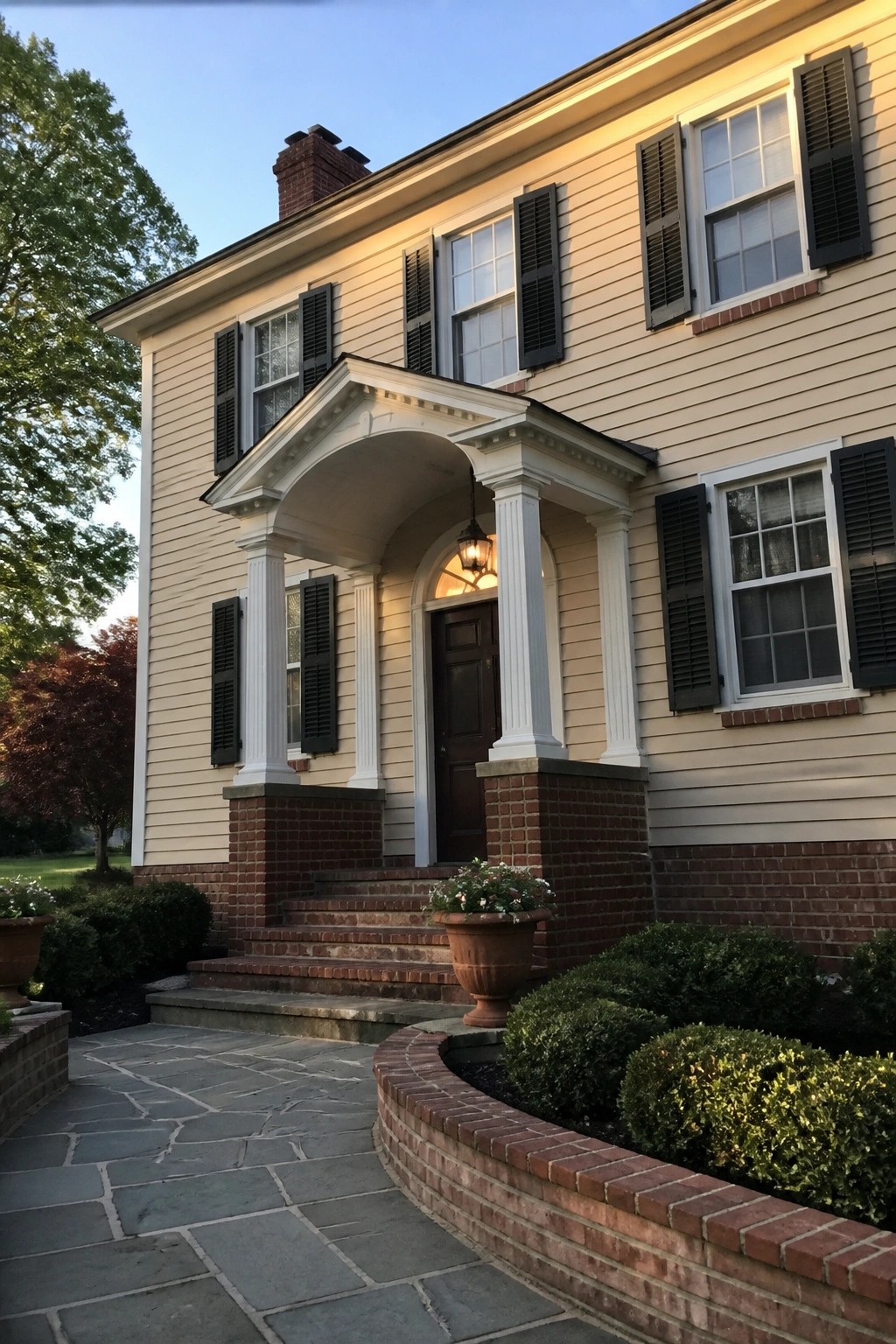
Red brick at the base of a beige house gives the whole exterior a solid, grounded feel. It breaks up the siding and adds that classic contrast many traditional homes rely on.
This works best on homes with a clear foundation line and a simple entry like columns or a small portico. Keep the brick limited to the lower walls, steps, and porch area so it stays balanced rather than overwhelming the facade.
Red Brick Accents on Beige House Exteriors
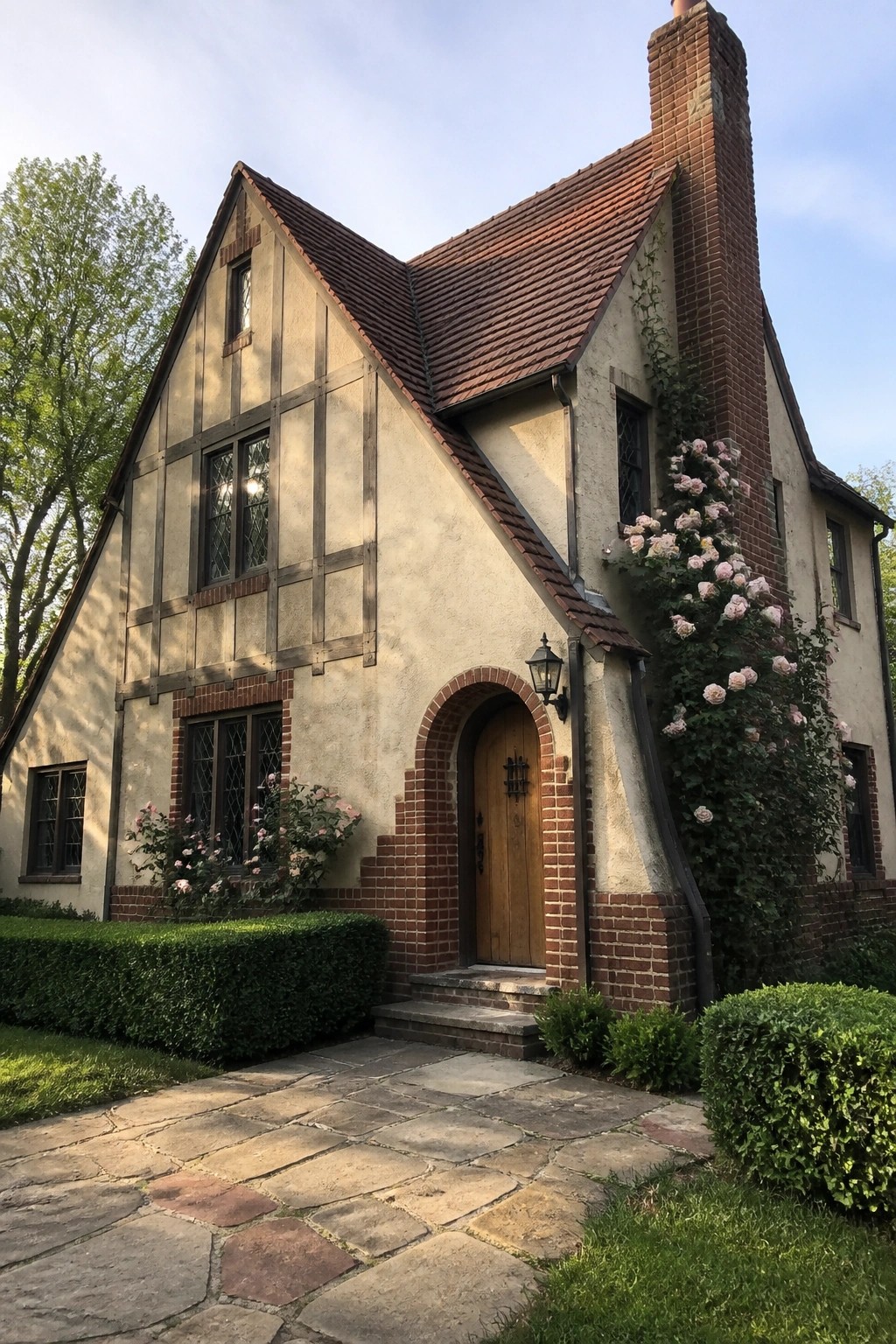
Red brick stands out nicely against a beige stucco exterior when it is used in small, focused areas. It adds warmth and a traditional touch without overpowering the lighter main color of the house.
This approach works best on homes that already have some brick near the base or chimney. Limit the brick to the entry arch and a few vertical lines so the beige remains the dominant surface. Too much brick can make the house feel darker and heavier than intended.
Red Brick Accents For Beige Traditional Homes
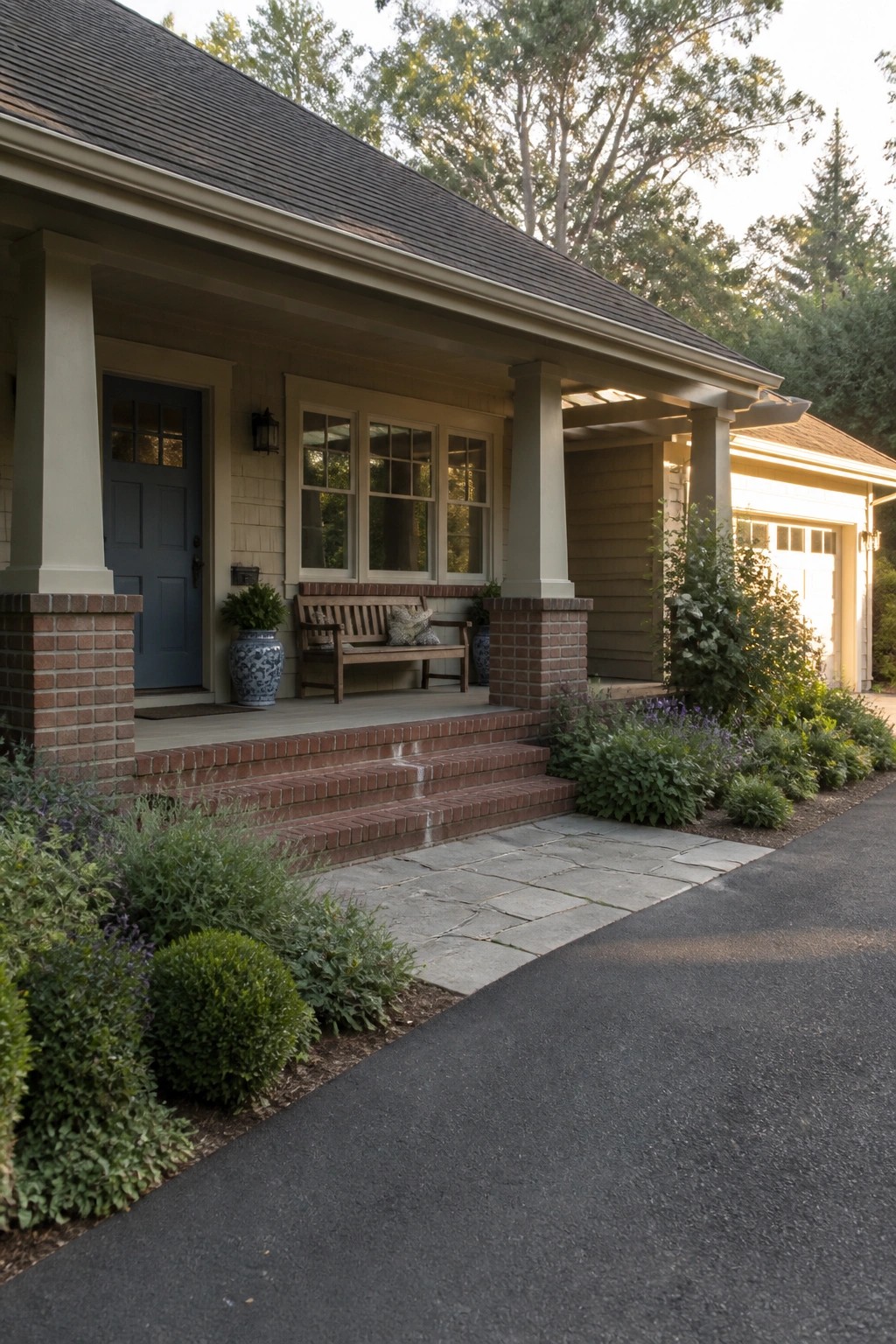
Many beige houses look more grounded when red brick is added at key spots like column bases and steps. The contrast gives the entry a solid, traditional feel while the lighter siding keeps the whole front from feeling heavy.
This approach works best on homes with a simple porch or covered entry. Limit the brick to those lower structural areas rather than covering large sections of wall. It adds character without needing major changes to the rest of the exterior.
Red Brick Bases for Beige Exteriors

A red brick foundation and steps give a beige house real weight at the base. The contrast keeps the siding from feeling too pale or light while still letting the color stay soft and simple.
This approach works best on traditional homes that already have some brick or want a classic look without extra colors. Keep the brick limited to the lower section and steps so it anchors the house without taking over.
Red Brick Accents on Light Traditional Exteriors
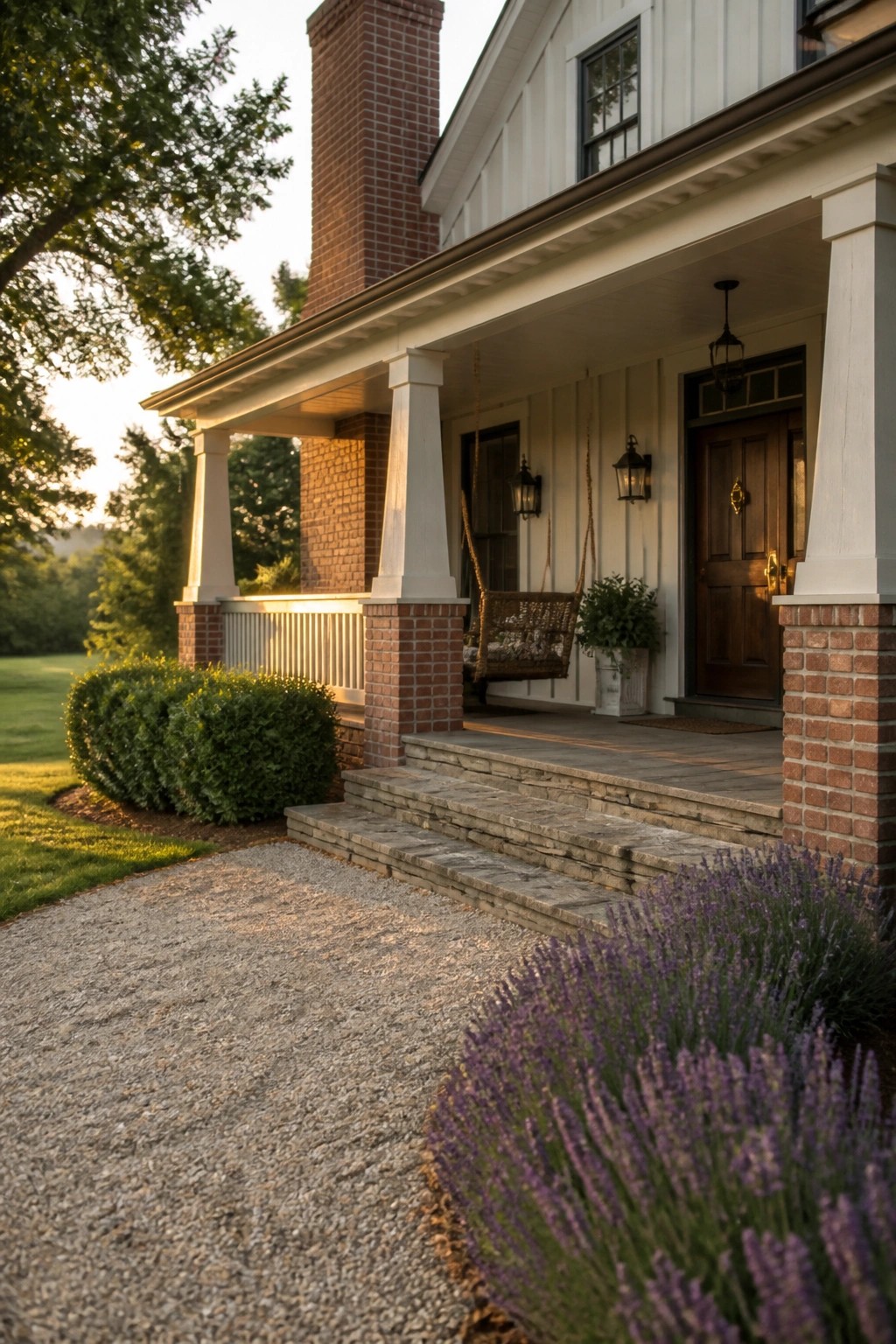
Many traditional homes look more balanced when red brick shows up in small doses against lighter siding. The brick gives the house a solid base and a touch of warmth that plain siding alone can lack.
This mix works best on homes with simple porches or chimneys where the brick can frame the main entry or roofline. It suits classic styles and keeps the overall look timeless rather than trendy.
Red Brick Accents on Beige Siding
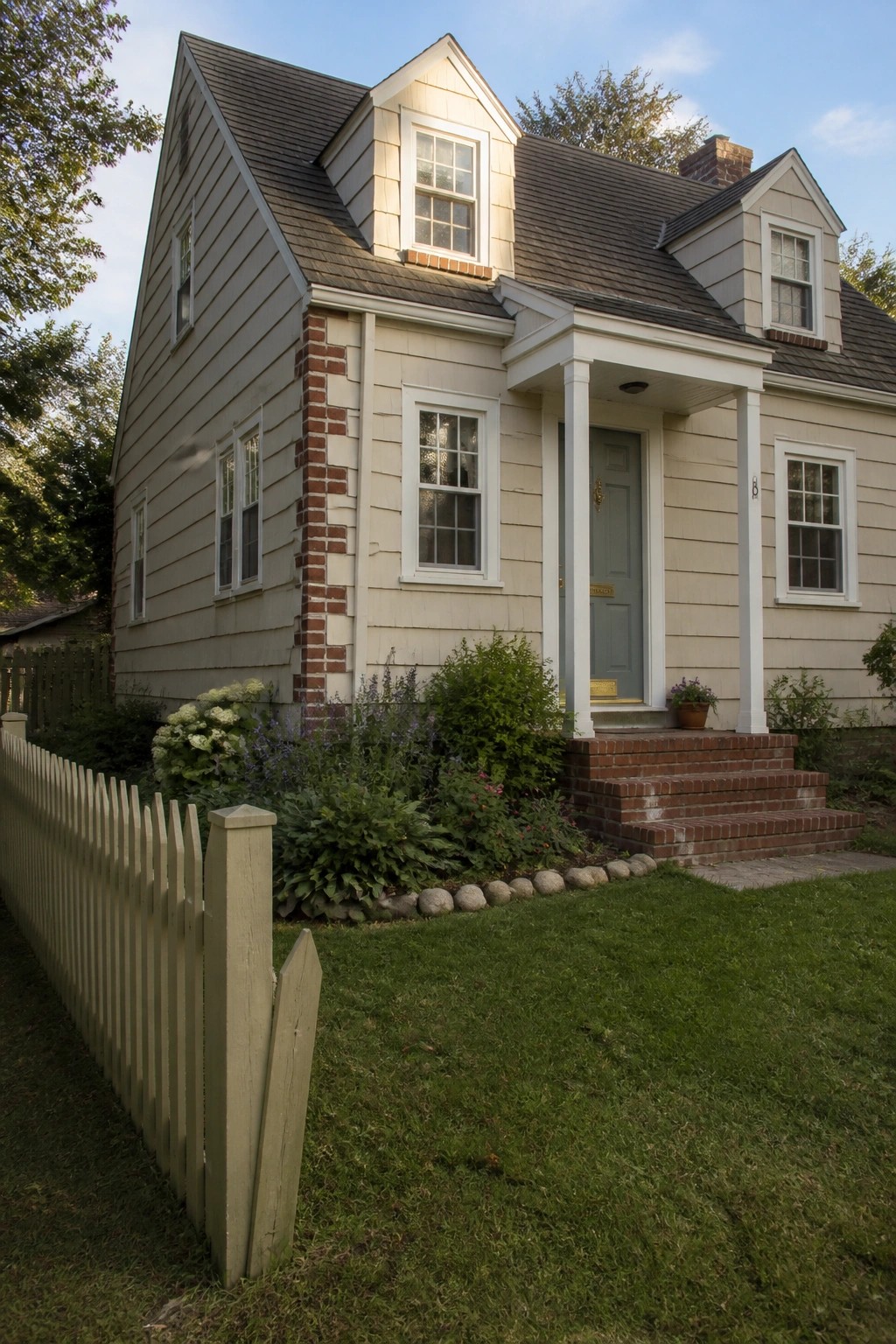
Many older homes look better when beige siding is paired with red brick in just a few spots. The brick adds weight and history without making the whole house feel heavy or dark.
This approach works best on traditional two-story homes where the brick can frame windows or mark the corners. Limit the brick to those key lines so the beige stays the main color and the house keeps its simple, clean shape.
Red Brick Bases on Beige Exteriors
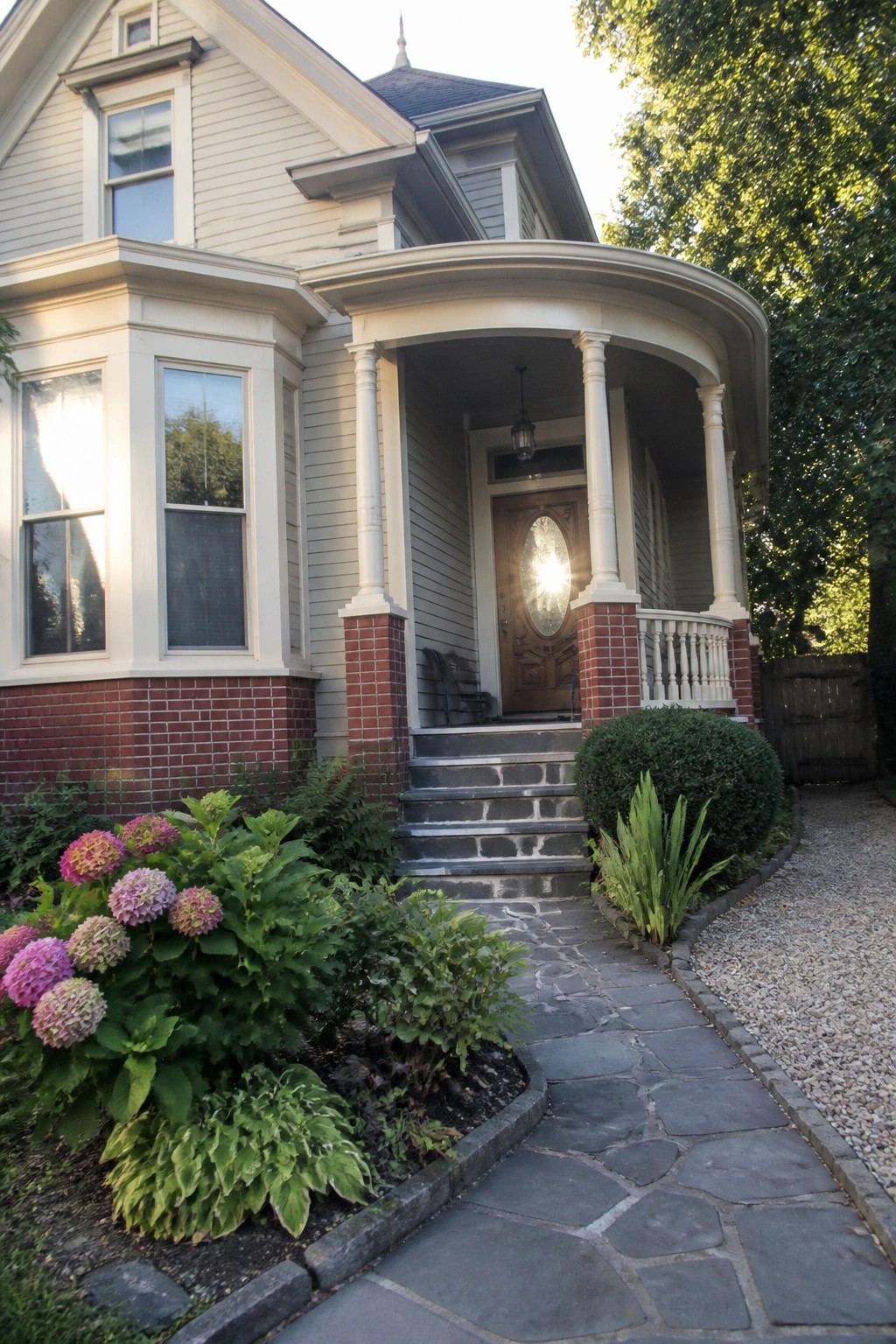
Red brick used along the foundation and porch supports gives a beige house a grounded look. It breaks up the lighter siding and adds a bit of weight at the bottom where it feels natural.
This approach suits traditional homes that already have some brick detail elsewhere. Keep the brick low and limit it to key spots like column bases so the beige remains the main color.
Red Brick Steps on Beige Brick Homes

Many traditional homes paint the main brick walls a light beige but leave the front steps in natural red brick. The contrast keeps the house from looking too flat while still reading as classic.
This works best on homes with simple facades where the entry needs a bit more weight. Match the red brick to any arched window headers or foundation details so the materials feel intentional rather than random.
Red Brick Bases With Beige Siding
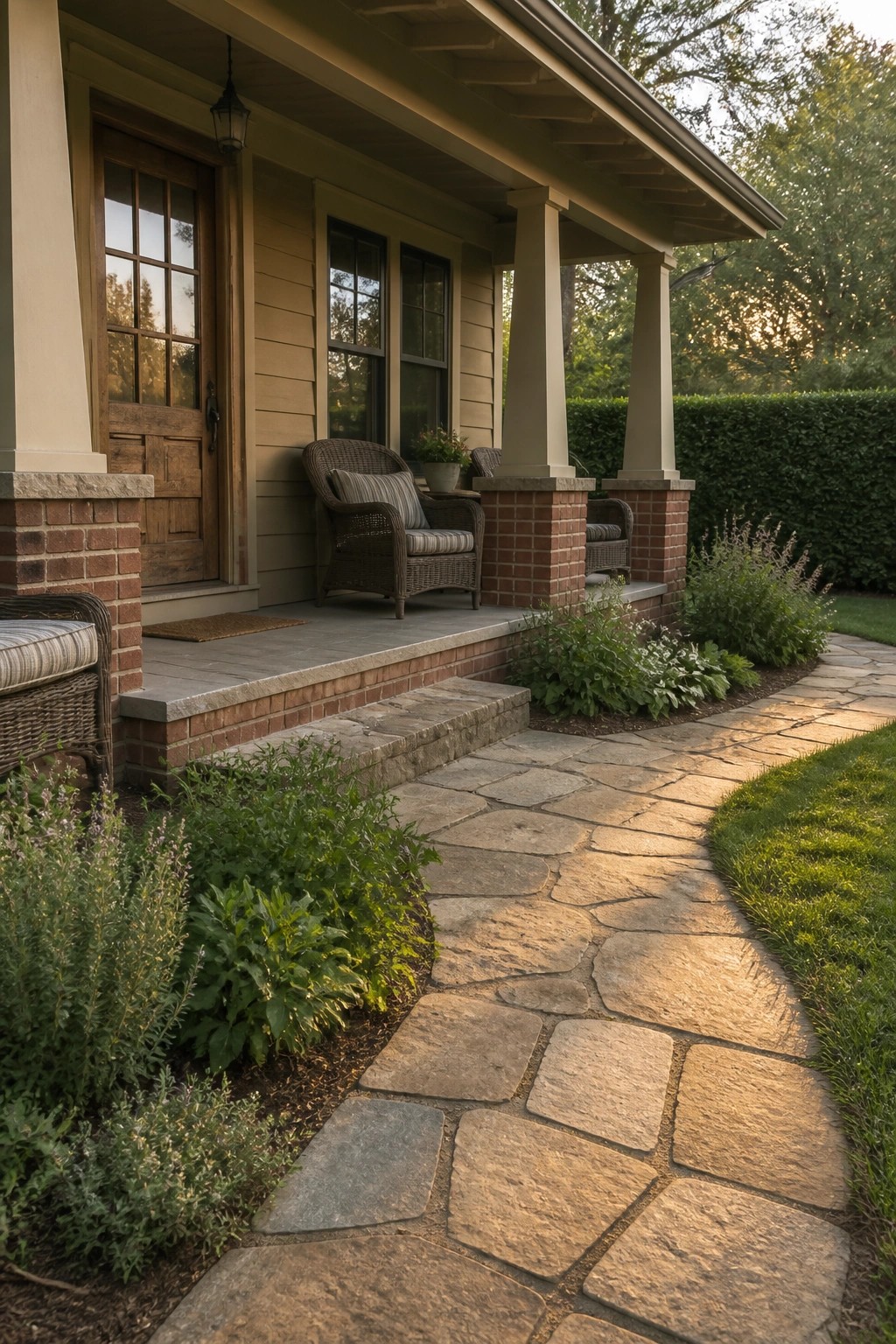
Red brick at the bottom of a porch or along the foundation pairs well with beige siding because it adds weight and a traditional touch without making the whole house feel heavy. The contrast keeps the lighter color from looking too plain while still letting the siding stay the main surface.
This approach works best on homes that already lean traditional or have some brick detail elsewhere. Use the brick only at key spots like column bases and steps so it stays simple and does not spread too far up the walls.
Red Brick Accents on Beige Exteriors
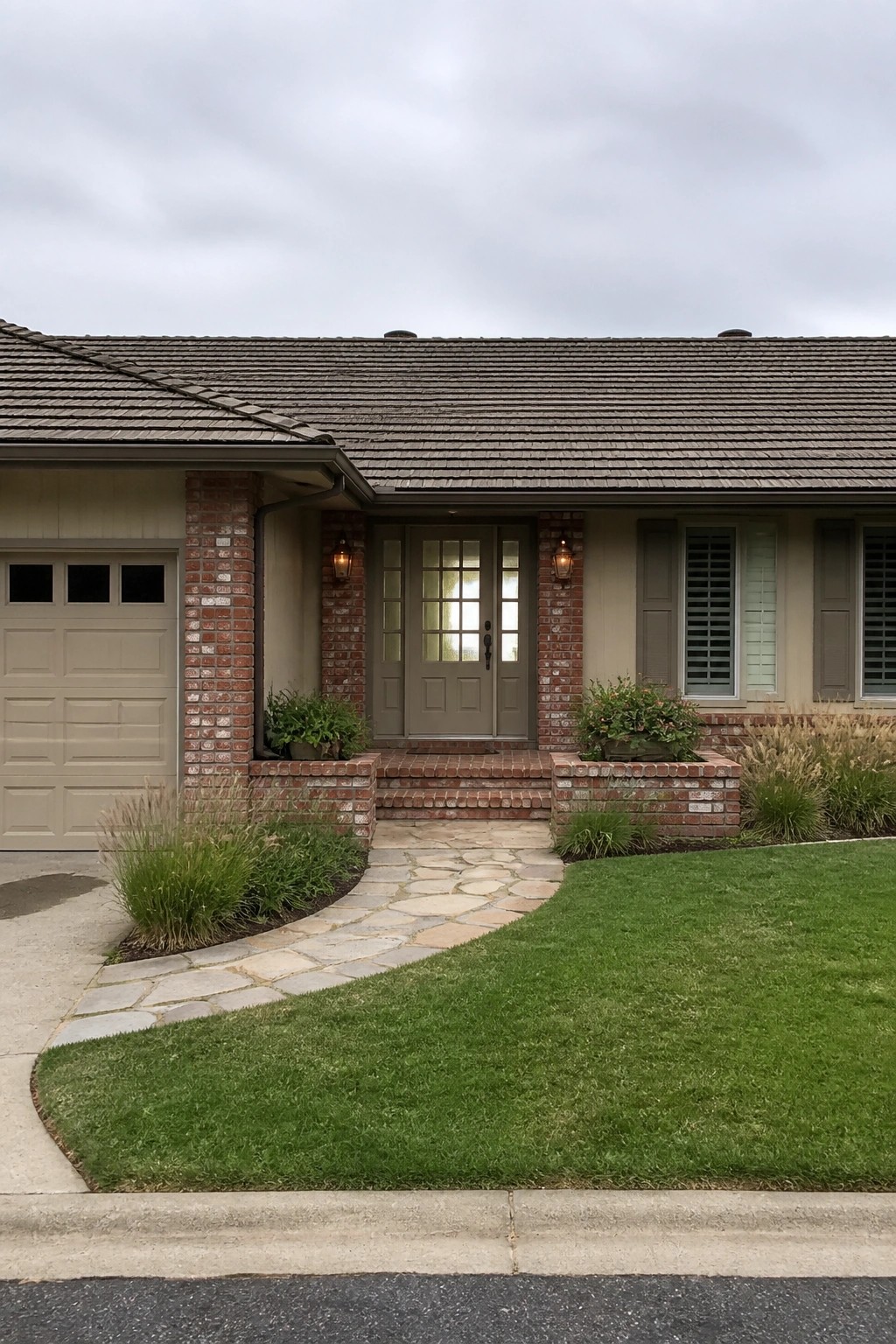
Red brick details can give a beige house more structure without making it feel busy. The brick around the front door and along the garage edges creates a clear frame that stands out against the lighter siding. This mix keeps the look traditional but still simple.
It works best on homes that already have a classic shape and roofline. Use the brick at key spots like entries or window bases rather than covering large sections. Too much brick can start to feel heavy, so keep the rest of the facade light.
Red Brick Accents on Beige Exteriors
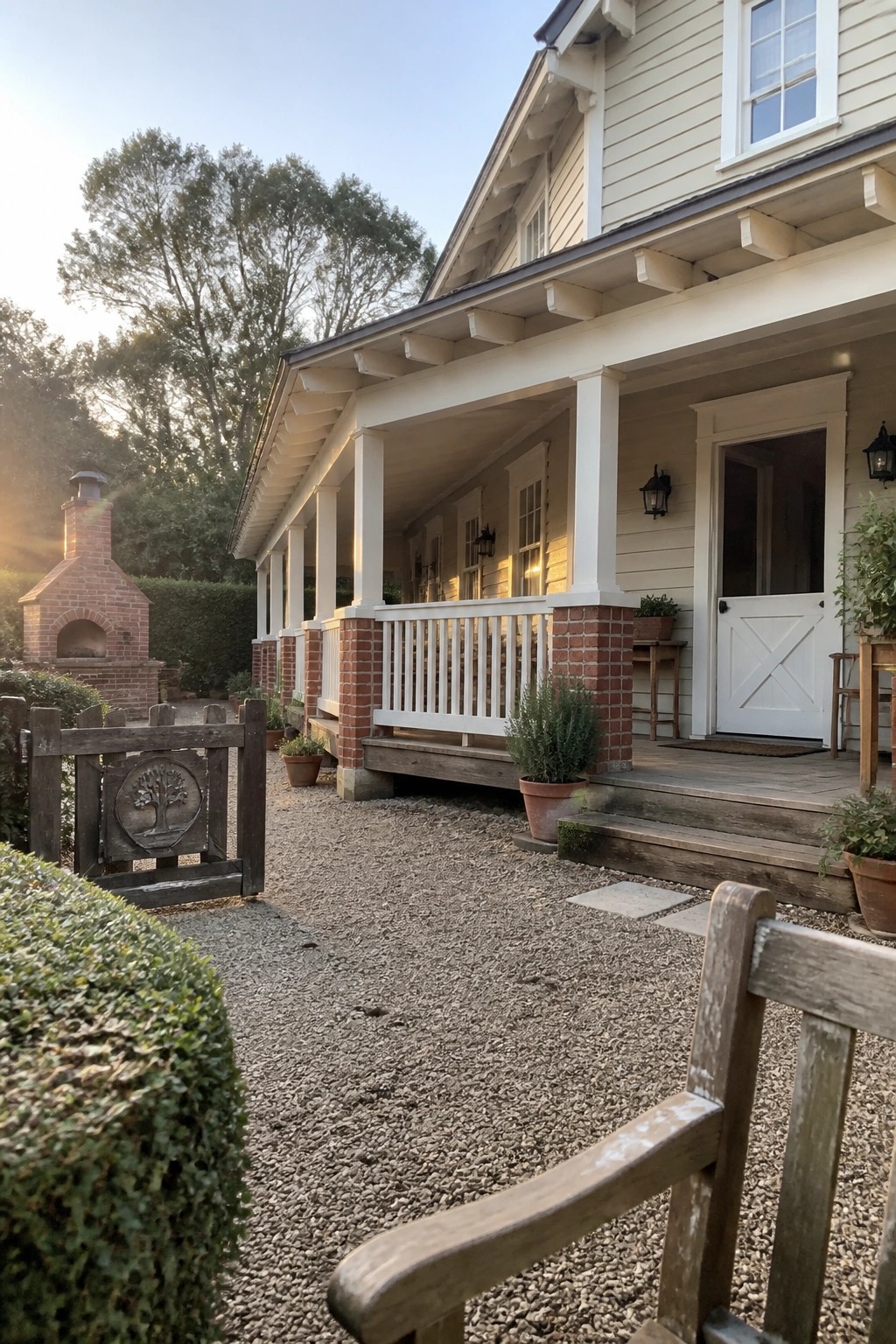
Red brick works well as an accent on beige siding because it gives the lighter color something solid to sit against. The brick on the porch columns and base here keeps the whole front from looking too flat while still letting the beige stay the main color.
This approach suits traditional homes that already have some brick elsewhere on the property. Keep the brick limited to the lower parts of the porch or entry so it grounds the house without taking over the siding.
Mixing Beige Siding with Red Brick Details
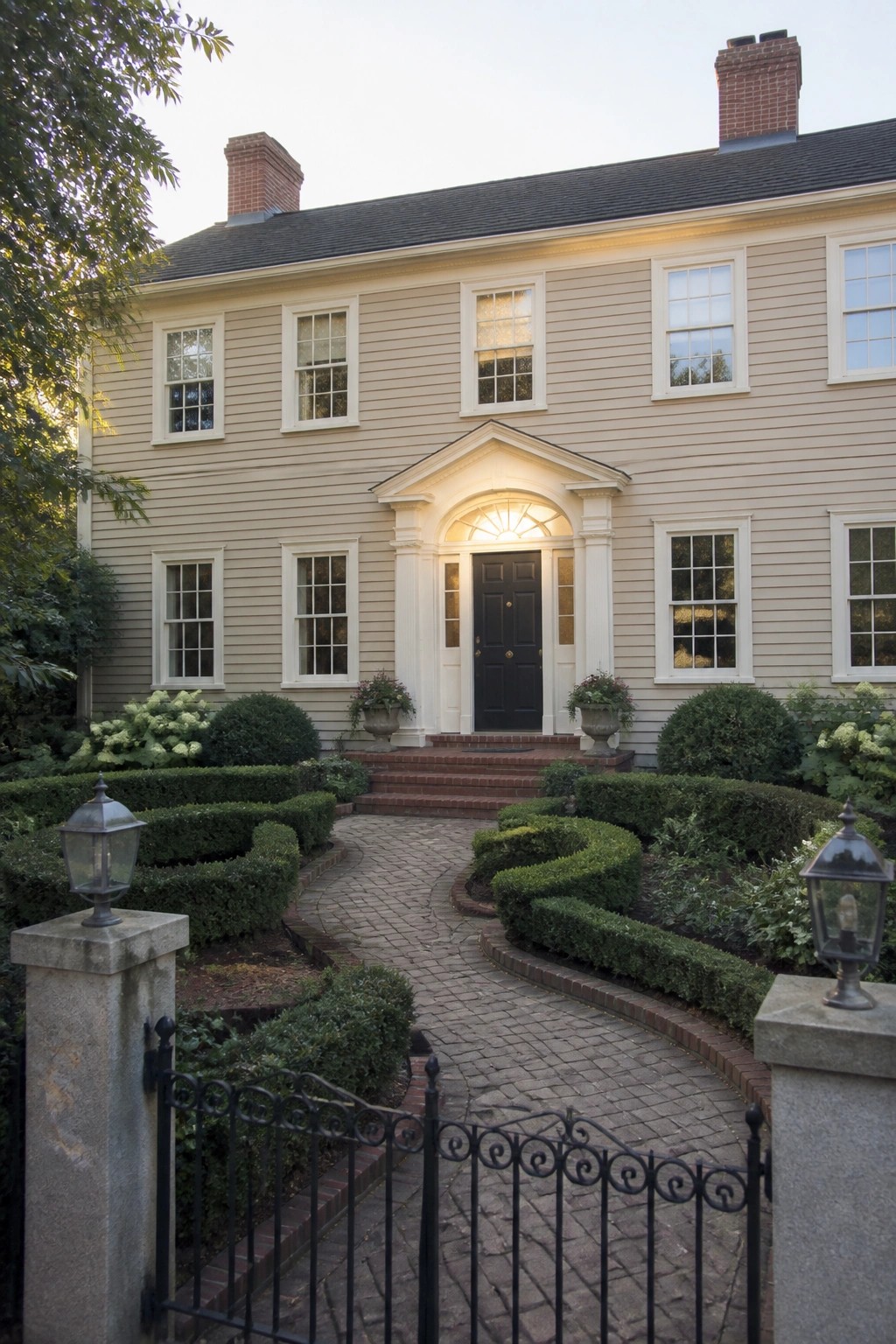
Beige siding gives a house a calm, light look that ages well. Adding red brick on the steps, chimneys, and along the base adds just enough weight and tradition without making the whole house feel heavy.
This works best on older style homes that already have some brick nearby or on properties where you want the entry to stand out. Limit the brick to a few key spots so the beige remains the main color.
Red Brick Accents on Beige Exteriors
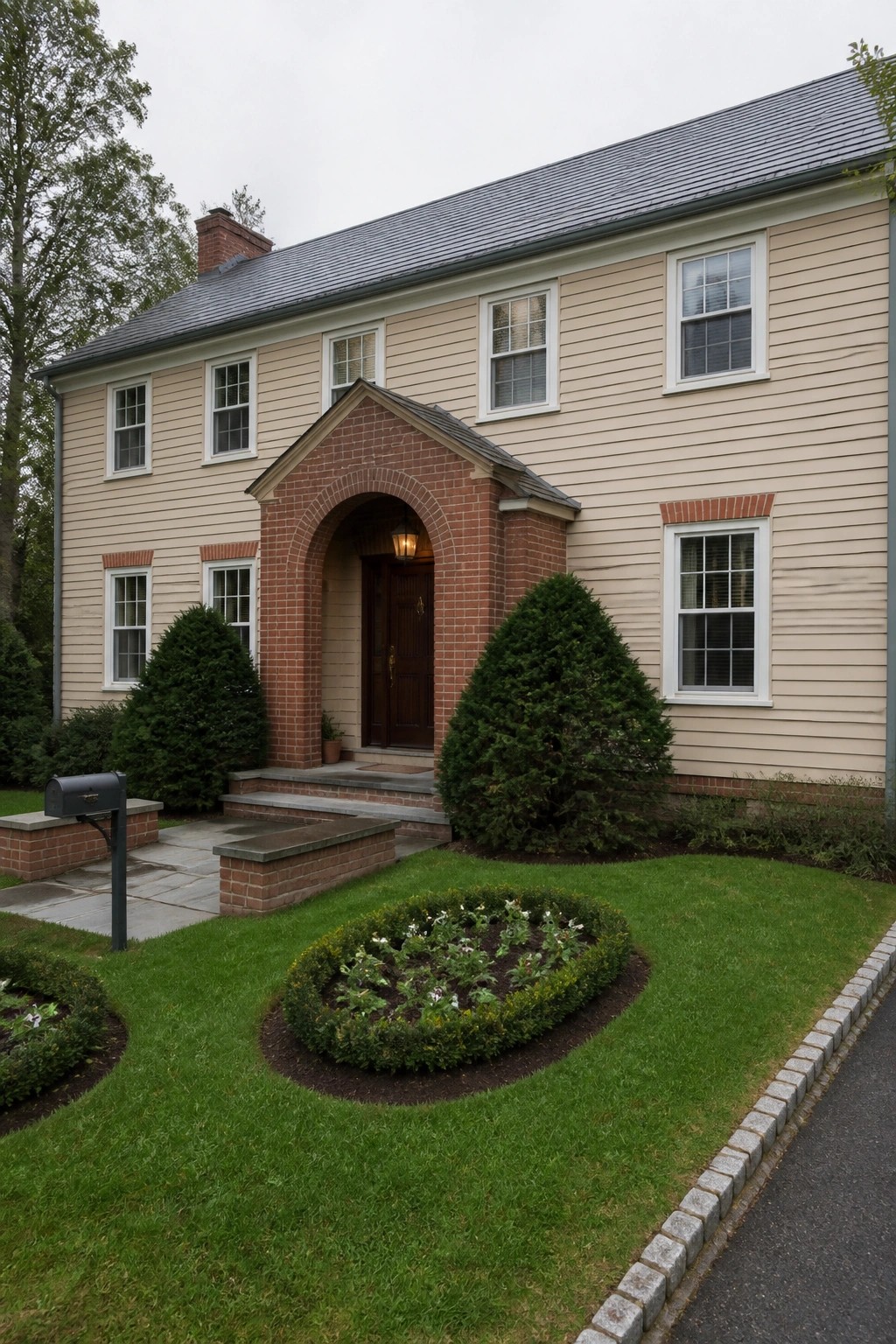
Red brick around the entry gives a beige house a clear focal point and a bit more weight. The arch and surrounding brick break up the flat siding and make the door feel more substantial without adding much else.
This approach works well on traditional homes where the siding is a single light tone. Limit the brick to the door surround and a few window headers so the beige remains the main color and the details stay balanced.
Red Brick Steps for Beige Homes
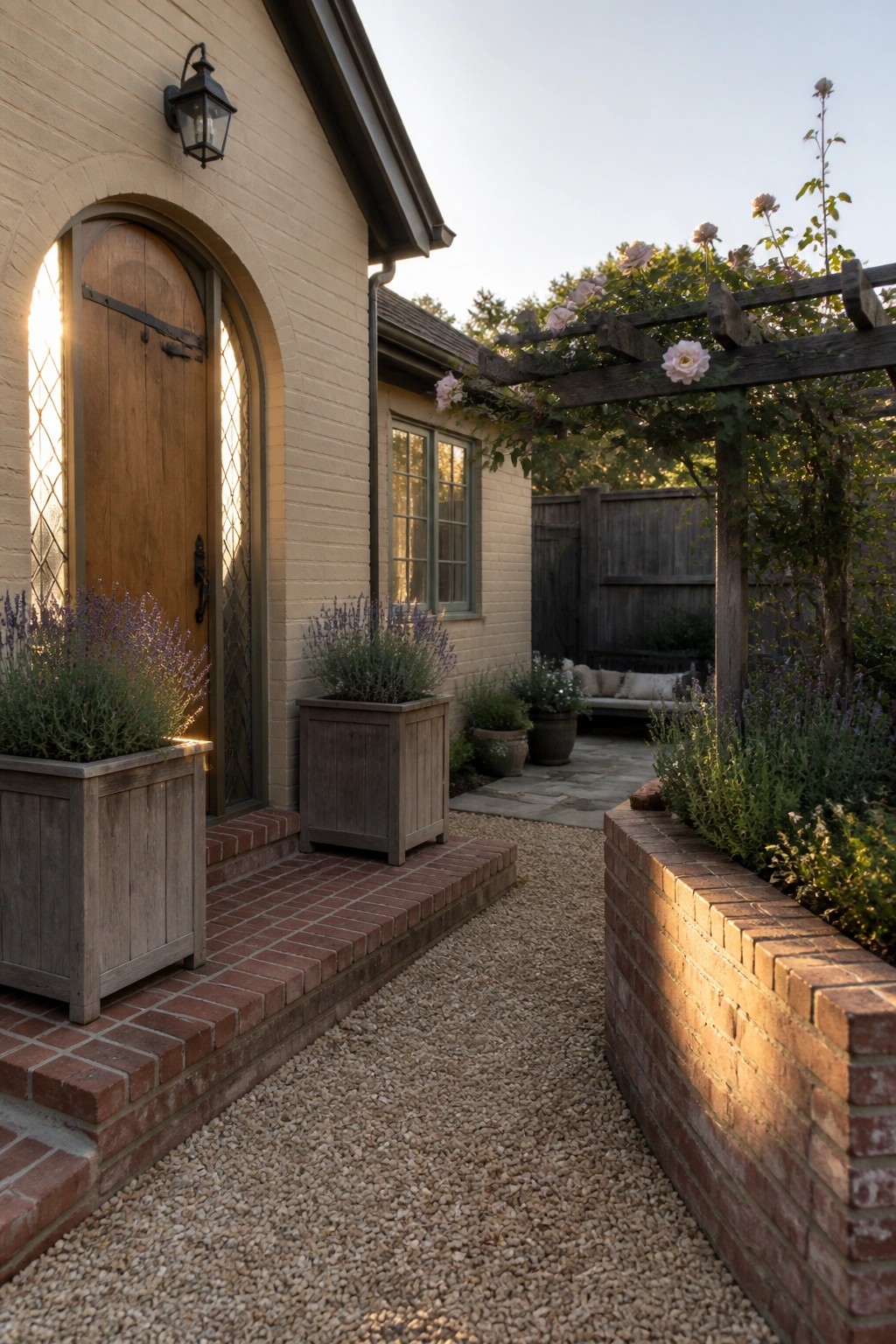
Red brick steps and edging give a beige house a clear, grounded base. The contrast feels natural on traditional homes and keeps the lighter walls from looking too soft or flat against the ground.
This approach works best on homes with simple brick or siding where you want a bit of weight near the entry. Keep the brick in small doses like steps, low walls, or path borders so it supports the overall look without taking over.
Red Brick Bases Pair Well With Beige Siding
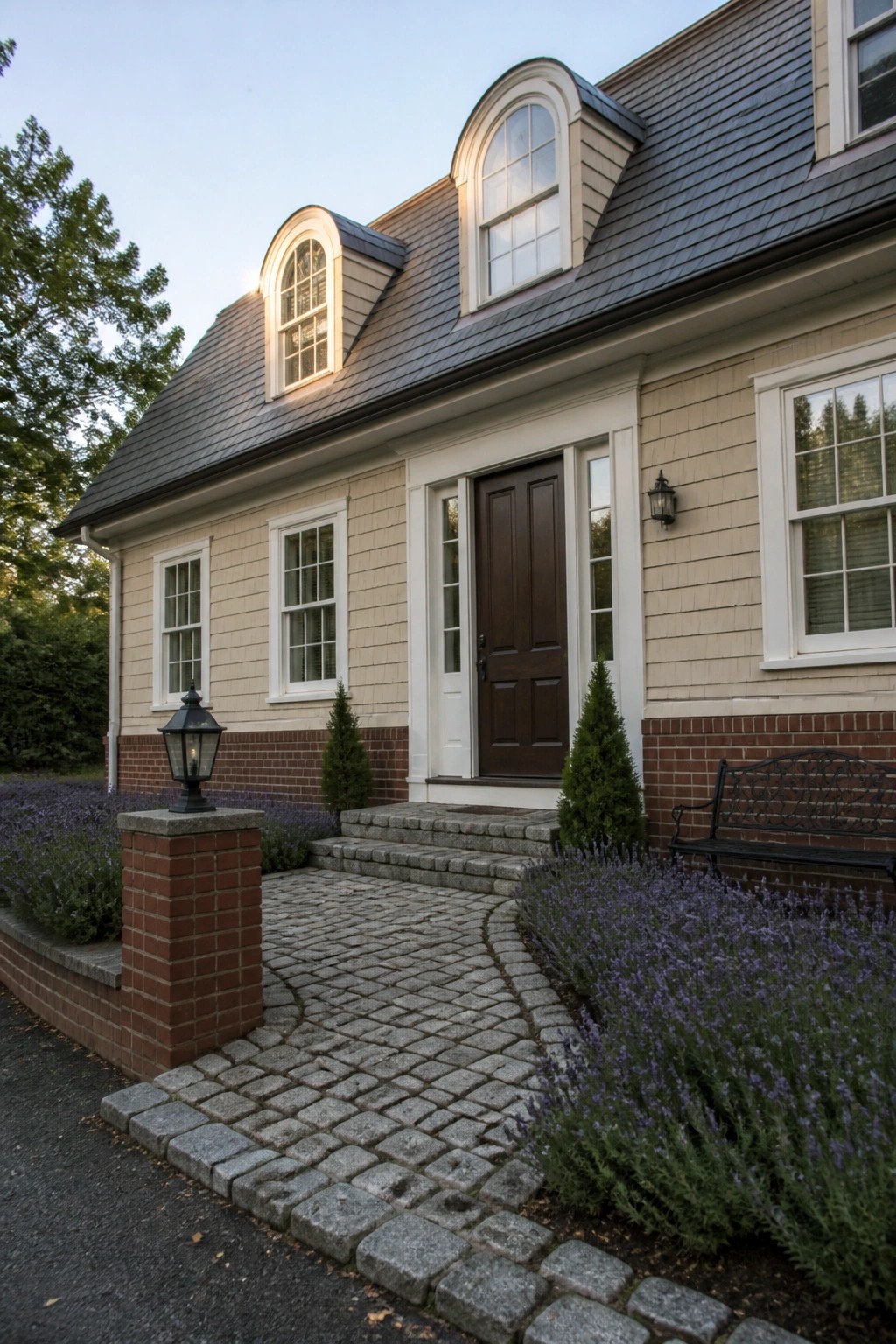
Many traditional homes use a low red brick section at the base under beige siding. This simple mix adds weight and structure without making the whole house feel heavy.
It works best when the brick stays close to the ground and stops before the main windows. The contrast keeps the upper part light while the brick helps the house settle into the site.
Red Brick Details on Beige Exteriors
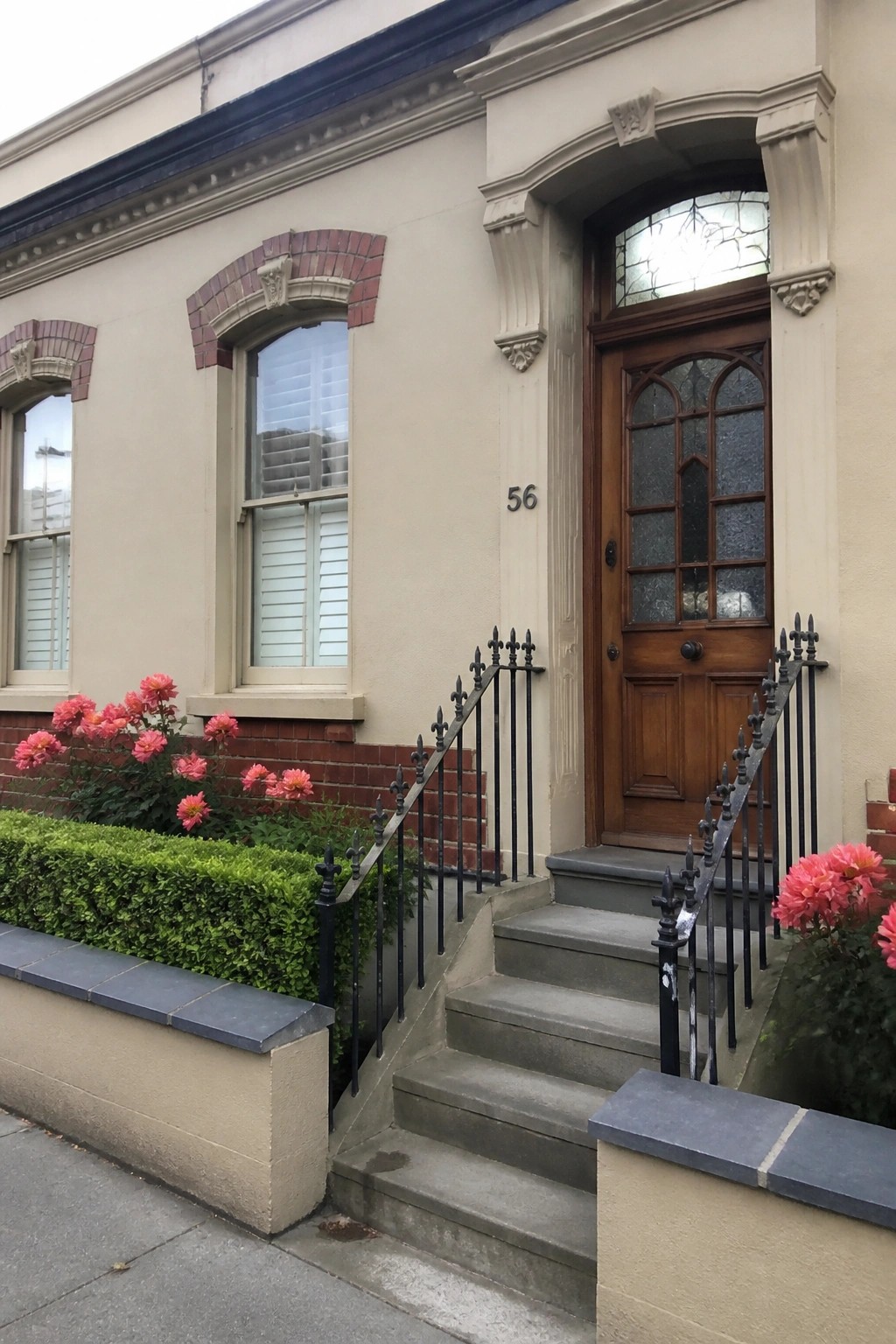
Red brick accents give a beige house exterior more definition and warmth. They stand out most when used around windows and along the base, where they break up the larger wall areas without competing with the main color.
This works best on traditional homes that already have some brick or want a bit of contrast. Limit the brick to window surrounds and lower sections so the beige remains the dominant surface and the overall look stays balanced.
Red Brick Bases for Beige Exteriors
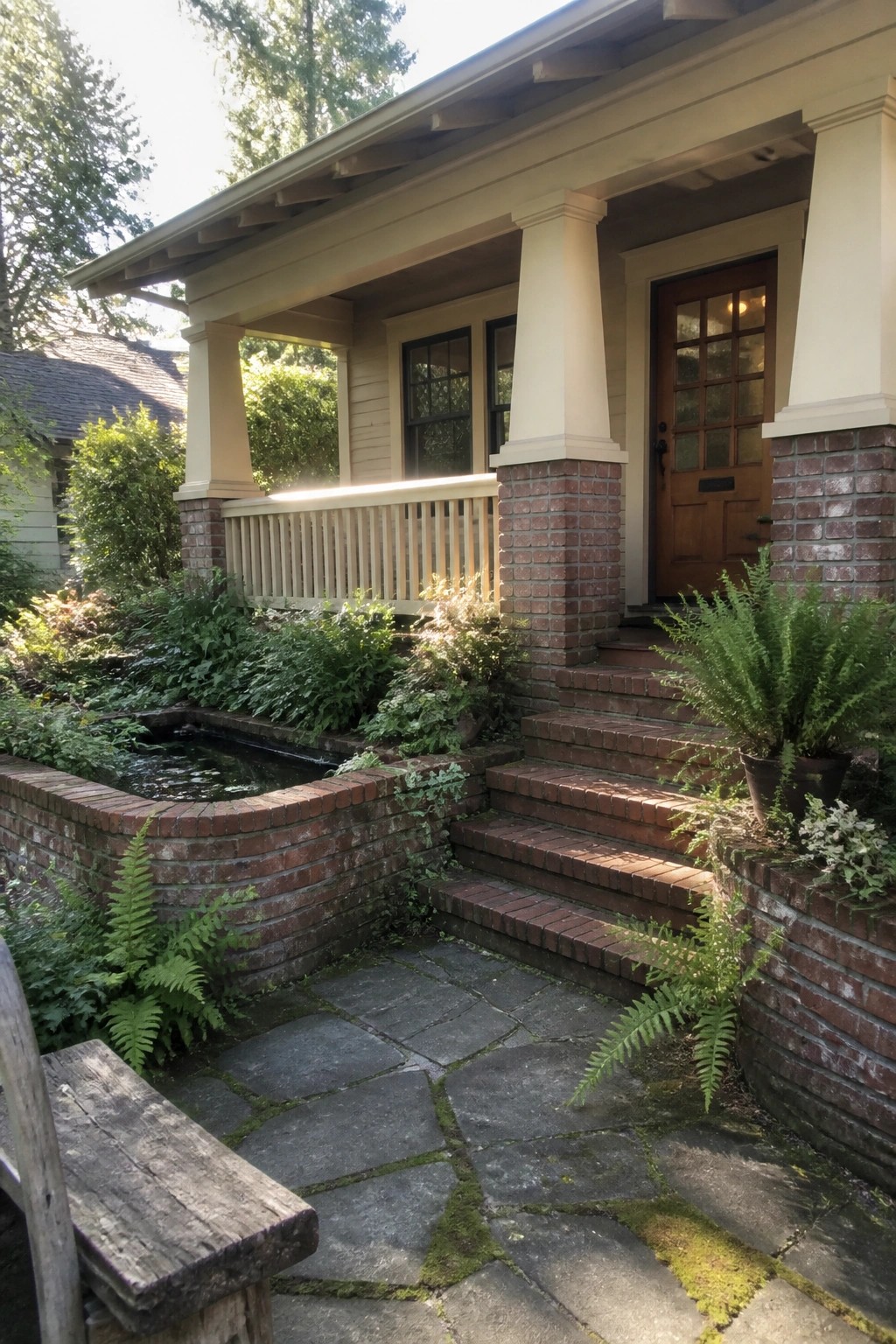
Red brick gives beige siding a solid, grounded look that feels more traditional without overpowering the lighter color. The brick piers, steps, and low walls create a clear base that makes the whole front feel balanced and settled.
This approach works well on older or traditional homes where you want the entry to feel substantial. Keep the brick to the lower third of the facade, steps, and porch supports so the beige stays the main surface above.
Red Brick Accents on Beige House Exteriors
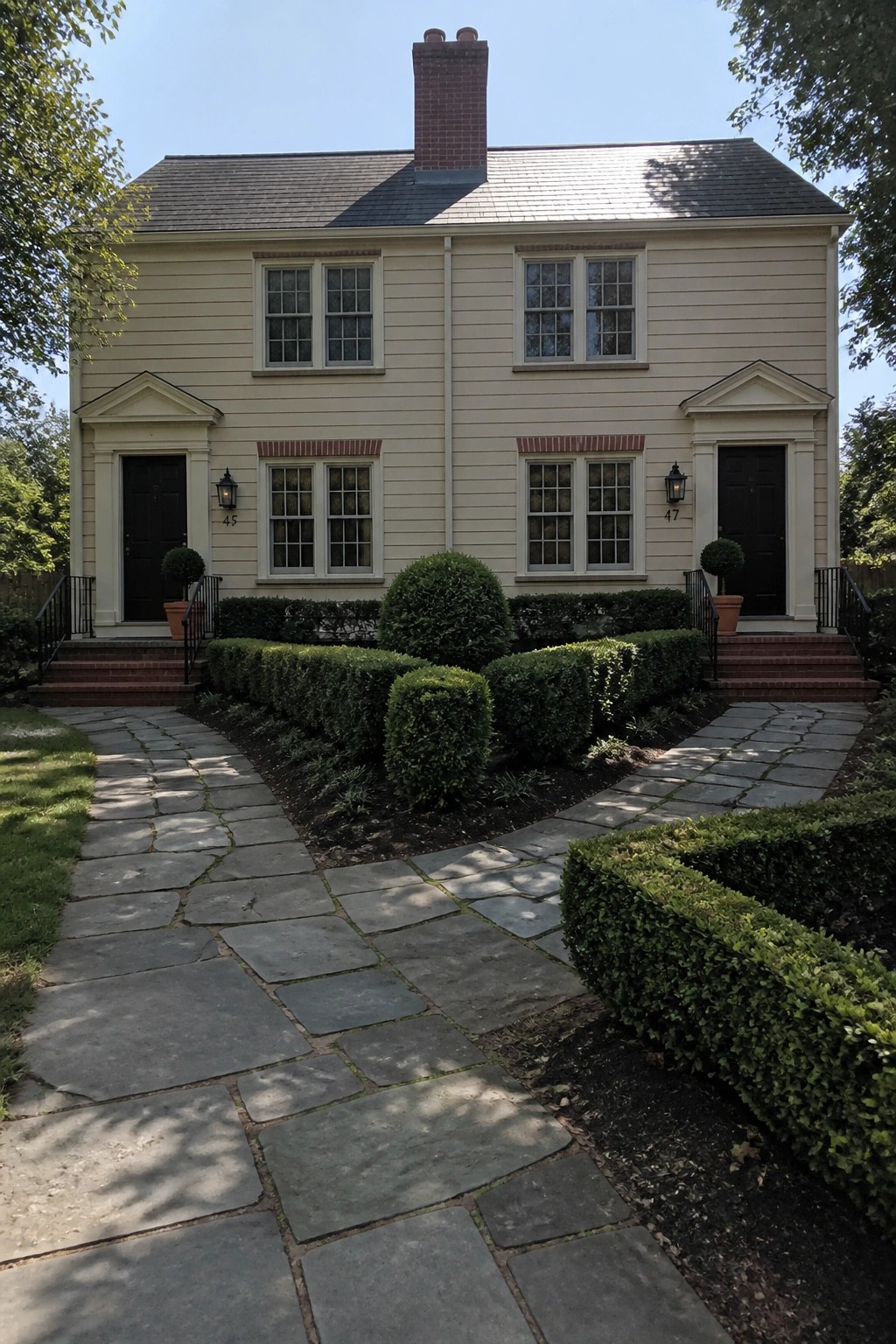
Many traditional homes gain a bit of extra warmth when red brick shows up in small doses against beige siding. The chimney and the narrow bands above the windows give the facade a grounded look without breaking the simple color scheme.
This works best on homes that already have a balanced, two-story shape. Use the brick only on the chimney or at the entries so it adds contrast but does not take over the overall beige tone.
Red Brick Accents on Beige Exteriors
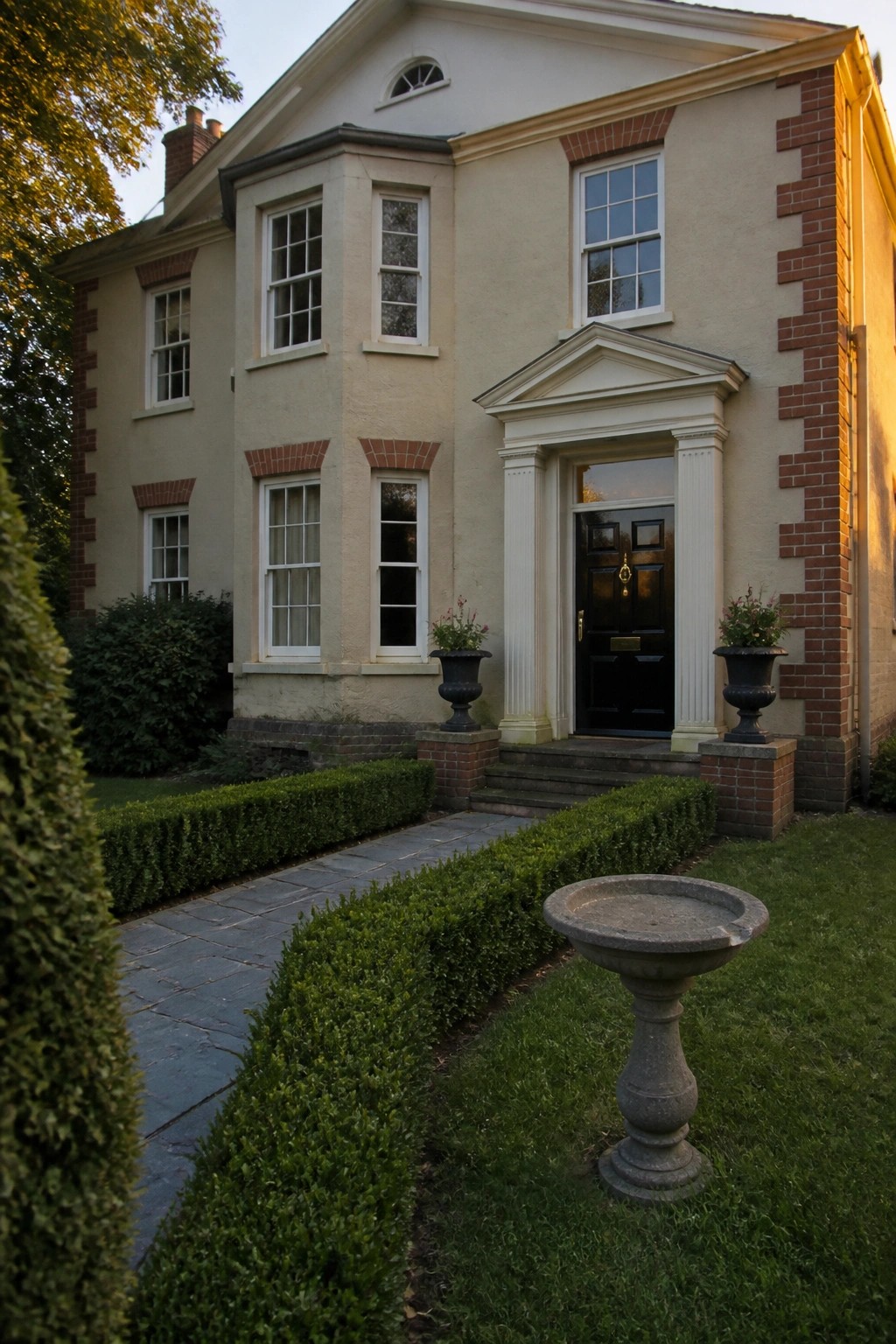
Red brick details give a beige house more structure and a settled, traditional feel. The brick shows up at the corners and around the windows, creating clean lines that keep the soft wall color from looking too plain.
This works best on older style homes where the brick stays in small doses. Use it for quoining or window surrounds rather than large areas, and pair it with a simple entry like columns or a pediment so the whole front stays balanced.
Red Brick Accents On Beige Exteriors
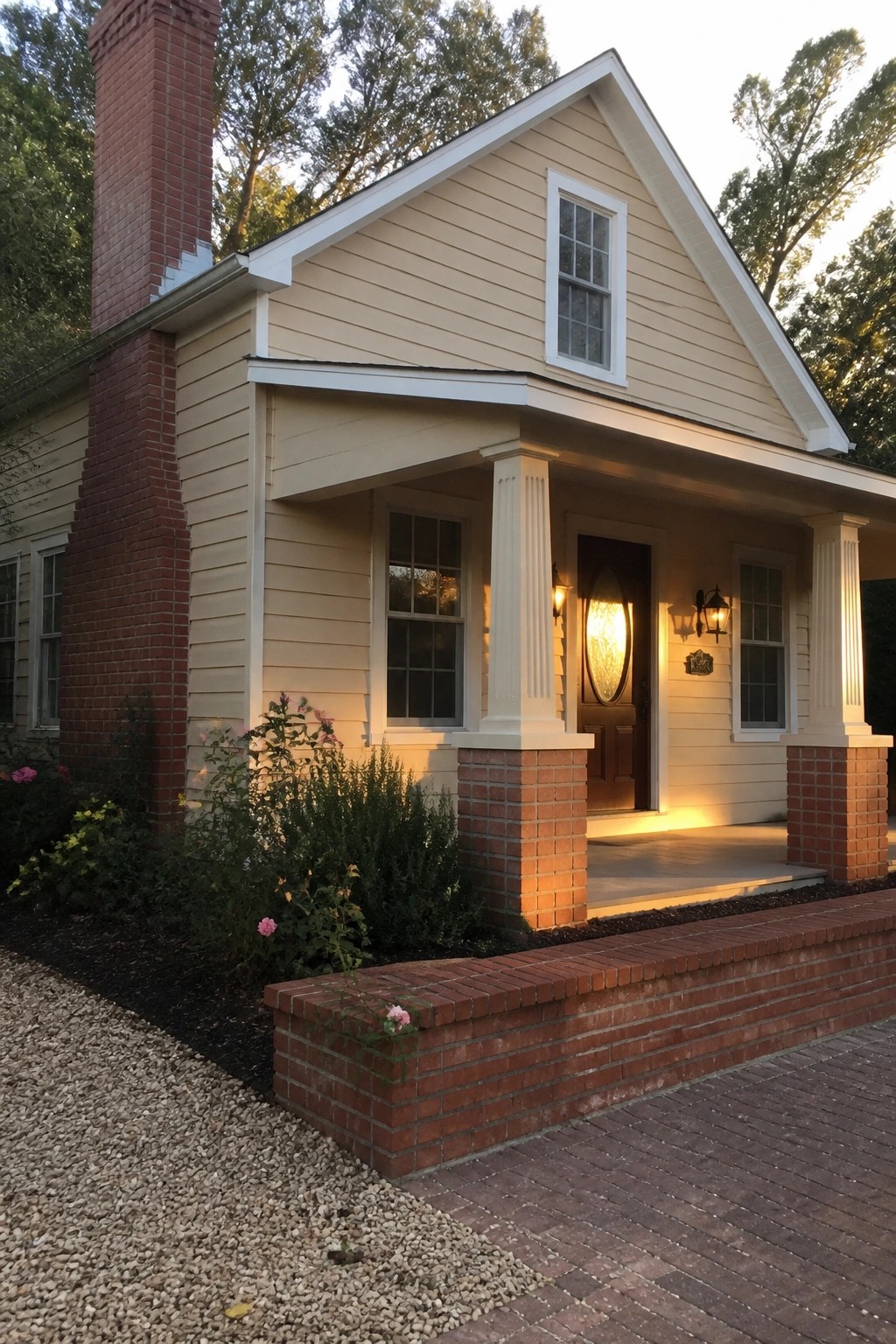
Red brick details help anchor a beige house without making it feel heavy. They show up best on the chimney and the bases of porch columns, where the contrast adds a bit of weight to the lighter siding.
This works especially well on traditional homes that already lean classic. Keep the brick limited to structural spots like entries and chimneys so the beige stays the main color.
Frequently Asked Questions
Q: What beige shade holds up best against red brick over time? A: Go for a warm beige that has a touch of gray in it. Test a few samples right on your brick during different times of day. This balance keeps everything looking timeless instead of dated.
Q: Can I use beige siding even if my roof is a dark color? A: Yes, dark roofs actually make the beige pop nicely against the red brick accents. Just make sure the beige stays in the mid-tone range so it does not wash out. Your traditional style will still feel grounded.
Q: How do I keep the red brick looking fresh next to the beige walls? A: Clean the brick once a year with a gentle wash. Avoid harsh chemicals that could lighten the red too much.
