

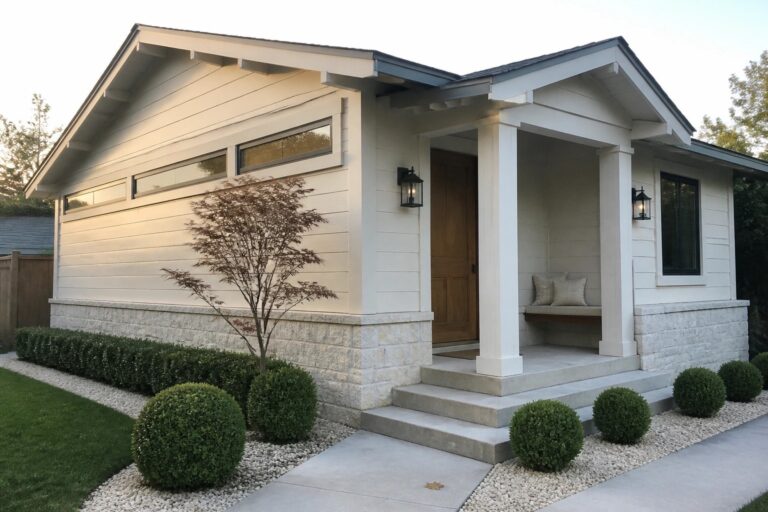
When you’re dealing with a small home the color choice on the front can change how the whole place sits on the lot.
Light beige often works because it catches daylight evenly and reduces the weight of the facade without adding extra trim or details.
I have found that keeping the materials simple like basic siding or stucco makes the effect last longer once the house is viewed from the street.
Rooflines and entry placement matter more than the exact shade in most cases.
Trying a sample board on the actual wall before committing still feels like the safest step.
Light Beige Siding for Small Homes
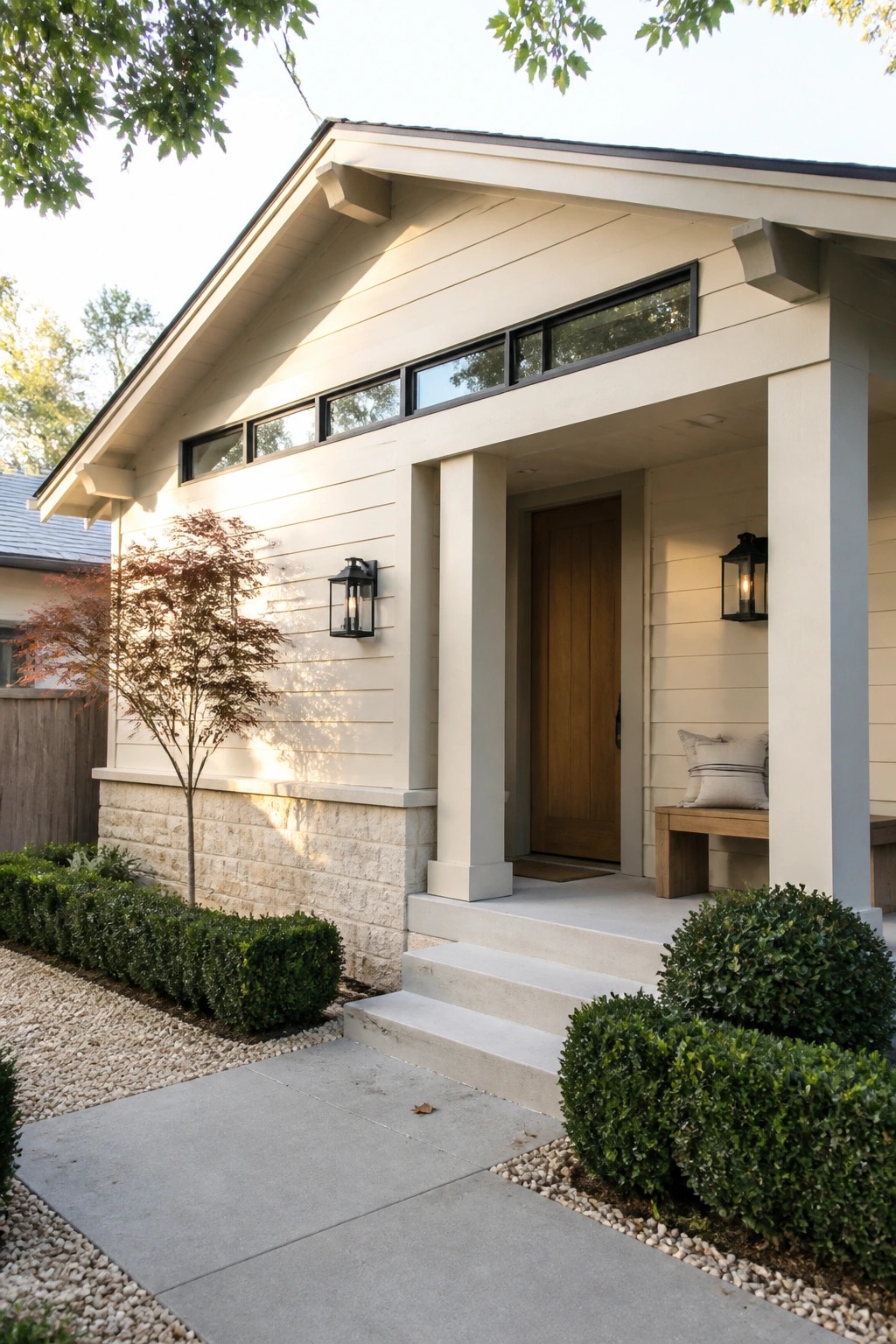
Light beige siding helps small homes feel more open because it reflects light instead of absorbing it. The soft tone and clean horizontal lines keep the facade from looking cramped or heavy.
This approach works best on compact houses with simple rooflines. Pair the color with a low stone base and minimal trim so the eye moves across the front without stopping at too many details.
An Arched Entry Adds Depth
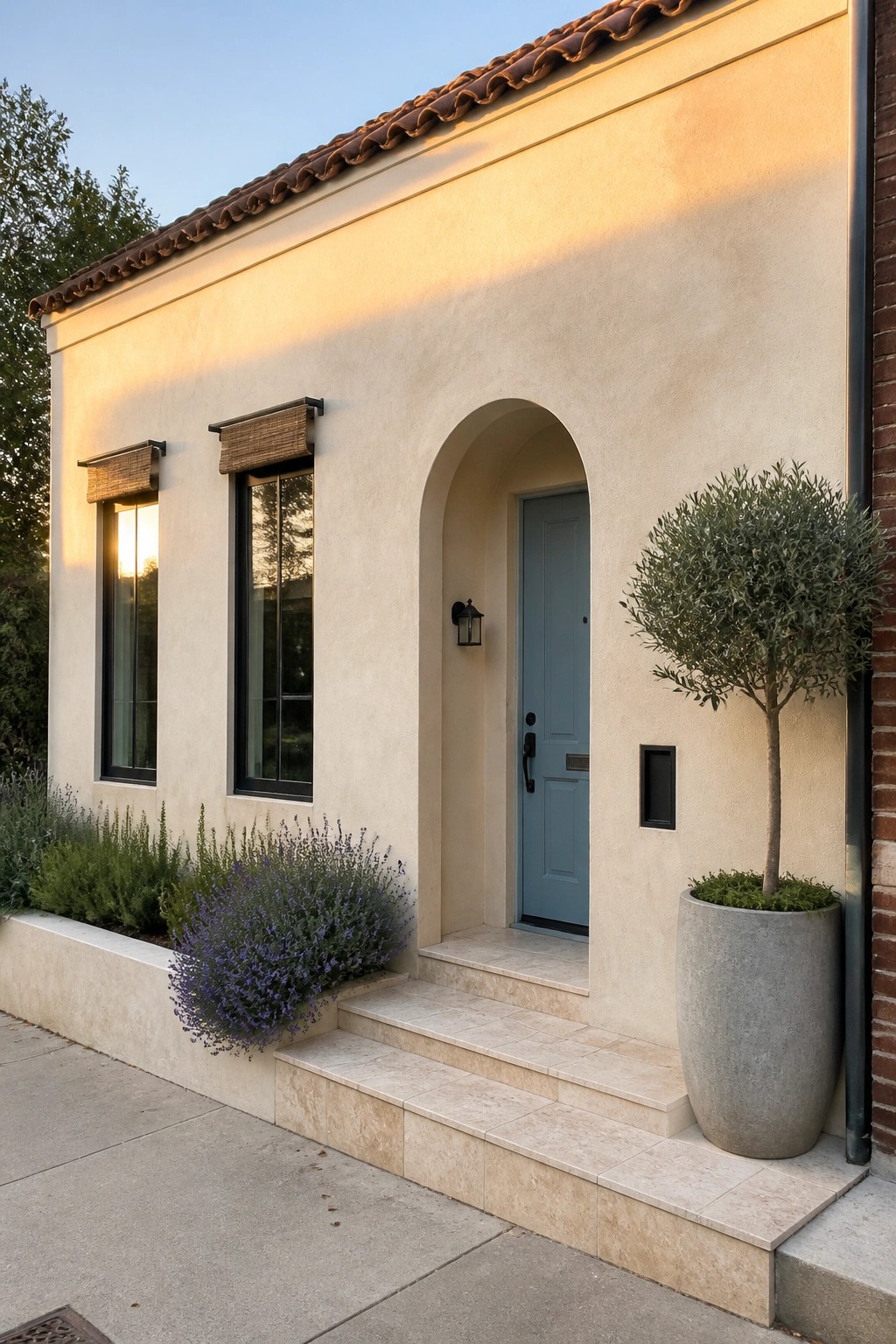
A recessed arch around the front door gives a small light beige house more presence without adding width or height. The shadow inside the arch creates a natural focal point that makes the facade feel less flat and more open at the same time.
This works best on simple stucco or plaster walls where the curve can stand out on its own. Pair it with a door in a soft contrasting color so the entry draws the eye without extra trim or ornament.
Light Beige Exteriors That Open Up Small Homes
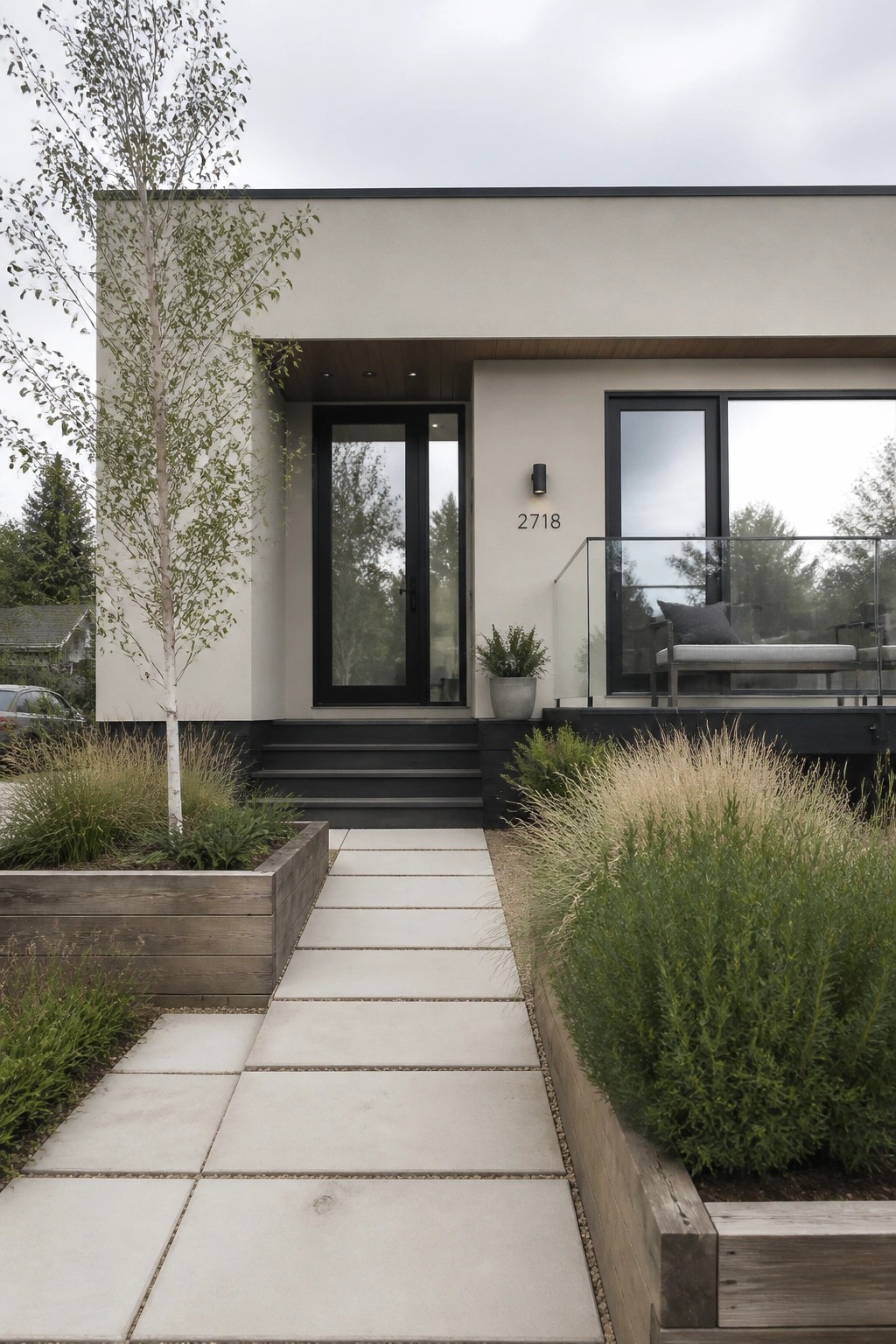
Light beige works well on small homes because it reflects more light and keeps the overall look from feeling boxed in. The soft tone stretches the visual width of the facade without any extra bulk or ornament.
It pairs best with dark window frames and a simple entry so the color stays the main feature. This approach suits compact lots where you want the house to feel settled rather than squeezed.
Light Beige Exteriors Expand Small Homes

Light beige works well on small house exteriors because it reflects light and keeps the front from feeling boxed in. The pale tone lets the basic shape of the house read clearly without darker colors or busy details breaking it up.
This color choice suits compact homes with simple rooflines. Keep the windows long and low like a band across the wall, and add a modest overhang so the whole front stays open and the space feels larger from the street.
Light Beige for Small House Exteriors
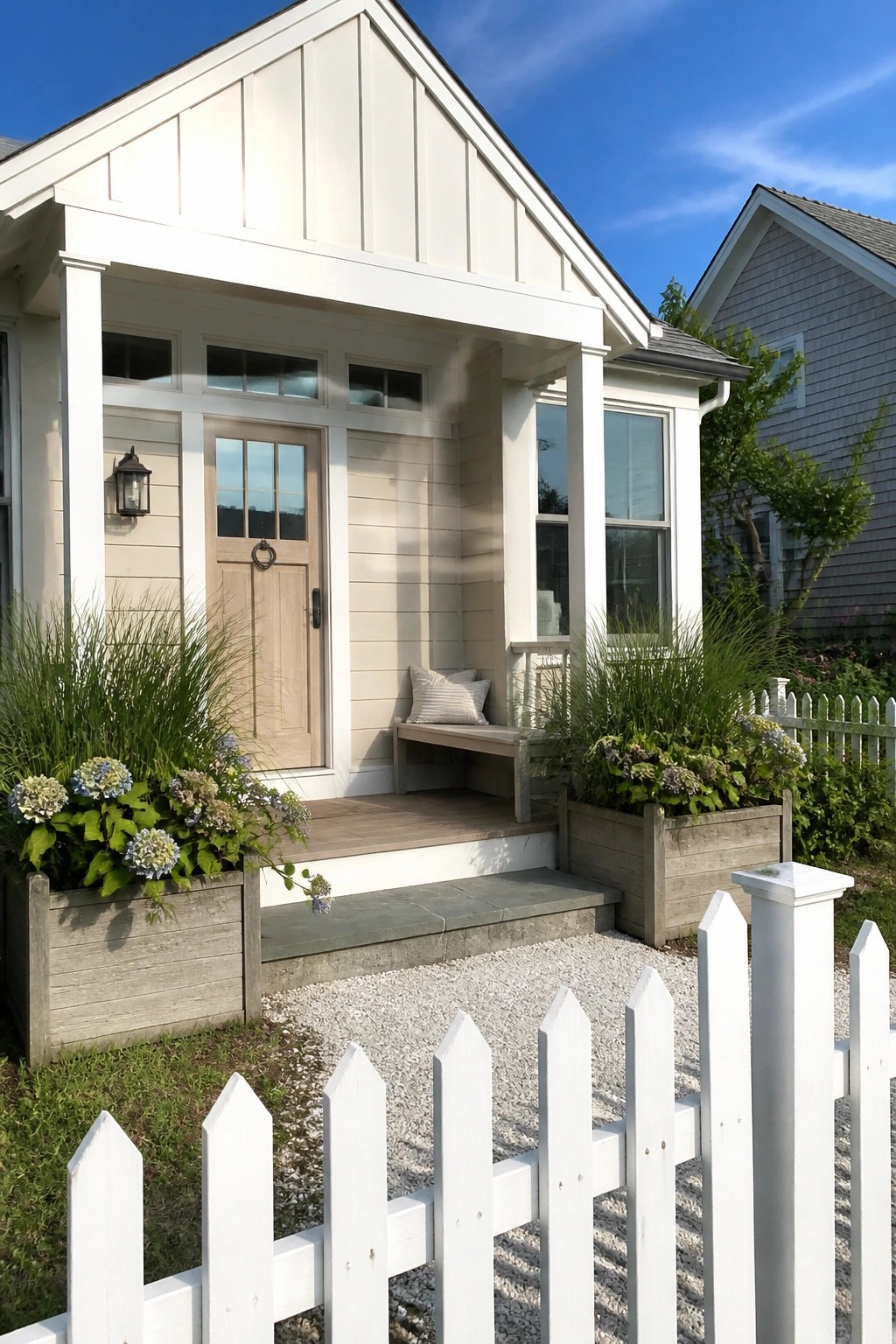
Light beige works well on small homes because it reflects light and keeps the facade from feeling closed in. The soft tone gives the whole front a more open look without adding any bold details that might crowd the space.
This color choice suits homes with straightforward shapes and simple trim. It pairs easily with wood accents and keeps the entry area feeling welcoming rather than heavy.
Cover the Entry to Add Depth
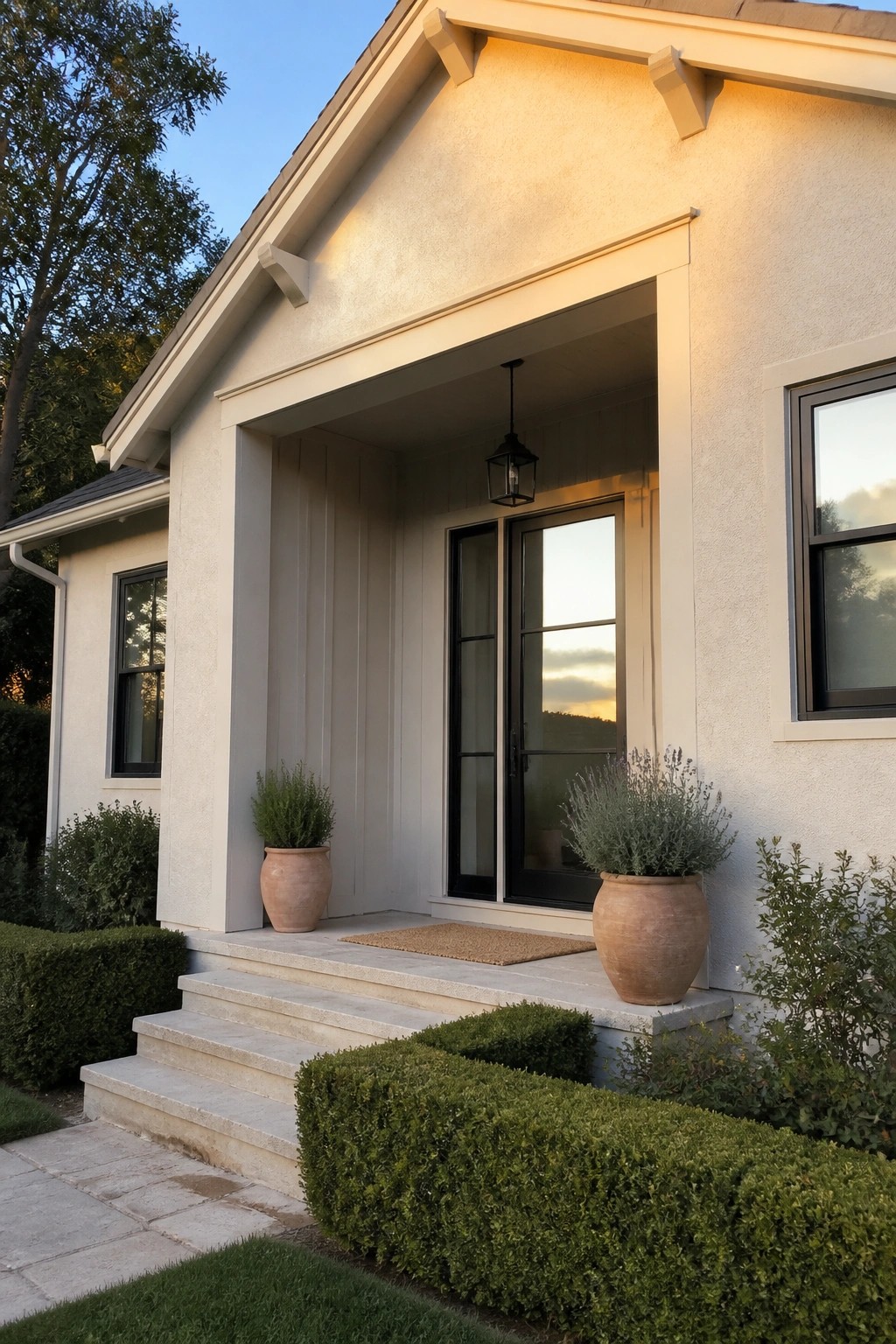
A covered entry helps a small house feel more substantial without adding much square footage. The overhang creates shadow and a clear sense of arrival that flat walls lack.
This approach suits light beige homes especially well because the pale color already reflects light and opens up the view. Keep the trim simple and the steps straightforward so the depth does the work instead of extra decoration.
Light Beige Exteriors Help Small Homes Feel Larger
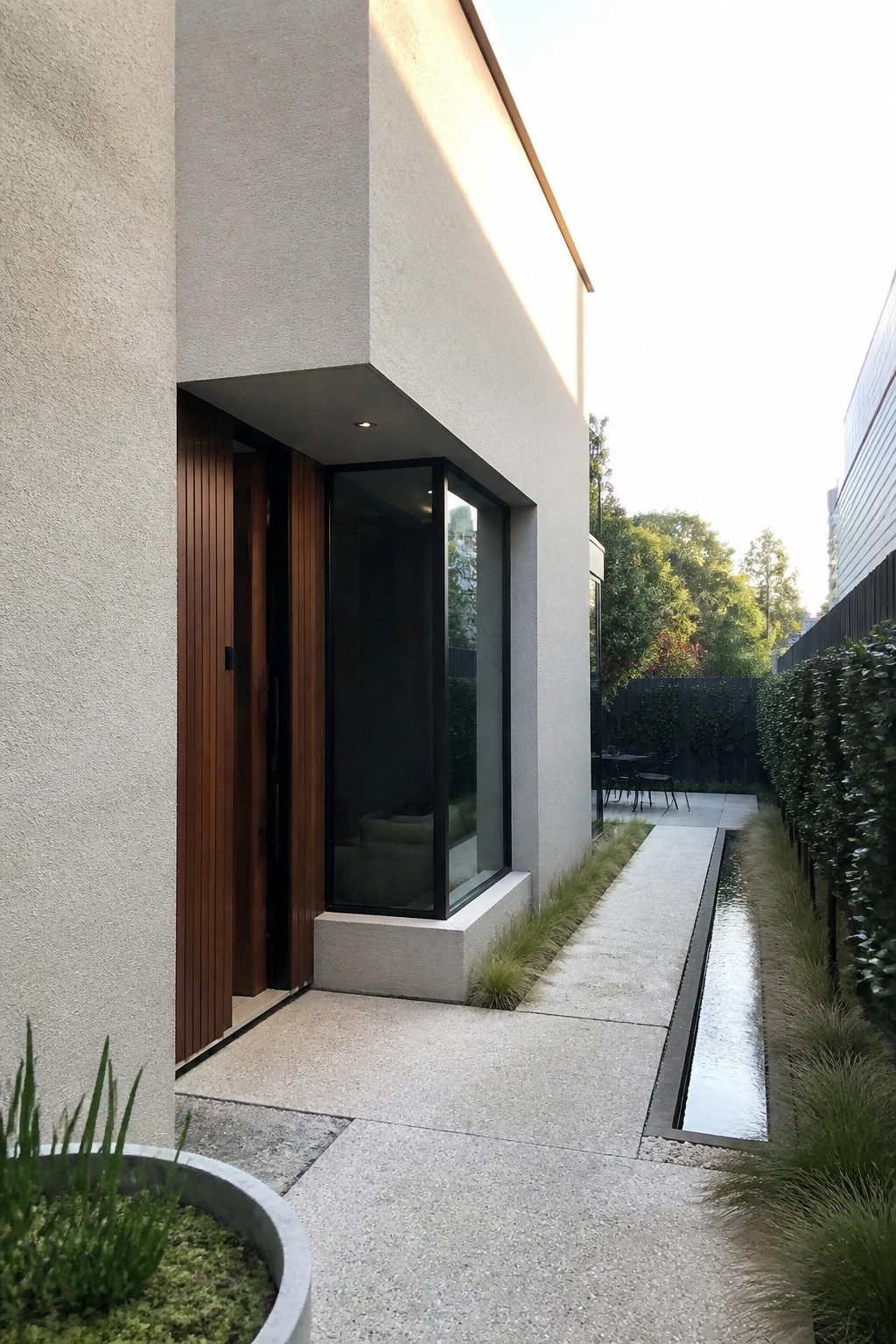
Light beige on the outside walls gives small homes more visual breathing room. It reflects light instead of soaking it up, so the structure feels less boxed in even when the lot is tight.
This works best on compact homes with simple rooflines. Keep the trim and accents minimal so the color can do the work without extra layers fighting for attention.
Light Beige Siding Helps Small Homes Feel Larger
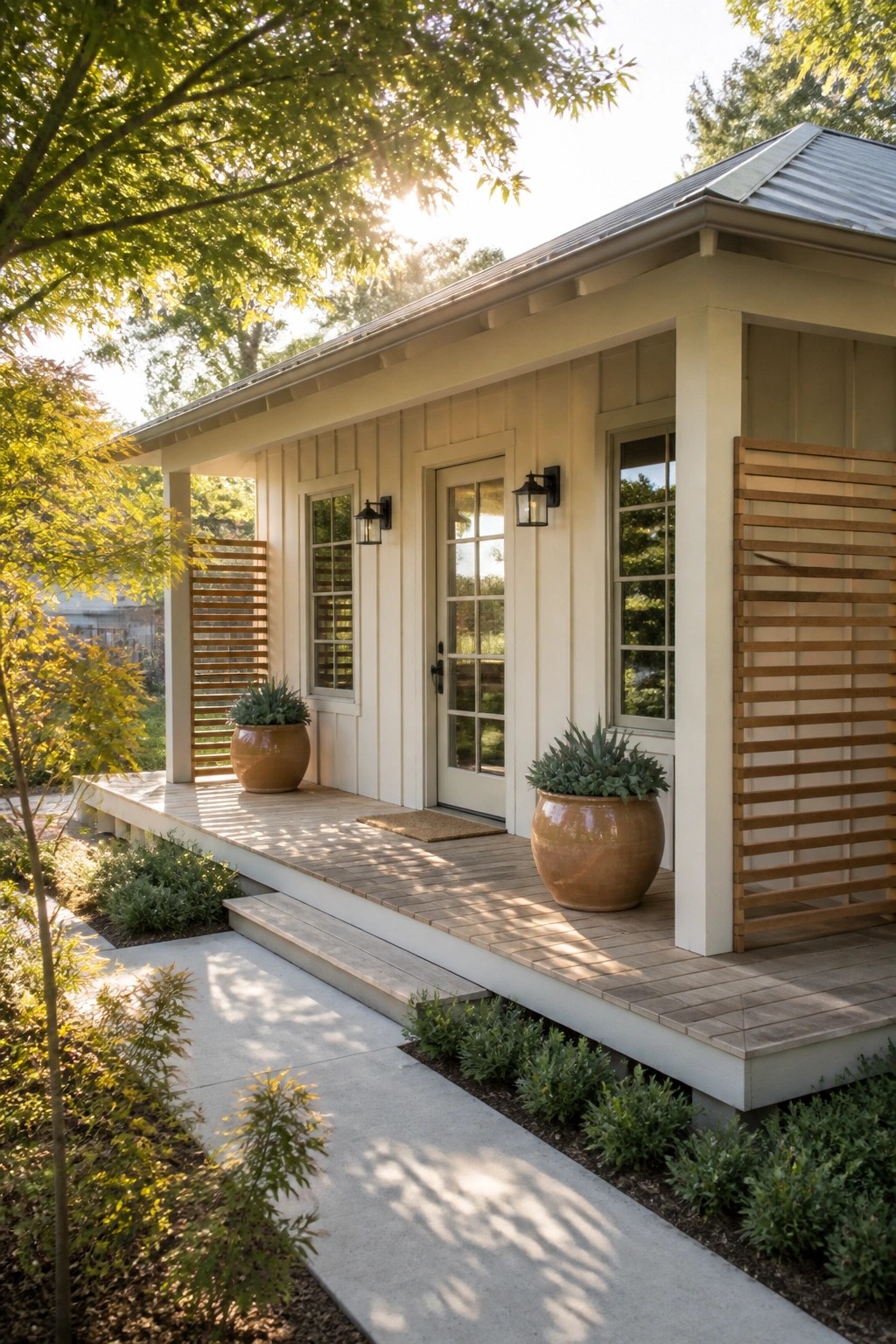
Light beige siding works well on small homes because it reflects light and keeps the overall look simple. This color choice avoids heavy contrast that can make a compact facade feel boxed in. The clean lines and soft tone let the structure blend into its surroundings without demanding attention.
Use this approach on homes where the lot is tight or the footprint is modest. Pair the beige with natural wood on the porch floor and keep trim minimal so the eye moves easily across the front. Avoid adding too many dark accents or busy details that fight the open effect.
Light Beige Exteriors Open Up Small Homes
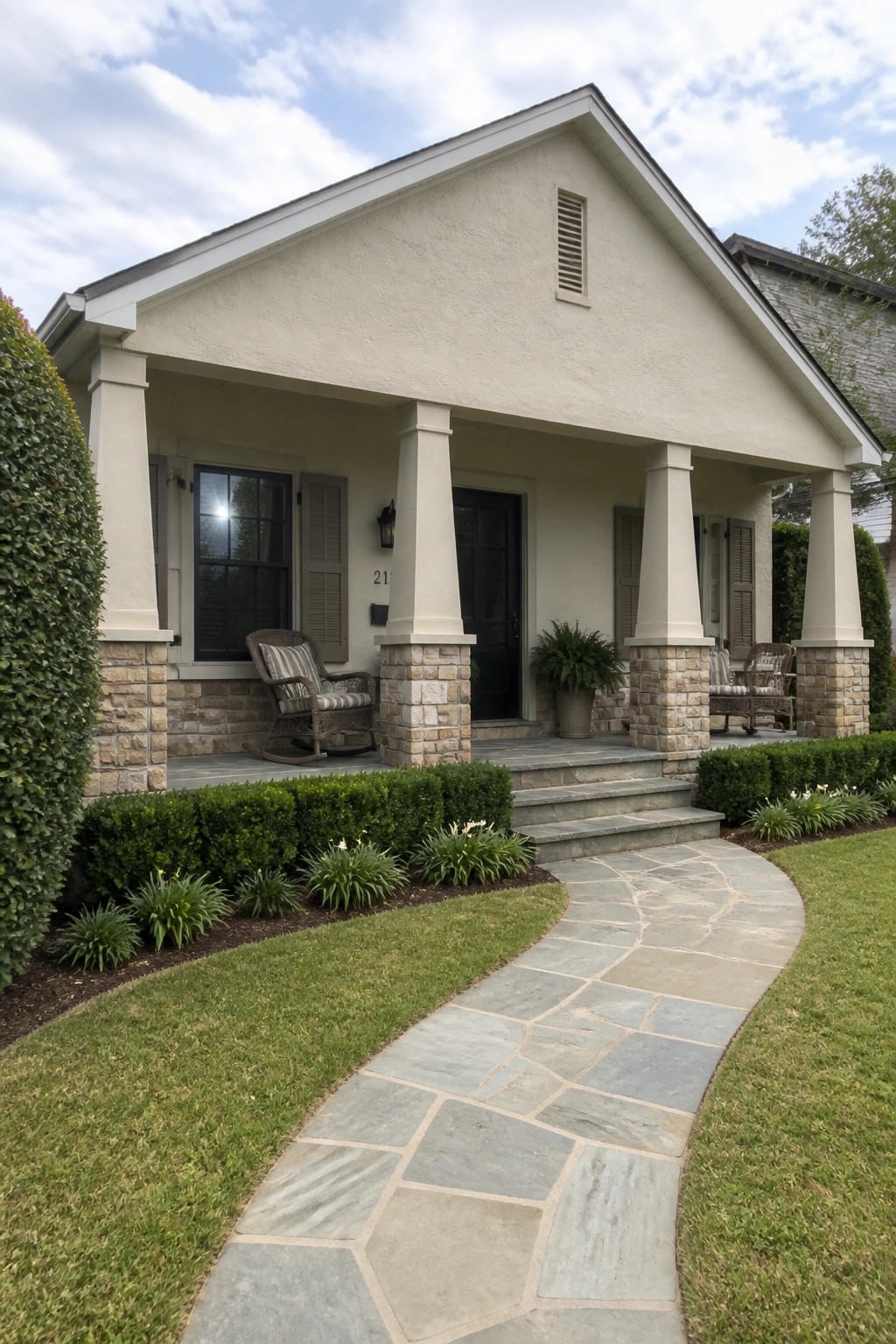
Light beige paint helps small homes feel less boxed in by bouncing light across the facade instead of absorbing it. The soft tone also keeps the whole front from looking heavy, especially when the house sits close to the street or has a compact footprint.
This color works best on homes with simple rooflines and a few natural accents, like stone bases under the porch columns. It gives the place a cleaner, roomier look without needing major structural changes.
Light Beige Siding to Create More Visual Space
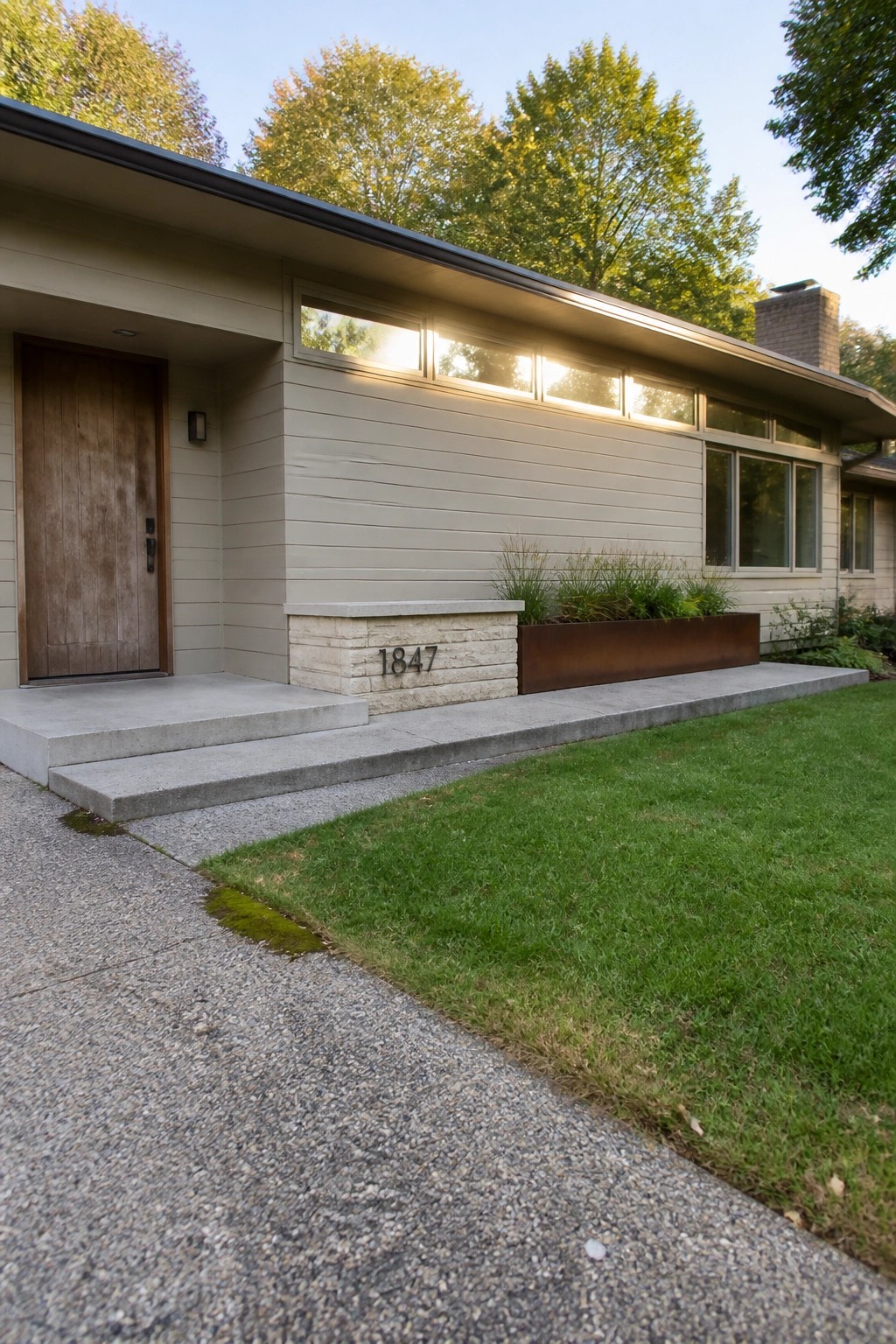
Light beige siding works well on small homes because it reflects light and keeps the walls from feeling heavy or boxed in. The horizontal lines add width to the look without any extra structure or trim details.
This approach suits compact one-story houses where you want the front to feel open rather than closed off. Use it with a low base and minimal landscaping so the color can do most of the work.
Light Beige Exteriors Open Up Small Homes
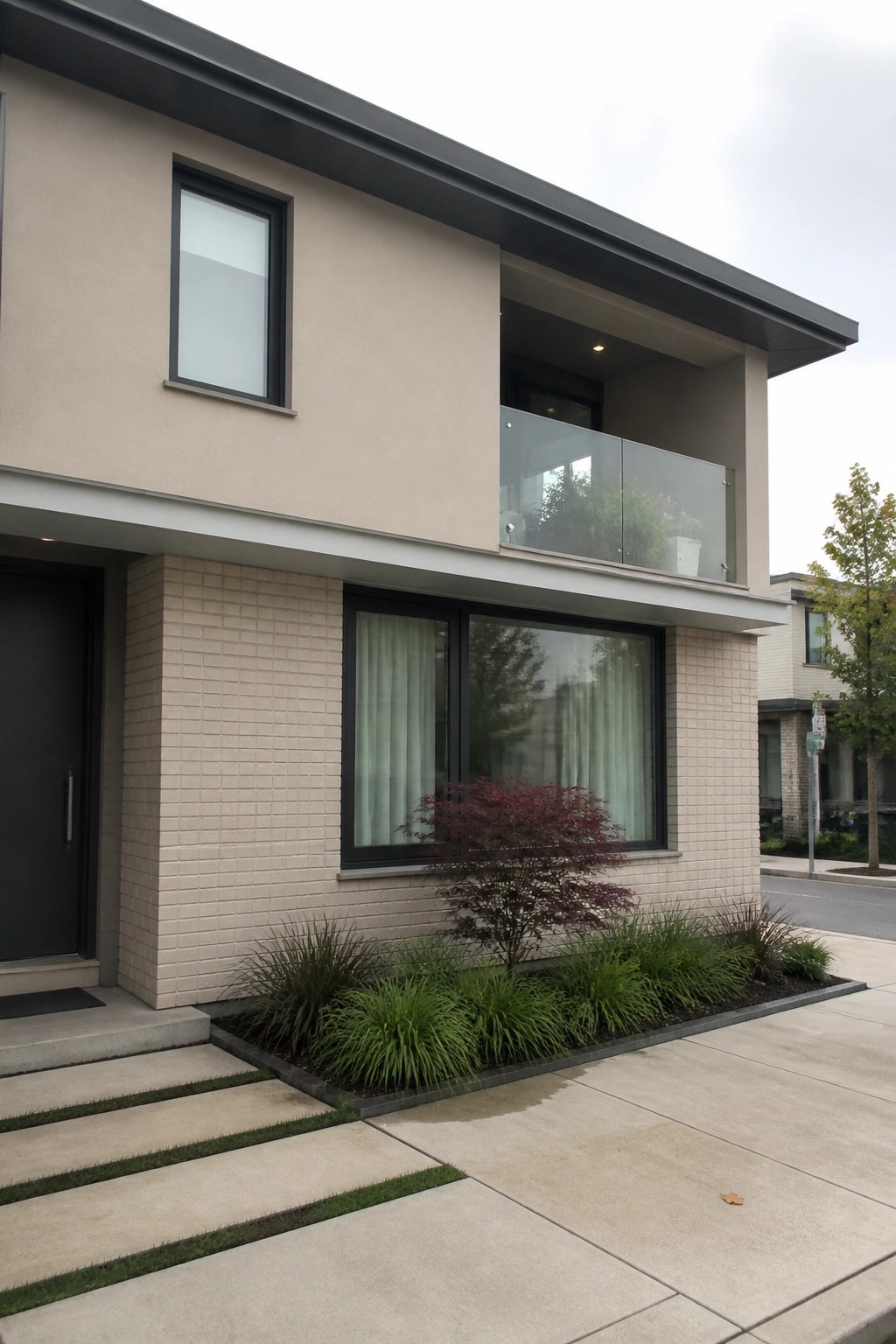
Light beige works well on small homes because it reflects light instead of absorbing it. The soft tone keeps the walls from feeling heavy and helps the whole structure look a little wider and taller than it really is.
This color choice suits homes with simple shapes and clean lines. Keep the trim and accents in similar soft shades and use darker window frames for contrast so the house still has definition without looking busy.
Vertical Windows Stretch a Small Home Upward
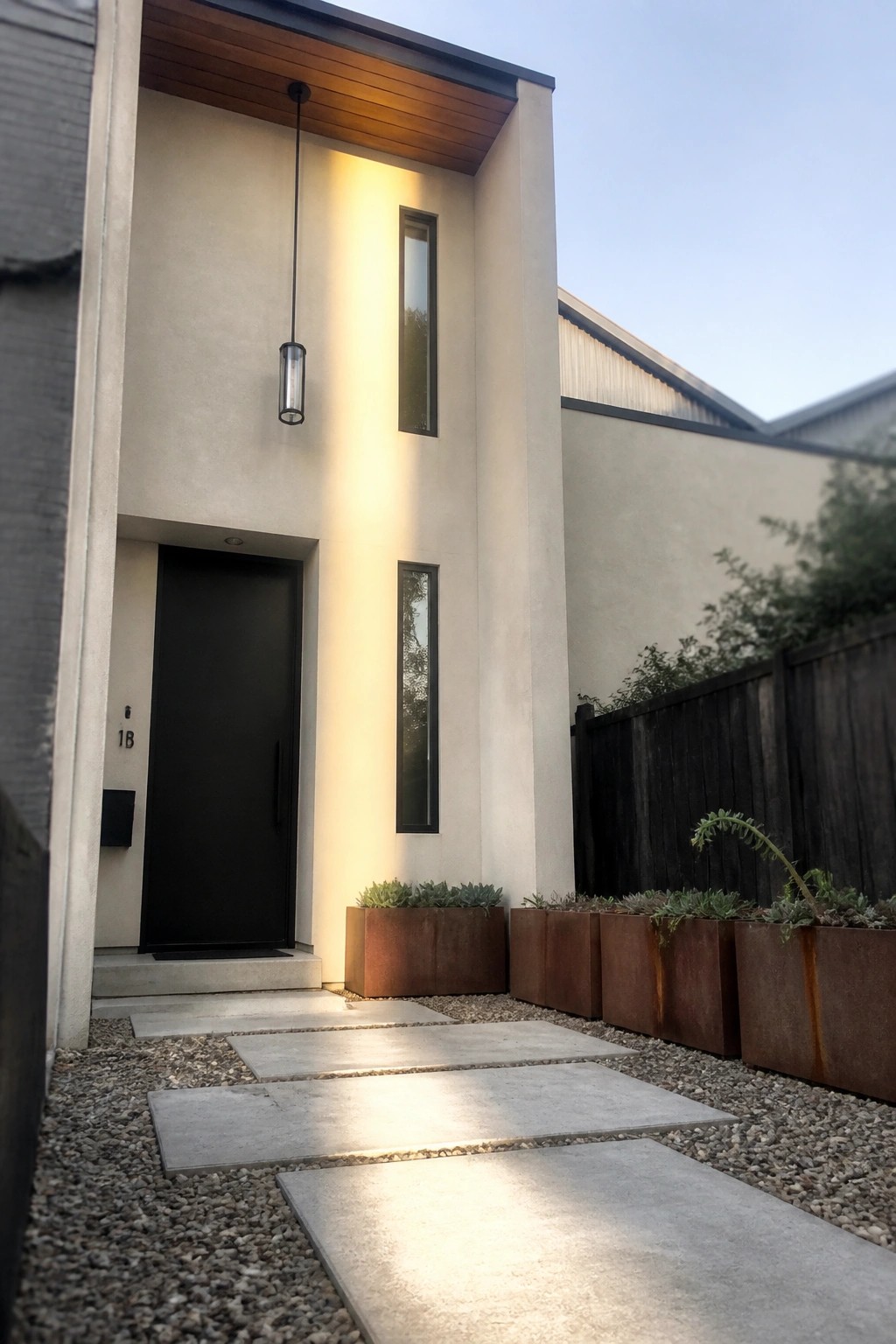
A few tall, narrow windows can change how a compact house reads from the street. They pull the eye up and give the front a lighter, more open feel without adding width or extra trim.
This approach suits small homes with flat or simple facades. Keep the frames dark and minimal so the windows read as clean vertical lines against the light walls rather than busy details.
Light Beige Exteriors Help Small Homes Feel Bigger
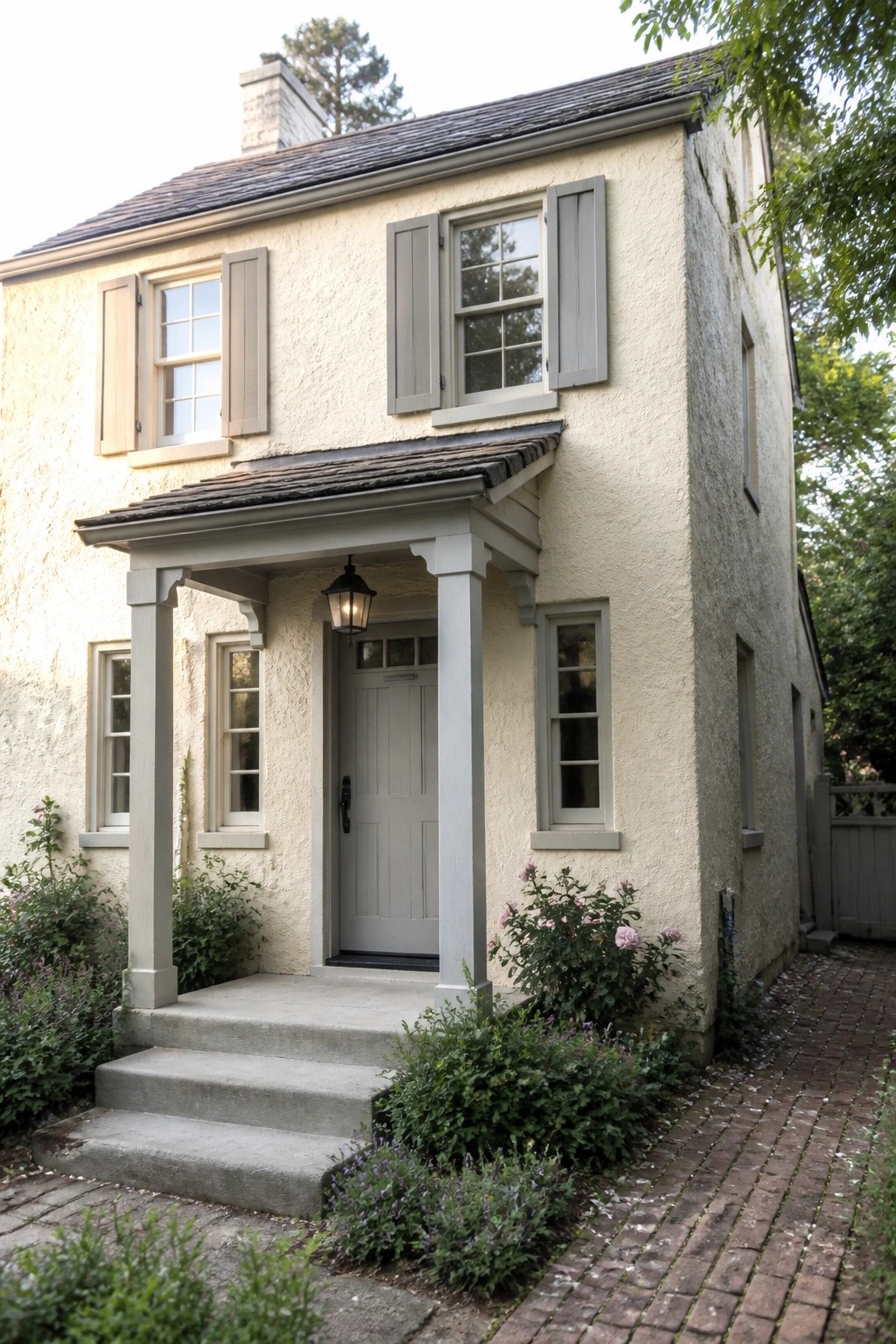
Light beige works well on small house exteriors because it reflects light instead of absorbing it. The pale tone on this stucco surface keeps the walls from looking heavy and helps the whole front read as more open.
This color choice suits compact homes that sit close together or lack wide windows. Keep the trim and door in soft gray tones rather than dark ones so the eye moves across the facade without stopping at sharp contrasts.
Light Beige Surfaces Make Small Courtyards Feel Larger
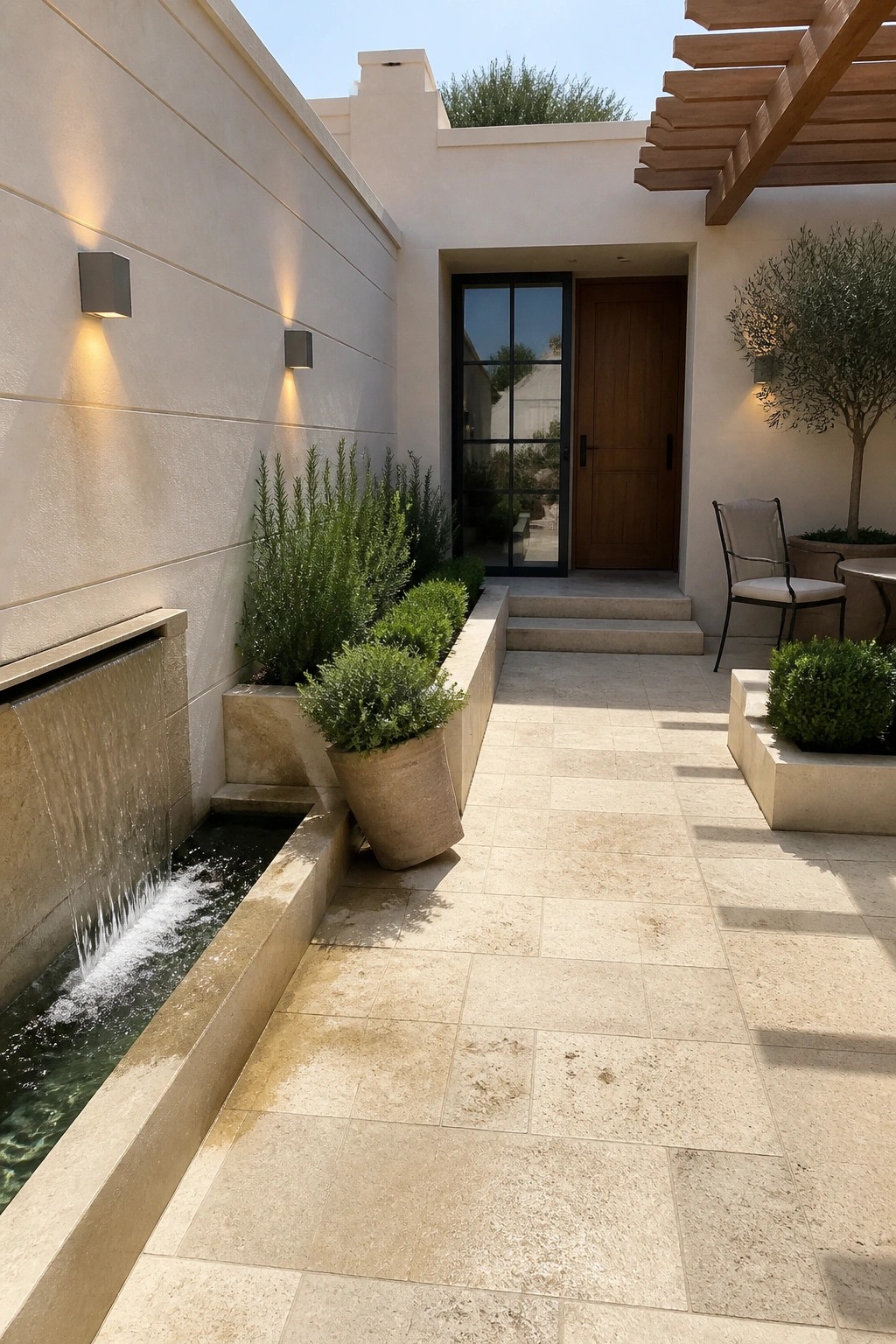
One light color used on the walls, floor, and planters can stretch out a tight outdoor space. In this setup the same warm beige runs from the stucco walls down to the stone tiles and even the built-in planters, which keeps the eye moving instead of stopping at color changes.
This approach works well on small homes where the courtyard sits right against the house. Stick to one tone and add greenery in matching pots so the planting feels like part of the architecture rather than something extra.
Light Beige Siding for Small Homes
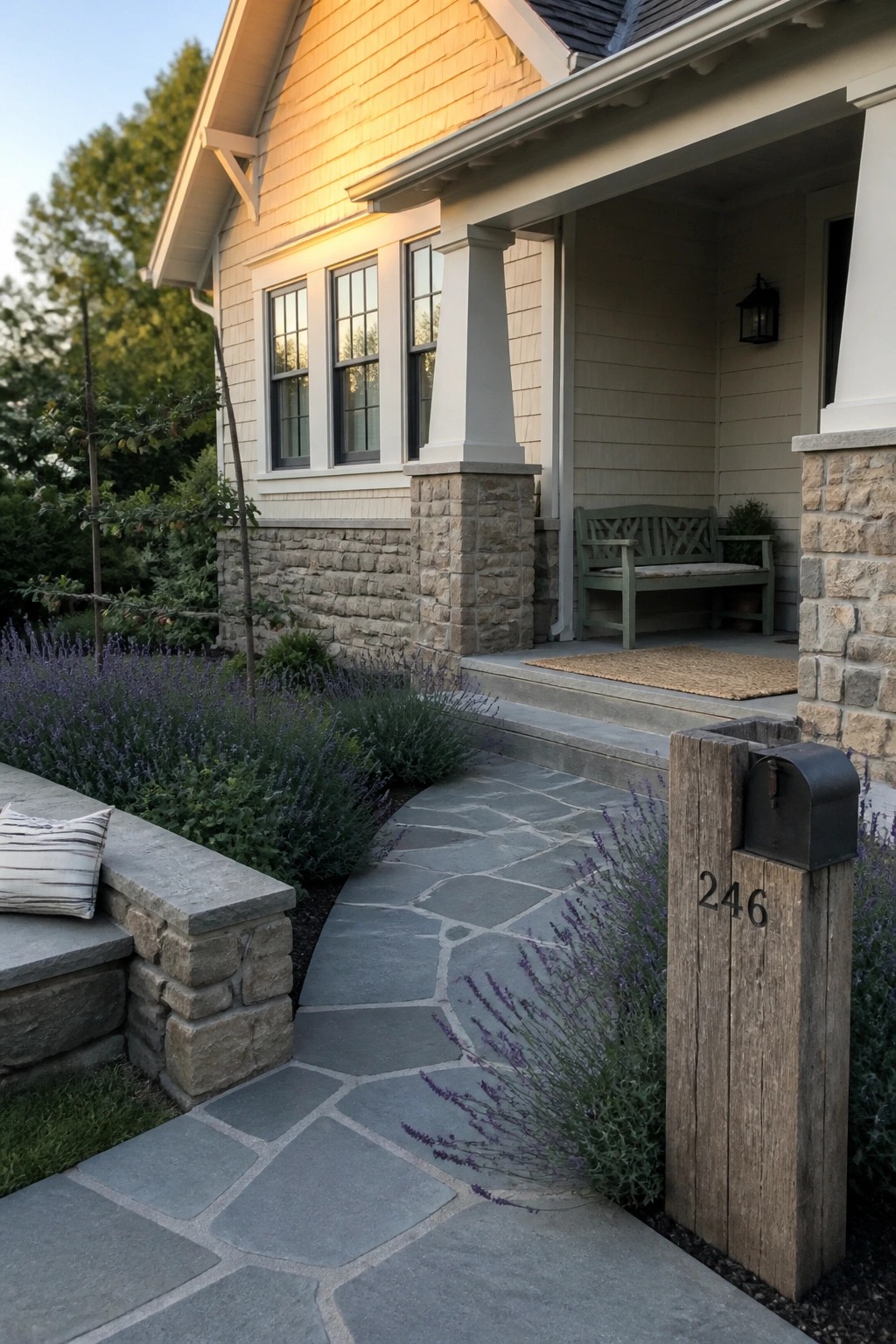
Light beige siding works well on smaller homes because it reflects light and keeps the overall look clean. This approach avoids heavy contrasts that can make a house feel boxed in, and it pairs easily with simple materials like stone on the lower part of the walls.
Homeowners often choose this color when they want the house to blend into its setting without looking larger than it is. It suits compact lots or neighborhoods where too much contrast might draw unwanted attention to the size. Keep trim and accents minimal so the effect stays consistent from the street.
Frequently Asked Questions
Q: Will any light beige work or do I need a specific undertone? A: Warm undertones usually suit small homes best because they reflect light softly without turning gray in shade. Test a few samples on the wall at different times of day to see how they shift.
Q: Can I use light beige on the siding and still have dark windows? A: Dark frames create nice contrast that pulls the eye out to the edges. This setup often makes the whole front feel a bit wider without extra effort.
Q: Should I change my landscaping to go with the new color? A: Stick with lighter greens and low shrubs near the house. Tall dark plants crowd the view and shrink the open look you are after.
