

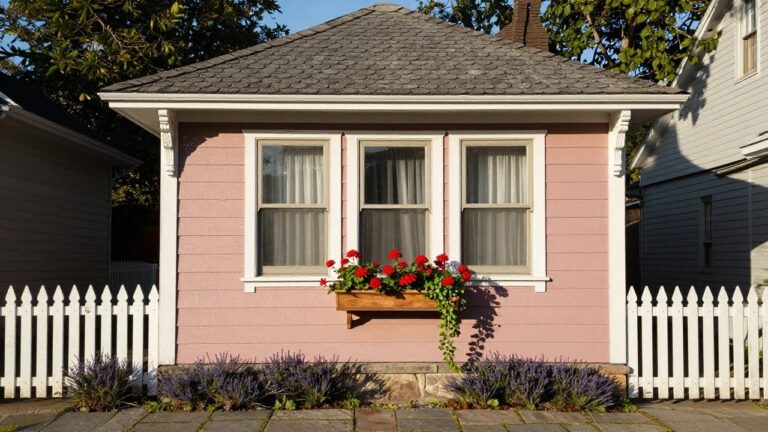
When you pull up to a Victorian home, the window trim catches your eye first and tells you a lot about the facade’s personality.
I once walked a neighborhood where simple peaked moldings turned boxy windows into something that echoed the steep rooflines perfectly.
Good trim like that boosts curb appeal by framing the house without overwhelming the entry or siding materials.
These ideas pull from details that age well on real exteriors, blending ornate edges with sturdy woods or paints.
Save the ones with subtle brackets; they adapt easily to most budgets and stand out from the street.
Arched Windows with Window Boxes
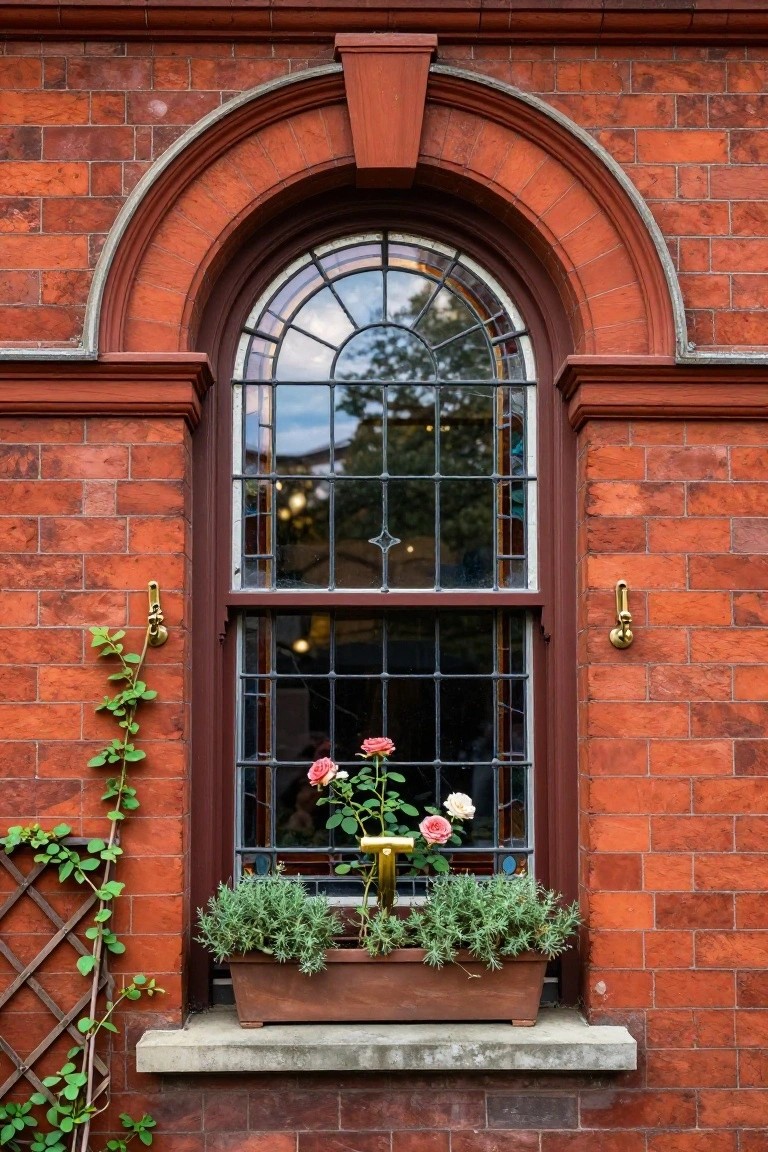
Victorian homes often shine with those tall arched windows topped by smooth stone curves. They give the facade real personality, especially against red brick like this. Adding a simple window box full of roses and herbs pulls it together even more. It softens the look without much fuss.
These work best on second-story windows where they catch the eye from the street. Pair soft pinks and greens with the brick tones. Keep the box in terracotta to match. Watch the weight though. Older sills might need a bracket underneath. Great for townhouses or row homes wanting that lived-in charm.
Green Trim Frames Victorian Windows
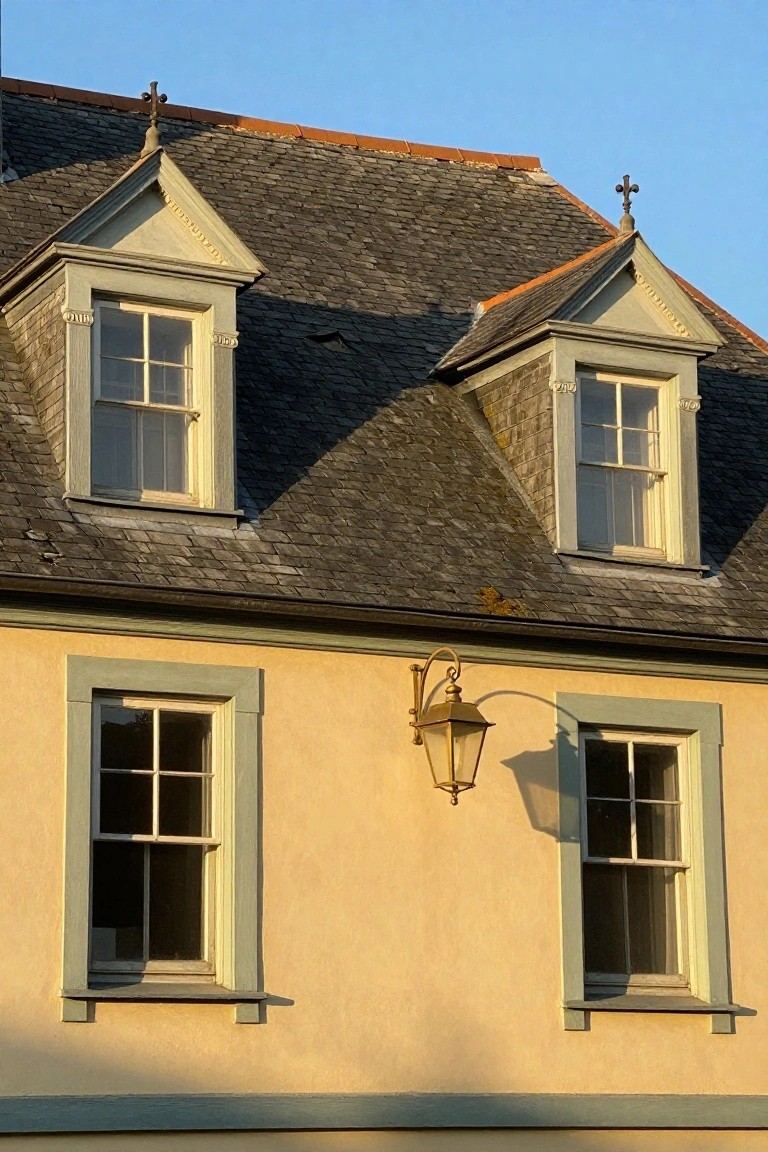
One simple way to give a Victorian house more character is painting the window trim in a soft green. It stands out nicely against pale ochre walls like you see here, drawing attention to the multi-pane windows and dormers without overwhelming the slate roof. That lantern hanging between the lower windows ties it all together too, adding a bit of old-world feel.
This works best on homes with classic lines, especially if the walls are a warm neutral. Go for a muted green to keep it subtle, and paint the trim consistently around doors and dormers for balance. It suits older neighborhoods where you want curb appeal that nods to history but stays fresh.
Ornate Cream Trim Around Red Windows
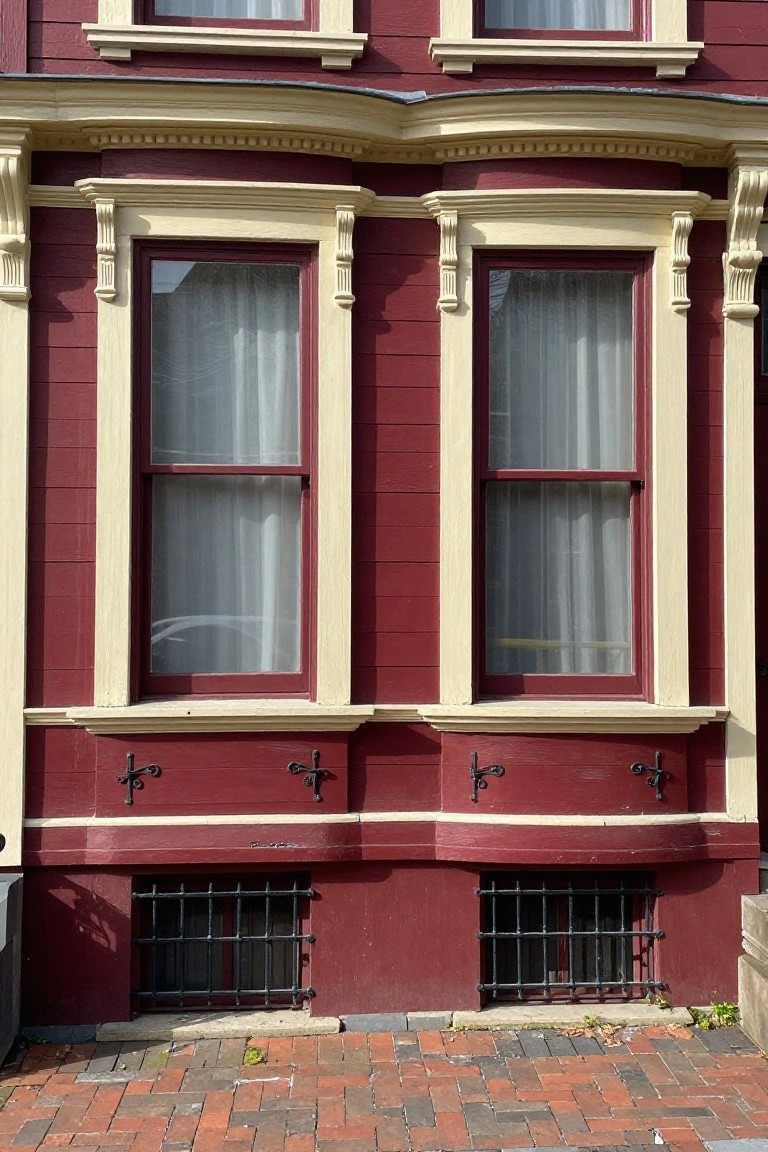
Victorian homes often shine with detailed window trim like this. The cream moldings and brackets stand out sharp against the deep red siding. It pulls the eye right to the windows and gives that classic layered look without much fuss.
You can pull this off on any older house facade. Pick a trim color two shades lighter than the body paint. It works best on two or three story homes with big double-hung windows. Just keep the brackets simple if you’re adding them new.
Copper Patina on Bay Window Roofs
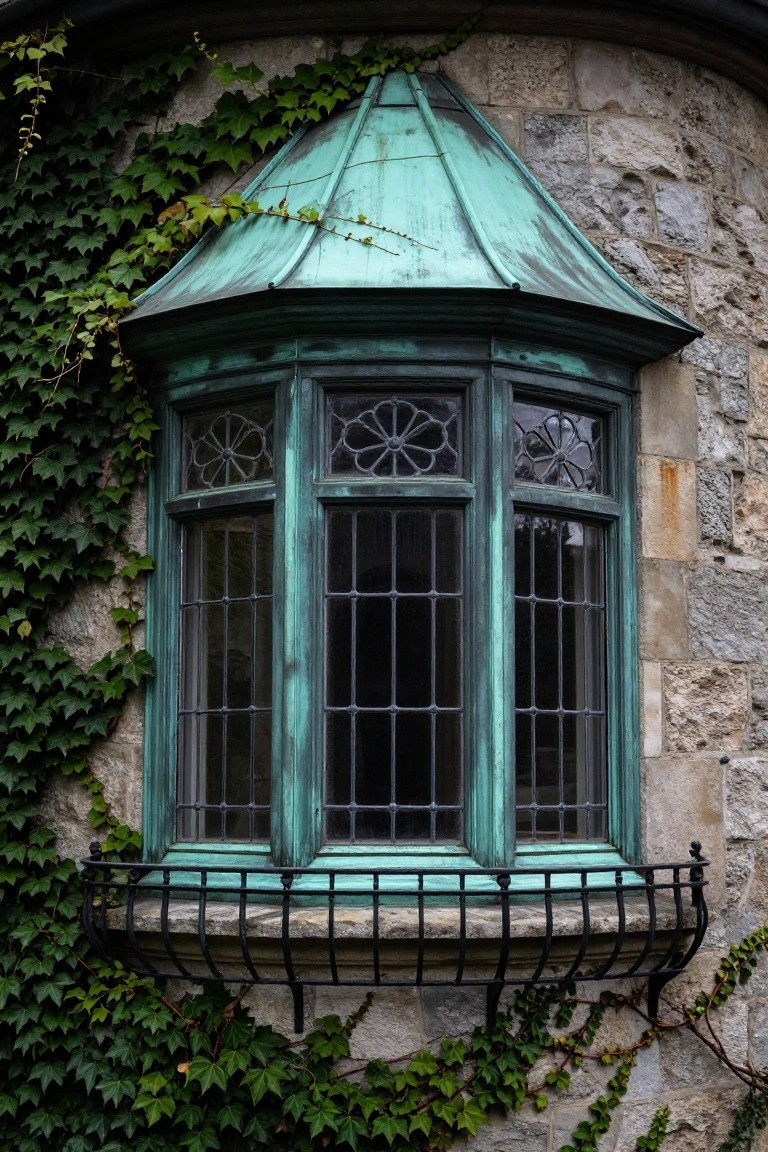
One look at older Victorian homes and you see these copper roofs over bay windows turning that soft green color over time. The patina gives them real age and character, like they’ve been there forever. It works so well against stone walls and lets ivy climb right up without fighting the look.
Try this on oriel or bay windows where you want some historic feel without too much fuss. It suits stone or brick houses best, especially if you’re going for that English manor vibe. Just plan for the green to develop slowly, and keep an eye on the metal so it doesn’t leak down the road.
Classic Arched Window Trim
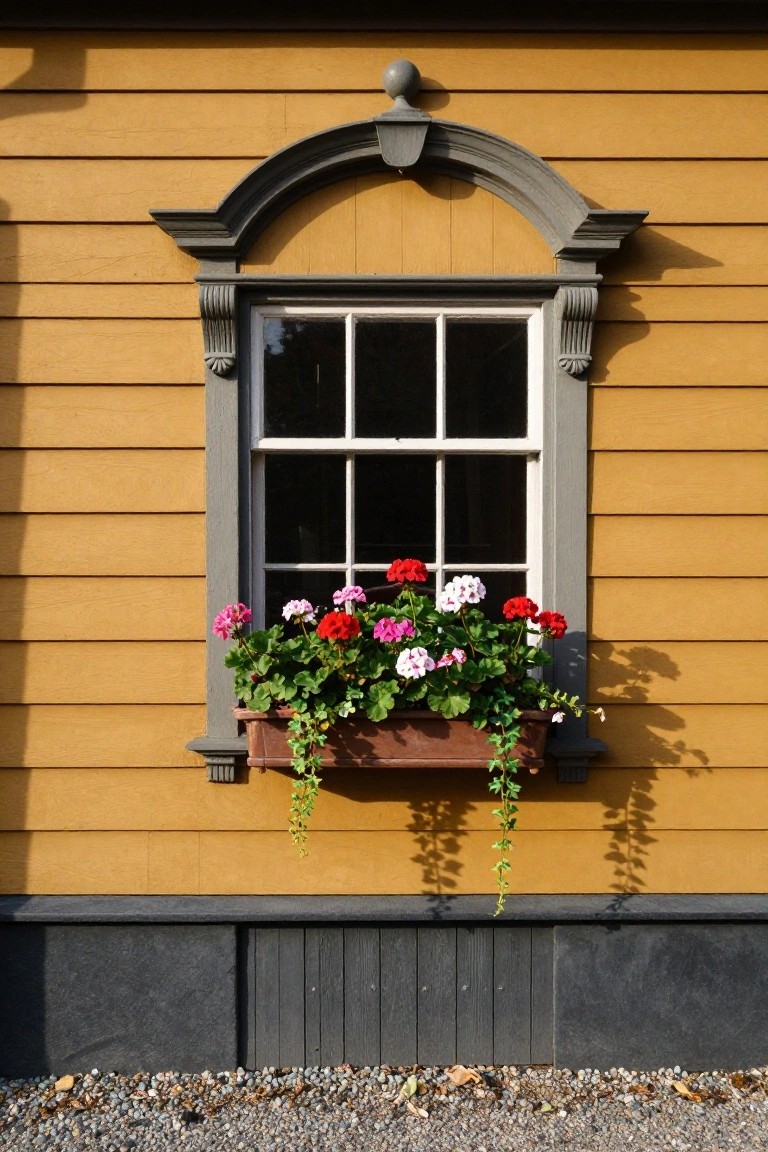
Window trim like this arched pediment takes a simple clapboard house and gives it real Victorian personality. The dark gray molding curves over the top of a six-over-six pane window, with those carved brackets on the sides adding just enough fancy detail without going overboard. A flower box full of geraniums tucked below ties it right into the garden feel.
This kind of trim works best on homes with painted siding in warm tones like mustard yellow. It highlights the window without overwhelming the facade. Go for a contrasting color on the trim to make it pop, and add a window box if you have a sunny spot. It suits older houses or new builds aiming for historic charm, but skip it on super modern places where straight lines rule.
Timber-Framed Arched Windows
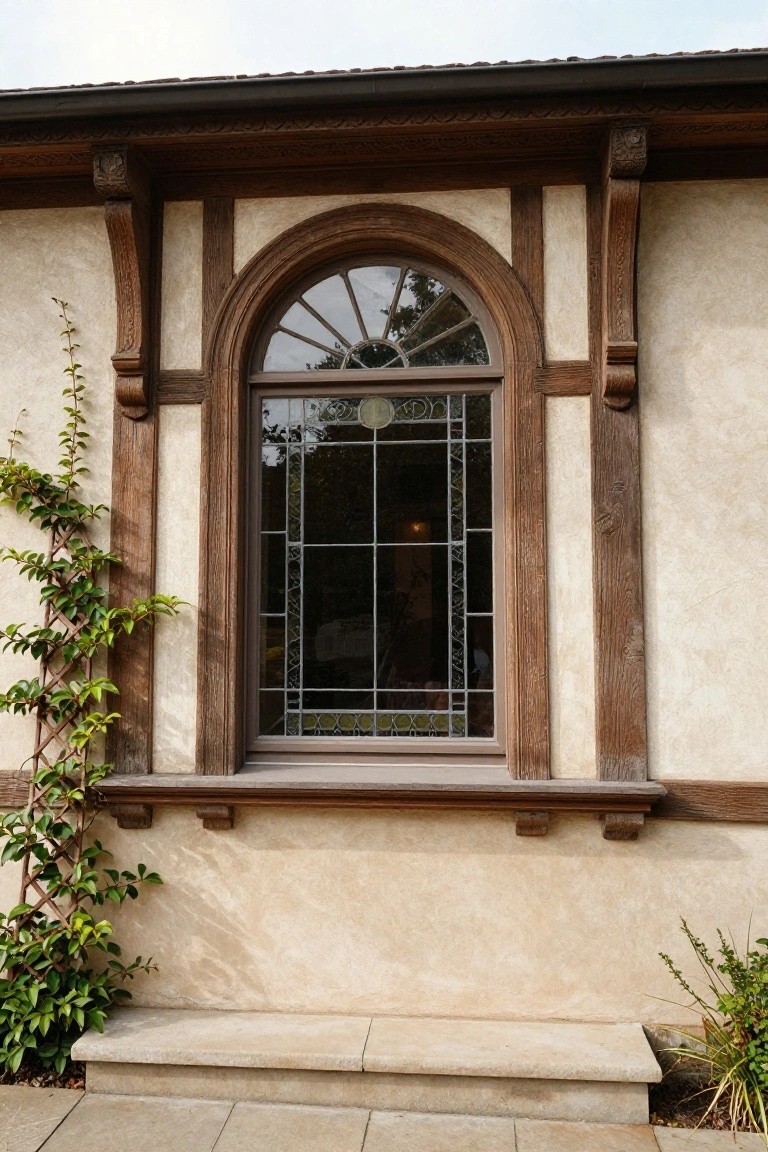
One look at this setup shows how dark timber framing can turn a simple window into something with real presence. The heavy wood beams outline the arch and sides, set against a light stucco wall that keeps things from feeling too dark. That stained glass fan at the top adds just enough detail without overdoing it. It’s a classic move for homes wanting that old-world feel.
You can pull this off on any two-story house with a bit of historic vibe, like a craftsman or colonial revival. Stick to sturdy oak or reclaimed wood for the trim, and make sure it’s sealed against weather. It works best on south-facing walls where the light plays off the glass. Just avoid crowding it with too many other patterns nearby.
Simple Red Awning Over Windows
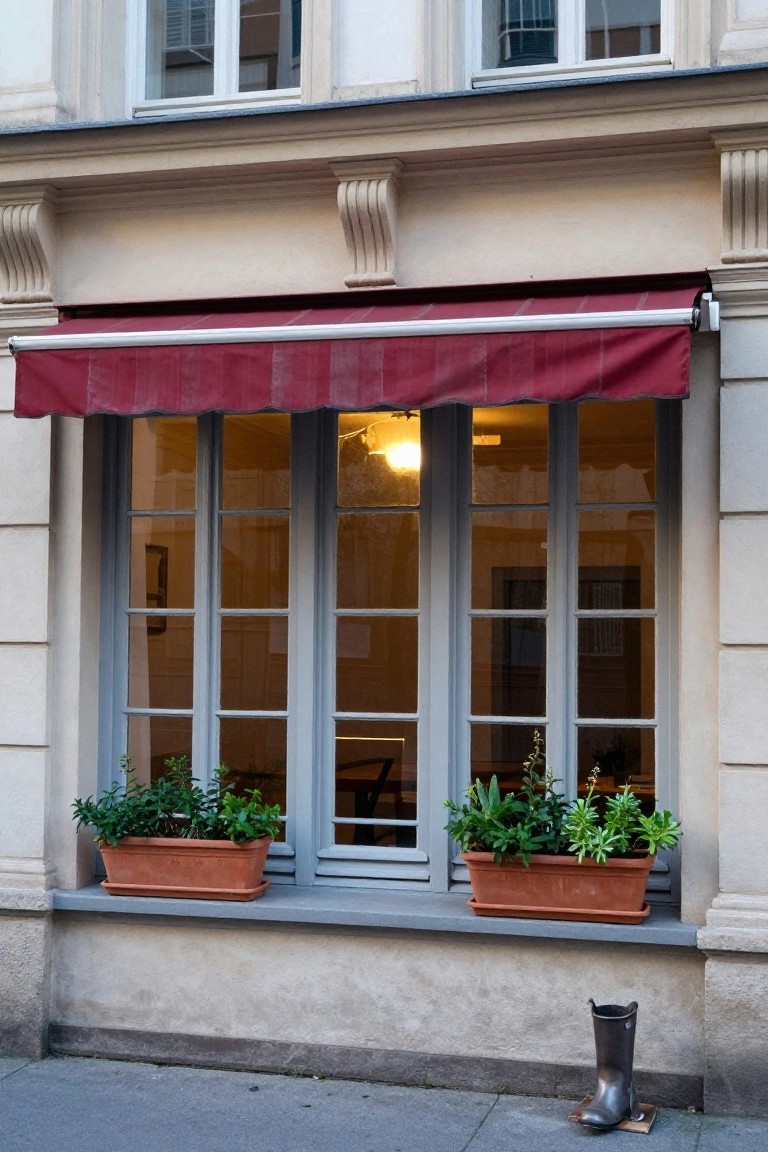
A red awning like this one does a lot for plain window trim on older homes. It sits right above the glass, shading the space inside while drawing attention to the divided panes and stone edges around them. Those terracotta boxes with greens just below add a touch of daily life without overdoing it.
This look fits best on light stone or stucco facades where you want some color without a full repaint. Hang the awning high enough to keep the trim visible, and pick a shade that contrasts. It suits row houses or apartments in walk-up neighborhoods… practical for everyday shade too.
Scalloped Window Hoods
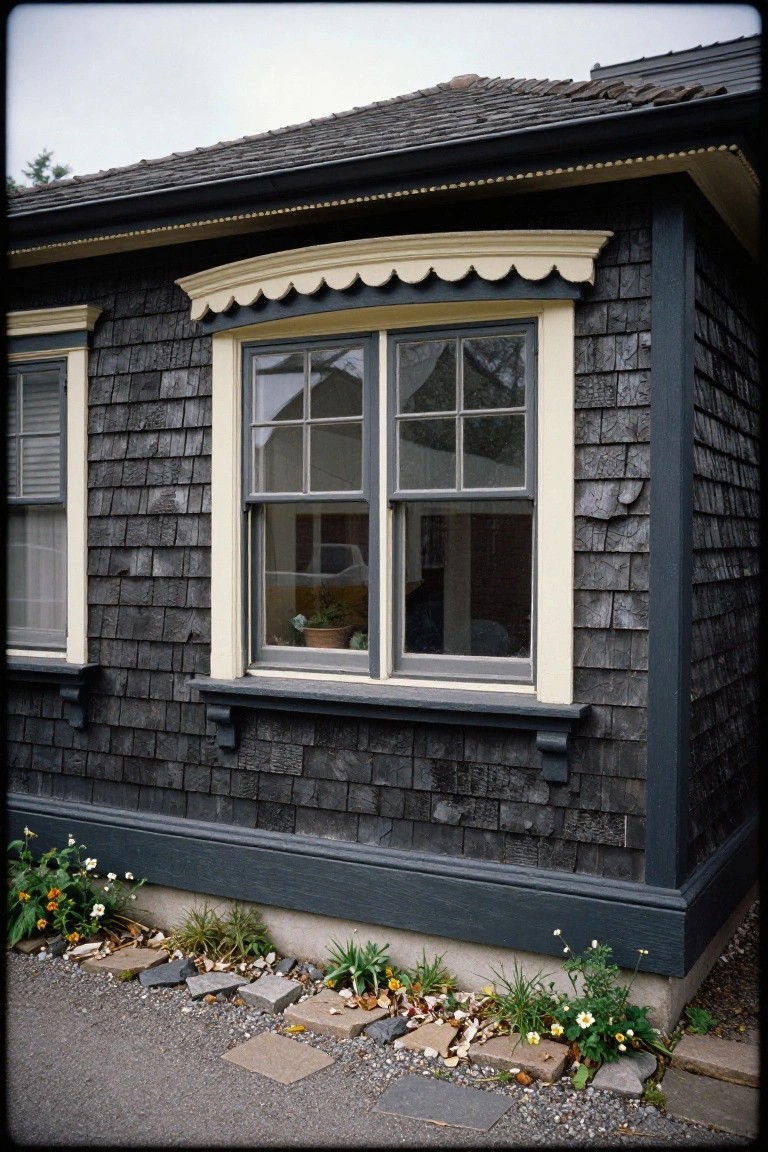
Those soft scalloped hoods over the windows catch your eye right away. Painted in a pale cream, they sit nicely against the dark charred-look shingles. It’s a simple Victorian detail that adds real character to the facade, making the house feel more finished and a bit whimsical.
You can pull this off on most older homes with shingle or wood siding. Just make sure the trim contrasts enough with the body color so it stands out. Pair it with plain sills below, like the dark ones here, and keep plants low around the base to let the windows shine. Avoid overdoing it on every opening, though, or it might start to feel busy.
Bay Window Trim with Carved Columns
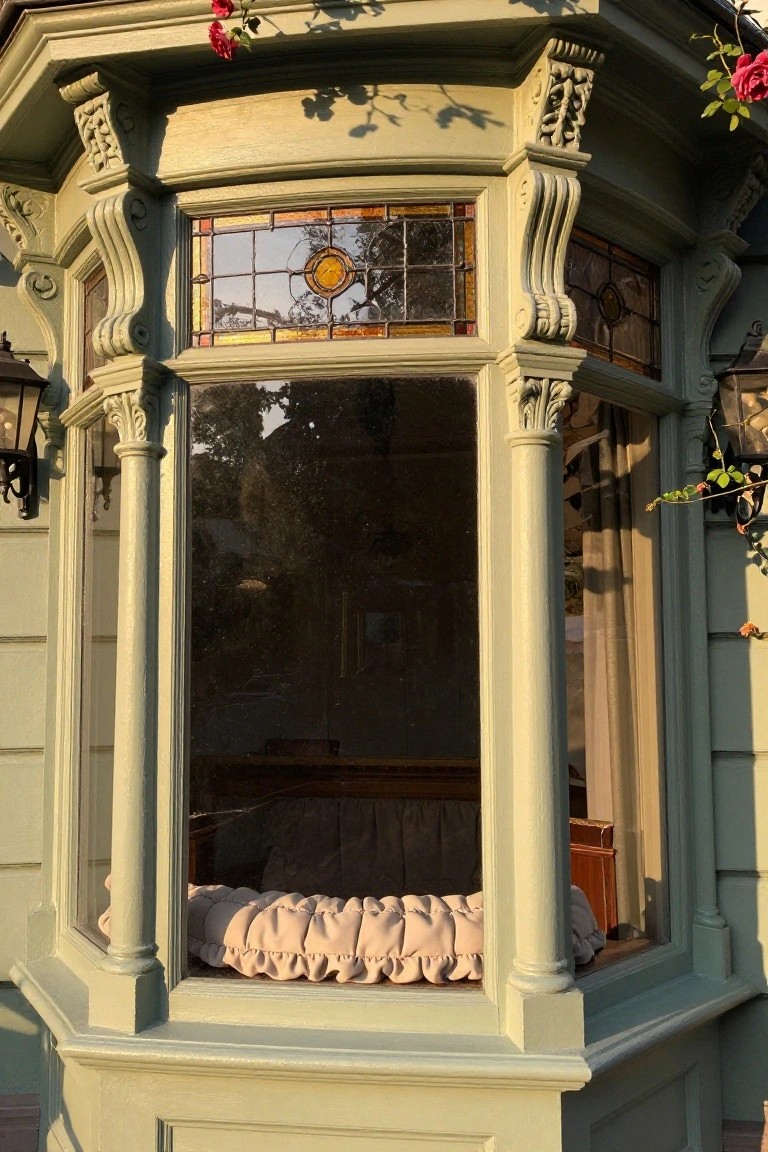
Carved columns like these make a bay window pop on a Victorian house. They’re tall and detailed with scrolls and leaves carved right into the wood, framing the whole setup nicely. That stained glass up top adds a bit of color too, especially in the late light. It’s the kind of trim that gives the house real personality without going overboard.
You can pull this off on homes with some age to them, painting the columns the same soft green as the siding to tie it together. Keep the scale right, not too skinny for a big window. Watch for wood that’s solid enough to carve or moldings that mimic the look if you’re adding on. Pairs well with lanterns on either side for evenings.
White Pediment Trim Frames Porch Windows
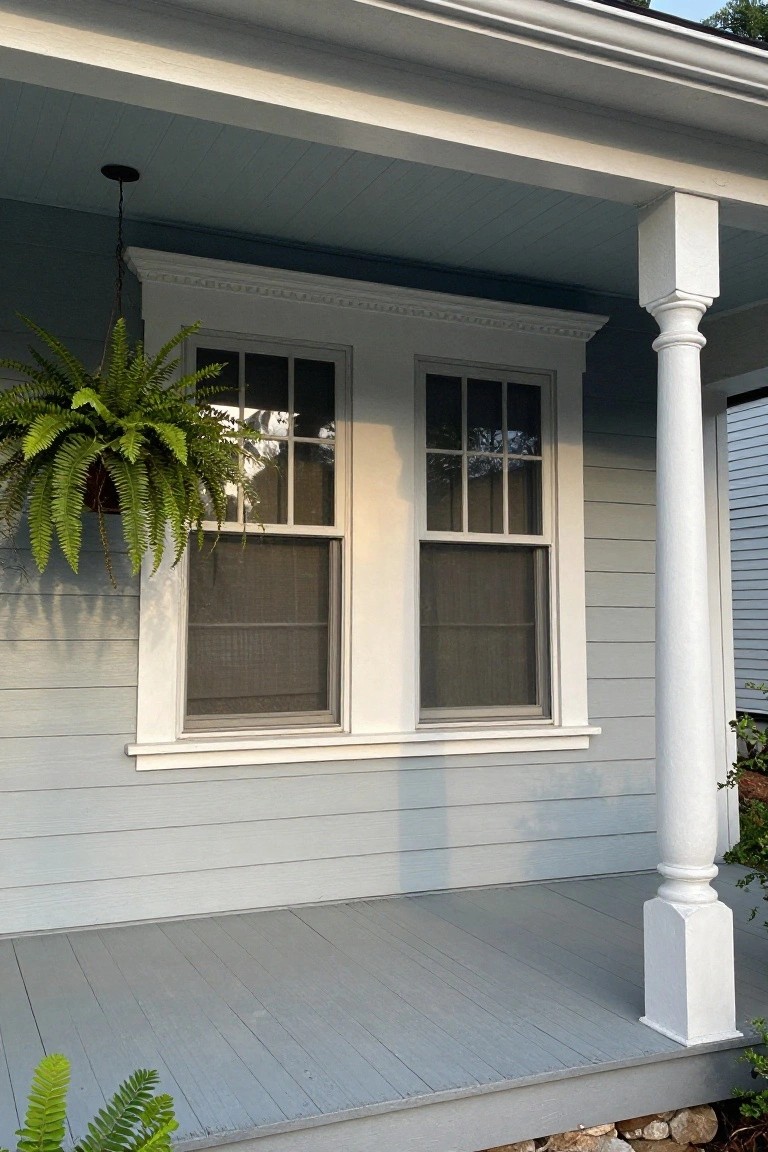
A white pediment sitting above paired windows like this brings out that old-house charm without much fuss. It works because the clean lines and subtle molding contrast nicely with softer siding colors, drawing the eye up just enough. Here, the trim ties right into the porch setup, making the whole side of the house feel put-together.
You can pull this off on revivals or bungalows with front porches. Go for bright white paint to keep the pop, and size the pediment to match your window pairs. It suits spots with some afternoon light, but skip it if your facade is already heavy on details. A plant nearby softens things up.
Stone Architrave Around Sash Windows
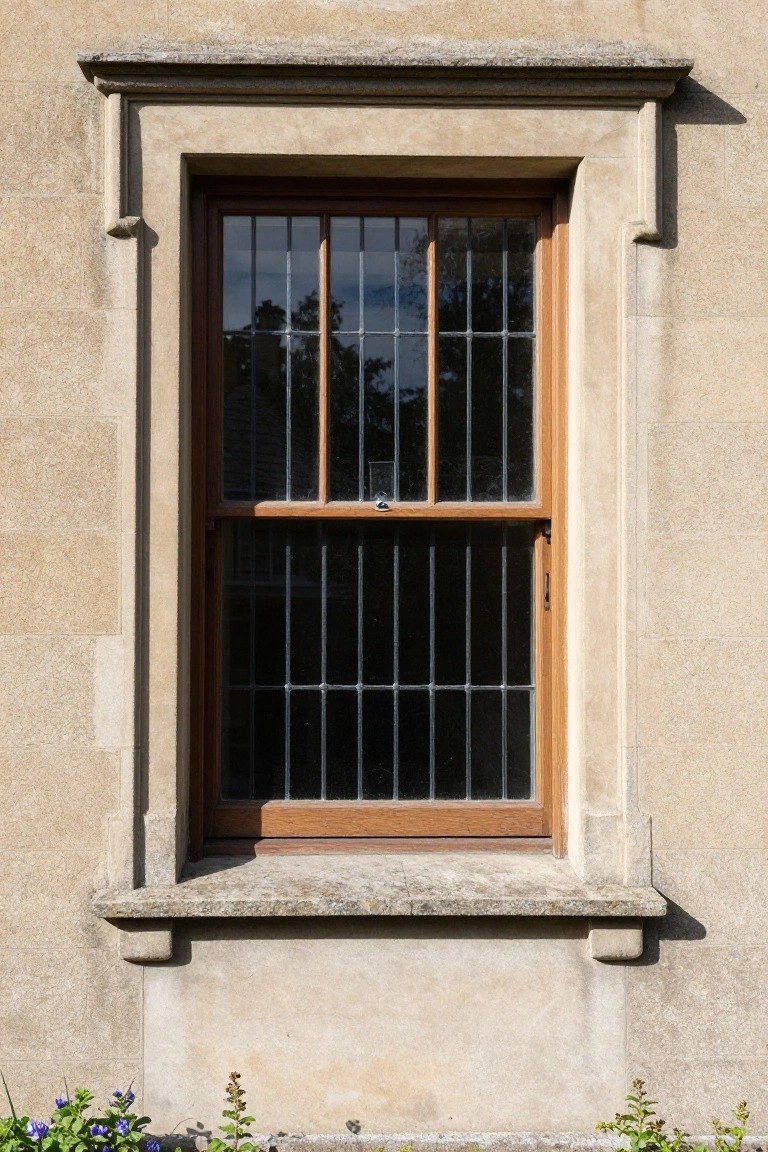
Stone architrave like this gives a window real presence on a plain facade. It uses simple pilasters on each side, a straight cornice above, and a sturdy sill below to frame the whole thing. That setup pulls the eye right to the glass without any fuss. Paired with wood sashes and iron bars inside, it feels secure and a bit old-world at the same time.
This trim works best on homes with light stone or stucco walls, especially where you want to highlight tall narrow windows. Try it on the ground floor for easy access and curb appeal. Just make sure the stone matches your existing masonry, or it might look added on later.
Etched Glass in Arched Window Frames
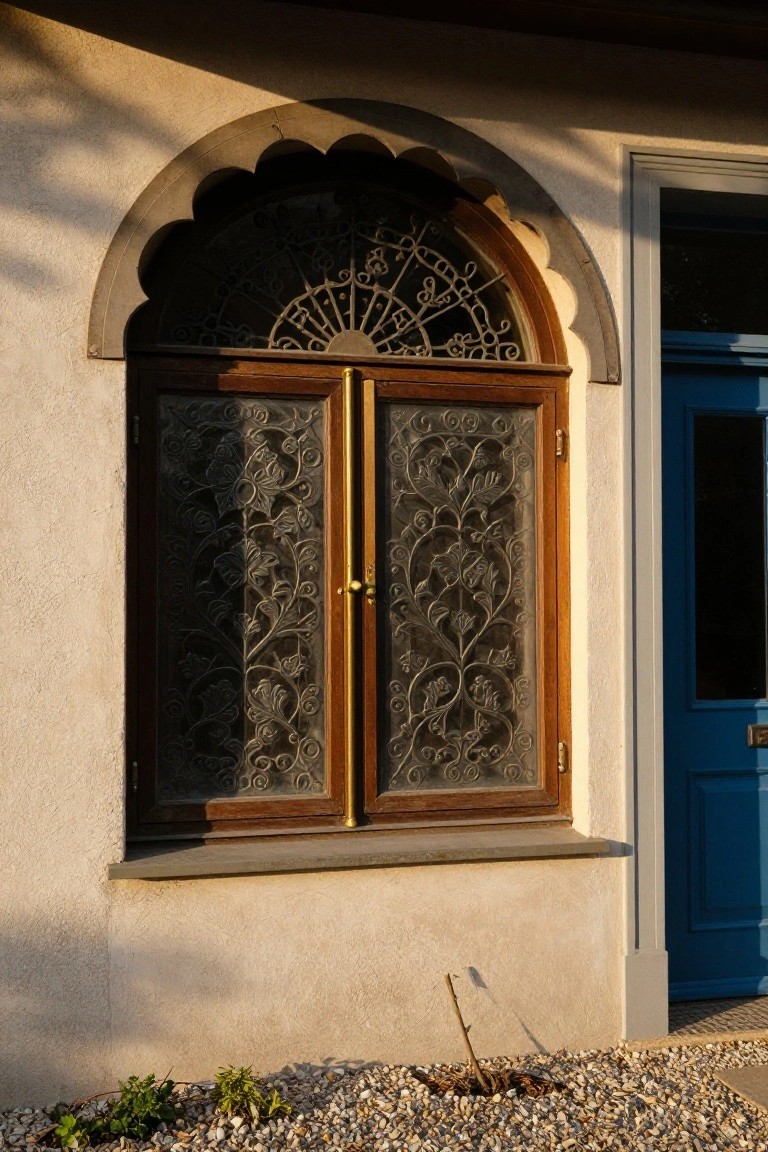
These windows catch your eye with deep-etched floral patterns on the glass panels. Vines and leaves swirl across the double doors, topped by a rounded arch and that sunburst metal grille. It brings quiet character to a simple stucco wall, like something from an old European villa.
This trim works well on homes with clean lines already. Think Victorian revivals or craftsman styles in sunny spots. Go for it on entry-side windows, but pick glass thick enough for weather. A contrasting door nearby helps it pop without overwhelming the facade.
Arched Stained Glass Window Trim
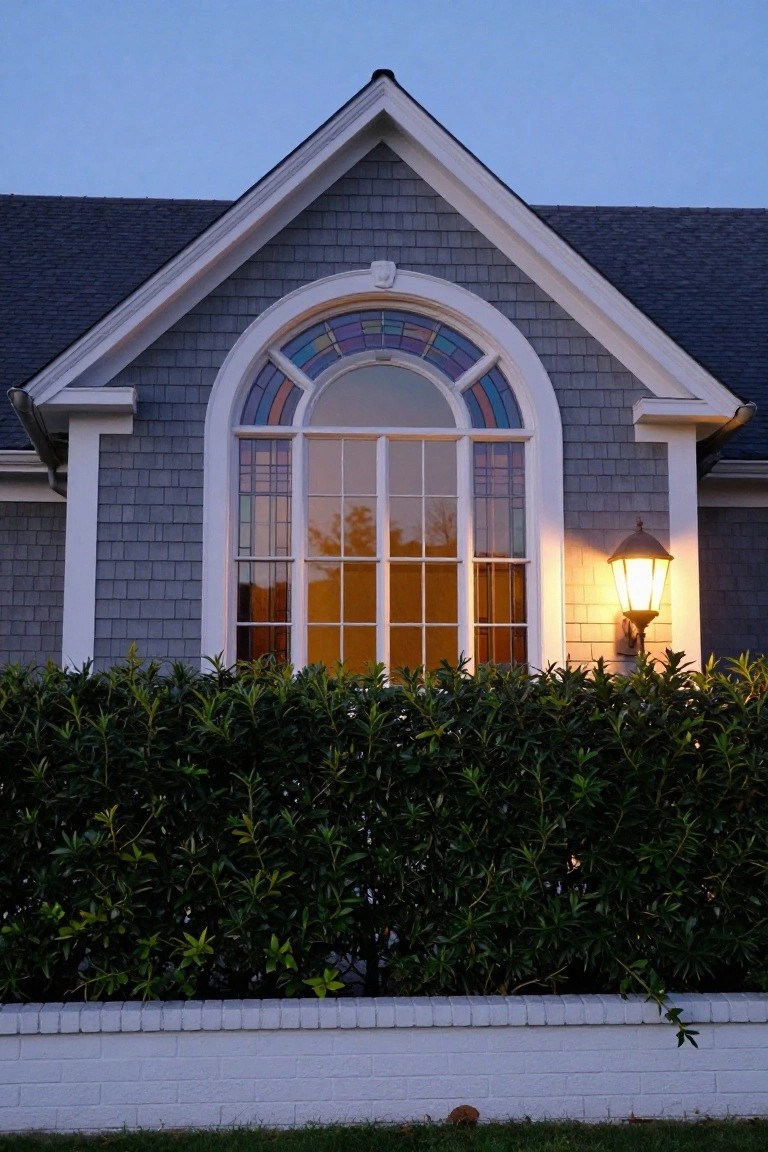
Arched windows like this one bring a touch of Victorian charm to a shingle-style house. The stained glass in the top arch adds color without overwhelming the look, and the white trim sets it off clean against the gray siding. That lantern light nearby helps it glow at dusk too.
You could use this on a side elevation or near the entry to draw some interest. It suits homes with a classic bent, like New England saltboxes or seaside cottages. Just pick glass colors that tie into your trim or landscaping. Keeps things lively but not fussy.
Yellow Trim Highlights Victorian Windows
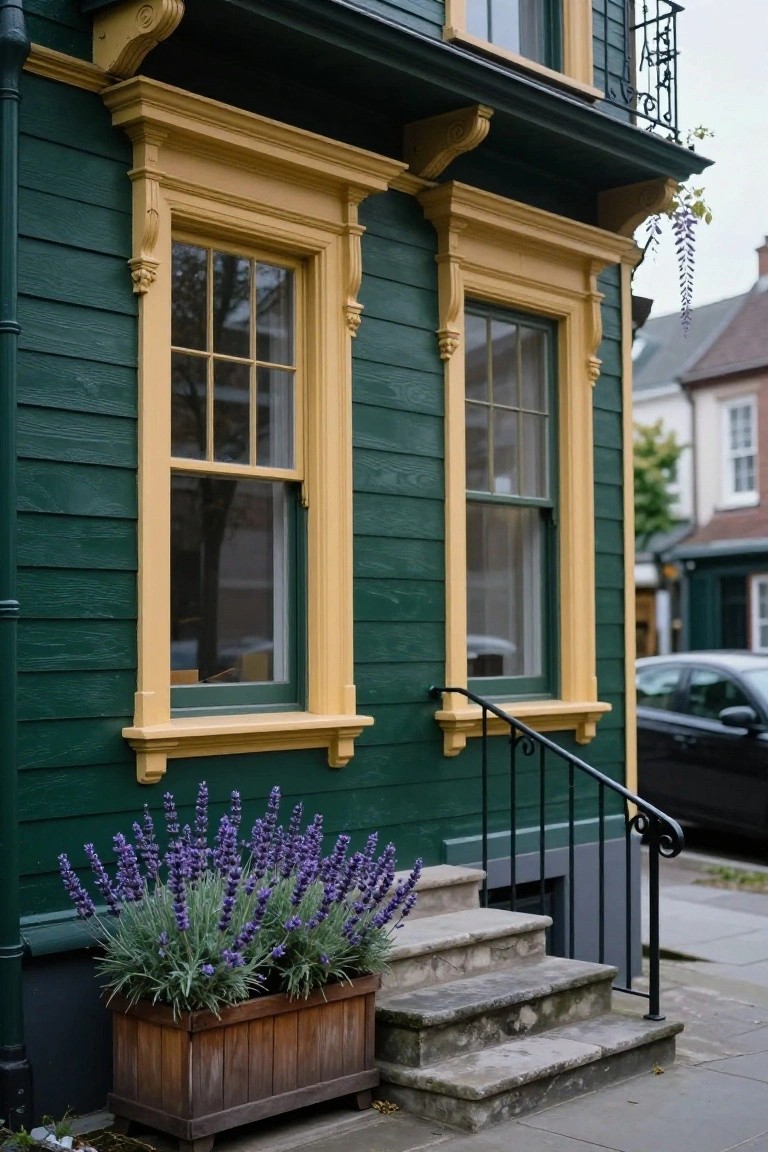
A sunny yellow trim outlines these tall Victorian windows, setting them off nicely against the deep green siding. The carved brackets and sills add subtle ornament without overwhelming the look. It’s one of those classic contrasts that makes the house feel more alive and detailed right from the street.
This approach suits historic homes or revivals aiming for curb appeal. Pair it with darker paints like deep green or navy for the body. Go with durable exterior paint, though. Trim gets hit hard by rain and sun, so quality matters.
Wrought Iron Window Balconies
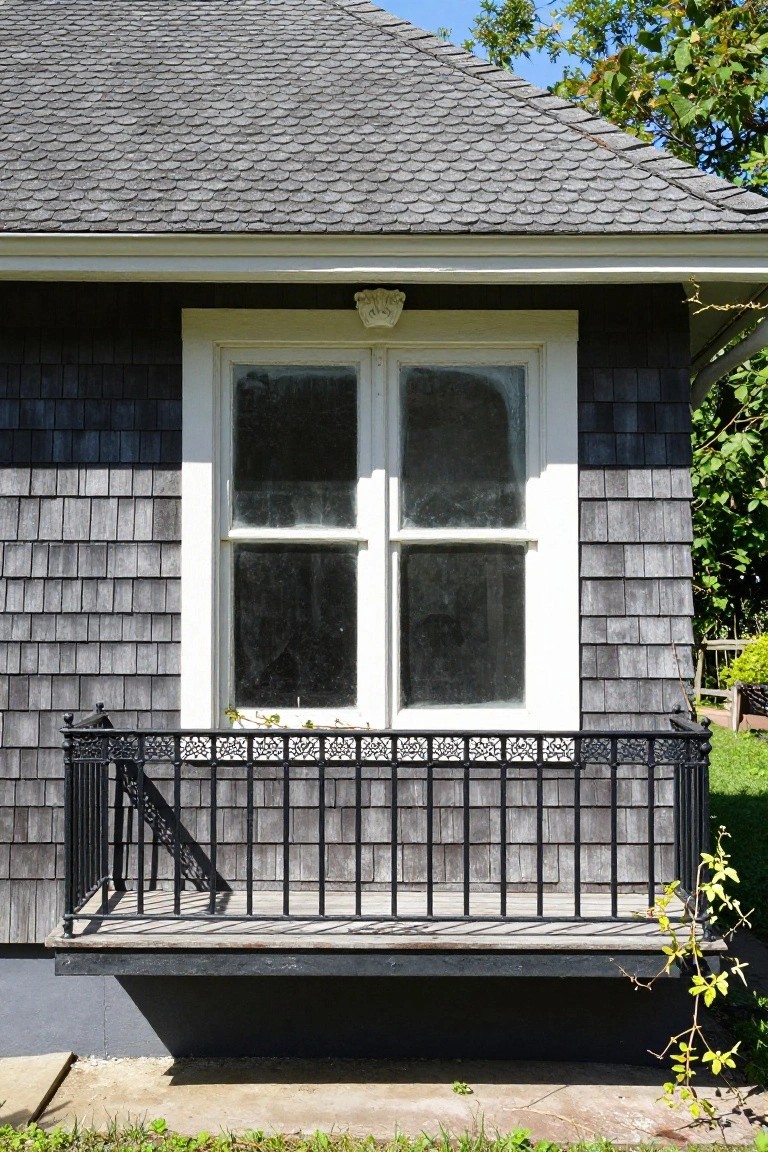
A small wrought iron balcony like this one adds real character to an exterior window. The black railing sits right under the white-framed double sash, tying into the dark shingle siding without overwhelming it. It’s a simple touch that nods to Victorian style, making the house feel more alive and detailed.
These balconies work best on upper-level windows where they draw the eye up. They’re practical for townhouses or older homes with some height. Go for sturdy powder-coated iron to handle weather, and keep the trim crisp white for that clean pop. Skip them on super modern facades though, they suit traditional looks.
Window Trim with Carved Corbels
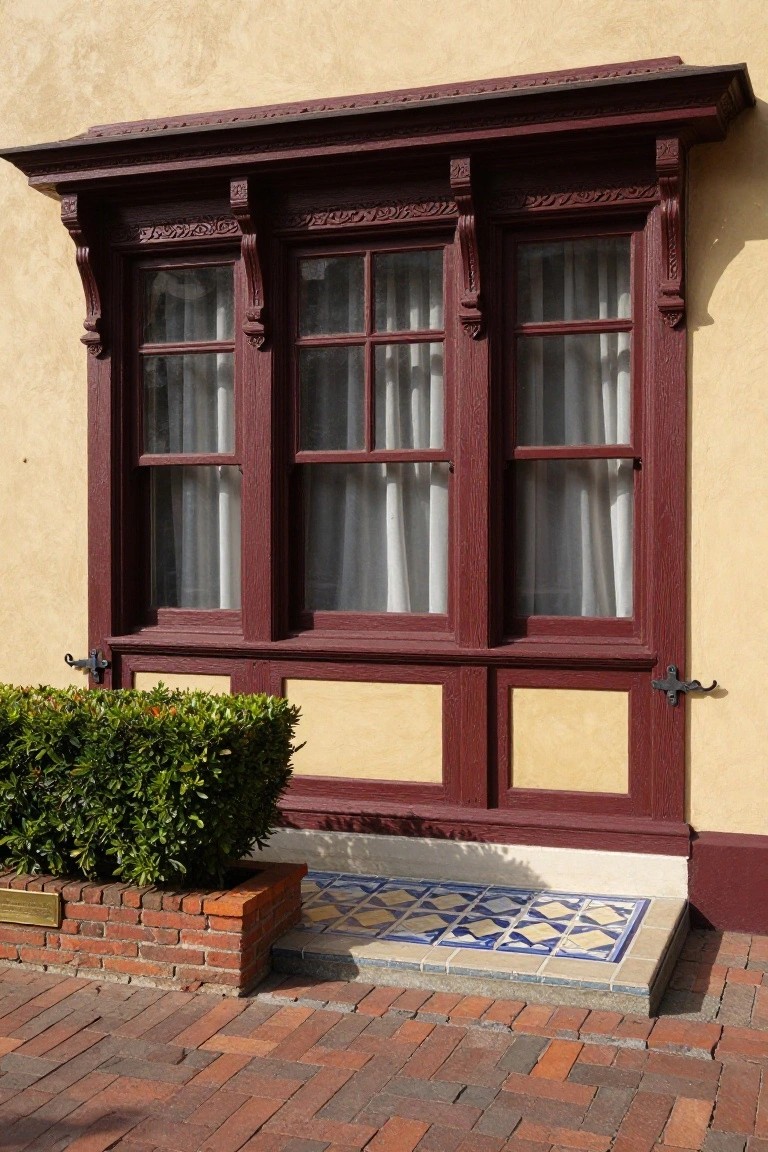
Carved corbels like these make a simple window setup feel special on a Victorian house. The deep red wood brackets hold up that overhanging hood, and they echo old craftsmanship without too much fuss. Paired with multi-pane glass and sheer curtains peeking through, it pulls the eye right to the facade.
This trim works well on stucco walls in lighter colors, where the contrast shows off the details. Try it around entry windows or grouped sets like this one. It suits older homes or additions aiming for that period charm, but paint or seal the wood every few years to keep it from fading.
Pedimented Window Trim with Corbels
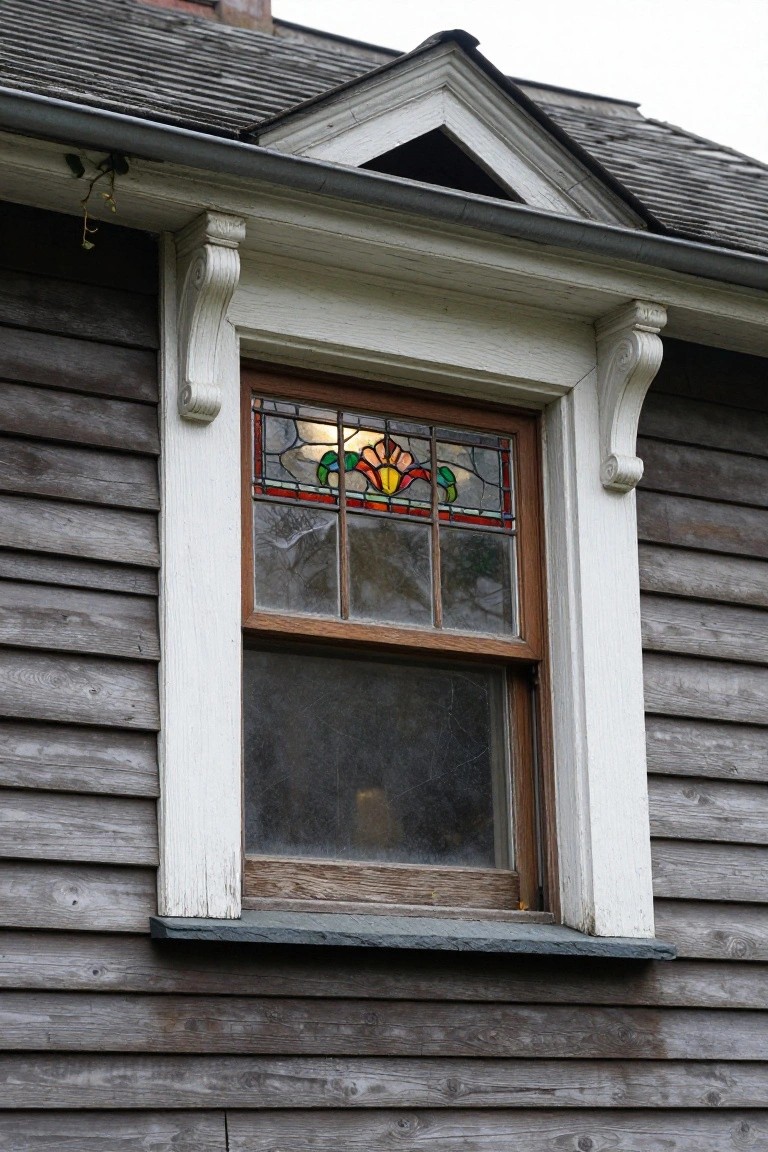
One look at this setup shows how a simple pediment over the window, held up by carved corbels, can give a plain side wall real presence. The stained glass fan in the upper section catches light in a way that pulls your eye right up, especially against the weathered shingle siding. It’s that mix of white painted trim and those scrolling brackets that nods to Victorian details without overdoing it.
These work best on homes with wood siding or clapboard where you want to highlight secondary windows away from the front entry. Keep the corbels modest in scale so they don’t overwhelm, and consider protective glass over the stained panels if you’re in a rainy spot. Older houses take to this naturally, but a fresh coat of trim paint can make it pop on any classic exterior.
Frequently Asked Questions
Q: Can I pull off Victorian trim on a non-historic house? A: Absolutely, mix it with modern lines for fresh contrast. Pick simpler profiles to ease the transition. Your house gains instant personality.
Q: What’s the quickest way to refresh old trim? A: Scrape loose paint, sand smooth, then prime and coat with exterior acrylic. Two coats do the trick. Wait a dry day.
Q: Do I need a pro for installation? A: Grab one if corners scare you, they nail precise miters every time. DIY works if you practice on scrap first. Rent a good saw.
Q: How do I protect trim from weather? A: Caulk every seam tight against rain. Repaint raw spots right away. Wood lasts decades that way.
