

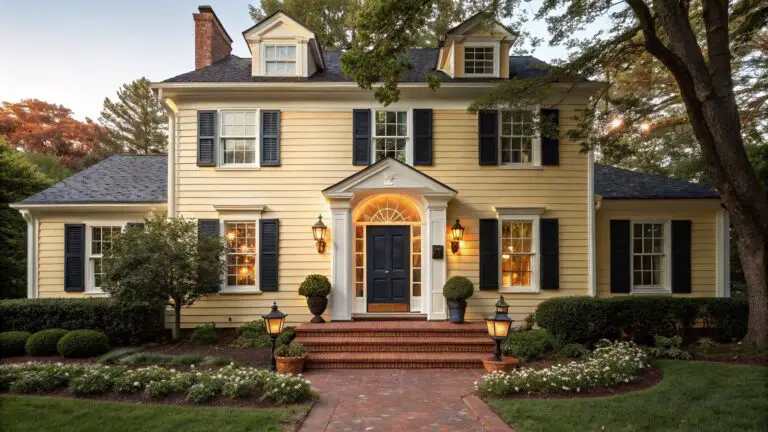
I’ve noticed that a yellow exterior paint job grabs your eye from the street right away, especially when it balances the roofline and front door without clashing. Yellow works best on house facades when you consider how sunlight hits it throughout the day, shifting from warm glows in the morning to softer tones at dusk. When I helped a friend pick a shade for their siding last year, we focused on ones that tied into the stone accents and made the entry pop naturally. Certain combinations with trim colors and shutters can make even older homes feel fresh and pulled together from the curb. Some of these are simple enough to test on a small section first.
Black Shutters on Pale Yellow Siding
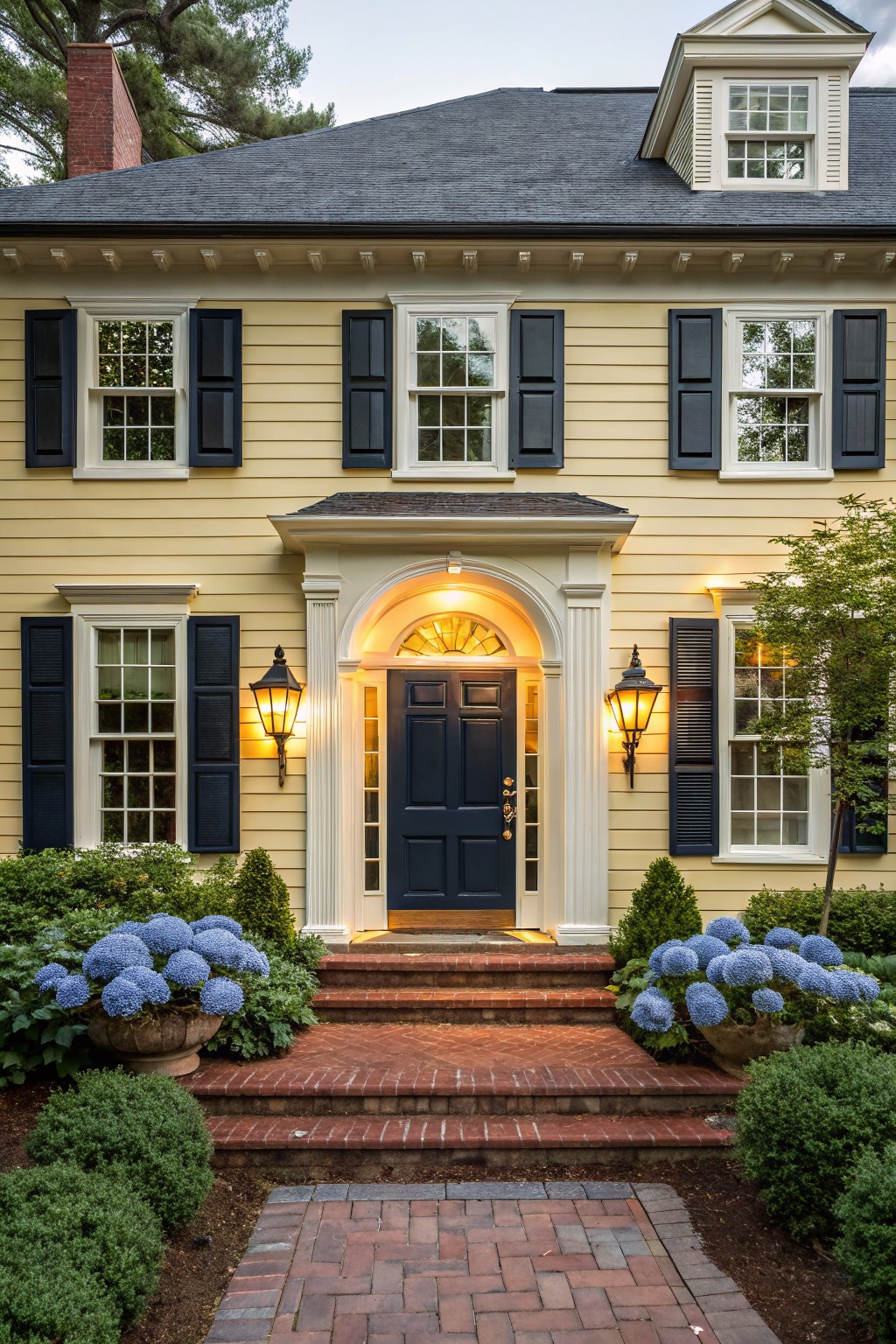
A pale yellow siding like this gives a house a soft, welcoming glow without being too bright. Pair it with black shutters, and you get that crisp contrast folks have loved for years. It makes the windows pop and keeps the look clean. Here, the navy front door pulls it all together, and those lanterns by the entry add a nice touch at dusk.
This combo works great on colonial-style homes or anything with good trim lines. Pick a buttery yellow paint that’s not stark white-yellow, and go for true black shutters, not grayish ones. It suits older neighborhoods where you want to fit in but stand out a bit. Just keep the landscaping simple so the house stays the star.
Pale Yellow Shingle Siding with Turquoise Door
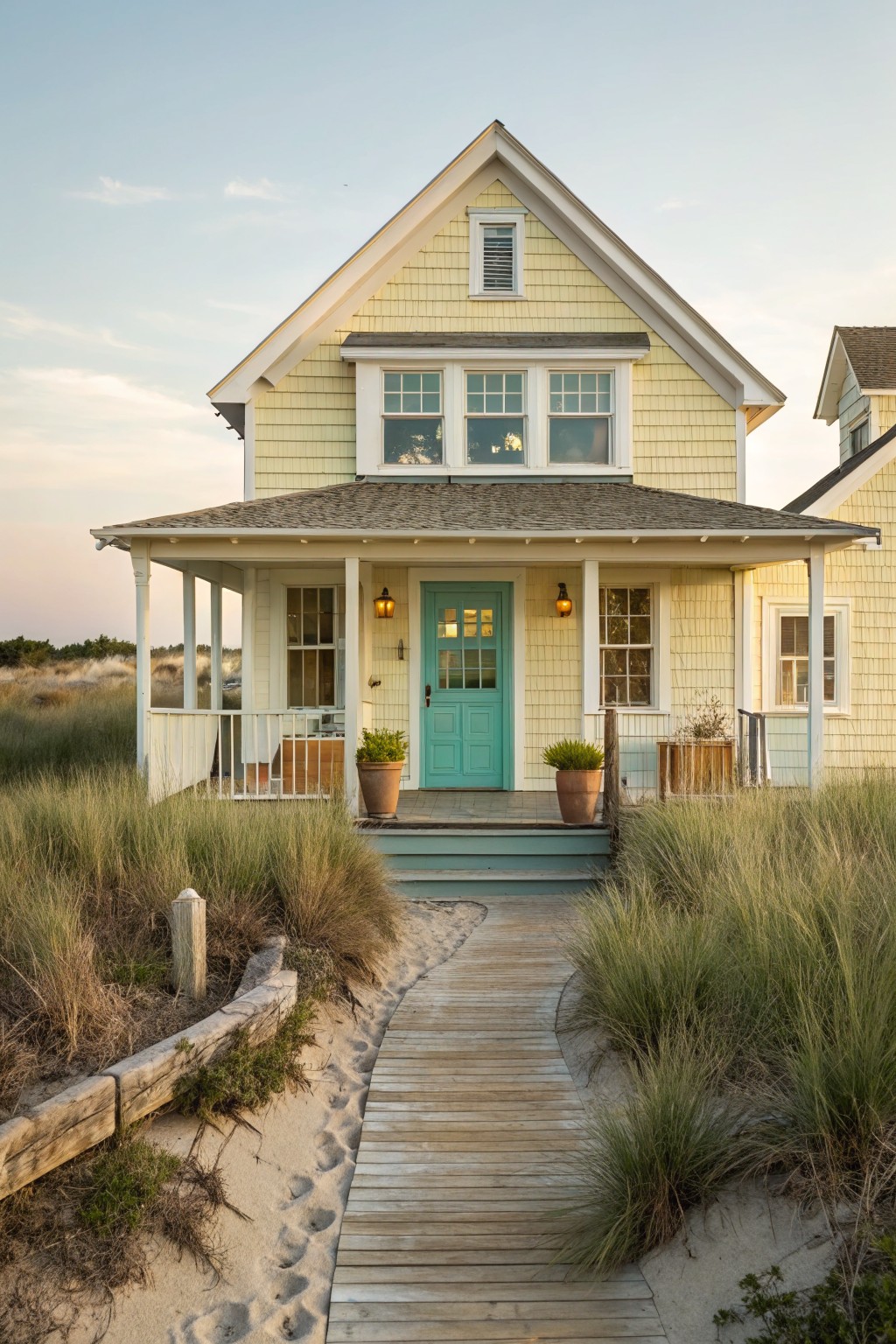
A soft pale yellow on shingle siding keeps things light and beachy without going too bright. It lets the house blend into dune surroundings while the turquoise front door stands out just right. That door color pulls your eye straight to the entry, making the whole place feel more welcoming from the street.
This setup works best on coastal-style homes or anywhere with natural landscaping. Pick a buttery yellow paint that shows some wood grain, then go bold on the door with a glossy finish. It adds personality without overwhelming the facade… just watch the trim stays crisp white to tie it together.
Warm Golden Wood Cladding Adds Easy Curb Appeal
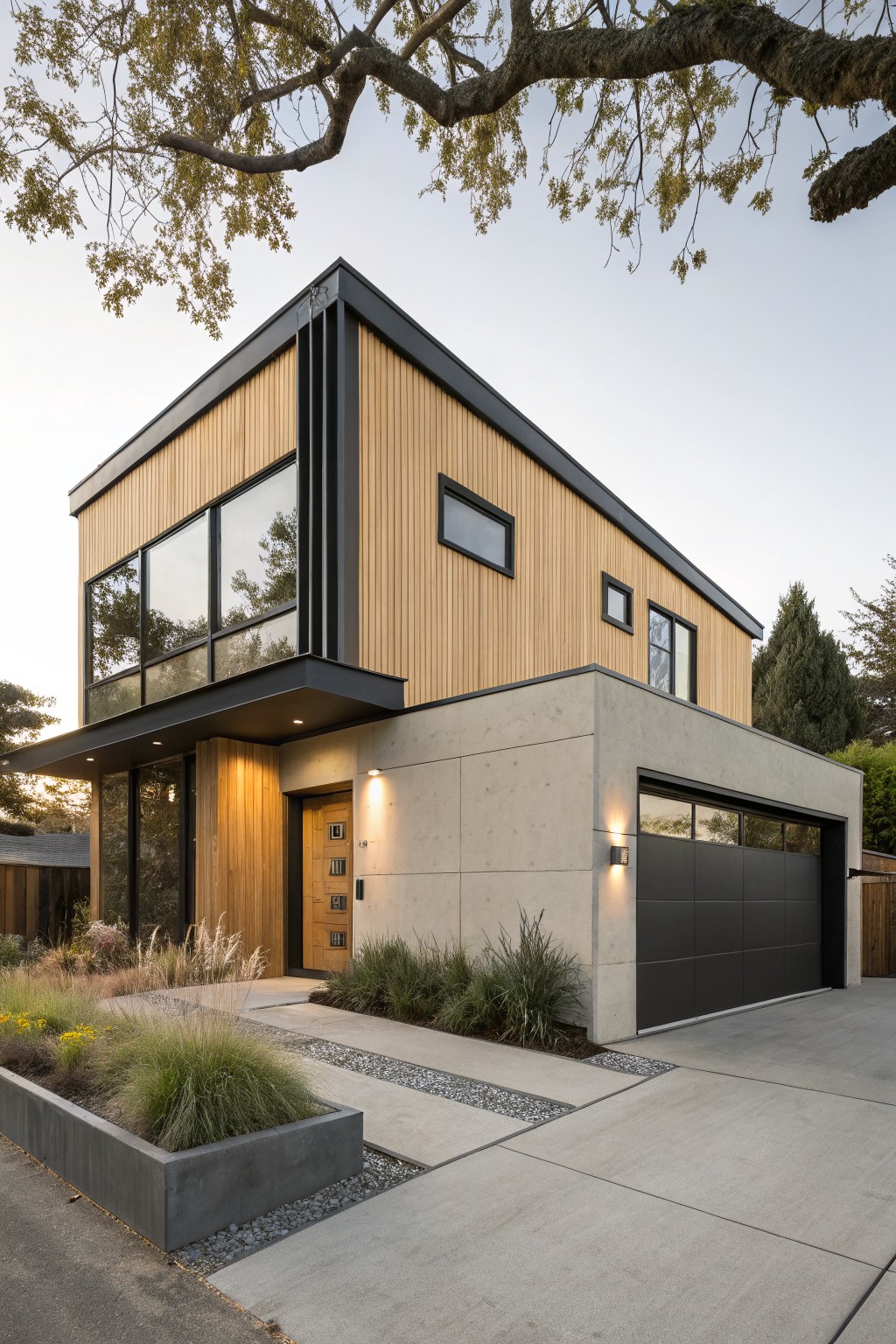
Vertical planks of warm golden wood cover the upper part of this house. That soft yellow tone feels fresh and natural, especially against the plain concrete base below. It pulls the eye up without being too bold, and the big black-framed windows let light flood in to highlight the wood grain.
This look suits boxy modern homes or additions in mild climates. Pair it with simple concrete or stucco at ground level for balance. Seal the wood well to handle weather, and keep landscaping low around the base so the facade stays the focus.
Soft Yellow Stucco for Spanish Revival Homes
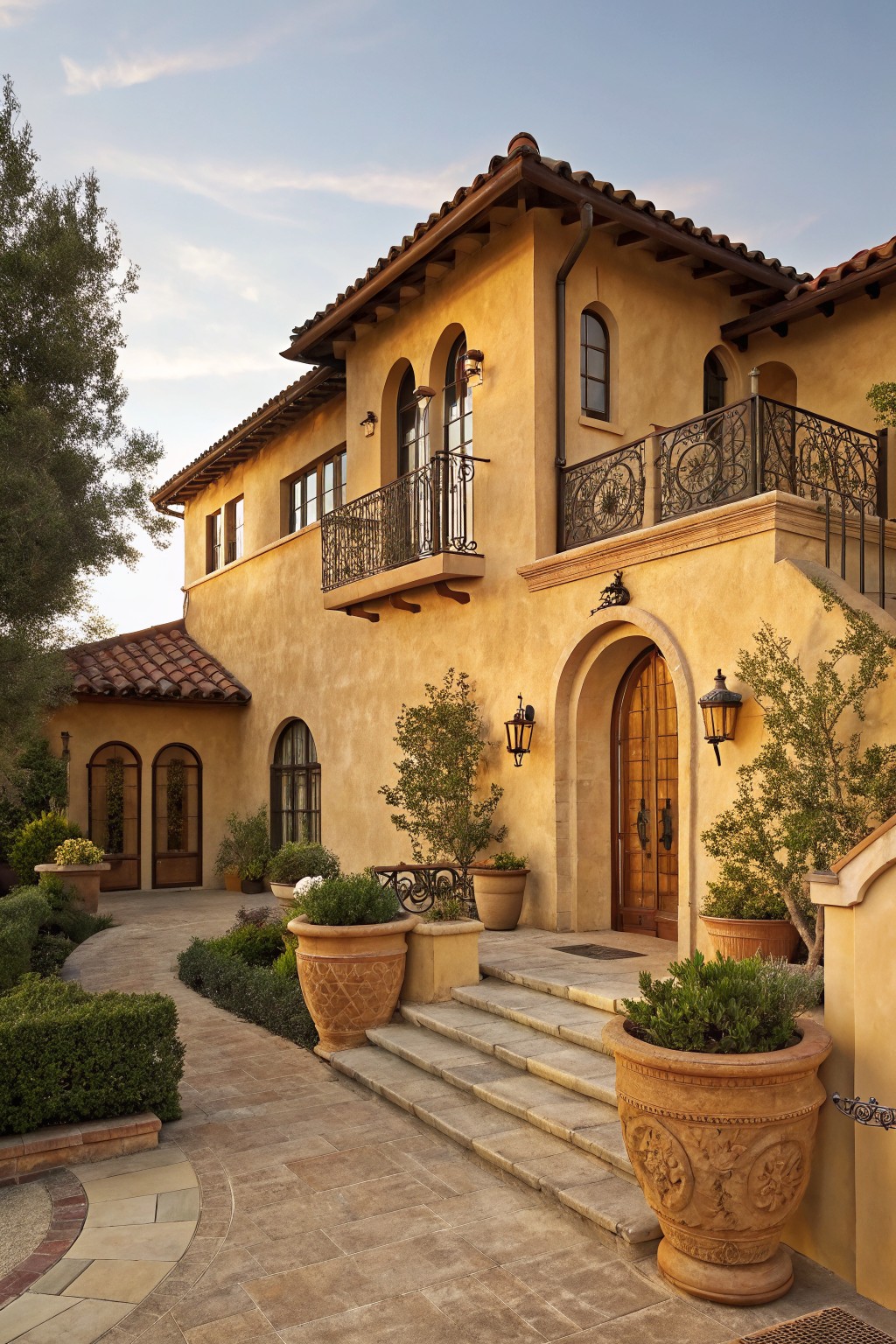
A soft yellow stucco finish like this one gives a house that easy Mediterranean feel without much fuss. It works well because the warm tone picks up the sun and looks right at home with a red tile roof and simple arched details. Add in some wrought iron on the balcony and a heavy wooden door, and the whole front pulls together nicely for better curb appeal.
This paint color suits older homes or ones with some traditional lines, especially in warmer climates where it won’t look out of place. Go for a textured stucco application to hide small flaws, and pair it with big terracotta pots full of greenery along the steps. Just make sure the trim stays neutral so the yellow stays the main color.
Recommended Products

Weather and corrosion resistant coating protects exterior/interior surfaces like wood, metal, concrete, masonry and more

Weather and corrosion resistant coating protects exterior/interior surfaces like wood, metal, concrete, masonry and more
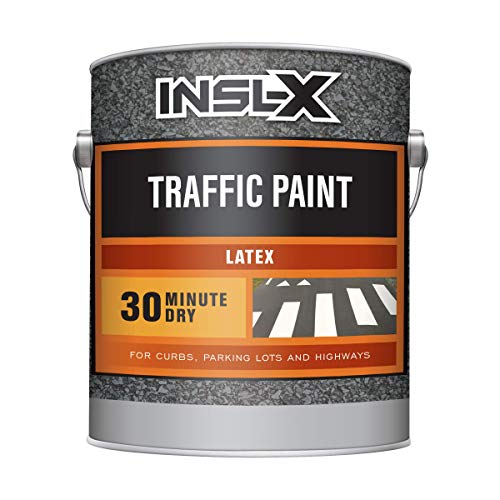
Fast-drying, interior/exterior acrylic latex line marking traffic paint that can be applied with a brush, roller, hand or automatic line markers.
Pale Yellow Victorian Facade
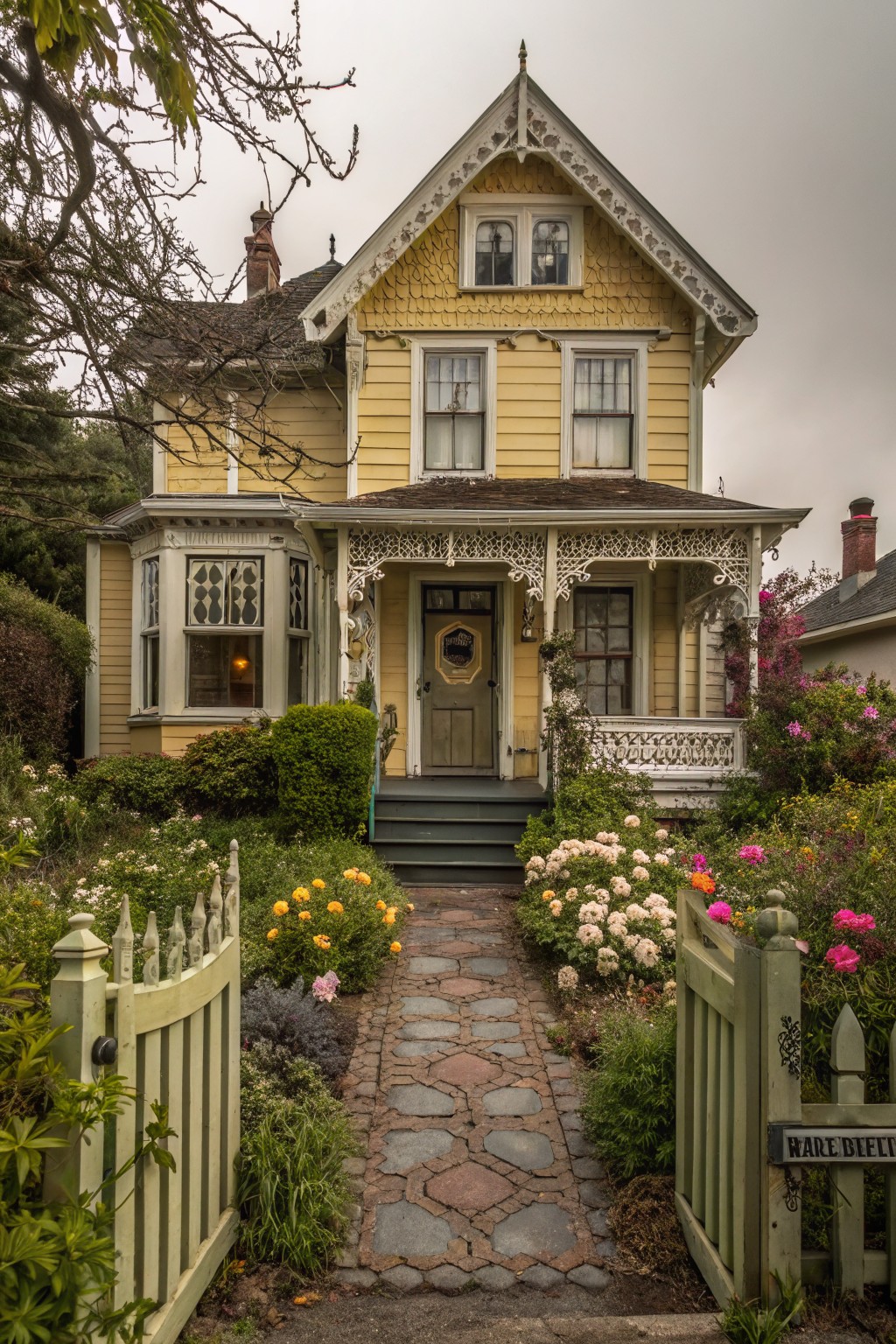
A pale yellow paint like this on a Victorian house pulls all the old details forward. You see the fishscale shingles on the gables, the gingerbread trim on the porch, and those leaded windows right away. It keeps the house feeling sunny even on gray days, without going too bright or modern.
This works best on homes with lots of trim and texture from the late 1800s or early 1900s. Pick a buttery shade that mutes a bit in sunlight, and keep the trim pure white for contrast. Add a stone path and cottage flowers out front… it ties everything into real curb appeal without much fuss.
Pale Yellow Wood Siding
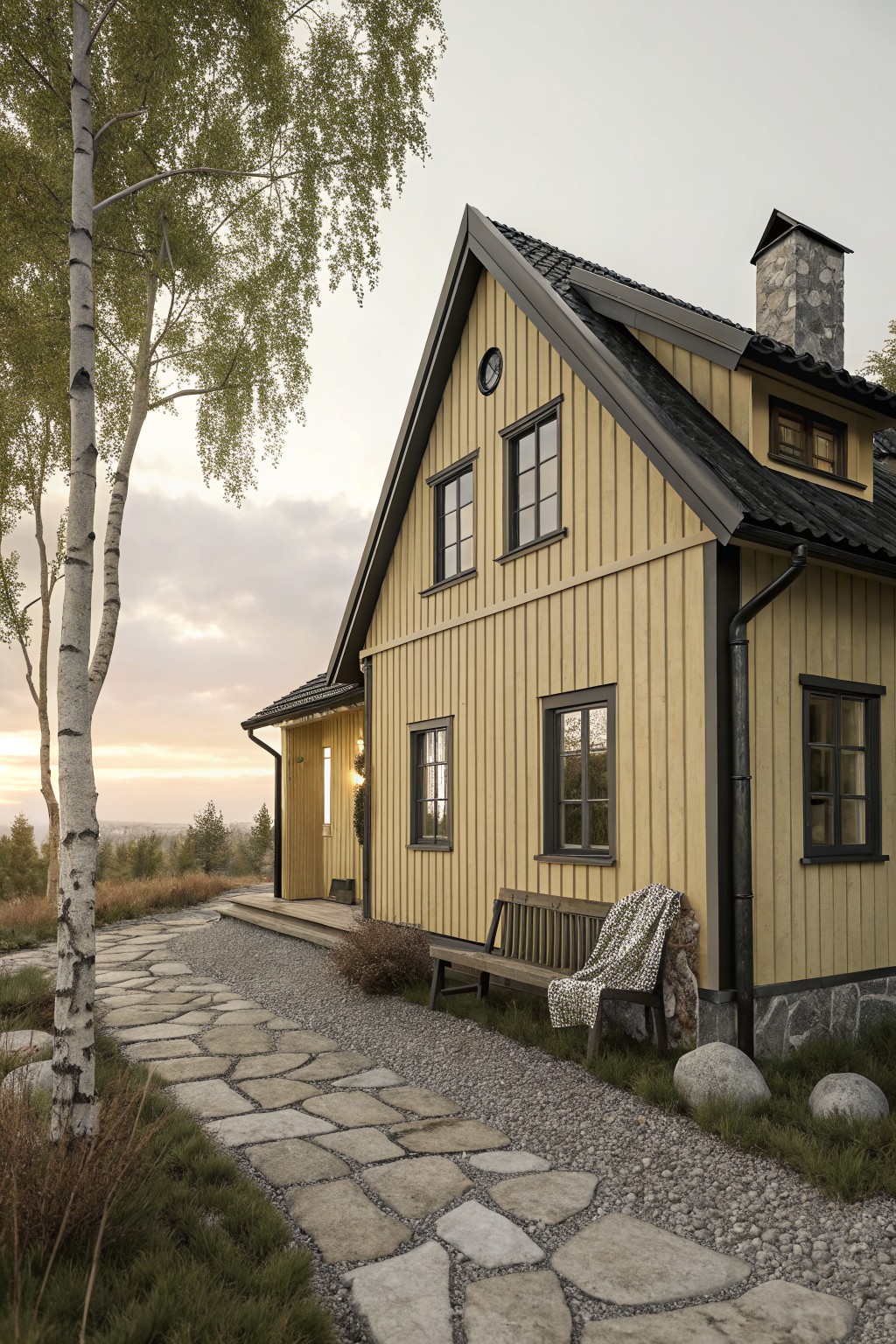
A soft pale yellow paint on board-and-batten siding gives this house a clean, cheerful look that fits right into a natural setting. The dark black roof and trim frames pull it together and stop the yellow from feeling too sweet. You see this style a lot in Scandinavian homes, where it just blends with the trees and light.
Paint this on a straightforward gabled house if you have woods or fields nearby. It brightens up older farmhouses without much fuss. Keep windows black or dark gray, and watch the yellow shade, lighter ones show dirt less outdoors.
Sunny Yellow Brick with Black Door
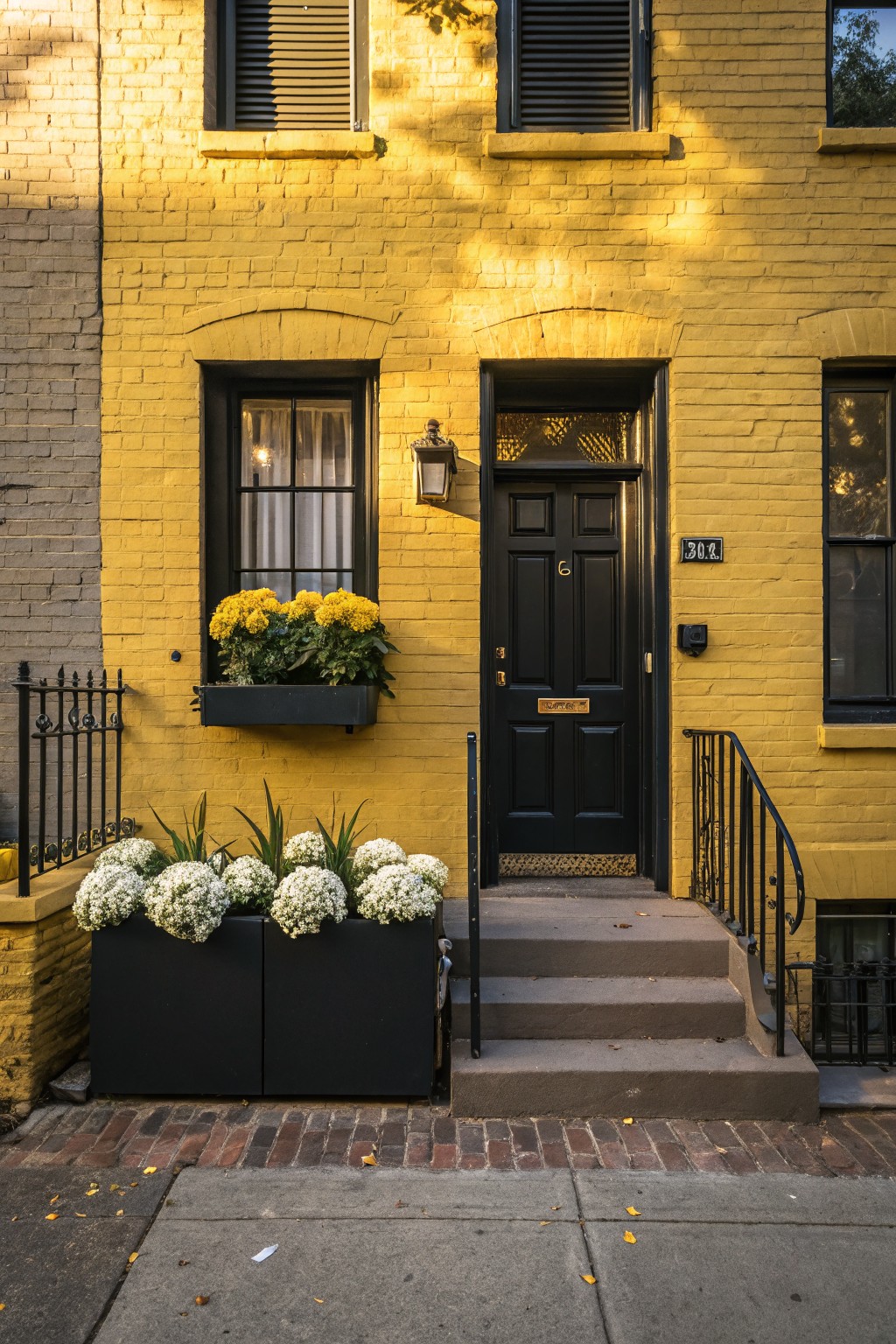
A yellow brick exterior like this one brings instant cheer to the street. The bright yellow paint over brick pairs with a deep black front door and matching window frames. It creates strong contrast that pulls focus to the entry without much else needed. White-flowered planters nearby keep it fresh and simple.
This look suits rowhouses or older urban homes where you want to stand out. Pick a true yellow that holds up in sun, and use glossy black for the door to make it shine. Skip fussy details; the colors do the work. Just test a small area first if your brick is textured.
Pale Yellow Shingle-Style Beach House
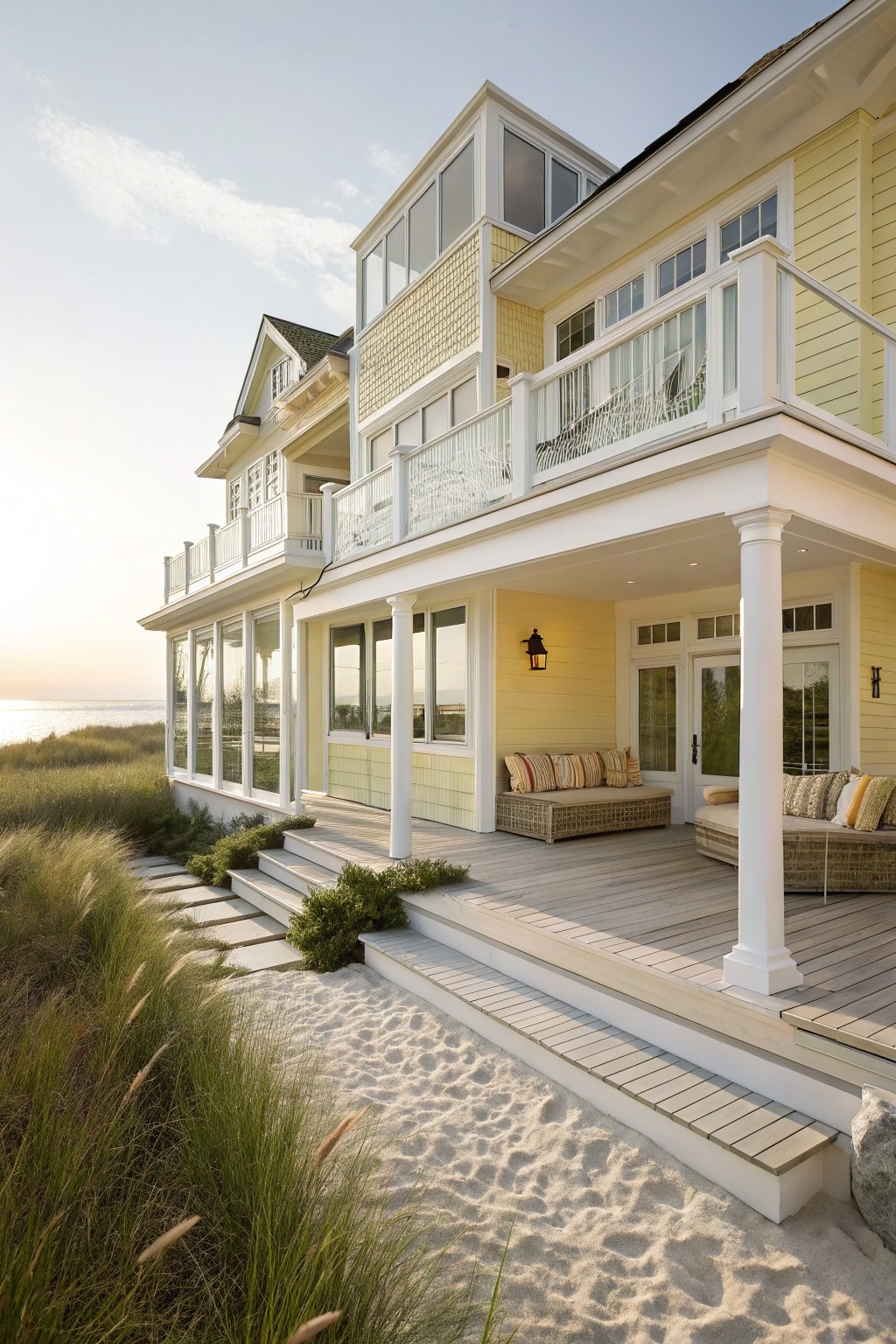
A soft pale yellow paint like this works great on shingle-style homes right by the water. It picks up the sunny beach light without overwhelming the look. White trim around the windows and porch columns keeps everything clean and lets the yellow siding stand out just right.
This color suits coastal spots or anywhere you want a relaxed vibe from the street. Go for it on clapboard or shingle siding, and pair with simple white details. Keep porches open and light to match. Just test the shade in morning light first… it can shift a bit.
Pale Yellow Siding on a Porch House
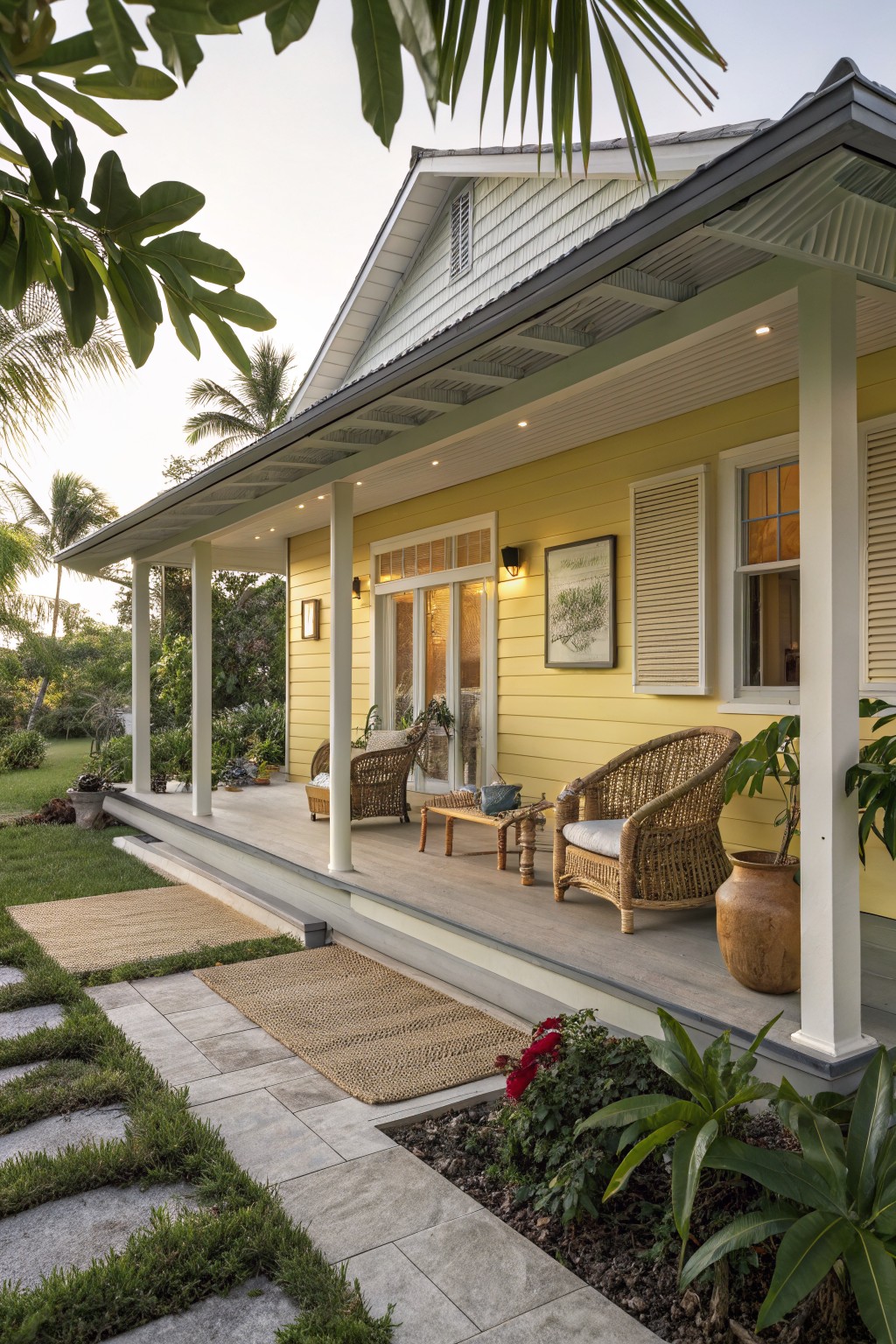
A soft pale yellow paint like this gives a house that easy sunny look without going too bright. It works great on clapboard siding paired with crisp white trim around the windows and porch columns. The wide veranda pulls it all together. Folks notice how it feels welcoming right from the street. especially in warm climates where it picks up the light just right.
Try this on a single-story home or cottage style with a deep porch for shade. It suits coastal spots or anywhere with palms and green around. Stick to matte finishes to keep it low-key. Watch the trim paint. it needs to stay bright white or the yellow can look dingy over time.
Pale Yellow Siding with Arched Green Door
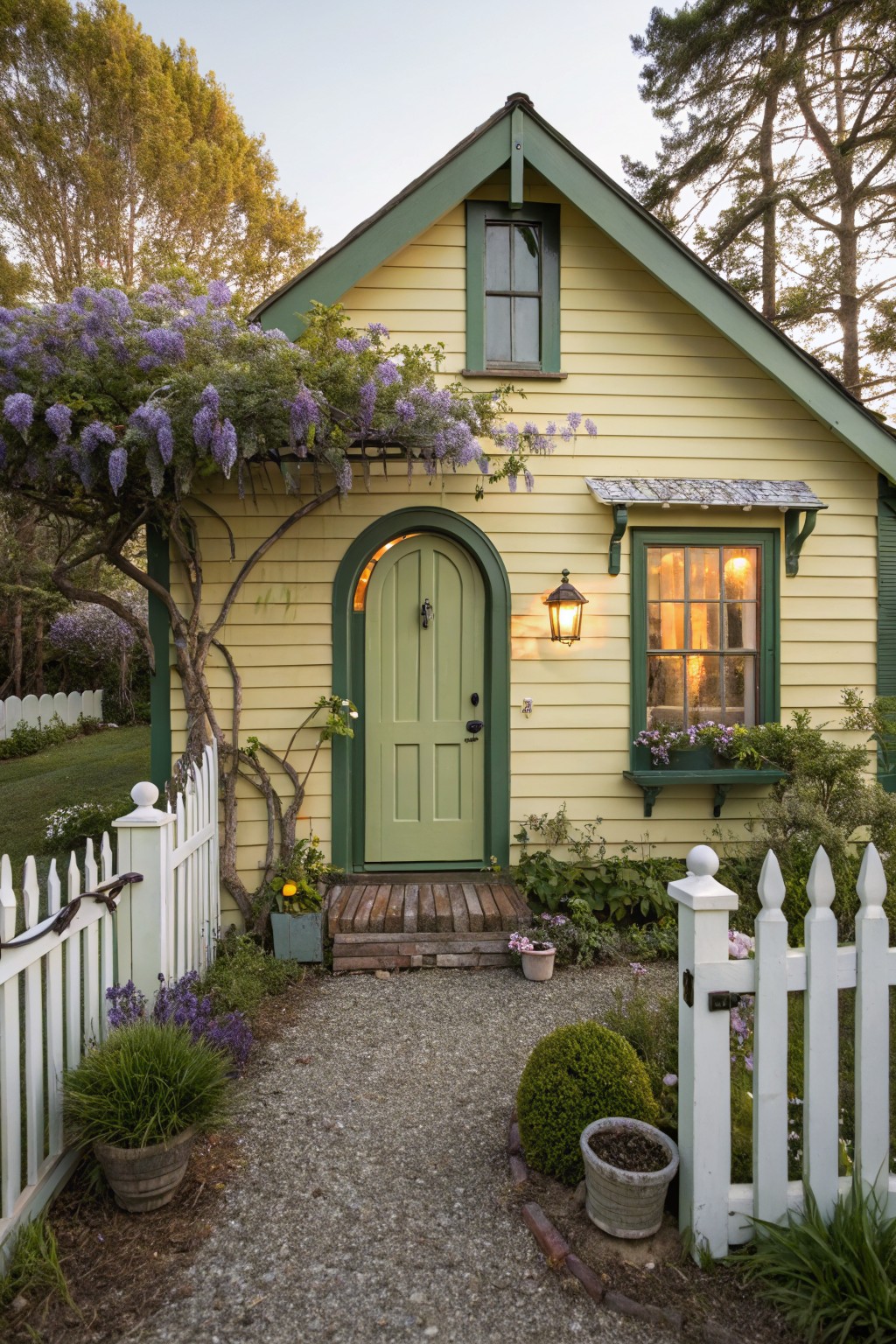
A soft pale yellow paint on the siding gives this little cottage a gentle glow, especially with that arched green door right at the entry. The deeper green pulls focus without overpowering, and a bit of wisteria draping over makes it feel like a welcoming hideaway. It’s a simple way to add character to a plain facade.
This setup works best on cozy bungalows or older homes in wooded spots. Pick a yellow that’s not too bright so it stays calm through the seasons, and go for sage or olive green on the door to keep the contrast easy. Add a lantern for evenings, and you’re set for real curb appeal.
Bold Yellow Facade with Black Garage
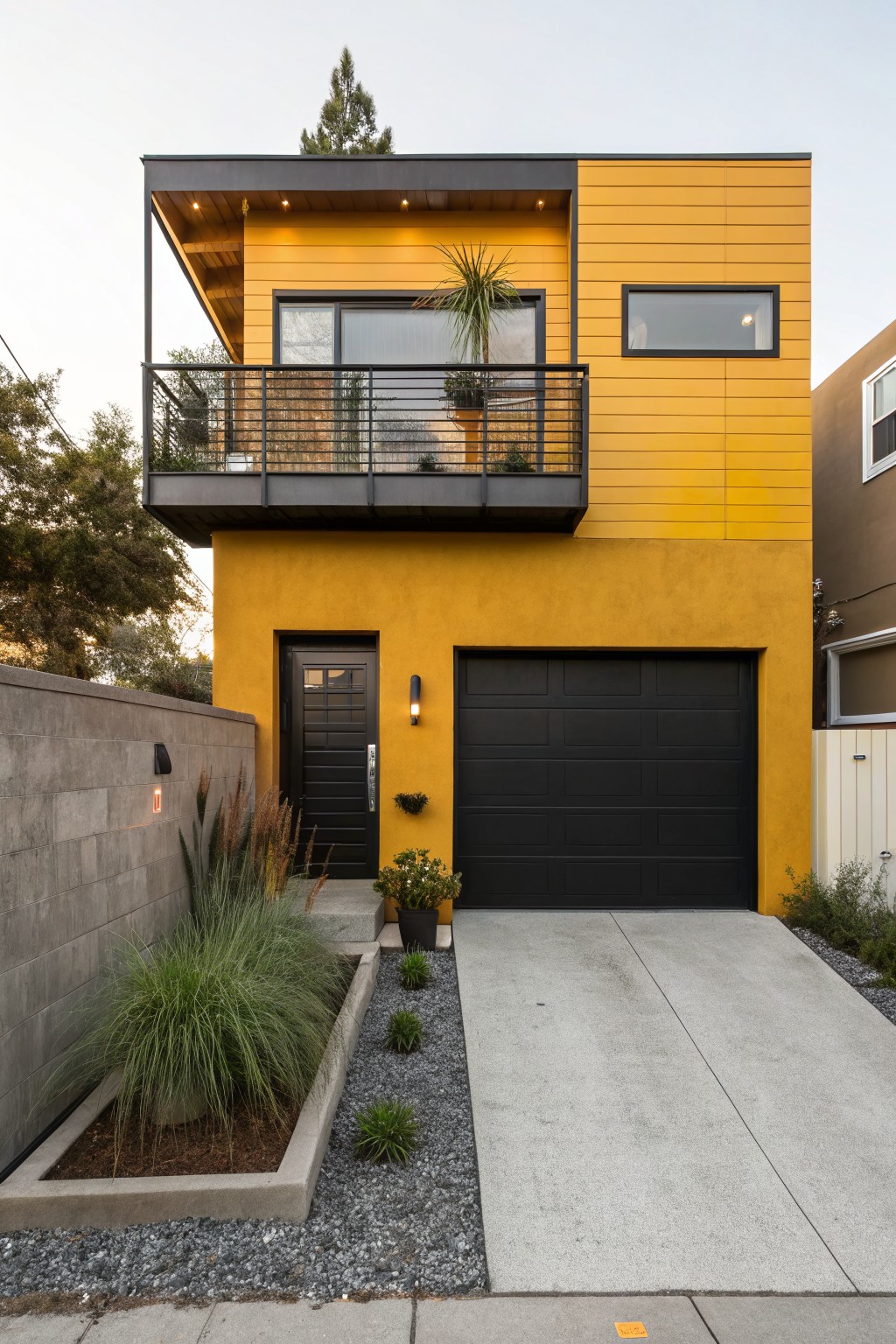
A bright yellow cladding covers this modern two-story house, hitting hard against the black garage door and slim window frames. That high contrast pulls the eye right up to the cantilevered balcony, giving the front a clean, upbeat look without extra fuss.
Try this on boxy contemporary homes in sunny spots, where the yellow stays lively year-round. Keep landscaping low-key with grasses along the drive, so the colors do the main work. Skip it on busier streets, though. Too much might fade into the noise.
Warm Yellow Siding on a Craftsman Facade
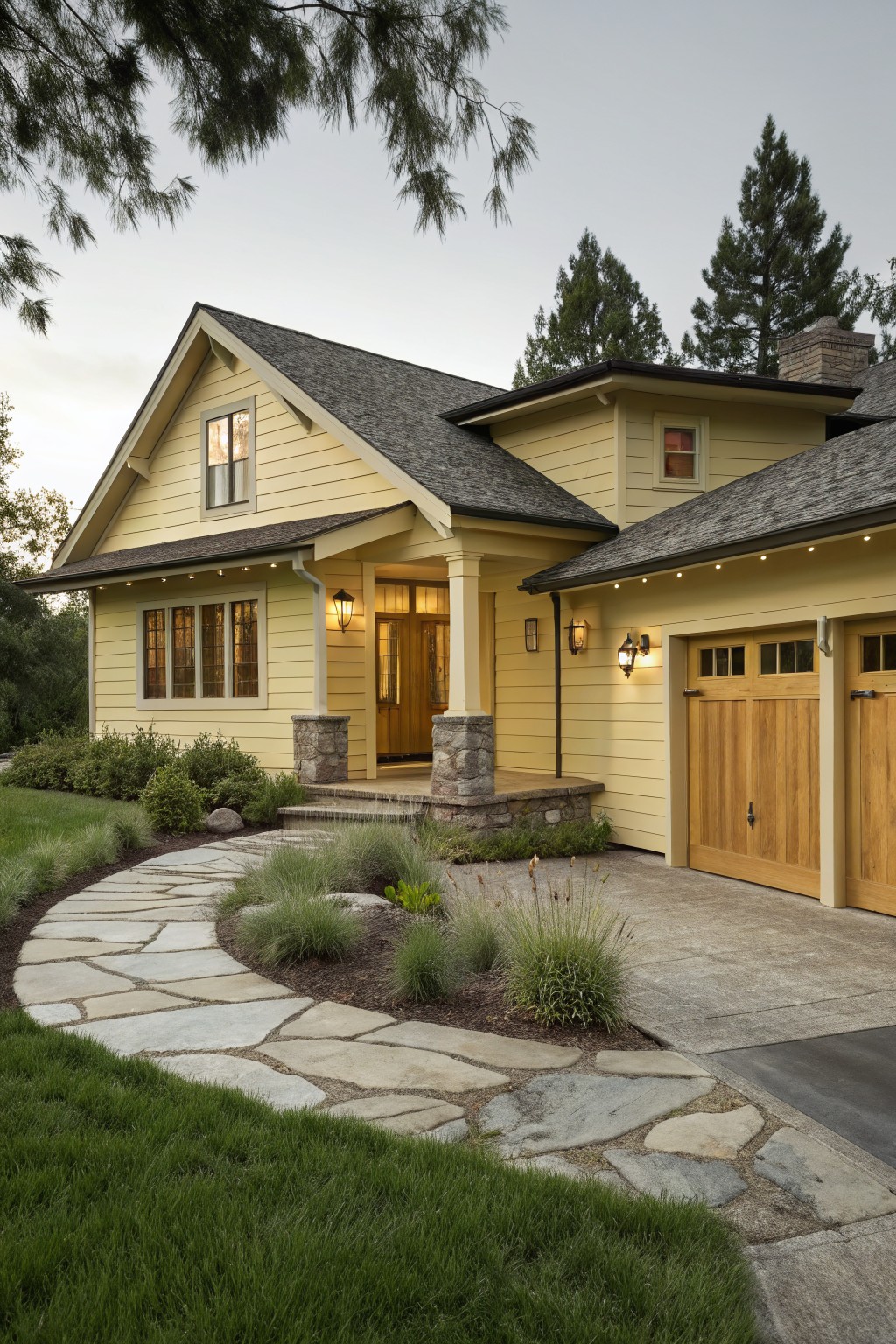
A soft buttery yellow like this brings real cheer to a Craftsman-style house. It stands out nicely against the green trees and grass without overwhelming the scene. The color picks up the warm tones in the wooden garage doors and stone porch pillars, making the whole front feel put together and welcoming from the street.
This paint shade works best on homes with simple gables and covered entries. It suits suburban spots with some trees around, where you want curb appeal that feels fresh year-round. Just pair it with darker trim and natural wood elements to keep things grounded. Avoid stark whites, though. They can make the yellow look too lemony.
Warm Yellow Craftsman Exterior
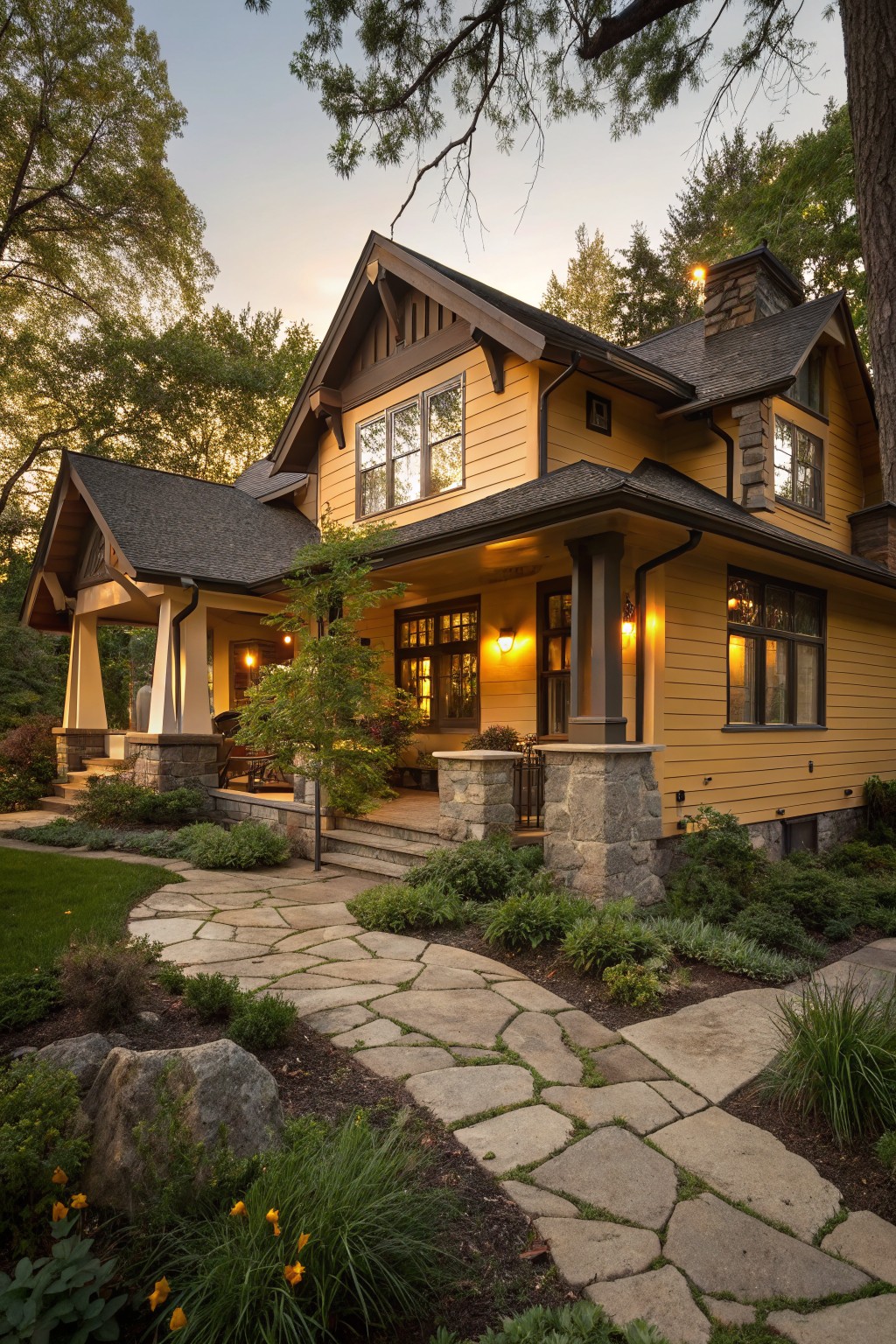
This Craftsman house uses a rich mustard yellow paint that makes the whole facade feel alive and welcoming right from the street. The color picks up the golden hour light nicely and stands out against the dark shakes on the roof and gables. Paired with those sturdy stone pillars on the porch it gives the place a solid, rooted look without being too bright or overpowering.
You can pull this off on older bungalows or any home with a deep porch and gabled roofline. Stick to a warm yellow tone like this one to avoid anything too lemony which might clash in shaded spots. Add dark trim around the windows and some natural stone details and it works great in wooded neighborhoods where the yellow cuts through all that green.
Vibrant Yellow on Rustic Cabins
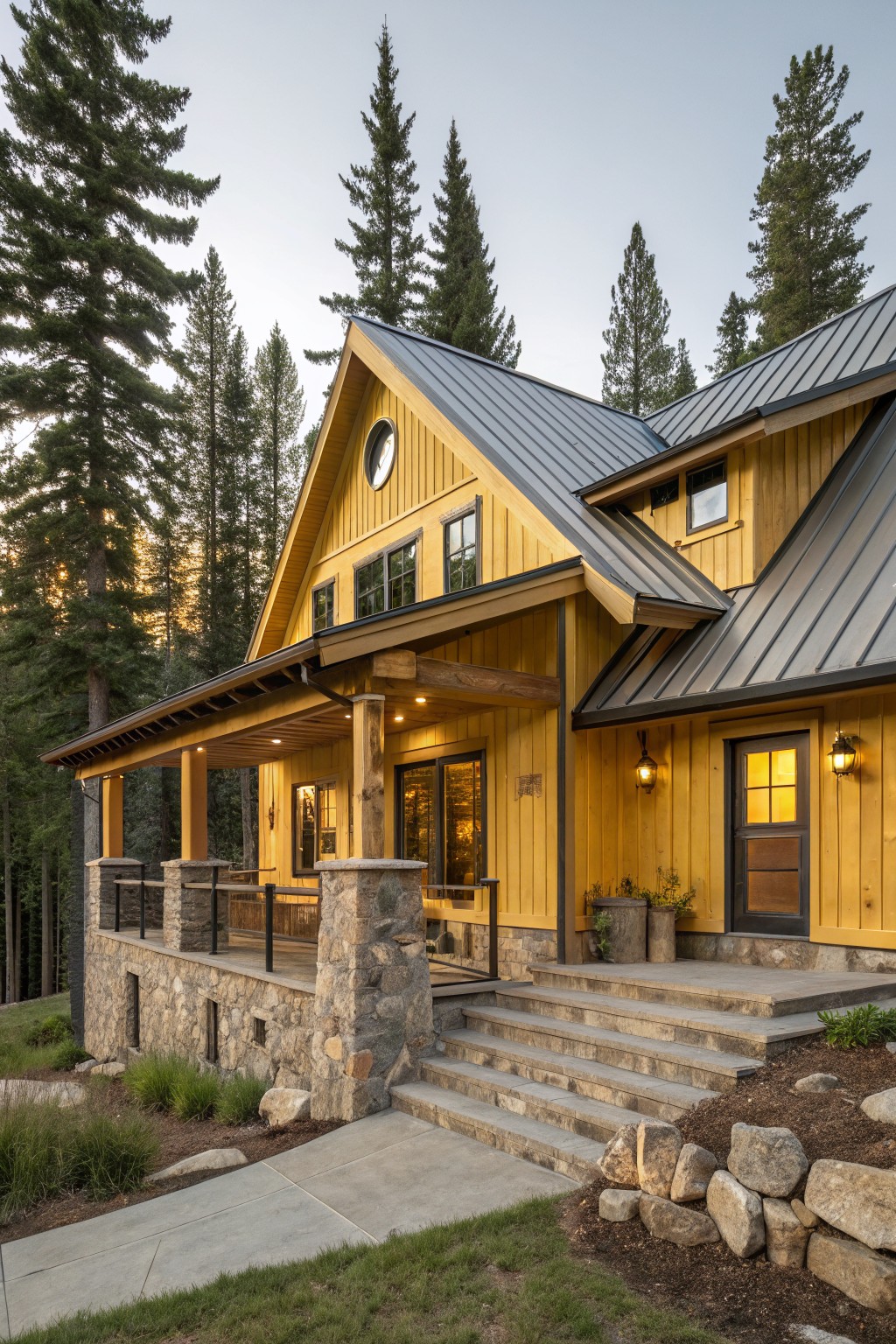
A bold yellow like this brings a cabin right out of the forest shadows. It coats the board-and-batten siding evenly, catching the light on those tall pines around it. Paired with a dark metal roof and rugged stone base, the color feels fresh but fits the rough mountain style. No wonder it pulls your eye up the steps to the porch.
Paint your own cabin or A-frame this way if it’s tucked into trees or hills. The yellow wakes up the wood without clashing, especially against evergreens. Pick a durable exterior paint rated for full sun. Skip it on super-modern homes though. It suits that cozy, lived-in look best.
Yellow Accents on a Gray House
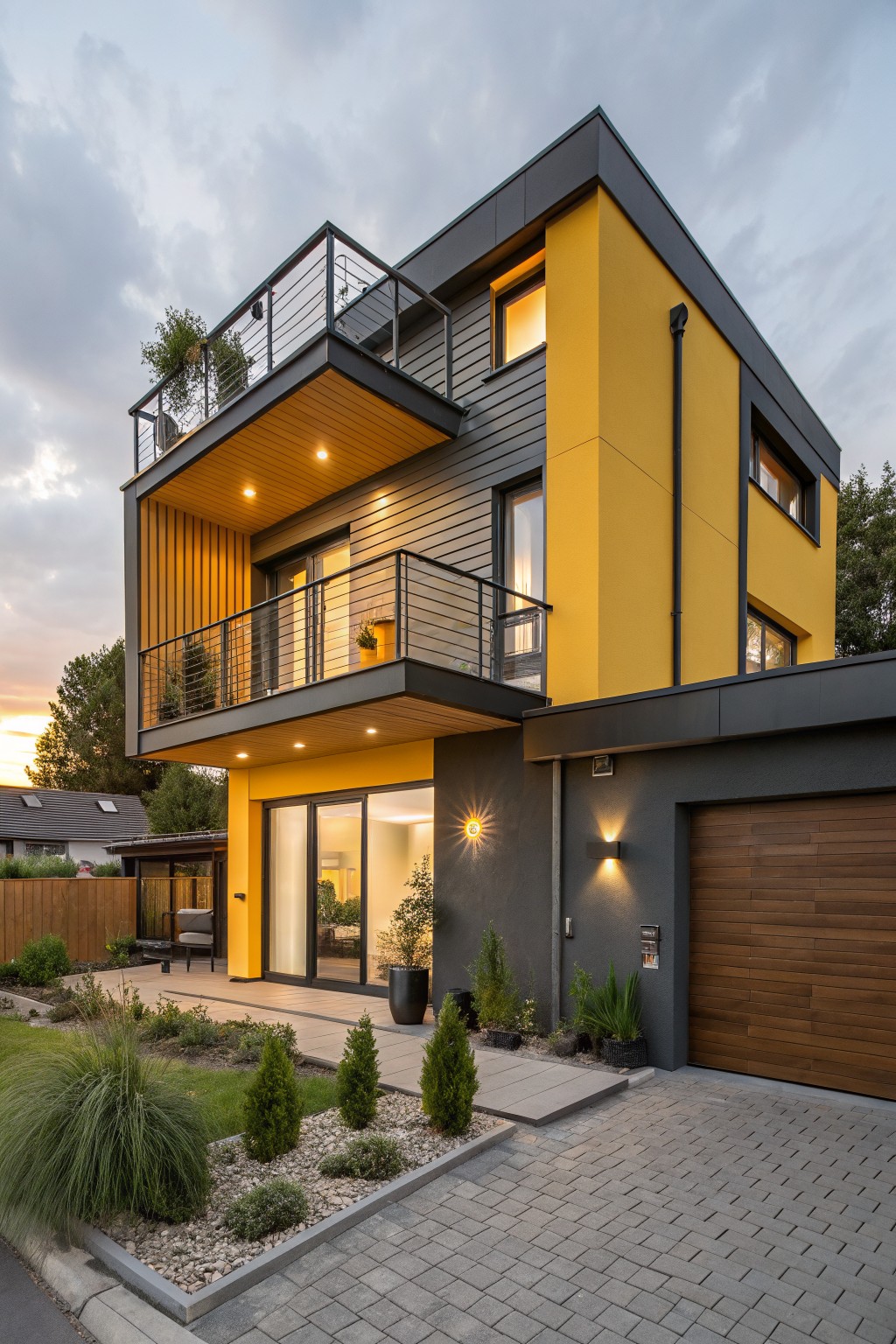
Bright yellow paint shows up strong here on the cantilevered upper sections and one main wall. Against the dark gray siding it creates a clean modern look that catches the eye right away. The simple balcony railing and wood garage door keep things balanced without pulling focus from those yellow parts.
This setup fits boxy contemporary homes on a standard lot. Use yellow just on protruding areas or corners, no more than a third of the front. It holds up okay in partly shaded spots but might need touch-ups every few years if the sun hits hard. Gray keeps the rest low-key and easy to live with.
Warm Yellow Stucco Walls
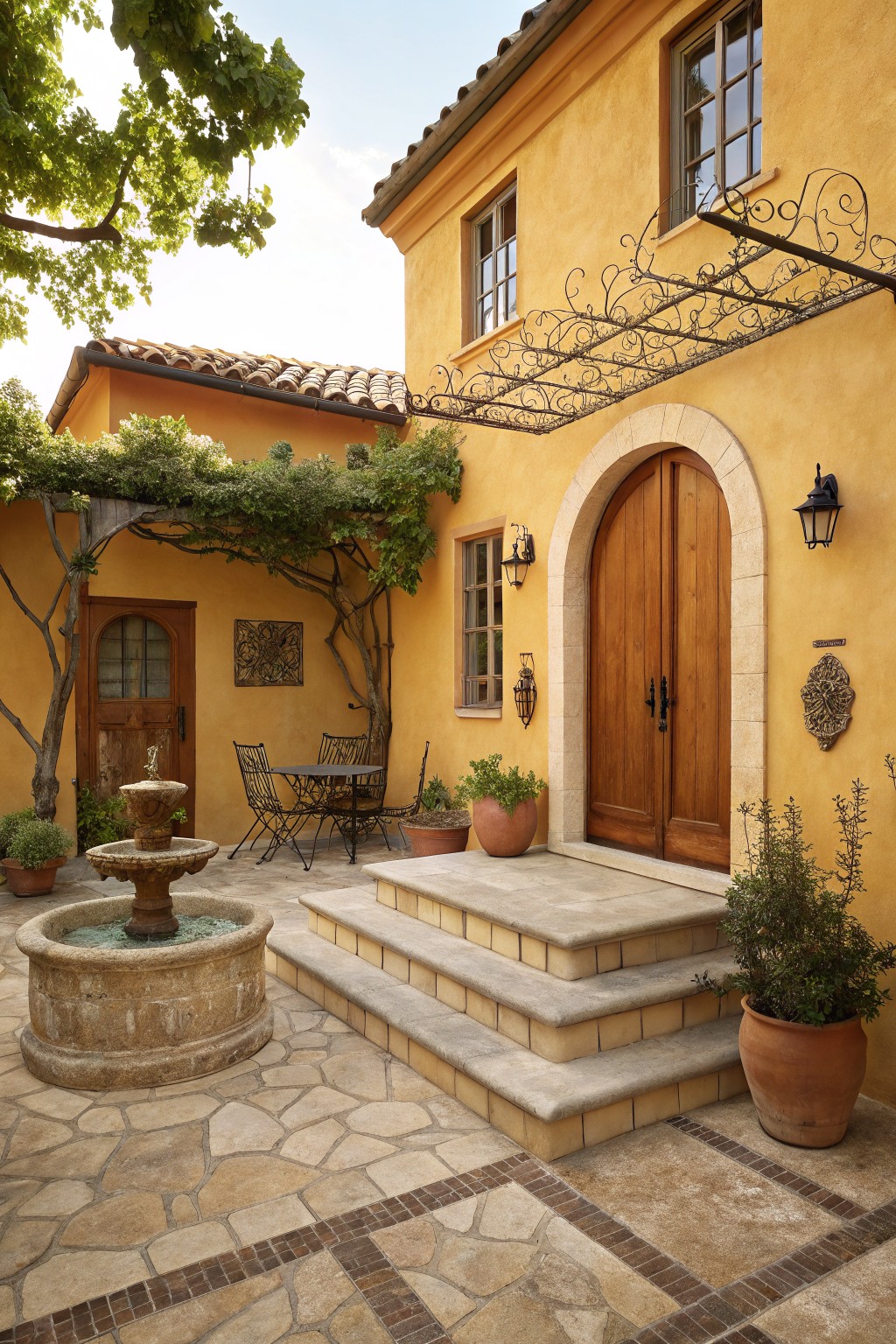
A soft, sunny yellow on stucco gives this house a cozy Mediterranean feel right from the street. It picks up the terracotta roof tiles nicely and lets the arched wooden door stand out without overpowering things. That warm tone works because it catches the light all day, making the place look alive even on overcast mornings.
Try this shade on low-slung homes with tile roofs or courtyards out front. It suits warmer climates best, where you want that baked-in glow. Pair it with stone steps or a simple fountain nearby to keep the look grounded. Just test a few samples first, since yellow can shift a lot under different lights.
Warm Yellow Facade with Dark Roofs
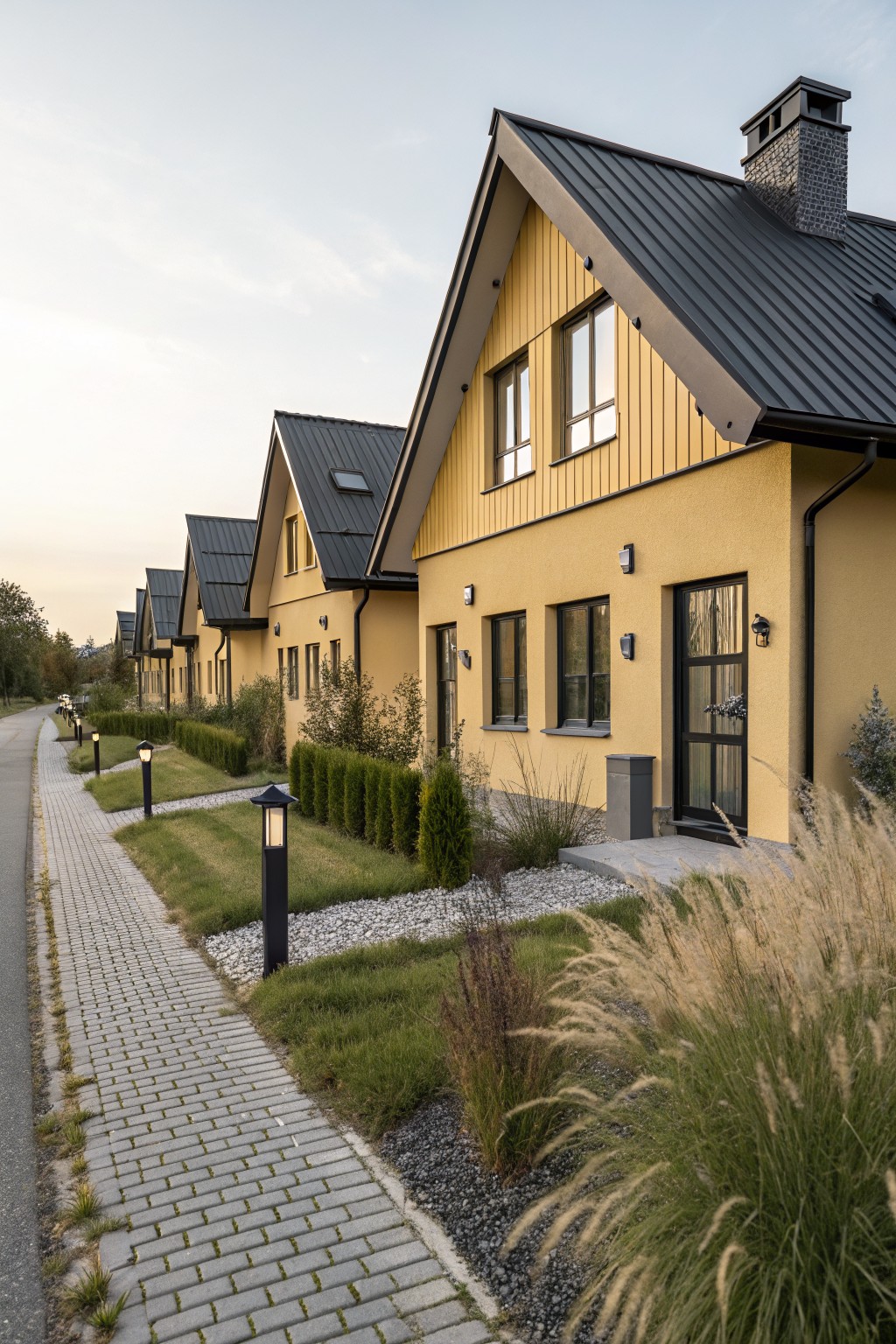
A warm yellow paint like this one covers the walls nicely, and it really pops next to the dark metal roofs. That contrast gives the whole row of houses a clean, modern look that feels welcoming from the street. The yellow isn’t too bright. It stays soft enough for everyday living but still catches the eye at dusk with those path lights.
You can pull this off on homes with simple rooflines and wood accents around the windows. It suits suburban spots or new builds where you want curb appeal without much fuss. Just pair it with low-key landscaping, like gravel beds and tall grasses, to keep things balanced. Watch the roof color though. Dark works best here.
Soft Yellow Trim on Brick Houses
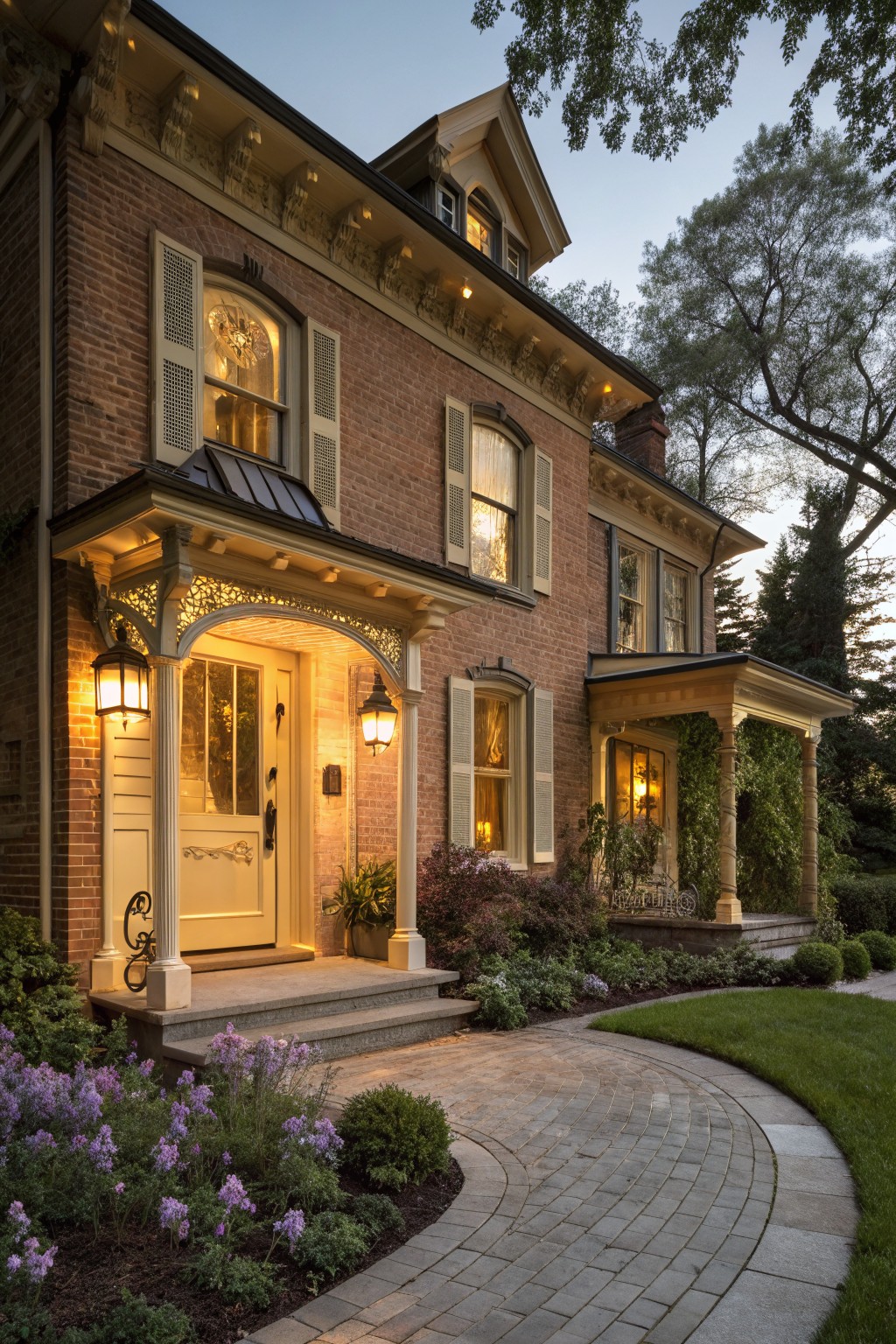
Brick homes have a solid, timeless look. But adding soft yellow trim around the windows, porch, and door brings a fresh warmth that makes the place feel more welcoming right away. In this setup, the pale yellow picks up the brick’s red tones without clashing. It works especially well at dusk when the lanterns glow against it.
Try this on older homes with good bones, like Victorians or colonials. Paint the trim and door in a creamy yellow shade, then keep the brick natural. It suits front porches where you want that homey pull. Just stick to muted yellows so it doesn’t shout.
Frequently Asked Questions
Q: How do I pick a yellow shade that won’t wash out in shady spots?
A: Lean toward warm golden yellows with some orange undertone. They brighten dim areas without looking dingy. Slap a sample on your wall and check it morning and evening.
Q: What trim color makes yellow siding pop without clashing?
A: White trim frames yellow perfectly. It adds clean contrast that draws the eye. Test a few whites to match your roof.
Q: Will yellow hide dirt and mildew on my exterior?
A: Warmer yellows camouflage grime better than cool pale ones. Hose it down regularly to keep the fresh look. And skip super glossy finishes, they show everything.
Q: Can I use yellow on a house with brick accents?
A: Paint the siding yellow and leave brick natural. The texture contrasts nicely for depth. Seal the brick first to avoid moisture issues.
