

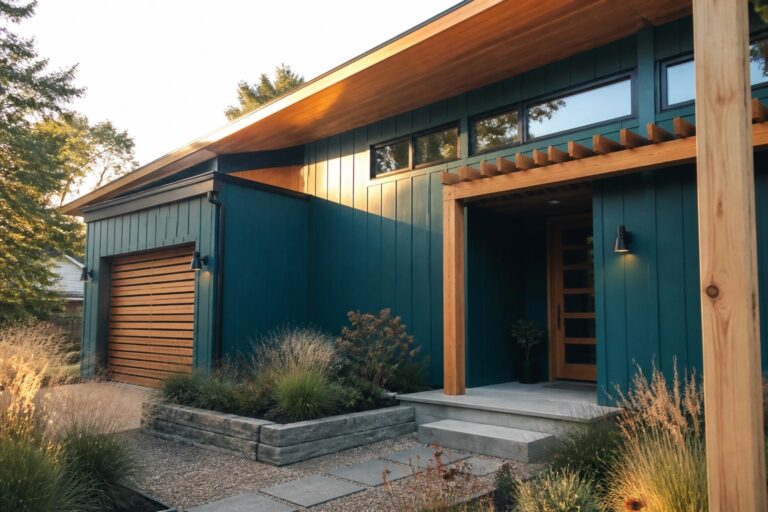
I tend to notice right away when an exterior color choice makes the whole house feel more settled into its surroundings instead of just standing out.
Teal can pull that off when it is paired with wood tones that echo the trees or other natural elements already on the property.
The cedar accents in these cases do more than add contrast.
They also change how the teal sits against the roofline and entry details once you see the house from the street.
That balance is what I would test first on my own place.
Cedar Accents Balance Bold Teal Exteriors
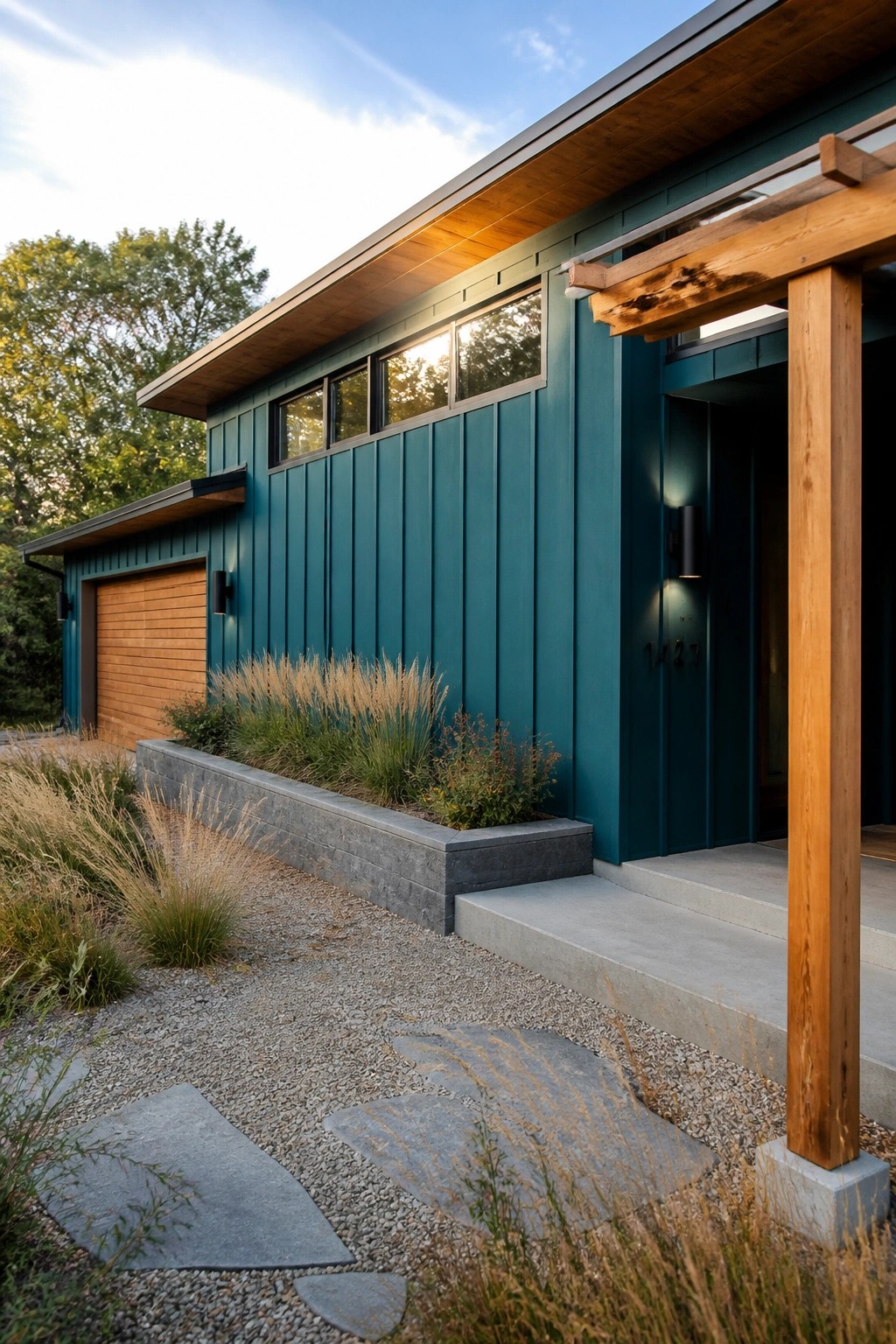
Teal house paint can feel strong on its own, so many homeowners add natural cedar to bring in some warmth. The wood tones cut the intensity of the color without dulling it, and the contrast keeps the whole look grounded.
This works best on homes with simple shapes where the siding and wood details can stand out clearly. Use it on garage doors, entry posts, or small overhangs rather than covering large areas. Keep the wood finish natural so it ages evenly with the paint.
Teal Siding With Cedar Accents
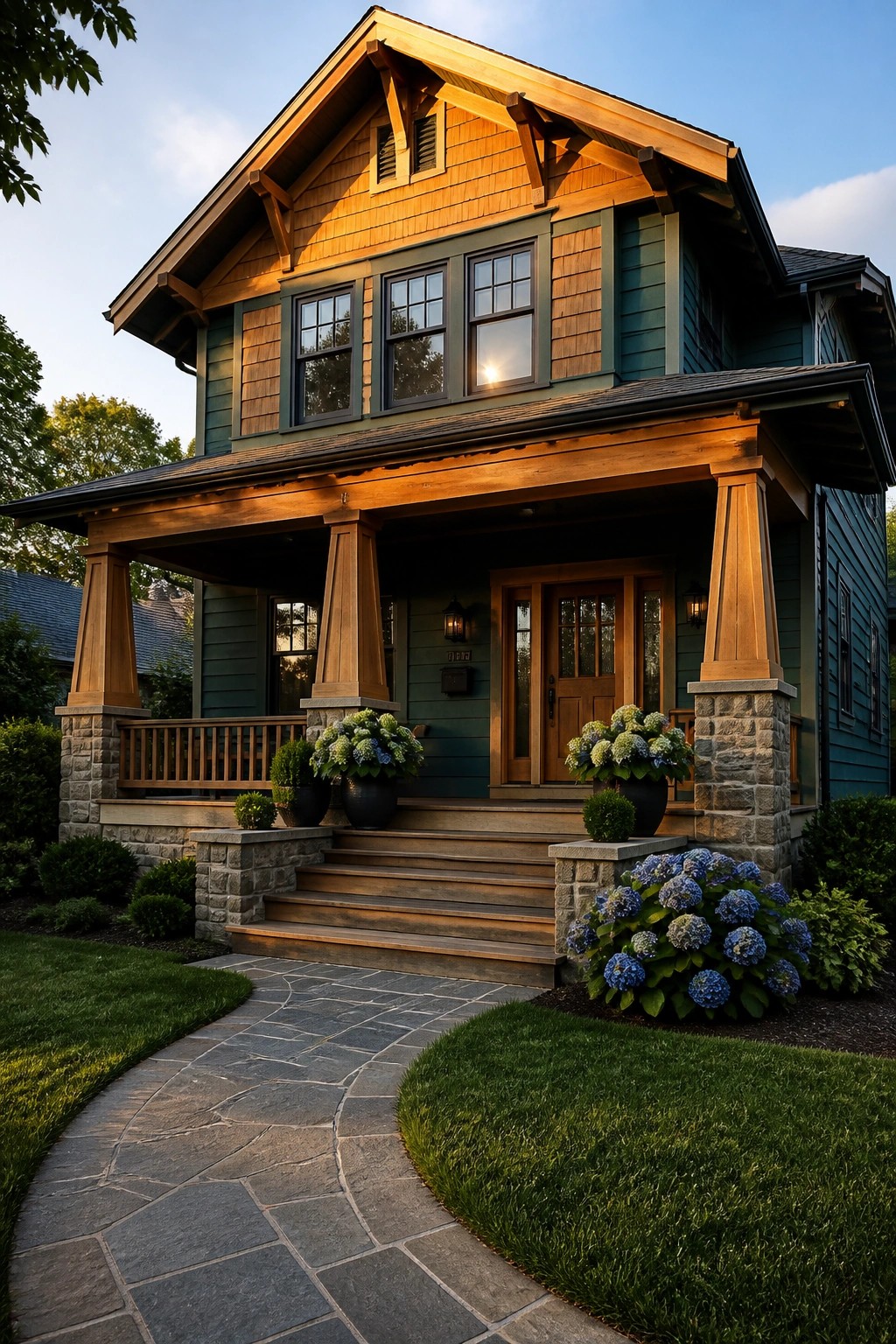
Teal siding stands out more when it sits next to natural cedar wood. The cool color makes the grain and tone of the wood feel warmer by comparison.
This works best on homes that already have porch posts or trim in wood. Keep the cedar in its natural finish so the teal stays the main color without looking too flat.
Modern Teal Siding With Focused Cedar Trim
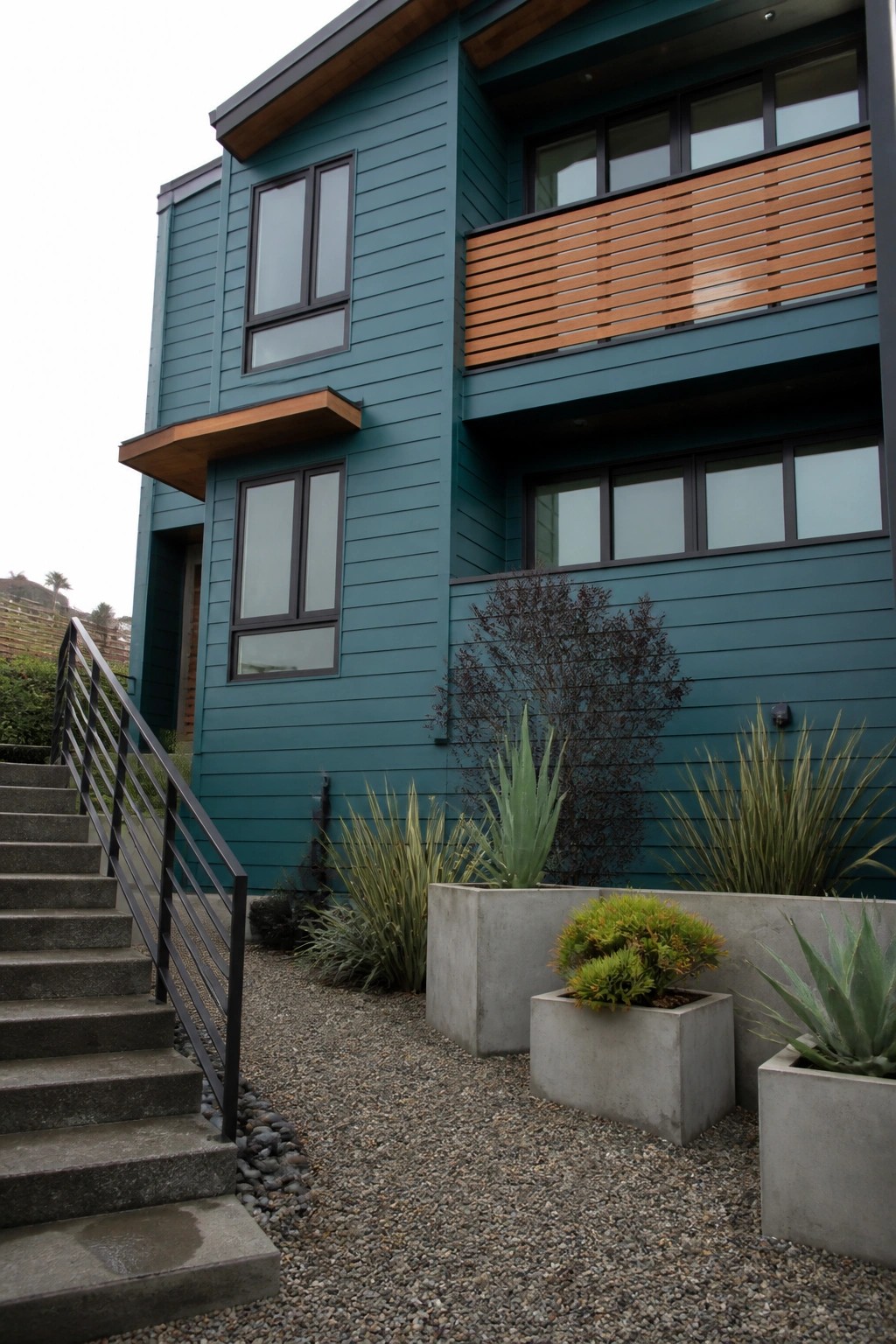
Teal house paint stands out more when you add natural cedar in a few spots. The wood softens the color and gives the whole front a warmer look without changing the main shade.
This works best on modern homes that already have clean lines and simple window shapes. Use the cedar on railings, overhangs, or trim so it reads as a deliberate accent rather than scattered wood pieces.
Cedar Accents On Teal House Exteriors
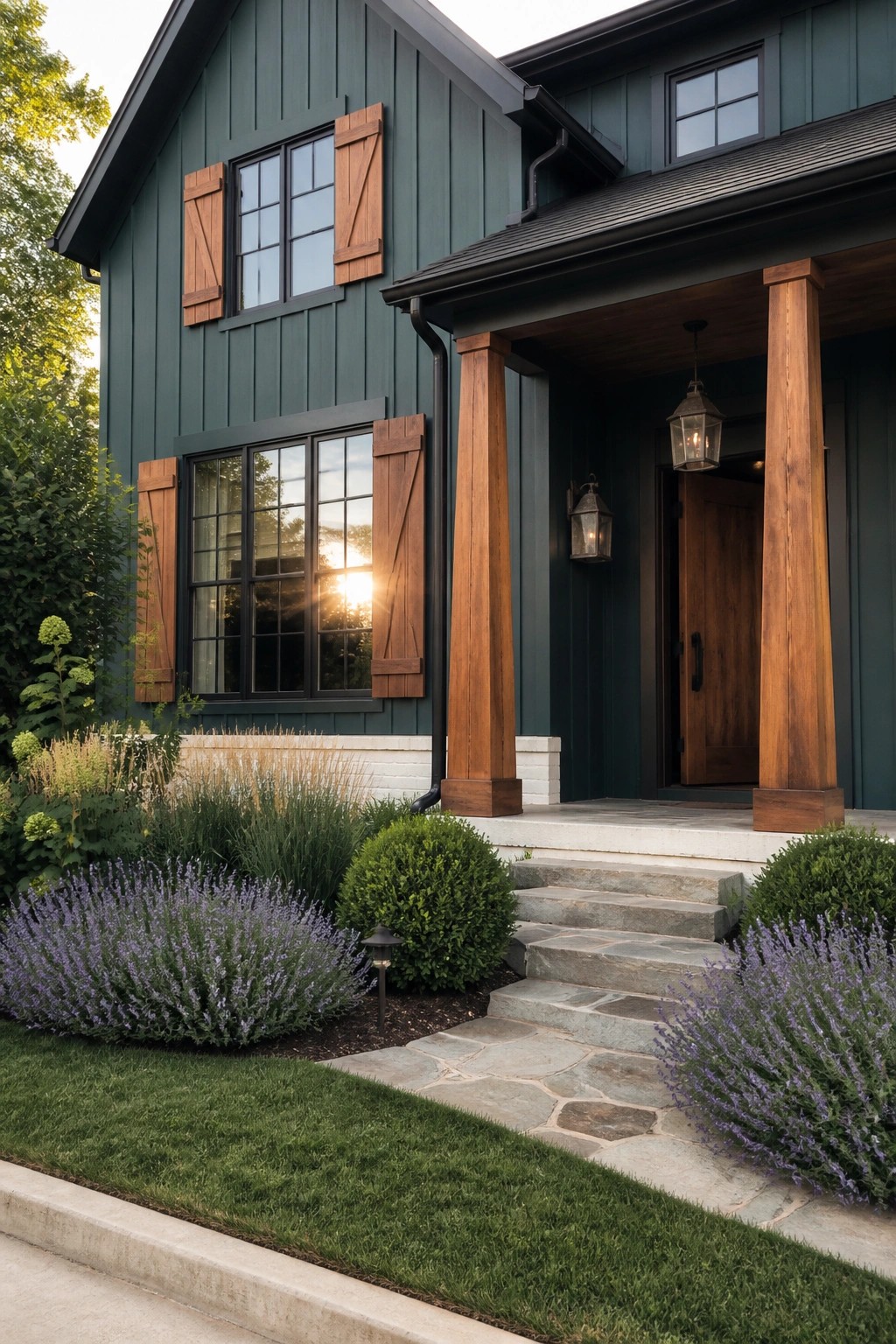
Deep teal siding gains a lot from natural cedar details. The wood softens the color and adds warmth without competing with it. On this house the cedar shows up on the porch columns and shutters, which helps the teal read as rich rather than heavy.
This combination suits homes with straightforward shapes and visible rooflines. Use the wood on structural pieces like posts or on shutters if the windows need more weight. Keep the cedar unfinished or lightly sealed so it weathers evenly with the paint.
Vertical Cedar Slats Frame the Front Entry
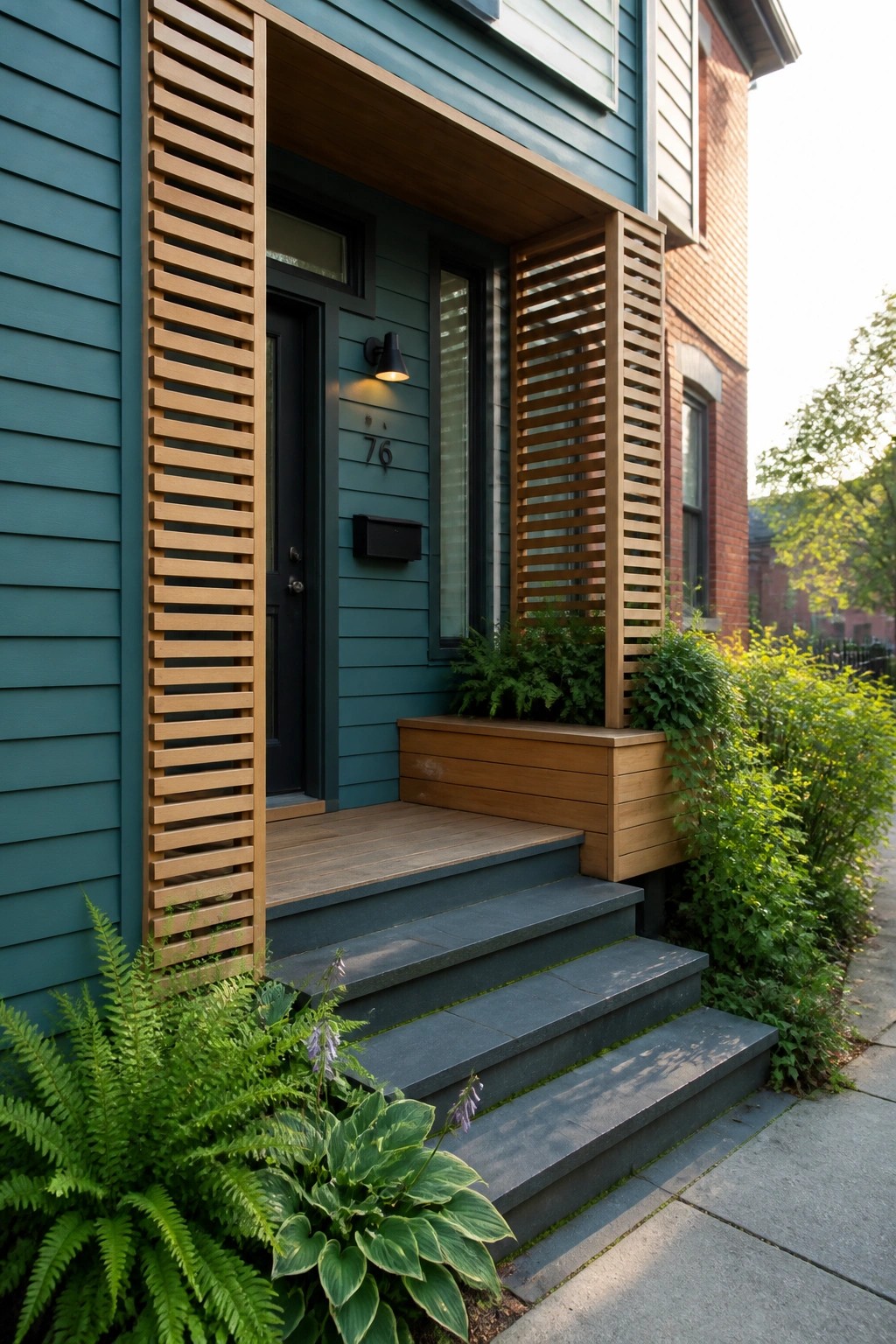
Vertical cedar slats add a simple structure that helps the teal siding feel more grounded. They create a natural contrast without needing extra trim or bold hardware.
This approach suits homes with straightforward entries and modest porches. Keep the wood tone consistent with any decking or planters so the look stays cohesive rather than busy.
Teal Siding Balanced by Cedar Deck and Trim
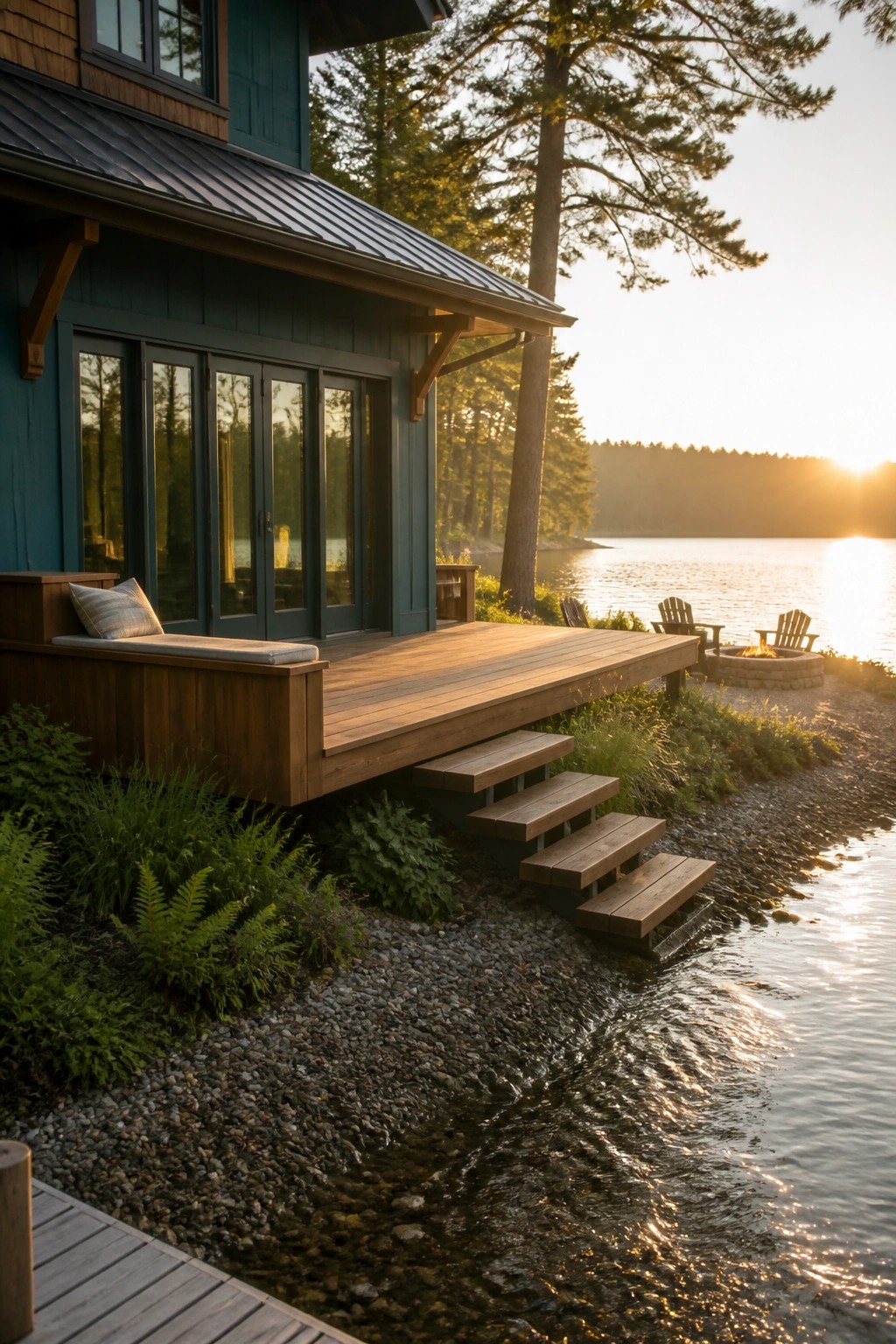
A deep teal on the house siding pairs naturally with cedar in the deck and trim. The color gives the exterior some weight while the wood keeps it from looking too stark or flat.
This approach works best on homes set near water or trees where the teal can pick up the surroundings. Use the wood in larger areas like decks or porch floors rather than just small trim pieces so the two materials balance each other.
Natural Cedar Beams and Posts Against Teal Siding
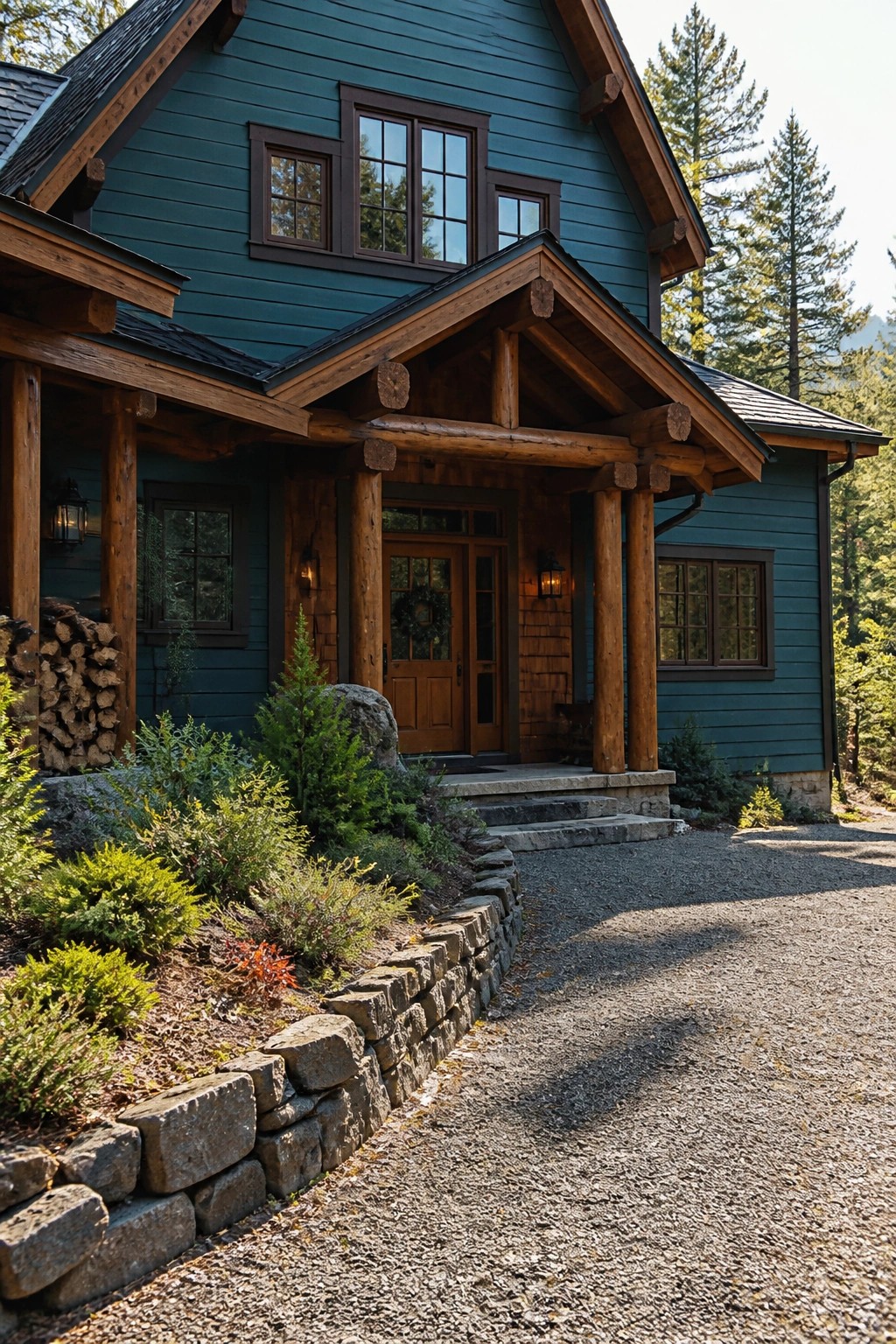
The teal on this house stays grounded because the cedar wood is used in big structural pieces rather than just trim. That mix lets the color feel bold without taking over the whole look.
This approach works best on homes with a simple roofline and some overhangs. Keep the wood in natural tones and use it on the porch posts, beams, and window frames so the teal has clear places to stop.
Teal Exteriors with Cedar Accents
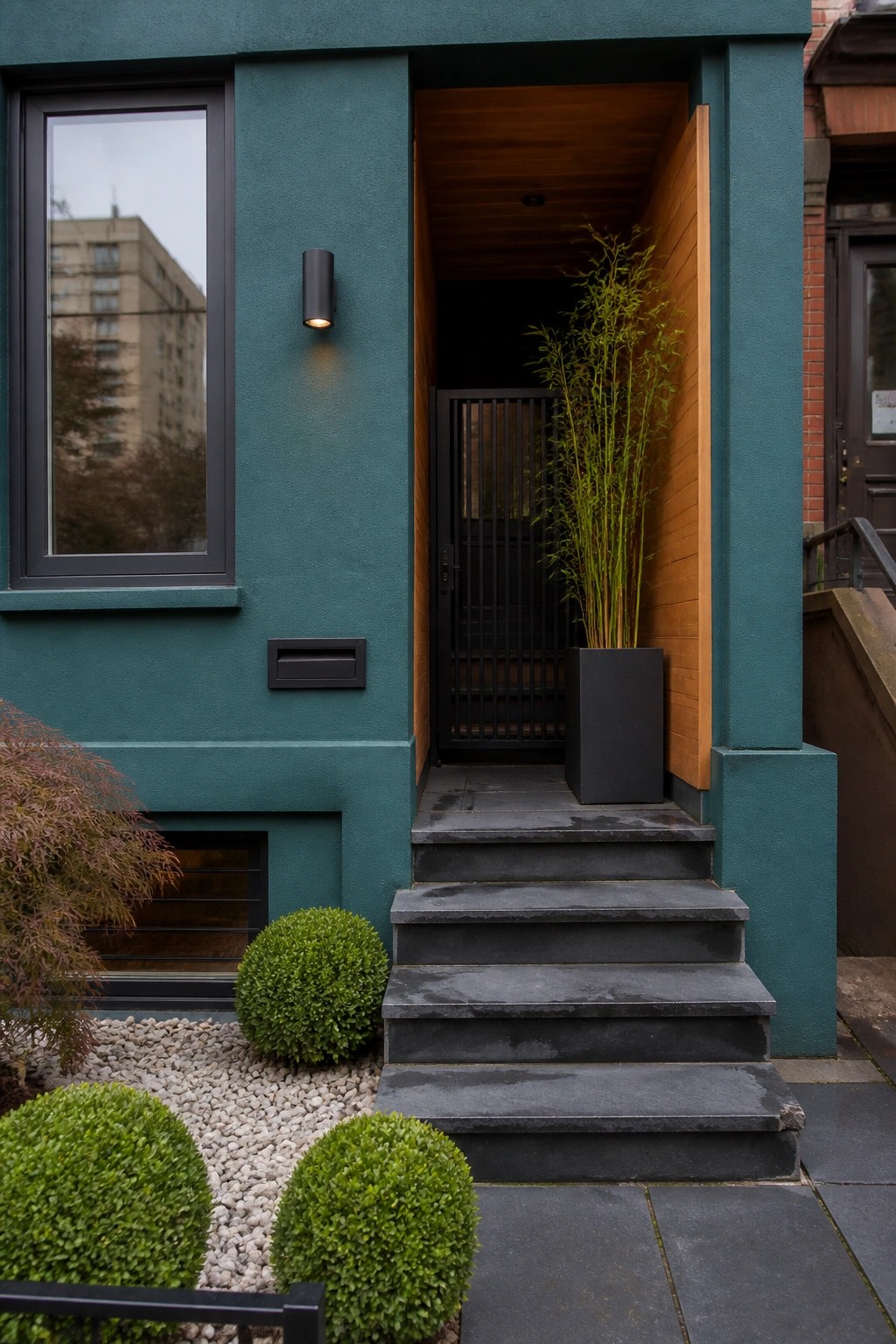
Deep teal paint on a house exterior can feel bold on its own, but adding natural cedar panels around the entry keeps the color from looking too flat or cold. The wood brings warmth and texture that balances the strong jewel tone and helps the front feel more inviting.
This approach works well on modern or updated homes where the goal is contrast without going overboard. Keep the wood tone natural rather than stained dark, and use it in small sections like an entry surround or door frame so the teal stays the main color.
Using Natural Wood To Warm Up Teal Siding
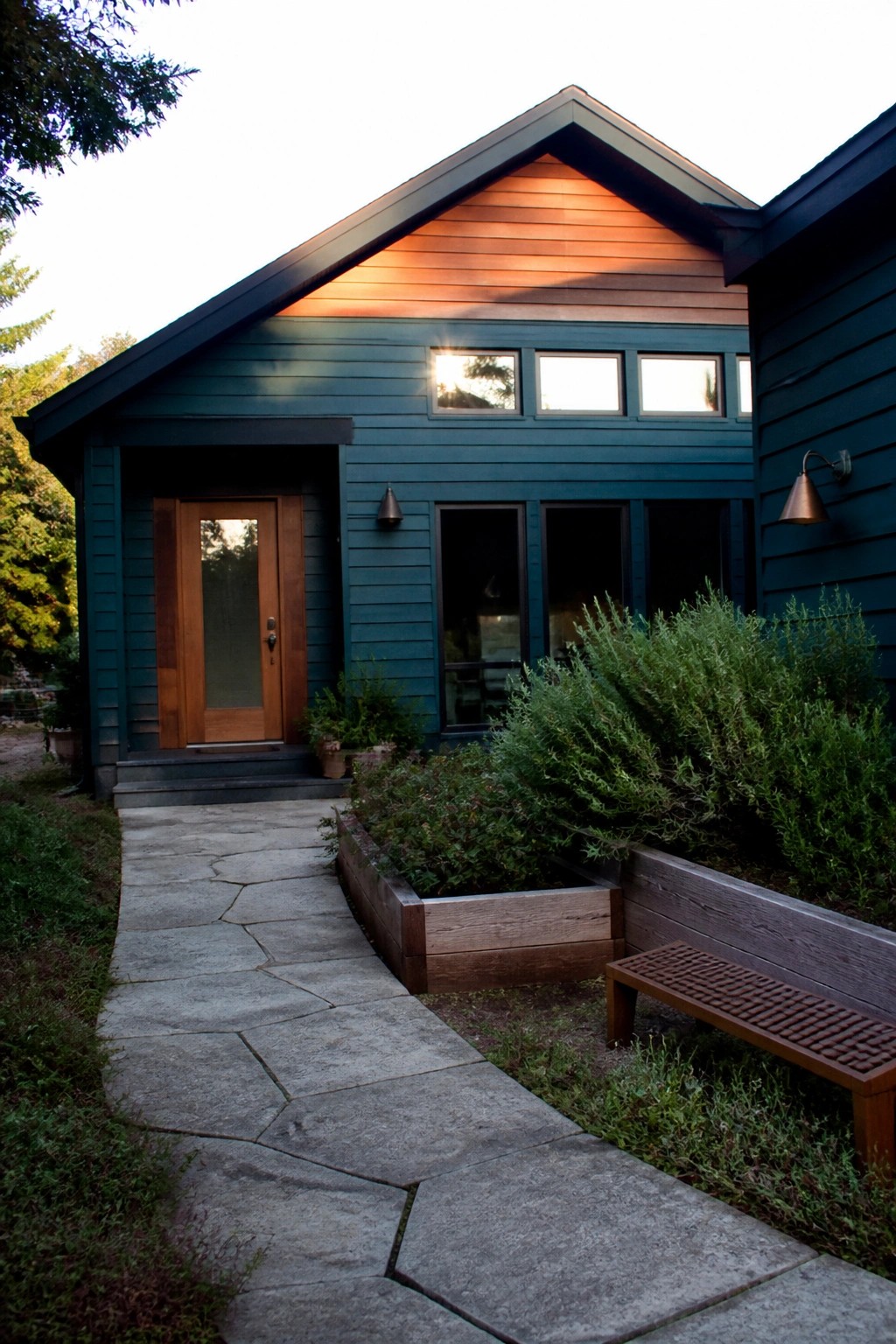
A deep teal can make a house exterior feel bold, but it often needs something to keep it from looking flat or chilly. Natural cedar on the door and a few built-in accents does that job by adding warmth and texture right where it matters most.
This works especially well on homes with straightforward shapes and simple rooflines. Limit the wood to the entry door and one or two nearby elements like a bench or planter so the teal remains the main color while the cedar softens the overall look.
Teal Siding With Natural Cedar Accents
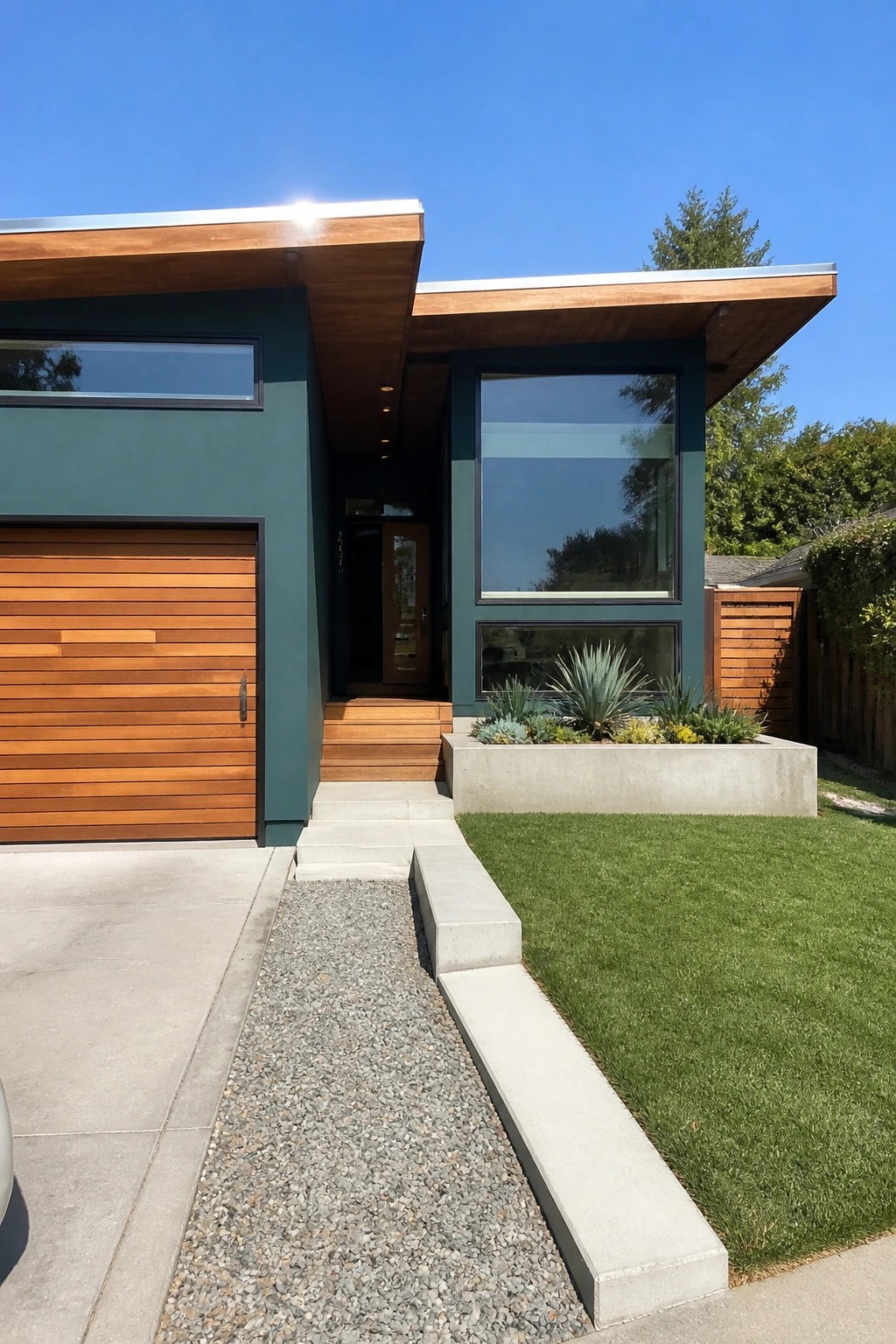
A deep teal works well on house exteriors because it gives the facade presence without needing lots of extra detail. The wood tones keep the color from feeling too cold or flat, especially when used on larger areas like overhangs or garage doors.
This approach suits simpler modern homes that already have clean shapes. Use the cedar in a few key spots rather than covering everything, and make sure the teal is dark enough to let the wood stand out.
Teal Gable and Trim With Natural Cedar Details
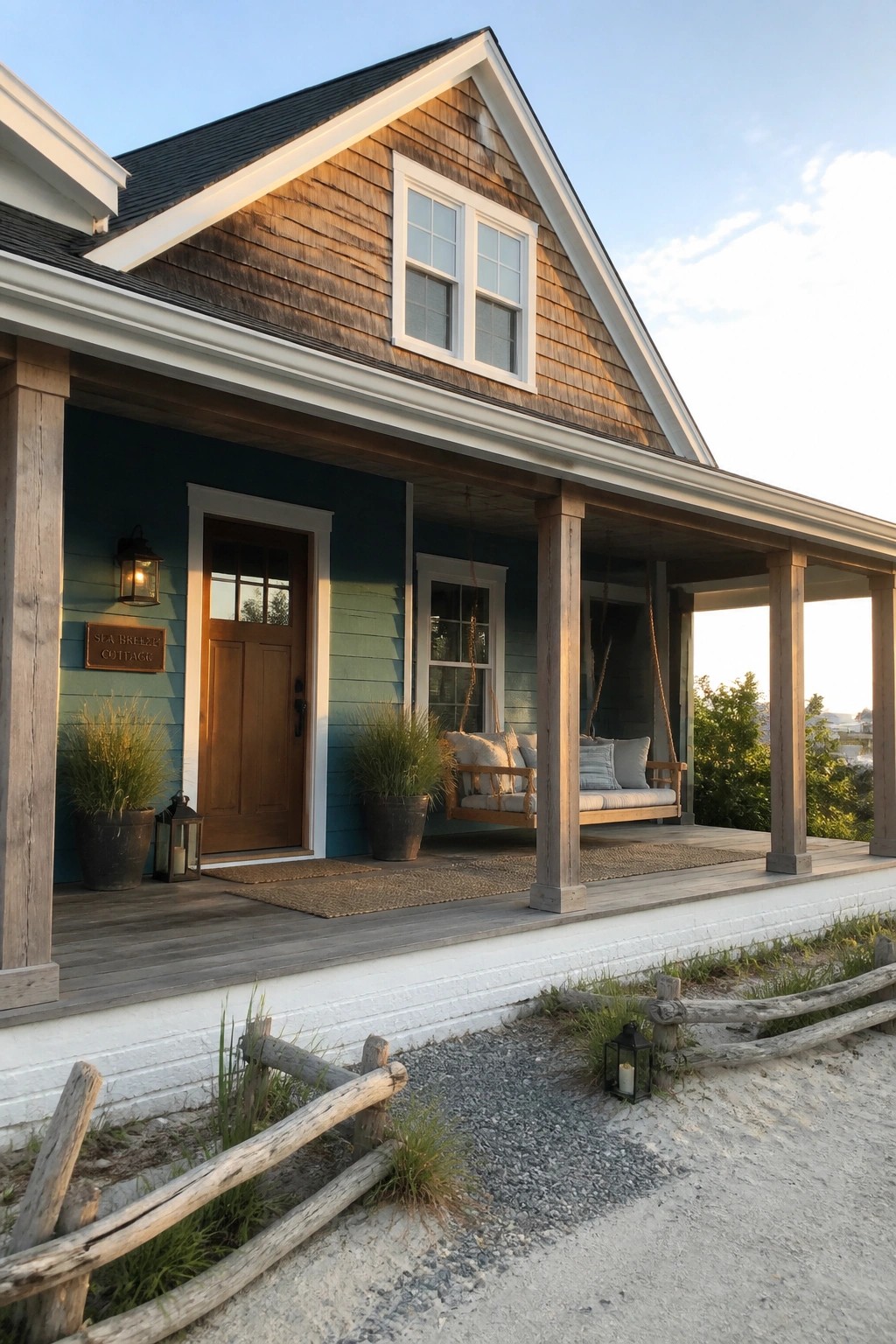
A deep teal on the main walls gives a house real presence without looking heavy. The natural cedar on the gable, posts, and trim keeps the color from feeling too bold and adds warmth that plain paint alone cannot provide.
This approach works best on smaller homes or cottages where you want the color to stand out but still feel tied to the landscape. Keep the wood unstained or lightly sealed so it weathers evenly with the teal over time.
Teal Siding Works Well With Cedar Accents
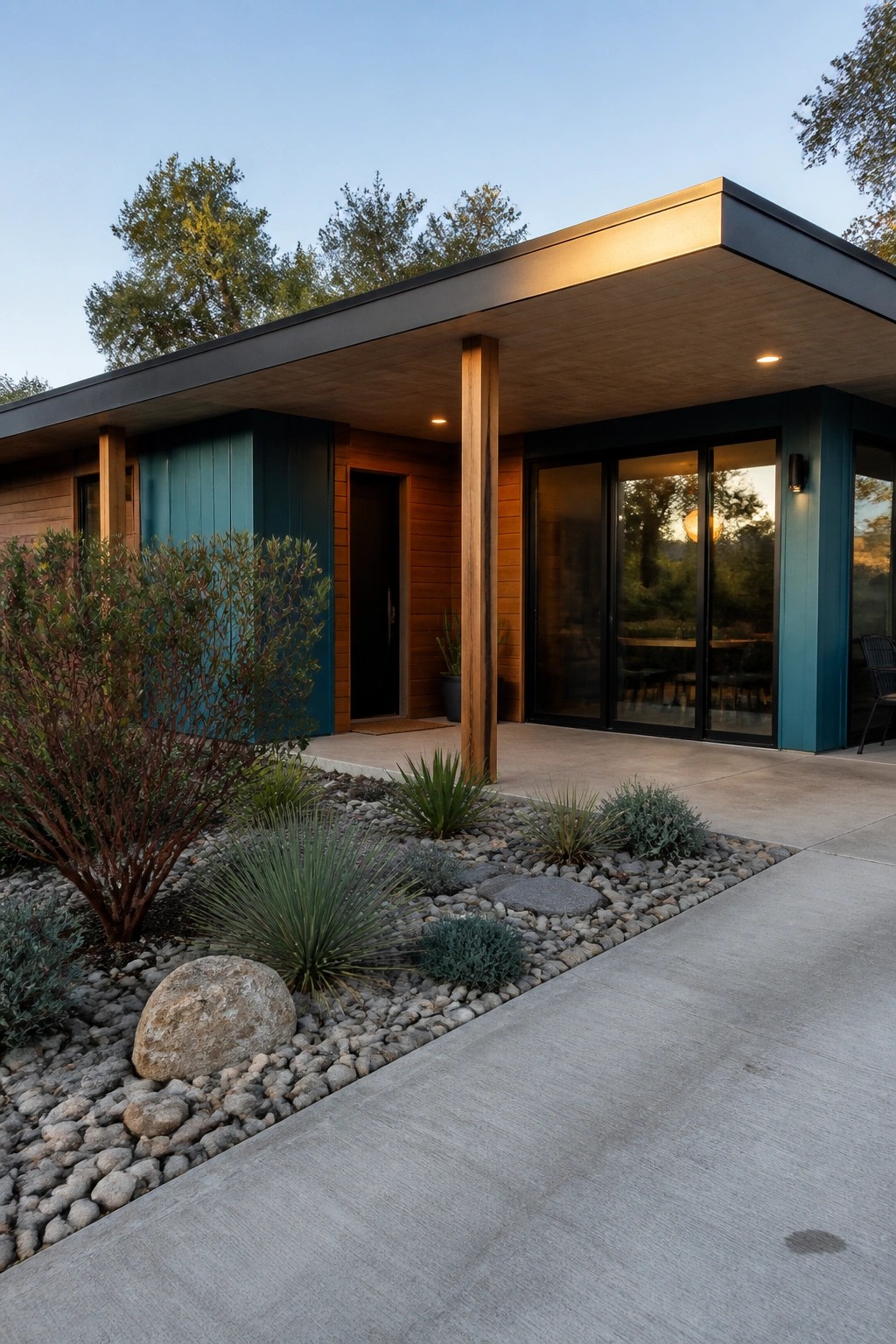
A strong exterior color like teal can feel too stark on its own, but pairing it with natural cedar keeps the look grounded. The wood brings warmth and texture that shifts through the day, while the teal gives the house a clear identity without needing lots of extra detail.
This mix works best on modern homes with simple shapes where the two materials can sit side by side in large blocks. Use the teal on main walls and cedar on posts, trim, or smaller sections so the wood does not get lost.
Cedar Details Balance Bold Teal Exteriors
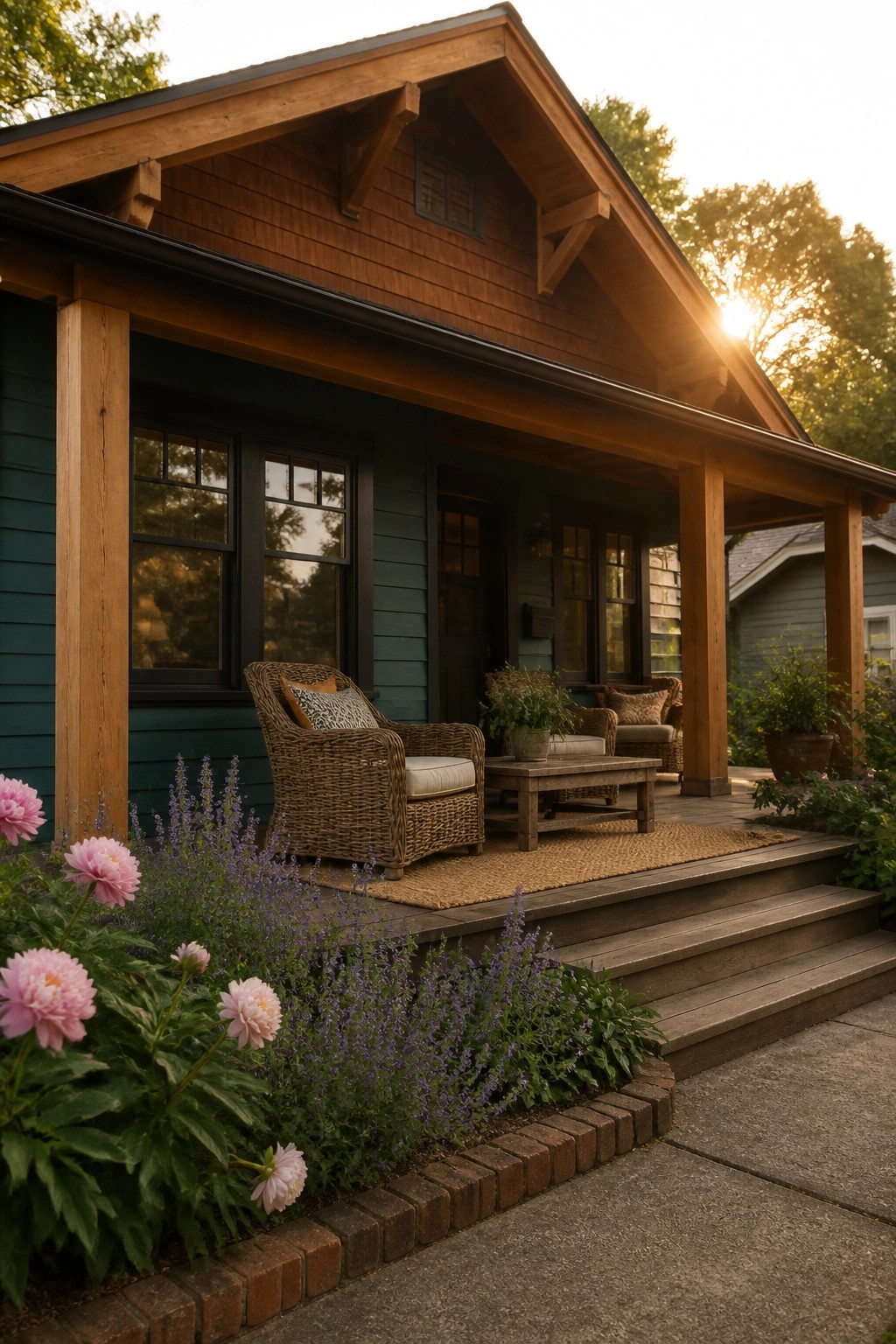
Teal siding can feel a bit stark on its own, so adding natural cedar trim and porch structure helps soften the look. The wood brings warmth and texture that keeps the color grounded instead of overwhelming the house.
This works best on homes with deep eaves or covered porches where the cedar stays protected. Focus the wood on posts, beams, and window trim rather than spreading it everywhere so the teal still reads as the main color.
Teal Exterior Walls With Selective Cedar Sections
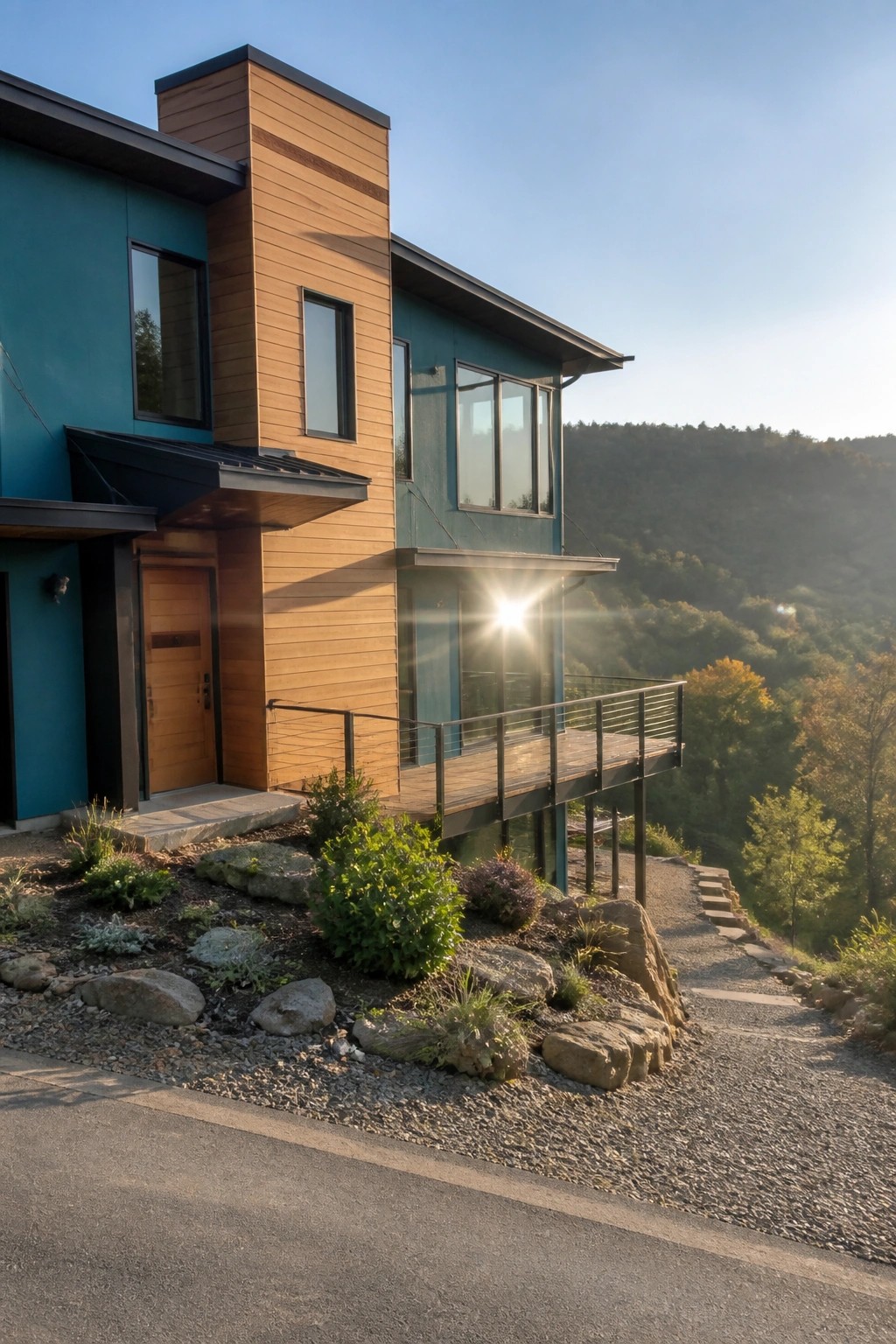
Teal makes a strong base color on an exterior because it holds up against changing light and still leaves room for other materials. Pairing it with cedar gives the house a clear contrast without needing extra trim or decoration.
This combination works best on homes with simple shapes and some height changes. Put the teal on the main walls and use cedar on smaller sections like entries or upper stories so the wood reads as an accent instead of competing for attention.
Teal Walls With Natural Wood Accents
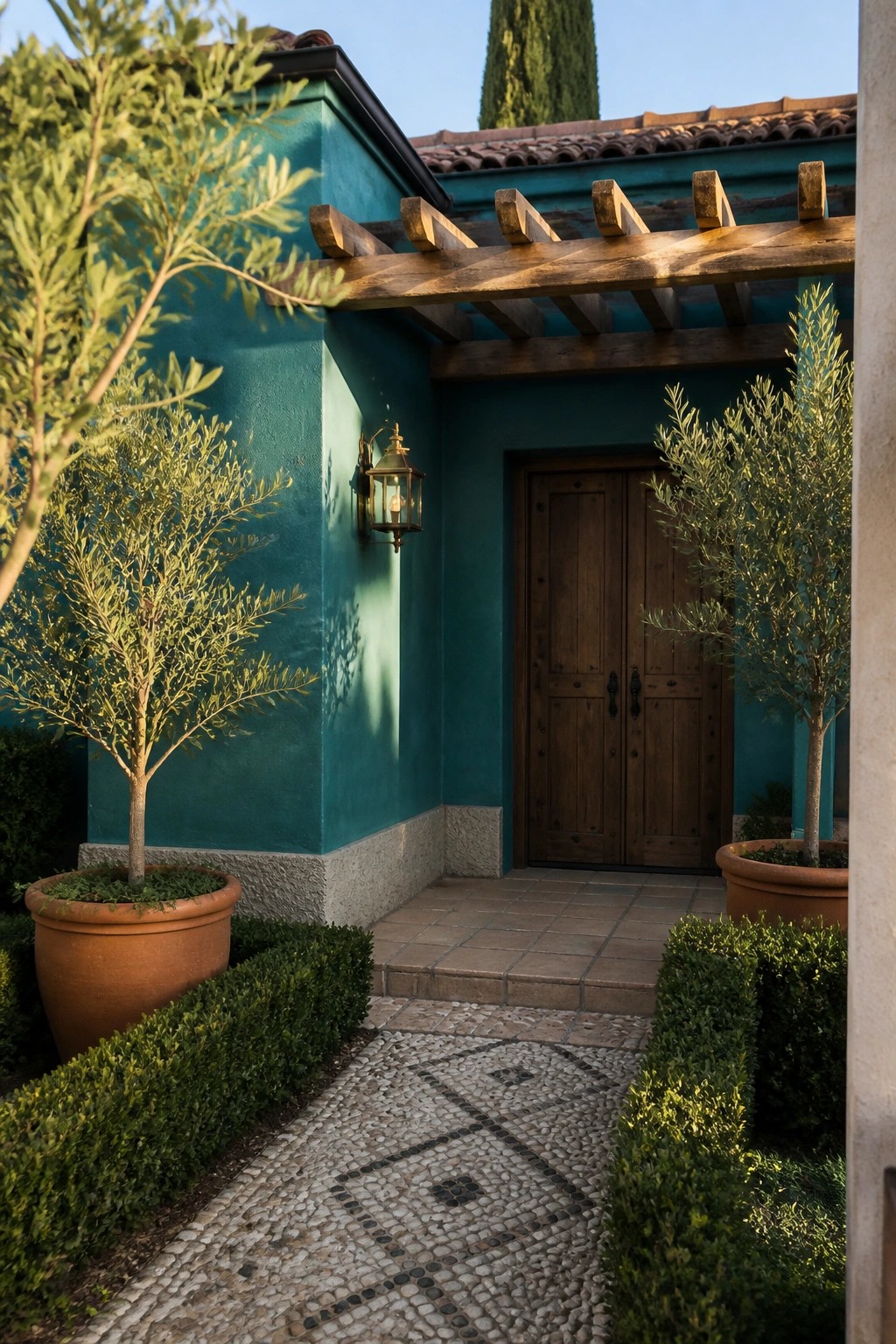
A strong teal on the outside walls gives a house real presence without needing a lot of extra detail. The color holds up well against sunlight and pairs naturally with unpainted wood like a pergola or door frame, which keeps the look grounded instead of overly bold.
This works best on homes with simple stucco or plaster walls where the teal can read as a single strong statement. Keep the wood tones warm and untreated so they age evenly with the paint, and limit the teal to the main body rather than every trim piece.
Deep Teal Walls With Cedar Garage and Entry Details
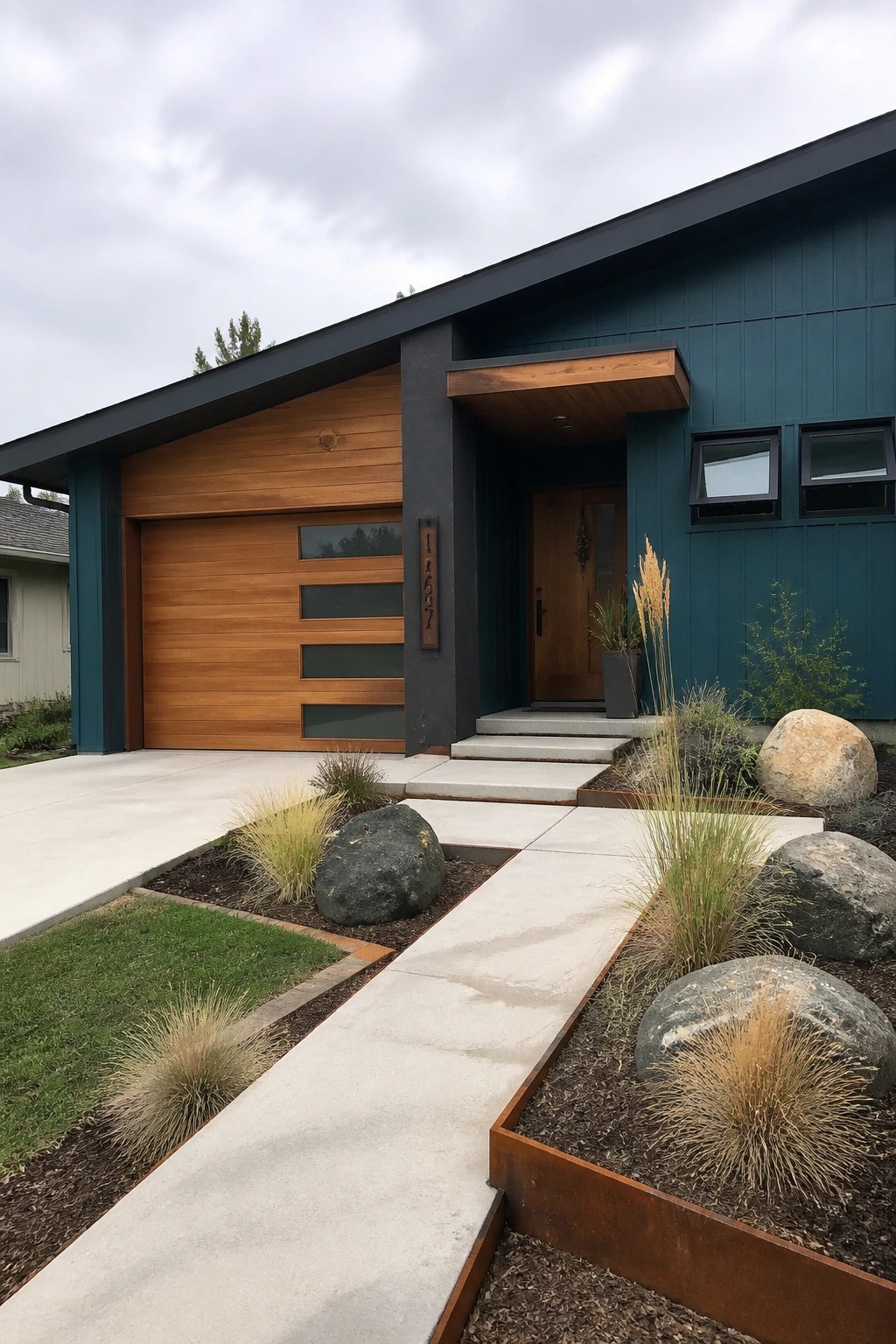
A deep teal finish on the main walls gives a house real presence, but it can feel a bit stark on its own. Adding natural cedar in key spots like the garage door and entry overhang brings warmth and breaks up the color without softening the overall look too much.
This approach works best on simpler modern shapes where the wood can stand out as a single accent material. Keep the cedar in limited areas so it reads as a deliberate choice rather than scattered trim, and let the teal stay the dominant color on the rest of the facade.
Teal Trim With Cedar Shingle Siding
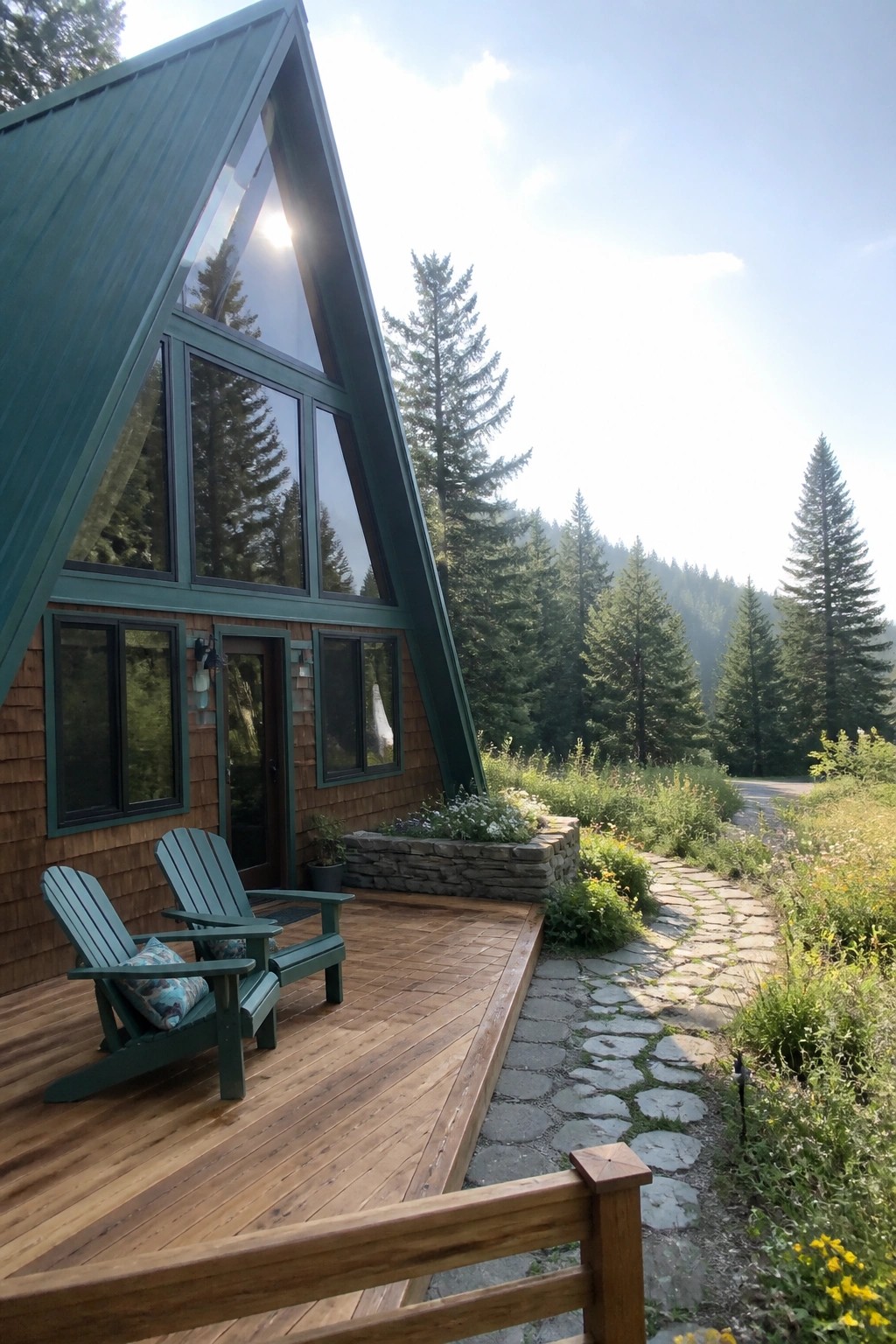
Teal brings a strong color note to an exterior when it is used mainly on trim and roofing rather than the whole wall. The cedar shingles stay warm and natural underneath, so the house keeps a grounded look even with the bold accent.
This approach works best on simple shapes like A-frames or cabins where the roof and window frames can carry the teal without competing with too many other details. Stick to one or two teal surfaces so the wood siding remains the main texture.
Cedar Accents on a Teal House Entry
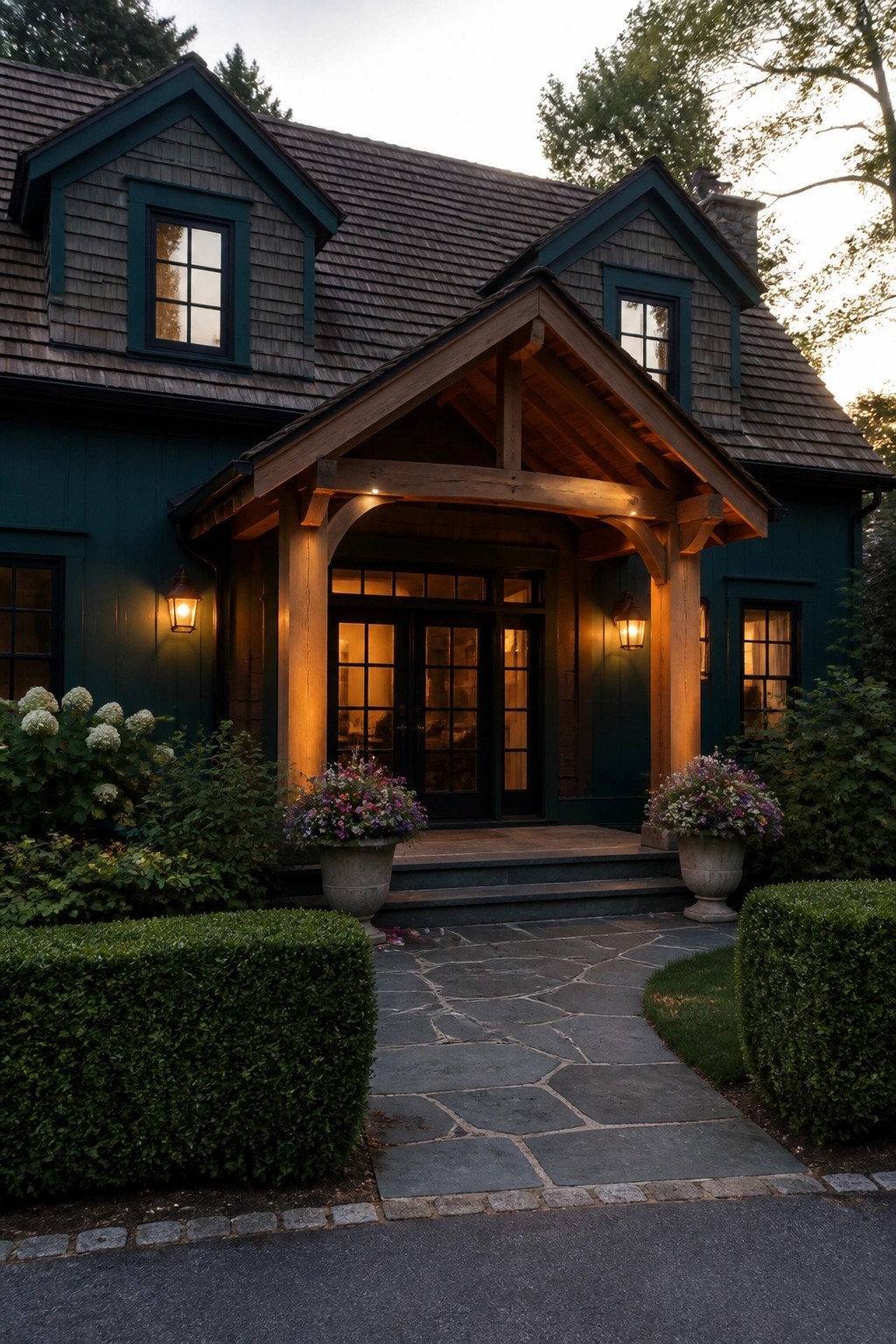
A teal exterior already stands out, but the real lift comes from pairing it with natural cedar on the entry structure. The wood adds warmth and breaks up the bold color so the house feels grounded instead of stark. It also draws attention to the front door without needing extra ornament.
This works best on homes with a simple gable or overhang where the wood can be the main contrast. Keep the cedar finish natural or lightly sealed so it weathers evenly, and let the teal stay saturated. Too many other wood tones nearby can dilute the effect.
Natural Cedar Panels Break Up Deep Teal Siding
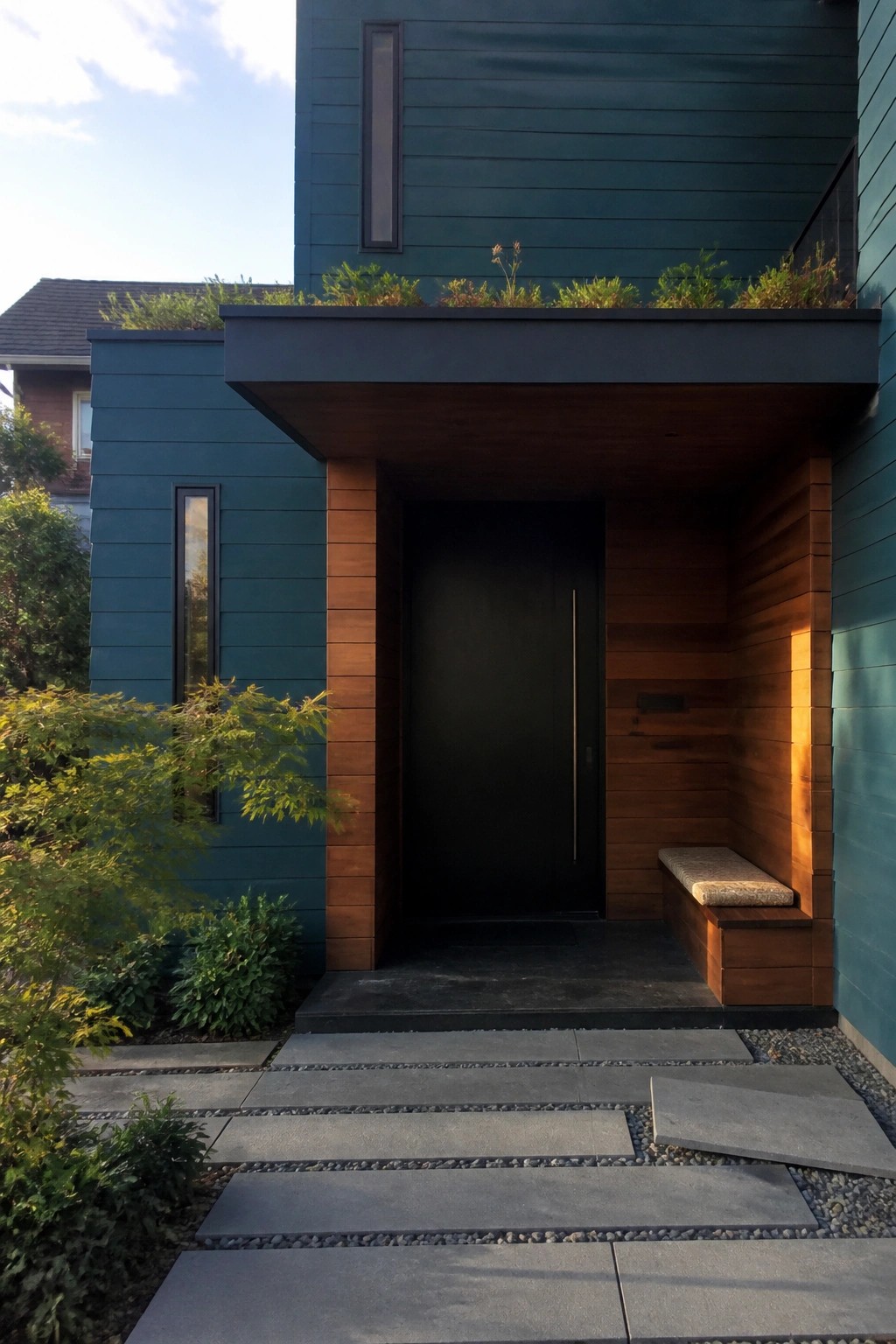
Deep teal siding stands out more when it is broken up with sections of natural cedar. The wood brings a warmer tone that keeps the color from feeling too stark on a modern facade.
This mix works best on homes with simple shapes and flat rooflines. Use the cedar mainly around the door and on smaller vertical panels so the teal remains the dominant color across the rest of the walls.
Teal Roofline Framed by Warm Cedar Sections
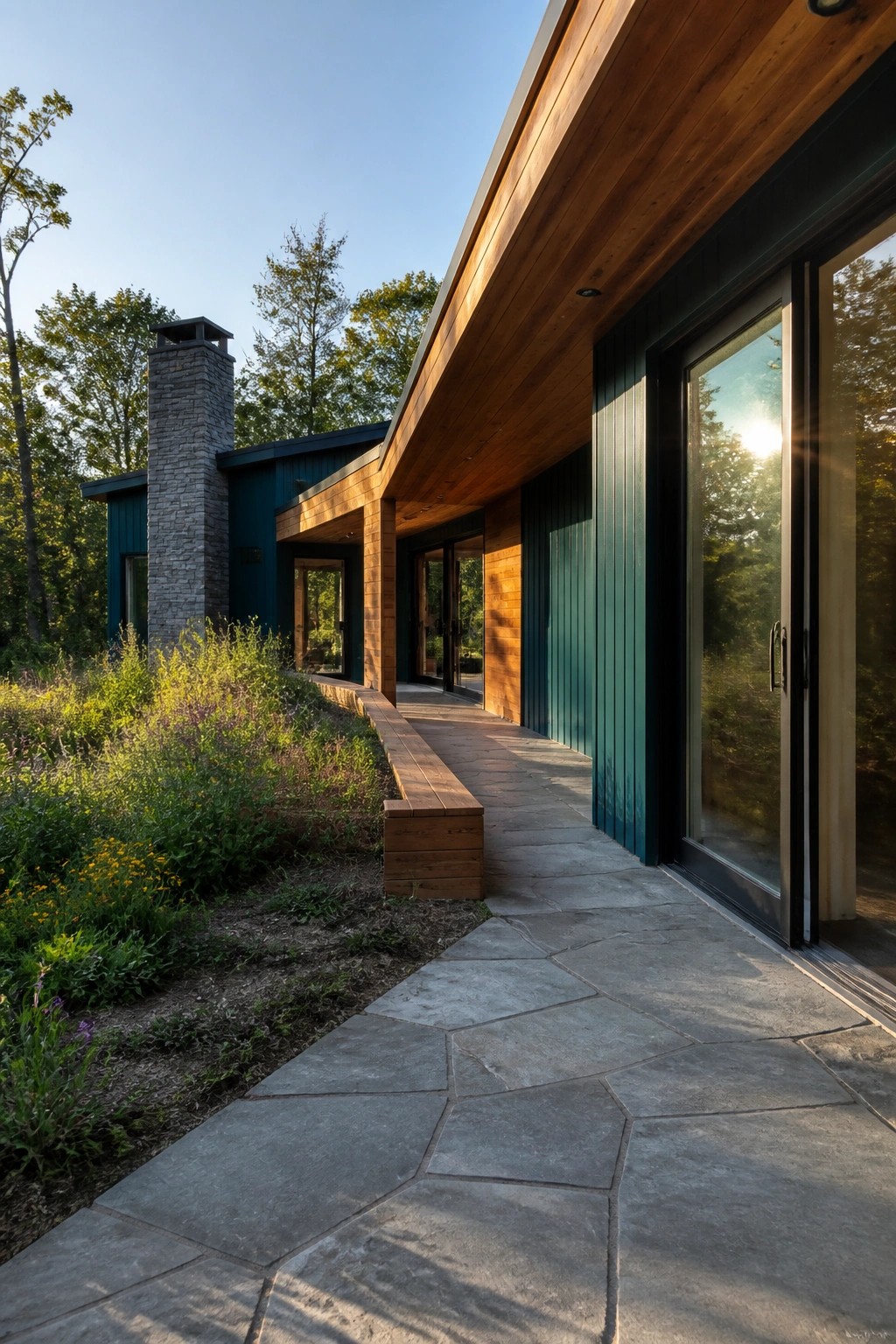
Teal siding can make a house feel bold without going overboard. Pairing it with cedar accents along the roofline and around openings adds warmth and keeps the color from feeling too flat against the surroundings.
This works best on houses with simple shapes and some wood trim already in place. Use larger sections of cedar rather than thin strips so the two materials balance each other instead of competing.
Cedar Slats On Teal House Sides
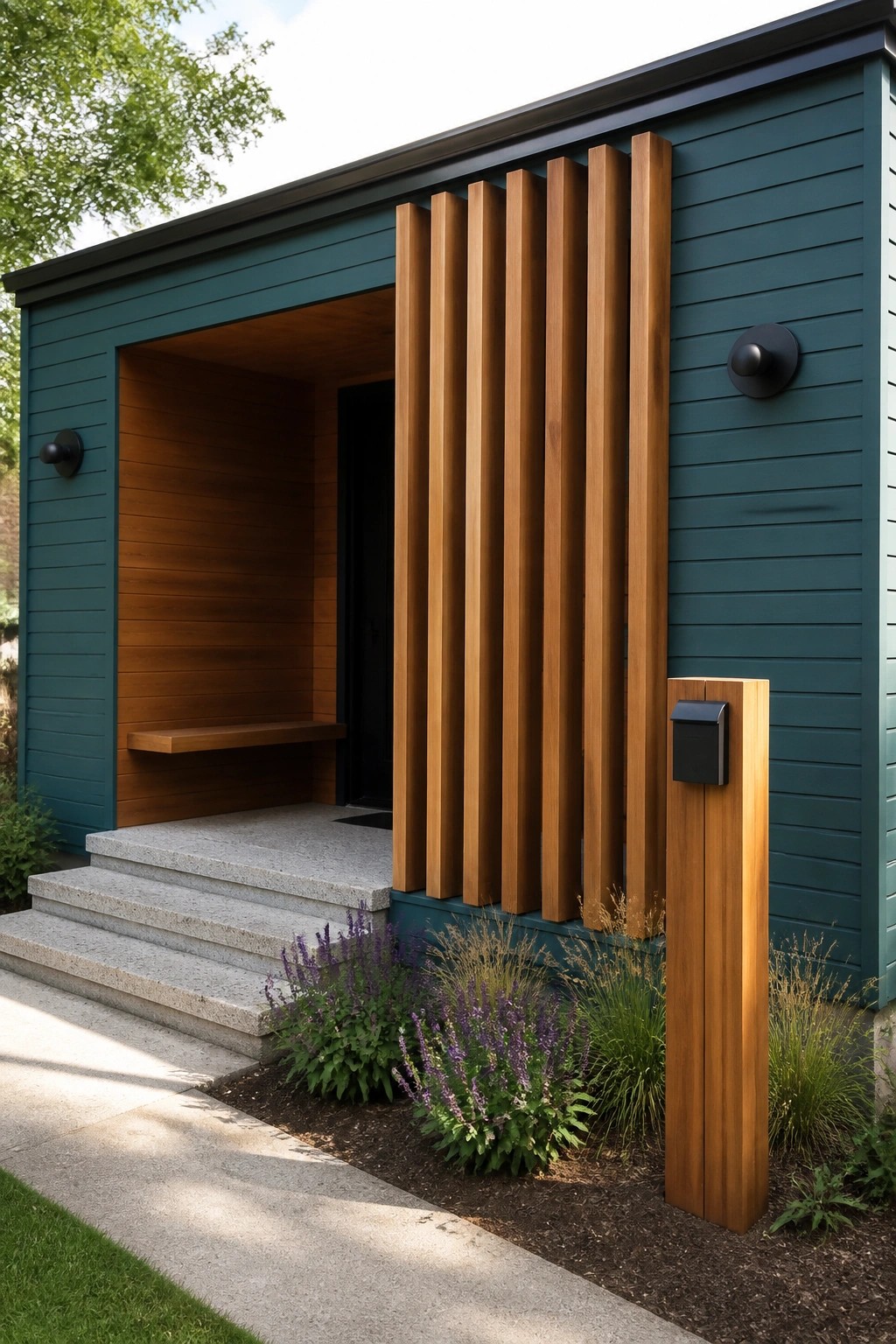
Vertical cedar slats give a teal exterior some texture and a clear focal point without needing lots of extra trim. The wood softens the strong color and makes the entry feel more intentional.
This approach suits homes with flat siding and simple shapes. Keep the wood in one or two spots, like beside the door, so the teal stays the main color and the cedar does not take over.
Teal Exteriors With Natural Cedar Details
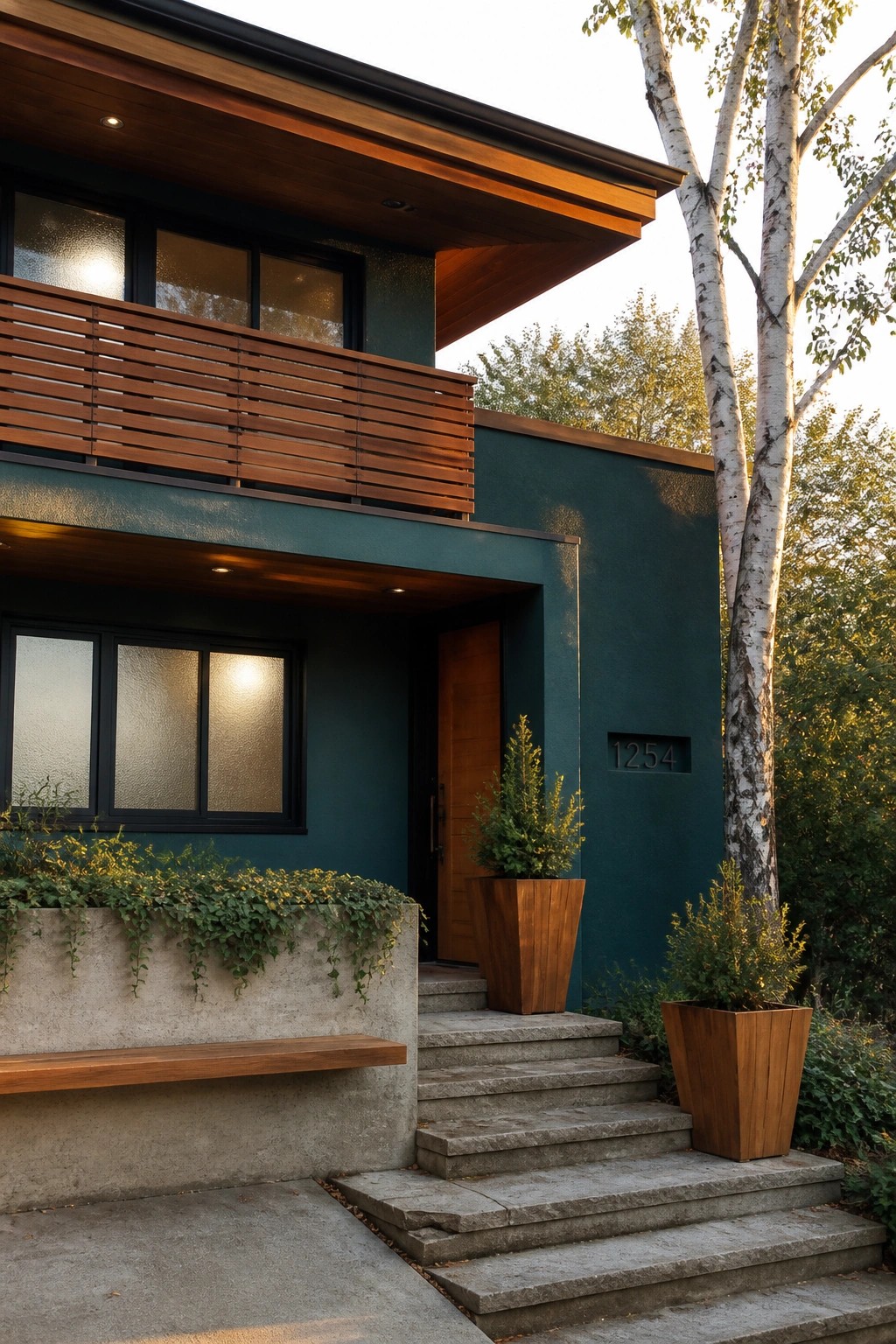
The teal on this house works because the cedar accents keep it from feeling flat or cold. The wood railing, door, and planters add warmth that balances the deep color without softening it too much.
This mix suits modern homes that need a strong color statement but still want some natural texture. Keep the cedar in focused spots like railings or planters so the teal stays dominant.
Teal Siding And Cedar Accents
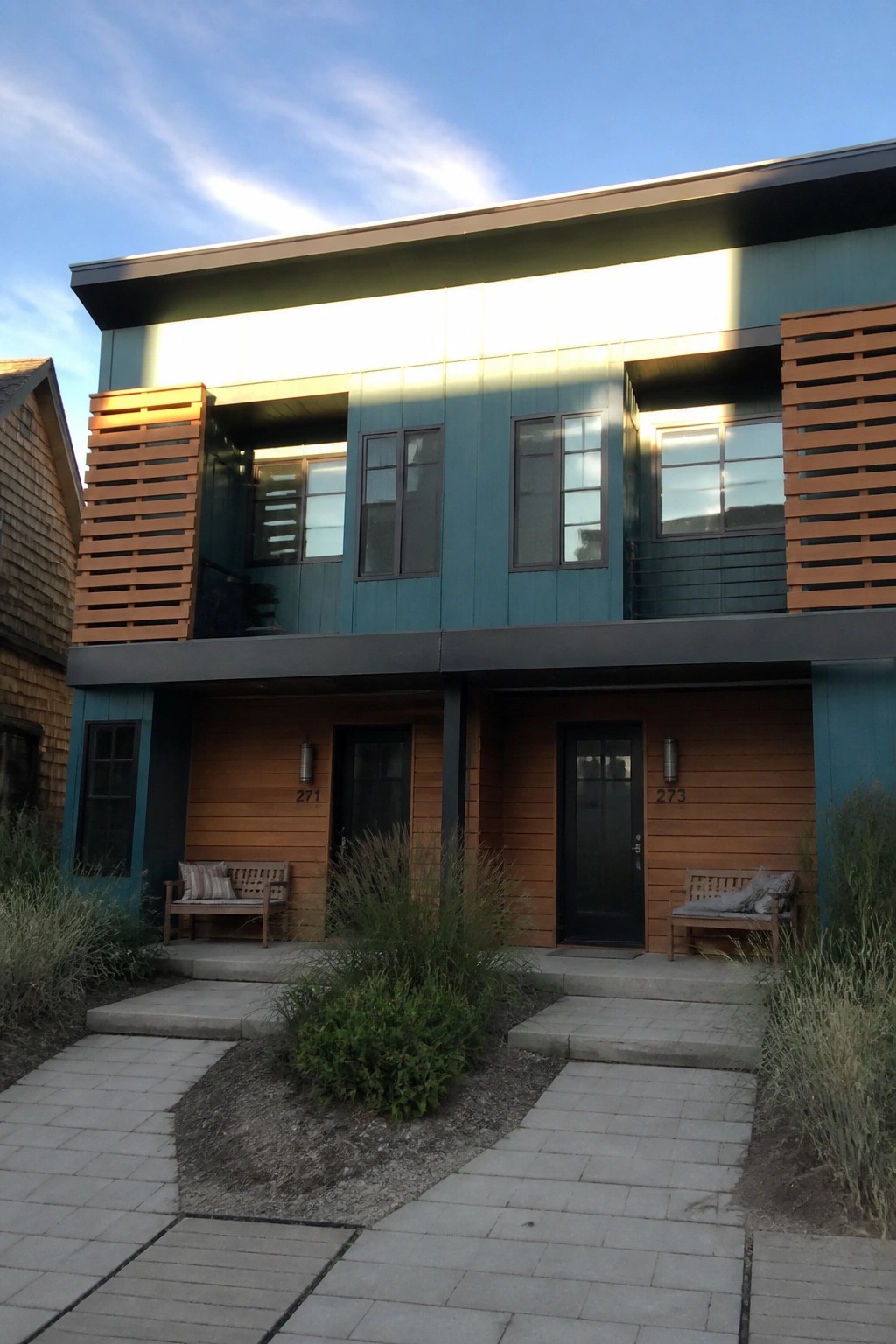
A deep teal works well as the main color on a house because it stays bold without looking too stark. The natural cedar adds just enough warmth to keep the whole exterior from feeling cold or flat.
This mix suits modern homes or duplexes where you want color but still need some organic texture. Use the teal on the upper siding and let cedar cover the lower walls or accents so the wood grounds the look.
Frequently Asked Questions
Q: How do I keep the cedar accents from turning gray too quickly next to that bold teal? A: Oil the cedar once a year to lock in the warm tone. This protects it from weather while letting the teal pop. Skip the sealer if you want a natural silver look over time.
Q: Does the teal need a special primer before painting over old siding? A: Yes, start with a good stain blocking primer. It stops any old colors from bleeding through the rich teal. One coat usually does the trick on clean surfaces.
Q: Can I add teal accents to my trim instead of the whole house? A: Sure, paint just the doors and window frames teal. The cedar siding stays the main feature this way.
