

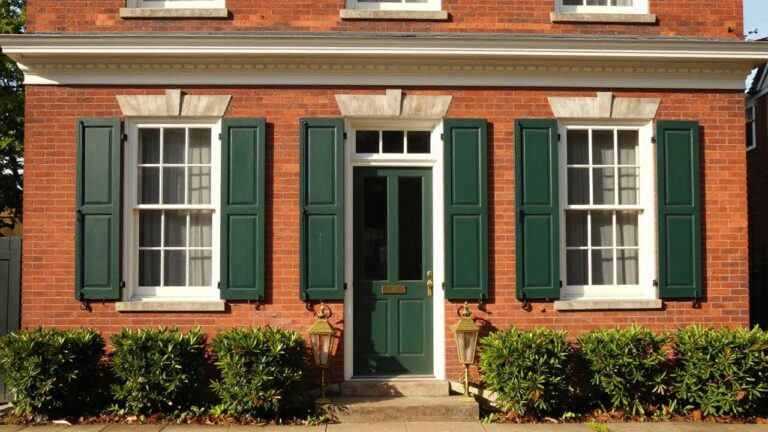
When I drive through older neighborhoods, the window trim on Colonial homes always pulls my eye to how neatly it frames the facade. That detailing ties the symmetrical windows to the roofline and entry, creating curb appeal that feels balanced rather than fussy. I updated ours last summer, and it surprised me how much cleaner the whole front read afterward, even with basic materials. Choices like raised panels or corner blocks stand out because they weather well and echo the house’s proportions without overwhelming the street view. The paired trim with shutters is one I’d adapt first for real impact.
Classic Pedimented Window Trim
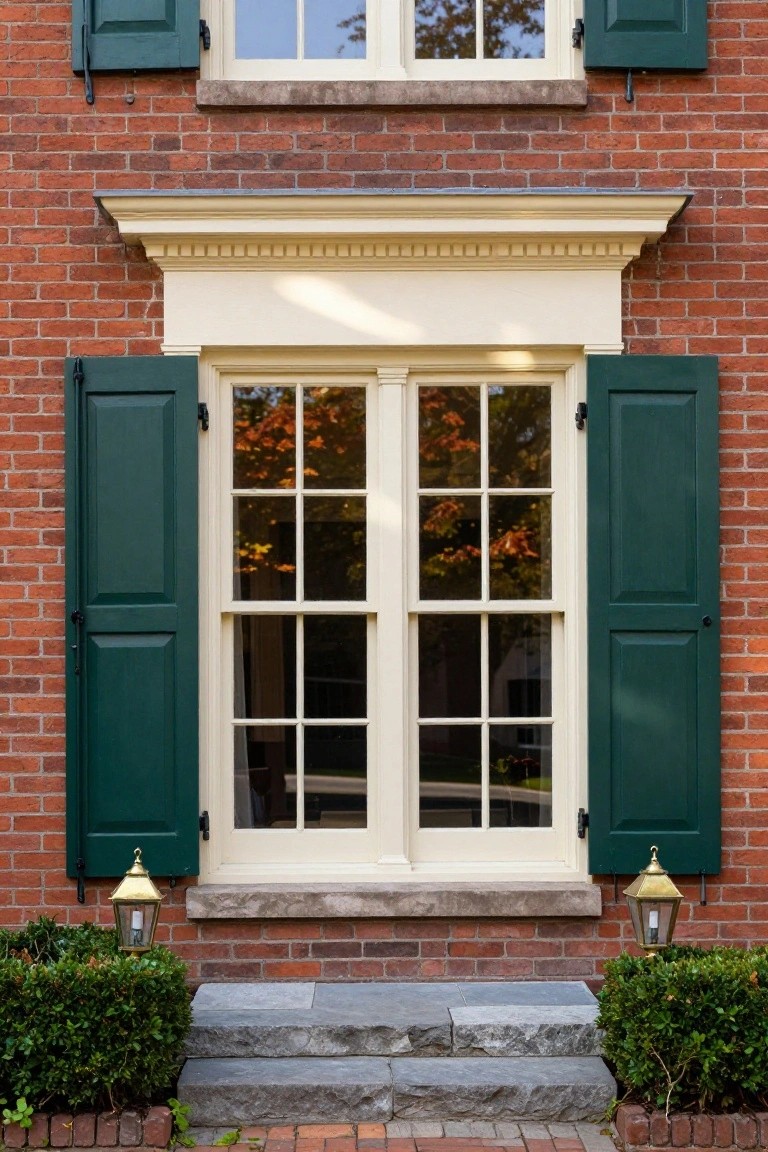
A simple pediment above the window does a lot for a Colonial front. Here, the cream-colored header sits neatly over divided-light glass, framing the view inside. Green shutters on each side keep things balanced, and the whole setup fits right into the brick wall without overwhelming it. It’s that traditional touch many older homes have.
Try this on paired windows near your entry, especially if you have brick or stone siding. It works best on two-story houses where you want some height without a full porch. Add lanterns below for evening light, but skip if your steps are narrow. Keeps the look clean and welcoming.
Alt
Classic Black Shutters on White Siding
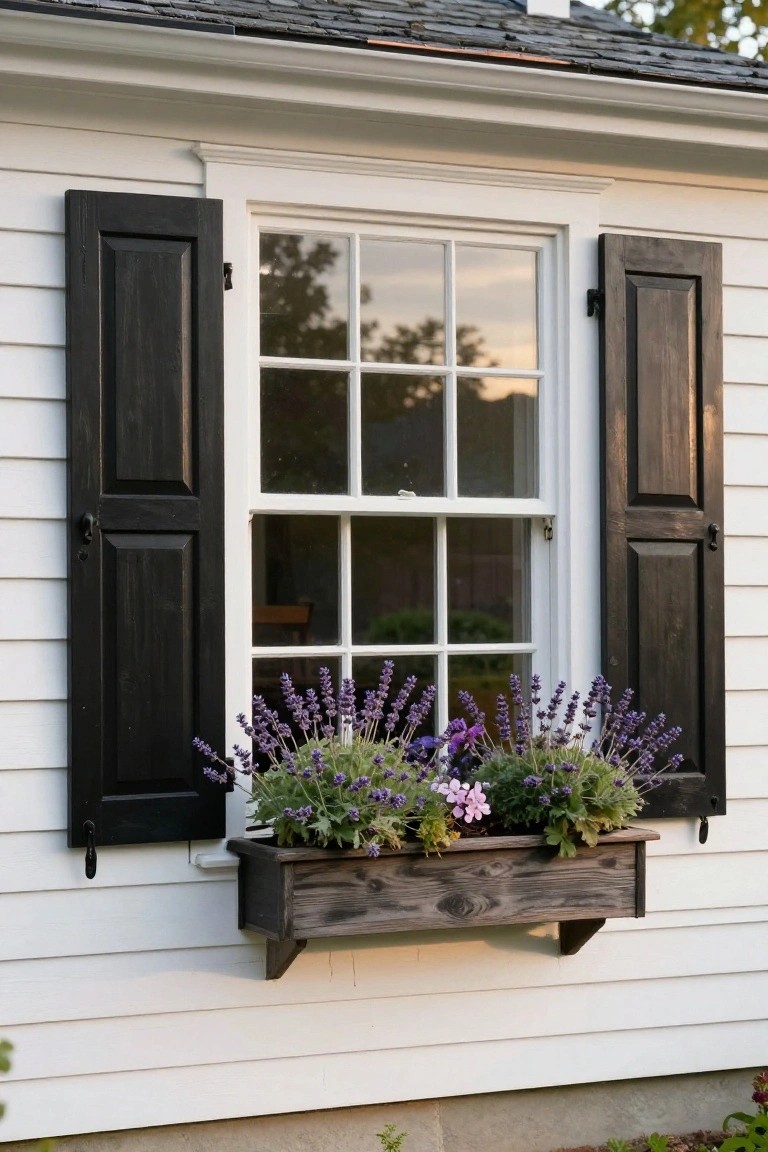
Black shutters like these give white clapboard siding a sharp, clean look that feels right at home on colonial houses. They frame the multi-pane window without overwhelming it, and that simple contrast pulls the eye right to the glass. A touch like the rustic window box below keeps things from feeling too plain.
You see this combo a lot on older homes in the Northeast, where it holds up year-round. It suits any traditional exterior facing south or getting good light. Pick sturdy wood shutters that match your window size, and if you add a planter, go for low-water plants like lavender to keep maintenance easy.
Navy Shutters with White Window Trim
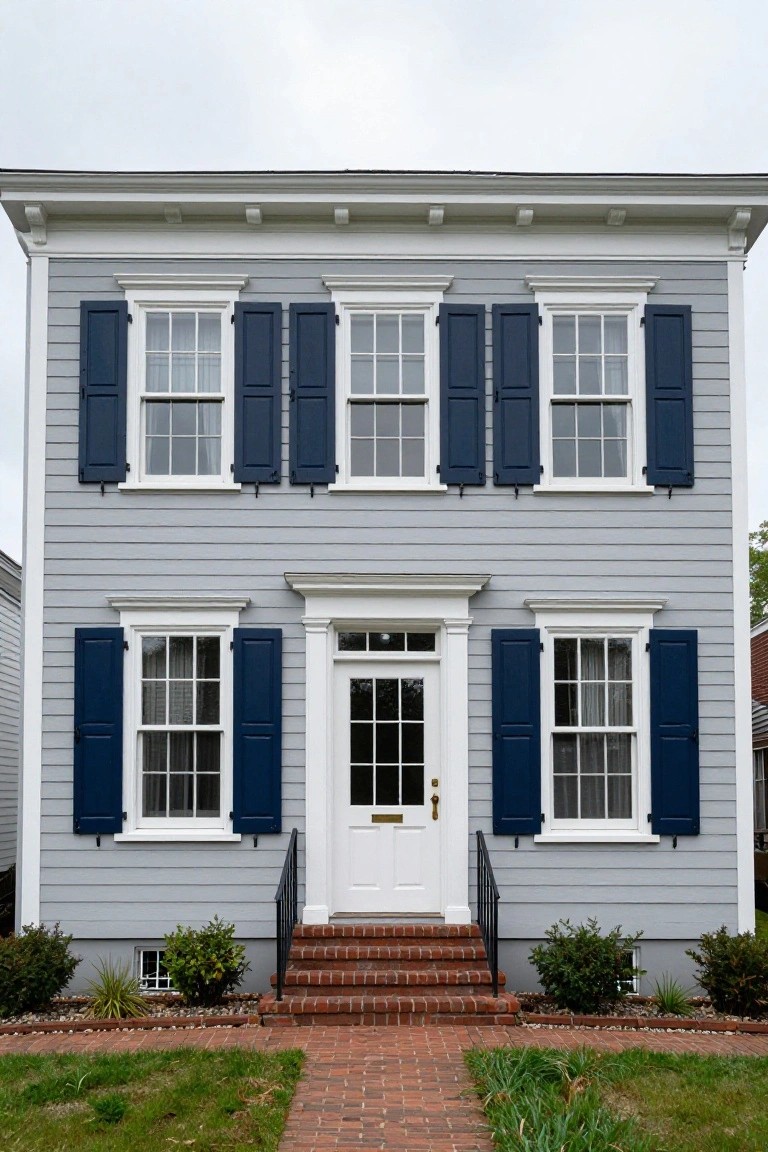
One simple way to give a Colonial house that traditional look is dark navy shutters next to crisp white trim around the windows. On this light gray siding, the navy stands out without overwhelming things. The white trim keeps everything clean and draws your eye to those classic multi-pane windows. It’s a look that’s been around forever because it just works.
You can pull this off on most older homes or even new builds trying for that historic feel. Pick shutters that match the window height, and make sure the trim is bright white to pop against any neutral siding color. It suits neighborhoods with a mix of traditional houses. Just avoid going too dark on the house itself, or the contrast might feel off.
Crisp White Trim on Shingle Siding
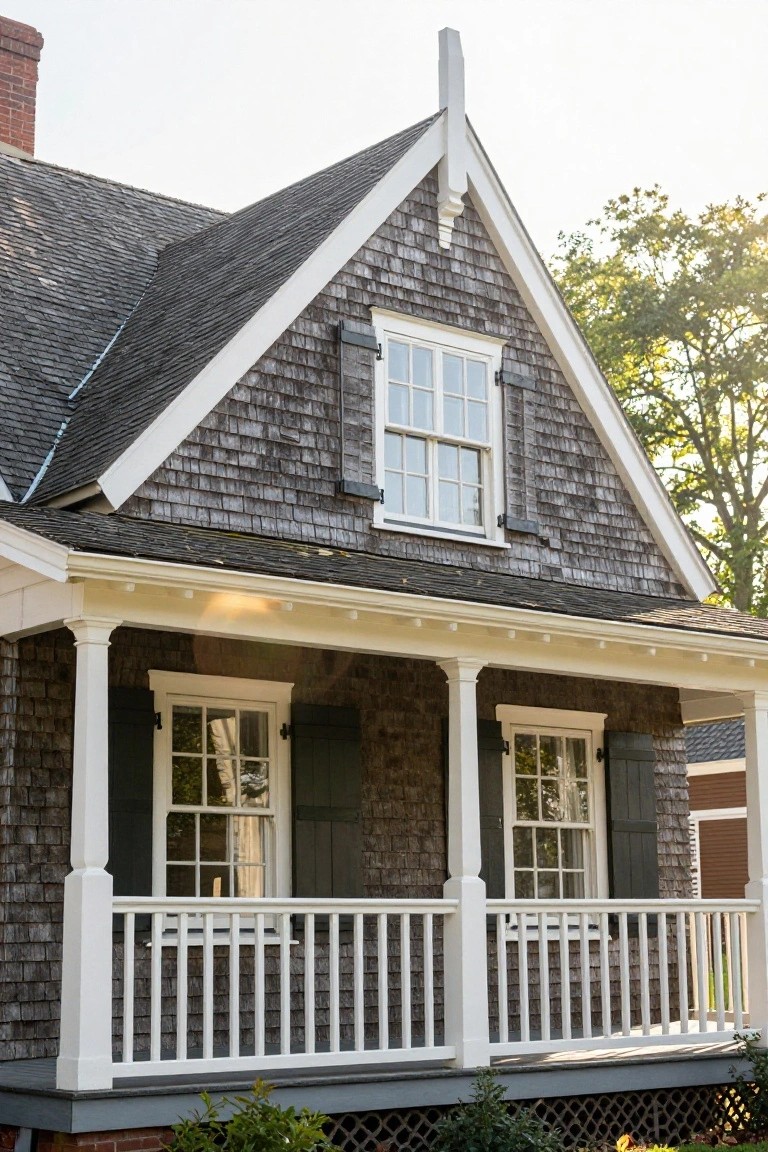
White window trim stands out clean and sharp against gray shingles like this. It frames each window just right, with those green shutters adding a bit of traditional color without overdoing it. The whole front feels pulled together, classic Colonial style that doesn’t shout.
Try this on homes with textured siding, especially in coastal areas where shingles are common. It suits two-story houses with porches best, keeps things light and welcoming. Just make sure the trim stays painted fresh, or the contrast fades quick.
Recommended Products

2 Rosettes fit most 2-1/4" interior door and window frames - Rosette size 2-3/4" x 2-3/4"


Artistic-Can be a frame or decoration for all backspalsh tiles and the edge.
White Trim with Black Shutters
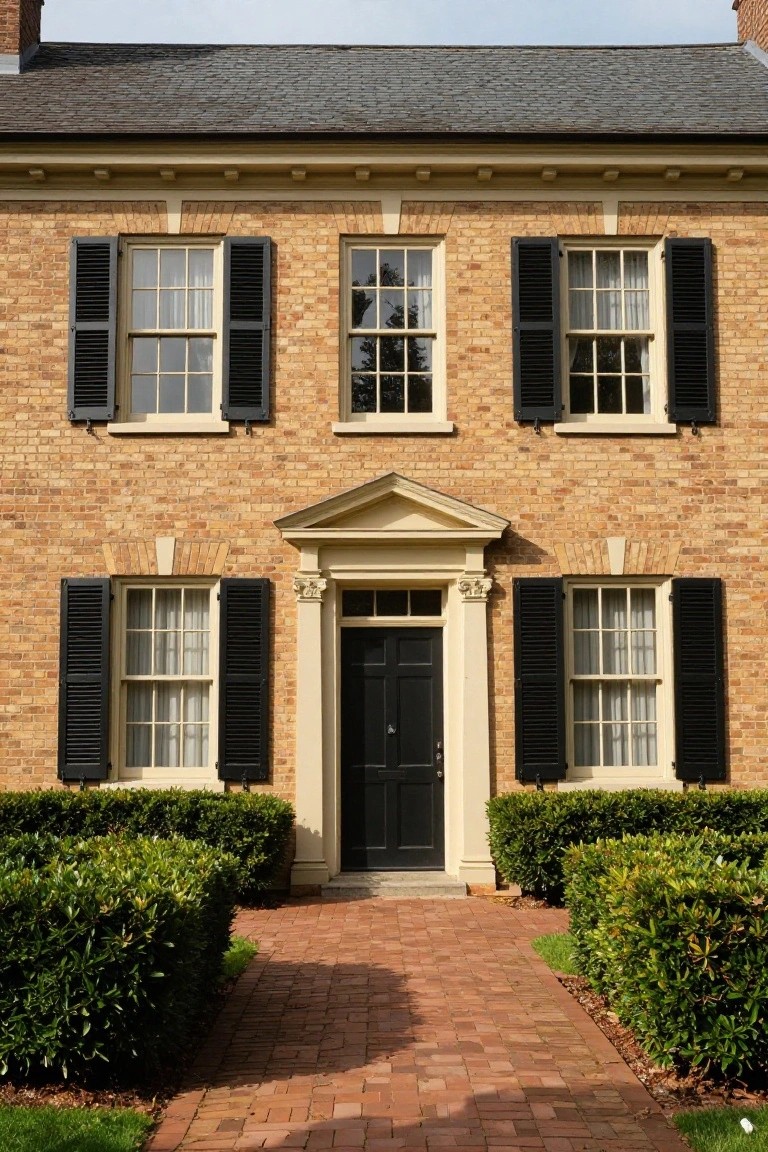
Black shutters around white window trim is a go-to move for Colonial homes. You see it here on this brick house where the white frames the multi-pane windows nicely and the dark shutters add some weight. That simple contrast keeps things traditional without getting busy. It pulls the eye to the windows and ties into the black door too.
Try this on brick or stone facades where you want clean lines. Match the shutters to your door color and keep the trim painted fresh. It suits older neighborhoods or revivals best. Just make sure the shutters are proportional so they don’t overpower smaller windows.
Window Box on Classic Colonial Trim
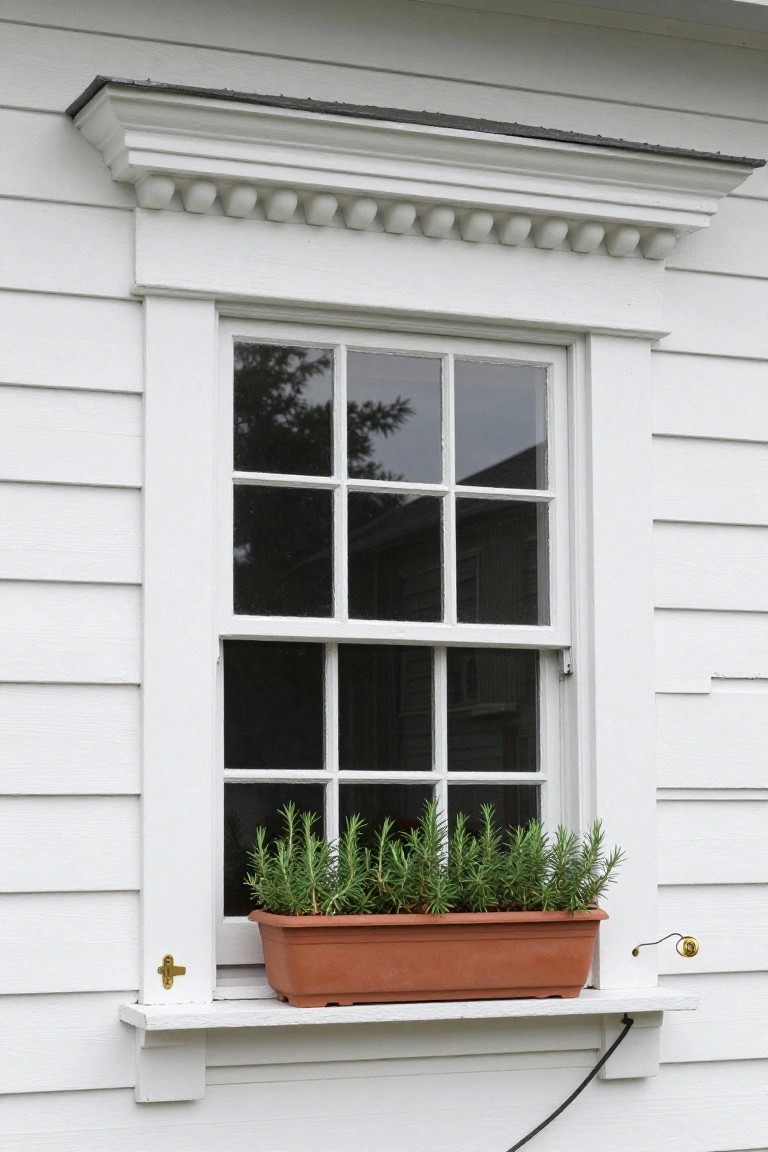
A window box tucked right under that detailed trim casing really brings out the traditional side of a colonial house. You see the dentil molding up top, those little beads that scream old New England charm, and then the planter softens it with some green. On a plain white clapboard wall like this, it stops the facade from looking too stark. Folks love how it nods to history without much fuss.
Try this on two-story homes where windows line up neatly. Herbs like rosemary do well here since they handle partial sun. Bolt the box secure on the sill brackets, and keep soil light so it doesn’t weigh down. Skip it on super-modern places, though. It shines where you want quiet curb appeal.
White Shutters on Light Blue Siding
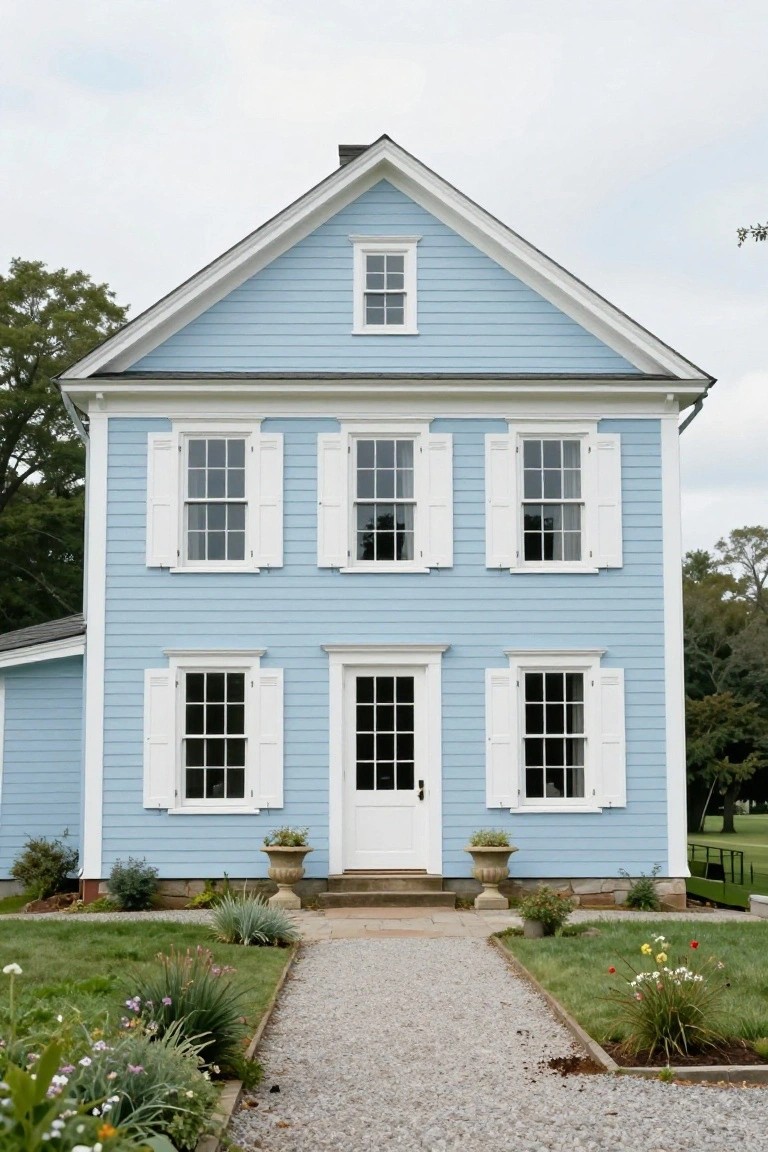
White shutters stand out clean against light blue siding like this. They frame the multi-pane windows just right, giving the whole facade that steady Colonial look. It’s simple but pulls the house together without much fuss.
This works well on two-story homes with balanced windows. Pair it with white trim around the door and roofline for extra polish. Suits craftsman or farm-style houses too, especially where you want curb appeal that lasts through seasons. Keep the blue soft, not too bright.
White Trim on Brick Windows
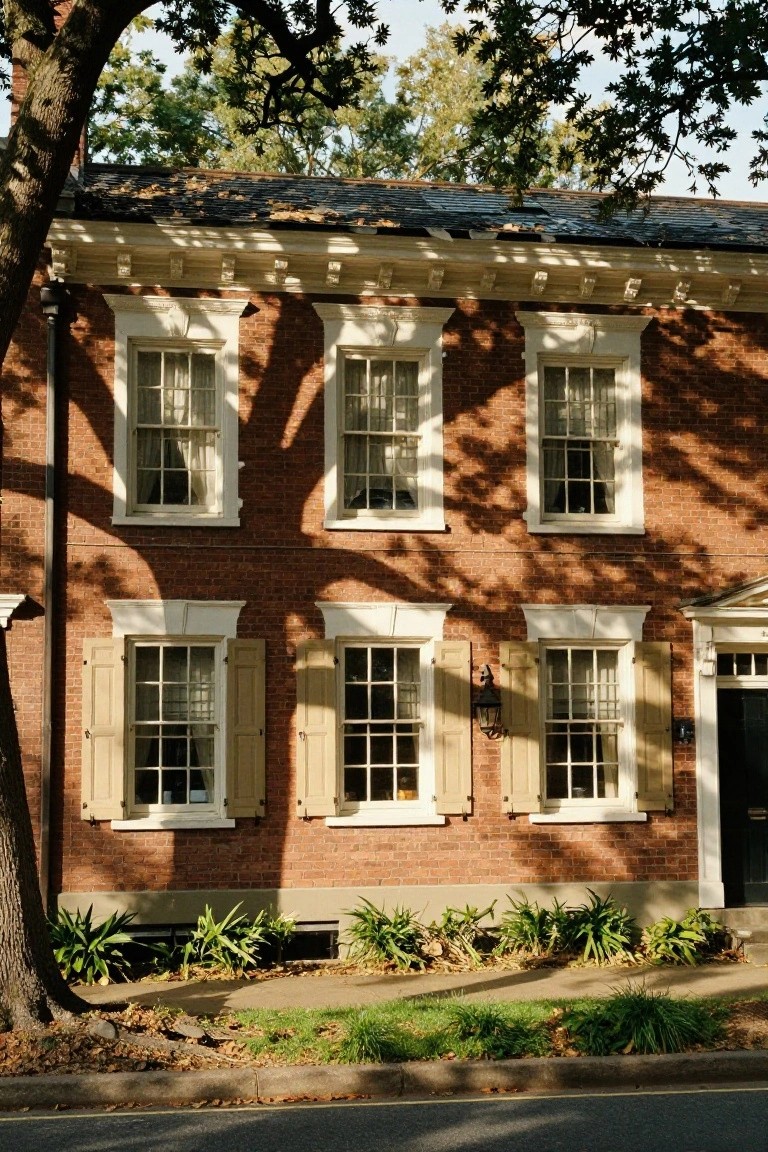
White trim around the windows stands out clean and sharp against red brick. It frames each pane simply, keeping the focus on the house’s traditional shape. Shutters in a soft beige color add just enough detail without cluttering things up.
This trim works best on Colonial or Federal style homes, especially where the brick has some age to it. Use it on the front facade to boost curb appeal. Keep the trim bright white for contrast, and match shutters to the trim for a pulled-together feel. Avoid painting it any other color. It suits urban streets or quiet neighborhoods fine.
Pediment-Topped Bay Windows
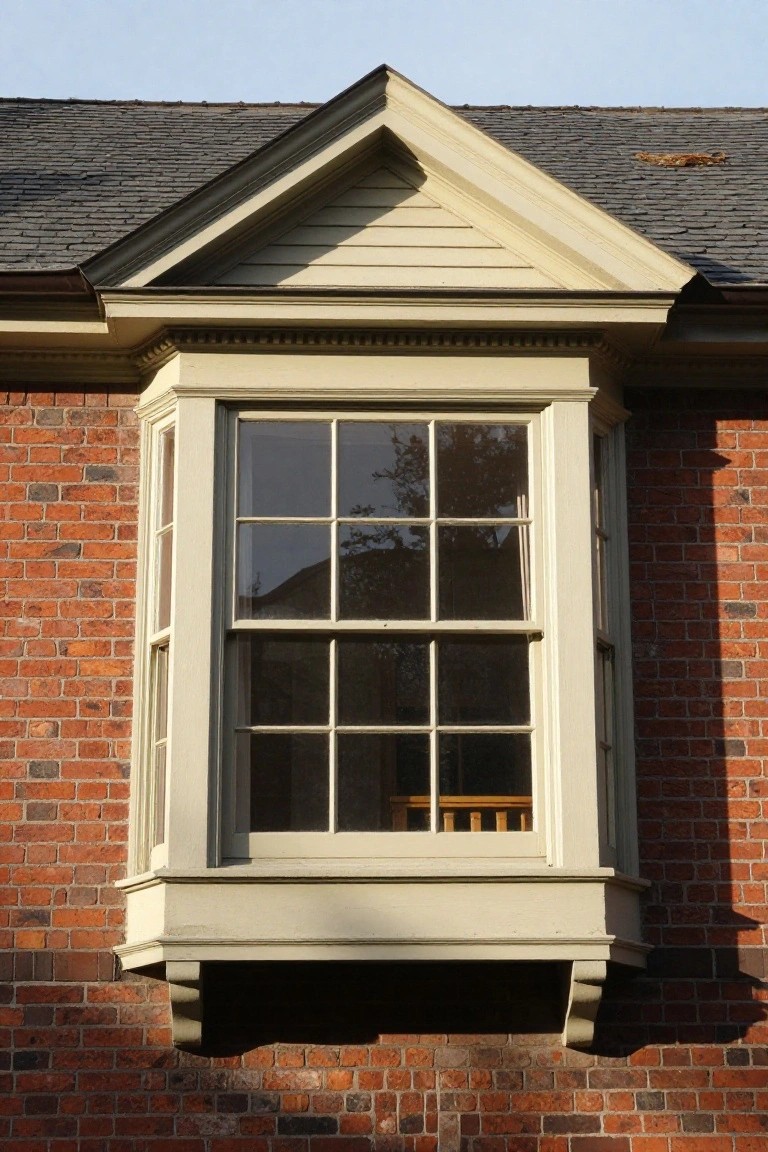
Bay windows like this one get a real lift from a simple triangular pediment on top. That bit of classical trim, with its dentil molding underneath, pulls the whole look together on a brick wall. It nods to colonial style without much fuss, and the multi-pane sashes inside keep things feeling right from the street.
You can add this to homes with straightforward brick or stone sides, especially where the window bumps out a bit. It suits older houses or revivals that want some tradition back. Just match the trim color to the siding, and keep the scale right so it doesn’t overpower the roofline.
Black Shutters on White Facades
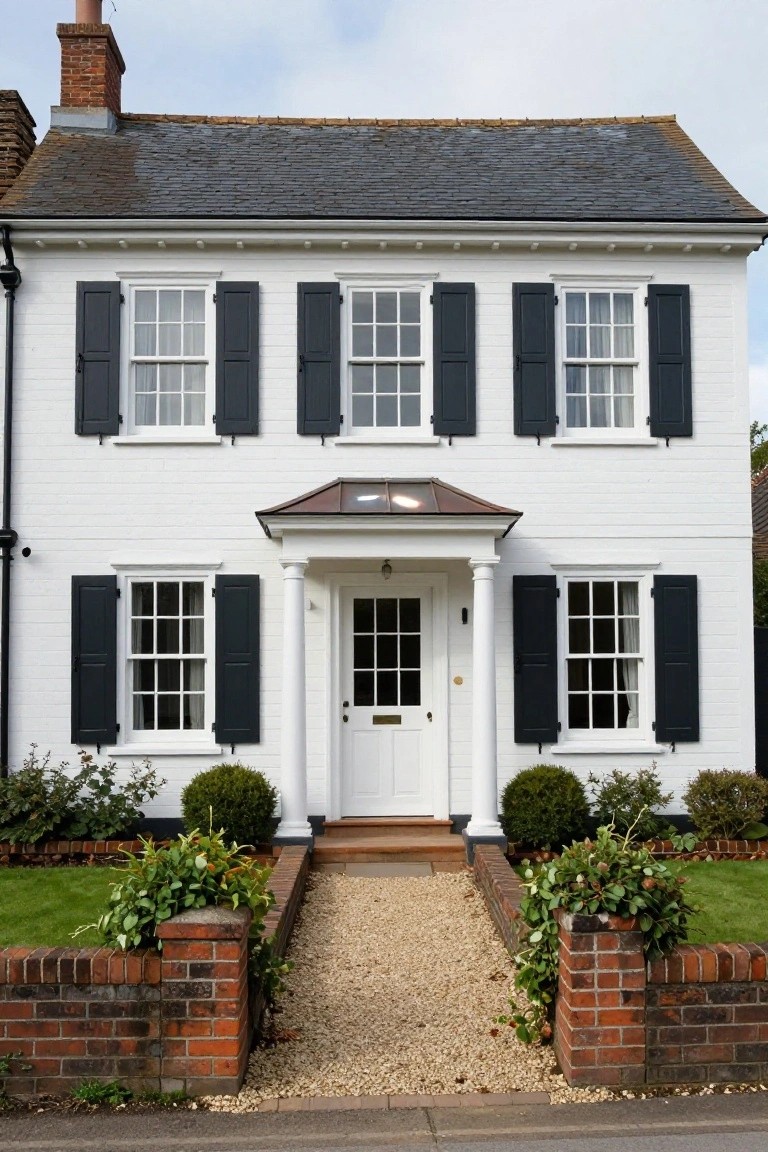
Black shutters give this colonial house a clean, defined look around the windows. They stand out sharp against the white siding and trim, pulling attention to those classic multi-pane designs without overwhelming the front. It’s a simple way to nod to tradition that feels fresh on a smaller home like this.
Try black shutters if your house has light siding and symmetrical windows. They suit street-facing colonials or farmhouses best, adding curb appeal fast. Skip them on busier facades though, or they might compete with other details.
Arched Dormer Windows with White Trim
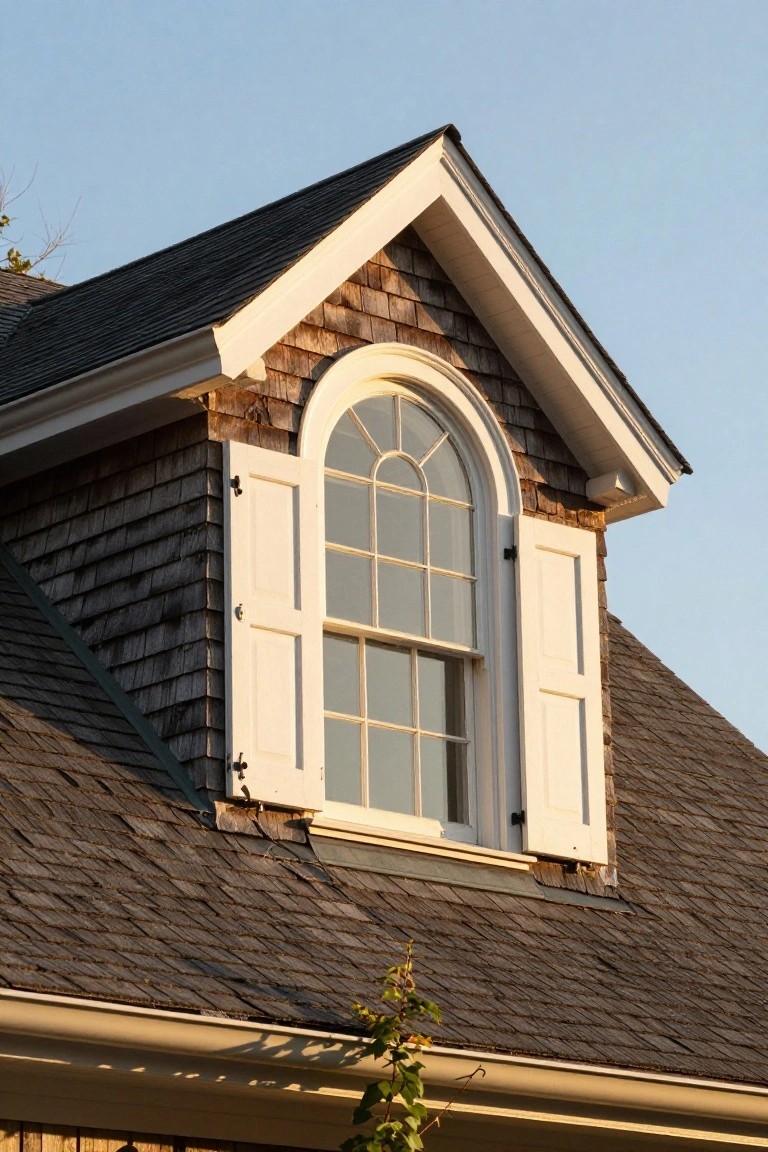
A classic arched dormer like this one pulls off traditional style just right on a shingled roof. The clean white trim outlines the curve nicely, making the window pop against those dark cedar shakes. It keeps things simple yet elegant, especially with the shutters swung open.
These work best on Colonial or Cape Cod homes where you want subtle roof interest. Paint the trim bright white to contrast the siding, and use louvered shutters for that authentic touch. Just make sure the arch fits your roof pitch… too steep and it loses charm.
Black Shutters Frame White Windows
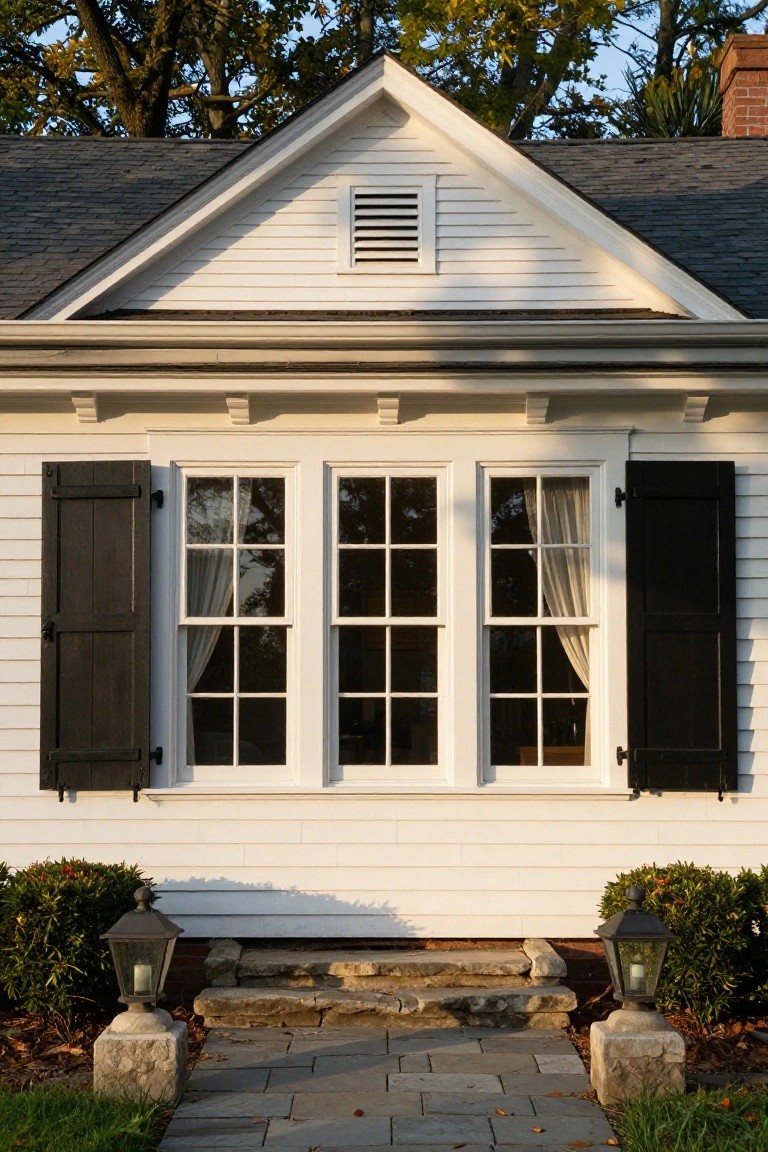
Black shutters give windows a clean, bold outline on a white clapboard house like this one. They pull focus to the divided-light panes and add that straightforward Colonial character without much extra detail. The dark tone against the bright siding keeps things sharp and noticeable from the street.
This setup works well on simple gabled homes or cottages with front-facing windows. Size the shutters to match your window openings, go for a semi-gloss black finish, and pair with plain white trim. It fits most traditional neighborhoods… just skip it if your house has too many colors already.
Window Boxes on Porch Windows
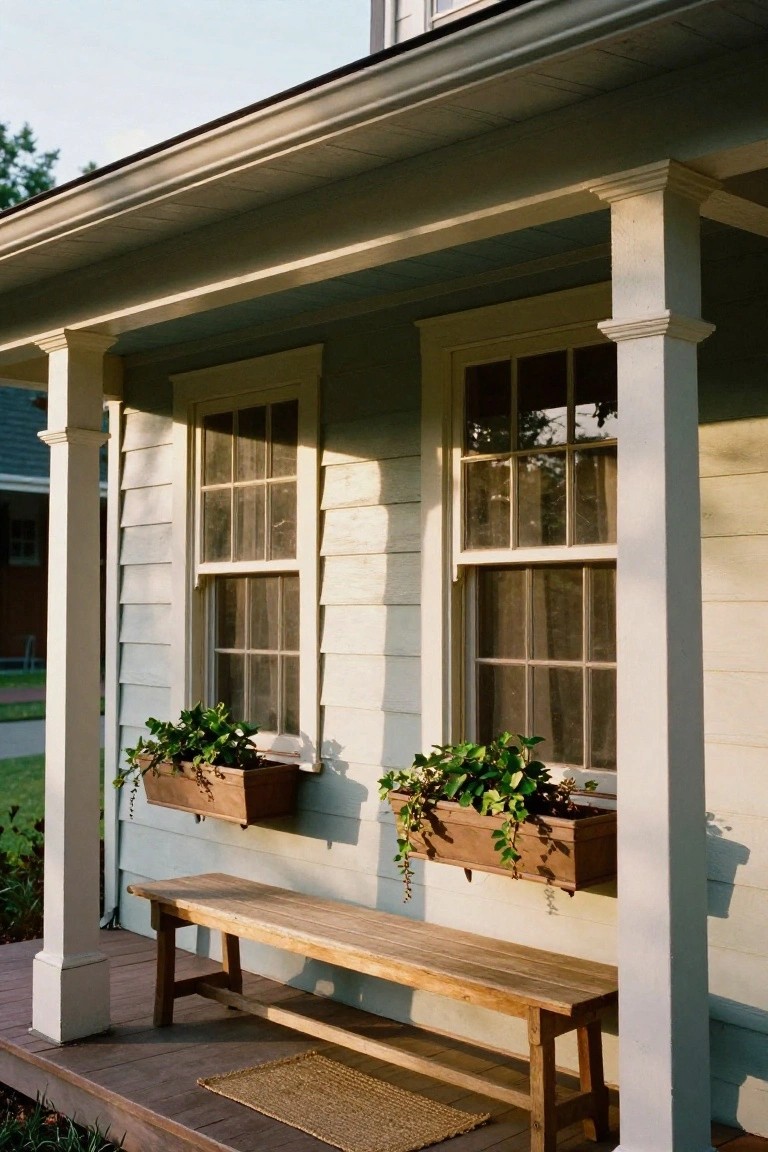
Window boxes tucked under multipane porch windows give a colonial house that easy, traditional look. The wooden boxes here match the siding tones, and the trailing ivy pulls the eye up without much fuss. It’s a simple way to make plain windows feel more finished and welcoming from the street.
These work great on front porches or side entries where the plants can trail down a bit. Pick sturdy boxes that line up with your window trim, fill them with low-water greenery like ivy, and they hold up year-round. Skip them on super-modern homes though. They suit older styles best.
Crisp White Trim on Brick Windows
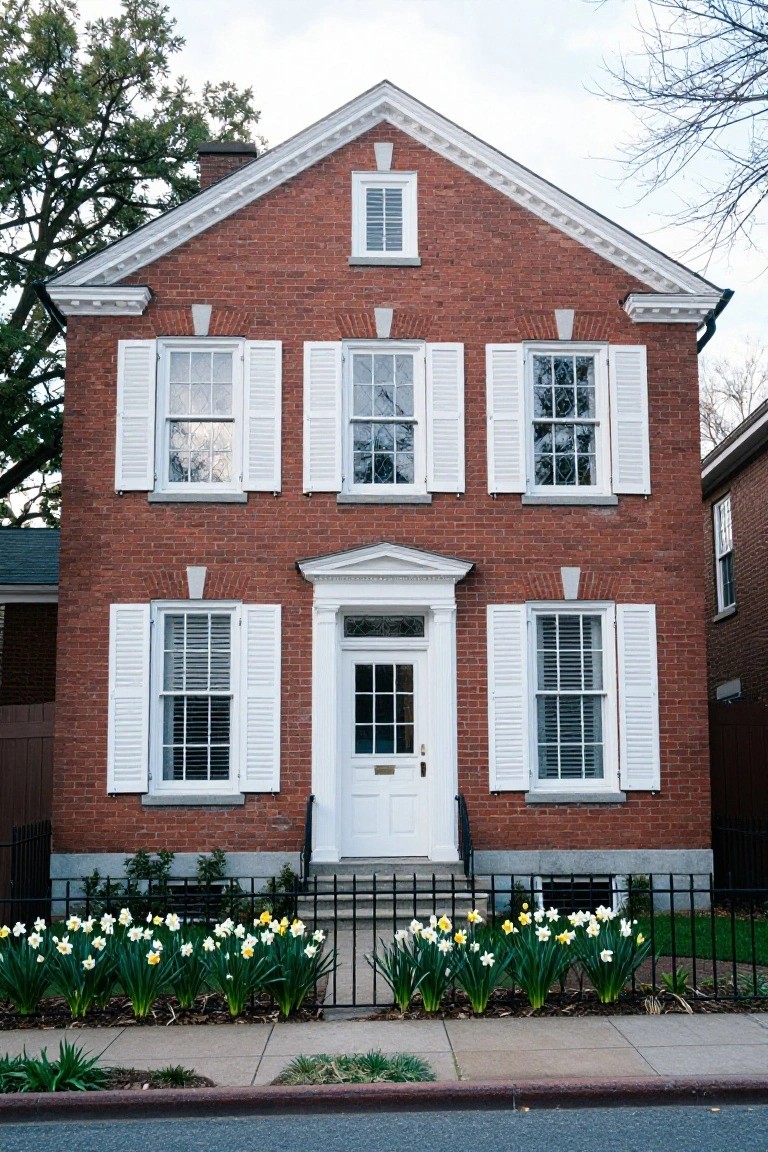
White trim around multi-pane windows really sets off a red brick facade like this one. The shutters match the trim perfectly, folding back neatly and framing each window without overwhelming the brick. It’s a straightforward way to add that Colonial polish folks have loved for generations. Clean lines. No frills.
Try this on symmetric two-story homes where windows line up evenly. It suits traditional neighborhoods or revivals aiming for quiet elegance. Scale the shutters to fit the window openings exactly, and paint everything the same bright white for punch. Skip it on super modern angles, though.
Molded Trim Around Multi-Pane Windows
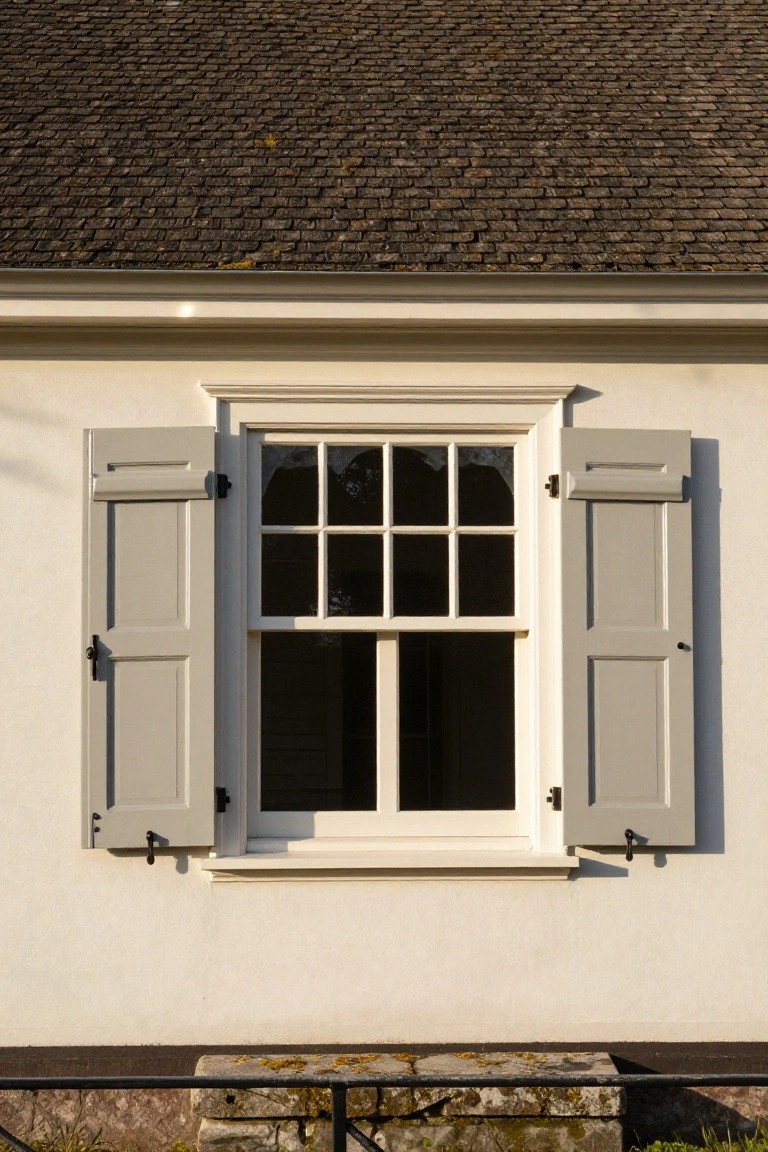
A molded casing like this one takes a basic double-hung window and turns it into a focal point. The white trim with its simple pediment sits clean above the six-over-six panes, giving the whole facade that settled-in Colonial character. Paired with open gray shutters, it feels right at home on an older-style house.
This trim works best where you want subtle definition without too much fuss. Use it on light walls for contrast, or tone it down on white siding. It suits traditional homes facing the street, and you can replicate it with stock molding kits from most lumber yards. Just keep the scale right for your window size.
Classic Bracketed Window Hoods
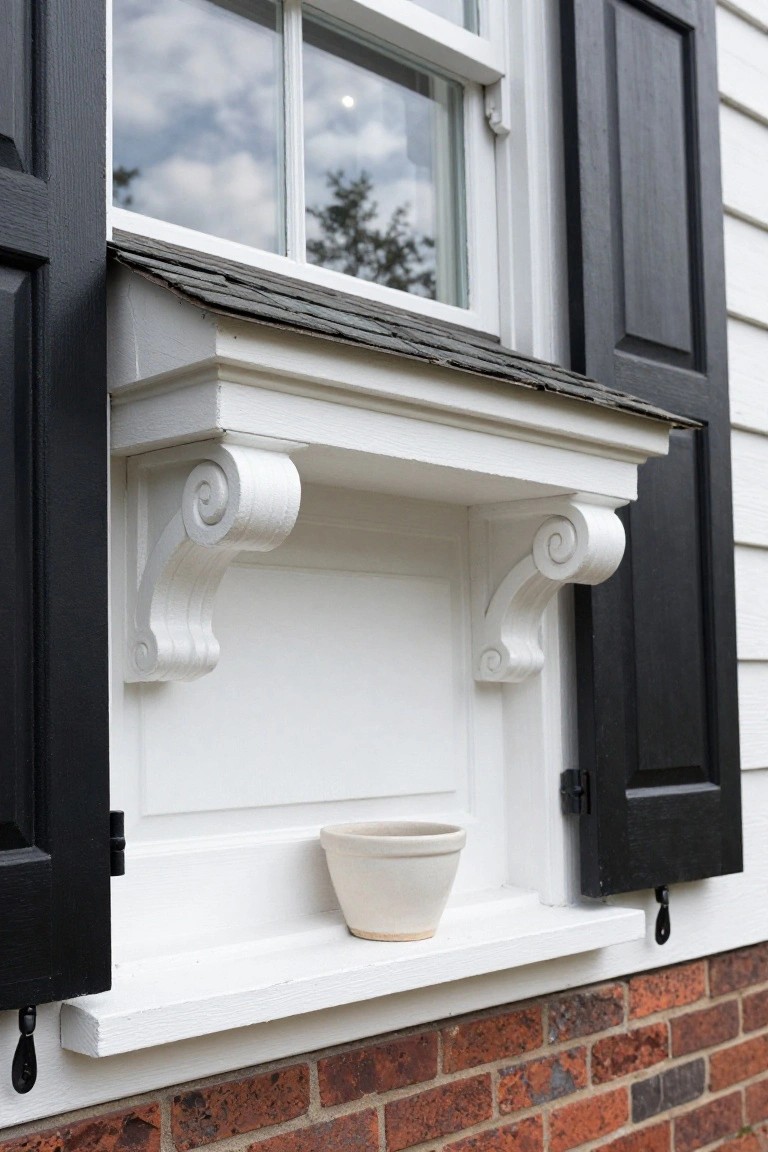
These brackets carved with volute shapes hold up a simple white hood over the window. They add that traditional colonial detail without much fuss. The white finish stands out clean against black shutters and brick walls. A plain pot on the shelf keeps it homey.
Put them on front-facing windows where people notice. They work best on brick or clapboard houses aiming for historic feel. Skip fancy plants. Just something low-key. Scale them right so they don’t overwhelm smaller homes.
Dark Shutters Frame Colonial Windows
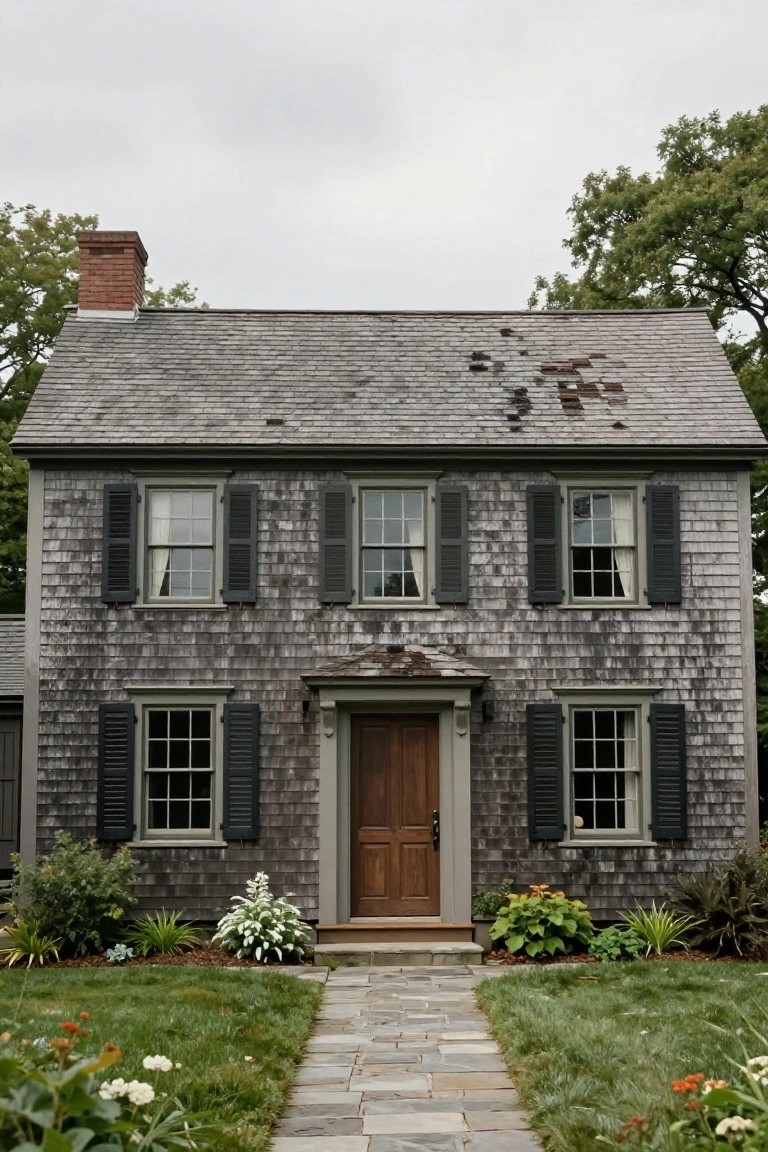
Dark green shutters like these give colonial windows a sharp, traditional edge. They stand out nicely against gray shingle siding, pulling the whole front facade together. It’s a simple way to nod to history without much fuss.
These work best on shaker-style homes or anywhere with multi-pane windows. Paint shutters to match the trim around doors and frames for a pulled look. Keep them proportional to the windows, and they’ll boost curb appeal on coastal or New England houses.
Arched Brick Window Lintels
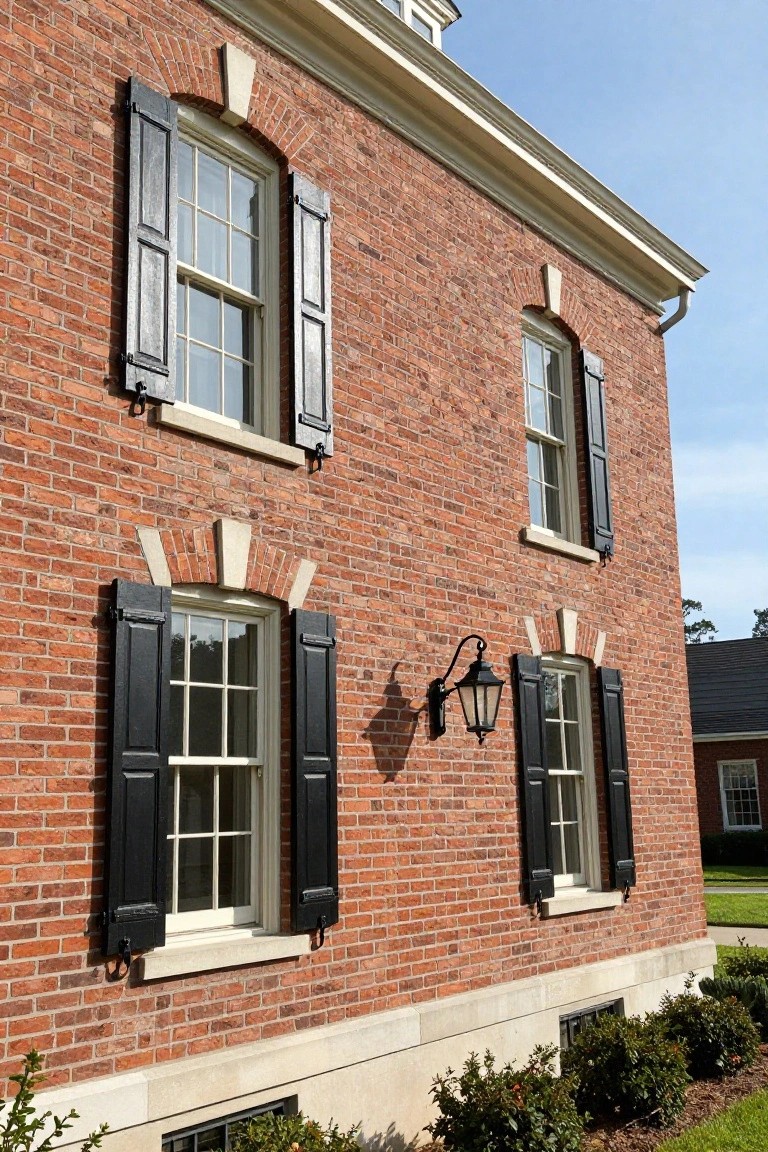
One simple way to give a brick house that old-school Colonial look is arched brick lintels over the windows. You see them here framing the double-hung windows with a gentle curve made from the same red brick as the walls. A white keystone sits right at the top of each arch, and plain stone sills run below. Paired with black shutters, it pulls the whole facade together without much fuss.
These work best on solid brick homes in traditional neighborhoods. They add height to the windows and make the house feel more balanced from the street. Just keep the arches subtle, nothing too tall or showy. Match the brick color exactly, and add shutters if you can. Skip them on super modern builds, though. They suit older styles way better.
Classic Colonial Window Brackets
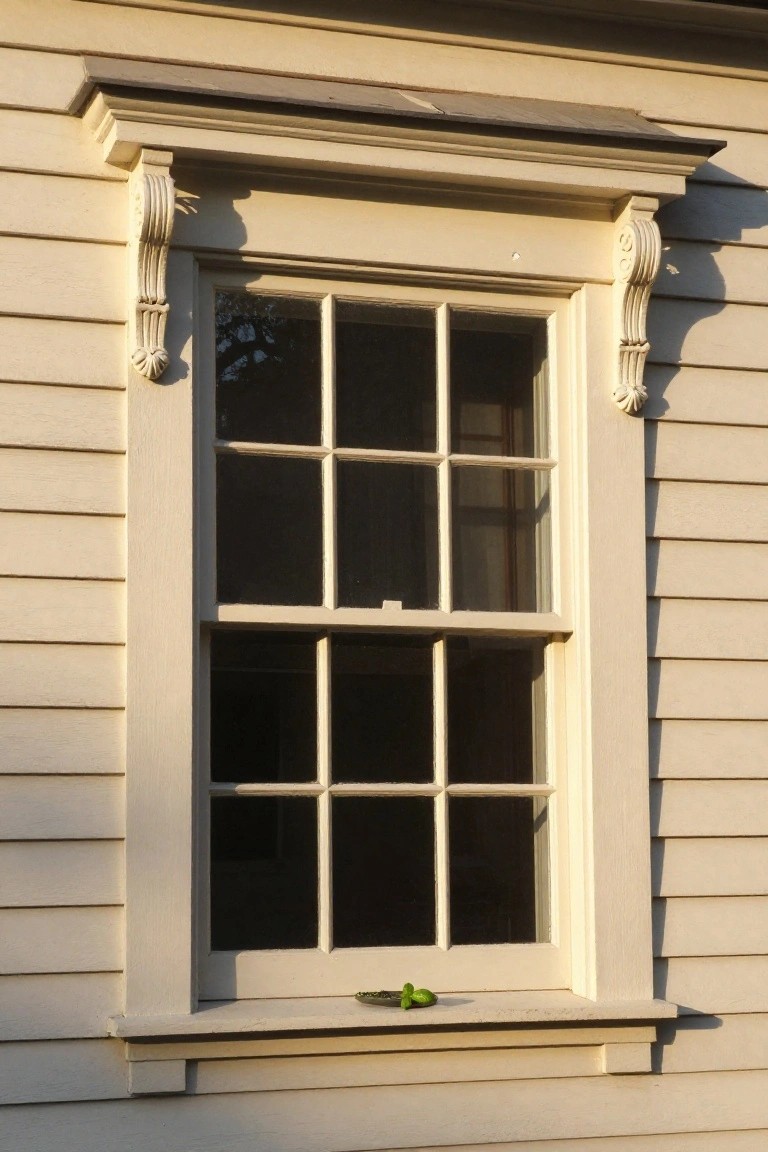
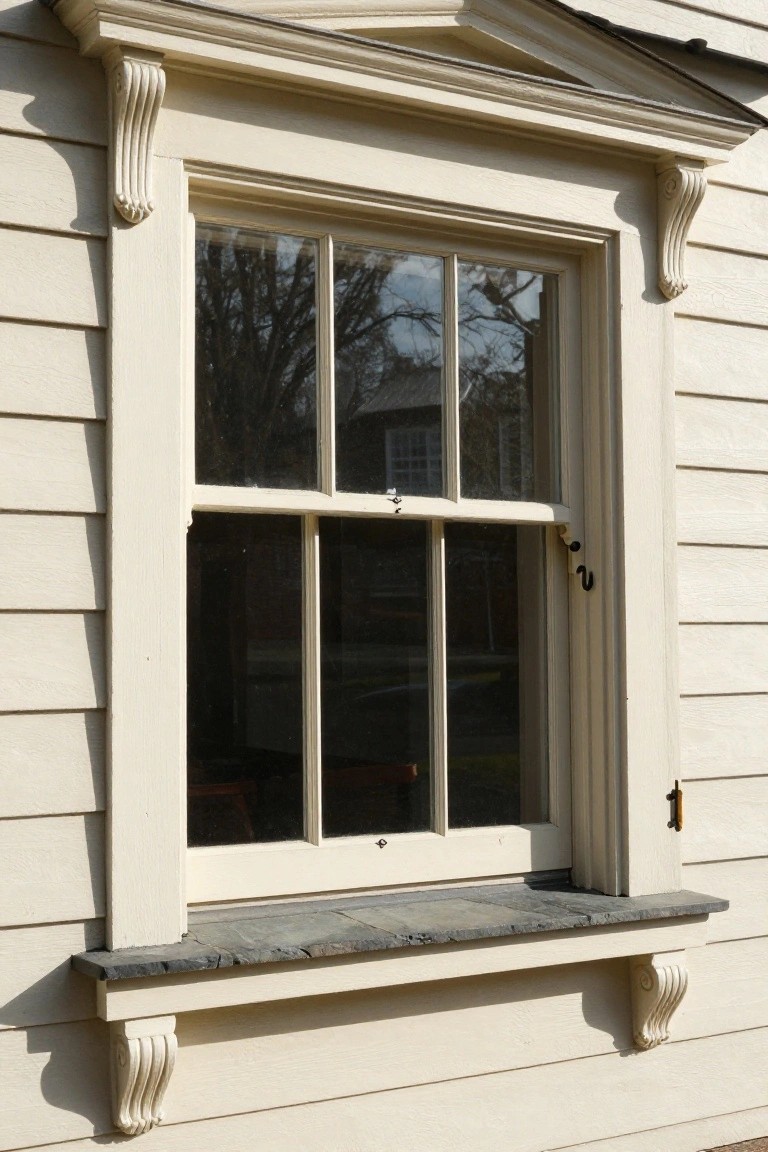
Carved brackets like these give a simple sash window real traditional lift. They’re shaped like scrolls or volutes, flanking the sides and adding that bit of detail folks notice on older homes. Paired with clapboard siding in a soft beige, they keep things elegant without overdoing it. A little plant on the sill just nods to everyday life.
These work best on two-story Colonials or farmhouses aiming for historic curb appeal. Stick them on multi-pane double-hungs, and match the wood tone to your trim. Skip if your house leans too modern… might feel out of place. Easy to add during a refresh, especially if you’re already painting.
Traditional Louvered Shutters on Porch Windows
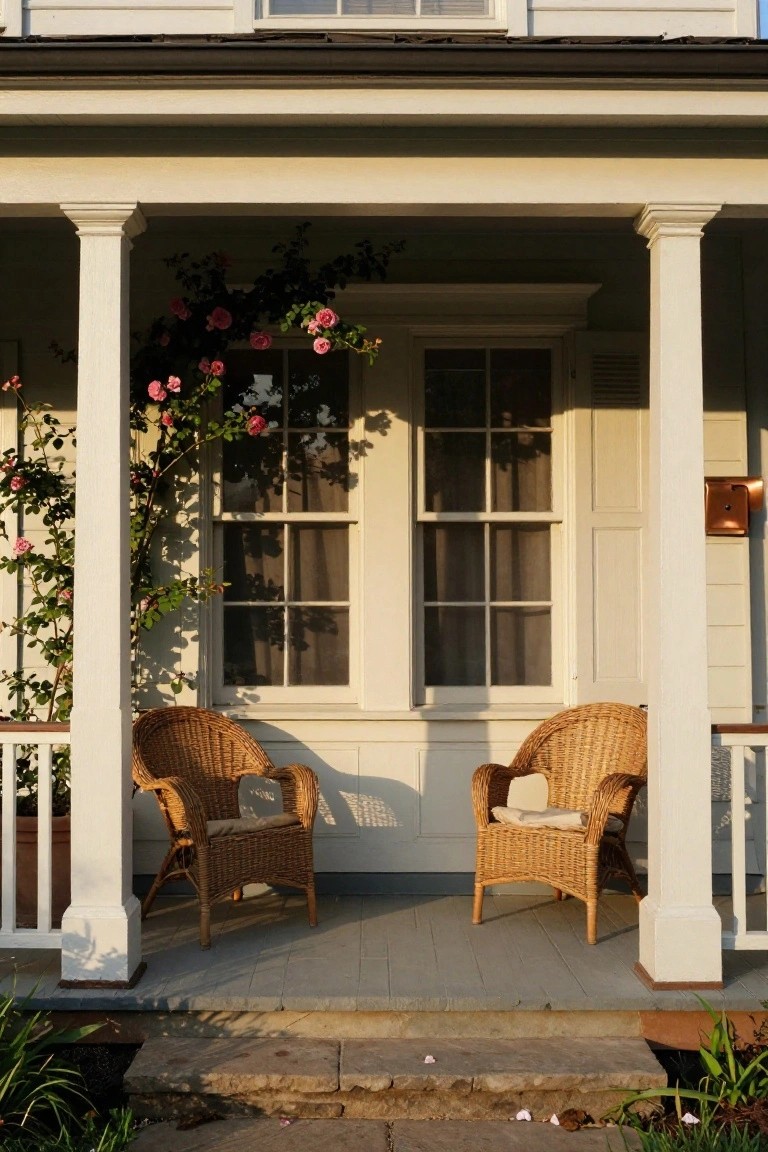
Louvered shutters like these work well next to multipaned windows on a colonial porch. They pick up the clean lines of the white trim and create nice shadows that make the whole facade feel more alive. The slats give a bit of texture without overwhelming the architecture.
Put them on homes with front porches where you sit out in the evenings. They suit classic styles best, especially if the trim is painted fresh white. Just check they hang right at the window edges so nothing looks off.
Red Shutters on Gray Houses
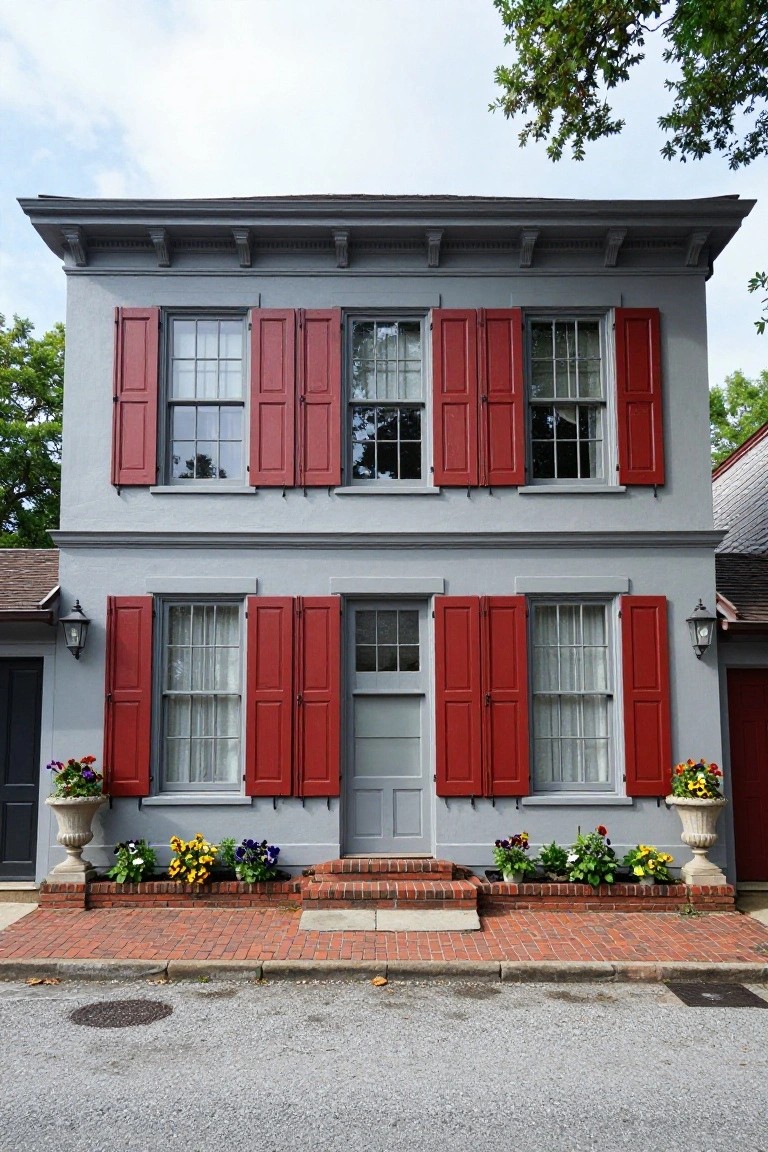
Red shutters stand out clean against a gray exterior like this. They frame the tall multi-pane windows and add that colonial punch without much fuss. The neutral body color lets the red do the talking. Keeps things balanced and welcoming from the street.
This works best on two-story homes with some symmetry. Pair it with a green door or lanterns for extra tie-in. Stick to matte paints so it doesn’t glare. Older neighborhoods take to it right away.
Dark Trim Around Multi-Pane Windows
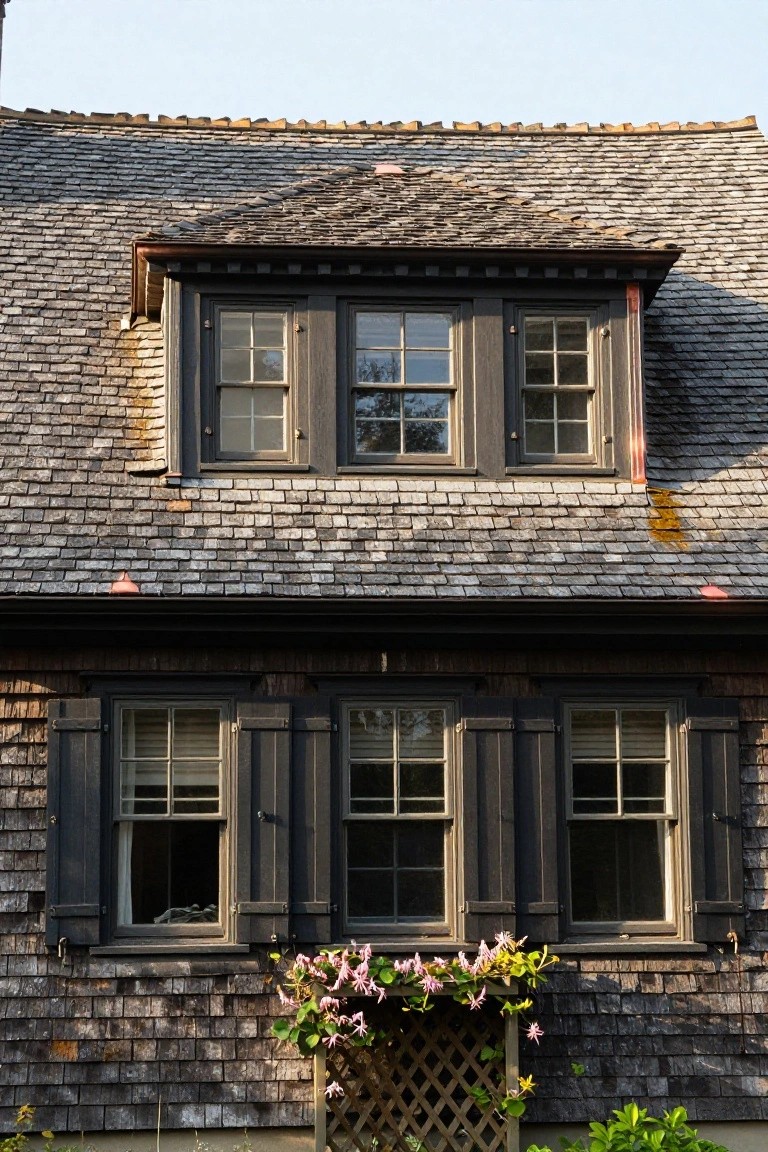
Dark trim and matching shutters work well on Colonial homes like this one. They outline the divided-light windows sharply against cedar shingle siding. That contrast pulls the eye right to the windows and gives the whole facade a settled, traditional look. No need for extra decoration.
You can add this to older homes or new builds aiming for that East Coast style. It suits shady spots where the dark wood stays rich without fading fast. Just match the trim color to your shutters, and keep windows clean for the grids to show. Skip it on super-modern houses, though. Might fight the lines.
Frequently Asked Questions
Q: Can I add colonial trim to modern vinyl windows without replacing them?
A: Sure, you can layer colonial trim right over vinyl windows. Just make sure the trim sits flush against the siding for a seamless look. Pick thinner profiles if your windows have a sleek frame.
Q: What’s the quickest way to paint new window trim?
A: Prime the trim first with a solid exterior primer, then roll on two coats of semi-gloss paint. Choose a color that echoes your shutters or door. Let it cure a full day before the rain hits.
Q: Should I DIY colonial window trim or call a carpenter?
A: DIY works fine for flat trim on single-story homes, but grab a pro for corners and multi-story spots. They handle the miter cuts perfectly every time. Save your weekend for enjoying the new look.
Q: How do I clean exterior trim so it stays crisp… A: Wipe it down yearly with mild soap and a soft brush. Rinse well and avoid pressure washers that pit the edges. Freshen with a coat of paint every three years.
