

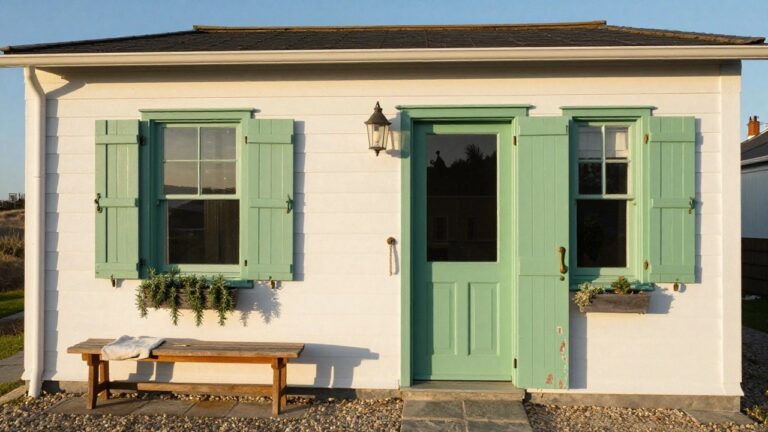
When you approach a house from the street, the window shutters frame the facade and either draw you in or let the whole front blend away unnoticed. Standard ones often match the siding too closely, ignoring how they could echo the roofline or entry arch for better flow. A while back, I fitted ours with panels that mimicked the porch brackets, and it was one change that made the street view feel more put-together. Shutters work best when they scale right to your architecture and materials, adding depth without clashing against brick or clapboard. Clip a couple ideas that suit your setup, since they hold up well over seasons and shift how people see your home from afar.
Mint Green Shutters Add Coastal Curb Appeal
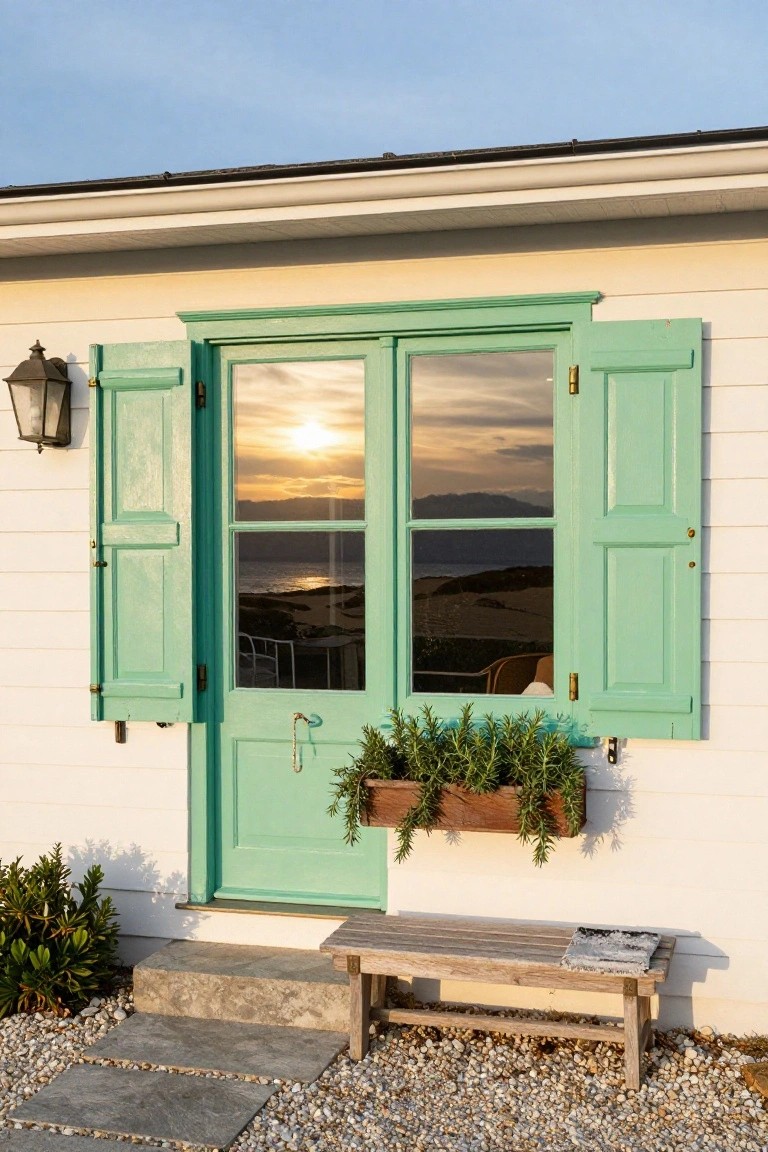
Green shutters like these show up best against a clean white exterior. The soft mint color pops without overwhelming the house. It pulls in the sea view through the glass door and window. A simple window box with herbs ties it right into the look.
Try this on clapboard homes near the water or anywhere you want easy color. Paint shutters to match on doors and nearby windows. Add a planter for green layers. Skip dark shades if you want that light, breezy feel. Works well with a bench out front for sitting.
Arched Wooden Shutters with Iron Straps
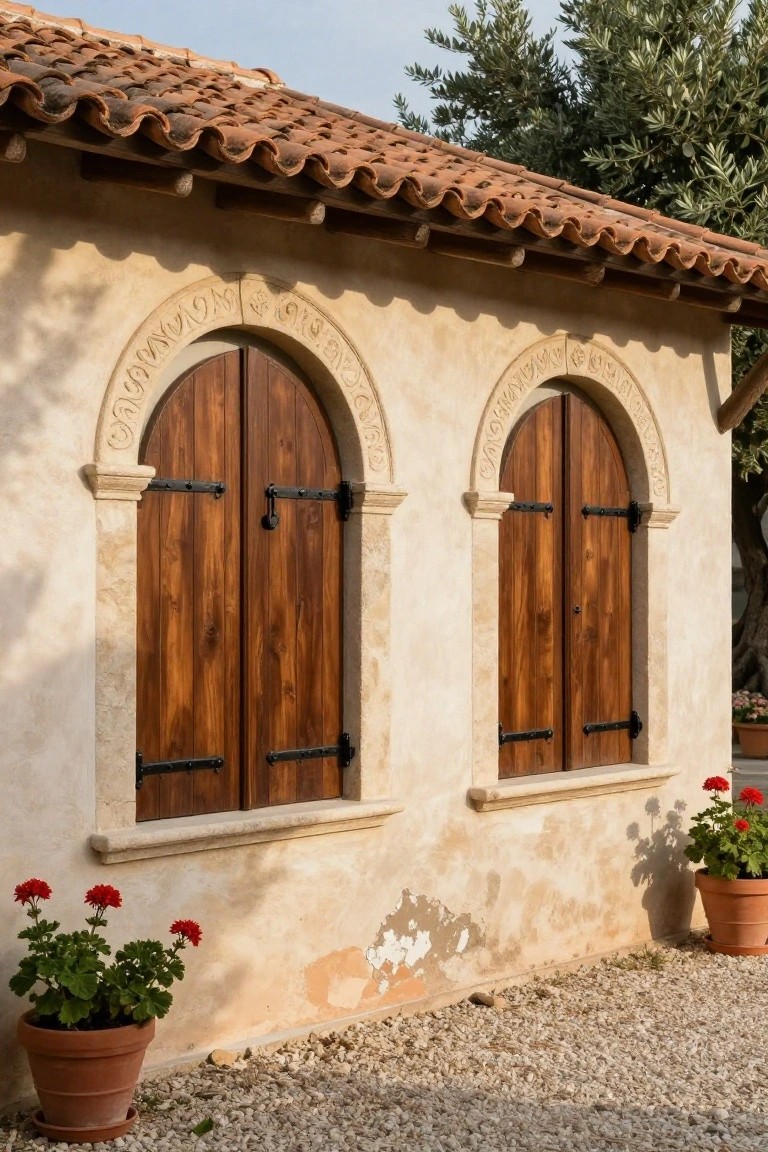
These arched wooden shutters stand out against a plain stucco wall. The dark wood fills the arches perfectly, and the heavy black iron straps add a bit of heft without overdoing it. It’s a look that feels sturdy and a little historic, especially with the rough texture on the walls nearby.
You can pull this off on ranch-style homes or additions with arched openings. Go for thick planks stained deep brown, and source iron hardware from salvage yards if you want that real aged vibe. Skip it on super modern places, though. It needs some curve or stone to play off.
Turquoise Shutters on Pink Siding
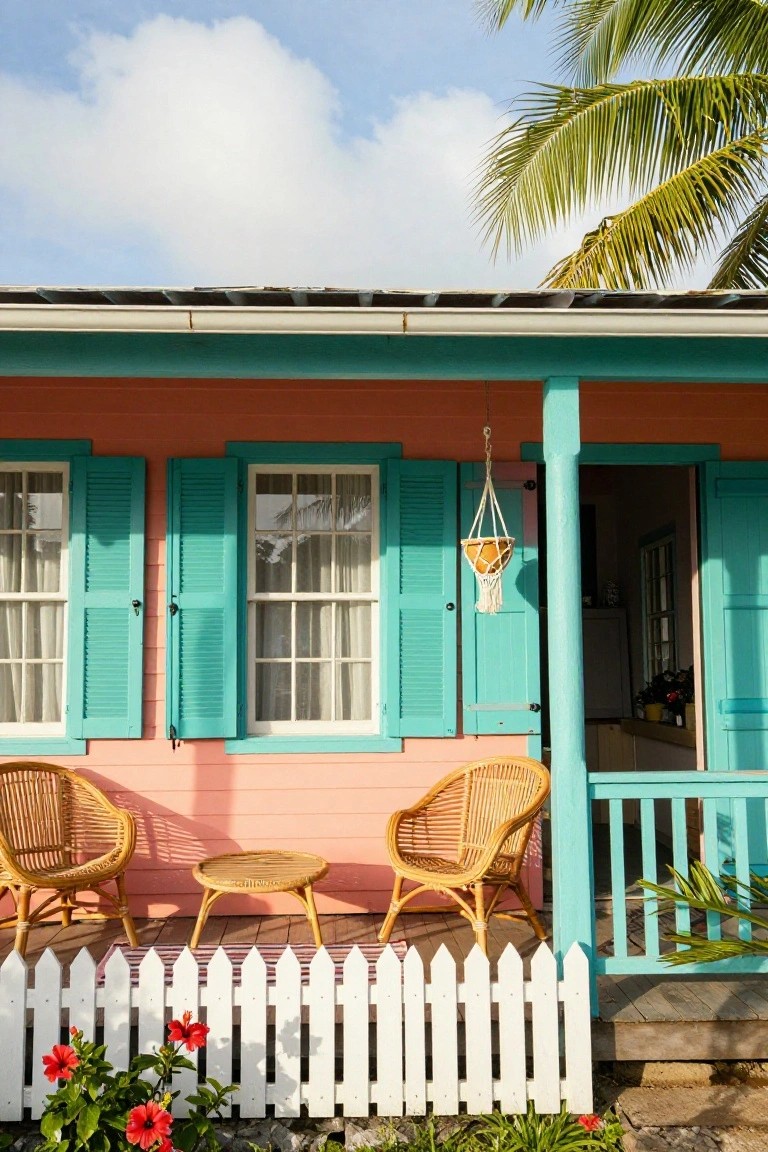
These turquoise shutters catch your eye right away on a pink house like this one. They frame the windows without blending into the walls. The color contrast gives the whole front a fresh tropical feel. It’s simple but makes the place look lively and different from plain wood shutters everyone else has.
You can pull this off on smaller homes or cottages near the beach. Pick a bold shade like this turquoise and pair it with softer pinks or corals on the siding. Just make sure the trim matches the shutters to tie it together. It works best where you want some color without going overboard.
Weathered Wooden Shutters for Real Cottage Character
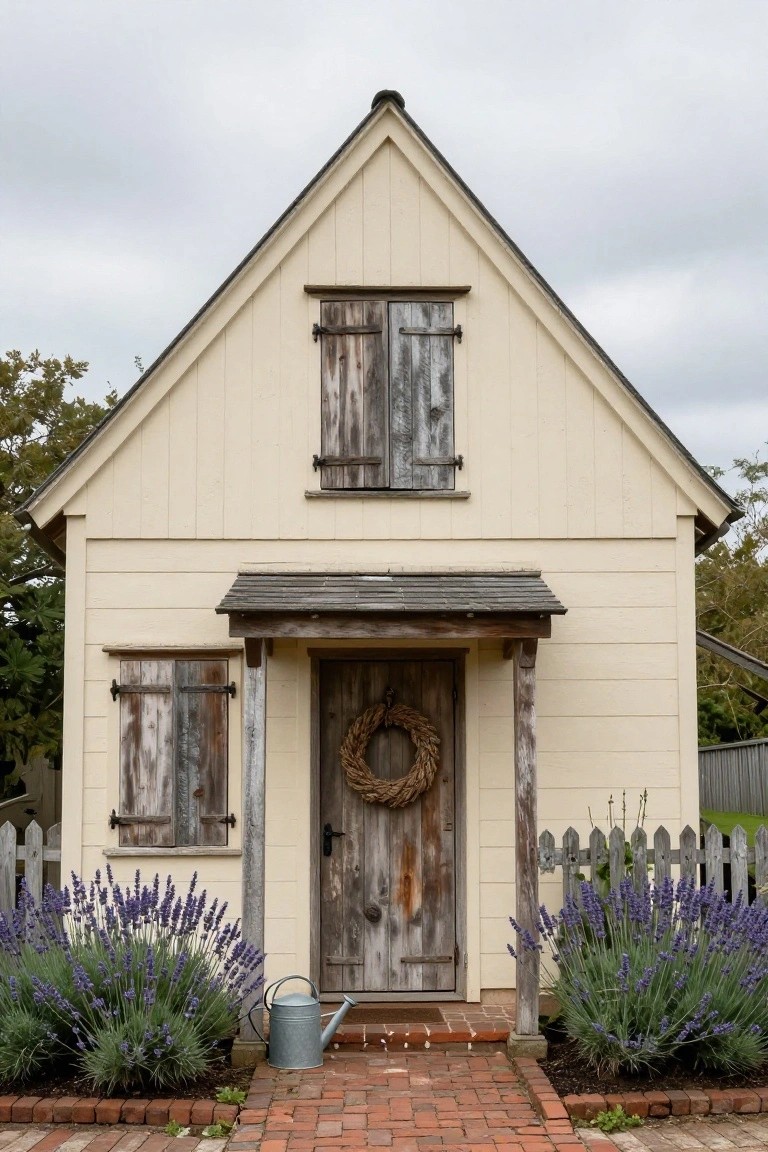
These shutters catch your eye right away because they look like they’ve been there for decades. The wood is beat up just right, with peeling paint and warped boards that feel honest. Paired with a plain beige clapboard house, they add that lived-in charm without trying too hard. It’s the kind of detail that turns a basic front into something with personality.
You can pull this off on a small cottage or farmhouse facade. Hunt for reclaimed barn wood or rough up new shutters with sandpaper and weather stain. They suit relaxed spots like country gardens or coastal yards. Keep them simple in size so they don’t overwhelm the windows.
Slatted Wood Shutters on Modern Walls
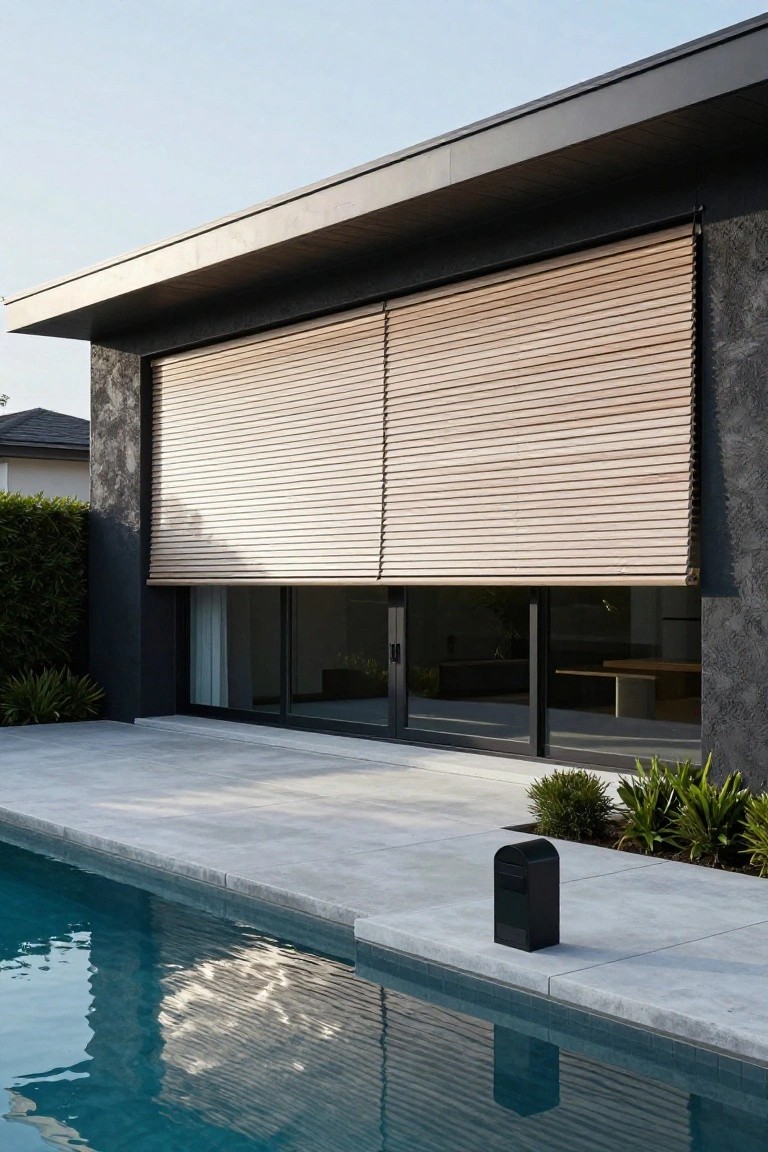
These slatted wood shutters slide across big glass doors and windows. They give a modern house some natural texture without feeling busy. The light wood warms up dark stucco walls nicely. And they let you control light and privacy from outside.
You can use them on any flat facade where you want shade or screening. They work best on homes with clean lines and lots of glass. Go for cedar or similar weatherproof wood. Just make sure the tracks are sturdy so they glide easy over time.
Navy Blue Shutters on Shingles
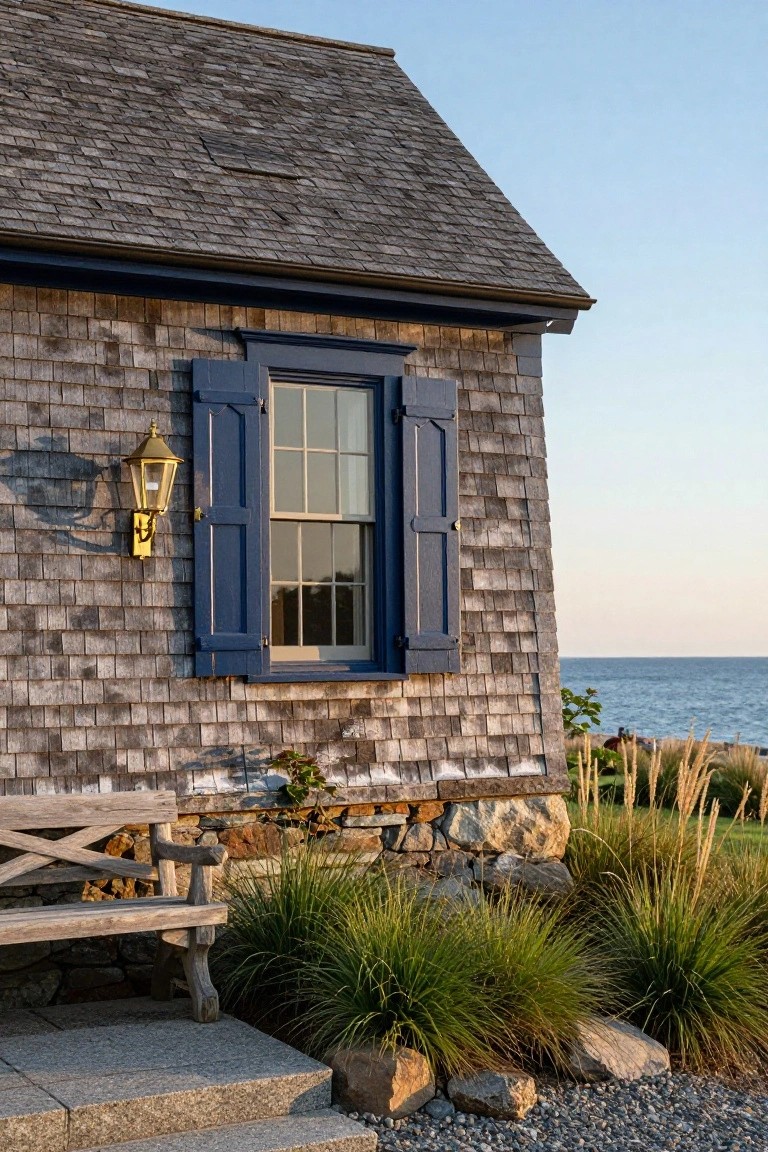
Navy blue shutters like these work well on a shingle-style house. The deep color pops against the natural gray siding without overwhelming the simple lines. Paired with a brass lantern nearby, they add just enough detail to make the window feel finished and classic.
You can pull this off on coastal homes or older New England places where shingles are common. Pick a true navy, not black, to keep it lively. Match the hardware in aged brass or black iron so it blends with the wood. Avoid bright blues, though. They can look too modern on traditional siding.
Green Shutters Painted to Match House Siding
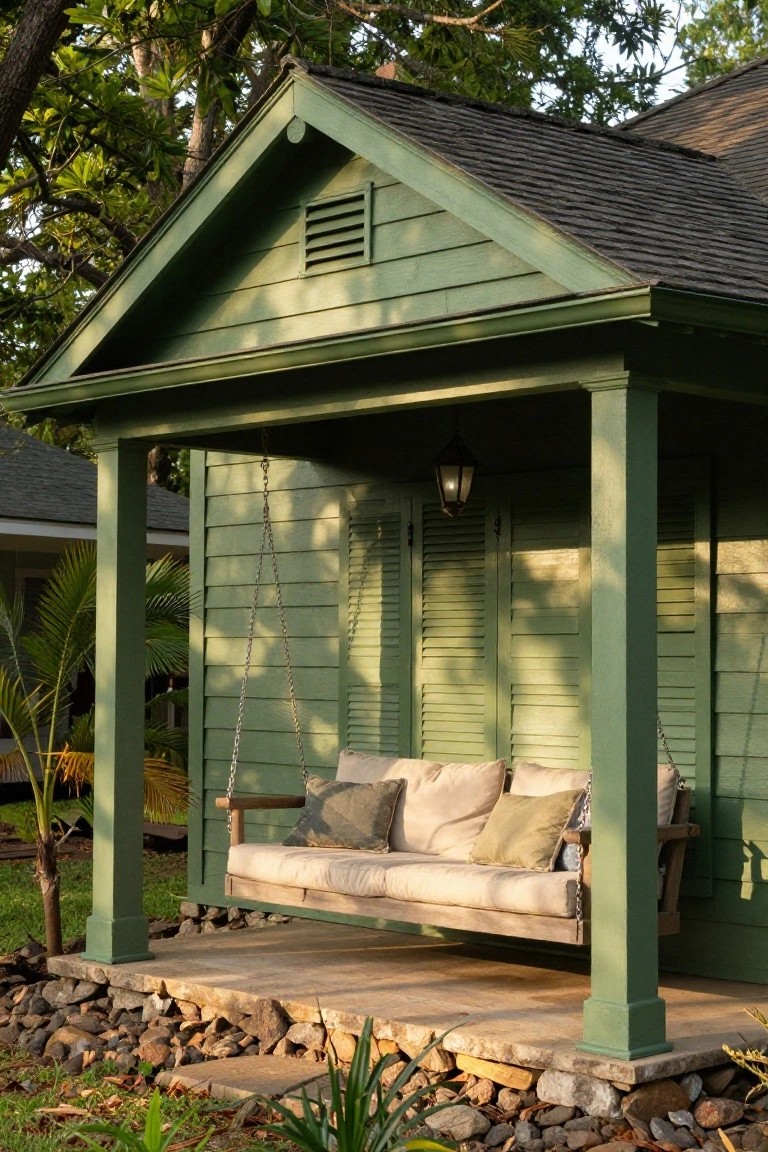
These shutters are painted the exact same green as the siding around them. That makes the porch wall look smooth and unbroken. No contrast to draw your eye. It pulls the whole structure together in a quiet way. With palms nearby, the setup feels right at home in a warmer spot.
Paint your shutters to blend like this when you want less fuss on the exterior. It suits wood houses with simple lines, especially porches or additions. Pick a shade that fits your local trees or grass. Just check the paint holds up outside year round.
Roll-Up Shutters on Brick Facades

These big black roll-up shutters fit right over wide windows and doors on a brick building. They give the whole front a tough, warehouse feel that’s far from the usual wooden shutters you see everywhere. The dark color picks up on the black metal stairs nearby and keeps things simple.
You can pull this off on older brick row houses or converted industrial spots in the city. They work best where you want security without much upkeep. Just make sure the tracks line up straight or it looks off… and pair them with some low plants at the base to soften the edge a bit.
Rustic Sliding Wood Shutters on Coastal Exteriors
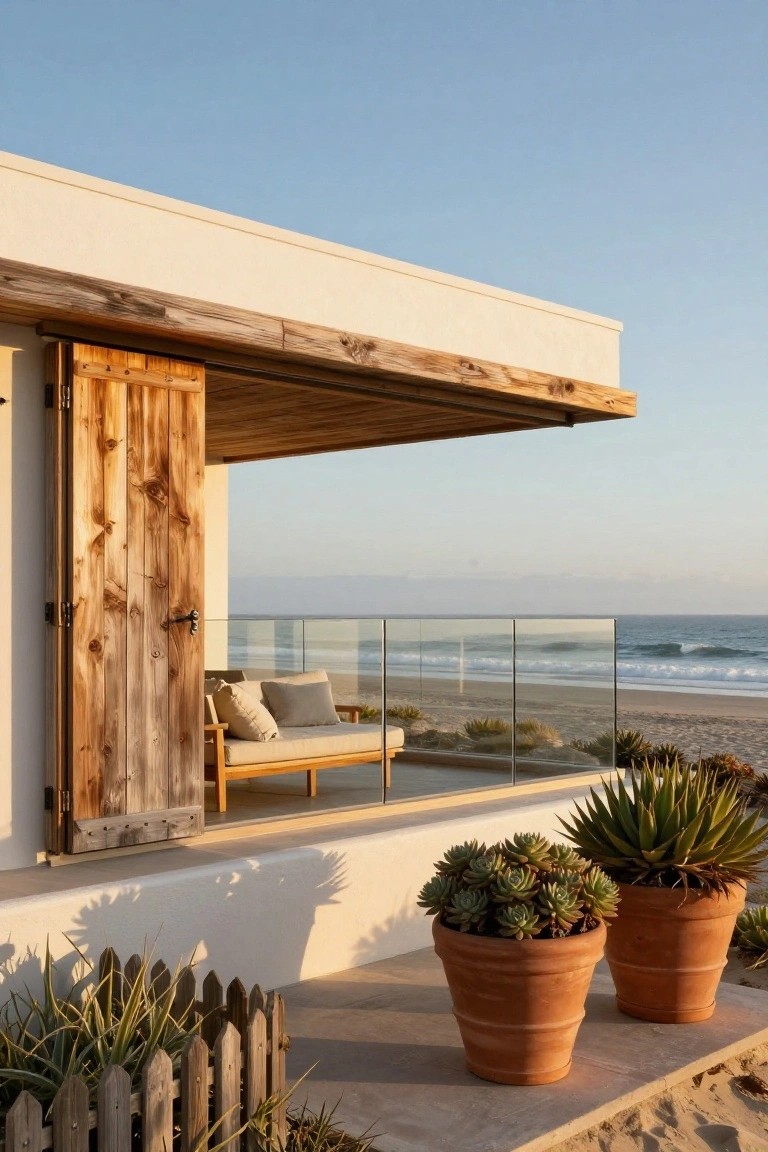
These sliding wood shutters made from weathered planks give a beach house that lived-in feel without going overboard. They slide open smooth across the stucco wall, letting in the ocean breeze when you want it. The rough texture stands out against the clean white walls and glass balcony rail, making the whole setup look more approachable.
You can pull this off on any low-slung modern home near the water or even a backyard patio. Match the wood tone to nearby driftwood or fences for flow. Just make sure the tracks stay sand-free, or they’ll stick after beach days. Works best where you need some wind block but still want that wide-open view.
Ornate Lattice Shutters
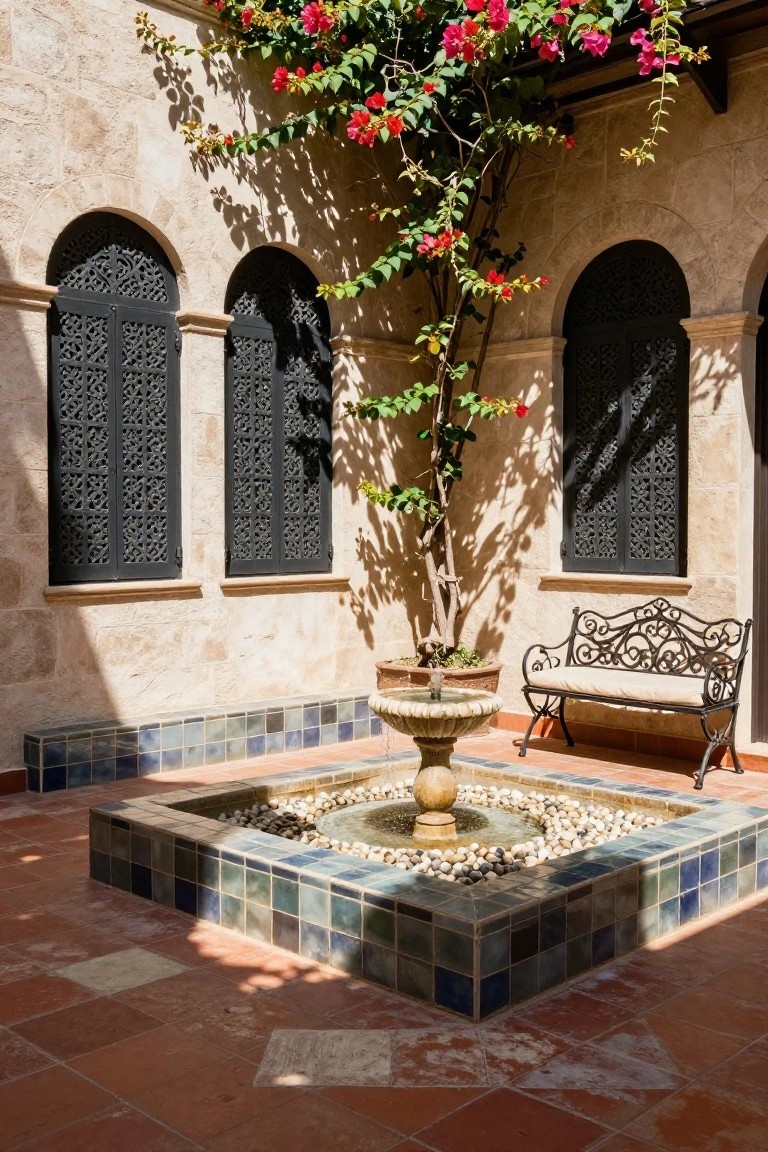
These black metal shutters with their detailed lattice cutouts cover arched windows in a simple way that feels old world. They let in light and air while keeping direct views out, which makes a courtyard feel private without being closed off. The pattern adds interest to plain stucco walls too.
You see this style a lot in Mediterranean homes or places with hot sun. Put them on side windows or courtyards where you want shade and some mystery. They work best on arched shapes but could fit regular windows if you match the scale. Just make sure the metal finish holds up to weather.
Heart Cutouts on Window Shutters
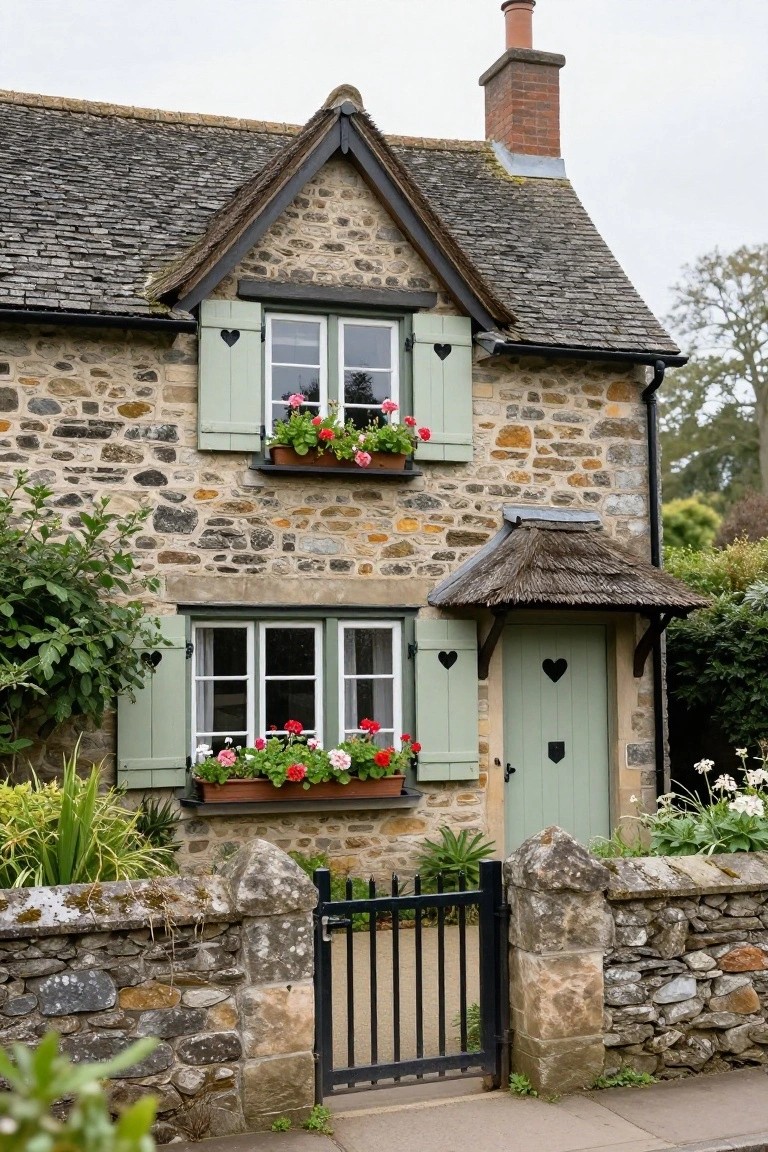
Simple heart shapes cut into the shutters give this stone cottage a bit of whimsy without trying too hard. The green paint keeps them soft against the rugged walls, and those little details pop just enough to make the front door and windows feel friendly. It’s a small touch that nods to storybook charm.
Try this on a bungalow or older home where you want personality up front. Use the hearts at the latch spots or higher up for balance. Stick to muted colors so they don’t overwhelm, and pair with flower boxes for that lived-in look. Works great in a village setting or anywhere curb appeal needs a lift.
White Shutters Matching Light Wood Siding
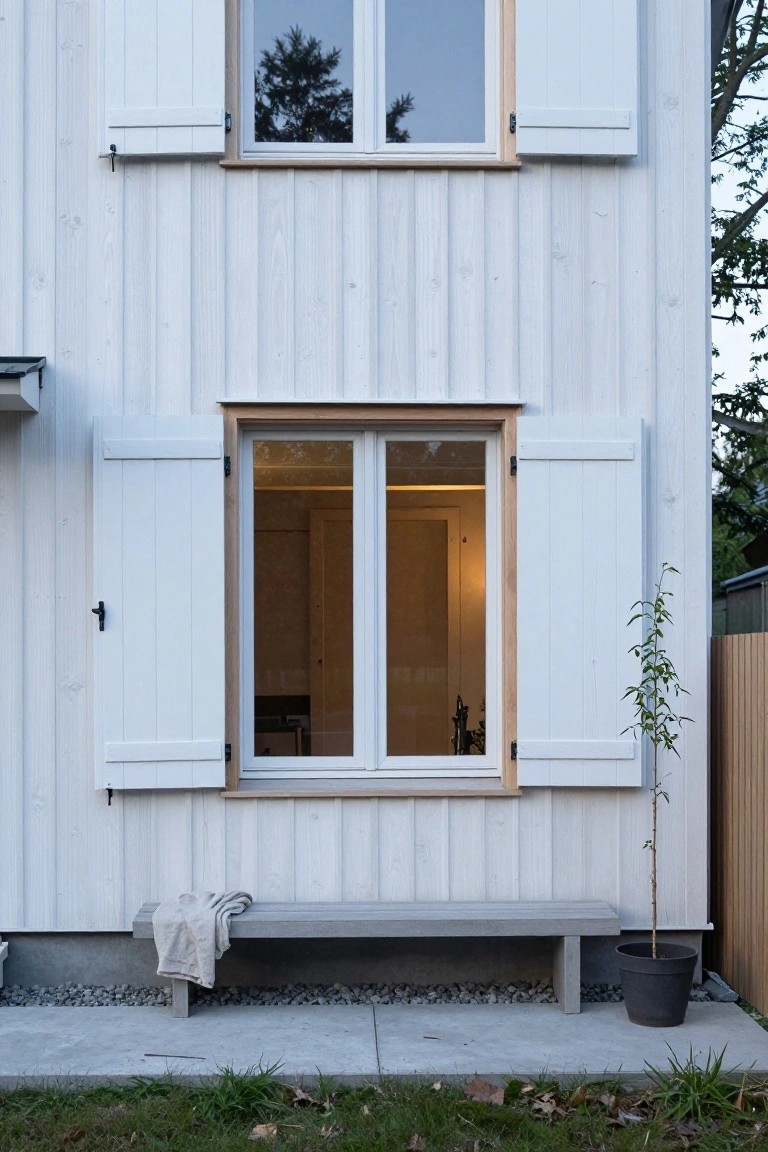
These white shutters sit right against the house’s white wood cladding. They open wide to frame the windows without standing out too much. That match makes the whole facade feel calm and put together. It’s a quiet way to add some traditional shape to a simple modern house.
You can pull this off on any light-colored exterior, especially wood or smooth siding. It works best in cooler climates or coastal spots where you want less fuss. Just keep up with sealing the wood so it stays fresh over time. A bench below keeps things practical.
Red Shutters on a Stone Cottage
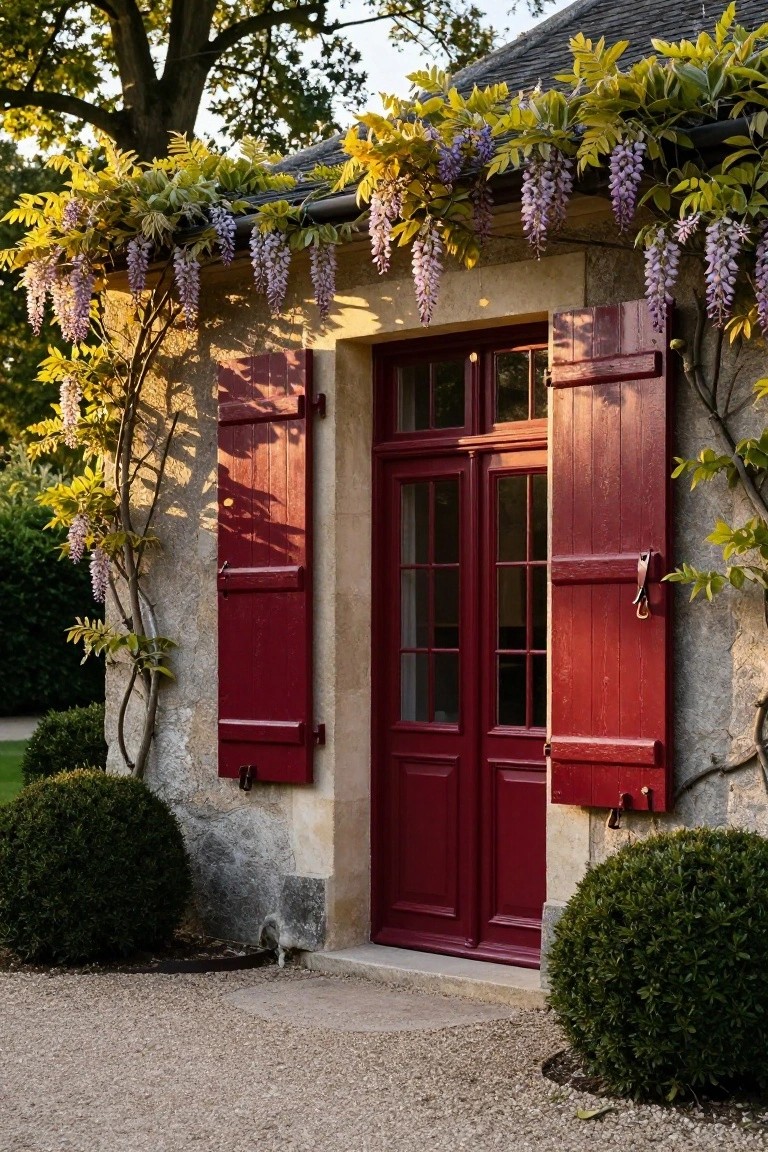
Red shutters like these give a stone house real personality. The deep color stands out against the pale walls without taking over. Climbing wisteria softens the edges and ties the shutters into the natural setting around the door.
This setup fits older cottages or farmhouses best, especially in rural spots. Pick a bold shade for your shutters to match brick-red doors or trim. Keep vines trimmed back so they don’t wear on the wood over time.
Woven Shutters on Brick Windows
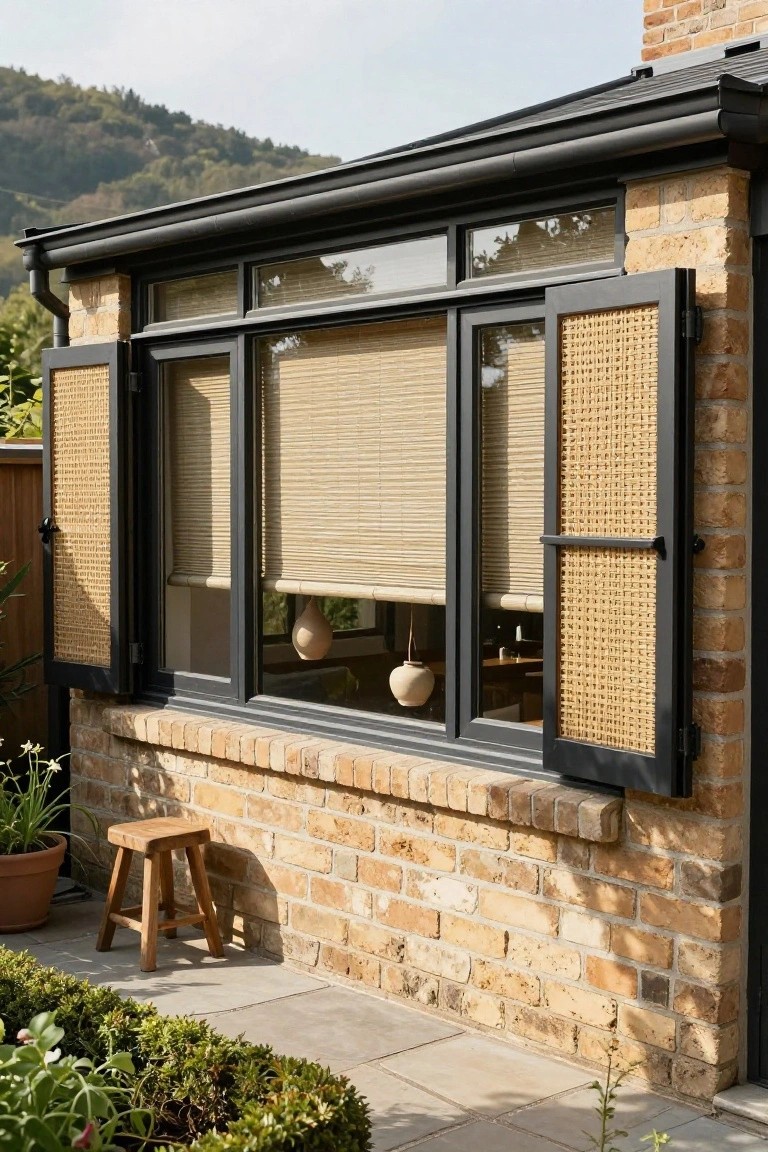
These woven shutters catch your eye right away on a brick house like this. Made from natural cane or rattan, they fit over black frames and let in some light while adding a soft texture. Against the solid brick wall, they keep things from feeling too heavy or plain. You see the bamboo blinds inside too, which ties it all together nicely.
Try them on homes with clean lines or traditional brick. They work best where you want privacy without blocking views completely. Just make sure the frames are sturdy since the material isn’t super heavy duty for bad weather. A spot like this patio edge would be perfect.
Turquoise Shutters Pop on Adobe Walls
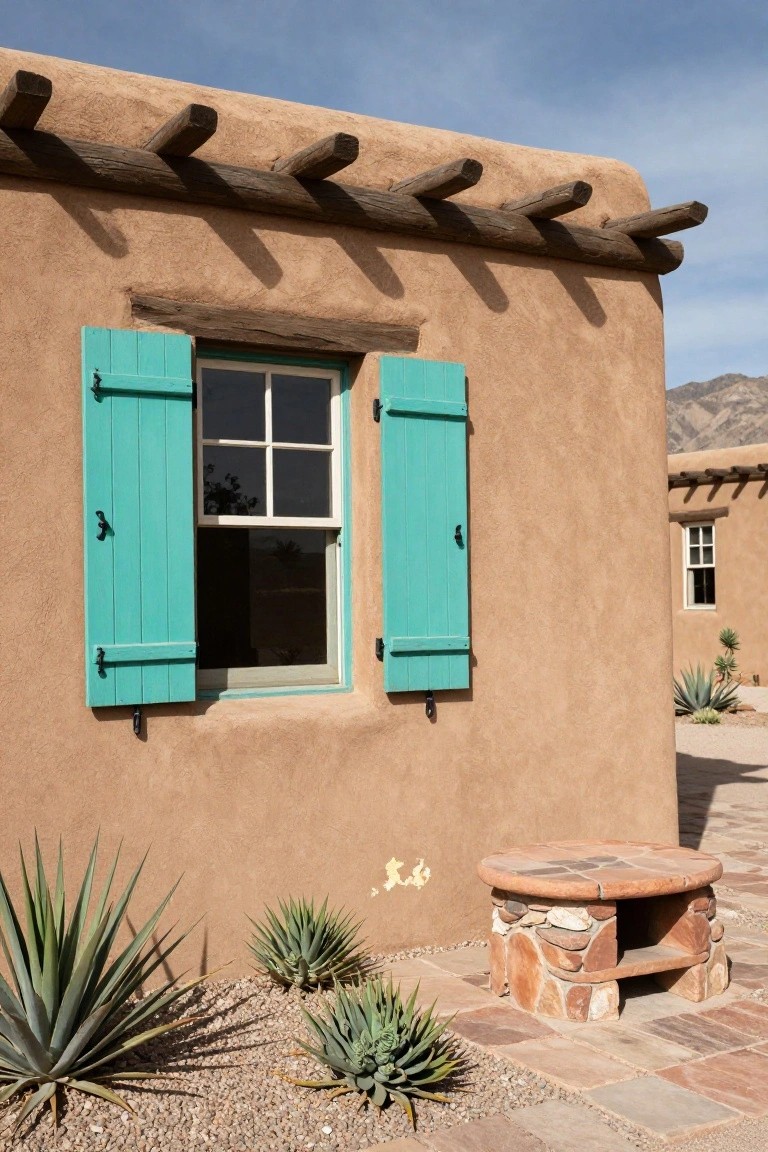
Those bright turquoise shutters catch your eye right away against the soft tan adobe. They add a real punch of color to what could be a plain wall, without going overboard. In a desert setting like this, the blue plays nice with the sky and brings some life to the earthy tones. It’s a simple switch that makes the house feel more welcoming from the street.
You can pull this off on any Southwest-style home or even a stucco place wanting that regional vibe. Go for painted wood shutters that open out like these, and keep the rest neutral so the color does its job. Just make sure the hinges are sturdy since they get a lot of use. Works best where you want subtle personality, not a full makeover.
White Shutters on a Dark House Side
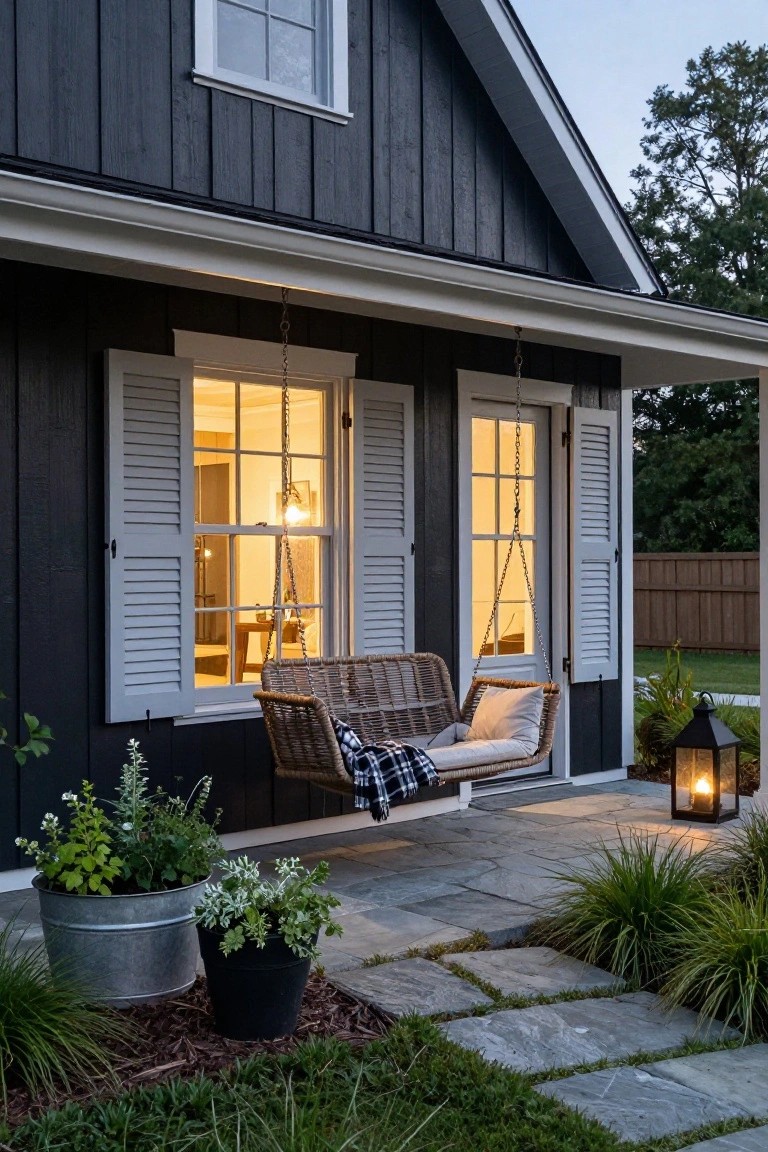
White shutters work really well against dark siding like this. They give the house a clean look without much fuss. Here the shutters sit flat against the black vertical boards, framing the warm glow from inside the windows. It keeps things simple but makes the whole porch area feel put together.
You can pull this off on any house with darker paint or stain. Just pick basic louvered shutters in a bright white to match the trim. They suit farm-style homes or even modern ones with a wood look. Make sure they are wide enough for your windows, or the contrast might feel off.
Bamboo Shutters on Glass Doors
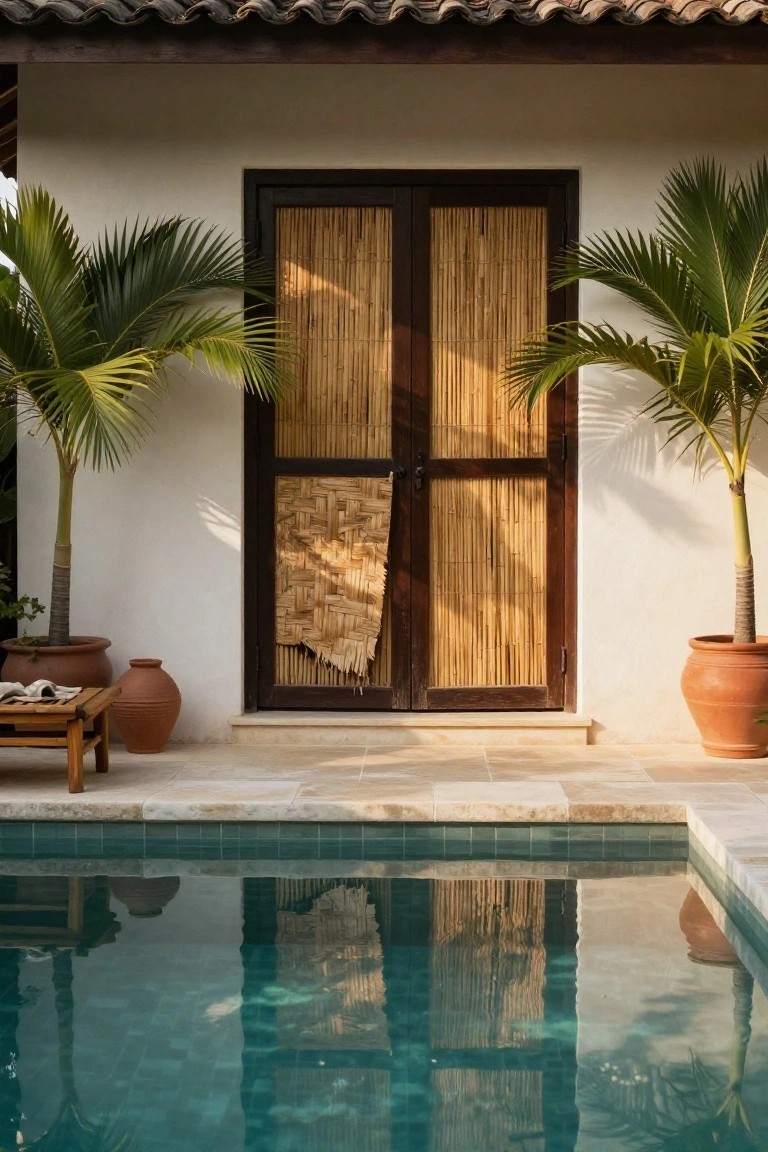
Woven bamboo shutters like these cover the glass panels of outdoor doors. They hang over dark wood frames on a plain white wall, giving a loose tropical feel that’s far from the usual wood slats or metal louvers. The rough texture stands out nicely against smooth stucco, and it lets some light filter through for a soft glow inside.
These work best on poolside entries or patios where you want privacy without shutting out the outdoors completely. Hang them on vacation homes or warm-climate spots with potted palms nearby. Source affordable bamboo mats from garden stores, and just tack them up seasonally if you like changing looks.
Red Shutters on Brownstone Facades
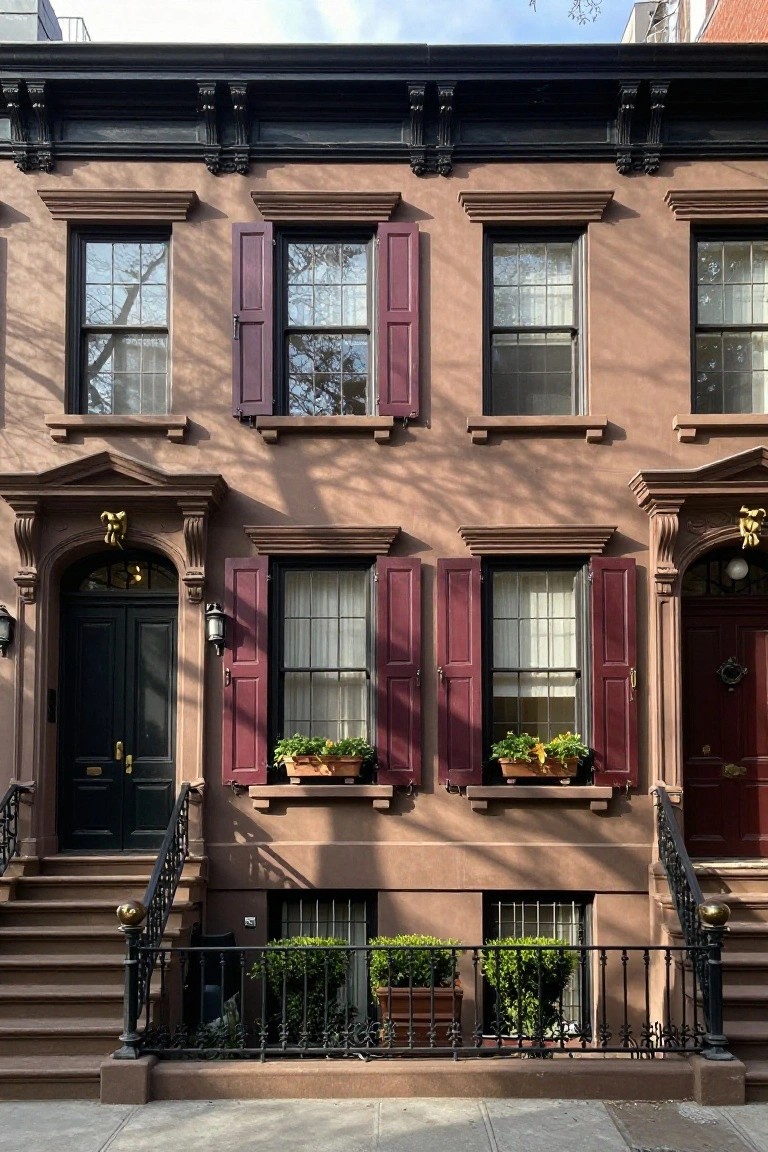
Red shutters like these give a brownstone that extra bit of color without going overboard. The deep maroon shade stands out nicely against the warm brown stone and darker window frames. It keeps the classic look but adds some personality that most neighbors skip.
Try this on older brick or stone homes, especially tight row houses in the city. Stick to one strong color for the shutters and keep doors and trim simple. Just make sure the red isn’t too orange or it might clash with the stone.
Vertical Ribbed Shutters for Modern Facades
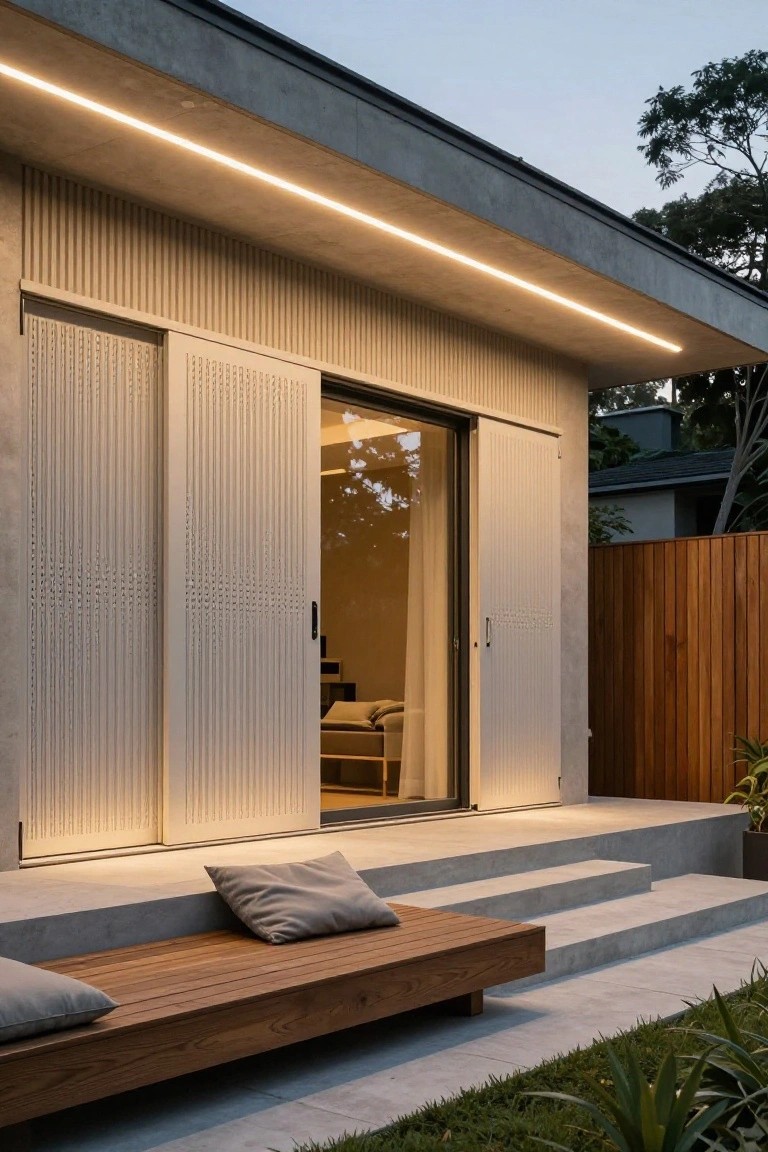
These sliding shutters catch the eye with their vertical ribbed texture in a soft beige tone. They cover large glass doors without looking like the usual louvered kind you see everywhere. The ribs add some subtle movement to the flat concrete and wood around them. It’s a simple way to make a plain exterior feel more intentional.
You can use them on patio doors or big windows where you want privacy but still some light coming through. They work best on newer homes with clean lines, maybe in warmer spots like coastal areas. Just make sure the material holds up to weather, since they sit right on the face of the house.
Frequently Asked Questions
Q: How do I measure for these one-of-a-kind shutters? A: Take measurements from the outside of your window frame. Add two inches to the width on both sides for proper coverage. Double-check against the shutter maker’s specs to nail the fit.
Q: Can I slap these on myself without calling a pro? A: Grab basic tools like a drill and level, and most install in an afternoon. Follow the hinge placement marks to line them up straight. Skip it if your siding needs heavy mods.
Q: What cleans these shutters without wrecking the look? A: Mix mild soap and water, then hose them down gently. Wipe with a soft brush for any stubborn spots… And they dry fast, ready for admiring.
Q: Do they hold up in harsh weather like storms? A: Tough materials like composites take wind and rain without warping. They shield windows better than flimsy vinyl too.
