

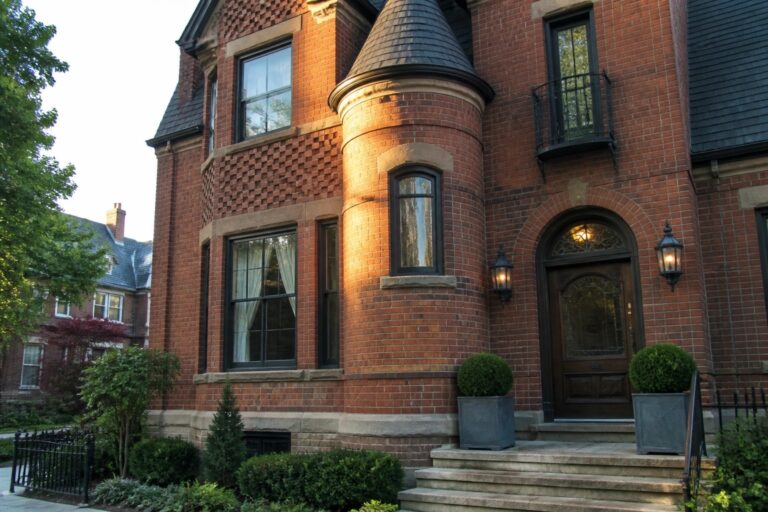
Red brick Victorian homes often stand out because the material itself provides a solid base for all the intricate trim and carvings that define the style.
I have found that when the ornate details are allowed to catch the light without too much competition from other elements, the facade gains a quiet depth that holds up in person.
People tend to notice the entryway and roofline first, yet it is the way the brick frames those features that really ties the whole look together.
Details like that change everything.
Over the years the contrast between the deep red tones and the lighter accents can either enhance or flatten the architectural lines depending on how they are maintained.
Stone Trim That Highlights Brick Details
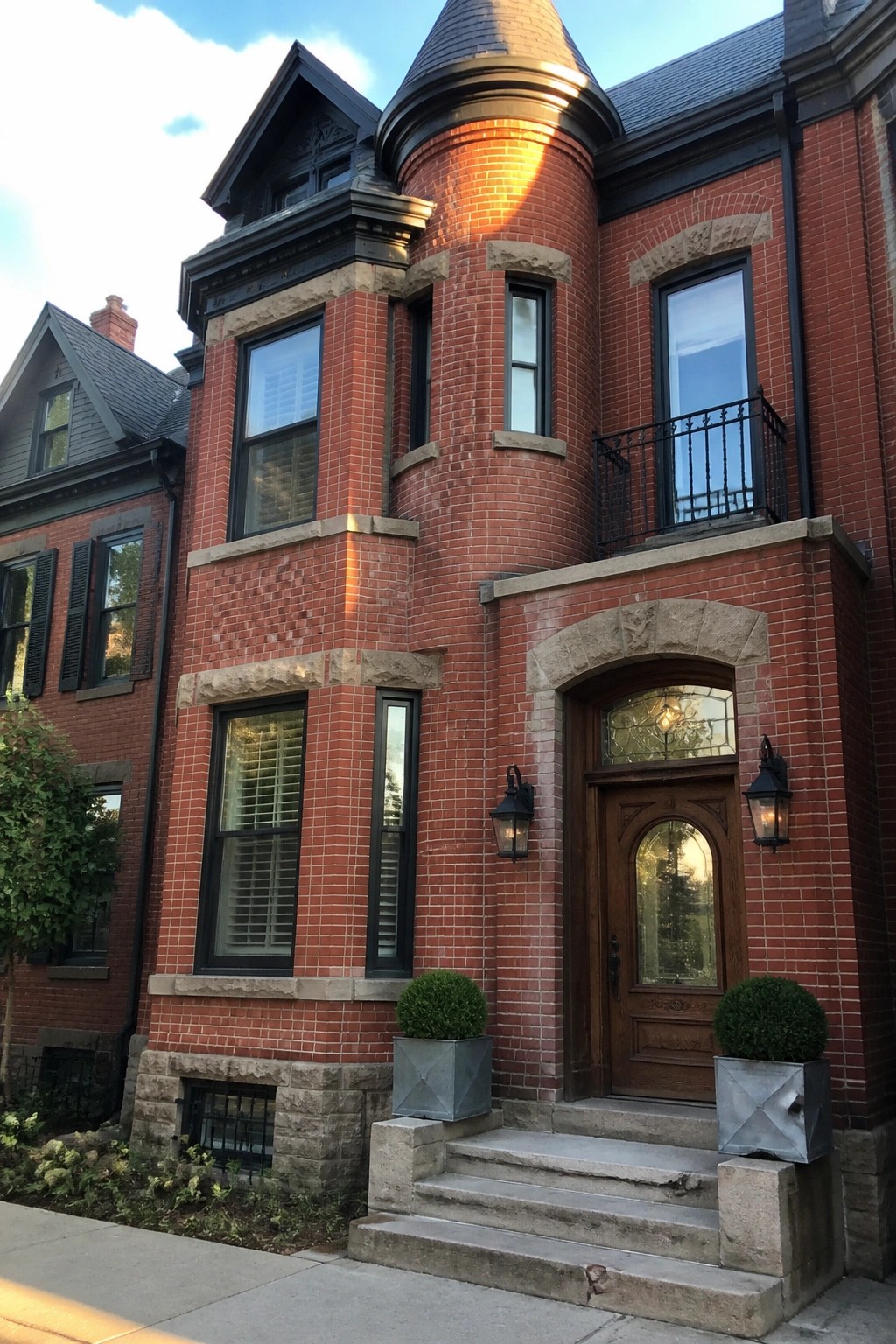
Stone trim around openings helps the ornate parts of a red brick Victorian stand out without extra decoration. The light color creates a clean break against the brick, so window shapes, arches, and corner details read more clearly from the street.
This works best on homes that already have strong lines and some existing stonework. Keep the trim simple in profile so it frames rather than overwhelms the brick, and match the tone to any existing sills or foundations already on the house.
White Trim Highlights Ornate Porch Details

Light colored trim can make a big difference on a red brick Victorian. It draws attention to the cutwork, brackets, and railings without competing with the brick itself. The result feels balanced and lets the original details read clearly from the street.
This works best on homes that already have strong porch architecture. Keep the trim color consistent across columns, eaves, and railings so the eye follows the shapes instead of stopping at each change. Avoid adding too many extra colors or the details can start to feel busy.
Red Brick Sets Off Ornate Trim
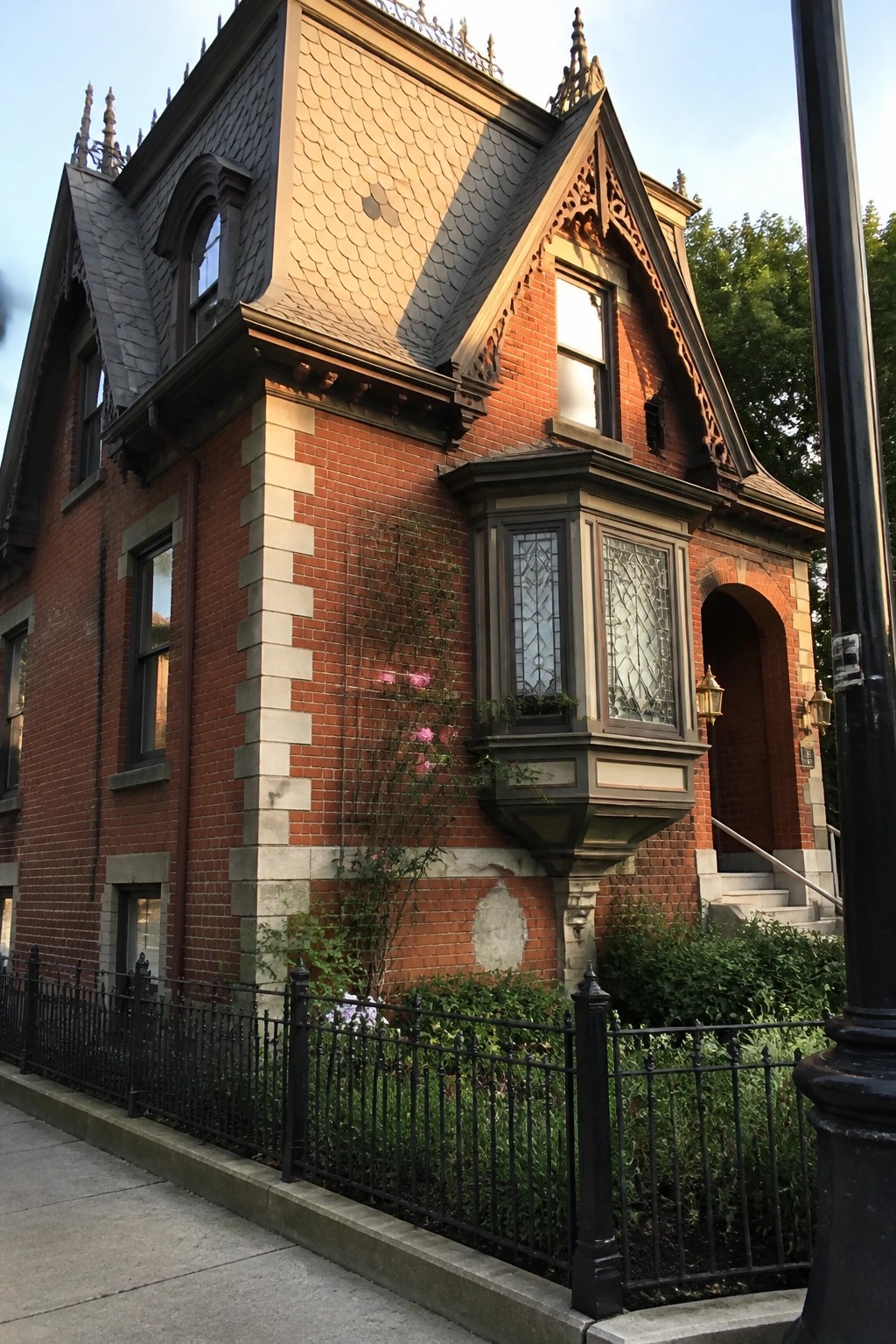
The solid red brick gives the carved woodwork and bay window a clear backdrop so those details read as intentional rather than busy. Stone corners keep the brick from feeling flat while still letting the trim stay the main focus.
This approach suits Victorians that already have strong original woodwork. Keep the trim color dark and limit other accents so the shapes and patterns do the work.
Stone Details That Stand Out On Red Brick
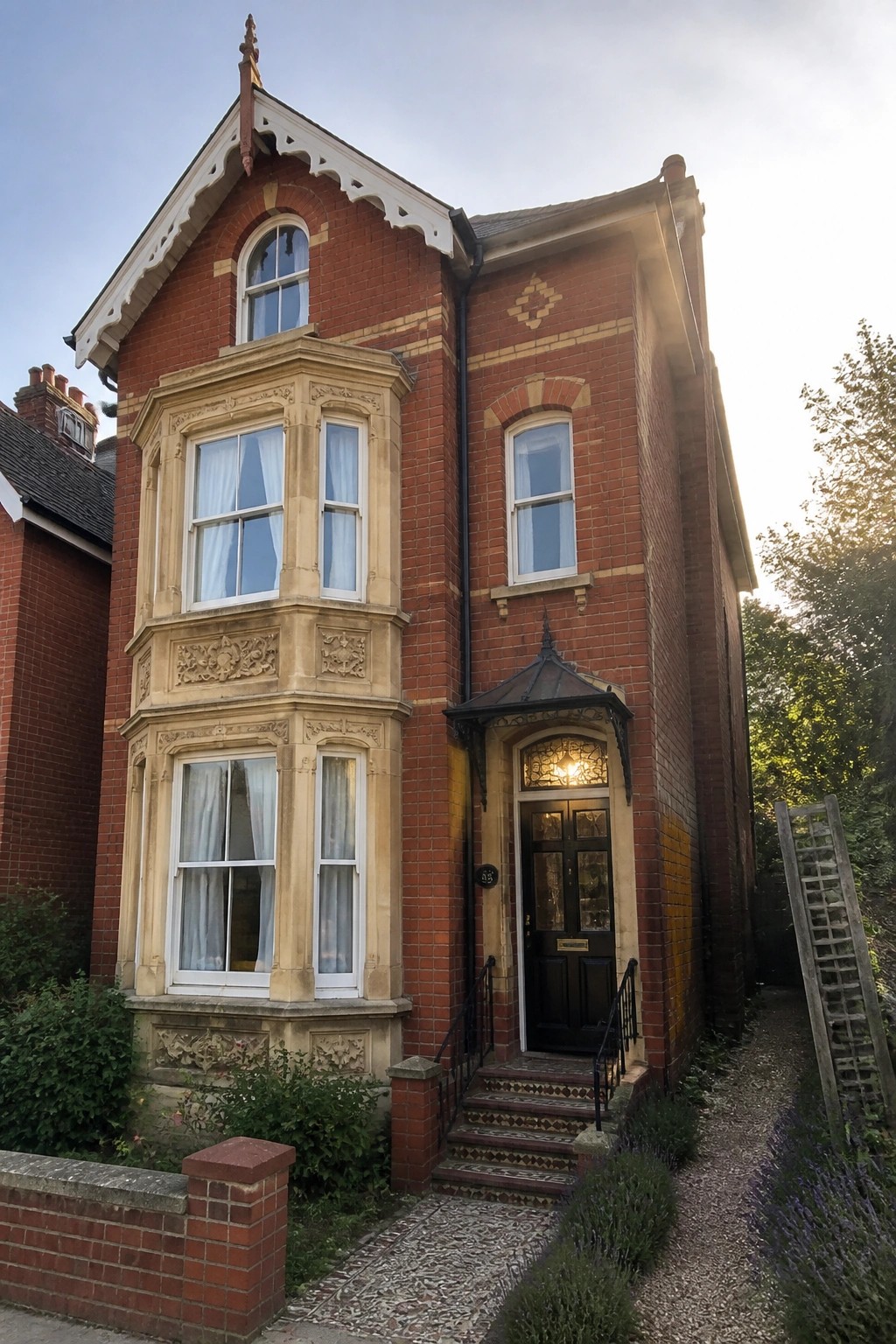
Red brick can look flat without something to break it up. Adding carved stone around a bay window or entry gives the facade depth and shows off the kind of detail Victorian homes were known for. The light color of the stone makes the brick feel richer rather than heavy.
This works best on homes that already have some architectural interest or on new builds trying to capture that older look. Keep the stonework focused on one or two key spots like a bay or the door surround so it does not feel overdone. Too much stone can compete with the brick instead of supporting it.
Carved Panels Beside the Door

Many red brick Victorian homes gain extra character from carved panels placed right next to the entry. These pieces break up the flat brick surface and give the doorway a more finished look without needing extra color or trim.
They suit homes that already have some architectural detail and work best when kept to just a few spots. Use them on either side of the door or along the lower section of the facade, and keep the surrounding brick and paint tones simple so the carvings stay visible.
Conservatories That Highlight Victorian Details
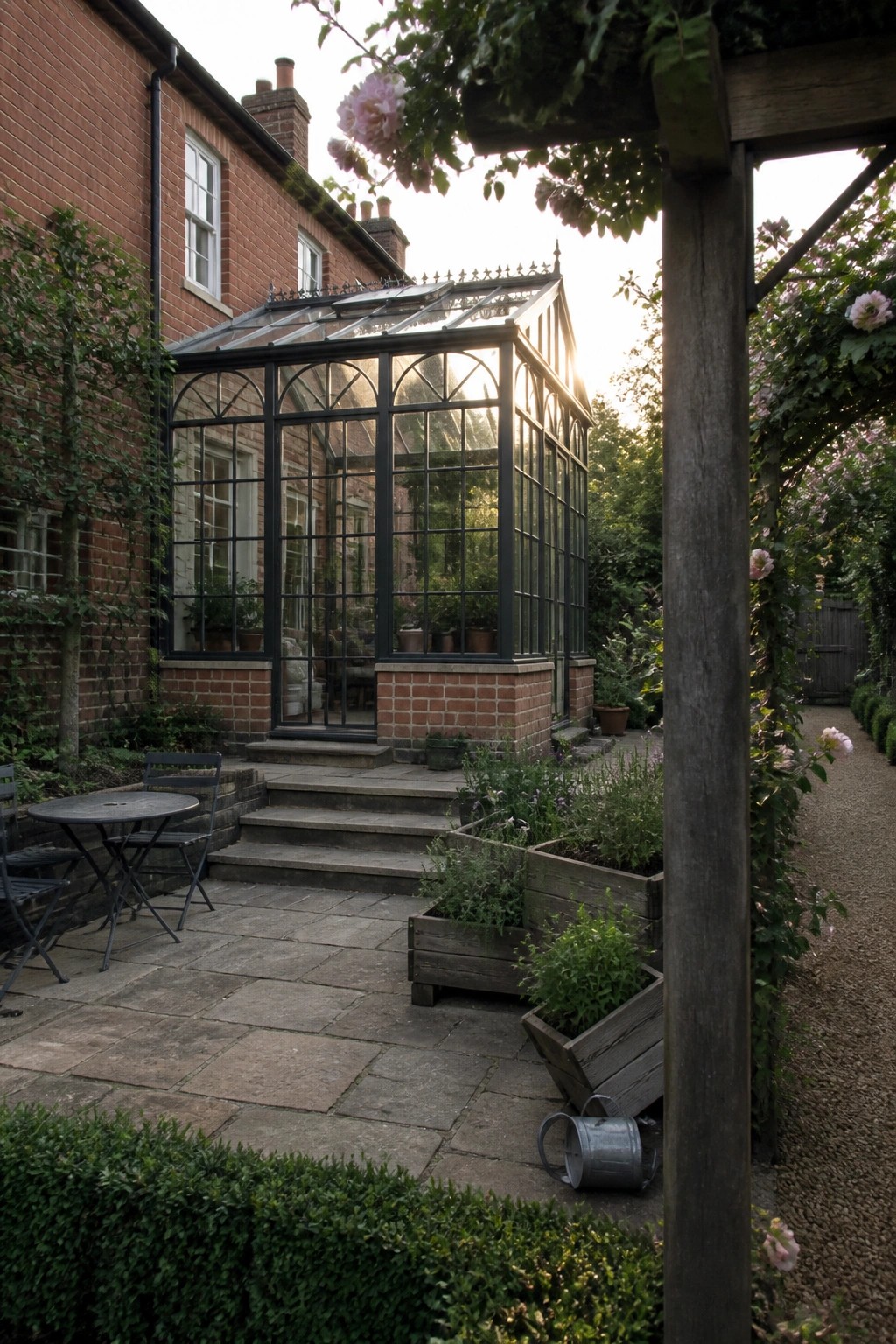
A glass conservatory adds real presence to a red brick Victorian without needing extra trim or decoration. The dark frame and arched glasswork play off the brick and existing iron details, giving the facade more depth while keeping the focus on the original architecture.
This works best when the structure stays modest in height and sits on a simple brick base. Match the scale to the house and avoid filling every inch of glass so the addition feels like it belongs rather than competes.
Stone Accents That Highlight Ornate Brick Details

Red brick already gives a house plenty of character, but the carved and shaped details can fade into the background without some contrast. Light stone trim around the entrance, windows, and balcony helps those features read more clearly against the darker brick.
This works best on Victorian homes that already carry a lot of ornament. Use the stone sparingly on columns, sills, and railings so it frames the details instead of competing with the brick itself.
Stone Accents That Frame The Openings
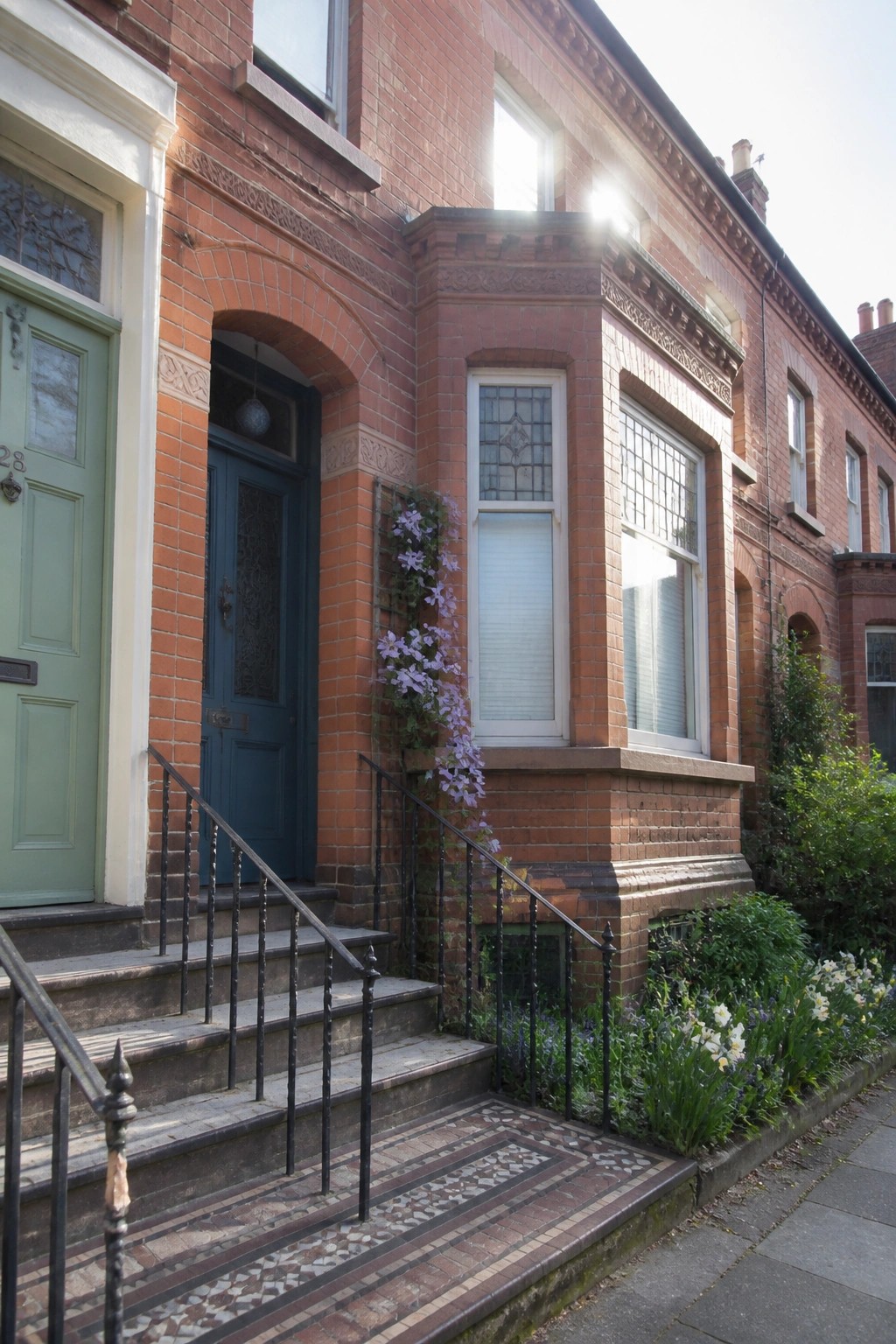
Many red brick Victorian homes gain extra character when lighter stone or molded brick is used around the doors and windows. The contrast draws the eye to the carved details without needing extra color or bold paint.
This works best on facades where the brick itself stays simple. Match the tone of the stone to the period of the house and keep the trim narrow so it emphasizes the shape of each opening rather than overpowering the wall.
Arched Entries Add Character to Brick Homes
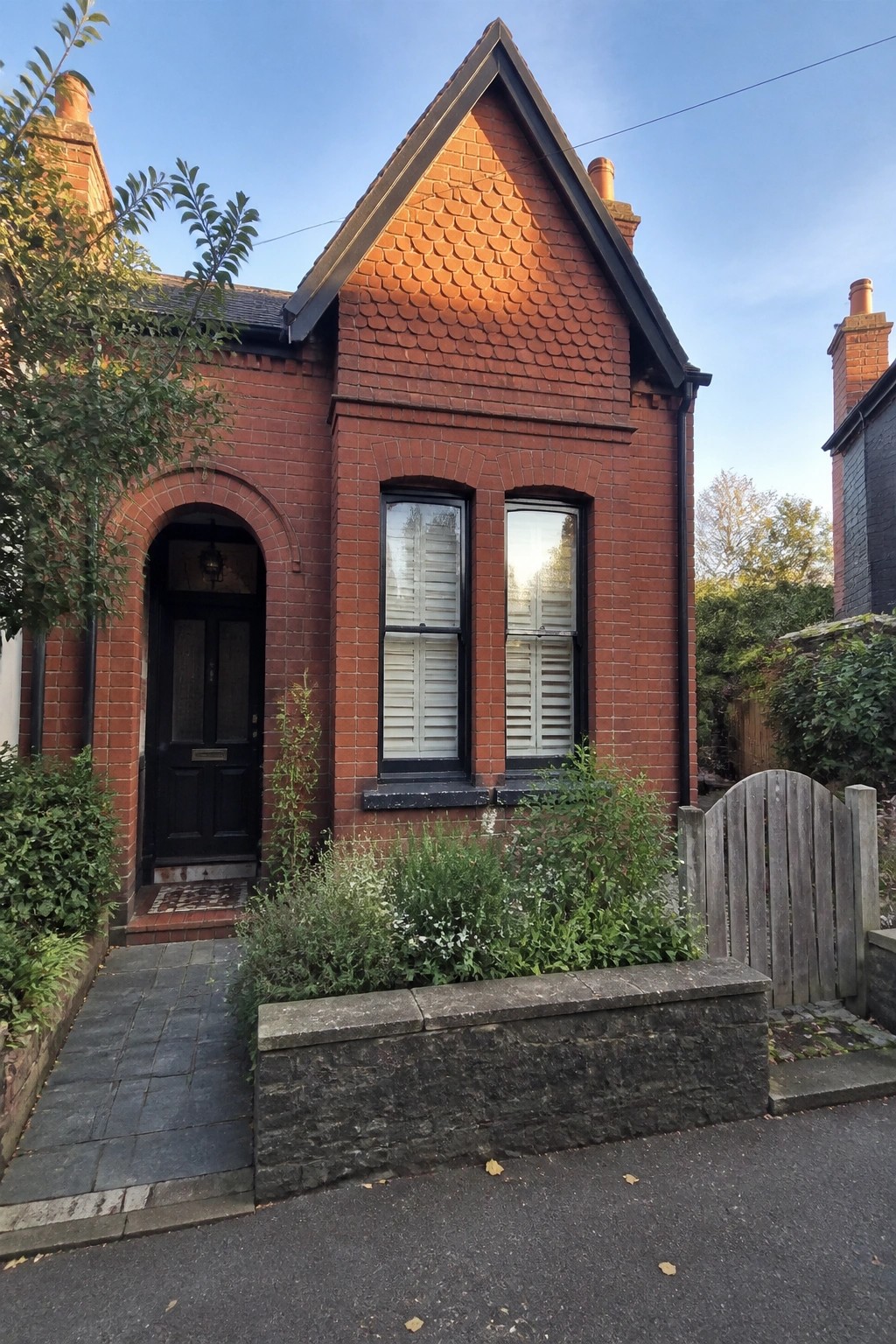
An arched doorway gives a red brick facade more presence without extra decoration. The curve softens the straight lines of the brick and draws attention to the entrance in a simple way.
This detail suits Victorian homes or any brick exterior that needs a bit more shape. Keep the trim dark and the rest of the front fairly plain so the arch stays the main focal point.
Ornate Ironwork Accentuates Red Brick Facades
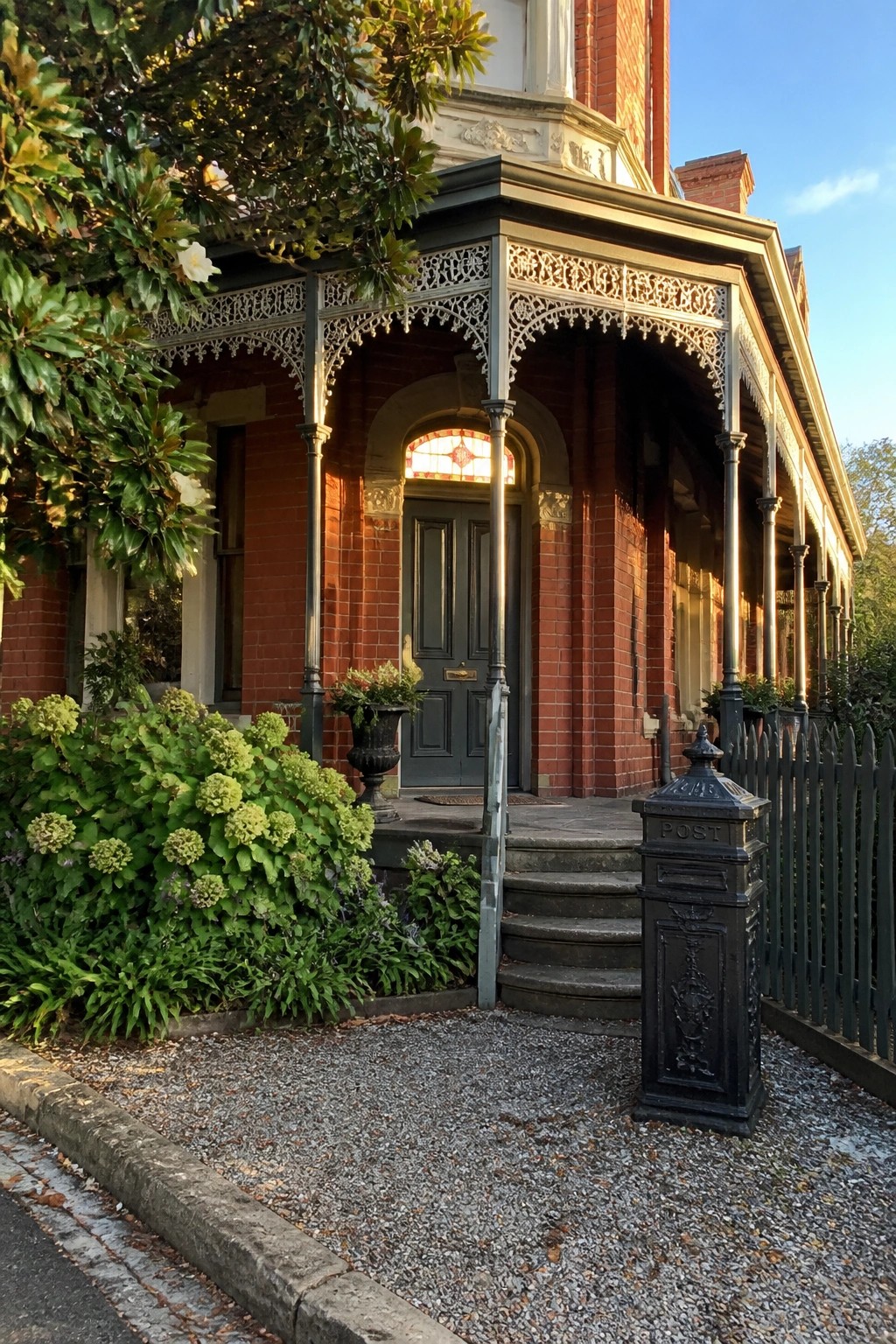
Cast iron trim on a porch can lift the look of red brick without competing with it. The fine patterns stand out against the solid material and give the entry a finished feel that still reads as classic.
This approach suits older homes where the brick already carries weight. Keep the ironwork in scale with the windows and door so it adds detail rather than clutter.
Arched Entries Highlight The Front Door
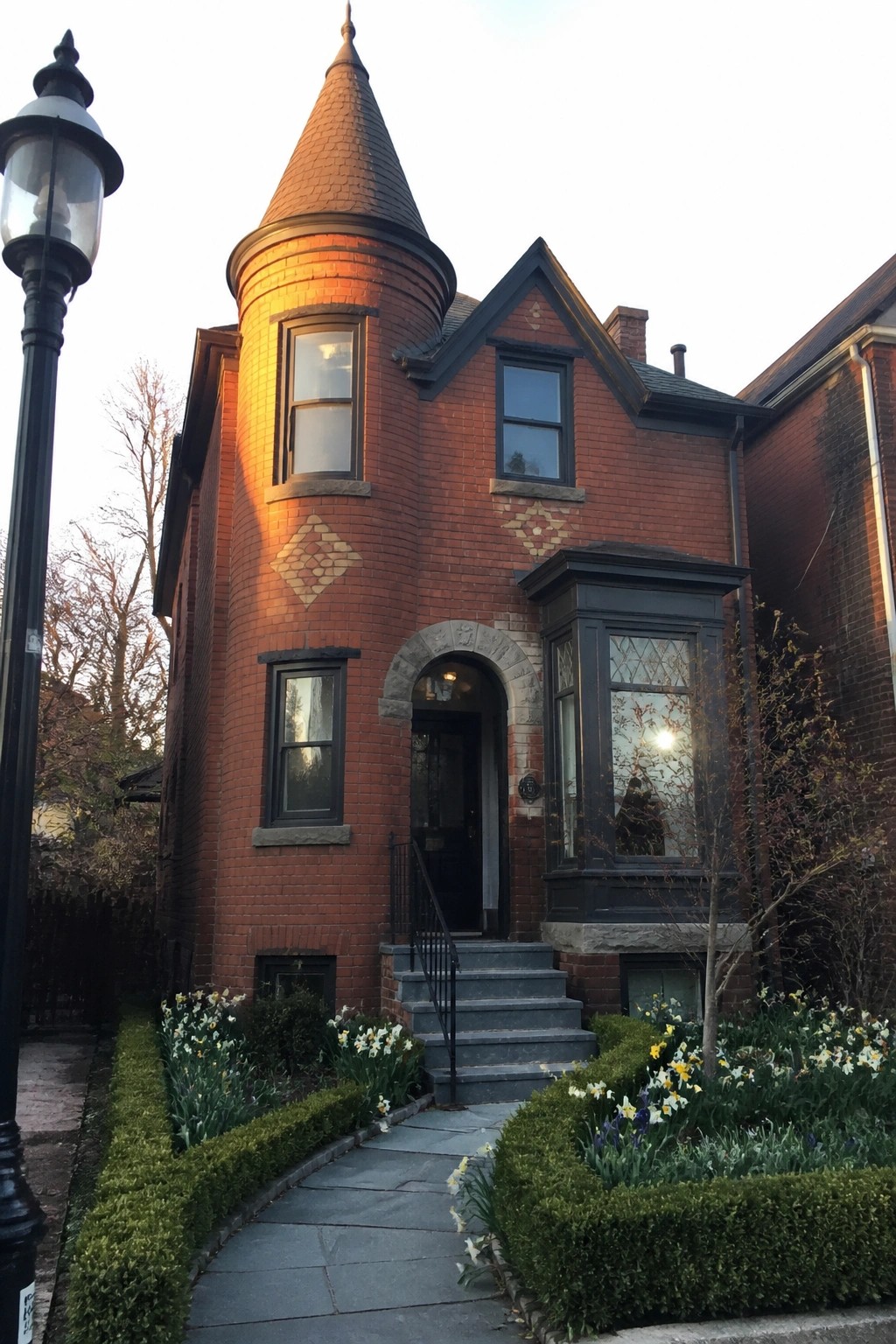
An arched stone surround around the door gives a red brick Victorian a clear focal point. It breaks up the solid wall and adds a touch of detail that feels built in rather than added on later.
This approach works best on homes where the entry sits in the center of the facade. Keep the arch width in scale with the door itself and let the brick do most of the work around it.
Iron Accents That Frame Brick Details
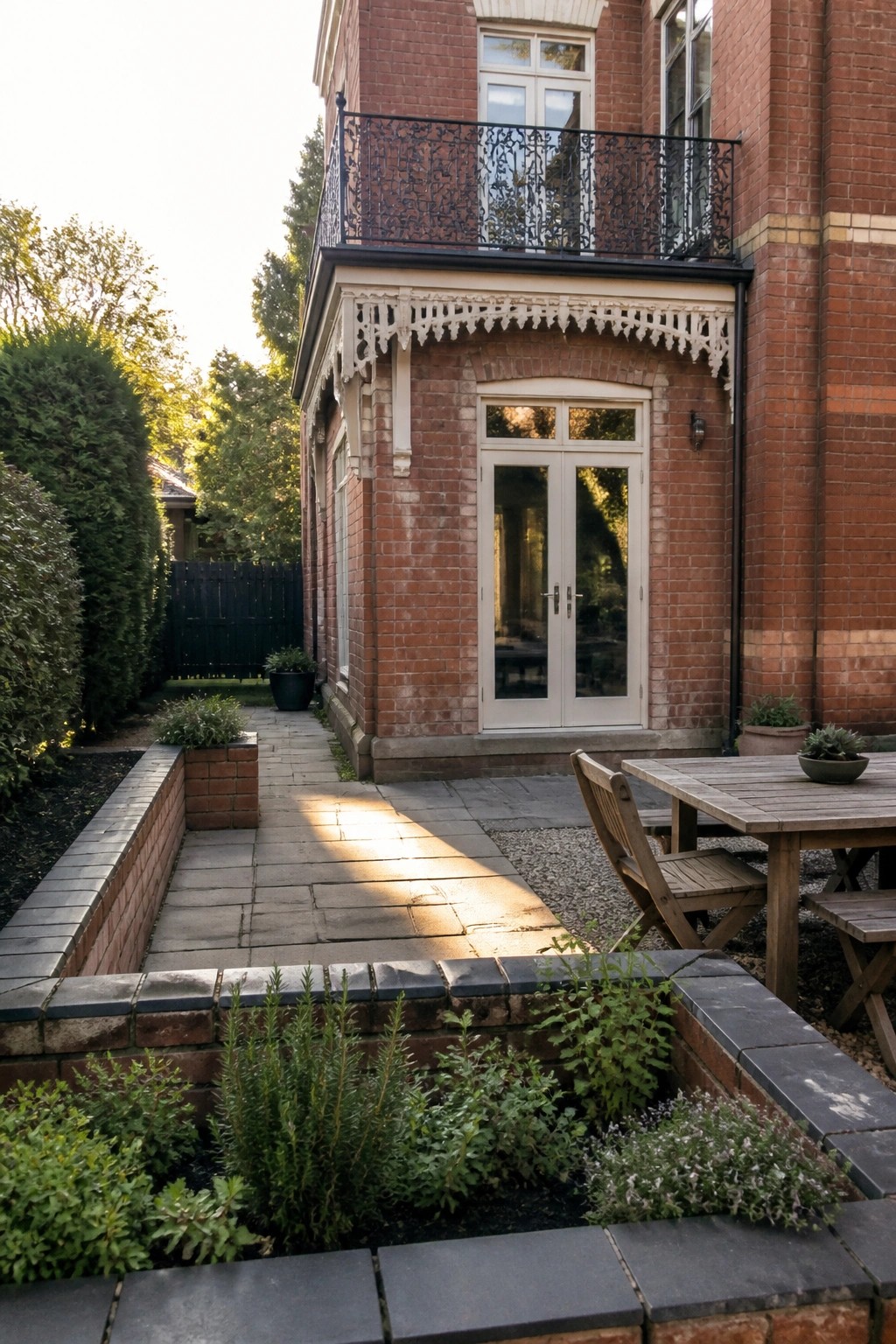
Iron railings and trim add clear contrast to red brick Victorian homes. The dark metal makes the existing decorative work around doors and balconies read as a deliberate part of the design rather than just extra ornament.
This approach suits homes where the brick is already in good shape. Use simple black or dark iron pieces so they highlight the patterns without adding too much new visual weight.
Painted Trim That Highlights Victorian Details
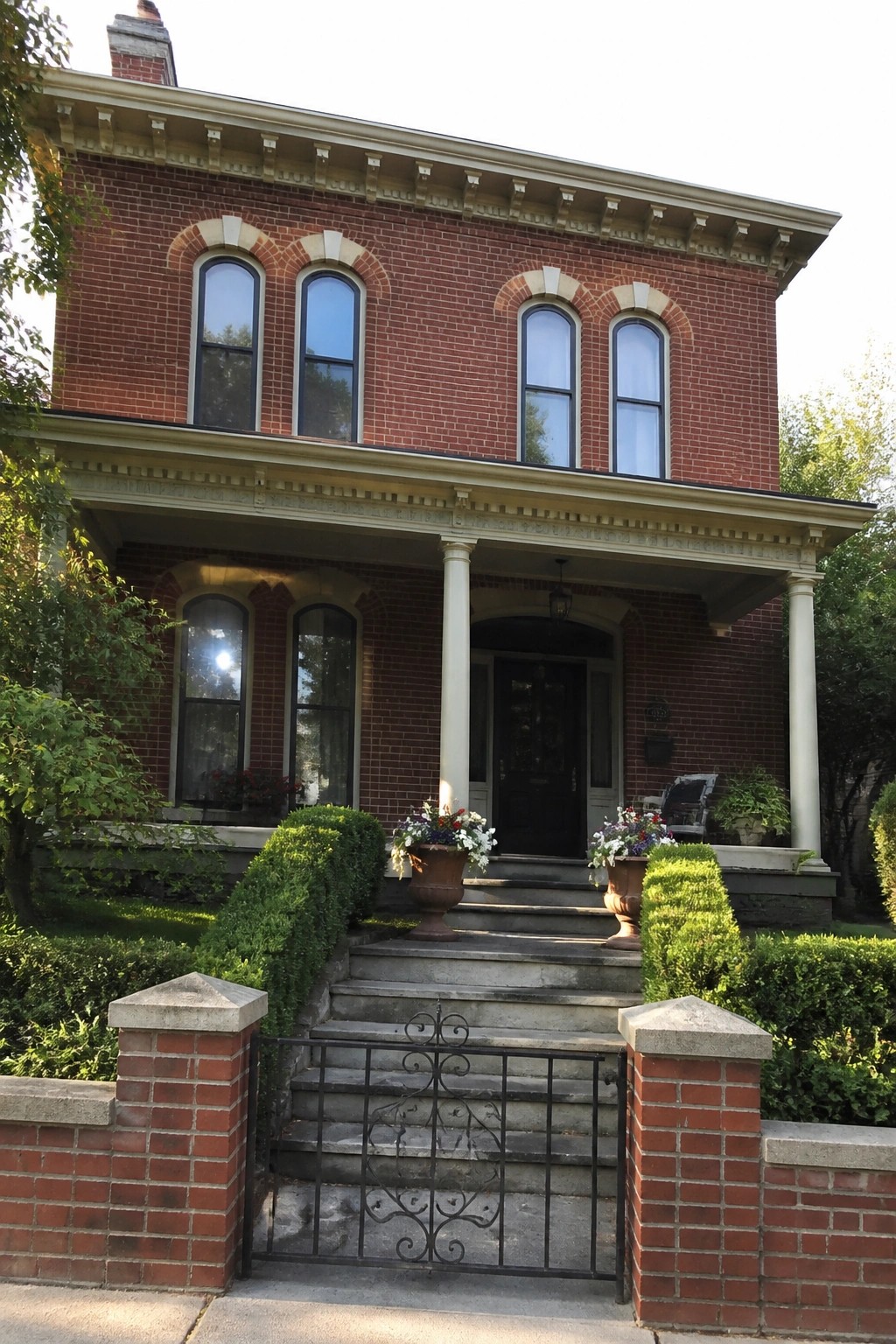
Many Victorian homes rely on a lighter trim color to make the brickwork and its decorative touches stand out. The contrast helps the arched window frames and cornice molding read clearly against the red brick without adding extra ornament.
This choice suits older brick houses that still have their original detailing intact. Use a soft cream or off-white so the trim feels balanced rather than stark, and keep the rest of the palette simple so the architecture stays the focus.
Dark Trim on Red Brick Exteriors
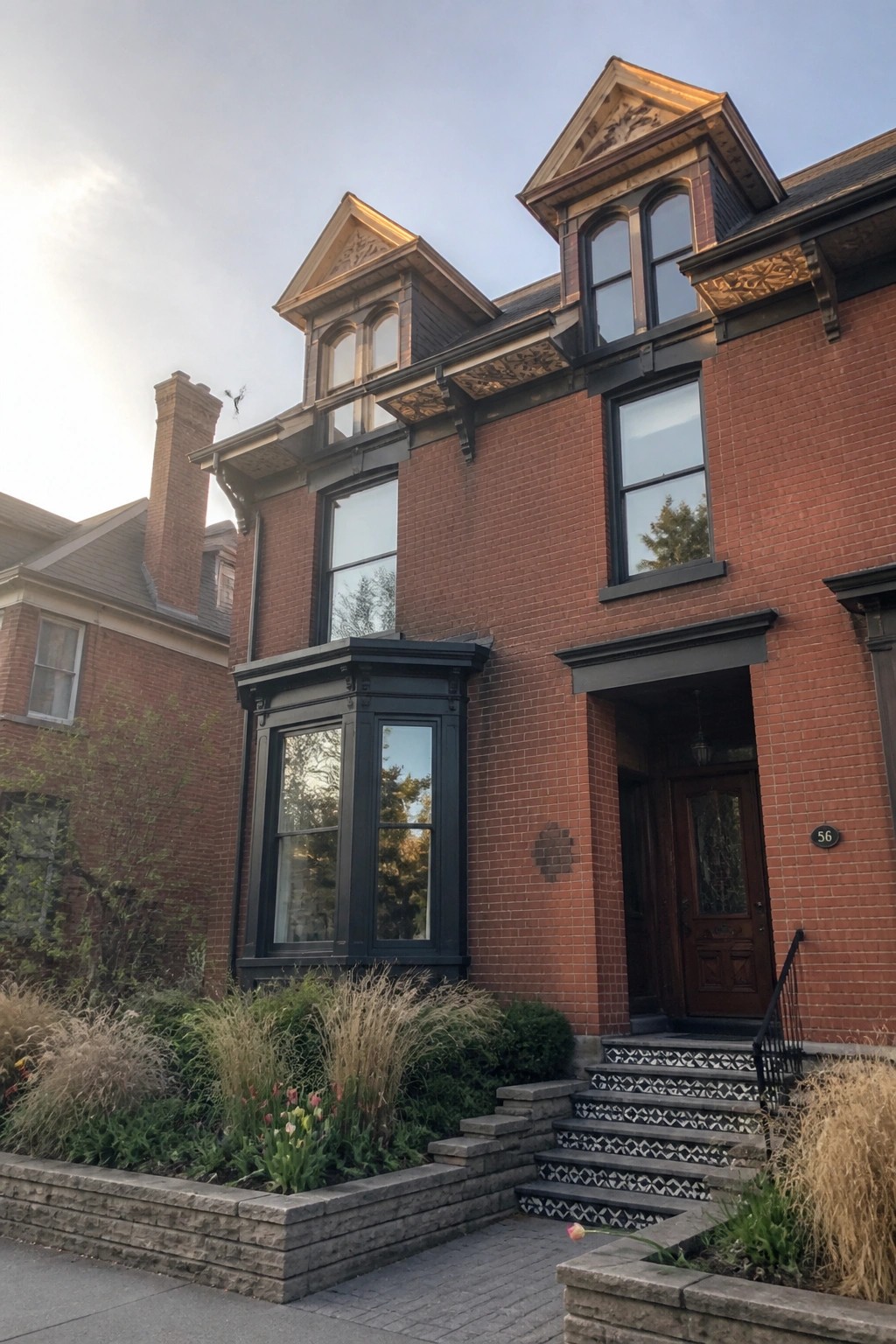
Many Victorian homes gain clarity when the trim is painted a deep dark color. The contrast lets the carved details on dormers and eaves stand out instead of fading into the brick.
This works best on homes where the woodwork is already detailed and you want it to read from the street. Use a charcoal or near-black shade, and check how it sits against your particular brick before committing to the whole house.
Accent Red Brick With White Ornamental Trim
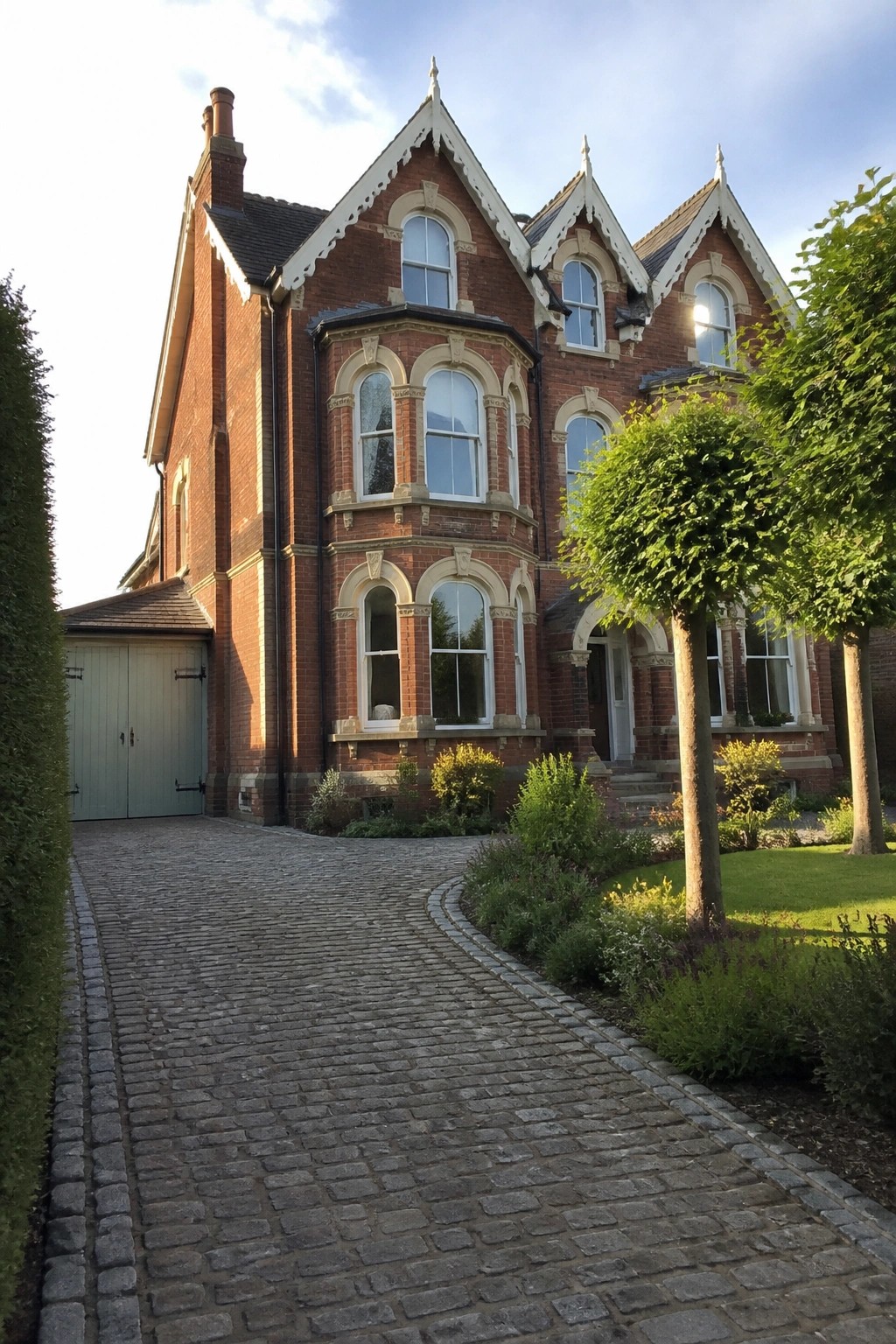
Red brick Victorian homes often look their best when the trim is painted white. The contrast makes the carved details around windows and gables stand out clearly instead of blending into the brick.
This works best on houses that already have strong architectural features like bays and pointed rooflines. Keep the white trim crisp and limit it to the most noticeable edges so the brick stays the main material.
Brick Patterns That Accent Victorian Details
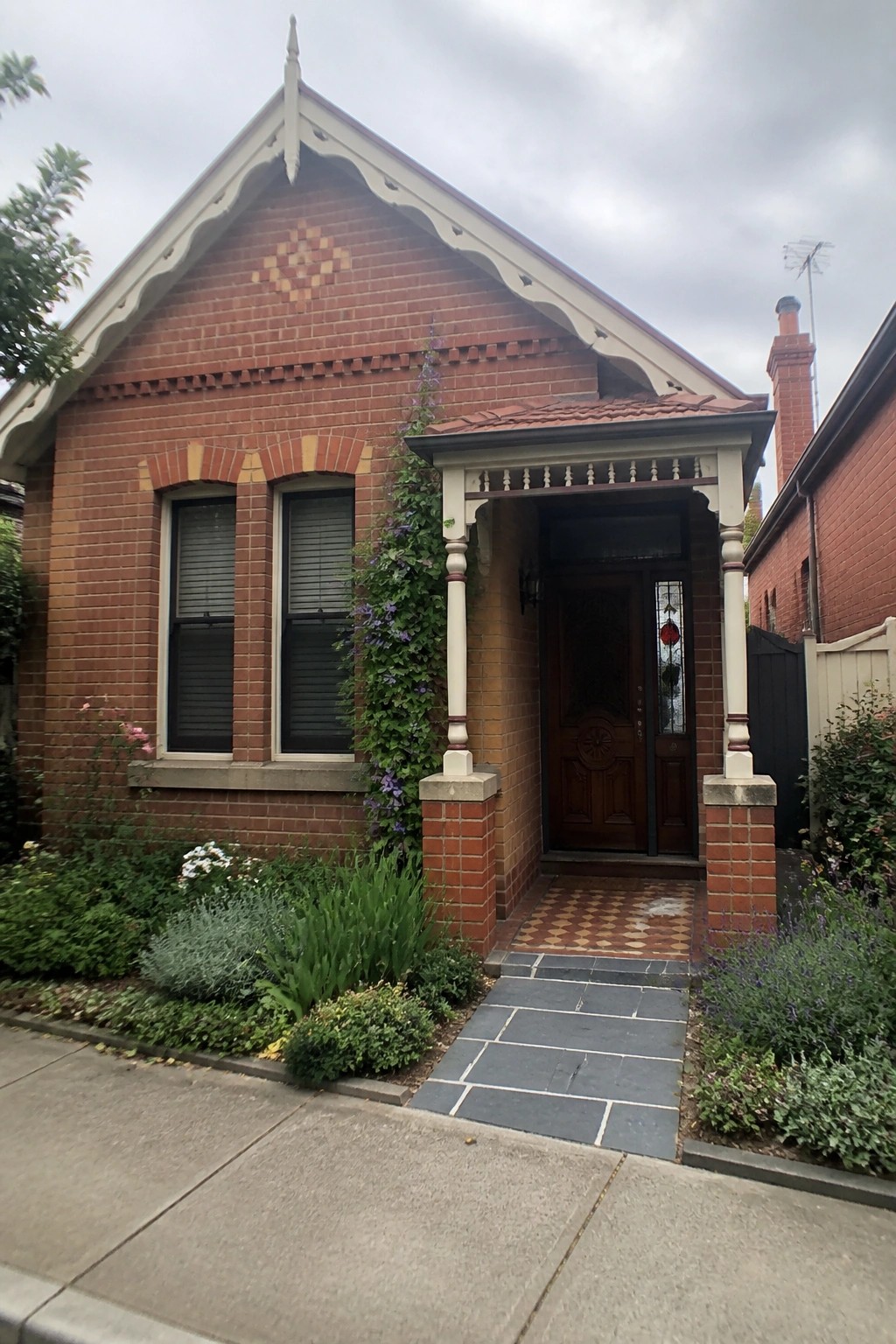
Red brick Victorian homes gain a lot of character when small sections of patterned brick are worked into the facade. The contrast draws attention to the architecture without adding separate trim pieces that might feel busy later on.
This approach suits older brick houses that already have some detail but need a little extra definition around gables or window heads. Keep the pattern simple and use bricks in a slightly different tone so the ornament reads clearly from the street.
Frequently Asked Questions
Q: Which red brick shades work best for highlighting carved stonework? A: Pick deeper reds that create a clear contrast with lighter stone or wood trim. Hold samples up to your details at different times of day to see how the light plays off them. This keeps the ornate parts from blending in.
Q: Can I update my Victorian exterior on a budget? A: Start by cleaning the brick and fixing any loose mortar to refresh the base look. Add simple wood brackets or shutters in classic profiles next. And skip fancy additions until the base looks solid.
Q: How do I protect the brick details from weather over time? A: Apply a breathable sealant every few years. Check for cracks around the decorative elements regularly. Fix them early to avoid bigger issues (try a small test area first).
