


Paper lantern lighting can soften a room without making it feel dim, but the size and placement matter as much as the glow.
I find these fixtures work best when they suit the room’s scale and leave enough light for everyday tasks.
In a Japandi interior, their simple shapes can balance natural wood, quiet colors, and clean-lined furniture without adding visual clutter.
A lantern over a dining table feels different from one tucked beside a reading chair, so it helps to think about how each part of the room is used.
I’d start by testing the scale and light level in the space before choosing a permanent spot.
Use Paper Lanterns To Warm Up A Living Room

Paper lanterns are an easy way to bring gentle, even light into a living room. Their simple shapes suit Japandi interiors, and a few lanterns at different heights can make a high ceiling feel less stark.
Hang them where they provide comfortable ambient light, such as above a seating area. Keep the rest of the room’s lighting simple so the lanterns remain useful rather than feeling crowded.
Use Paper Lanterns Over the Dining Table

Paper lanterns can make a dining area feel softer without taking up space on the table or walls. Their simple shapes suit Japandi rooms, where natural materials and uncluttered furniture already set a quiet tone.
Hang a row above a long dining table to spread the light along its length. Choose lanterns that leave enough headroom, and keep their size in proportion to the table so they don’t overwhelm the room.
Use Paper Lanterns For A Softer Bedroom Light

Paper lanterns suit a bedroom because their diffused light feels gentler than a bare bulb. A large lantern can also make a simple room feel considered without adding more decor.
Try one as the main ceiling light, then use a smaller paper lantern beside the bed for reading or winding down. Choose a size that fits the room, and use warm bulbs to keep the light comfortable.
Paper Lanterns Make a Bedroom Feel Softer
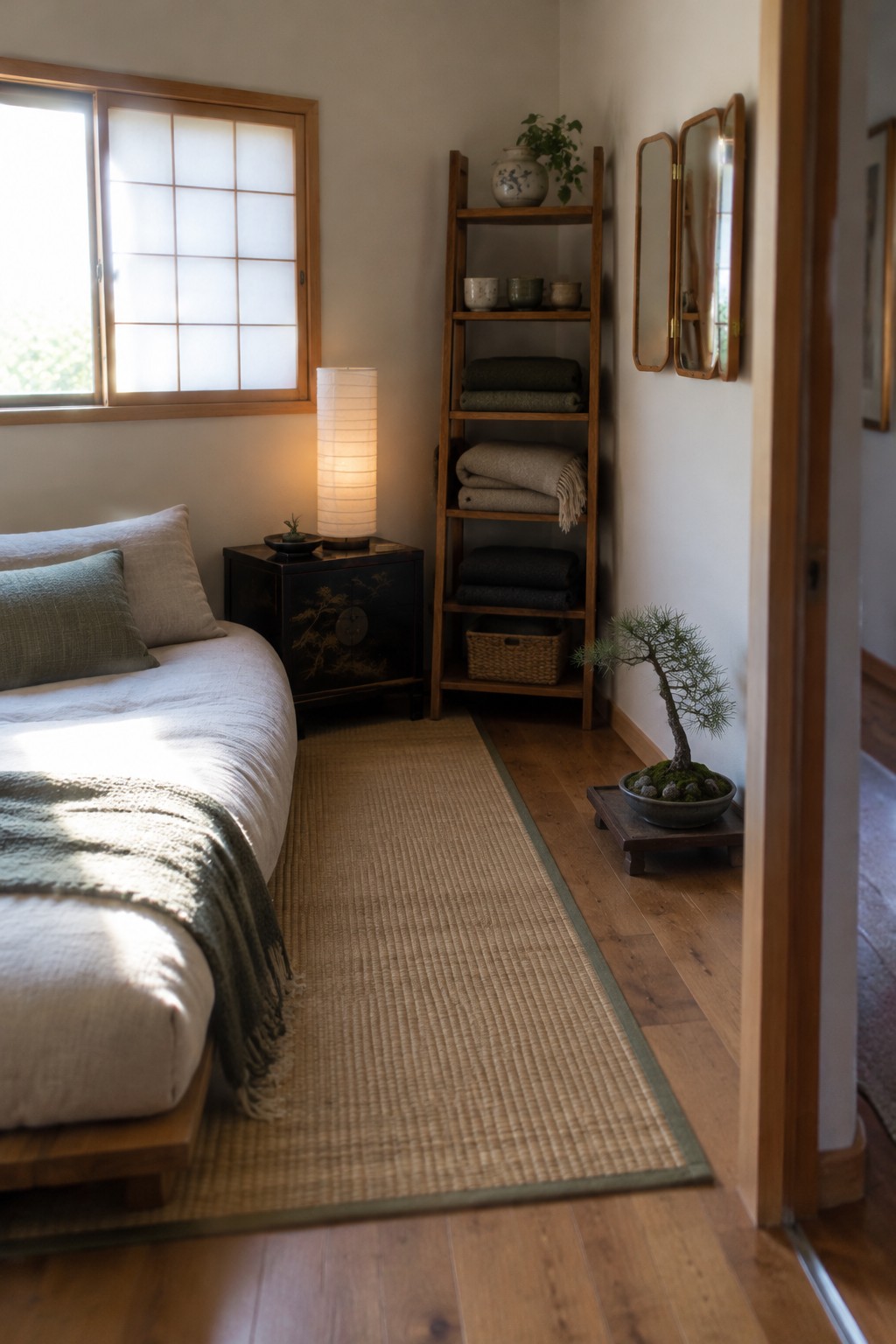
A paper lantern can give a bedroom a gentler kind of light than a bare bulb or a bright overhead fixture. Here, a glowing floor lantern sits beside the bed, where it works as a quiet evening light and keeps the room feeling relaxed.
Try one in a bedroom corner or beside a low bed, especially if the rest of the room has natural materials and simple furnishings. Choose a size that fits the space, and use a warm bulb so the light stays comfortable at night.
Use Paper Lanterns To Warm Up A Kitchen
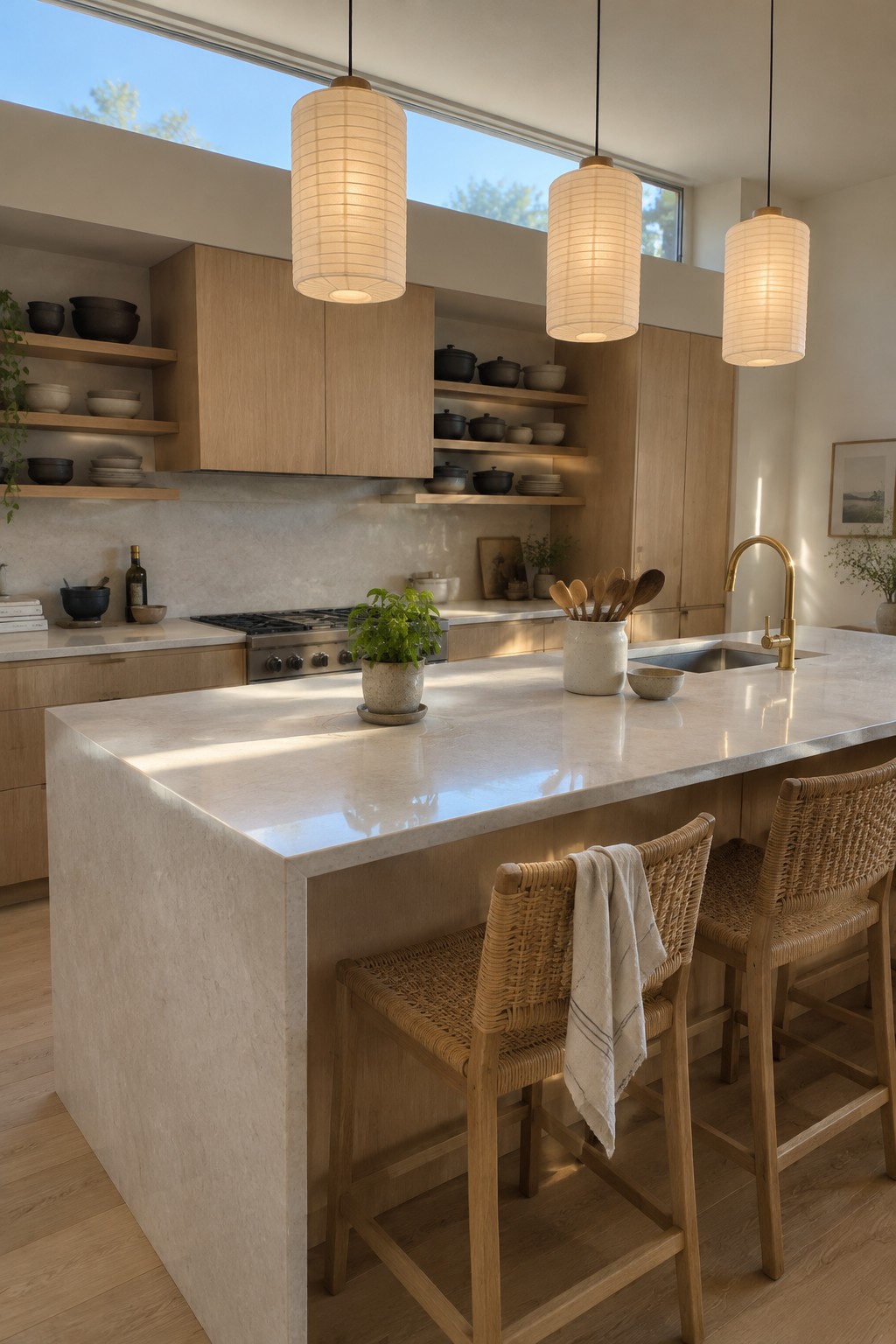
Paper lanterns can make a kitchen feel less hard-edged without taking away from its practical layout. Their soft, diffused light works especially well above an island, where people often gather as well as cook.
Hang a small group over the island, keeping them high enough that they do not block conversation or task lighting. In this kitchen, the simple paper shades suit the natural wood cabinetry and pale stone counters.
Use A Paper Lantern To Light A Breakfast Nook

A paper lantern can give a small dining nook a gentler kind of light than a row of bright ceiling fixtures. Its round shape suits a simple table, and the shade feels at home among natural materials.
Hang one over a breakfast table or built-in banquette, keeping it low enough to define the eating area but high enough to leave clear sightlines. A woven paper shade works especially well with wood and linen, as long as the bulb provides enough light for everyday meals.
Use A Paper Lantern To Light A Home Office
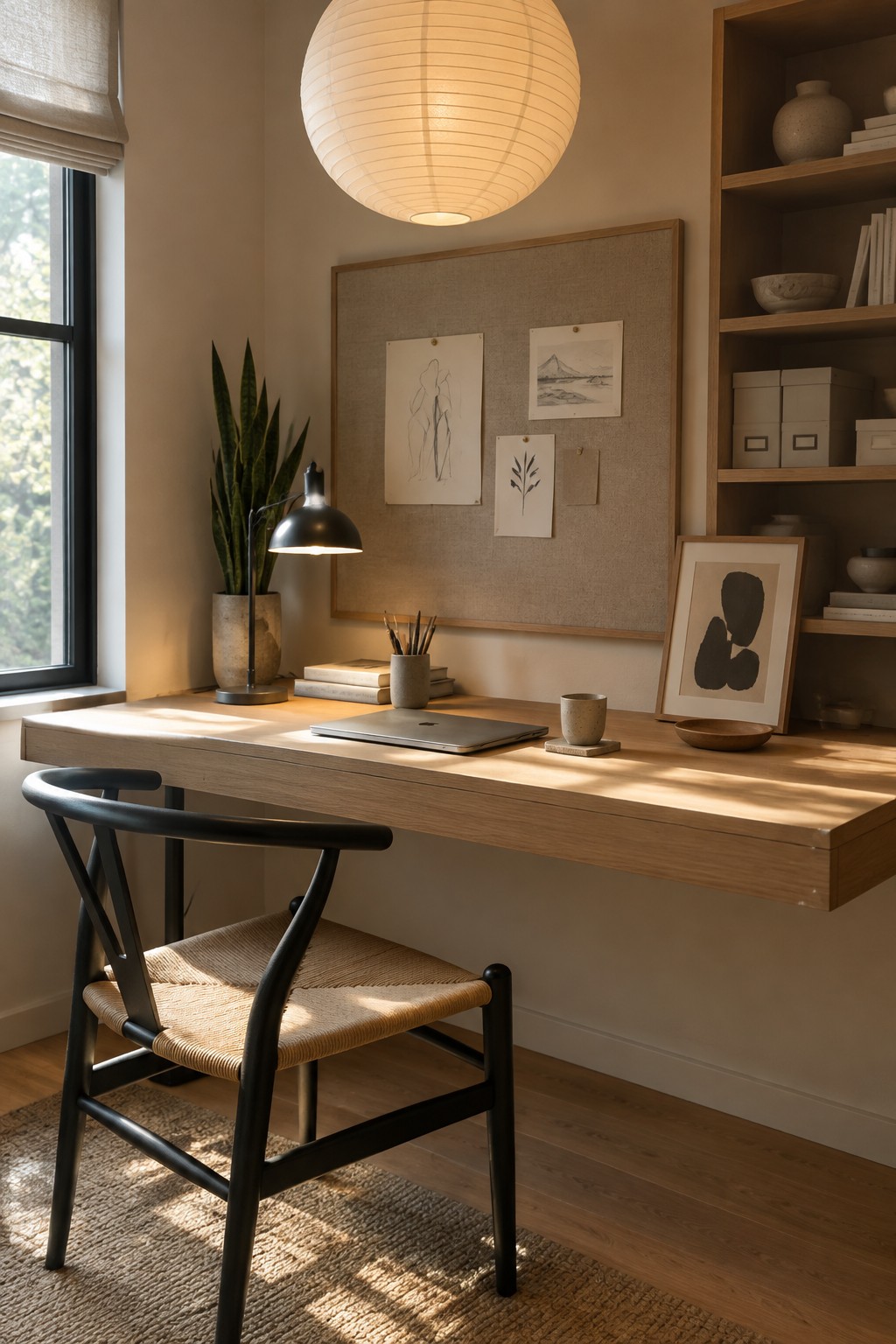
A paper lantern can make a home office feel less stark than it might under a bright ceiling fixture. Its broad, diffused light suits a simple workspace, especially when the room already has natural materials like the oak desk shown here.
Hang one where it can light the desk without getting in the way of your work. A dimmer is useful if you also use a task lamp, since you can keep the overall light gentle while focusing where you need it.
Use a Paper Lantern As Nursery Lighting
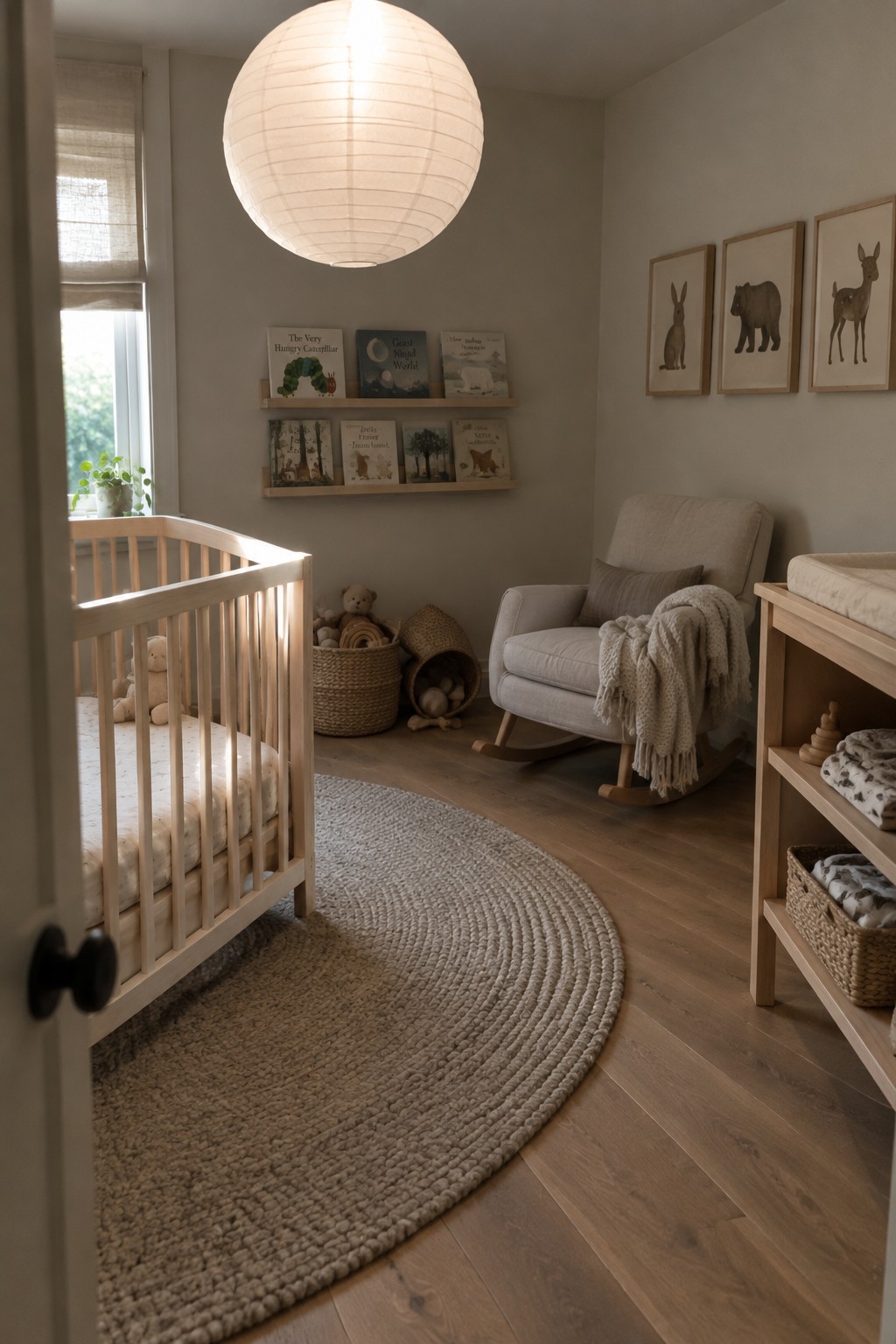
A large paper lantern can give a nursery a softer light than a bare ceiling bulb. Its simple shape also suits a calm, pared-back room without adding much visual clutter.
Hang one centrally where it can light the main area, and choose a size that fits the room without crowding the ceiling. In a nursery, use a secure fixture and a suitable bulb that stays cool.
Use a Paper Lantern To Light an Entryway
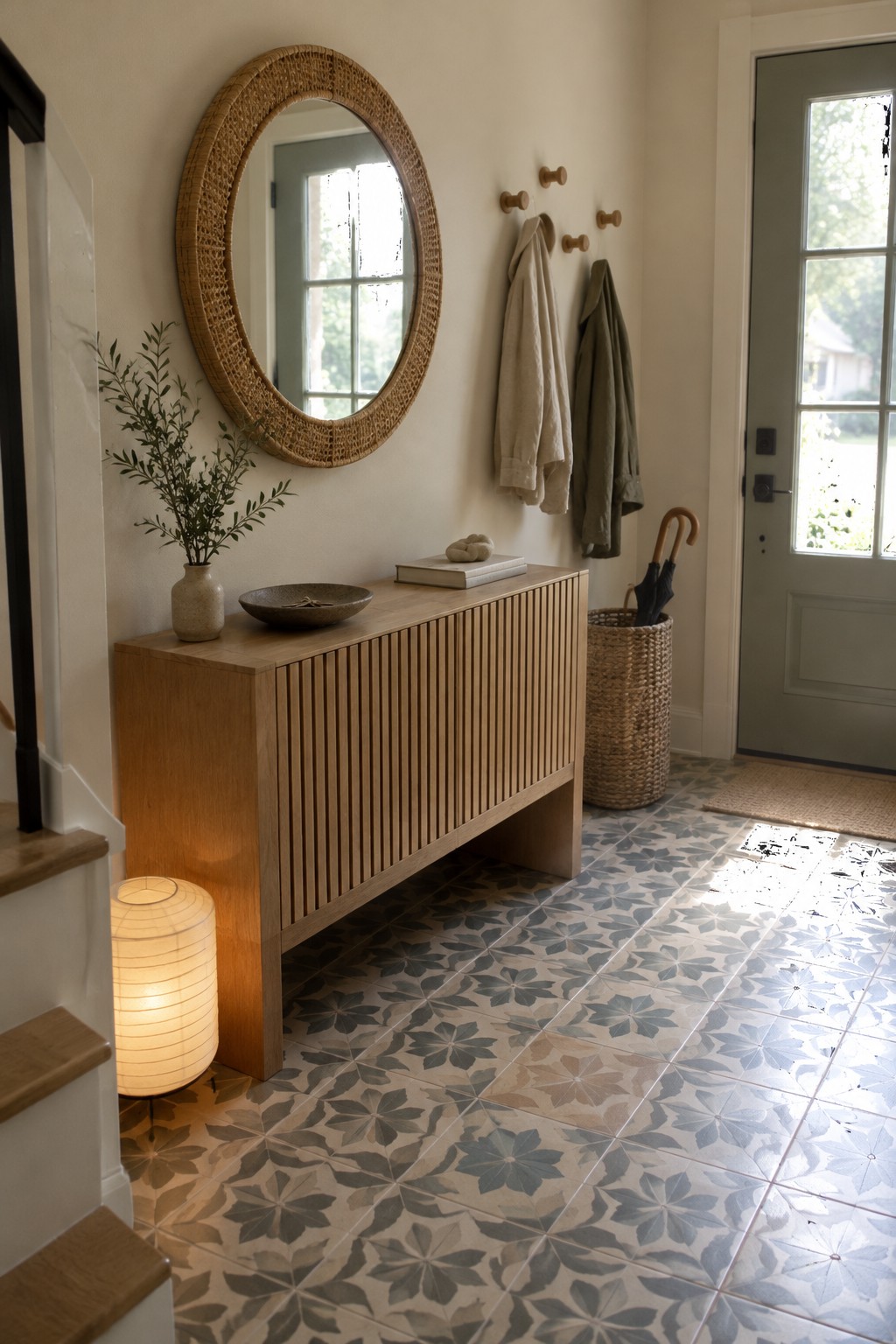
A paper lantern can make an entry feel more comfortable without taking up much room. Its soft glow suits a Japandi-style space, where natural materials and simple furnishings keep the look calm.
Place a floor lantern beside a slim console or near a stair landing where there’s an outlet. Choose a size that leaves the walkway clear, and use a warm bulb for a gentle light when you come home.
Hang Paper Lanterns Along a Hallway

Paper lanterns can make a long hallway feel less like a passageway and more like part of the home. Spacing them down the ceiling gives the light a gentle rhythm, while their paper shades keep the look simple.
This idea works well in narrow entry halls where floor and wall space are limited. Choose lanterns in a few sizes, and hang them high enough that people can pass comfortably.
Use a Paper Lantern To Add Soft Light To A Bathroom

A paper lantern can make bathroom lighting feel gentler than a row of bright fixtures. Here, a round lantern hangs beside the mirror, giving the vanity area a softer glow.
This idea works best in a dry part of the bathroom, away from the shower and sink splashes. Check that the fixture is rated for its location, and use a separate task light near the mirror for shaving or makeup.
Use A Paper Lantern To Light A Bathroom

A paper lantern can bring a softer, less utilitarian feel to a bathroom. Its rounded shape works well above a simple vanity, where it contrasts with straight cabinetry and stone surfaces.
Choose a lantern sized for the room and keep it clear of splashing water and excess moisture. In a bathroom with a high ceiling, it can provide gentle general light while wall lights near the mirror handle grooming tasks.
Use a Paper Lantern To Light a Quiet Meditation Corner

A floor-standing paper lantern can make a small corner feel ready for quiet time without adding much visual clutter. Its diffused light suits a simple meditation area, especially when the rest of the furnishings stay low and uncluttered.
Place one near a cushion or mat where it can provide gentle evening light, but keep it clear of curtains and other fabrics. Choose a lantern with a stable base, and use a bulb that stays cool.
Use a Paper Lantern To Light A Walk-In Closet

A paper lantern can make a walk-in closet feel less like a storage room and more like a comfortable part of the home. Its broad, diffused light suits a narrow space where bright, harsh lighting can be unpleasant.
Hang one near the center of the ceiling so it lights the shelves and clothes evenly. In a closet with limited ceiling height, choose a smaller lantern that won’t get in the way.
Use A Paper Lantern Beside A Reading Spot

A paper lantern can give a reading corner a softer kind of light than a bare bulb. Here, a perforated shade and warm glow make the lamp useful for quiet evening reading without feeling harsh.
Place a floor lamp beside a daybed or lounge chair, with the shade near seated eye level. Choose a simple shape and a warm-toned bulb, and keep the light low enough that it does not shine directly into your eyes.
Use a Paper Lantern To Light a Tea Room
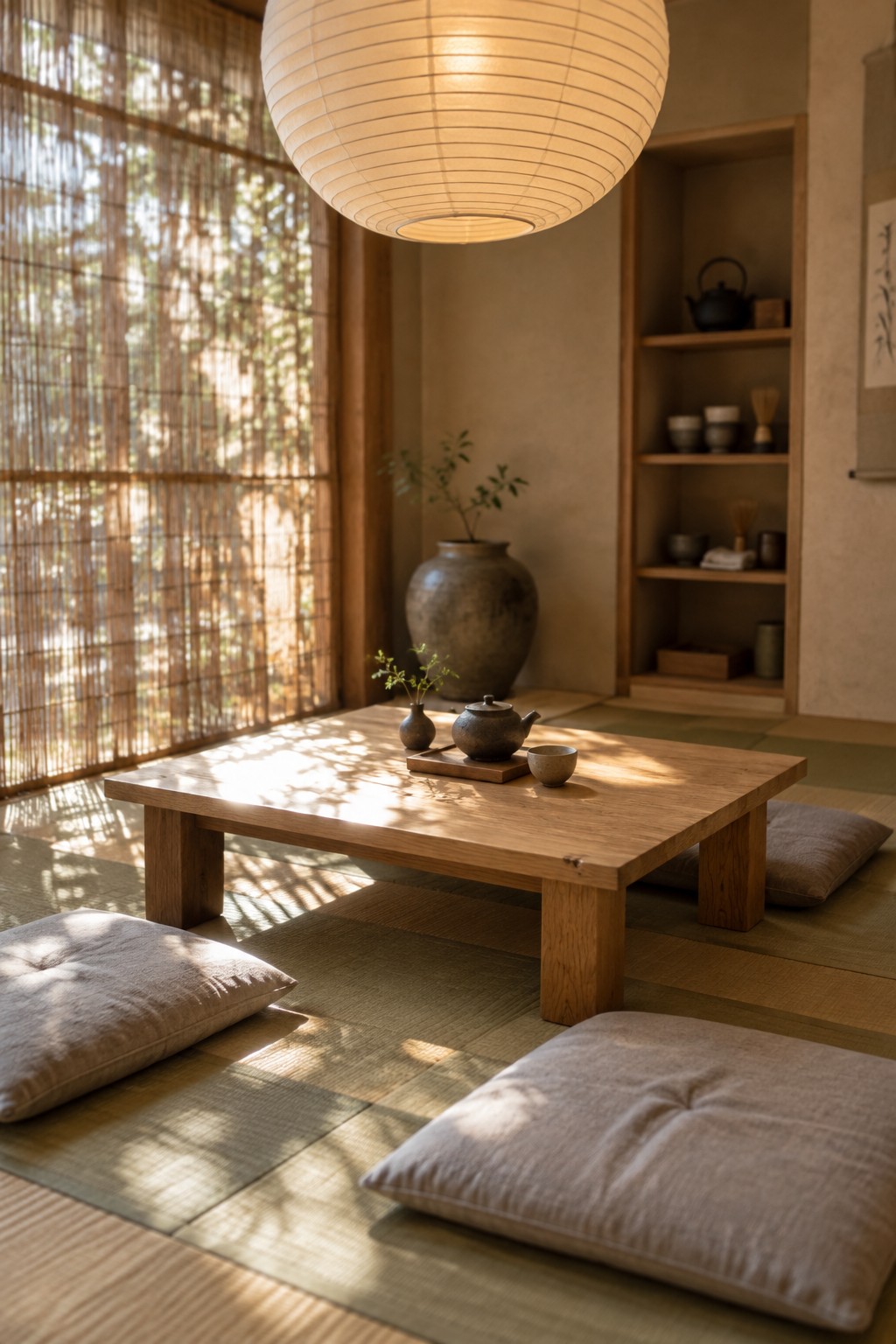
A large paper lantern can make a low-seating room feel comfortable without harsh overhead light. Its broad, diffused glow suits the simple furniture and natural materials often found in a Japandi-style space.
Hang one above a low table, as shown here, and keep the rest of the lighting modest. Check that the lantern sits high enough for people to move around comfortably, especially in a room where cushions replace chairs.
Use a Paper Lantern To Light A Vanity
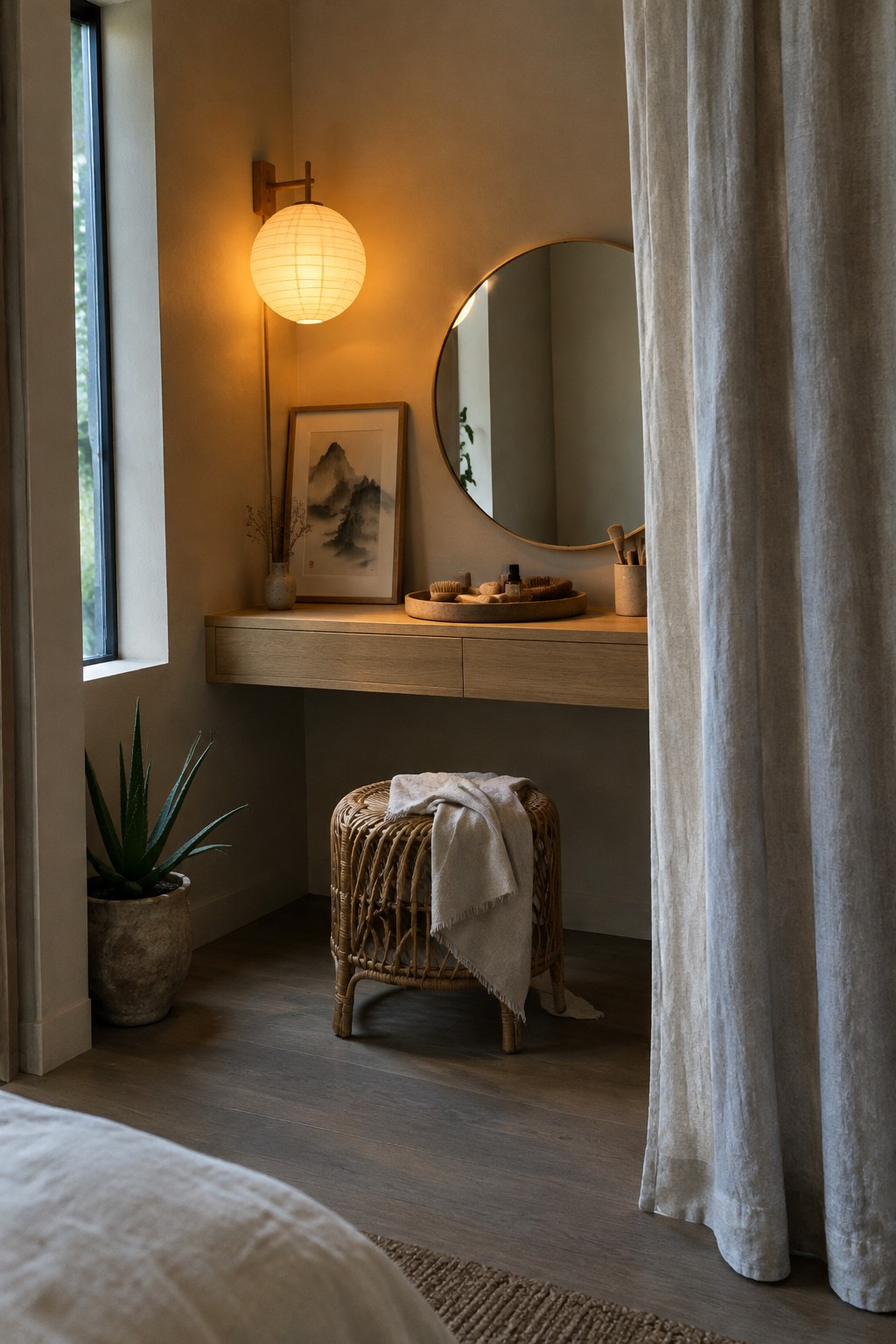
A paper lantern can make a bathroom vanity feel calmer and less harsh than bright overhead lighting. Here, a warm globe lantern hangs beside a round mirror, giving the vanity a gentle pool of light.
This approach works well in a bathroom or dressing area where you want softer light for everyday routines. Place the lantern where it won’t get in the way, and check that the fixture is suitable for the room’s moisture levels.
Use Paper Lanterns To Bring Soft Light Into A Bedroom

Paper lanterns suit a bedroom because their diffused light feels gentler than a bare bulb. Hanging several at different heights makes the lighting feel relaxed while giving the room a clear focal point.
Try this in a bedroom with simple wood furniture and neutral bedding. Keep the lanterns warm in color, and leave enough space around them so they do not crowd the bed.
Choose A Paper Lantern For Gentle Bathroom Light

A paper lantern can make a bathroom feel less stark than a row of bright vanity bulbs. Its diffused glow works especially well in a small washroom, where a simple fixture can bring a softer feel without adding clutter.
Hang one where it gives comfortable ambient light, then use a separate light near the mirror for shaving or makeup. Keep the lantern well away from splashes and damp areas, and check that its materials and electrical fittings are suitable for bathroom use.
Frequently Asked Questions
Q: Will a Japanese paper lantern give off enough light to read by?
A: It can, if you choose a bright enough bulb, but the soft glow may still feel dim for close-up reading. Add a small task lamp nearby so you can keep the lantern’s gentle mood without straining your eyes.
Q: What kind of bulb works well in a paper lantern?
A: Choose a cool-running LED bulb that gives off a warm, soft light. Check the lantern’s label for the maximum wattage or bulb type, and avoid halogen bulbs, which can get too hot.
Q: Can I hang a paper lantern in a room with low ceilings?
A: Yes. Try a compact lantern or hang it close to the ceiling, away from walkways and doors. A table lamp with a paper shade is another easy way to get the look without using overhead space.
Q: How do I keep a paper lantern from looking too delicate in a modern Japandi room?
A: Pair its soft shape with simple, grounded pieces like a wood table or a dark, clean-lined lamp base. Keeping the rest of the lighting understated helps the lantern feel intentional rather than fussy.
