

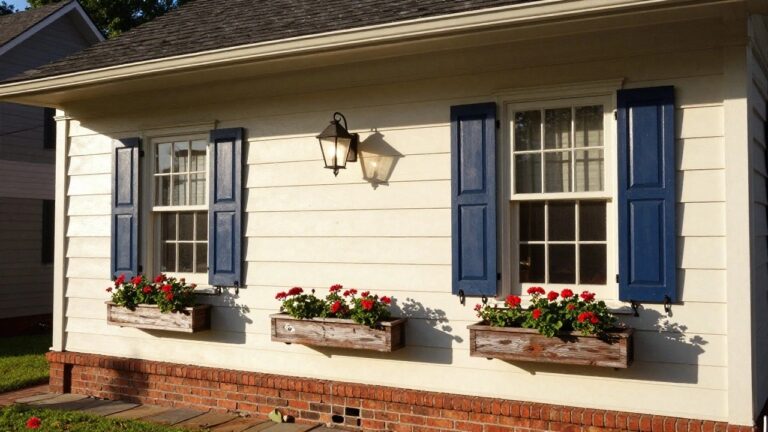
When you approach a house from the street, the window trim often sets the tone for the entire facade, either drawing you in or highlighting awkward proportions. I’ve updated trim on a couple older homes, and it always surprises me how much it unifies the roofline, siding, and entry without major work. The best choices use materials that complement the architecture and stand up to years of weather, creating clean lines that make windows pop naturally. Trim details matter. A few approaches in this collection feel right for adapting to real curb appeal fixes, like softening boxy shapes or adding rhythm to a plain front.
Blue Shutters on Pale Siding
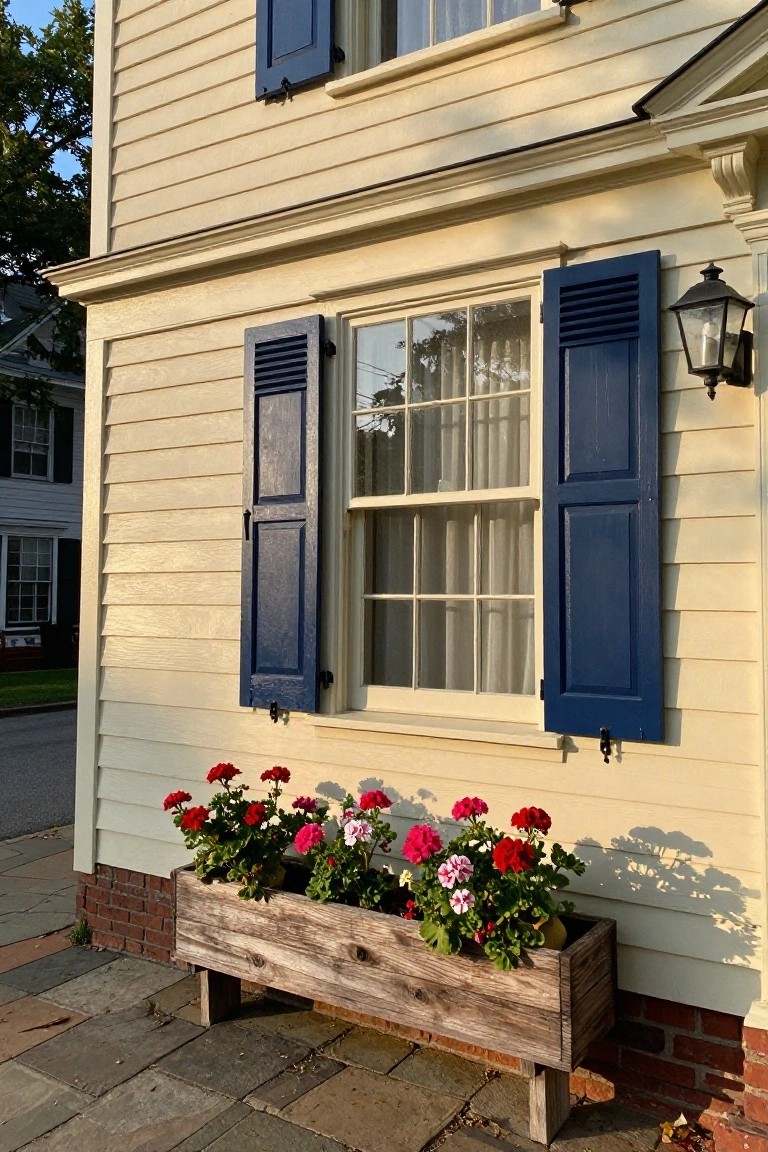
Nothing defines a traditional house facade quite like a strong color contrast at the windows. Here, deep blue shutters stand out crisp against the soft yellow clapboard siding. They give the whole side of the house more shape and pull your eye right to those double-hung windows. It’s a simple move that adds character without changing much else.
This look fits older homes or ones aiming for that classic East Coast vibe. Hang functional or decorative shutters that line up with the window edges. Pair them with a planter box below if you want to soften things up a bit. Just make sure the blue tone isn’t too bright, or it might overpower the siding.
Dark Wood Shutters Frame White Windows
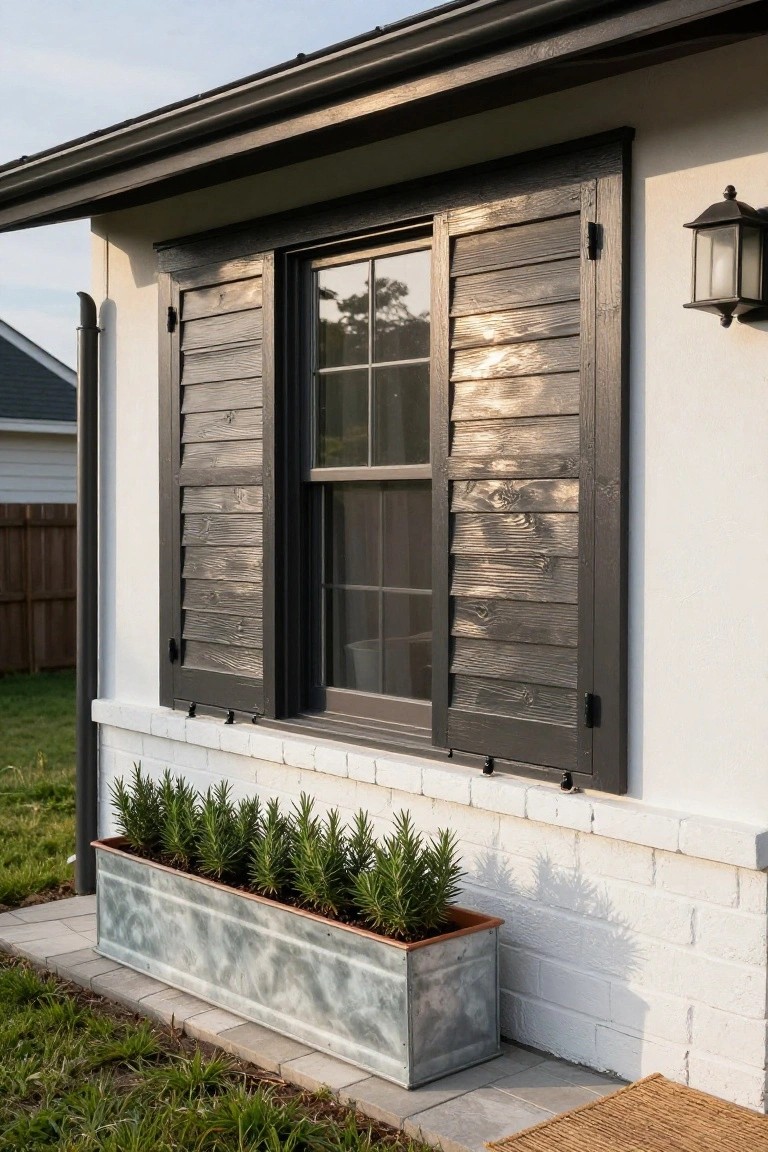
Dark wood shutters like these give windows a strong outline against a plain white exterior. The almost-black stain on the louvers picks up the roofline and adds some texture without overwhelming the clean look. It’s a straightforward way to make the front of the house feel more put-together.
Try this on ranch or cottage homes where the siding is light. Match the shutter color to your gutters or doors for pull-together effect. A low planter right below keeps things grounded. Just make sure the wood is sealed well so it holds up over time.
Carved Wooden Brackets Around Windows
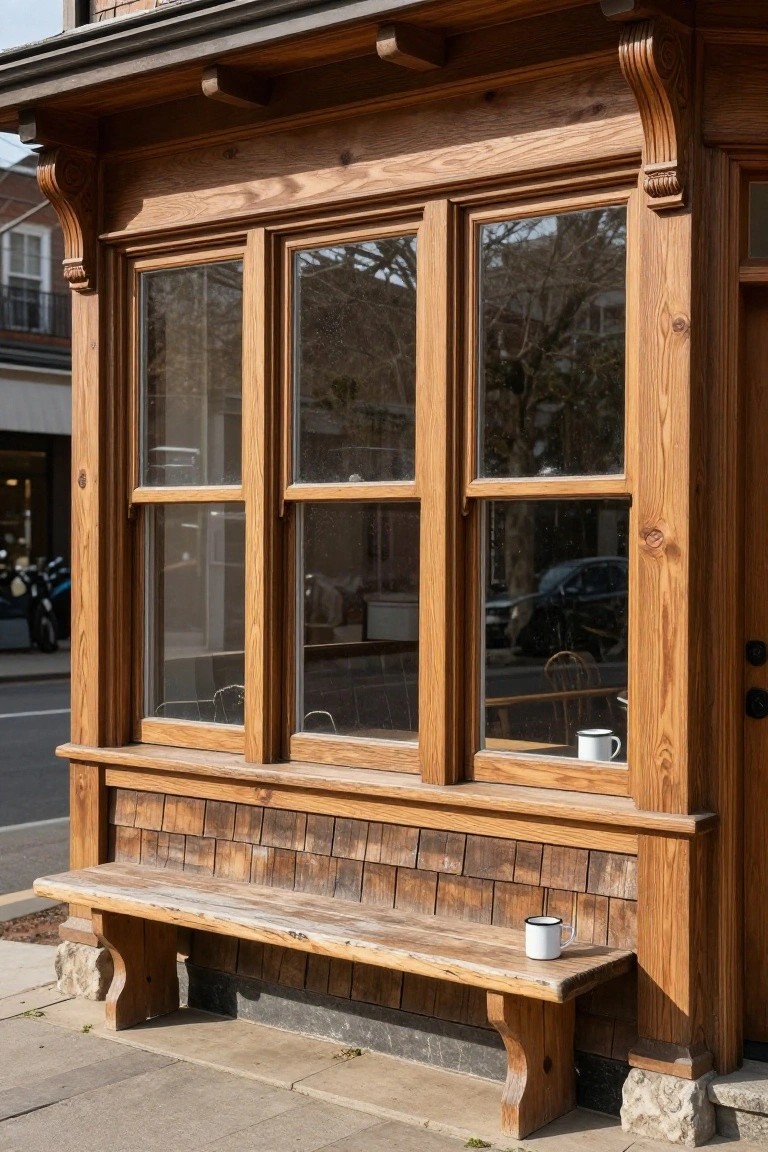
Wooden brackets carved with scrolls sit right above and beside the large triple windows here. They give the whole facade a handmade feel that pulls your eye up. That kind of detail turns plain windows into a real focal point without much fuss.
You see this on older Craftsman or Victorian style homes a lot. It works best where you want some architectural interest on a street-facing side. Pair them with shingle siding below like this and keep the wood natural. Just make sure they’re well sealed against weather.
Arched Windows with Painted Shutters
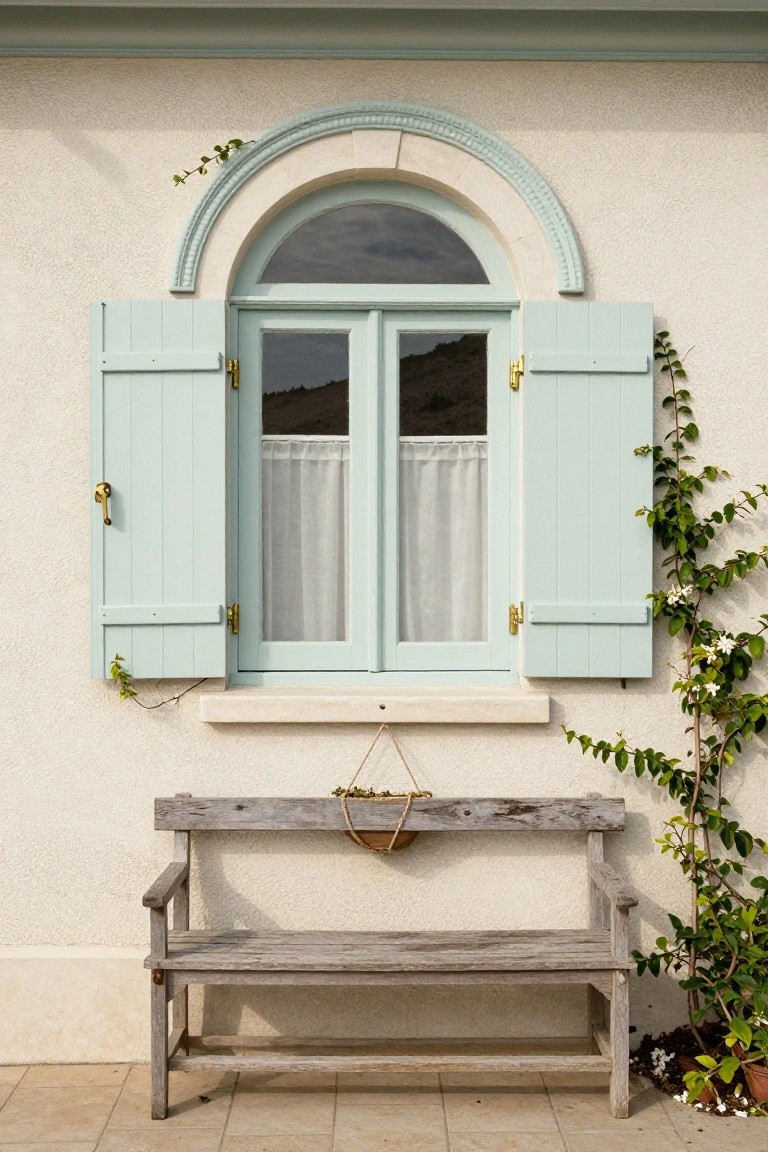
Arched windows like this one bring a touch of classic European style to any home exterior. The smooth plaster arch around the top pairs well with louvered shutters painted in a soft mint green. It softens the look of a plain stucco wall without much effort.
These work best on homes with a relaxed Mediterranean or cottage feel. Hang the shutters open most days to frame the view inside, and let ivy climb up one side for some life. A simple bench underneath ties it together and invites people to sit. Just match the shutter color to your siding for balance.
Ornate Arched Window Trim
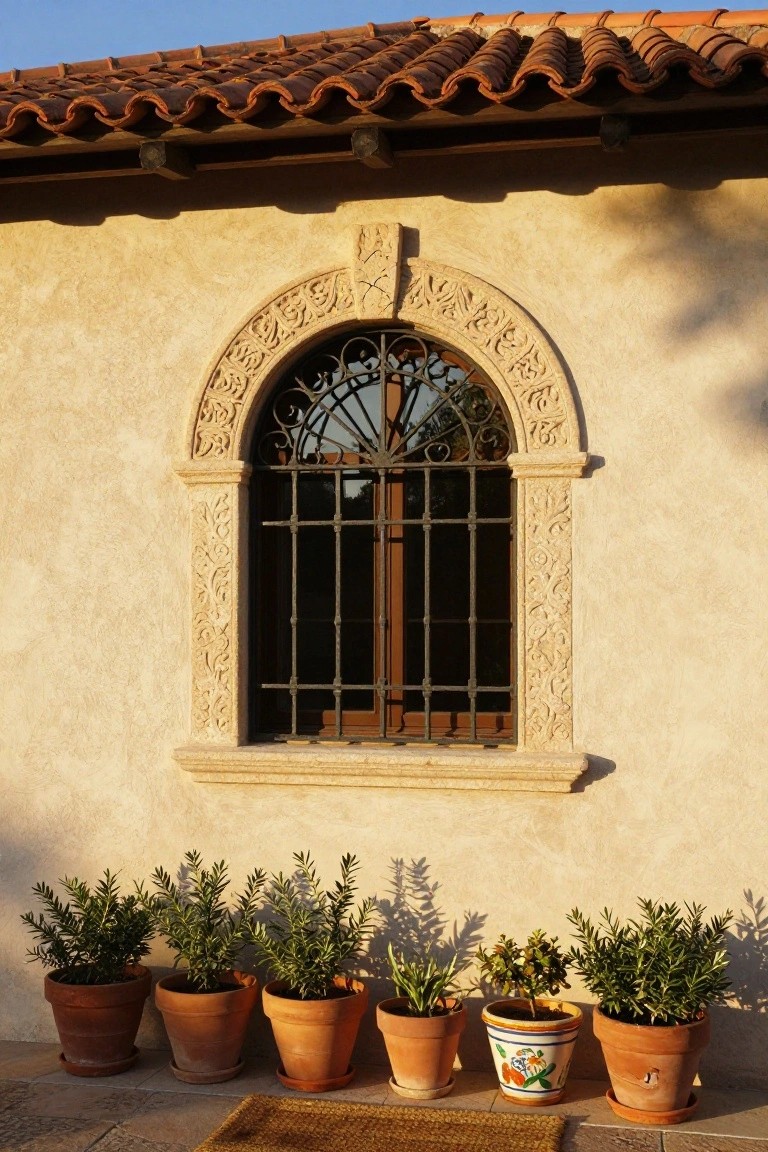
Arched windows with carved stone trim like this one add real character to a plain stucco wall. The intricate patterns around the arch and the wrought iron bars inside give it an old-world feel without much effort. It pulls the eye right to that spot and makes the whole side of the house look more finished.
This works best on Mediterranean or Spanish-style homes where you want some historic detail. Pair it with simple potted plants below to keep things grounded. Just make sure the trim material matches your wall texture so it doesn’t look added on later.
Mullioned Windows with Stone Surrounds
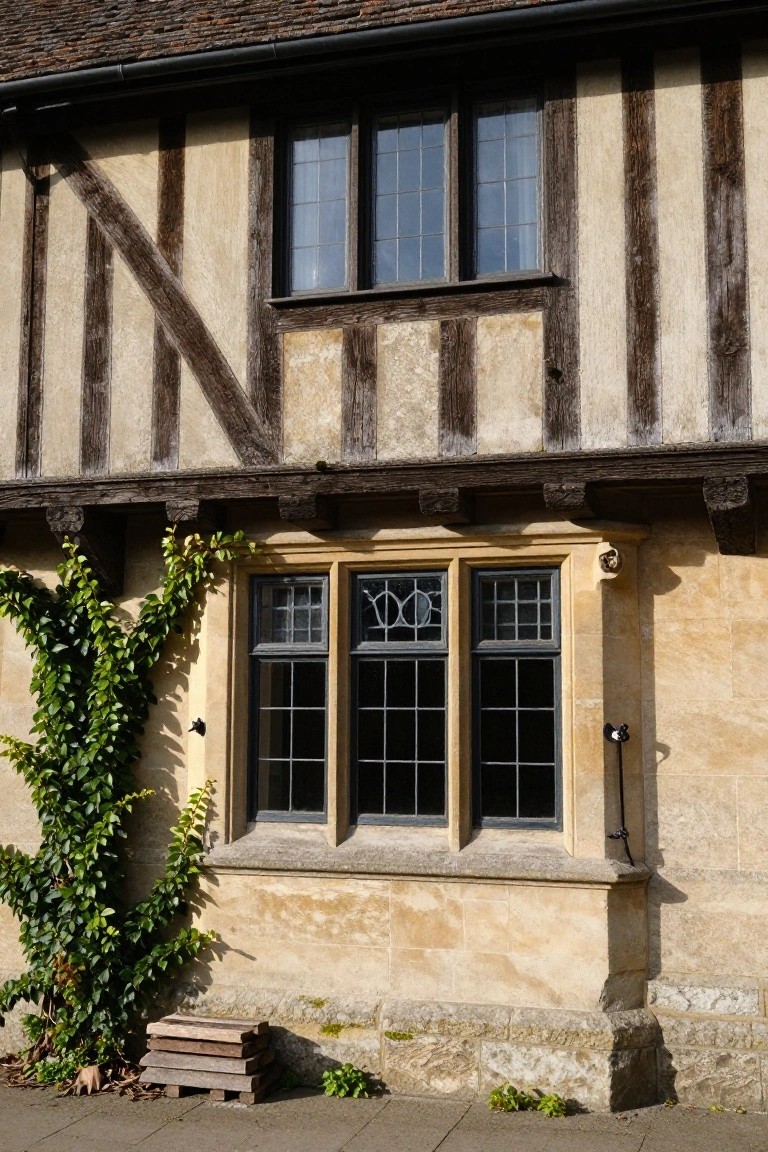
These windows stand out on older timber-framed houses. The stone frame around the three panes gives them a solid, built-in look that ties right into the beige plaster walls and dark beams. It adds that extra touch of history without trying too hard. Folks notice them right away from the street.
You see this a lot on English-style cottages or farmhouses. It works best where you want a classic feel that lasts. Pair it with climbing ivy nearby for some green, but keep the stone clean. Avoid it on super modern homes, though. It suits places with some age already.
Wood Trim Around Black-Framed Windows
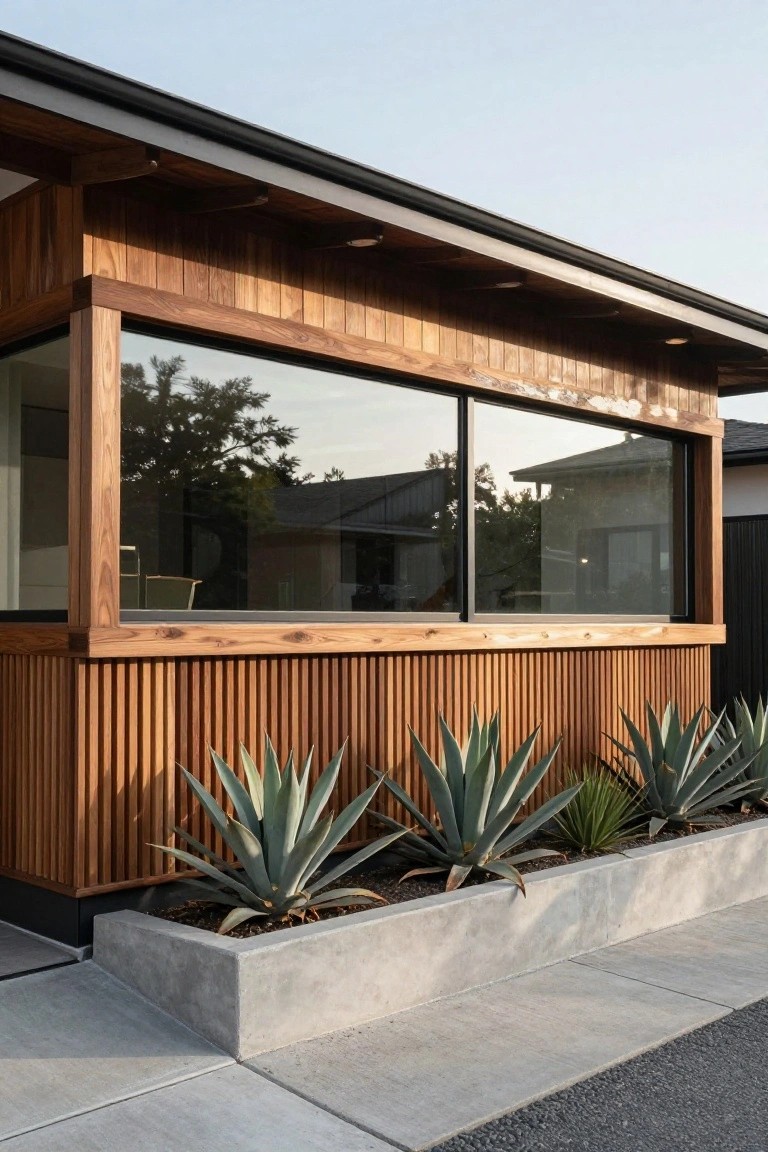
One simple way to warm up a sleek modern house is with wood trim around the windows. Here the rich-toned wood frames a big sliding glass panel, set against a black metal edge. That contrast keeps things sharp but adds real coziness right where people notice. Vertical slats on the wall below tie it together without overdoing it.
This works great on flat facades or side entries where you want some texture. Use cedar or similar weather-treated wood, and keep the lines clean. It suits midcentury or contemporary homes best. Just make sure the wood finish matches your climate, or it fades fast.
Window Boxes on Stone Facades
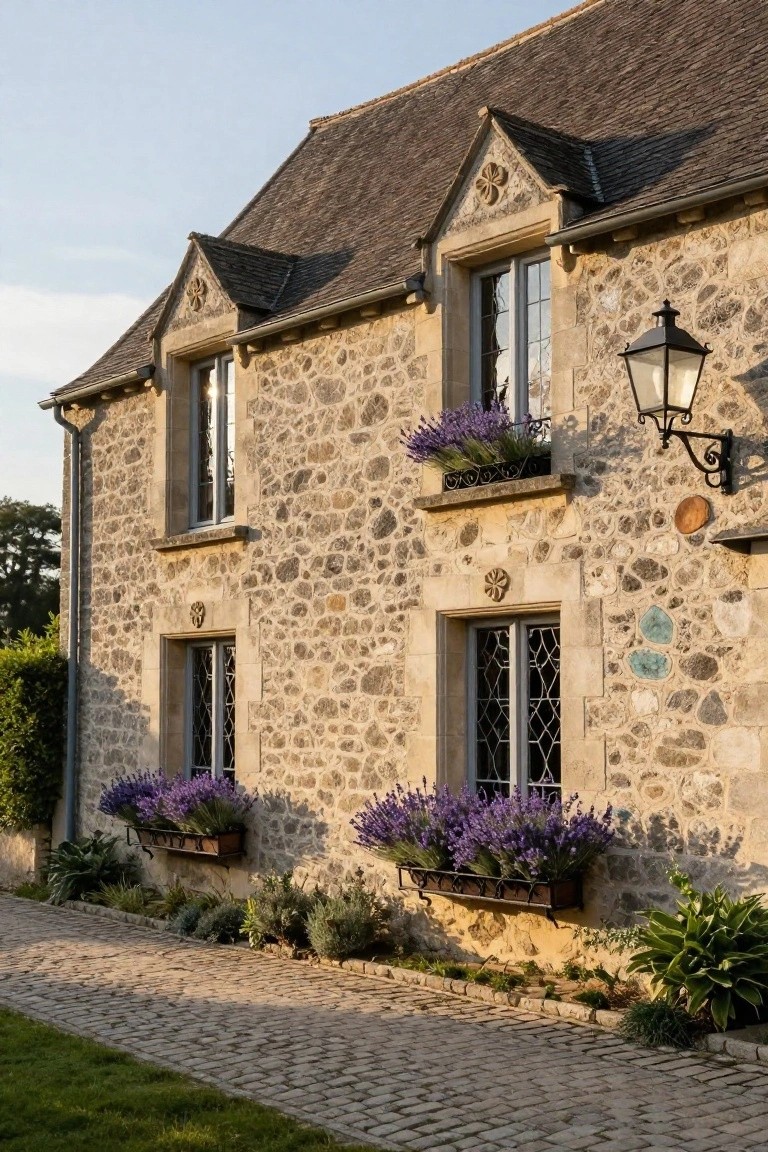
Window boxes like these turn plain stone walls into something welcoming. Packed with lavender, they hang right under the windows and spill over just enough to soften the look. On this older-style house, the boxes pick up on the window grilles and stone surrounds without stealing the show. It’s a low-key way to add color and life to the front.
These work best on homes with character, like cottages or farmhouses built from stone or brick. Pick plants that trail a bit, such as lavender or trailing petunias, and keep the boxes sturdy to match the architecture. Hang them at window height, and refresh the soil yearly to keep them looking full. Skip them on super modern places where they might clash.
Bold Blue Trim on White Shingles
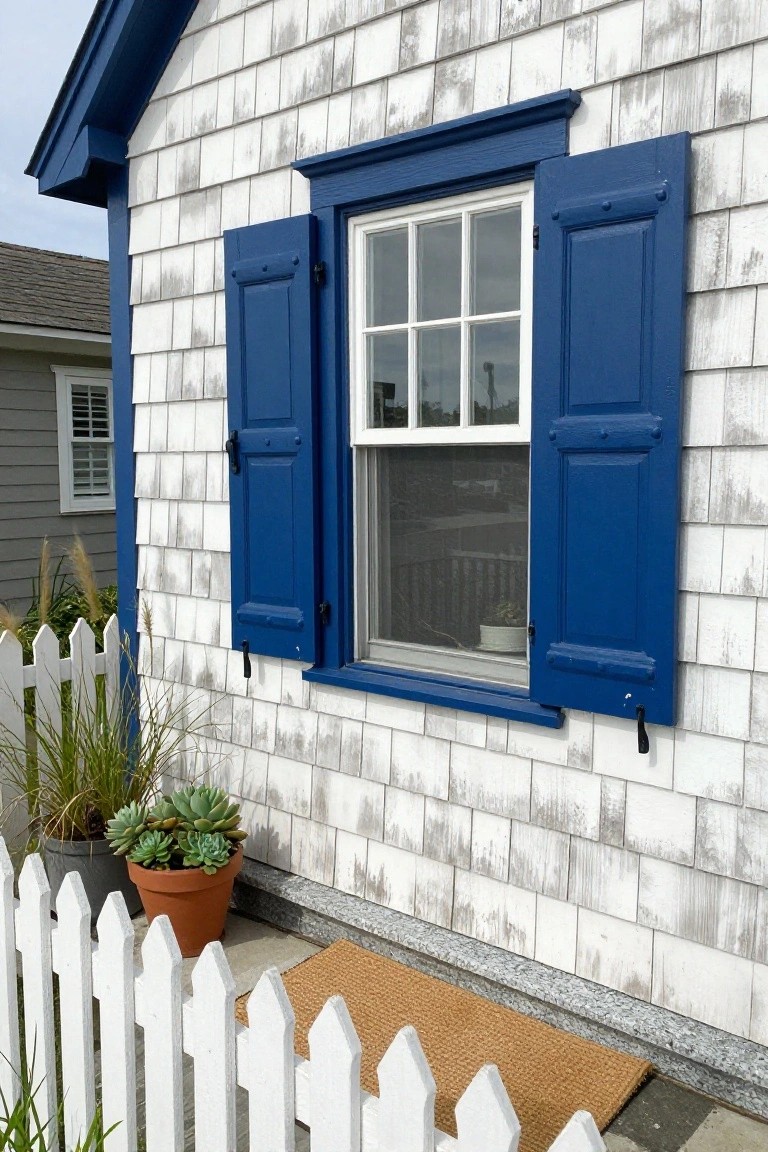
One simple way to make a house stand out is painting the window trim and shutters a deep blue against white shingle siding. It gives that classic coastal feel without much effort. The contrast pulls your eye right to the windows, and the weathered look on the shingles keeps it from feeling too new or fussy. A few potted plants nearby just soften things up a bit.
This works best on older homes or cottages near the water, where you want some color but not a lot of flash. Pick a true navy or royal blue that holds up to the sun, and pair it with plain white siding. Skip it on super modern places, though. It might clash. Just make sure the trim is in good shape first, or the whole thing looks off.
Rusticated Stone Blocks Frame Windows Nicely
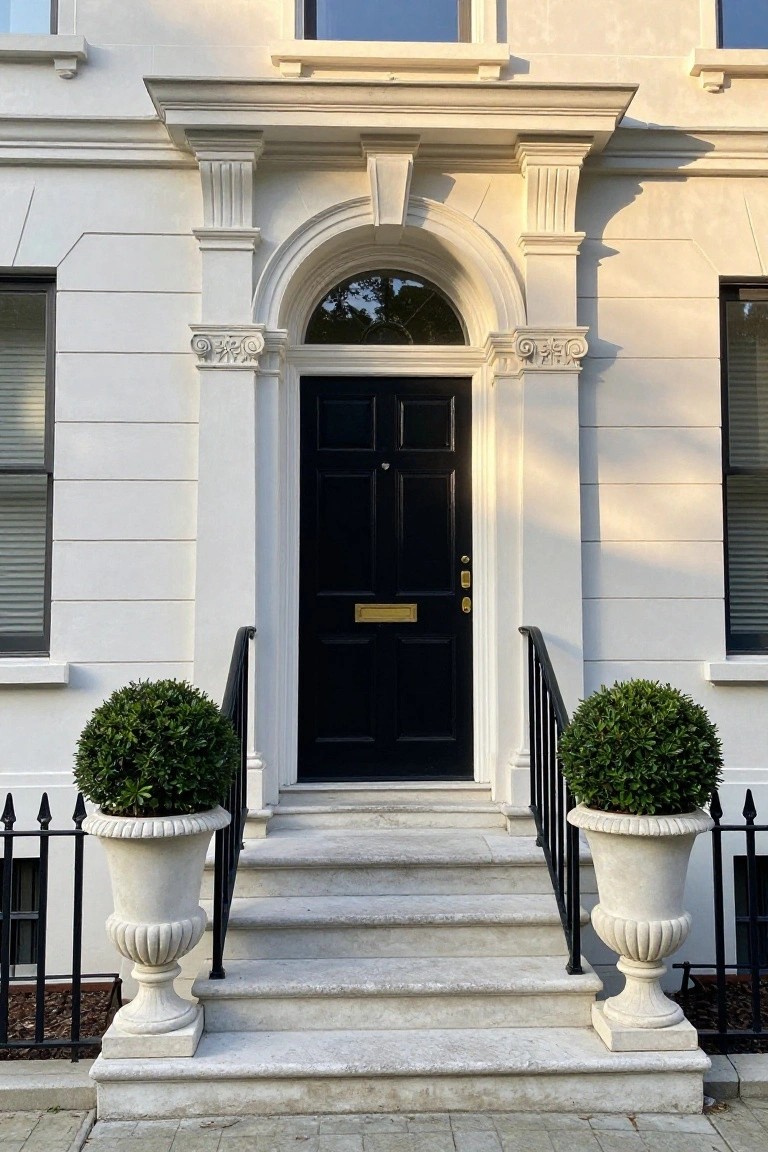
Rusticated stone blocks like these give a house that solid, classic look without much fuss. You see it here on the white facade, where the rough-cut texture runs horizontally across the walls and outlines the windows and door. It adds depth and makes the whole front feel more put-together, especially against a plain black door. Folks like it because it nods to old-school architecture but keeps things simple.
Try this on traditional homes or even updates to ranch styles wanting more character. It works best where you have flat walls that need some rhythm. Pair it with symmetric windows for balance, and keep plants like those boxwood topiaries low so they don’t crowd the base. Skip it on super modern houses, though. Might feel too heavy.
Natural Wood Window Trim
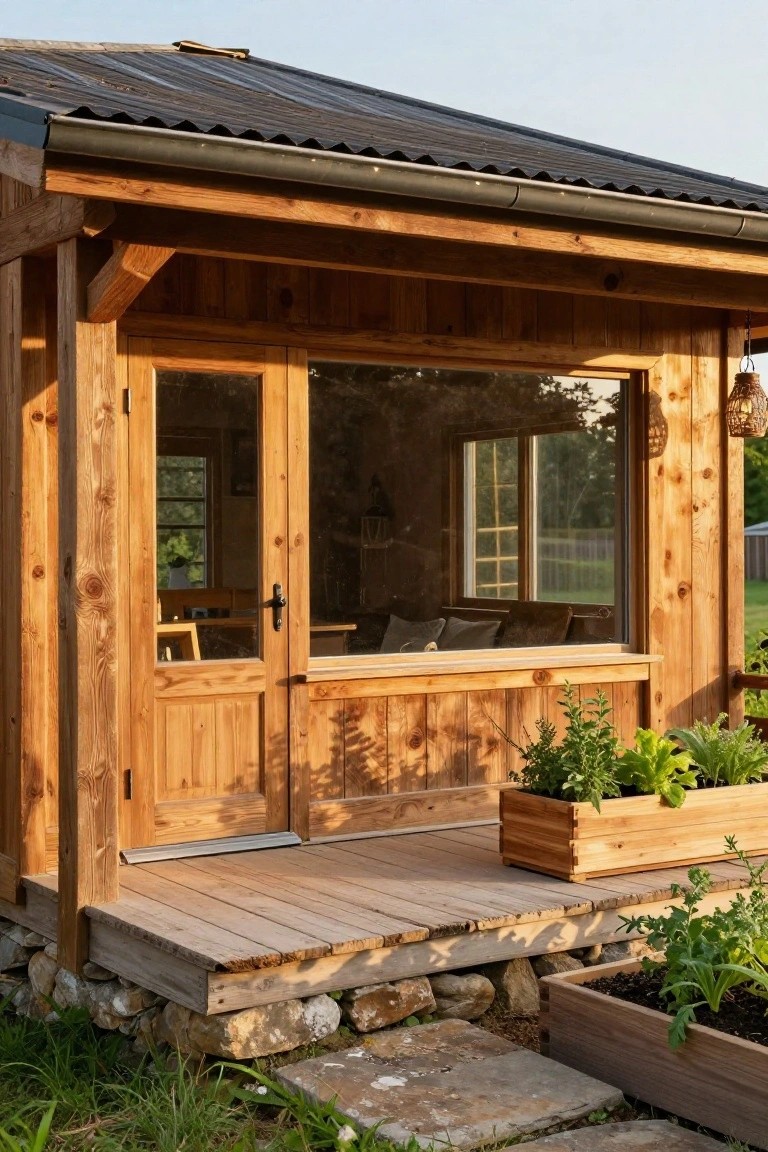
One straightforward way to make your home’s exterior pop is framing windows with the same natural wood as your siding. Here the large glass doors and windows have thick, unstained wood trim that flows right into the cabin walls. It pulls everything together for that cozy, lived-in look folks love on country homes.
This trim style suits wood cabins or simple farmhouses best, especially where you want a seamless blend between indoors and out. Use it on bigger windows to let in light, and keep the finish raw or lightly oiled for weather. Skip it if your place has bold colors, though. It can feel too plain there.
Ornate Wooden Shutters and Flower Boxes
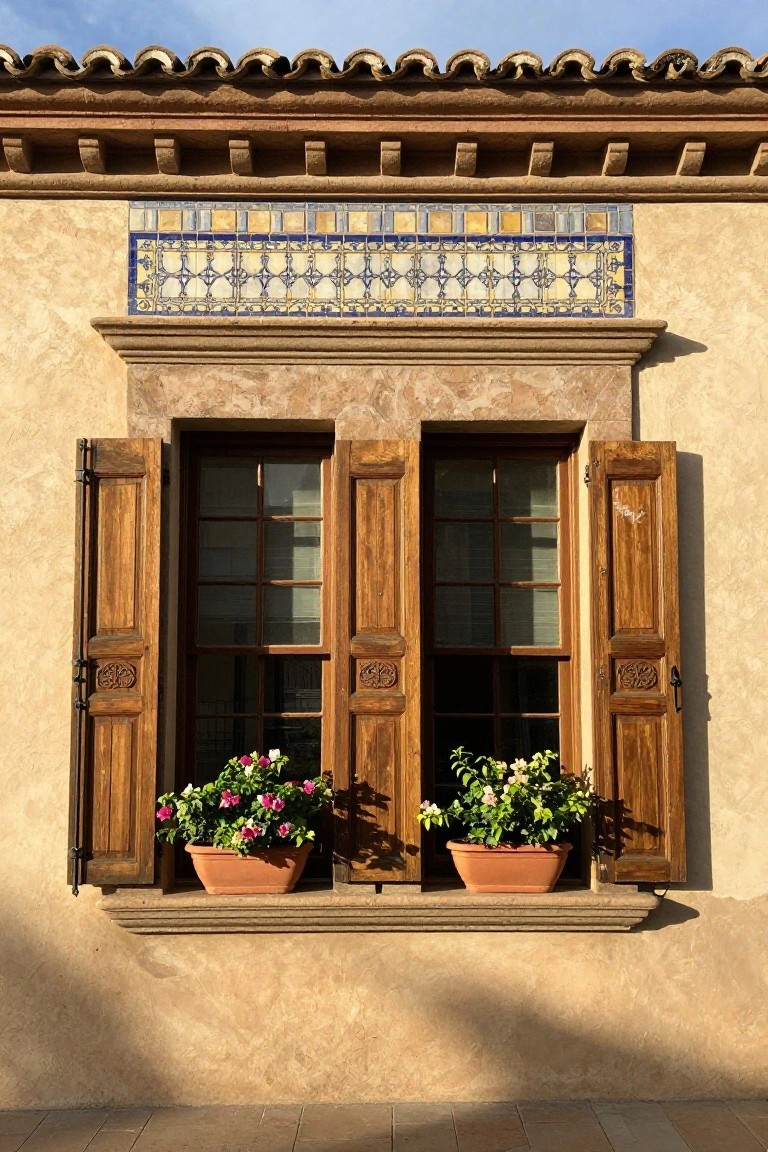
Simple wooden shutters like these, with their carved details, give windows a lot of personality. Paired with terracotta pots full of blooming flowers right on the sill, they turn a plain stucco wall into something warm and lived-in. It’s that mix of wood texture and fresh greenery that catches the eye from the street.
This look fits older homes or ones with a bit of Mediterranean style. Hang the shutters slightly open to frame the glass, and pick pots that match the roof tiles if you can. Just keep the plants easy to tend so they stay looking good year-round.
Dress Up Window Sills with Pots
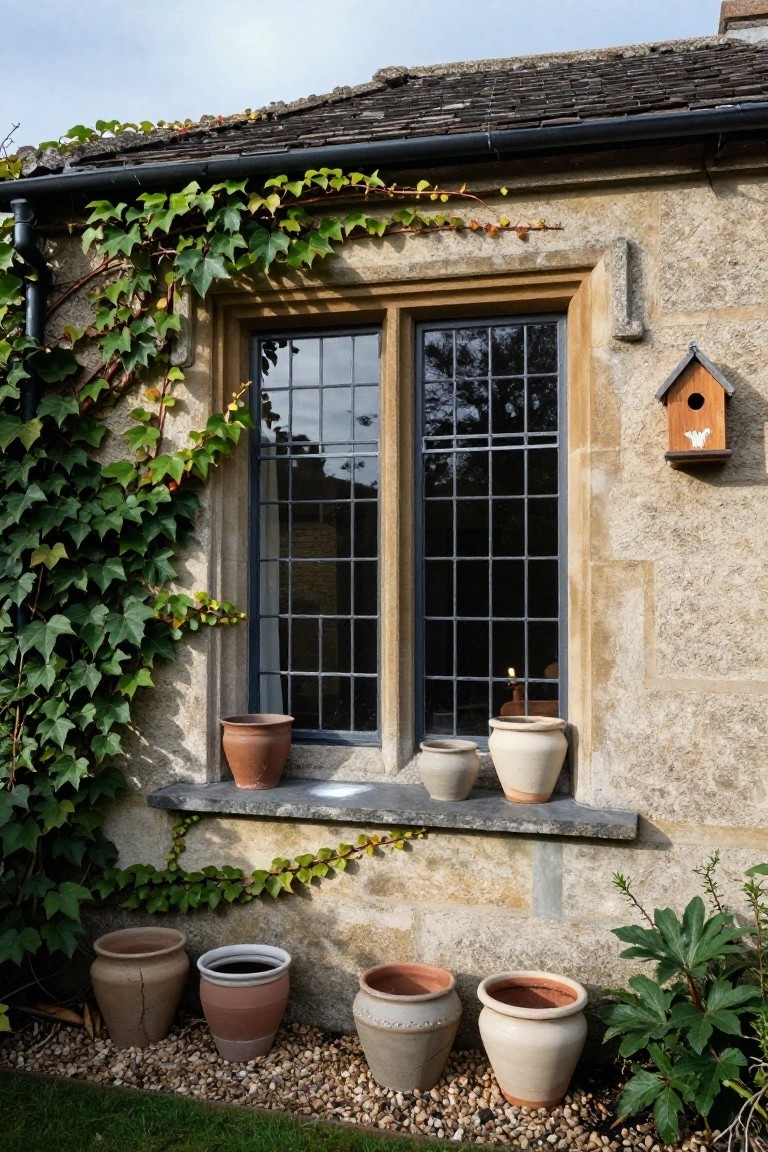
One easy way to make a plain window sill pop is to line it with a few simple terracotta pots. They sit right there on the ledge, adding some life without much fuss. In this setup, the mix of sizes and shapes keeps it from looking too matchy, and the stone sill underneath gives them a sturdy base. It turns a basic exterior feature into something folks notice when they drive by.
Try this on older stone or brick homes where the windows already have good bones. Pick pots in earth tones to blend with the house, and group three or four together, maybe some on the sill and a couple on the ground below. Skip anything too big or colorful, or it might overwhelm the window. Works great in cottage-style spots with a bit of ivy nearby for extra softness.
Wood Trim Frames Sleek Windows
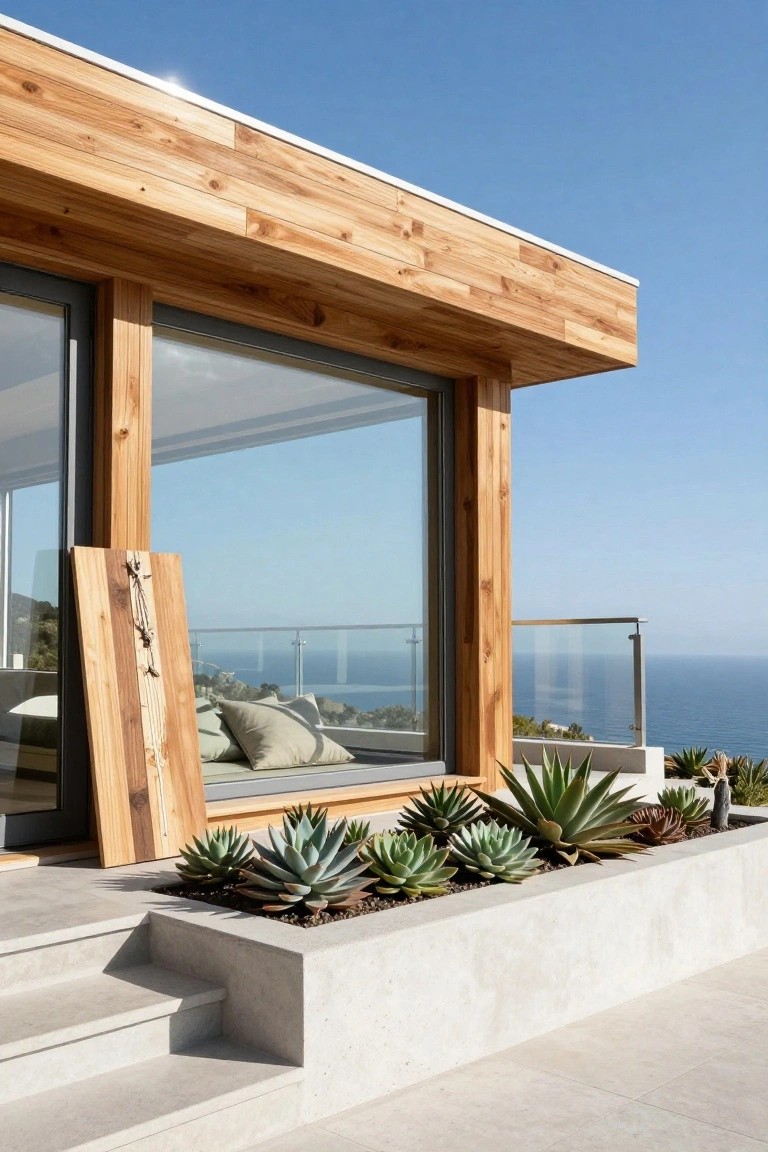
Thick pieces of natural wood run along the edges of these big glass windows, giving the whole side of the house a warmer feel. The wood’s rough texture stands out against the smooth concrete steps and plain walls. It pulls your eye right to the windows without overwhelming the clean modern lines.
This trim works best on homes with lots of glass and open views, like coastal spots or hillsides. Use reclaimed wood or cedar for that lived-in look, and keep nearby plants simple so they don’t compete. Skip it on super traditional houses, though. It suits newer builds wanting a touch of nature.
Ornate Bay Window Trim
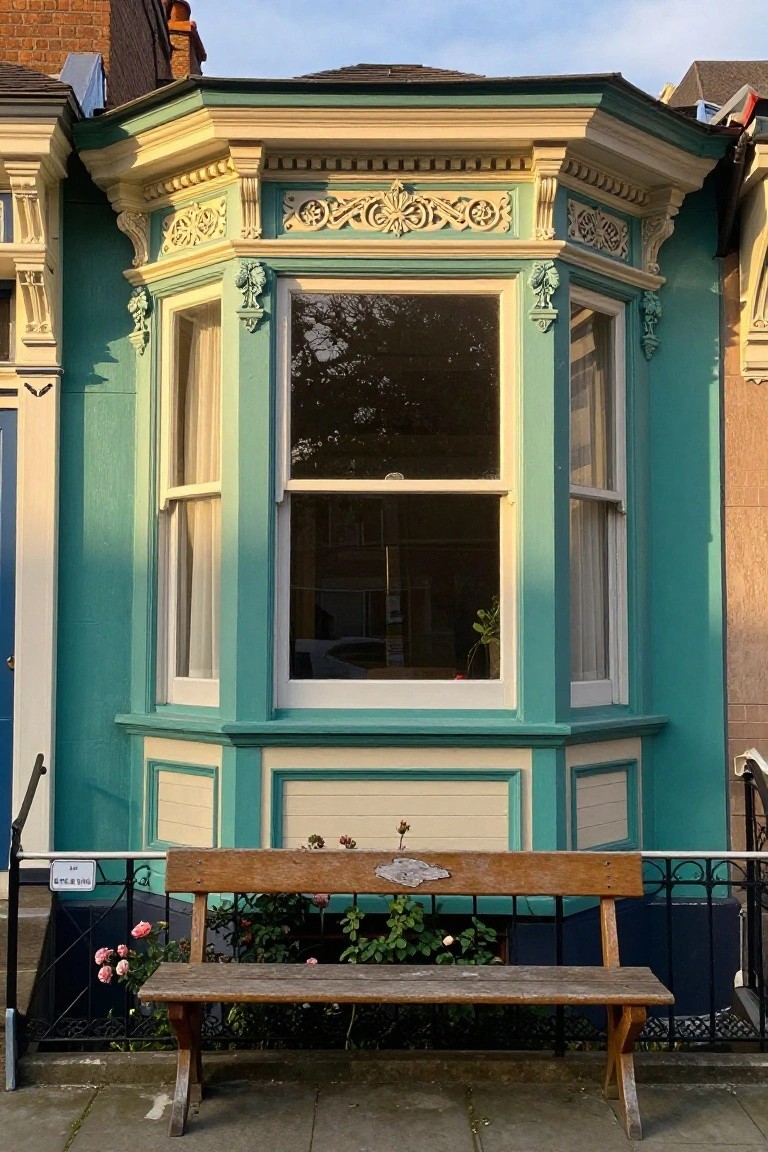
Houses with bay windows often look best when the trim gets some extra detail. This teal exterior uses cream-colored moldings with scrolls and vines carved right in. It pulls the eye up and gives the whole facade a bit more personality without overdoing it. That kind of trim works because it highlights the window shape instead of letting it blend in.
You can add similar detailing to older homes like Victorians or even Craftsman styles. Pick a lighter shade against your house color for contrast, and keep the wood protected from weather. Just check that the scale fits your window size, or it might feel too busy on a smaller setup.
Rustic Log Window Trim
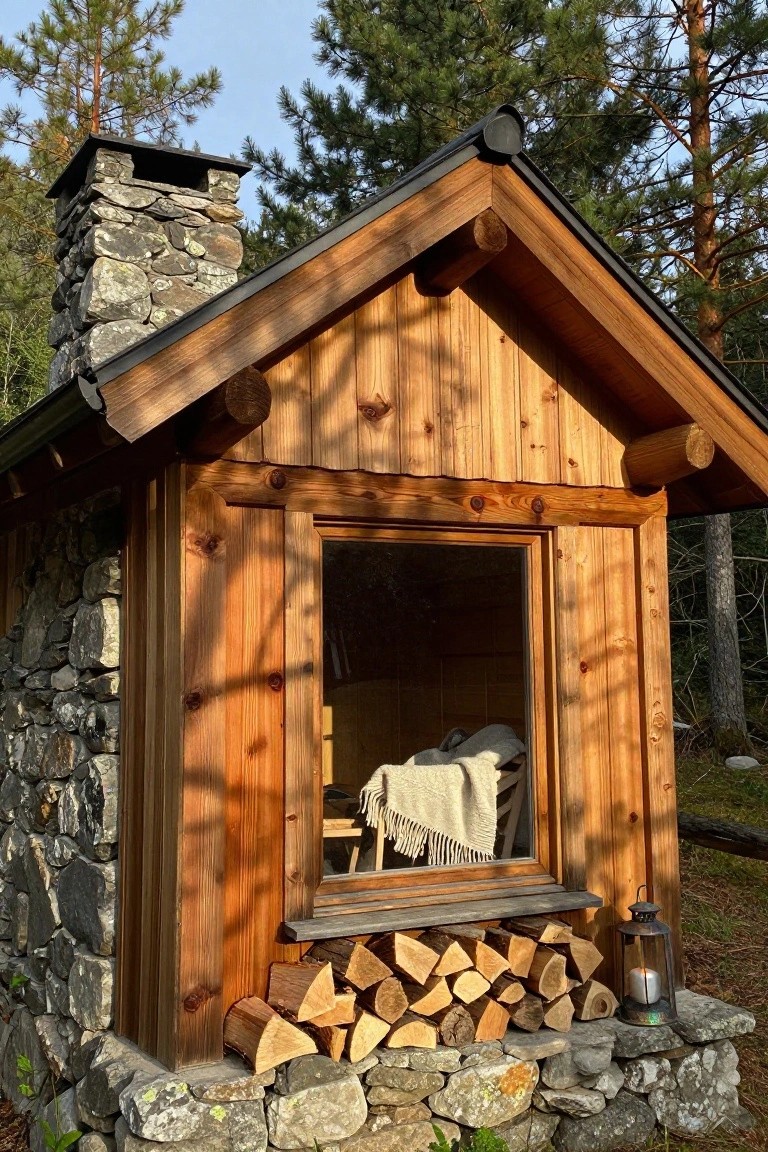
Thick log beams around the window make this cabin look solid and right at home in the woods. They match the rest of the wooden walls and eaves, so the whole building feels like one piece. That big window gets framed just right, letting you peek inside without it looking out of place.
You can pull this off on vacation homes or cabins where you want that cozy mountain vibe. Stick to rough-sawn logs or timbers that echo your siding. It works best on bigger windows facing the yard or trees. Just make sure the trim is beefy enough to stand up to weather.
Black Window Boxes with Boxwood
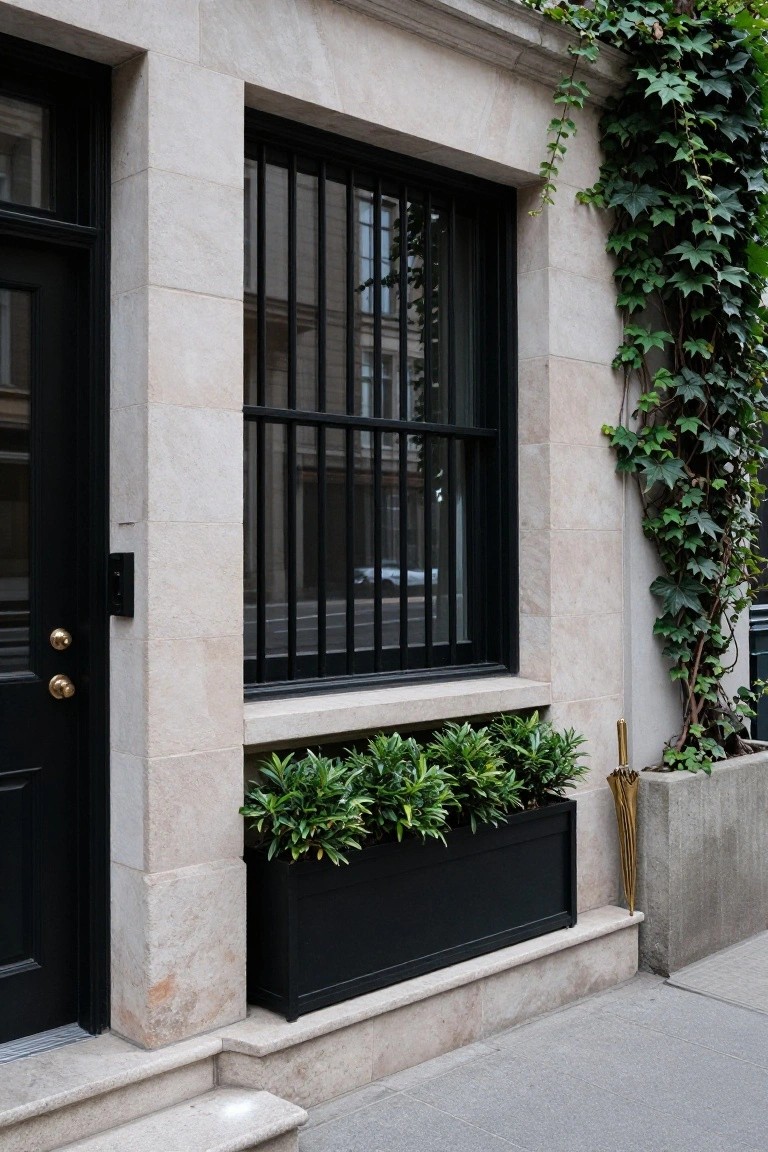
A simple black window box tucked right under the sill does a lot for a stone facade like this. It picks up on the black iron grilles and frames, so everything ties together without looking busy. The boxwoods stay neat and full year-round, bringing some green life to what could feel a bit stark. Ivy climbing nearby just adds to that natural touch.
These work great on townhouses or older homes with stone or brick. Go for a deep box about as wide as the window, fill it with low boxwood or similar evergreens, and keep the color matching your trim. It’s low fuss once planted, suits city spots with not much yard, but skip it if your sill is too narrow or you get heavy winds.
Stained Glass Window Panels
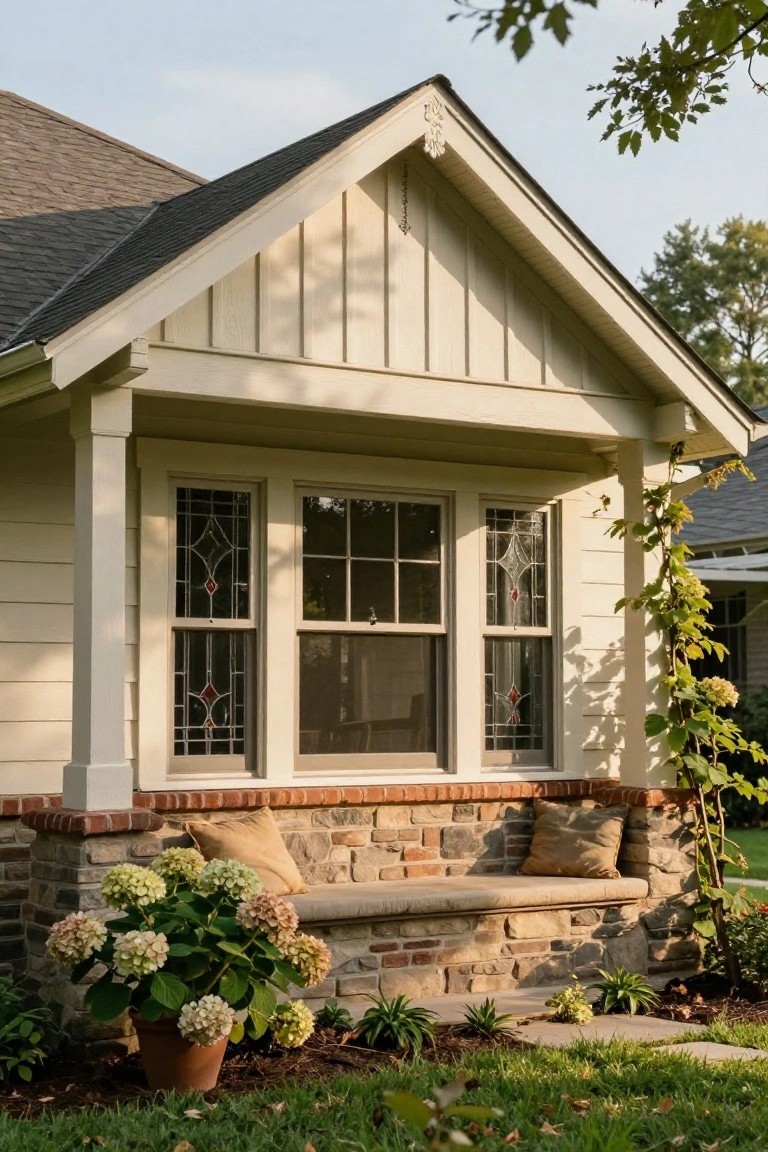
Stained glass panels like these add a touch of old-world charm to plain exterior windows. Here they sit in the sidelights next to a taller center window on a covered porch. The soft colors and diamond patterns catch the light without overwhelming the cream trim and siding. It’s a simple way to make the front of the house feel more special.
These work best on Craftsman or farmhouse style homes where you want subtle interest around the entry. Frame them with wide trim to keep the look clean. Skip if your area gets too much direct sun, as it can fade over time. Just one set like this can lift the whole facade.
Black Framed Windows on Corrugated Siding
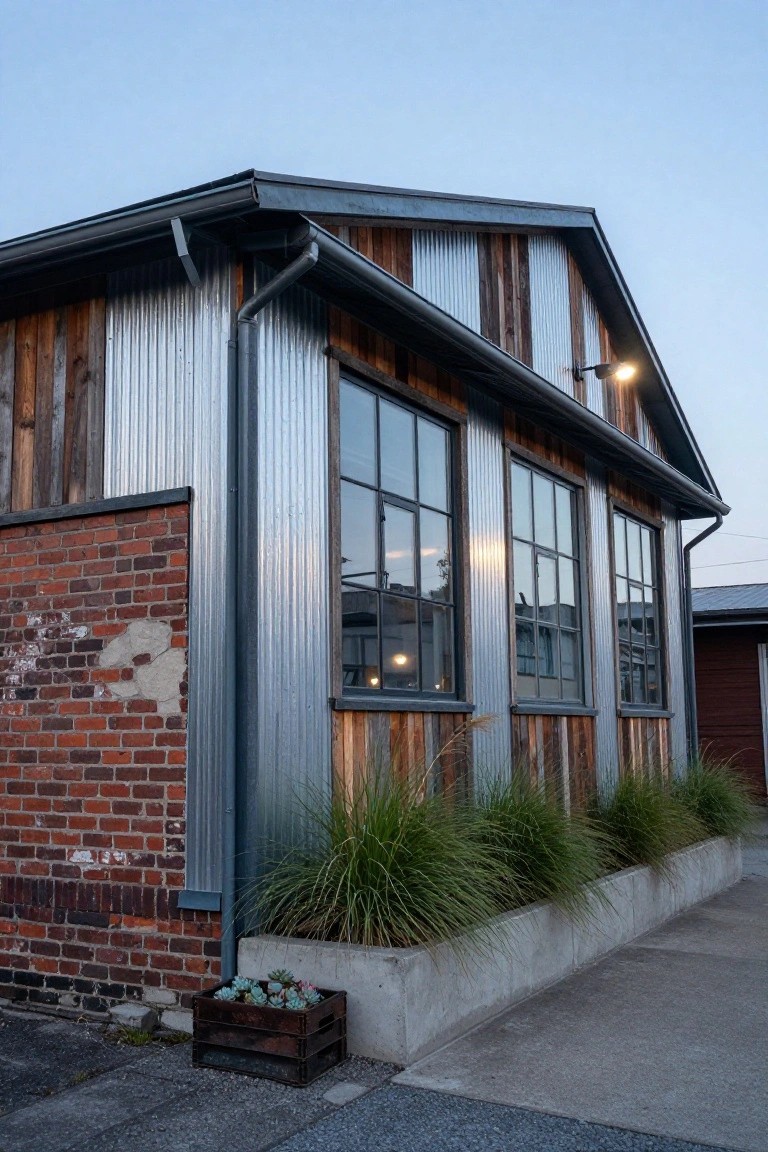
Big windows like these, edged in slim black frames, stand out sharp against the rippled metal siding. They pull the eye right to the glass without overwhelming the mix of weathered wood and old brick nearby. That contrast keeps the look tough yet open, especially as light hits in the evening.
Put this trim on garages, workshops, or house additions where you want some industrial grit. It works best on simpler structures, pairing with muted colors so the frames do the talking. Just check your local weather, since metal frames hold up well but need sealing against rust.
Stone Pilasters Framing Entry Windows
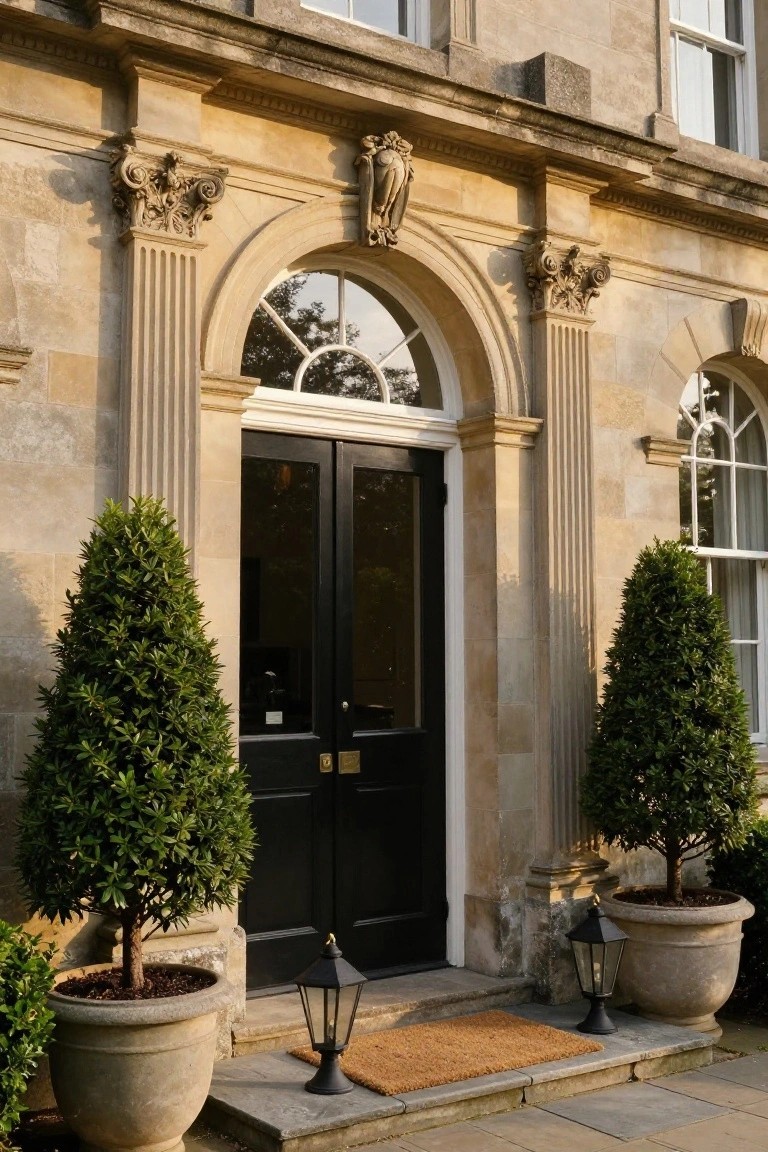
A simple way to boost curb appeal is using tall stone pilasters around your entry windows and door. Here they flank a big arched window above the black double doors, with carved tops that echo classical buildings. That kind of trim gives the house a solid, established look right away. It draws the eye up and makes the entrance feel grand but not fussy.
This works great on older stone or brick homes, or even new builds wanting some history. Keep the pilasters in proportion to your door height, and add lanterns at the base like these for evening light. Skip it if your place is super modern. Just a few details like this can change how welcoming the front looks.
Window Boxes That Boost Curb Appeal
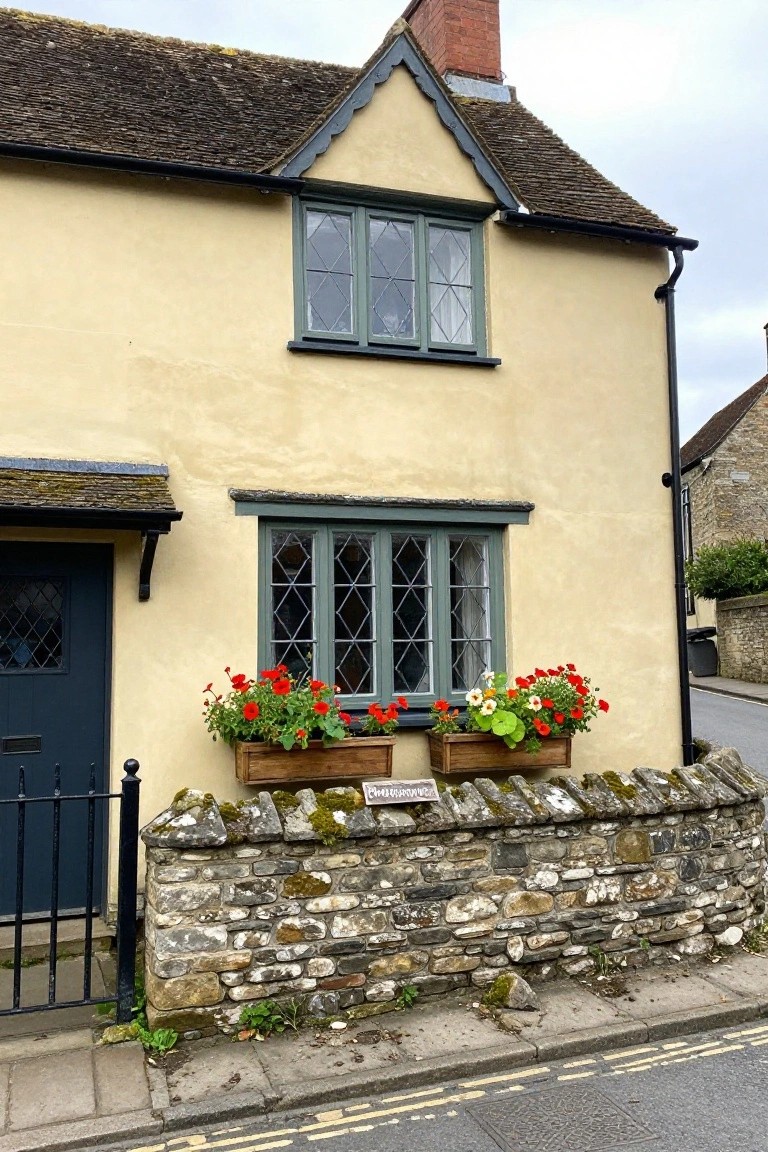
Nothing beats a pair of window boxes packed with flowers to give your home some extra personality. These wooden ones overflowing with red geraniums and a few whites stand out against the soft cream walls and green window frames. They turn simple windows into a focal point and make the whole facade feel more alive and welcoming.
Try them on a cottage-style house or any traditional exterior where you want color without big changes. Pick hardy flowers that trail over the edges, like geraniums or petunias, and mount the boxes securely under the sills. They’re low effort once planted right, but watch for drips on the wall below. Perfect for streetside views.
Frequently Asked Questions
Q: What’s the cheapest way to try out new window trim ideas?
A: Paint your current trim instead of replacing it. Pick a shade like soft gray or bright white to frame windows sharply. You’ll see a huge difference without spending much.
Q: Can I add trim over my existing windows without tearing anything down?
A: Yes, layer new trim right over solid old stuff.
Just make sure the base is stable first.
Q: How do I make sure the trim lines up perfectly?
A: Snap a chalk line across each window first. Use that as your guide for every cut and nail. It keeps everything straight and pro-looking.
Q: And what if my house is in a rainy area, does trim hold up?
A: Choose PVC or aluminum for those spots. They shrug off water and won’t warp over time. Skip wood unless you seal it well.
