


When you pull up to a house, the windows on the facade often make or break that first impression of curb appeal. I’ve noticed how a well-chosen pediment above them can lift an ordinary exterior into something refined, echoing rooflines and entry details without stealing the show. On our last reno, adding subtle pediments to the front-facing windows made the whole street view feel more cohesive, something photos just can’t capture as well. Flat or mismatched facades tend to fade into the background, but these accents draw the eye upward and balance the materials around them. Some shapes here adapt so easily to real homes that I’ve already bookmarked a couple for whenever we tweak ours again.
Classic Brick Window Pediment
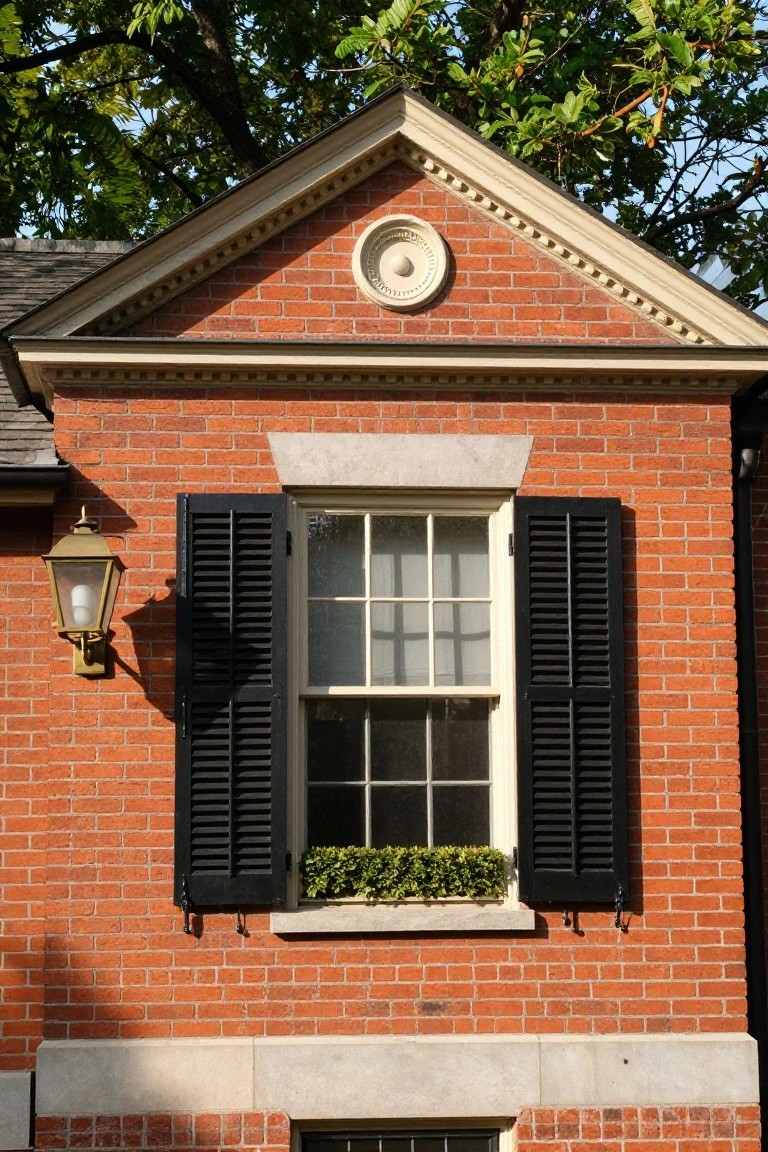
A triangular pediment sits cleanly above a multi-pane window on this red brick wall. It pulls the eye up and adds a touch of formal charm to what might otherwise be a plain side wall. Black shutters frame the glass nicely, and a little greenery in the window box softens the look just enough.
This detail suits older homes or additions aiming for traditional curb appeal. Place it over entry windows or those facing the street to draw attention without dominating the facade. Stick to stone or painted wood for the pediment to match brick, and keep shutters simple so the shape stands out.
Gabled Pediment on a Small Shed Window
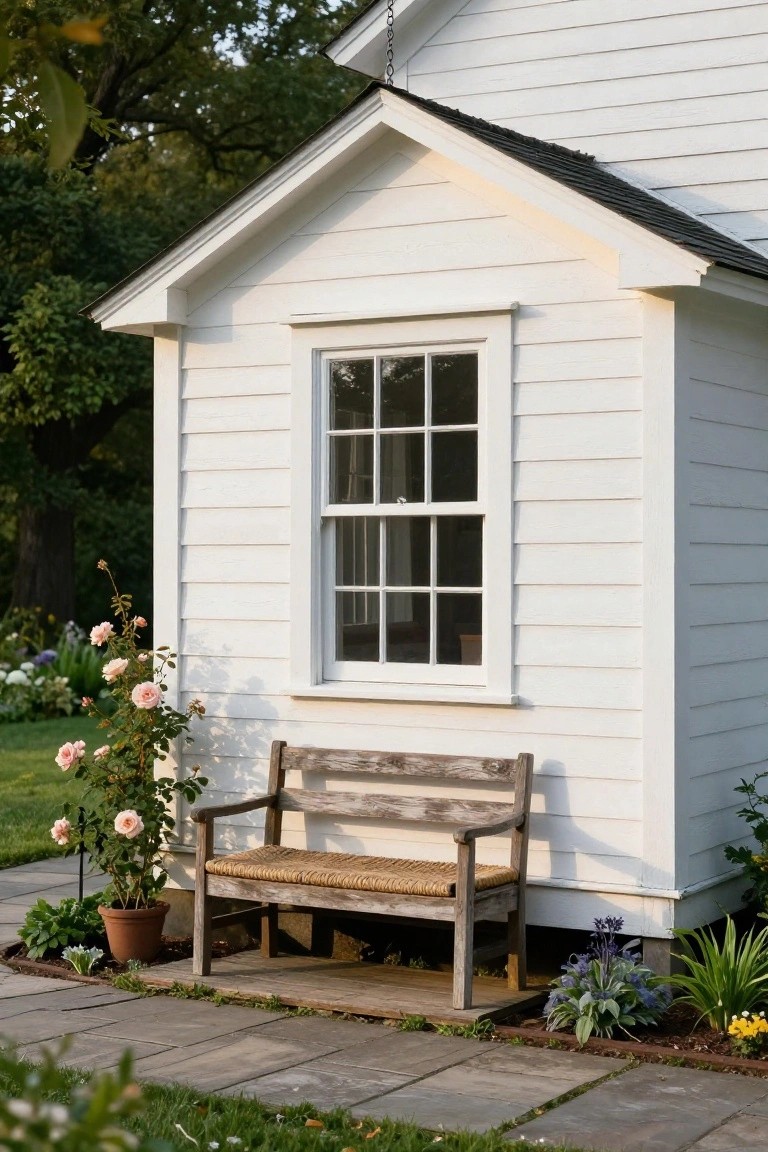
A gabled pediment like this one sits right over the window on a plain white clapboard shed. It adds a touch of old-house charm without much fuss. The peaked roofline echoes the main gable, making the whole side feel more finished and welcoming.
Try this on garden sheds, garage additions, or even a home’s side window. It suits country or cottage styles best, especially where you want subtle detail. Just keep the siding crisp white, and let climbers like roses soften things up a bit.
Rustic Wooden Window Box
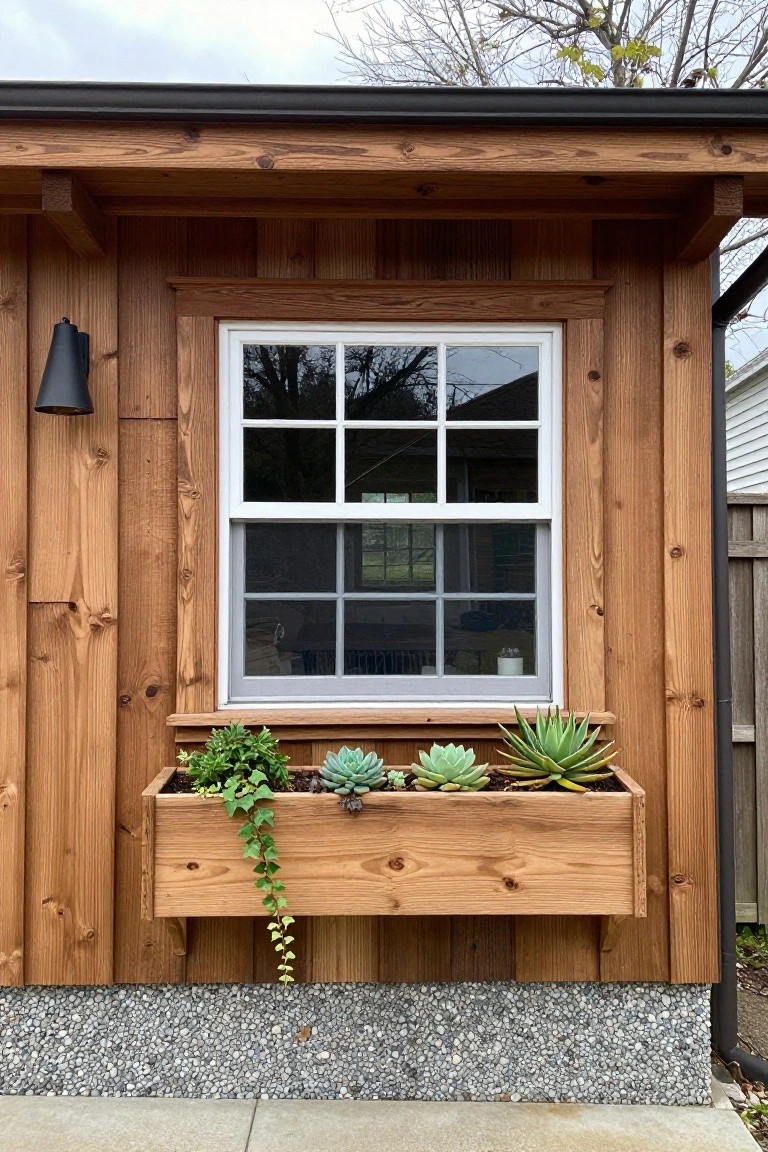
A wooden window box like this one fits right in with the siding around it. Made from the same cedar or pine, it looks like part of the building instead of something added on. The succulents and trailing ivy give the window a bit of life, making the whole side feel more finished and homey.
Try this on sheds, cabins, or even house additions where you want low-key charm. Match the wood grain and let it weather to gray over time. Go for drought-tolerant plants so you aren’t out there watering every day. It works best on spots that get some sun but not blasting all afternoon.
Stucco Walls with Recessed Windows
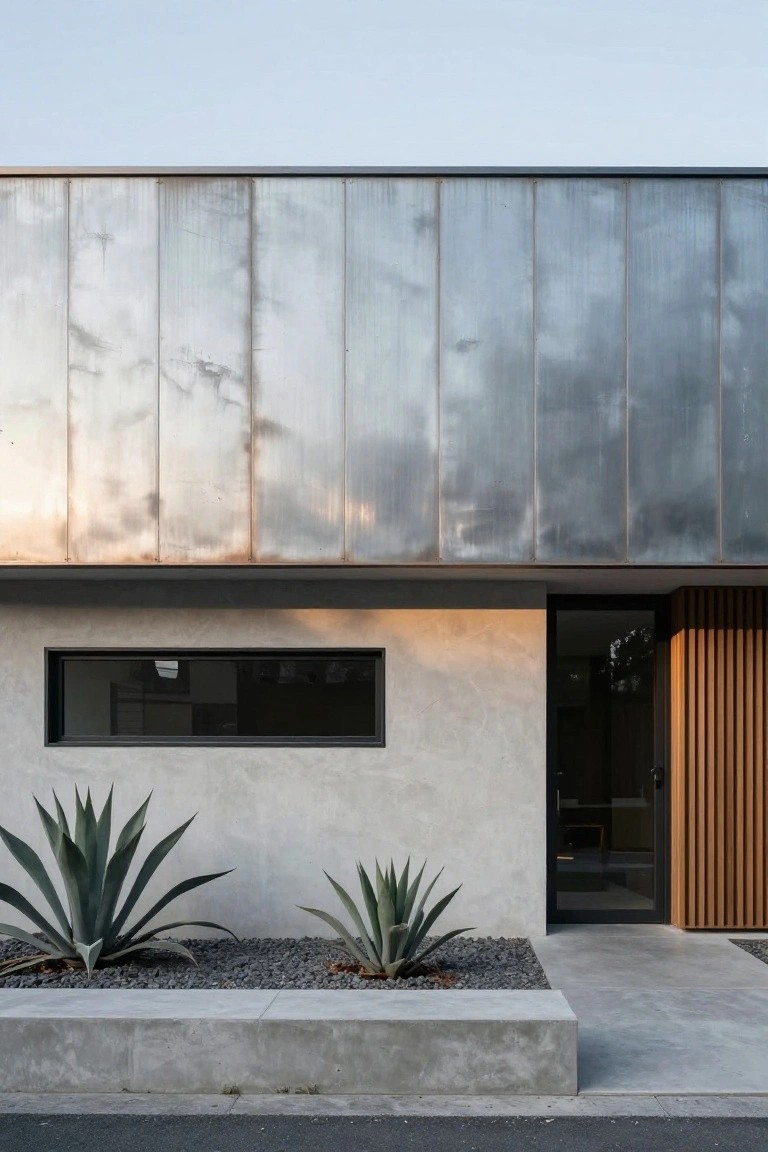
A recessed horizontal window set into a smooth stucco wall is a simple way to add some architectural detail to a plain facade. The black frame pops against the light stucco, and the recess gives it depth without any extra molding or fuss. It keeps things modern and understated, especially when the upper part of the house shifts to something like weathered metal panels.
This works best on low entry walls or side facades where you want subtle focus. Try it on mid-century updates or new builds in dry climates. Just keep the window narrow to avoid overwhelming the wall, and add low plants like agaves below for scale. Skip it on super tall walls, though. It shines where less is more.
Arched Window with Stone Pediment
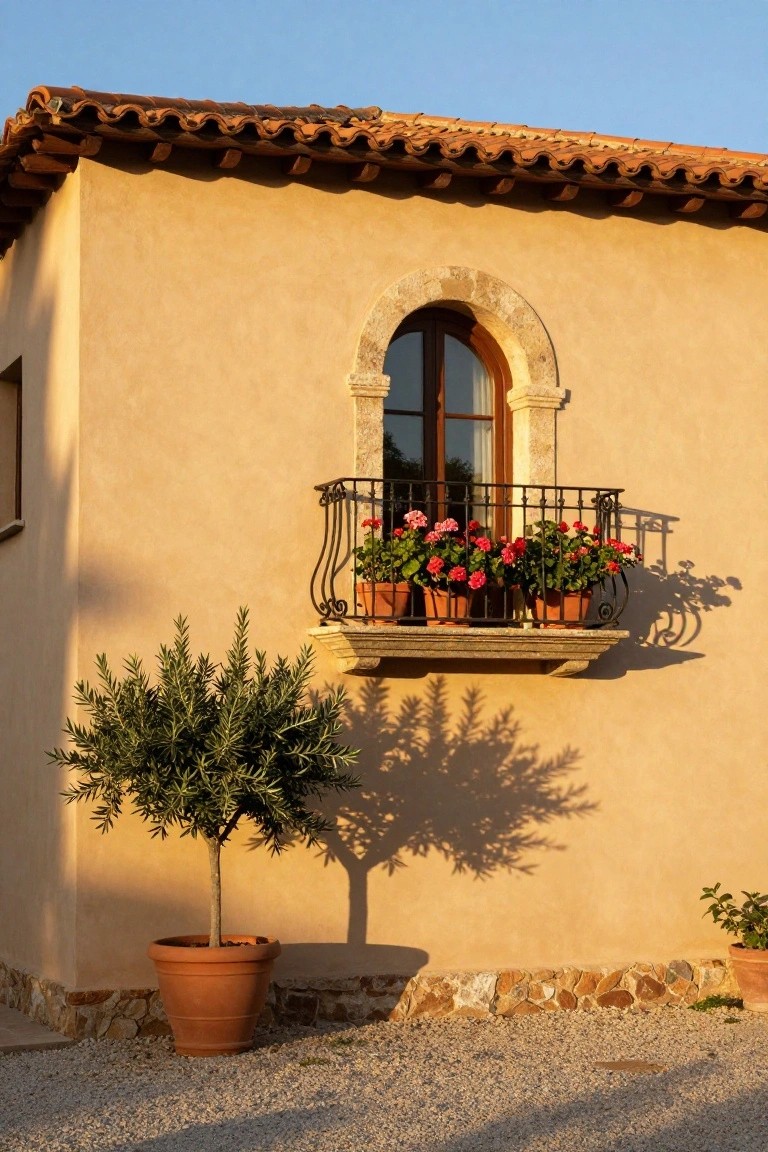
A stone pediment like this one around an arched window brings a bit of European villa style to any plain wall. It outlines the opening nicely and makes the whole facade look more finished. The wrought iron balcony below ties it together without much fuss.
You can use this on stucco houses or even brick ones if you want to mix things up. It suits warmer climates best, maybe with some geraniums hanging off the rail for color. Just make sure the stone matches your roof tiles so it doesn’t stick out too much.
Classic Pediments Over Tall Windows
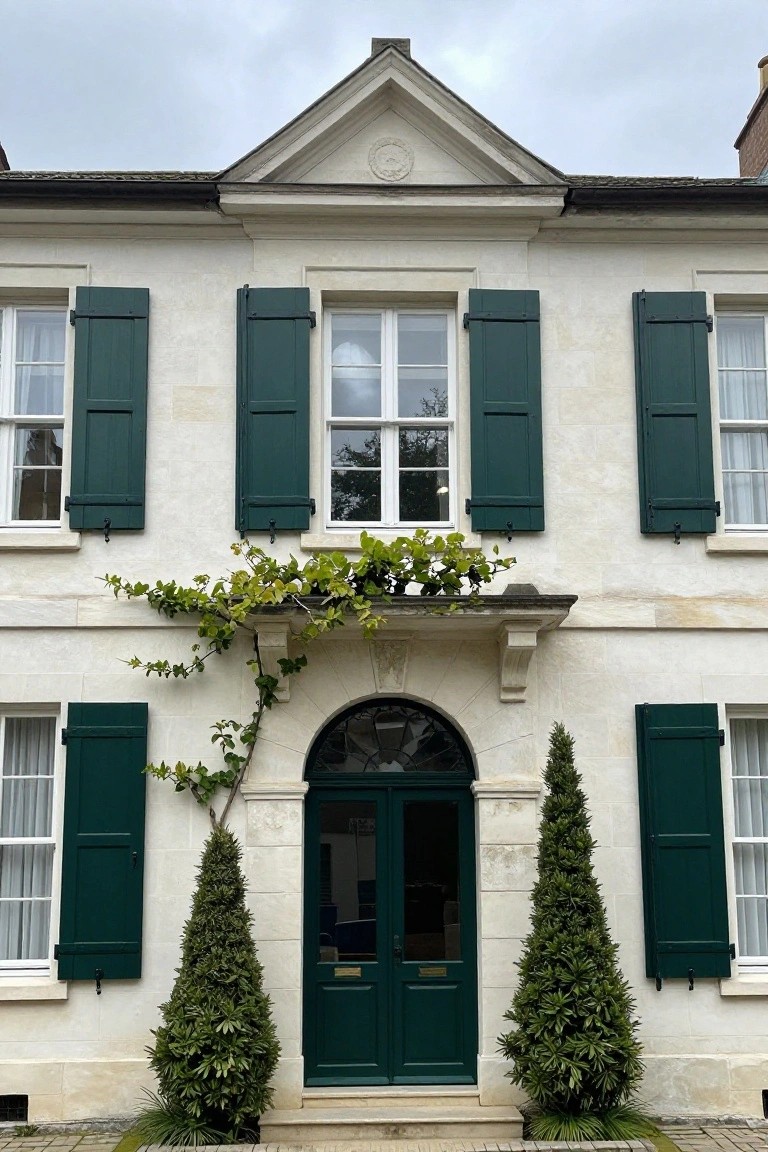
Tall windows topped with simple pediments like these bring a bit of old-world polish to any facade. On this house, the light stone walls let the pediments stand out just enough, especially against those deep green shutters. It’s a quiet way to nod to classical architecture without going overboard.
These details suit older homes or ones aiming for that timeless feel, like in town settings or quiet neighborhoods. Match the shutters to your door for pull-together curb appeal, and keep the stone neutral so the pediments do their job. Skip them if your house leans too modern, though.
Stone Pediments Over Arched Windows
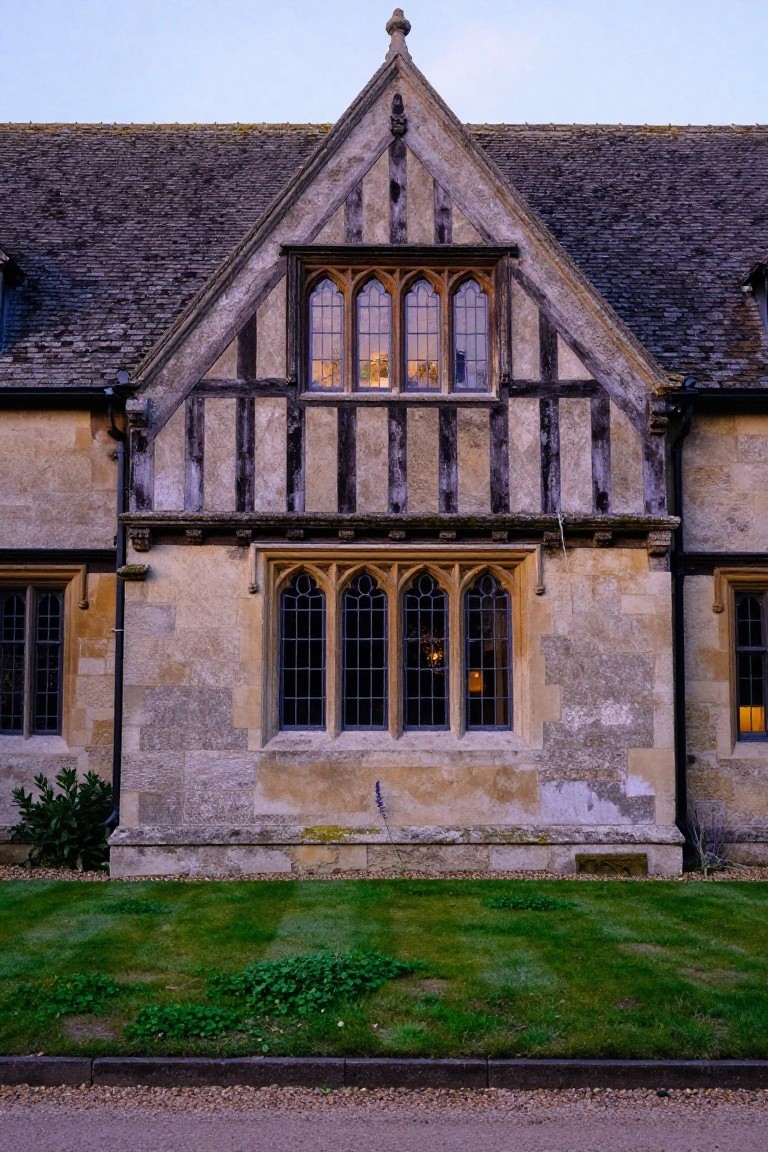
Stone pediments sitting above arched windows give a house that old-world touch without much effort. You see them here on this timber-framed place, where the light stone curves echo the dark wood beams and make the whole front feel put together. They add height and a bit of fancy to plain walls, especially when the windows glow warm at dusk.
These work best on older-style homes or ones you want to look more historic, like cottages or manor additions. Pick a matching stone for your base, keep the arches simple, and they fit right into English country looks or even updated farmhouses. Just don’t overload a small facade… one or two spots do the trick.
Scalloped Awnings Top Windows
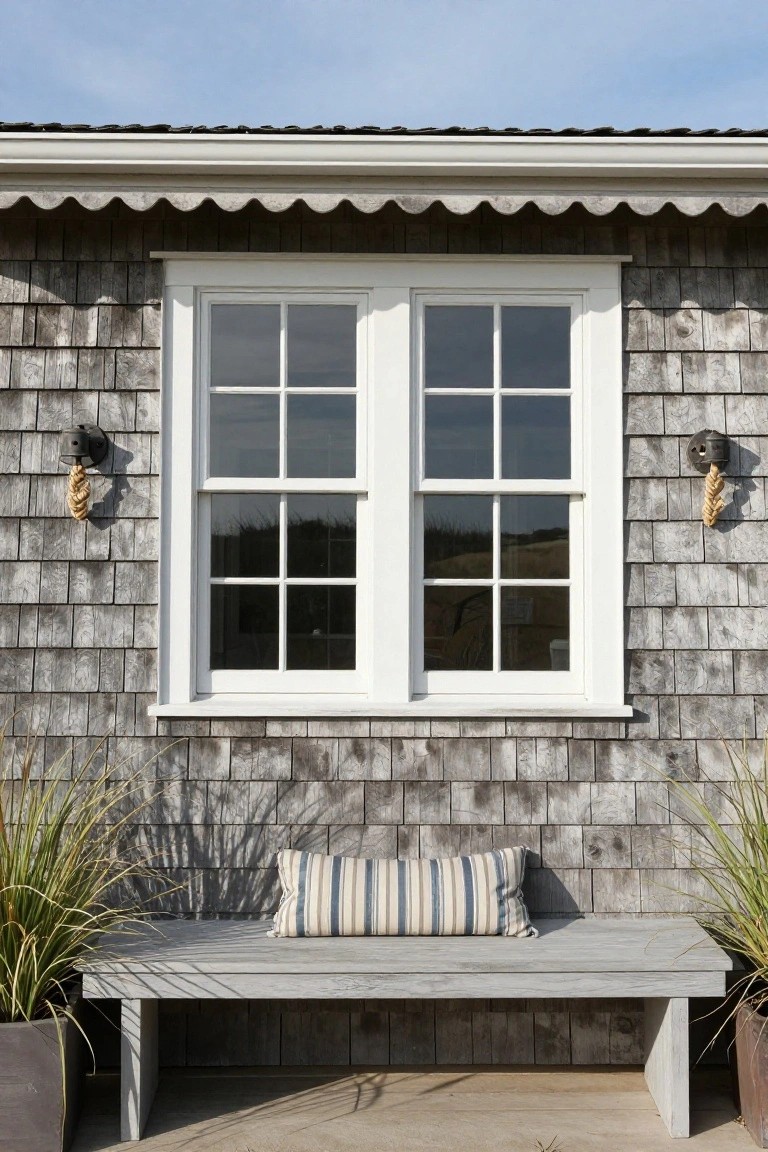
A scalloped awning like this sits right above the window, giving it a soft edge on a shingled house. It replaces a stiff triangle pediment with something more relaxed and beachy. The curve picks up on the roofline without overpowering the simple white frame.
You can add one over double windows on vacation homes or cottages facing the water. Keep the material light, maybe canvas or wood painted to match. Flank it with rope lanterns for extra detail, and set a bench below if there’s room… makes the spot feel lived-in right away.
Classic Pediment Above the Window
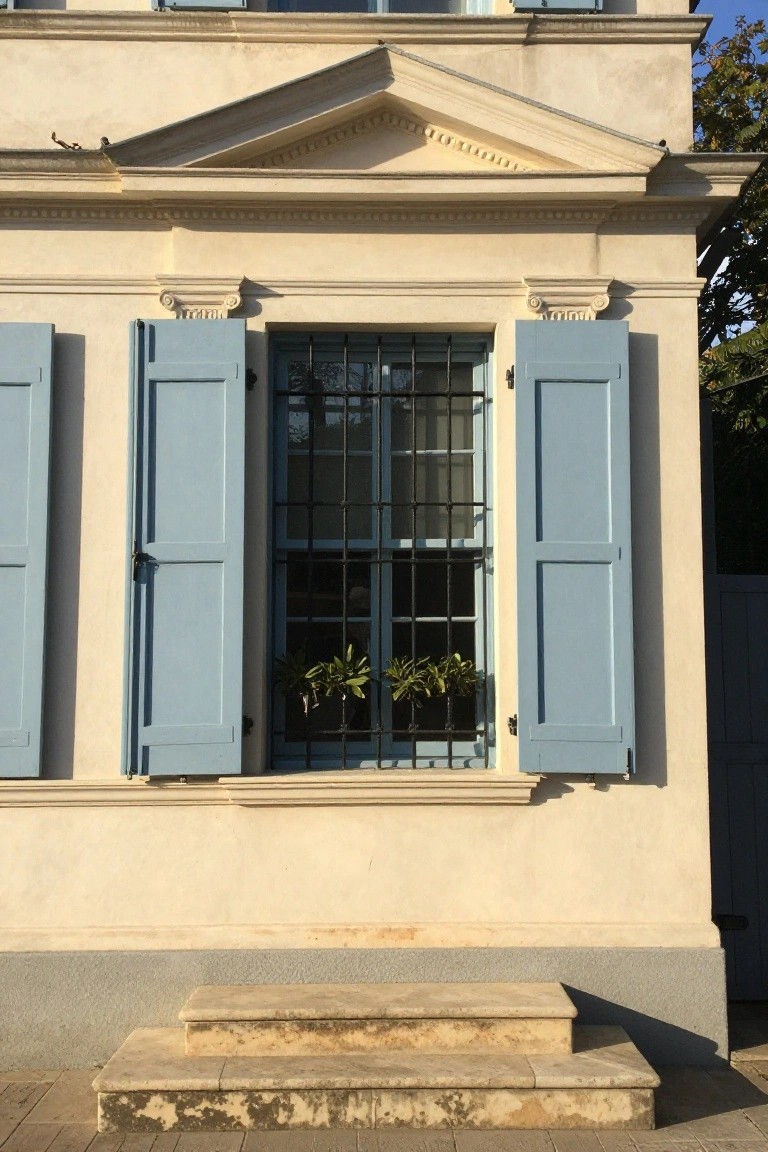
A clean pediment like this adds real poise to a plain window setup. It echoes old European houses without going overboard. Here on a light stucco wall with blue shutters and a bit of greenery inside, it pulls the eye up and makes the whole side feel put-together.
Try it on taller windows where you want some subtle height. Fits older homes with French doors or even modern stucco builds aiming for tradition. Just match the stone color to the wall so it blends in nice.
Arched Window with Carved Stone Pediment
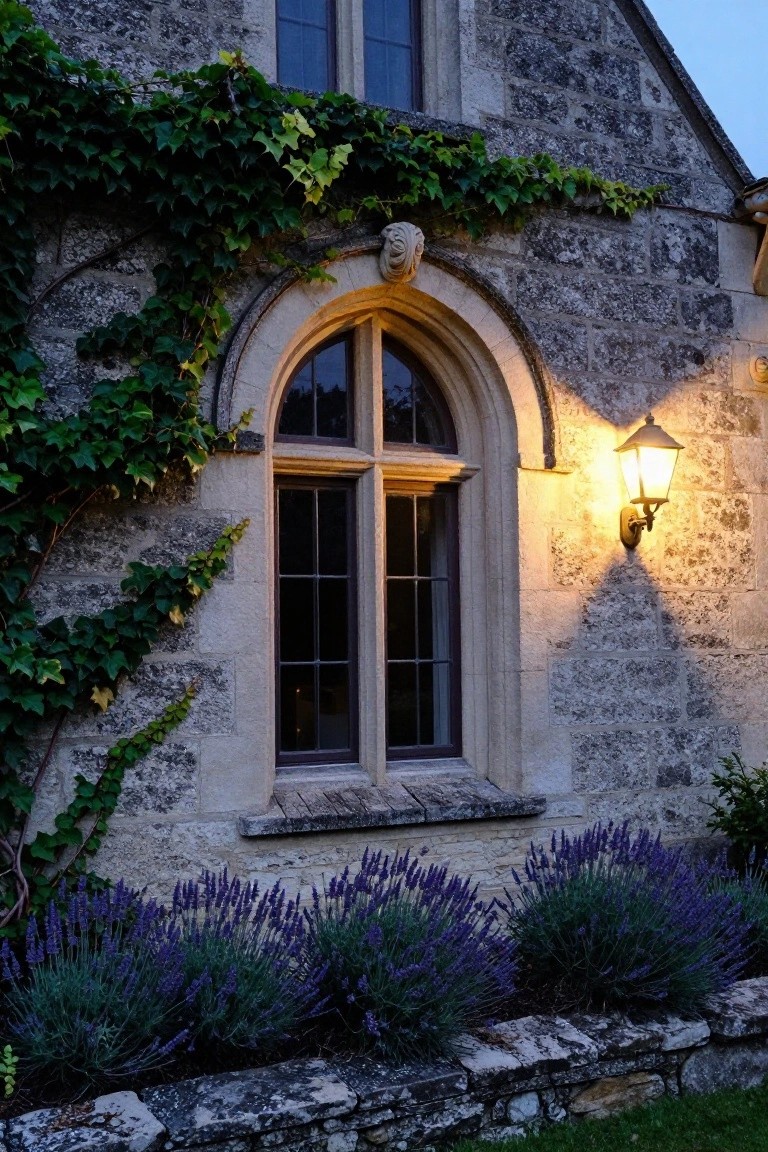
A carved stone head sits right above this arched window, giving the whole facade a touch of old-world charm. It’s set into rugged stone walls, and that wall lantern throws a warm glow on it come evening. Ivy climbs casually around the edges, while lavender bushes hug the base. Simple details like these make a plain stone house feel more refined without much fuss.
You can pull this off on traditional stone or brick homes, especially if you’re aiming for a European cottage look. Tuck the lantern close to highlight the pediment at night, and keep plantings low and soft underneath. Skip it on super modern spots, though. It suits quieter side entries or garden-facing walls best.
Ornate Pediment on Bay Window
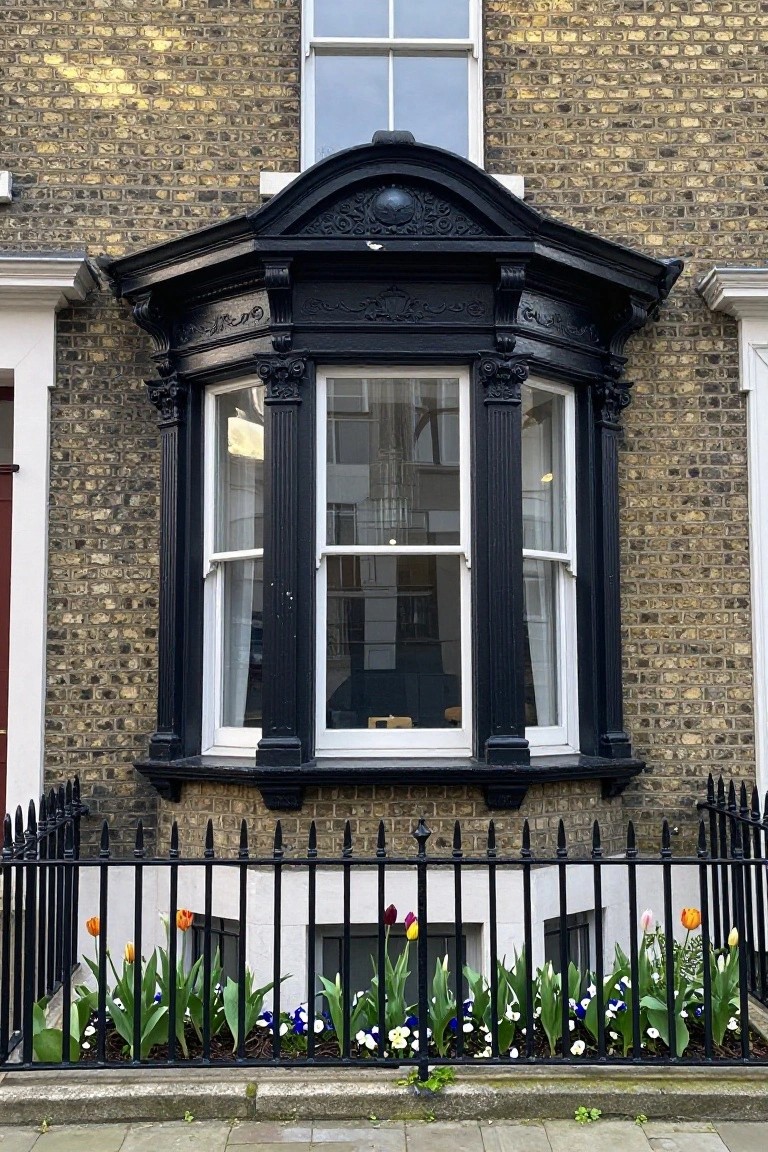
A carved black pediment like this one tops a bay window and gives the house front real character. The columns and scrollwork stand out against yellow brick walls. It pulls the eye right to that spot without much fuss.
This kind of detail fits older brick row houses best. Pair it with a black frame around the glass and some iron railing below. Tulips or spring bulbs in the bed add a bit of color. Skip it on plain modern facades though… it needs that traditional base to look right.
Arched Window with Carved Wooden Pediment
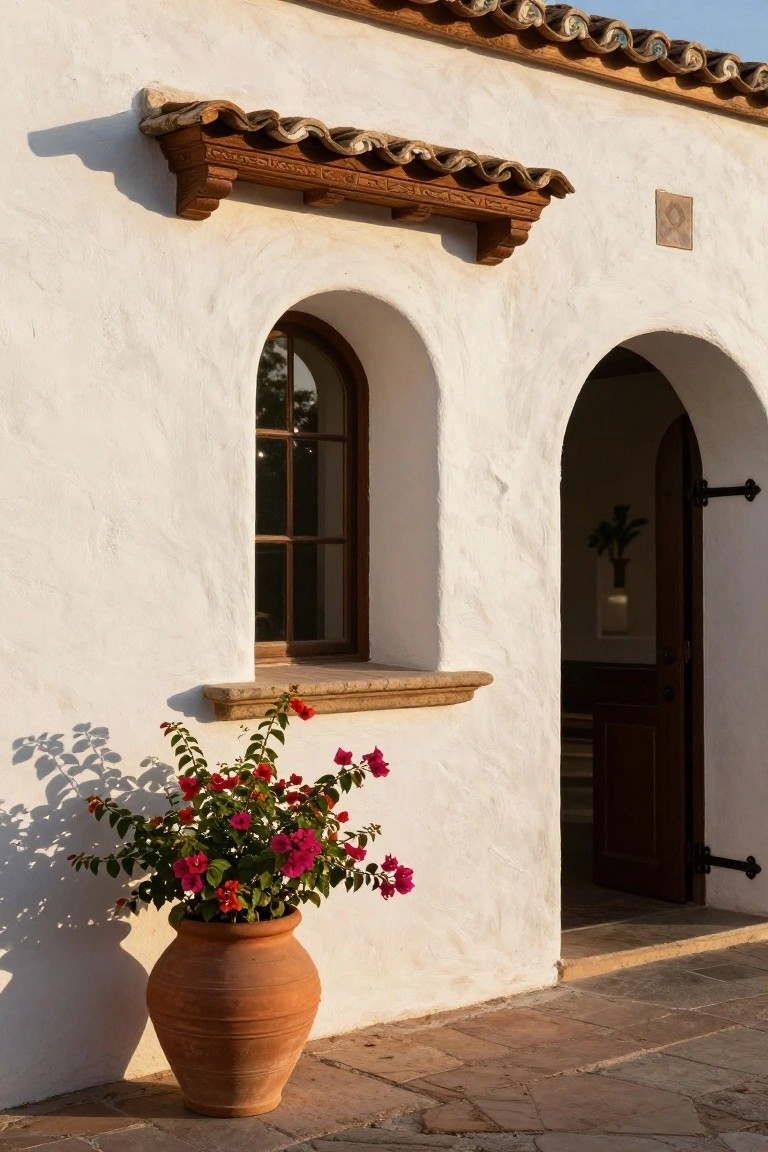
A carved wooden pediment sits right above a small arched window on this stucco facade. It has some nice detailing and even holds a few Spanish tiles on top. That little touch brings a bit of traditional warmth to the plain white wall. Makes the whole entry area feel more finished.
You can pull this off on older homes or new builds aiming for that Mediterranean look. Keep the wood stained dark against light walls and match it to door trim. Just size it right for the window. Too big and it overpowers. A potted plant nearby like bougainvillea keeps things lively without much fuss.
Triple Windows in Shingle Style
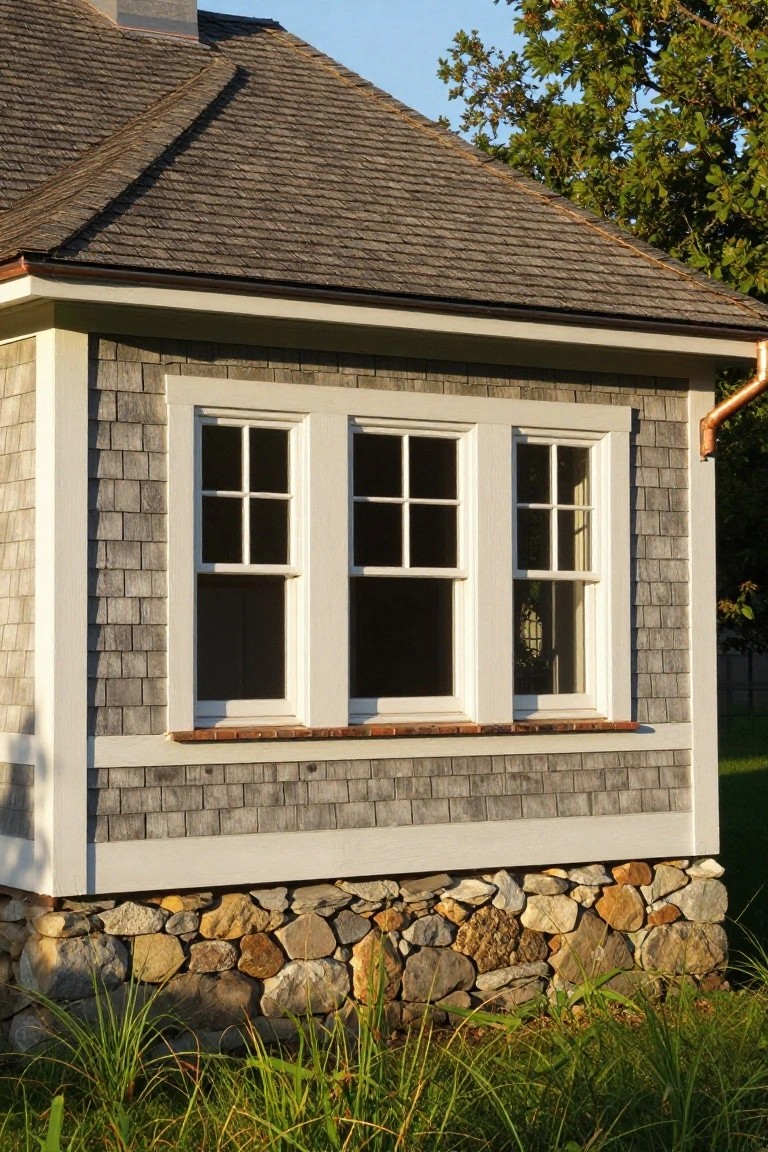
Grouping three double-hung windows side by side works nicely on a shingle house. The white frames and divided lites give them a crisp traditional feel against the soft gray siding. That setup adds some quiet structure to the facade without much fuss.
You see this a lot on coastal or New England style homes. It fits best where you want to break up a plain wall, maybe in a bay projection. Keep the trim simple and add a stone base underneath… it grounds everything. Just avoid overcrowding the grouping with too many other features nearby.
Entry Door with Vertical Light Reveal
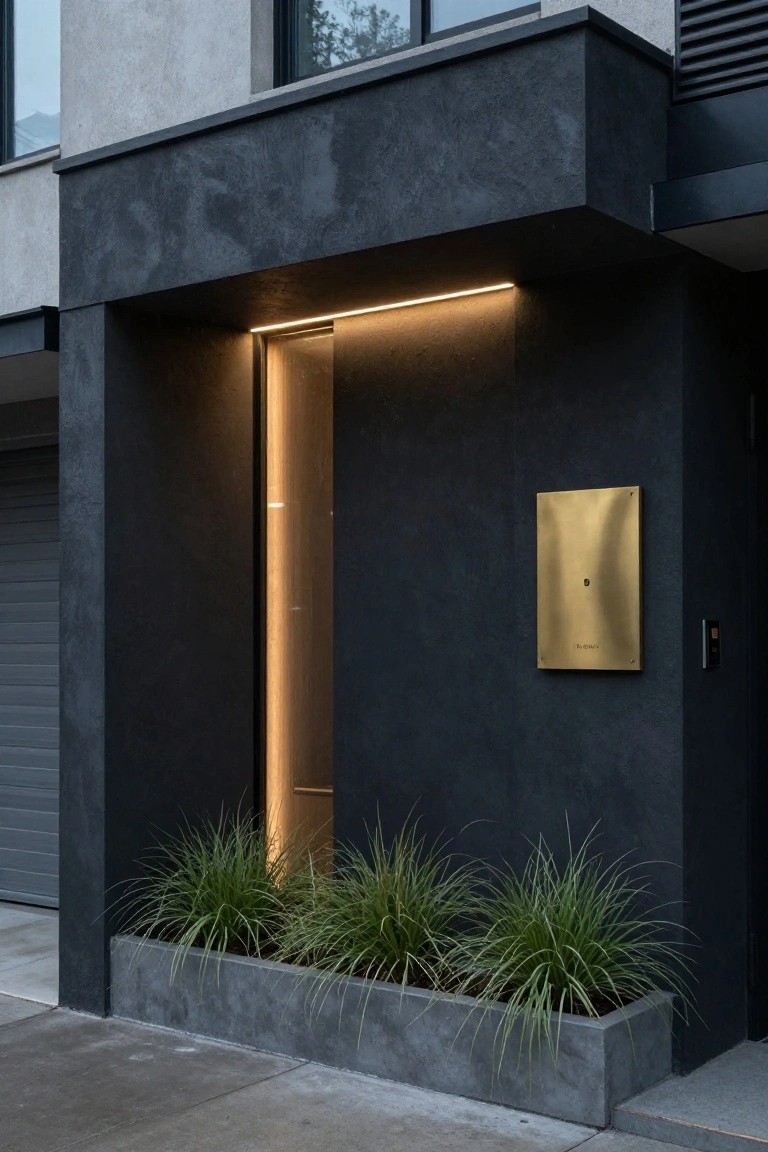
A simple vertical LED strip tucked into the door reveal adds a warm glow to this dark entryway. It highlights the wooden door without overwhelming the matte black stucco facade. That subtle light turns a plain front door into something striking come evening.
You can add this to modern or minimalist homes where the exterior stays mostly dark and textured. Keep surrounding plants low like those grasses in the concrete box and use a metal mailbox for contrast. Just make sure the light is dimmable so it does not glare.
Copper Lintel on Stone Window
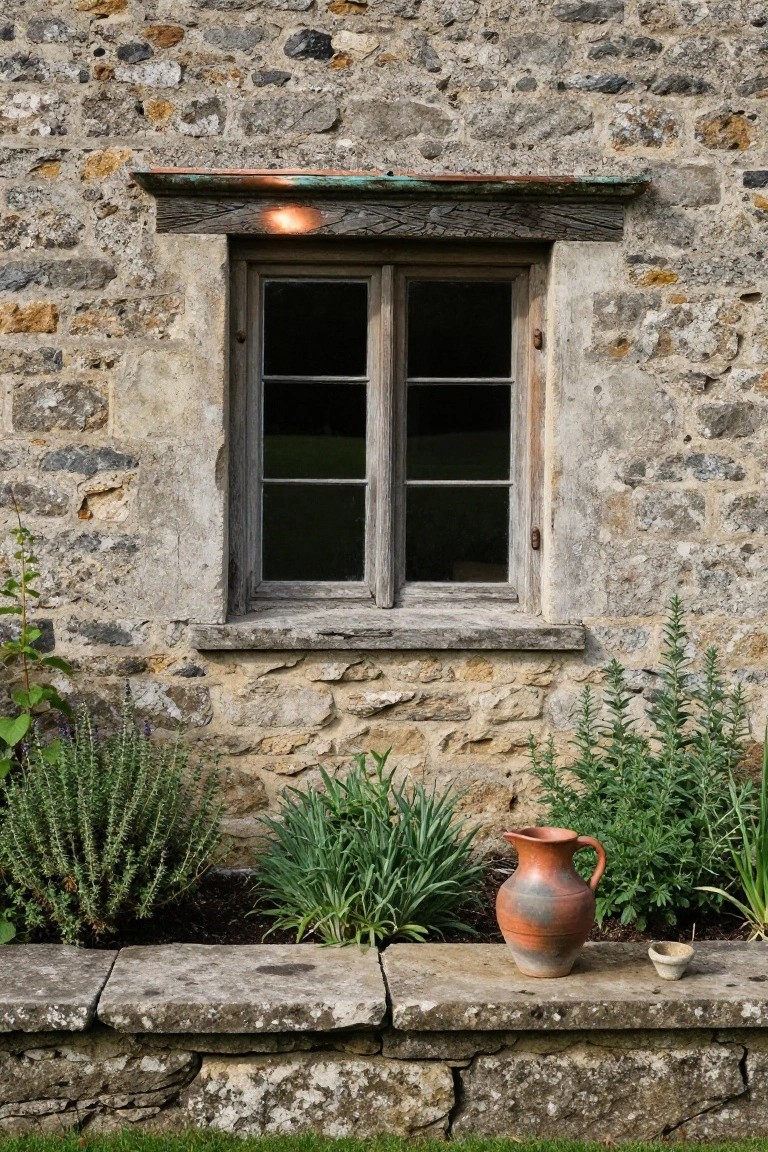
A copper lintel sitting right over a wooden window frame adds just the right bit of shine and age to a plain stone wall. That soft green patina from weathering picks up on the rustic feel of the rocks below, without trying too hard. It’s a quiet way to frame the window and make the whole facade look more put together.
You see this a lot on older cottages in the country. Pair it with simple plants on the sill, like a few herbs or that big terracotta jug. It keeps things low fuss and works on any stone or stucco house facing north or east where the copper won’t fade too fast.
Classic Pediment Windows with Fern Boxes
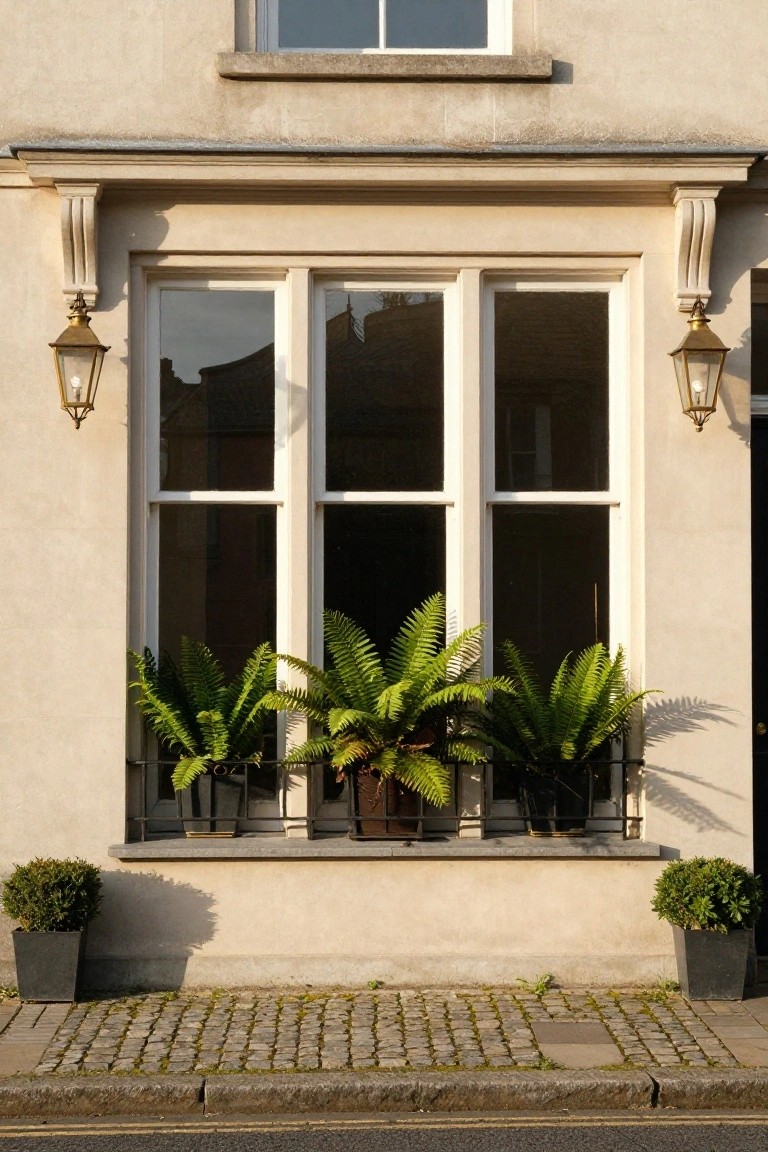
This setup takes a traditional pediment over a big tripartite window and makes it feel fresh. The beige stucco wall and white sashes already give a clean Georgian look. But those black metal window boxes stuffed with ferns? They soften the stone ledge and add real life right where eyes land first. Flanking lanterns help too, keeping things balanced and lit nicely at dusk.
Try this on older homes or row houses with similar cornices. Pick ferns that trail a bit for movement, and keep pots simple in black or iron to match. It works best on street-facing spots where you want curb appeal without much fuss. Skip it if your windows are too modern, though, or it might clash.
Flat Awning Over Coastal Windows
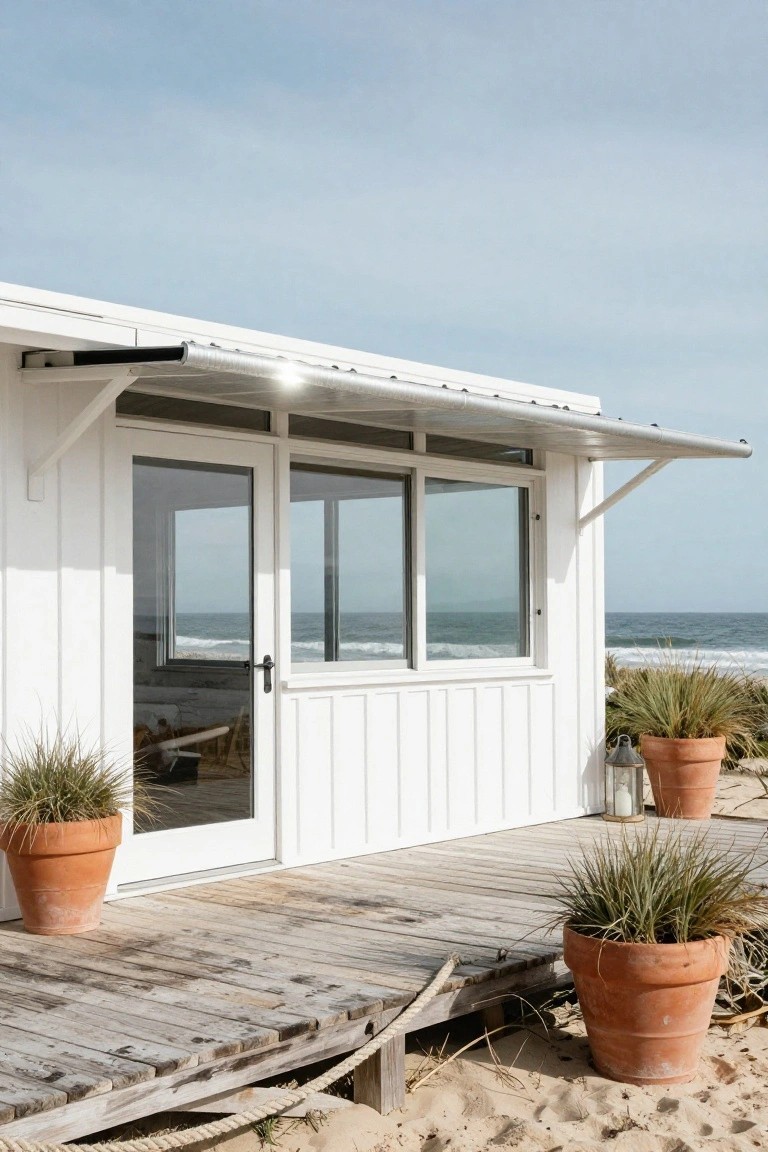
A flat metal awning like this one works as a simple pediment over large glass doors and windows. It keeps off the sun and rain without much fuss. On a white clapboard beach house, it adds a clean line that ties into the siding nicely. The ocean view stays wide open through the glass, but now with some protection up top.
This setup suits casual coastal spots or anywhere you want big windows without glare or weather worries. Go for galvanized metal to match the weathered deck look here. Pair it with plain white trim so it doesn’t compete with the view. Skip fancy curves. Keep the scale right, not too deep or it blocks light.
Carved Stone Pediments Over Windows
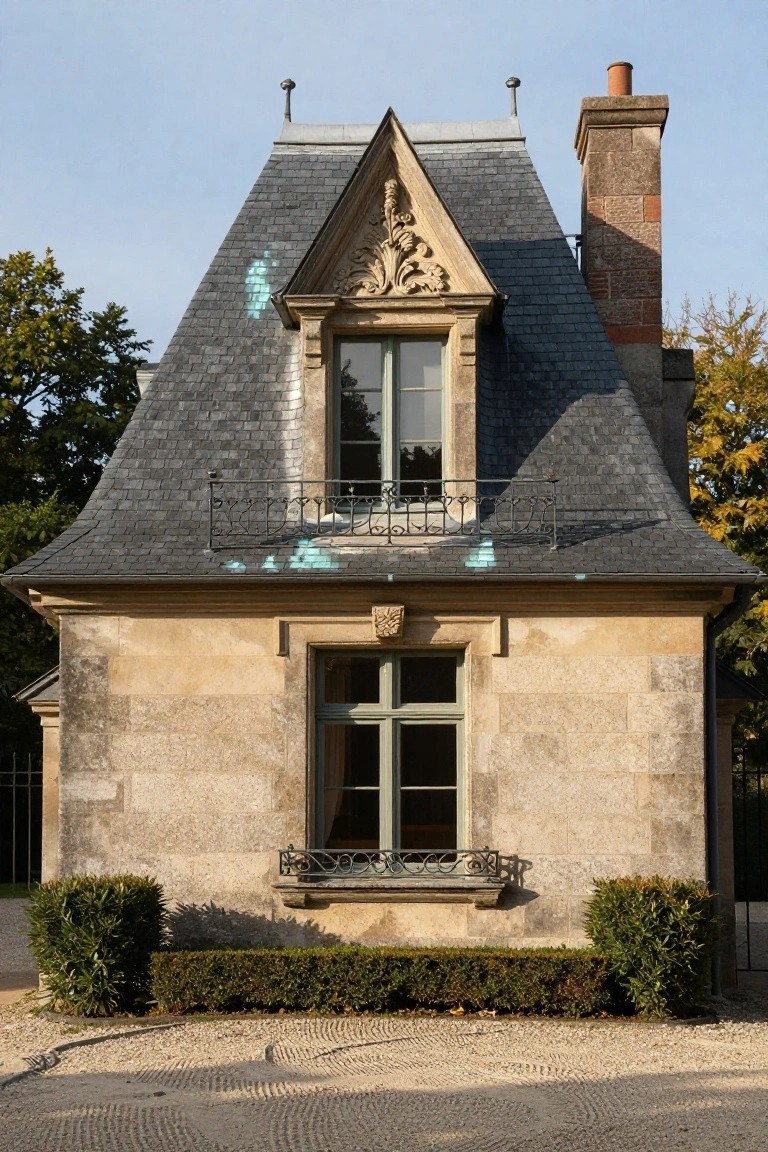
Carved stone pediments like these add a layer of quiet elegance to an otherwise simple facade. Placed right above the windows, they catch your eye with their subtle floral details and fit perfectly with the limestone walls and slate roof. It’s a classic move that makes the whole front feel more finished and put-together.
You can pull this off on smaller structures like a garden pavilion or entry cottage. It suits older-style homes in stone or brick best, especially in countryside settings. Just match the scale to your windows so they don’t overpower the design.
Beach Cottage Window Flower Box
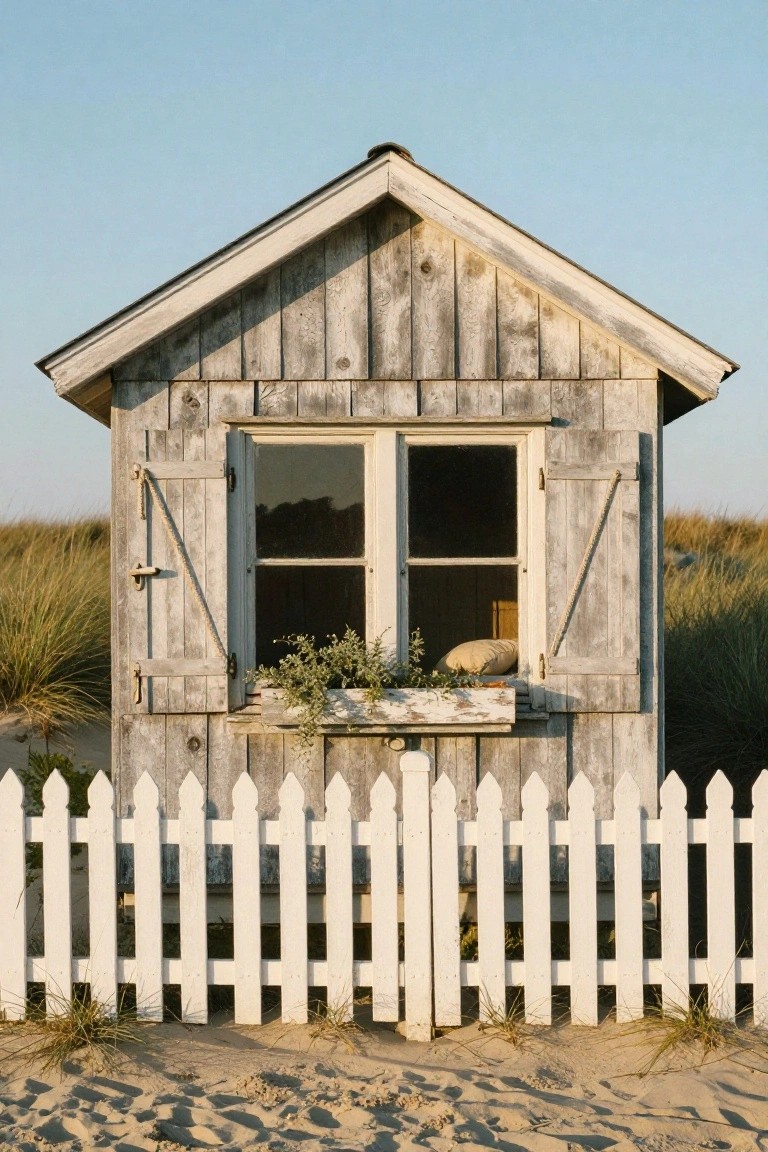
A flower box tucked under the window does a lot for a simple beach cottage like this one. The weathered wood siding and board-and-batten shutters keep things rugged, but that planter full of greenery softens it right up. It pulls your eye to the window without much fuss, and the plants spilling over make the whole front feel lived-in and welcoming.
Try this on coastal homes or vacation spots where you want low-key charm. Mount a wooden box right on the sill, fill it with salt-tolerant stuff like sea thrift or dune grass, and let it hang a bit over the edge. It works best on smaller facades, but skip it if your winters are harsh, since you’ll need to empty it out. Pairs nice with a picket fence out front.
Shingled Gable Pediment on Bay Window
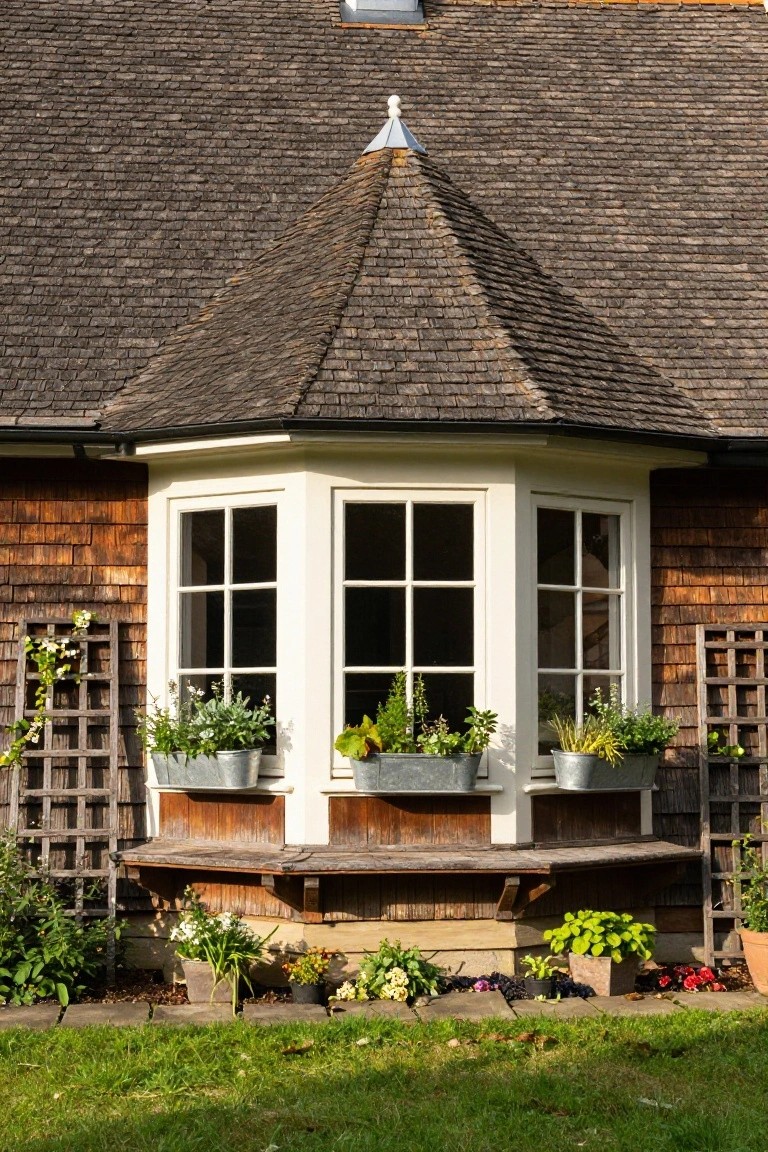
A small gabled pediment like this one sits right over a classic bay window. It matches the house’s shingle roof and gives the whole corner a bit more shape and interest. White window frames pop against the darker siding. And those galvanized metal planters filled with herbs and greens tie it right into the garden below. It’s a simple way to make a plain exterior feel more put-together.
This works best on older homes or cottages with shingle or wood siding. You could add one to a bump-out bay window for that extra roof peak. Just keep the scale small so it doesn’t overwhelm. Pick matching shingles and add window boxes for planting. It suits spots where you want subtle charm without a full remodel.
Frequently Asked Questions
Q: Can I install window pediments as a DIY project?
A: You handle it easily on ground-level windows with a simple kit. Secure the pediment with exterior adhesive and a few screws after precise measuring. Call in a pro for anything above eye level to avoid slips.
Q: What material works best for pediments in rainy climates?
A: Go with fiberglass. It laughs at moisture and never rots or cracks. Paint it to match your trim, and you forget about it for years.
Q: How do I choose a pediment that fits my ranch-style house?
A: Stick to clean, low-profile shapes like subtle triangles or flat tops. They echo the straight lines of ranch roofs without overwhelming the look. Hold a paper template up to your window for a quick test fit.
Q: Do pediments need special care once they’re up?
A: Wipe them down once a year with soapy water. Skip harsh chemicals that strip the finish. Fresh paint every few years keeps wood ones sharp…
