

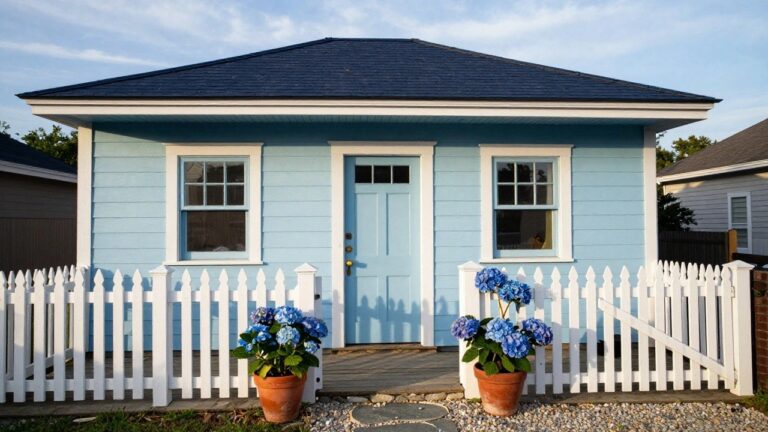
I’ve spent years watching how blue paints transform ordinary house facades, especially when they harmonize with brick accents or shingle roofs to boost curb appeal from the street. Blues stand out because they play off natural light and surroundings in ways that warmer tones sometimes don’t, making entries and windows draw the eye just right. I once saw a neighbor test a muted coastal blue on their clapboard siding, and it grounded the whole front elevation without clashing against the evergreen roof. The key is picking shades that respect your home’s lines and materials, so the color enhances rather than hides the architecture people notice first. A few of these ideas have stuck with me as worth sampling on a small section before committing.
Pale Blue Clapboard Cottage
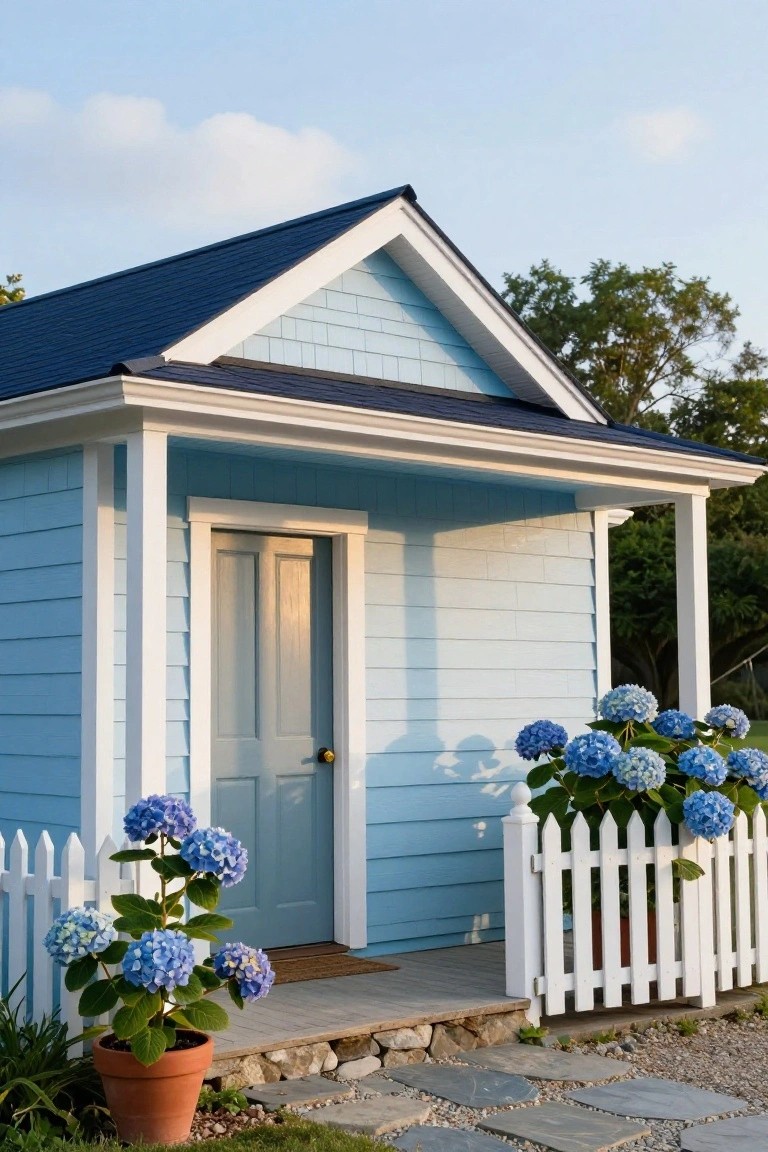
A pale blue clapboard siding like this brings a soft coastal vibe to a simple cottage. The color feels fresh without being too bright. White trim around the windows and porch keeps things crisp. And those blue hydrangeas right by the entry? They tie right into the house color for easy curb appeal.
This shade works best on smaller homes or sheds where you want a relaxed look. It suits shady spots or humid areas since blues hide dirt well. Stick to white or cream trim for contrast. Add matching flowers if you can. Just avoid pairing with busy roofs or too much stone.
Recommended Products

PAINT + PRIMER IN ONE: Evolve’s paint-and-primer formula helps you get great coverage from the start, sealing your surface and reducing the extra work of multiple coats.

ALL-IN-1 PAINT & PRIMER: A hardy multi-purpose and multi-surface one-coat paint and primer in one for almost any indoor or outdoor surface. A wall, ceiling, floor, skirting board, cabinet, furniture and door paint for your bathroom, kitchen, home and garden.

Ultra premium paint and primer in one
Muted Teal Siding for a Fresh Look
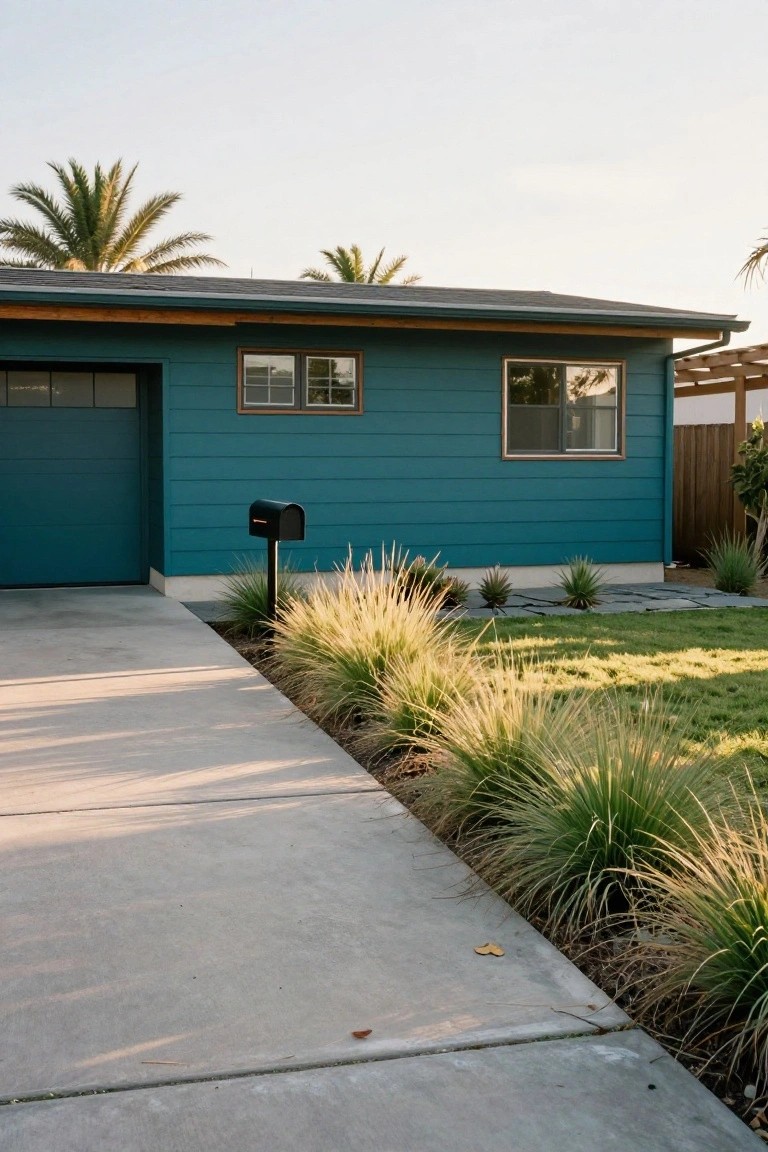
This house uses a muted teal siding that feels right at home in a sunny spot. The color picks up on coastal vibes without going too bright. Paired with simple wood trim around the windows and garage, it keeps things clean and modern. Black mailbox adds a sharp touch too.
Try this on ranch-style or low-slung homes where you want curb appeal that doesn’t shout. It works best against green lawns or native plants like those tall grasses along the driveway. Just make sure the trim contrasts enough, or it might blend in on overcast days.
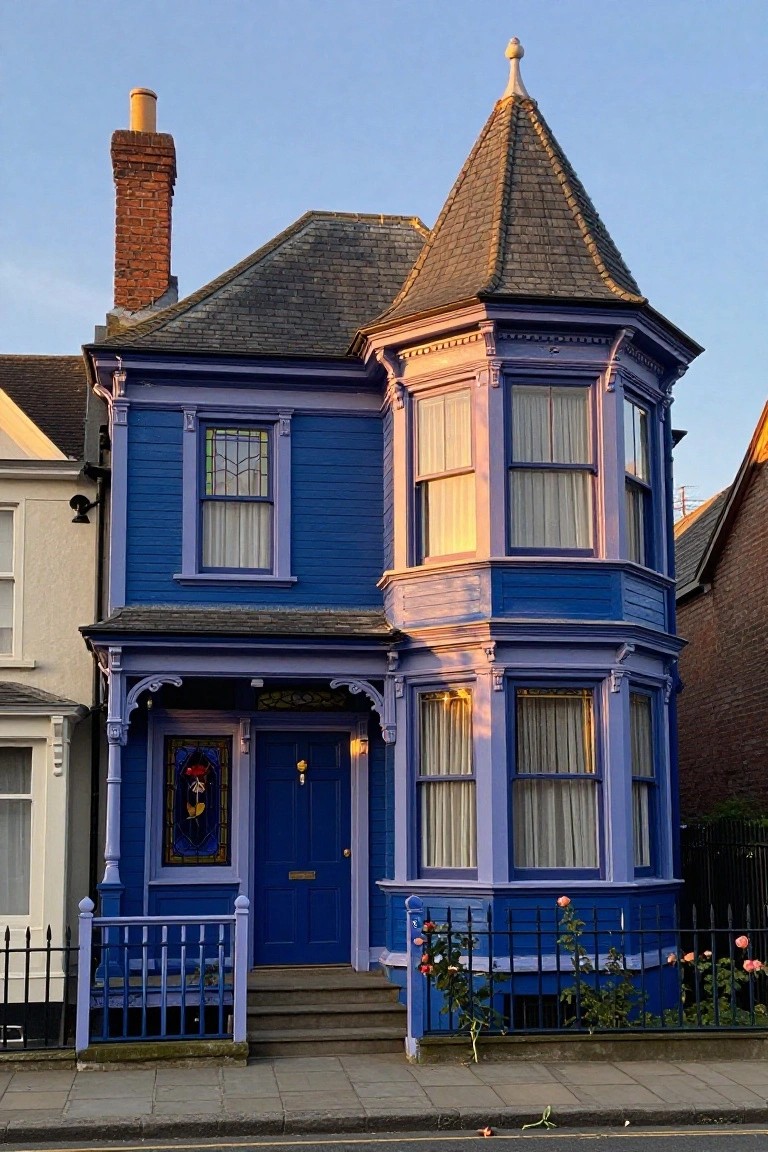
Powder Blue Stucco Facade
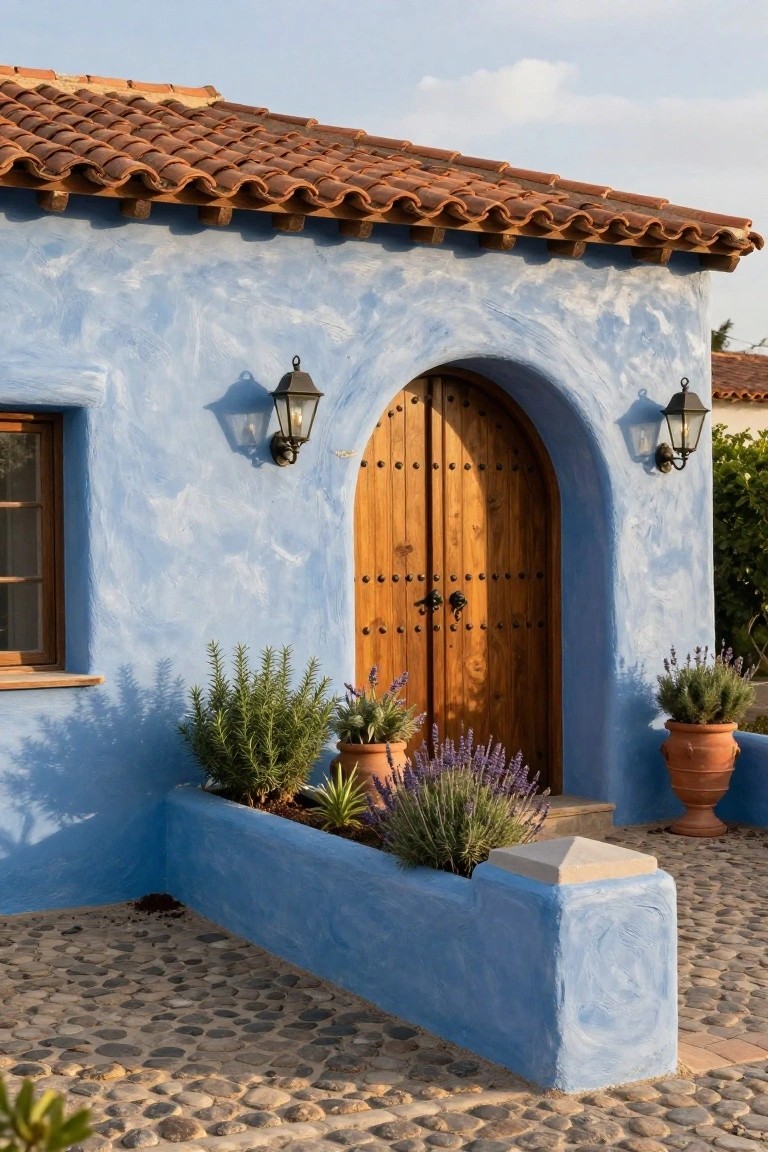
A soft powder blue on stucco walls brings a calm, sunny vibe to this adobe-style home. The color picks up the sky without overwhelming the space, and that terracotta tile roof plus the heavy wooden arched door add just enough warmth to make the entry feel solid and welcoming.
This look works best on single-story homes in dry or coastal areas where you want low-key curb appeal. Stick to simple potted herbs and lavender along the base, and keep the path in rounded pebbles for a casual flow. Skip busy trim, it stays cleaner that way.
Recommended Products

USE IT YOUR WAY: Rock n soil brown pigment powder is specifically formulated to dye cement, concrete, grout, render, mortar, flooring, stucco, plaster, putty, clay, limewash and other cement materials.

USE IT YOUR WAY: Rock n soil blue pigment powder is specifically formulated to dye cement, concrete, grout, render, mortar, flooring, stucco, plaster, putty, clay, limewash and other cement materials.

HIGH QUALITY: Our concrete color pigment features iron oxide content of 96% and above, with waterproof, non-toxic, UV-resistant properties, easy application, and superior hiding power.
Blue Corrugated Metal Siding
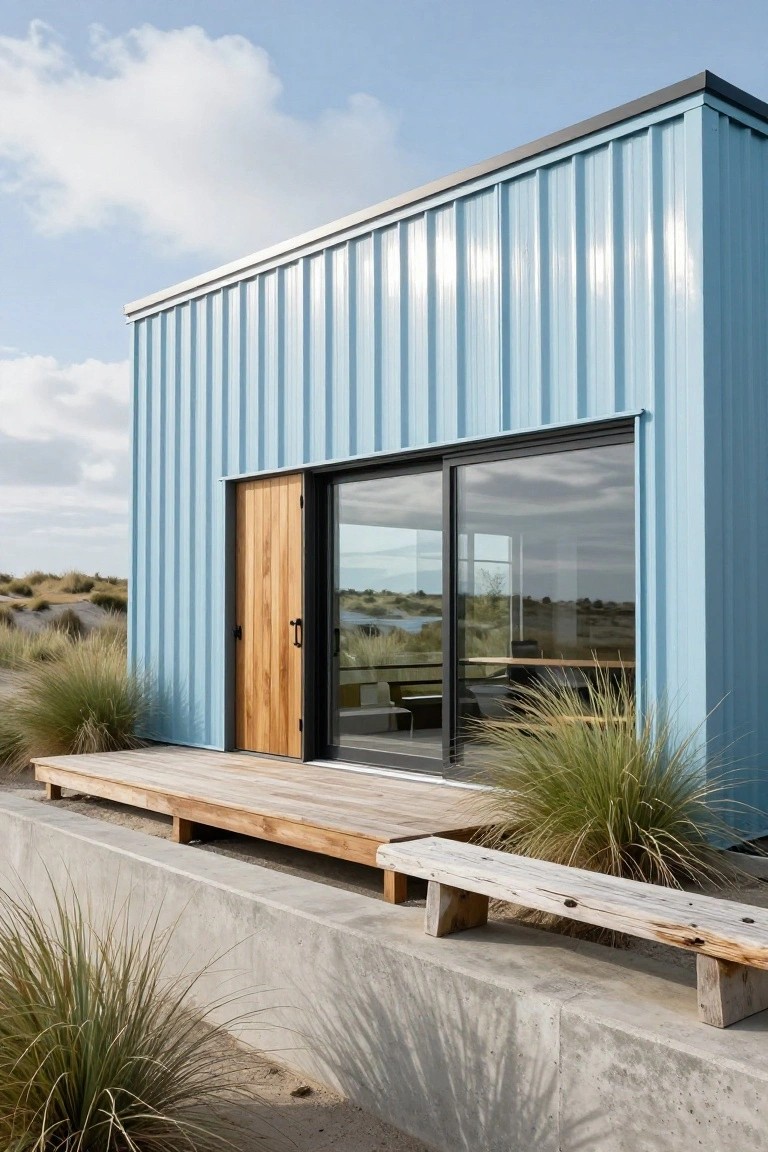
Corrugated metal siding in a bright blue shade wraps this compact house nicely. It picks up the sky and water nearby, making the place feel right at home in a beach setting. The wood door and deck keep things from going too cold.
This works well on small structures like cabins or backyard studios where you want color that lasts without much upkeep. Pick a blue that matches your area’s light, coastal or not. Pair it with natural wood for balance, and it holds up year round.
Recommended Products

【PACKAGE INCLUDES】10 x 1-1/2" Blue Hex Head Metal Roofing Screws with EPDM Washer, totally 250 Pcs and a Free 1/4 Hex Driver Bit.

[High-Quality Material]: The multi-functional metal roof panels are made from premium galvanized steel sheets, featuring UV resistance, colorfastness, sturdiness, durability, corrosion resistance, and adaptability to various climates

Heavy-Duty Galvanized Steel Construction: Featuring a robust 0.013-inch thickness, our panels exceed common market standards for superior strength and rigidity. The galvanized steel substrate provides exceptional resistance to corrosion and rust.
Soft Blue Clapboard with White Trim
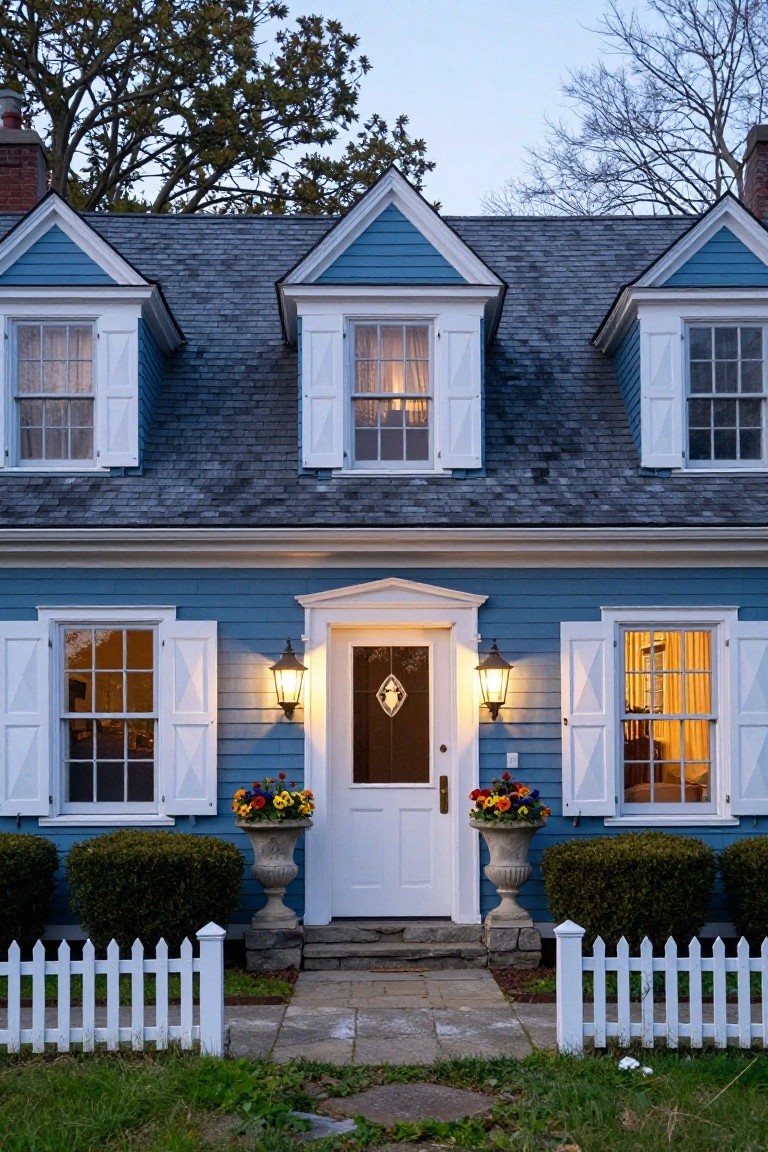
A soft blue on clapboard siding like this one keeps things classic without feeling too bold. White trim around the windows, dormers, and door makes everything pop just right. Add matching white shutters, and you get that clean, timeless vibe folks come back to year after year.
Try it on a two-story home with some roofline interest, like gables or dormers. It suits neighborhoods with a mix of older houses. Flank the entry with lanterns and big urns of flowers… that pulls people right up the walk. Just stick to lighter blues so the white doesn’t get lost on overcast days.
Soft Blue Stucco Exterior
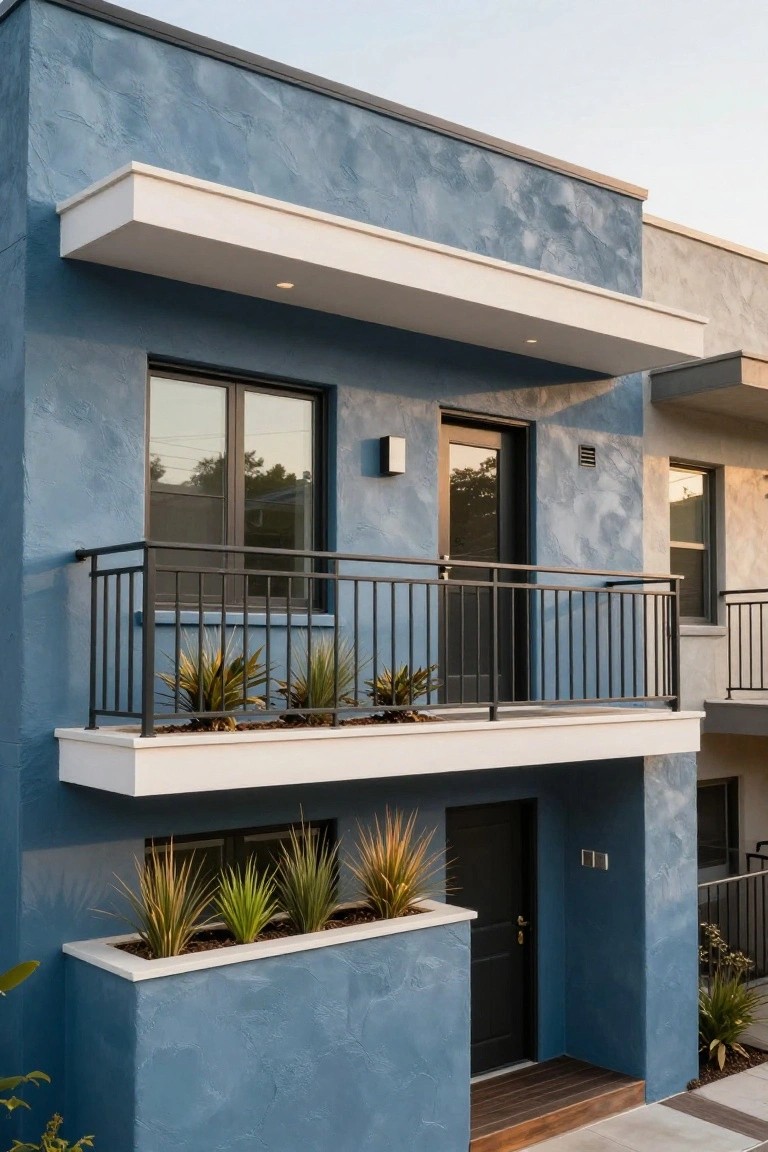
A soft blue stucco finish like this one adds real texture to a house front. It catches the light in different ways, making the walls feel alive without much effort. Black metal details on the balcony and door keep things sharp, and a few plants tucked into planters fit right in.
This works best on modern homes with clean lines, especially in coastal spots or warmer areas. Go for a muted shade to avoid clashing with neighbors. Test a sample on your wall first… it changes a lot in sunlight.
Soft Blue Clapboard for Beach Cottages
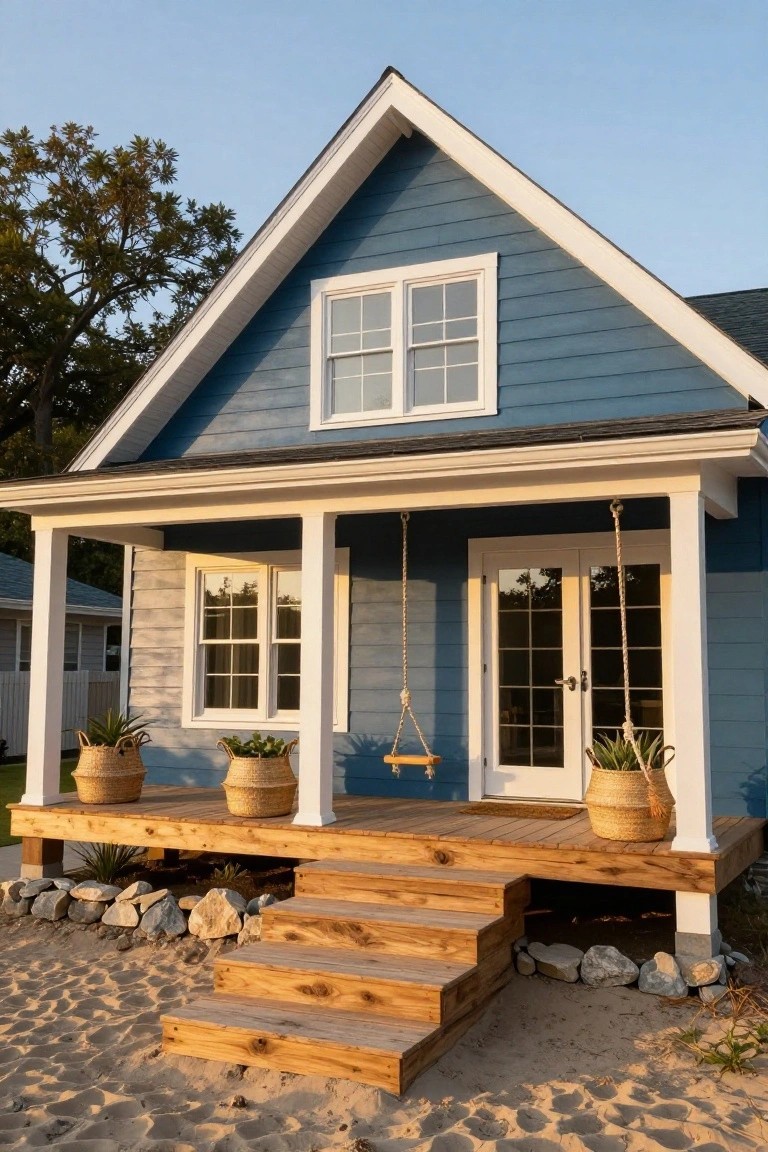
This soft blue clapboard siding catches the eye on a beachfront home. It gives off a calm, lived-in coastal vibe that fits right into sandy spots. The color reads a bit gray in the light, which keeps things easygoing instead of bold.
Paint it on homes raised up on pilings near the shore. Pair with white trim around windows and doors, plus a natural wood porch. Skip heavy landscaping. Just add a few pots and rocks at the base. It suits simple gable designs best.
Cozy Cottage in Deep Blue Shingles
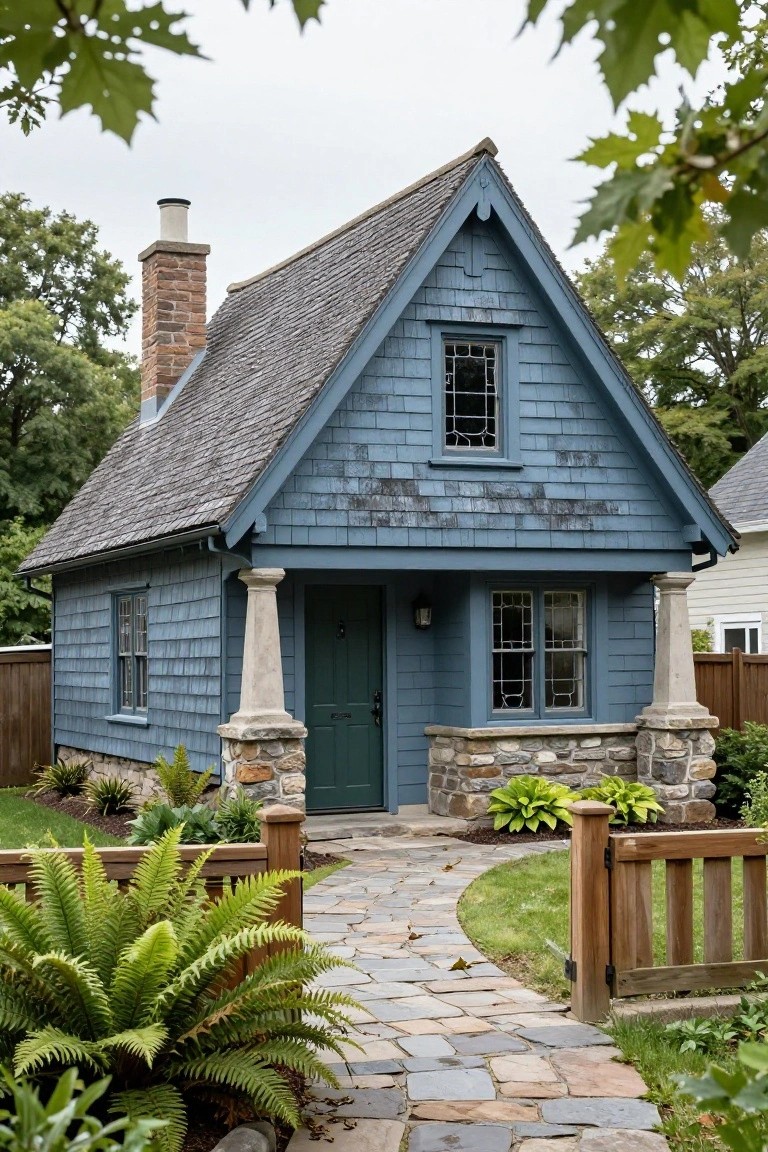
This small gabled home uses deep blue shingles to pull off a timeless cottage look. The color has that slightly weathered feel, blending right into the trees and yard without trying too hard. Stone accents at the porch base add a bit of heft, keeping the whole thing from looking too dainty.
Try this on bungalow or Craftsman houses under 1,000 square feet. It suits wooded lots or older neighborhoods best. Just make sure the shingles are quality cedar or fiber cement, or the color might fade fast… and stick with neutral trim to let the blue shine.
Blue Half-Timbered Cottage
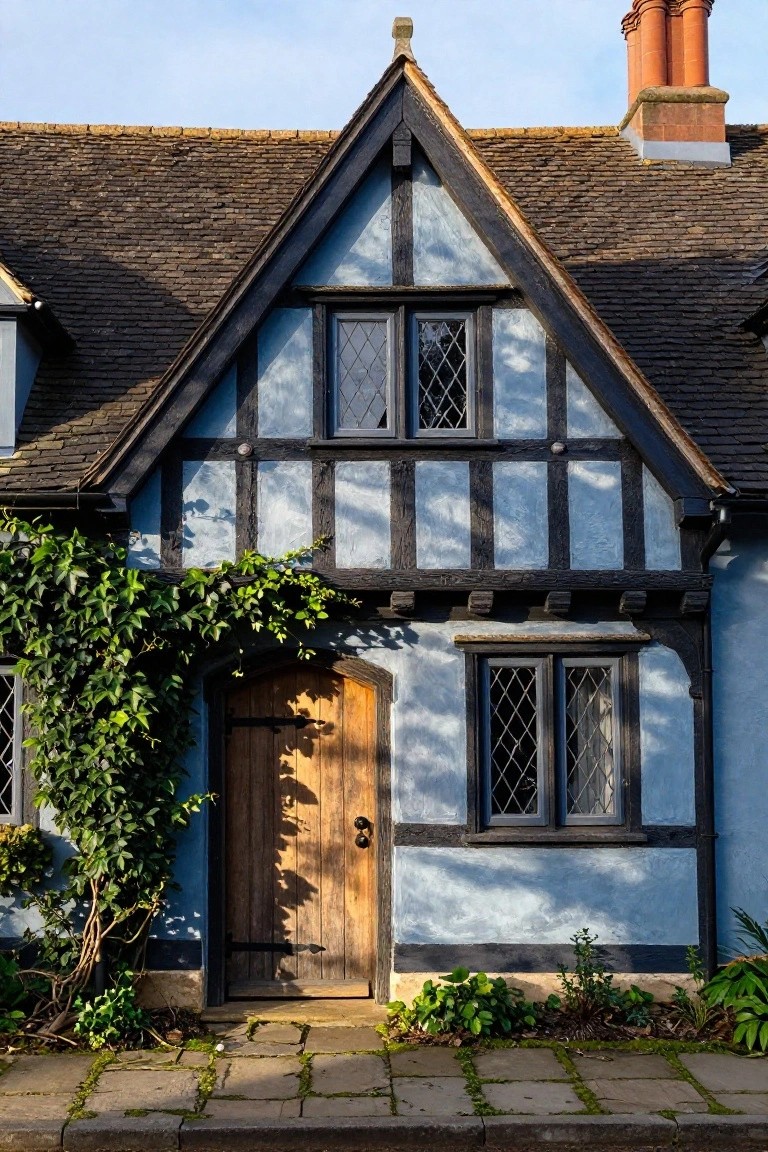
Traditional half-timbered houses often show up in black and white. But painting the panels a soft blue like this changes things. The dark beams stand out sharp against the color. It keeps that old English cottage feel while looking fresher and less stark. Ivy climbing one side adds some green without overdoing it.
This works best on older homes with timber framing. Think Tudor style or similar. Pick a blue that’s not too bright so it doesn’t clash with brick or stone nearby. The wooden door here pulls it together. Just make sure the paint holds up to weather. Test a small spot first.
Navy Blue Shingle Siding
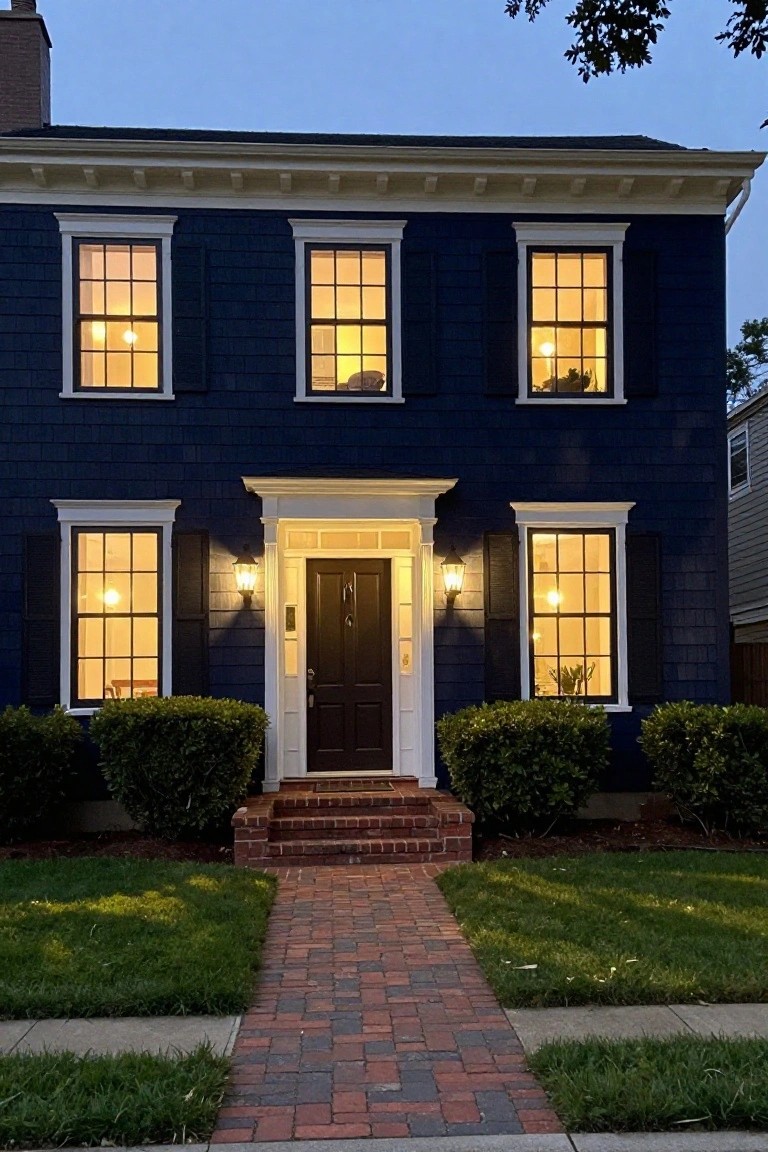
A deep navy blue paint job on shingle siding gives a house that solid, classic look without trying too hard. The color picks up the evening sky nicely, and those warm lights shining through the multipaned windows make the white trim pop even more. It’s a straightforward way to add some depth to the front.
This shade suits traditional homes like Colonials or Capes, especially where trees cast shade during the day. Use crisp white trim to frame everything, then keep landscaping simple with boxwood shrubs and a brick path leading up. Steer clear of glossy finishes; a matte or semi-gloss holds the color longer.
Blue Siding with Wood Cladding
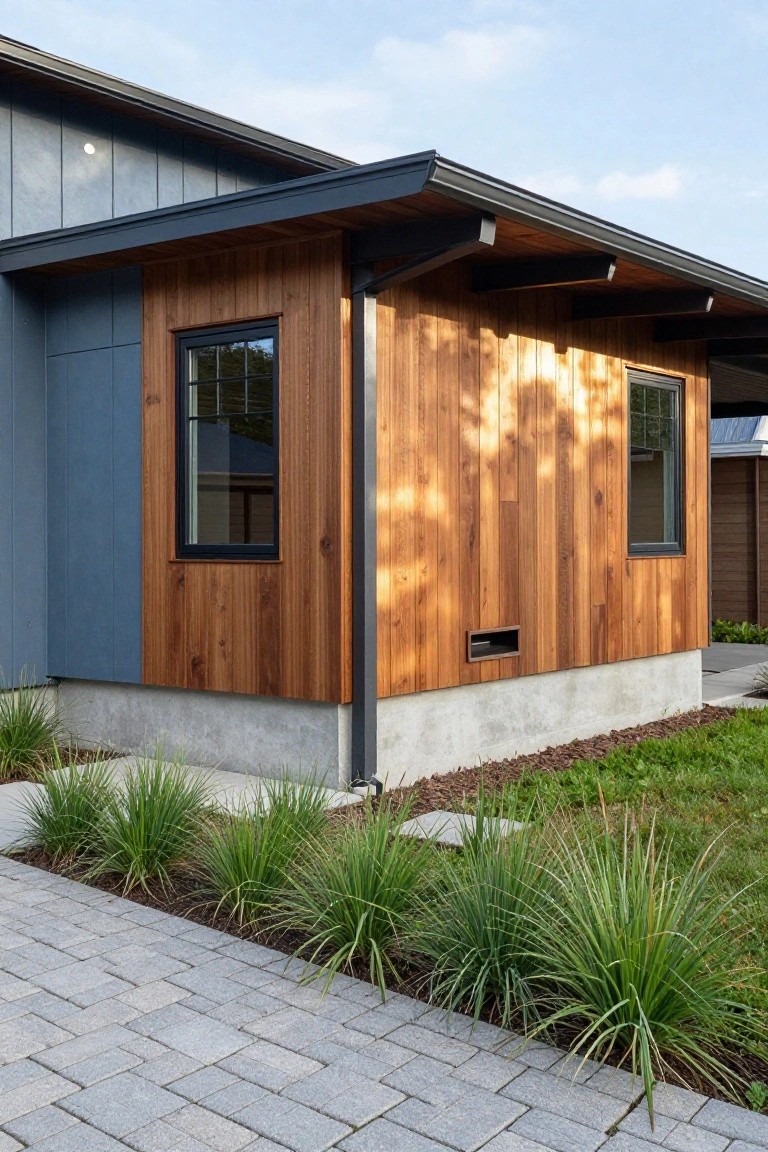
A blue house exterior gets a lot more inviting when you add wood cladding like cedar on one side. The cool blue panels stay crisp and modern. But the vertical wood planks warm things up right away. Black windows and a dark overhang tie it together without much fuss.
This mix works best on homes with simple lines or a bit of midcentury feel. Use it on a corner or entry area to draw the eye. Keep the wood natural or lightly stained so it ages nicely. Skip it if your climate is too wet. The wood needs some protection there.
Light Blue Cottage Entry with White Trim
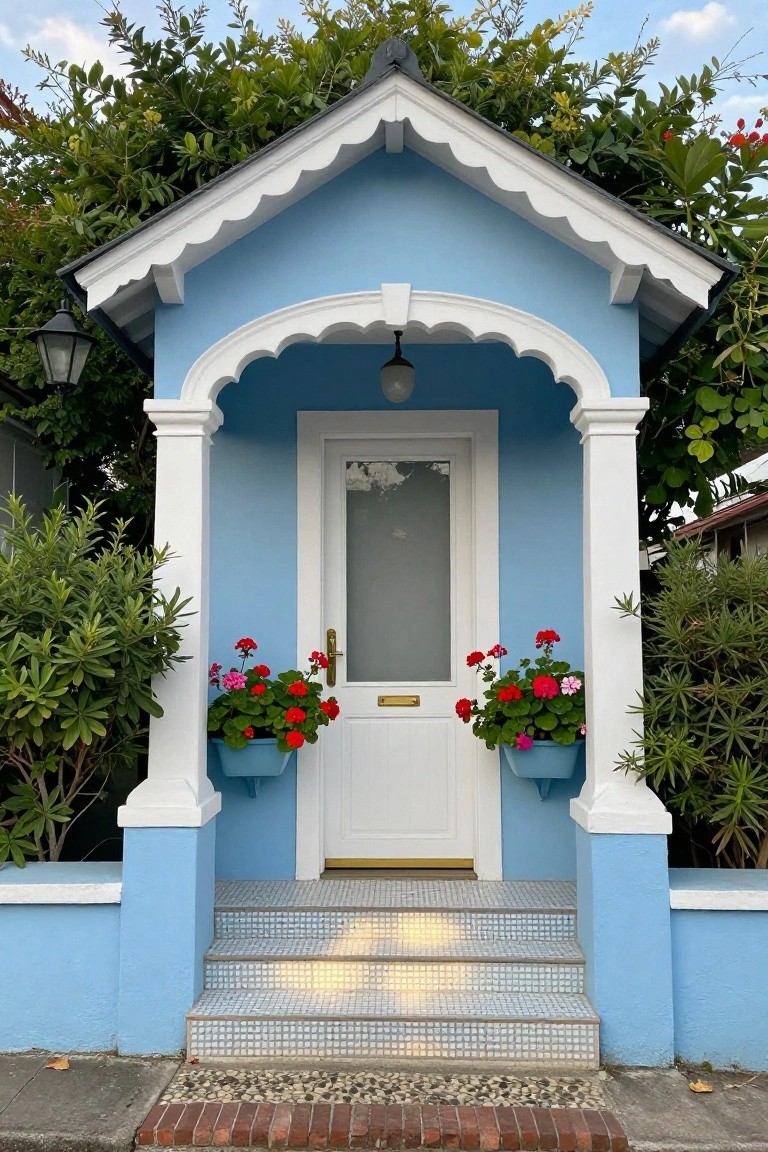
This light blue exterior gives a house that sweet cottage feel, especially with the white scalloped edges along the roofline and the arched porch framing the door. It’s simple but pulls you right to the front. Those blue pots of red geraniums on either side add just the right pop without overdoing it.
Try this look on a smaller home or bungalow where you want curb appeal that feels friendly, not fussy. It works great in mild climates with some garden around. Stick to crisp white paint on the trim to keep the blue from looking dull, and refresh the flowers seasonally.
Navy Blue Shingle Siding with Warm Wood Door
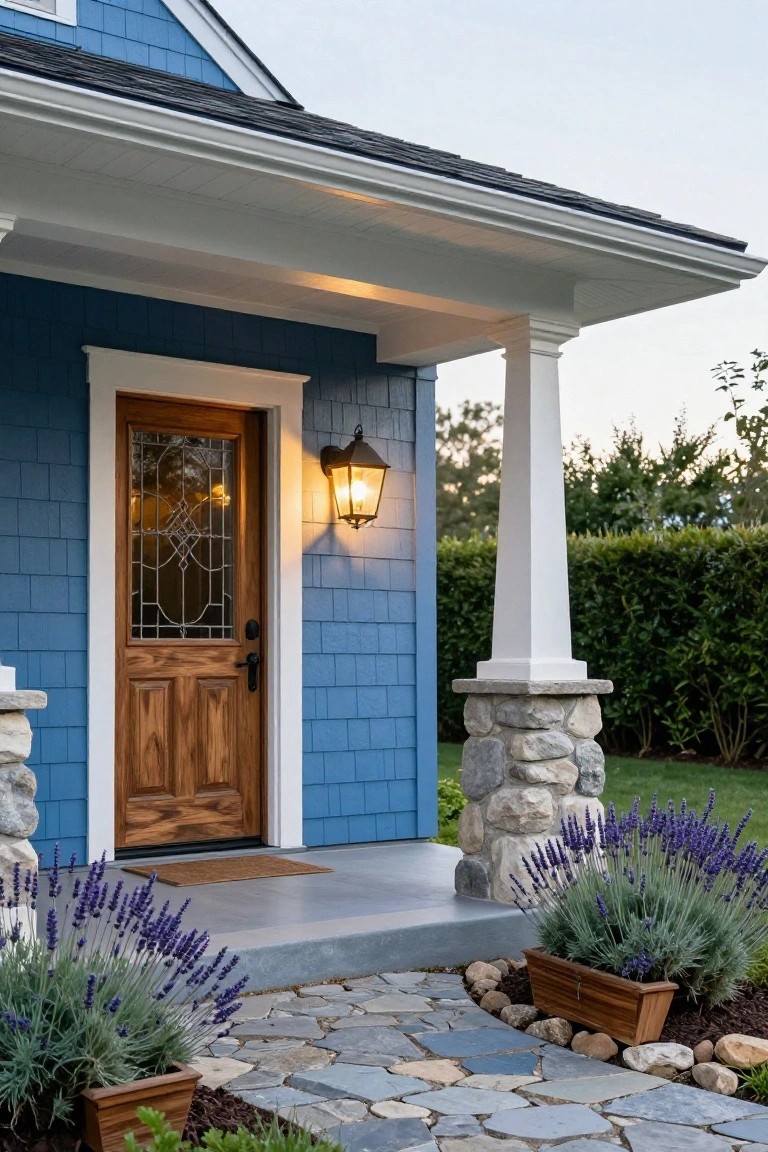
Deep navy blue shingle siding wraps this house in a cozy, timeless look that feels right at home in coastal or cottage settings. The rich wood front door pulls in warmth against the cool blue, and those glass panels let light spill through for a welcoming touch. White trim on the porch columns keeps everything clean without overpowering the color.
Try this on homes with simple rooflines or Craftsman details. It suits spots with some greenery nearby, like lavender beds along the path. Just make sure the wood door has enough contrast so it stands out… too close a tone might blend right in.
Muted Blue Clapboard Siding
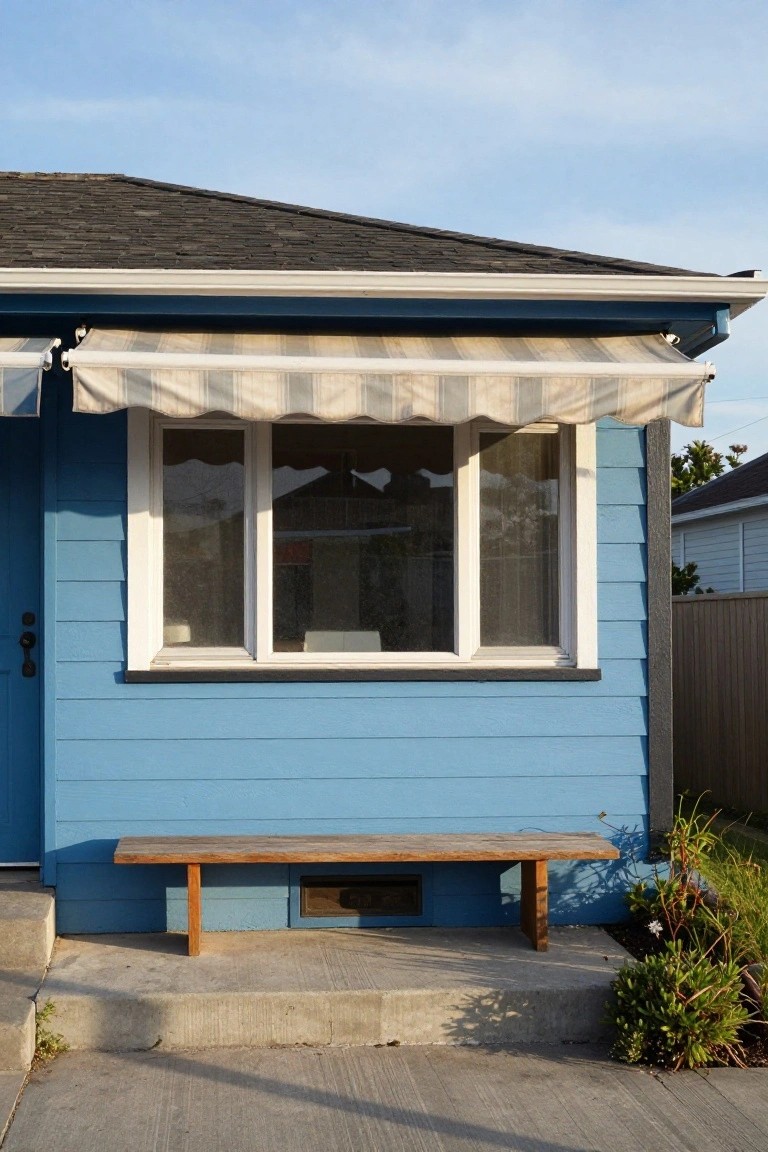
A soft, sky-like blue on clapboard siding keeps things calm and easy on the eyes. It suits older homes with simple lines, like this one with its shingled roof and white window frames that stand out clean. That wooden bench down by the steps pulls it together without much fuss.
Try this color on bungalows or ranch styles in mild climates where you want curb appeal that doesn’t shout. Stick to white trim and natural wood touches nearby. It holds up well but pair it with light landscaping so the house stays the focus.
Cool Blue Siding for Everyday Homes
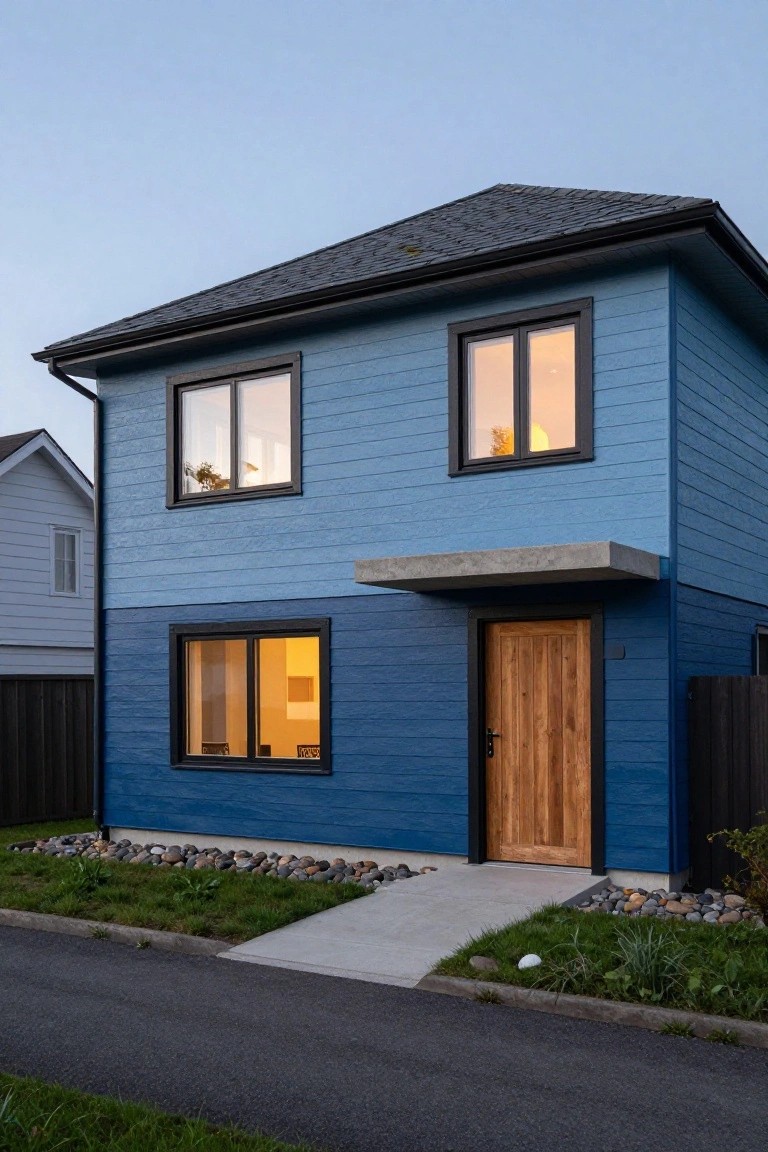
This shade of blue on the siding gives a house a fresh, modern feel without trying too hard. It’s not too bright or too dark, just right for standing out on a quiet street. The color works well against simple shapes like the gabled roof and tall windows here, and that wooden front door brings in a bit of warmth to keep things friendly.
You can pull this off on a two-story starter home or a backyard addition. Go for it in neighborhoods with lots of green, since the blue pops nicely against lawns and trees. Stick to black frames on the windows and a plain concrete overhang like this one. Just make sure the trim is crisp, or it might look messy after a few rains.
Light Blue Siding with Navy Door
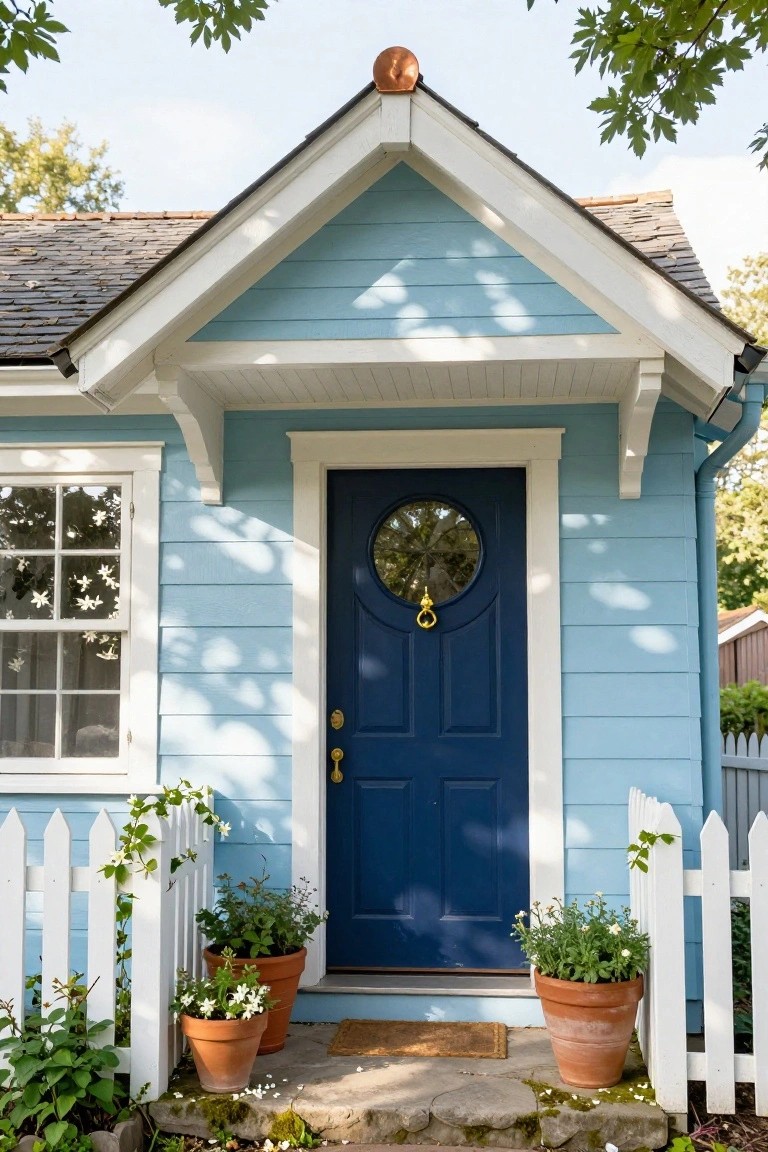
One simple way to work with blue on a house exterior is pairing a soft, pale blue siding like this with a deeper navy front door. The contrast makes the entry pop right away. It gives the whole front a fresh, coastal feel without going overboard. White trim keeps things clean, and that round window in the door adds a little character.
This setup works best on smaller homes or cottages where you want to draw eyes to the door. Paint the house body in a light washable blue, then go bold on the door. Add pots with greenery on the steps for extra welcome. It suits shady spots too, since the colors hold up in softer light. Just match the trim to avoid clashing.
Deep Blue Cladding on Modern Homes
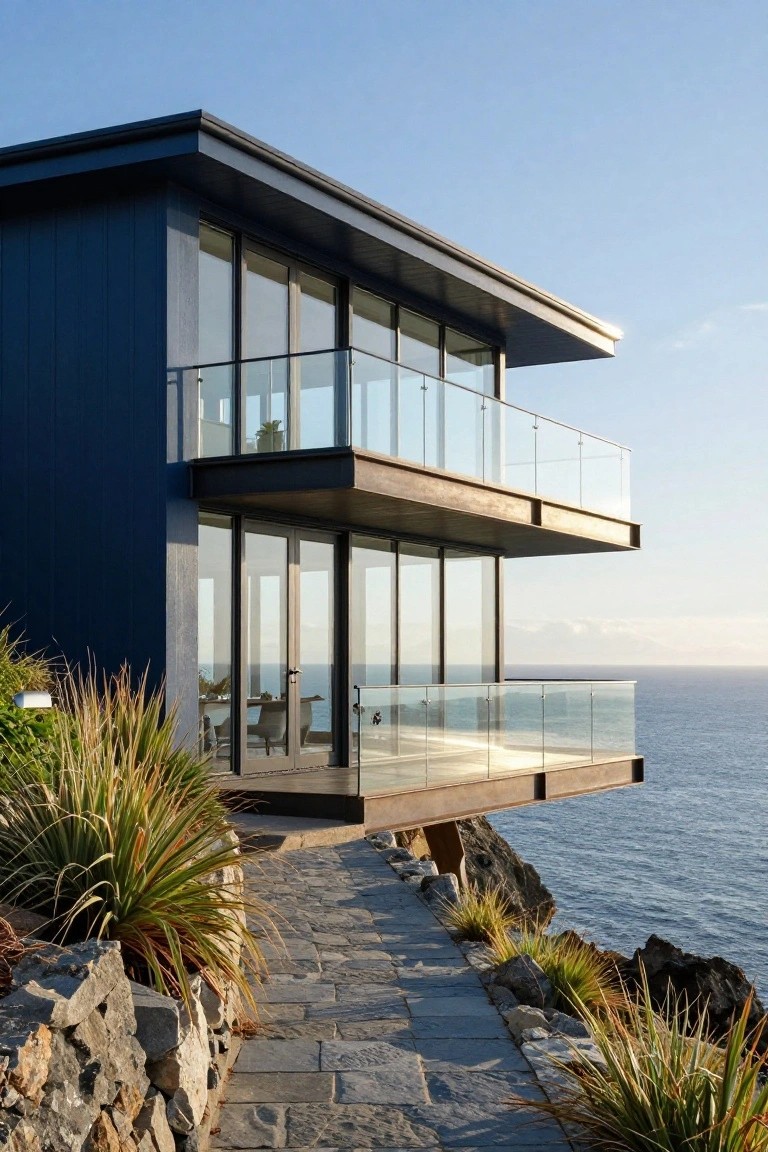
Deep blue cladding like this turns a simple modern box into something that feels right at home by the water. The vertical wood panels in navy soak up the coastal light without washing out, and they set off those big glass walls nicely. It’s a shade that’s moody but not dark, keeping the house from blending into rocky cliffs.
You can pull this off on homes with clean lines and lots of windows, especially if you’re near the ocean or on a hill. Just use metal accents on balconies or roofs to keep it light. Steer clear of busier sites, though. The blue works best where the view does the rest.
Soft Blue Siding on a Classic Porch House
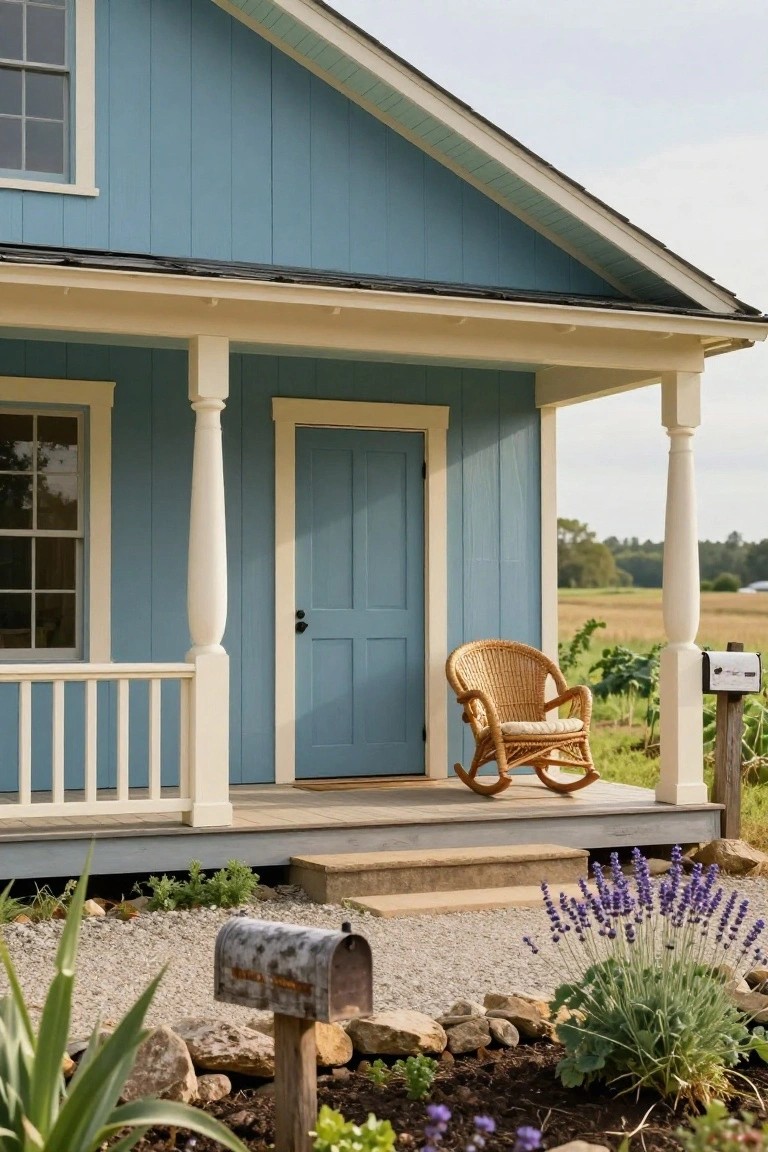
This soft blue siding wraps the house in a gentle color that feels right at home in a country setting. The clapboard texture picks up light nicely, and that crisp white trim on the porch columns and railing keeps things clean and balanced. It’s not a bold blue. More like a faded sky tone that settles in without trying too hard.
Try this on a small cottage or farmhouse where you want curb appeal without much fuss. It suits spots with fields or trees nearby, and the porch setup makes it welcoming for everyday use. Just make sure the trim paint is fresh, or the contrast fades fast. Add a simple chair out there, and you’ve got a spot to sit.
Frequently Asked Questions
Q: Will a dark blue like navy make my house look smaller?
A:
Navy actually adds depth and coziness without shrinking the look. Pair it with crisp white trim and light stone accents to bounce light around. Your house stays welcoming, not cave-like.
Q: What trim colors pop best with a soft sky blue siding?
A:
Go for warm off-white or creamy beige trim. It keeps things fresh and beachy without clashing. Black trim works too if you want more contrast.
Q: How do I test a blue shade before painting the whole house?
A:
Grab large paint samples and slap them on poster board. Prop them against your house at different times of day. Live with it for a week… you’ll know quick.
Q: Does blue exterior paint fade fast in full sun?
A:
Top-quality paints with UV blockers hold color strong for years. Clean it once a year and skip harsh power washing. But yeah, cheap stuff turns chalky fast.
