

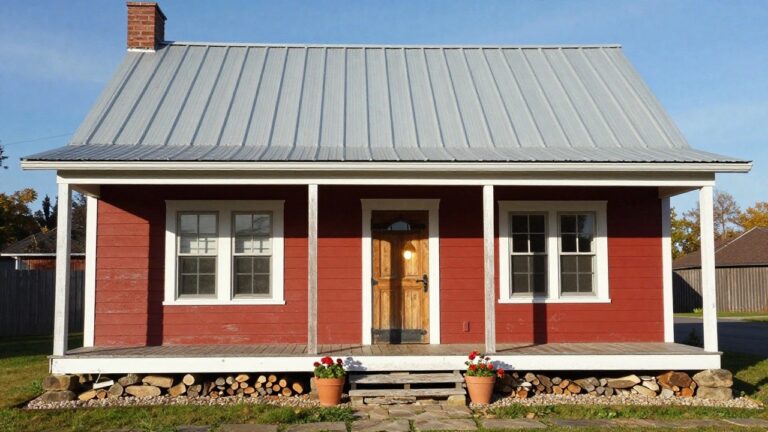
I’ve walked enough neighborhoods to see how a rustic exterior color can pull together a home’s facade, from weathered siding to steep rooflines. Those earthy tones often shine when they nod to the natural materials already in play, like cedar shakes or fieldstone foundations, making the whole street view more grounded. I tried a soft clay red on our trim once, and it shifted how the front entry read from the road, drawing eyes without shouting. The ideas here lean into combos that weather well and blend with surroundings, some worth mocking up on your own house to check the light. A few stand out for real-life adaptability.
Classic Barn Red Siding
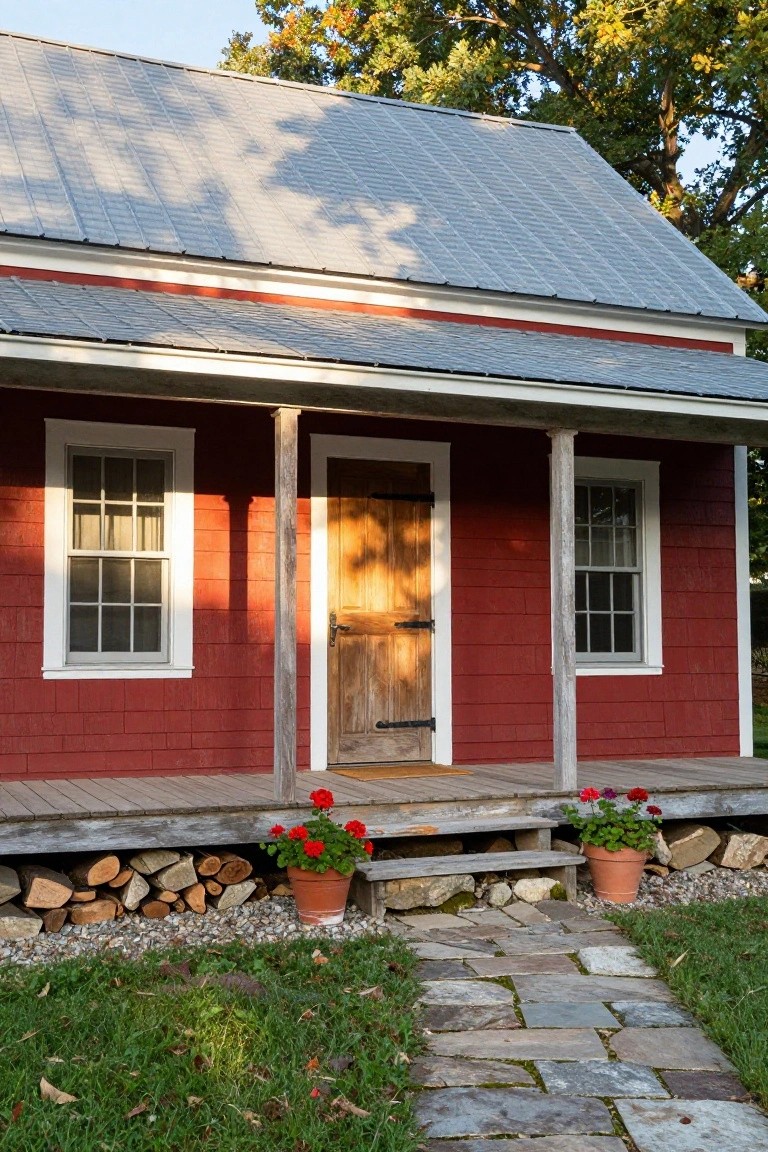
Barn red has been a go-to color for country homes for generations. It gives a small house like this one a sturdy, lived-in feel without trying too hard. The red siding here picks up on the clapboard style, making the place look rooted in its spot among the trees and grass. Paired with a simple wood door and those geranium pots on the porch, it feels welcoming right away.
You can pull this off on older farmhouses or new builds aiming for that rustic vibe. It works best where you have some natural wood accents to keep things from going overboard. Just make sure the red isn’t too bright, or it might clash in town settings. A weathered tone like this one holds up well to weather too.
Sage Green Board-and-Batten Siding
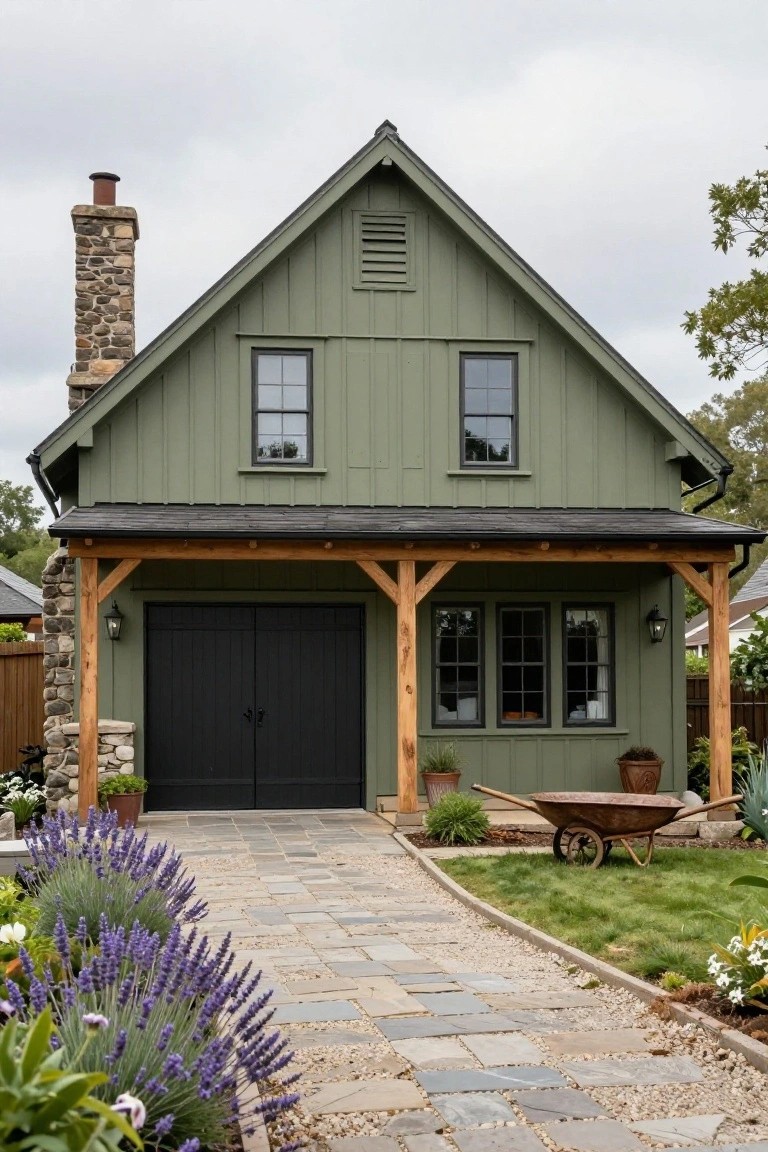
A soft sage green paint on board-and-batten siding brings out a calm rustic vibe that fits right into garden settings. It picks up on nearby trees and plants without overpowering the house shape. Here the color works with the steep roofline and stone chimney for a grounded look.
Try this on craftsman or farmhouse homes where you want the exterior to feel settled in. Use black garage doors for contrast and raw wood on porch posts to keep things natural. It suits milder climates best. Just make sure the green has enough gray in it so it doesn’t fade fast in full sun.
Recommended Products

Ideal for use on interior/exterior surfaces including wood, plastic, plaster, metal, masonry and unglazed ceramic

ALL-IN-1 PAINT & PRIMER: A hardy multi-purpose and multi-surface one-coat paint and primer in one for almost any indoor or outdoor surface. A wall, ceiling, floor, skirting board, cabinet, furniture and door paint for your bathroom, kitchen, home and garden.

Extremely durable outdoor paint ideal for use on properly prepared exterior wood, brick, masonry, concrete, weathered aluminum, weathered vinyl siding*, and primed metal substrates
Gray Shingle Siding with White Trim
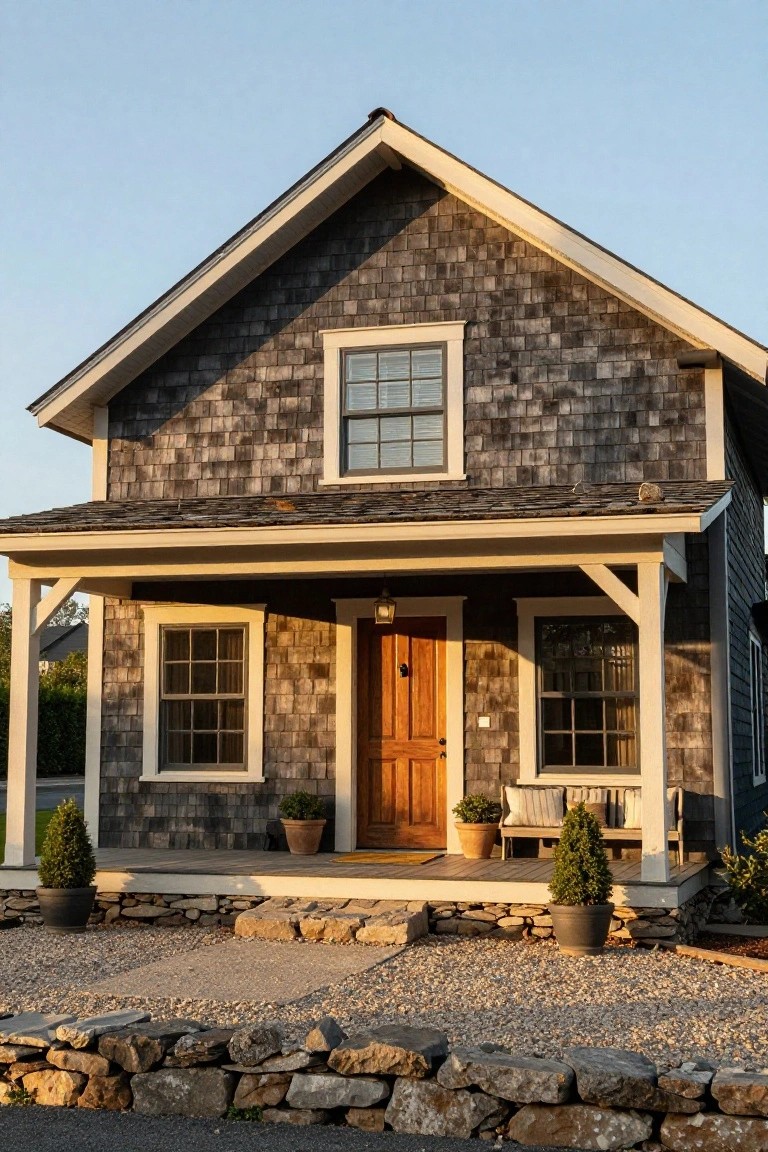
Gray shingle siding like this gives a house that settled-in, coastal feel without much effort. The soft, weathered gray picks up on natural tones around it, and the white trim keeps things clean and bright. It’s a look that’s been around forever in places like New England, but it still works on newer builds too. Notice how the wood door adds just enough warmth.
You can pull this off on most any house style, especially if you want low-key curb appeal. Pair it with simple plants in pots out front and some stone or gravel for the base. It hides dirt well, so it’s practical for real life. Just make sure the trim stays fresh, or the whole thing can look tired.
Warm Terracotta Stucco Exterior
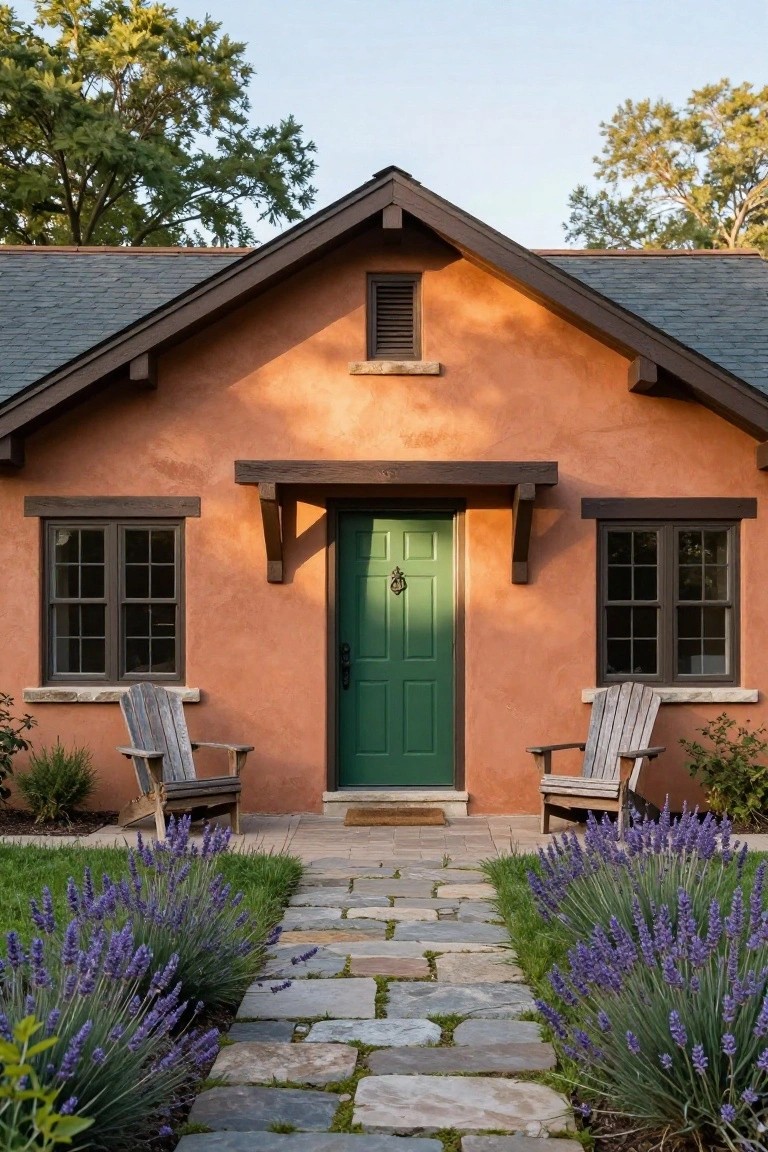
Warm terracotta stucco wraps this little house in a soft, earthy glow that feels straight out of the Southwest. It picks up the late-day sun without being too bright, and settles right into the landscape around it. That peachy-orange tone keeps things rustic and grounded.
Try it on Craftsman bungalows or adobe-style cottages where you want a cozy front view. Flank the entry with lavender beds and a flagstone path to lead right up to a green door. It suits spots with trees nearby, but steer clear if your area gets heavy winters, since stucco needs good maintenance.
Recommended Products

VERSATILE SIZE - This acrylic paint comes in a convenient 2 oz bottle and is sure to be a staple in your craft supplies
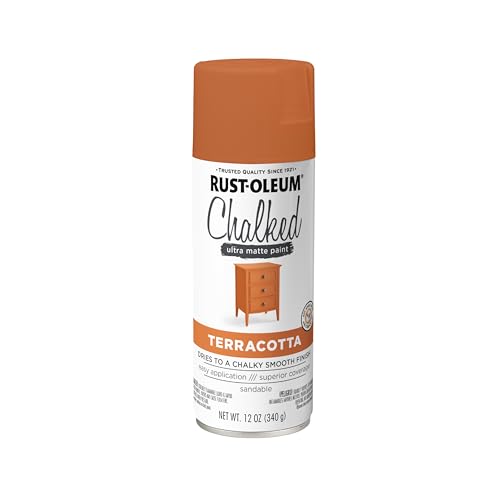
EASY TO USE, EVEN FOR BEGINNERS: Whether you’re new to DIY or a pro, Rust-Oleum Chalked makes painting easy and enjoyable. Minimal prep required means you can jump right into your project confidently and focus on creativity—not complicated steps
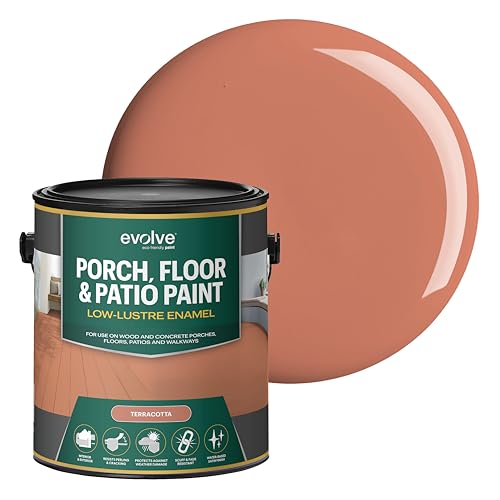
HIGH-TRAFFIC DURABILITY: Engineered to withstand heavy foot traffic, daily use, and repeated cleaning. This heavy-duty formula is ideal for porches, patios, basements, steps, and walkways where long-term wear resistance is required.
Weathered Gray Shingles with White Trim
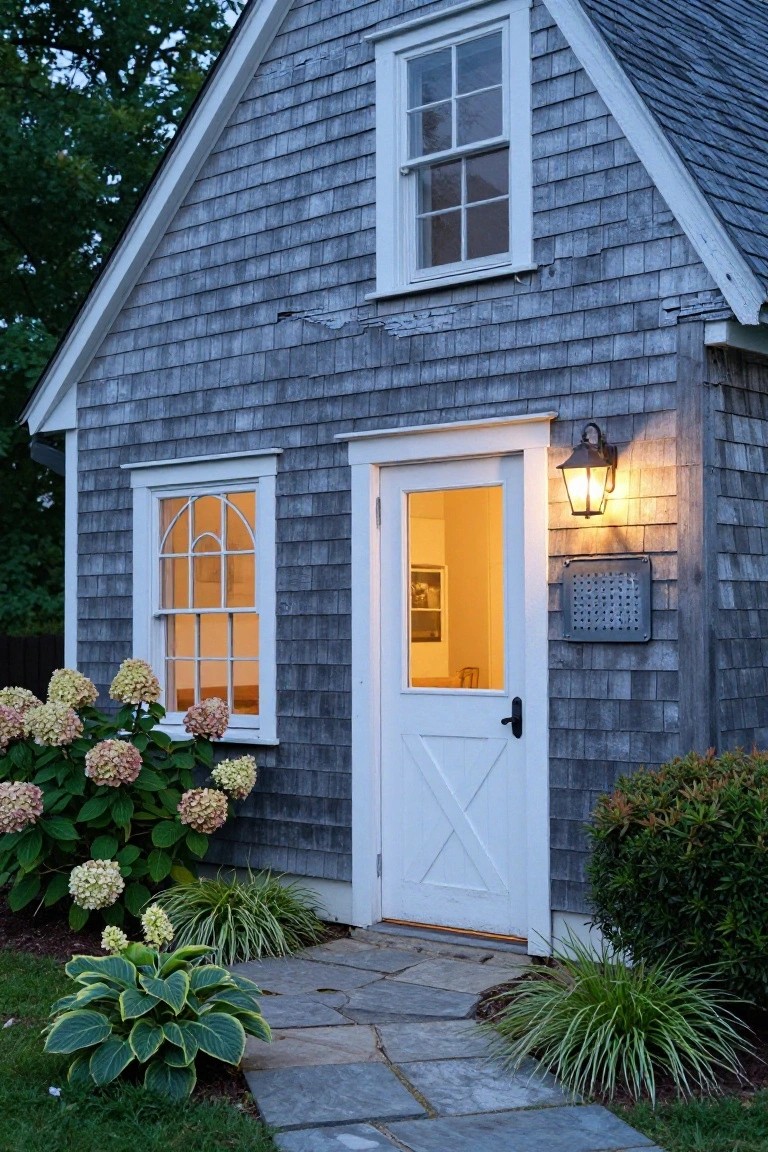
Gray shingles like these give a house that settled-in coastal feel. They’re not too dark or stark. Just soft enough against the white door and windows to make the place look fresh without trying too hard. The lantern light at dusk pulls it all together nicely.
This color setup works best on smaller homes or cottages in wooded spots. Pair it with simple plantings around the entry like hydrangeas to keep things low-key. Avoid going all white on the siding. That can wash out. Stick to the gray base for real rustic staying power.
White Siding with Wood Shutters
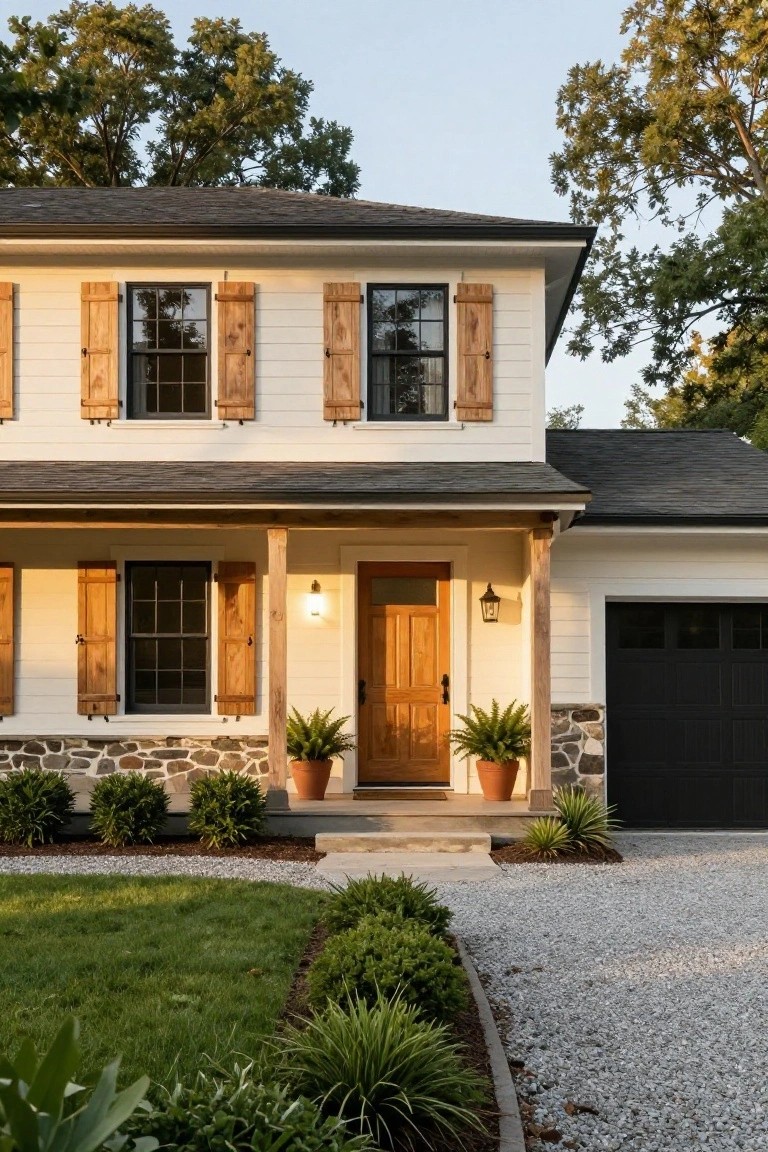
White siding keeps things clean and bright on the outside of a house. Pair it with wood shutters like these, and you get that rustic feel without going overboard. The natural wood tone on the shutters and porch posts adds warmth right where you need it, especially against the crisp white boards. Black windows and roof trim sharpen everything up nicely.
This look works great on farmhouses or simpler two-story homes. Use it where you want curb appeal that lasts year-round. Go for reclaimed or rough-sawn wood on shutters to keep the rustic edge. Just make sure the stone base matches the wood color so it all ties together at ground level.
Dark Navy Shingles for Rustic Homes
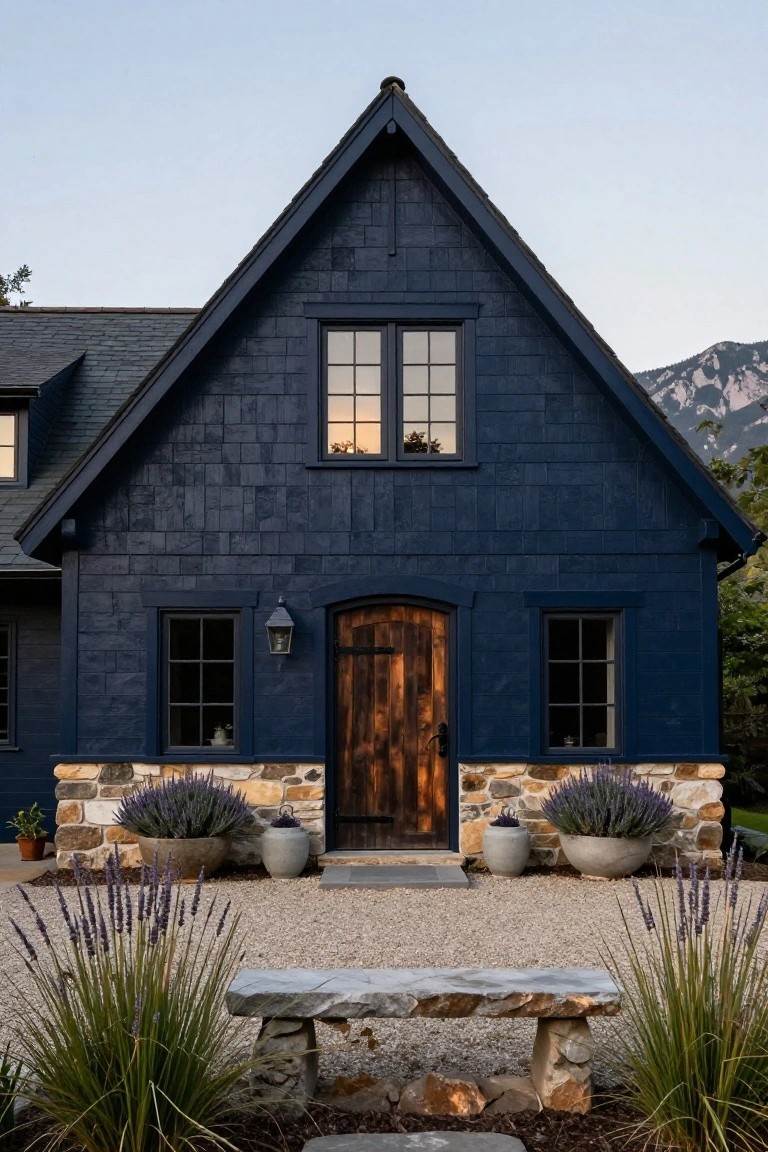
A deep navy blue shingle siding like this turns a simple gabled house into something with real rustic weight. It picks up on the dark slate roof and frames the black windows nicely, while the stone base at the bottom keeps things grounded. That color feels bold but not flashy, especially with the wooden door right in the middle.
This look suits homes tucked into hills or wooded spots, where the blue echoes the shadows in trees or rocks. Go for it on craftsman or cottage styles, and mix in natural stone plus a few lavender plants out front for that easy contrast. Just make sure the trim stays dark too, or it might fight the main color.
Warm Peach Stucco Exterior
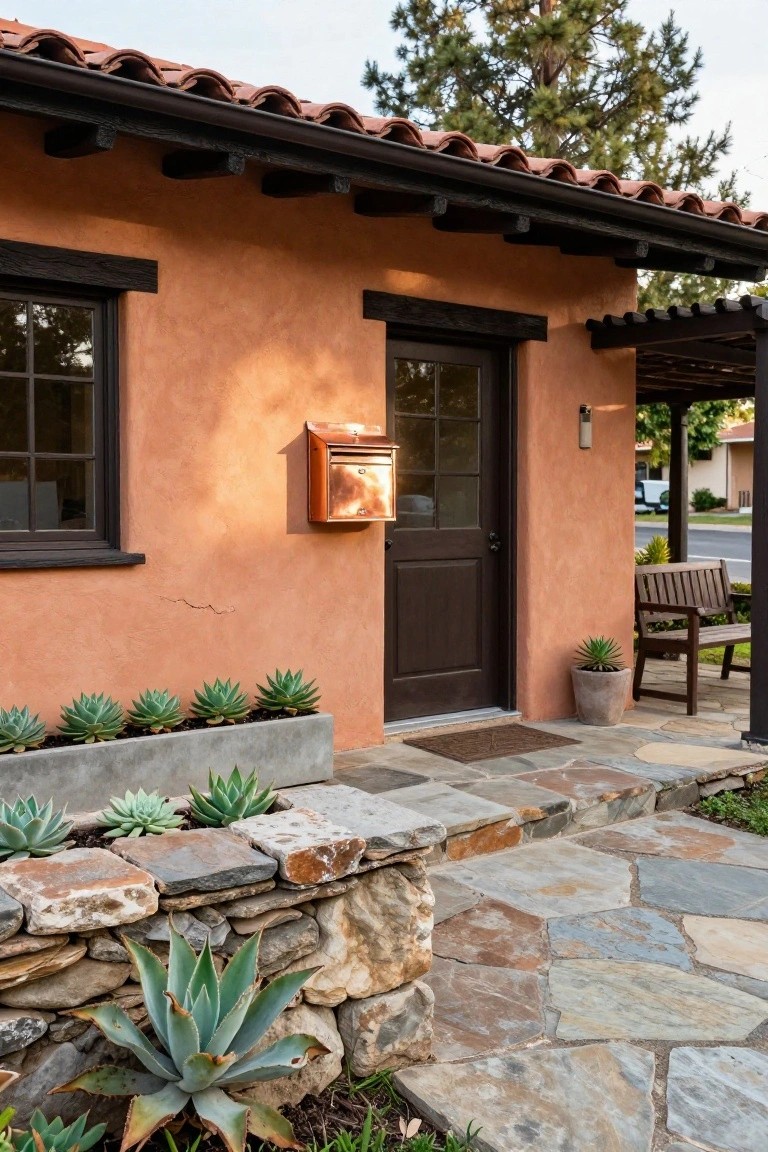
Warm peach stucco like this brings a soft, earthy glow to a rustic house front. It picks up the terracotta roof tiles nicely and feels right at home with desert plants nearby. That peachy tone keeps things cozy and timeless, not stark or cold.
This color works best on low-slung homes in dry climates, like ranch styles or simple adobes. Add a stone walkway and succulents to ground it. Seal the stucco every few years… helps it hold color through sun and dust.
Sage Green Siding on a Rustic Cottage
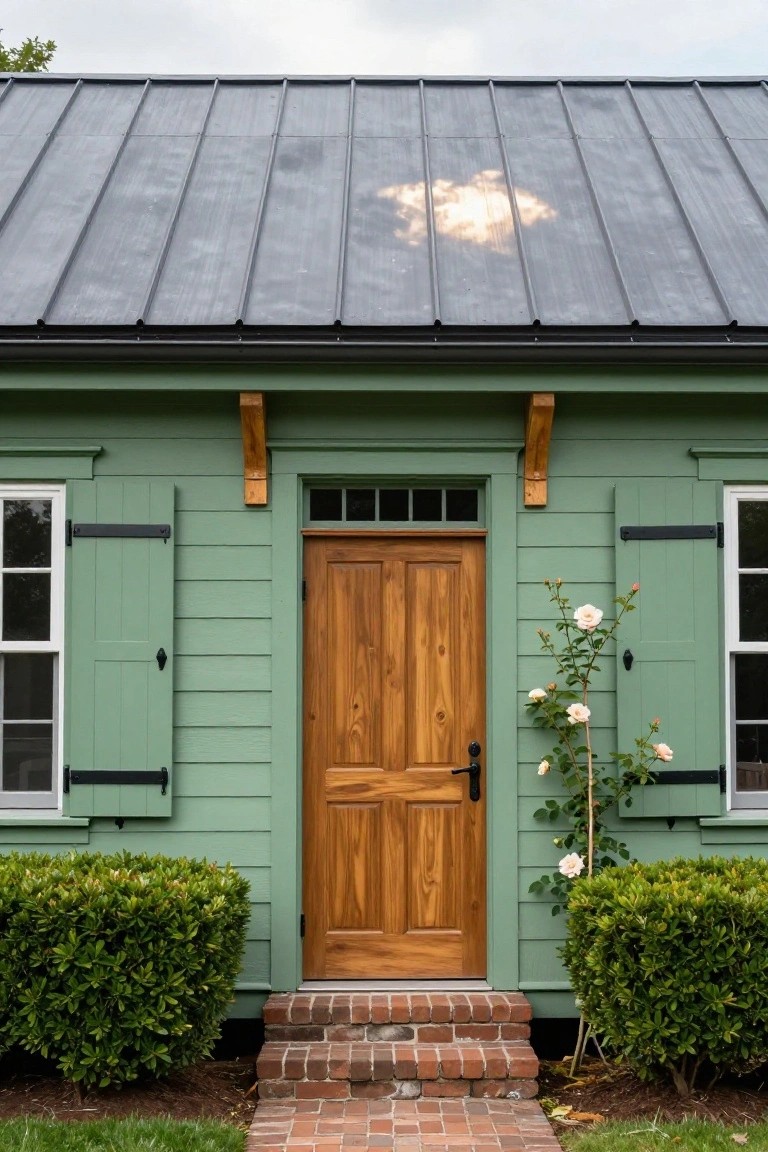
A soft sage green paint job like this one turns a simple cottage into something calm and rooted. It covers the clapboard siding nicely, letting the warm wooden double door take center stage at the entry. That green shade feels easy on the eyes, especially with the dark metal roof overhead.
This works best on smaller homes in garden spots or wooded areas. Pair it with boxwood shrubs out front and climbing roses for that lived-in touch. Steer clear of brighter greens though. They can make things feel less settled.
Rustic Terracotta Siding
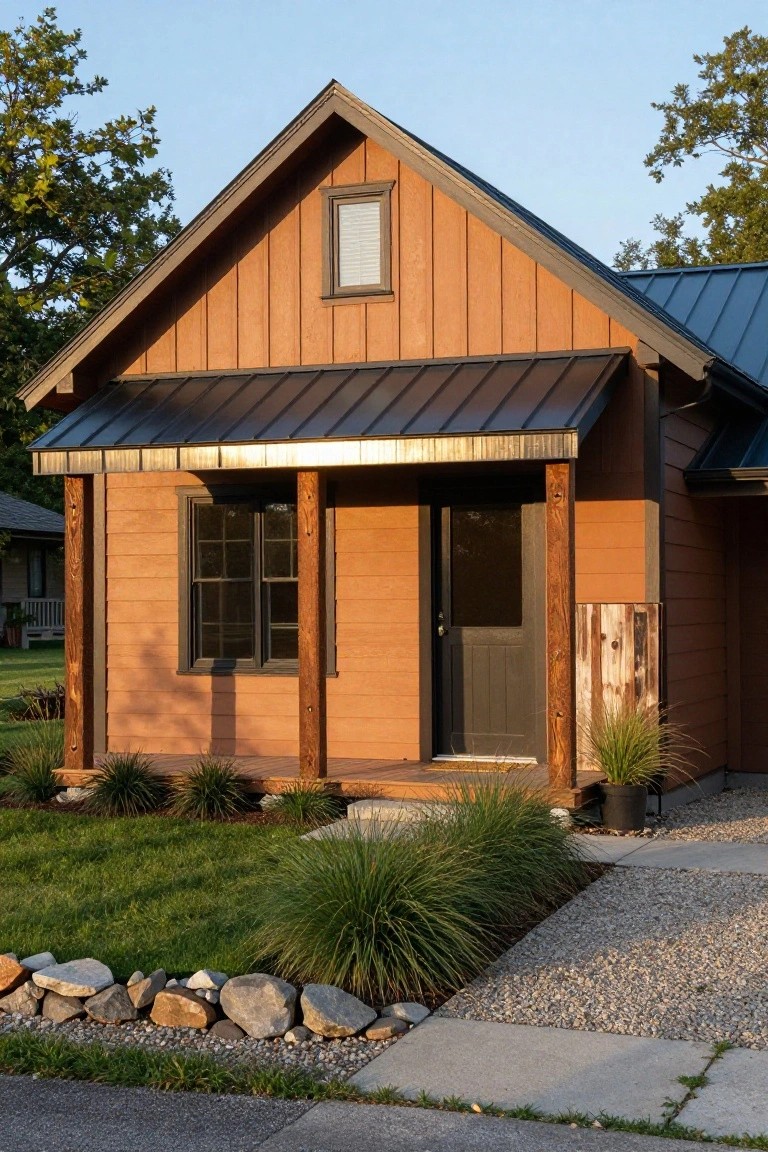
A warm terracotta siding like this pulls together a simple cabin exterior. It has that natural wood look without too much upkeep. Paired with a dark metal roof, the color warms up the whole front without overwhelming the yard.
This works best on smaller homes or guest houses where you want a cozy vibe. Go for board-and-batten style if your spot gets some weather. Just keep accents simple, like a dark door, so the siding stays the star.
Soft Beige Siding with Green Shutters
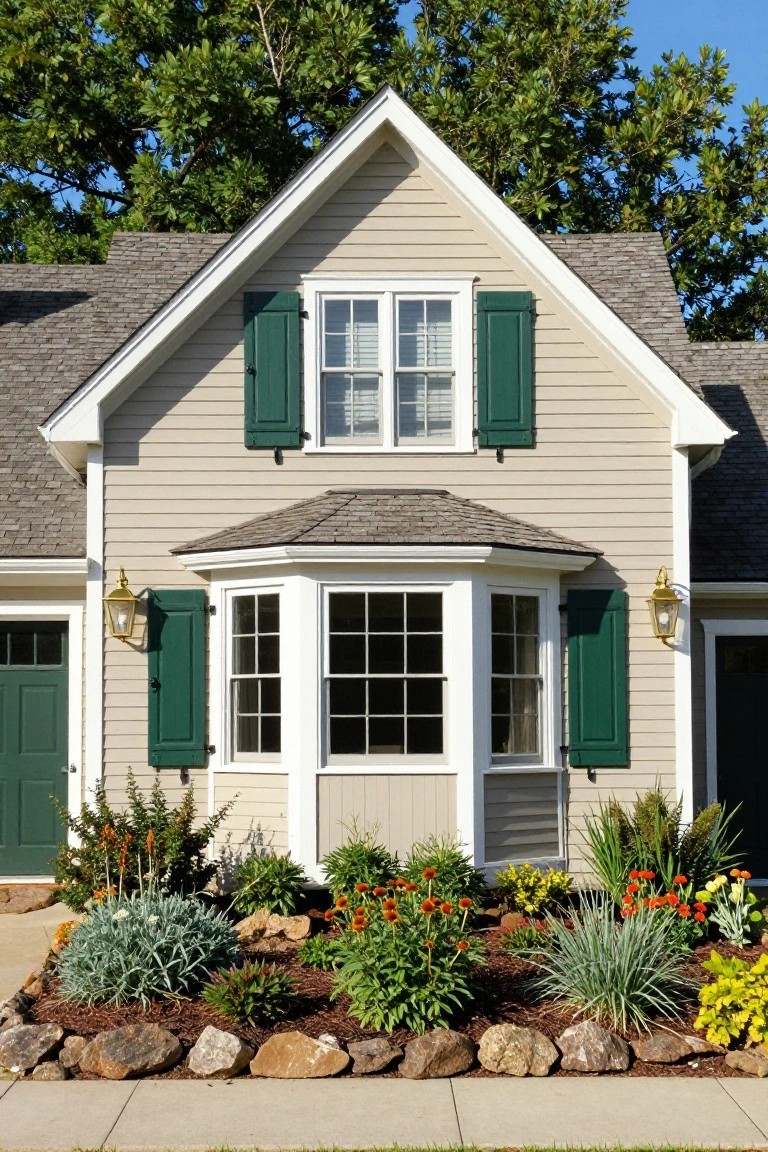
A soft beige siding like this gives a house a cozy, lived-in feel without going too dark or bold. The green shutters stand out just right against it, adding some color that ties back to nature. White trim around the windows and doors keeps everything clean and pulls the look together on a simple facade.
This combo works best on homes with traditional shapes, like gables or bay windows. It suits suburban spots or older neighborhoods where you want curb appeal that lasts. Just make sure the green isn’t too bright, or it might clash… stick to a deeper forest tone for that rustic edge.
Copper Awnings on Stone Exteriors
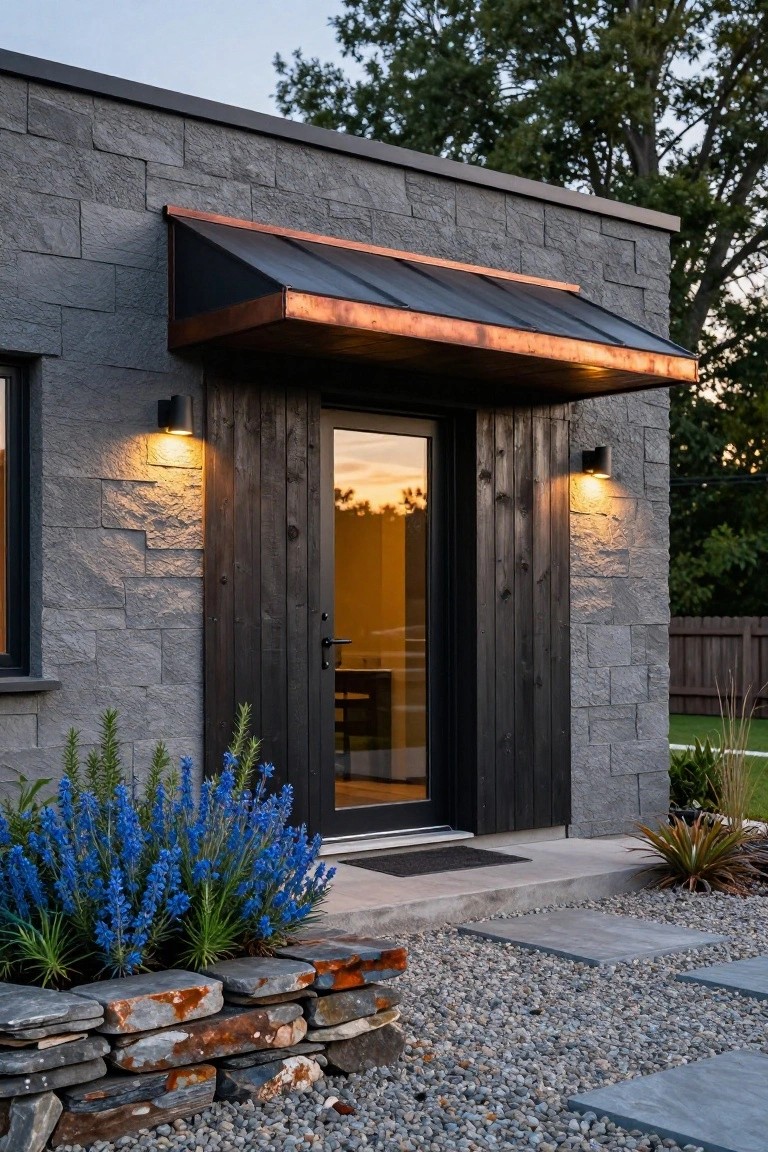
A copper awning over the entry door gives this stone house a nice warm touch. The gray stone walls and dark charred wood door stay cool and solid. But that copper edge pulls in some richness right at the front. It fits rustic looks without going overboard.
Put one over your doorway if you have stone or siding in grays or blues. Copper weathers to a patina that blends with nature over a few years. Suits cabins or modern farmhouses best. Just make sure it matches the roof pitch so it doesn’t look tacked on.
Stone House with Sage Green Shutters
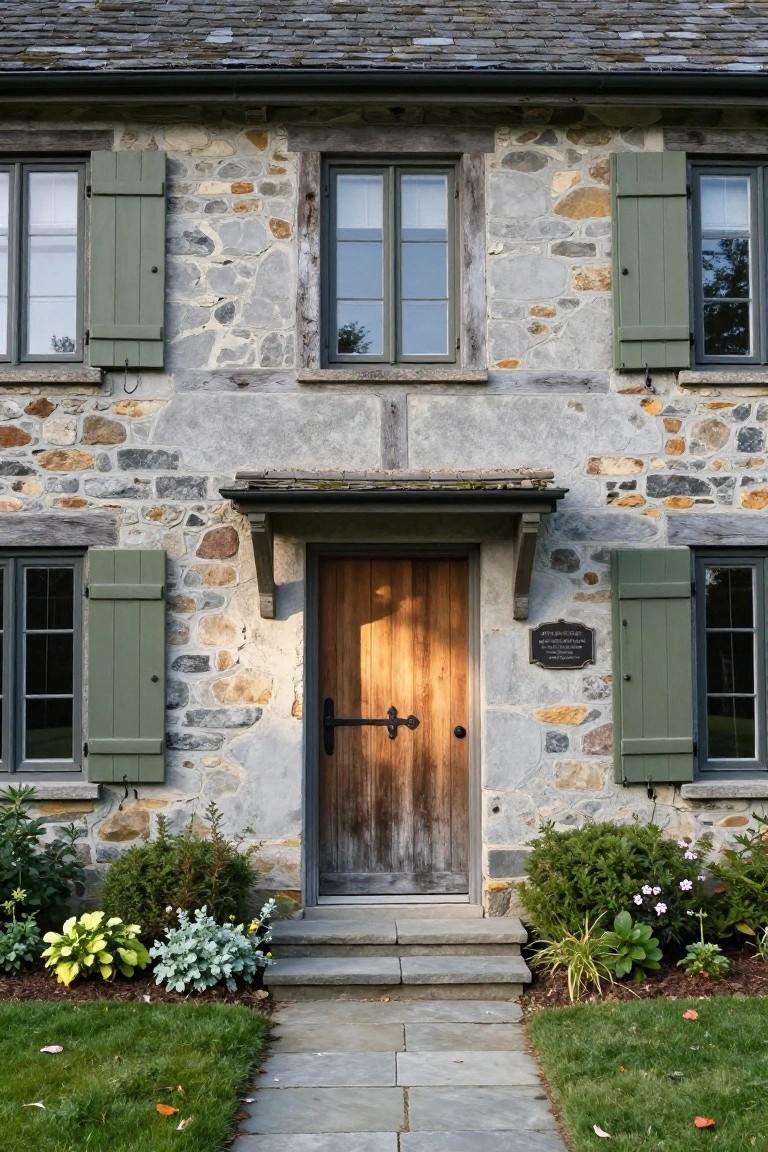
A rugged stone facade like this one gets a fresh lift from sage green shutters. The muted green tone echoes the surrounding plants and lawn without clashing against the mix of grays and browns in the fieldstone. That wooden front door in warm tones ties it all together nicely for a settled, lived-in look.
This color move works best on homes in wooded or rural spots where you want the house to feel part of the landscape. Pair it with simple plantings along the walk, and skip bright trim to keep things calm. It suits traditional builds that need a bit more color but not too much.
Gray Shingles with Navy Blue Door
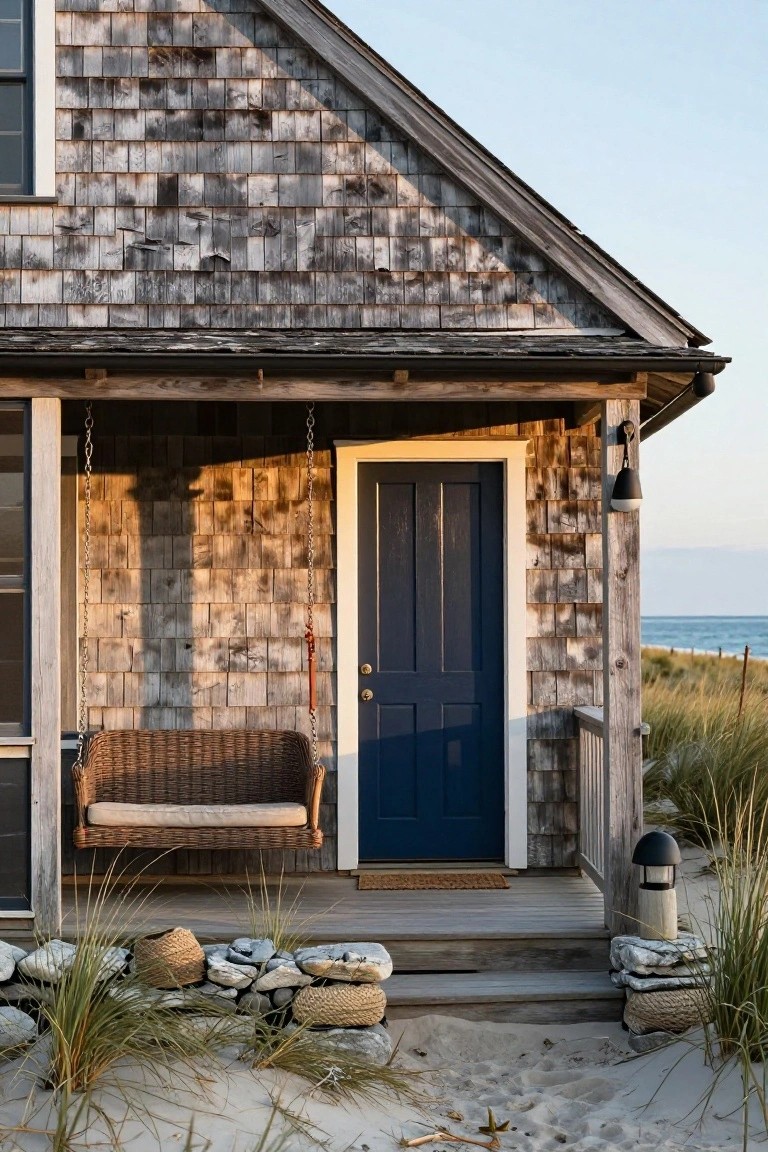
Nothing says classic coastal rustic like weathered gray shingles covering the whole house. They pick up the soft, faded tones from years of salt air and sun, giving that lived-in beach cottage feel. Add a deep navy blue door right at the entry, and you get a strong focal point that pulls the eye without much fuss. The porch swing hanging nearby just settles into the scene nicely.
This combo works best on homes near water or in wooded spots where you want low-key charm. Pick cedar shakes or asphalt shingles that age to that silvery gray naturally. Go for a solid navy paint on a paneled door, matte brass knob, and keep landscaping simple with dune grass or rocks at the base. One thing, test the door color in different lights first, since navy can shift cooler or warmer outdoors.
Gray Siding with Wood Entry Details
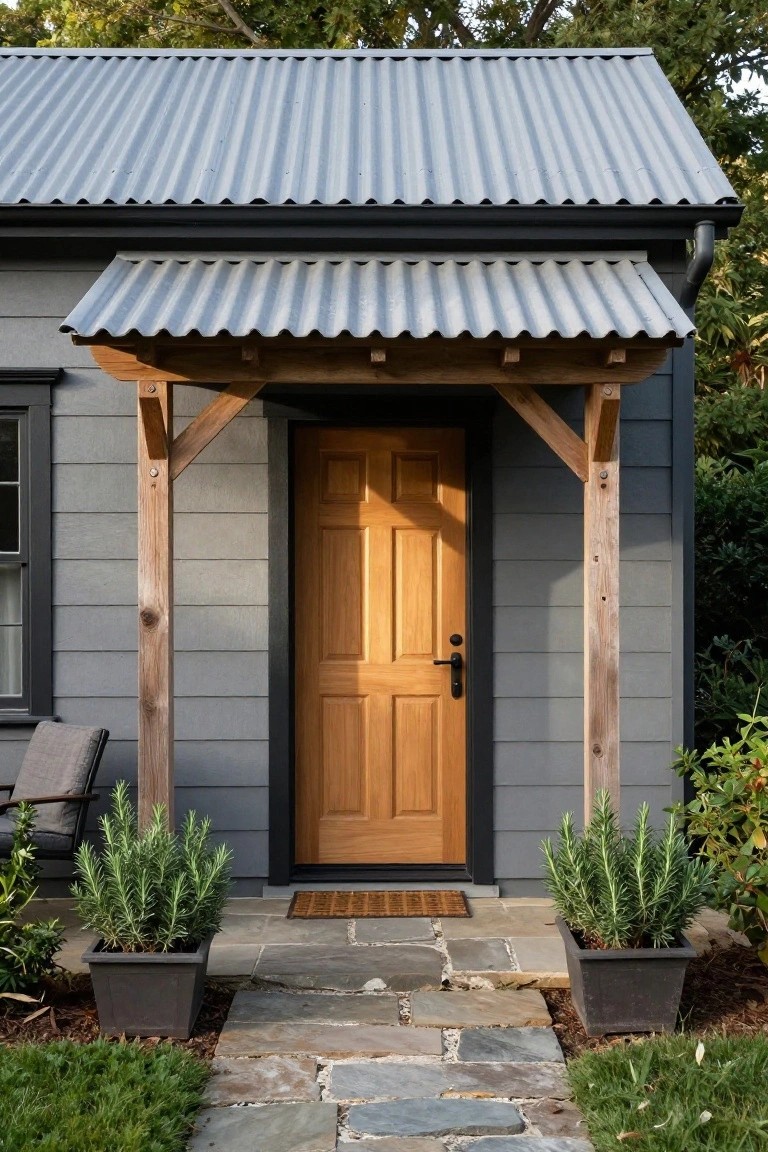
Gray siding gives a house that solid, no-fuss rustic feel. Here it’s a deep charcoal tone on clapboard siding, set off by a warm oak door and rough timber posts on the porch. The metal roof in matching gray ties it all together without overwhelming things. That cool gray keeps the look grounded while the wood adds just enough life to make the front door welcoming.
This setup works best on smaller homes or cottages where you want curb appeal without too much flash. Pair it with simple stone paths and potted herbs like rosemary for an easy touch. Stick to natural wood finishes so the contrast stays honest. Avoid bright trim. It suits country spots or older neighborhoods fine.
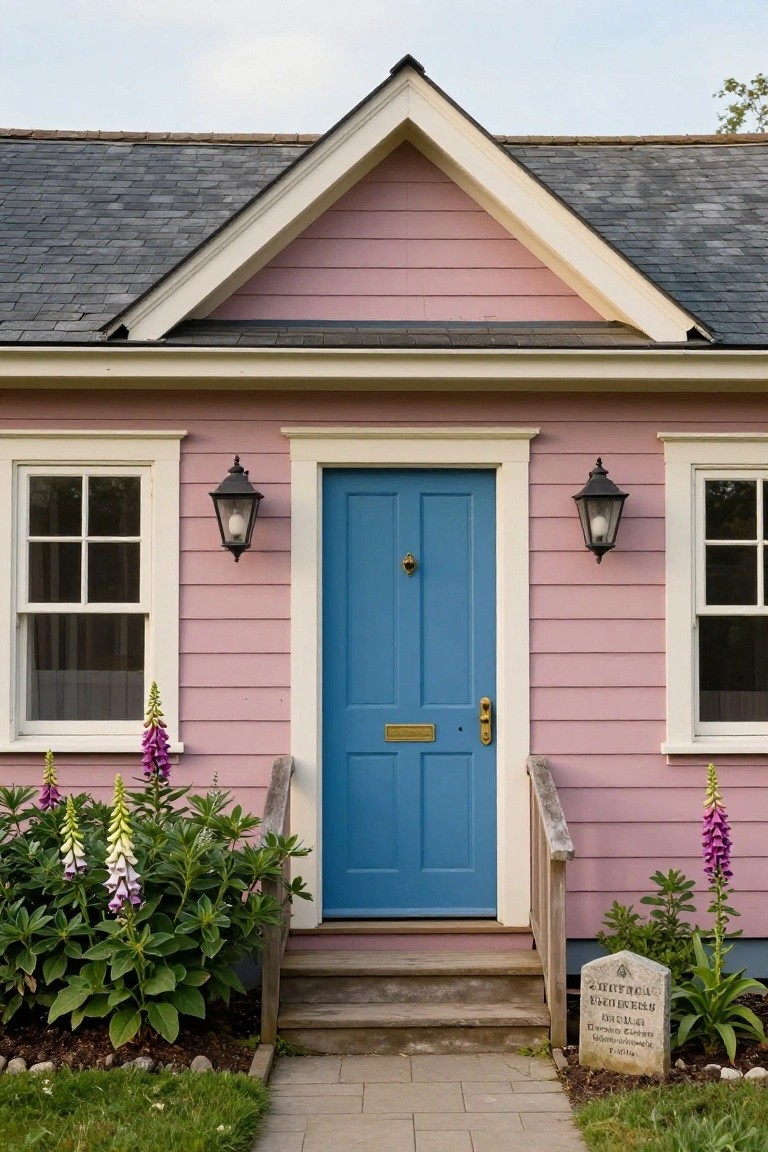
Warm Reddish-Brown Wood Stain
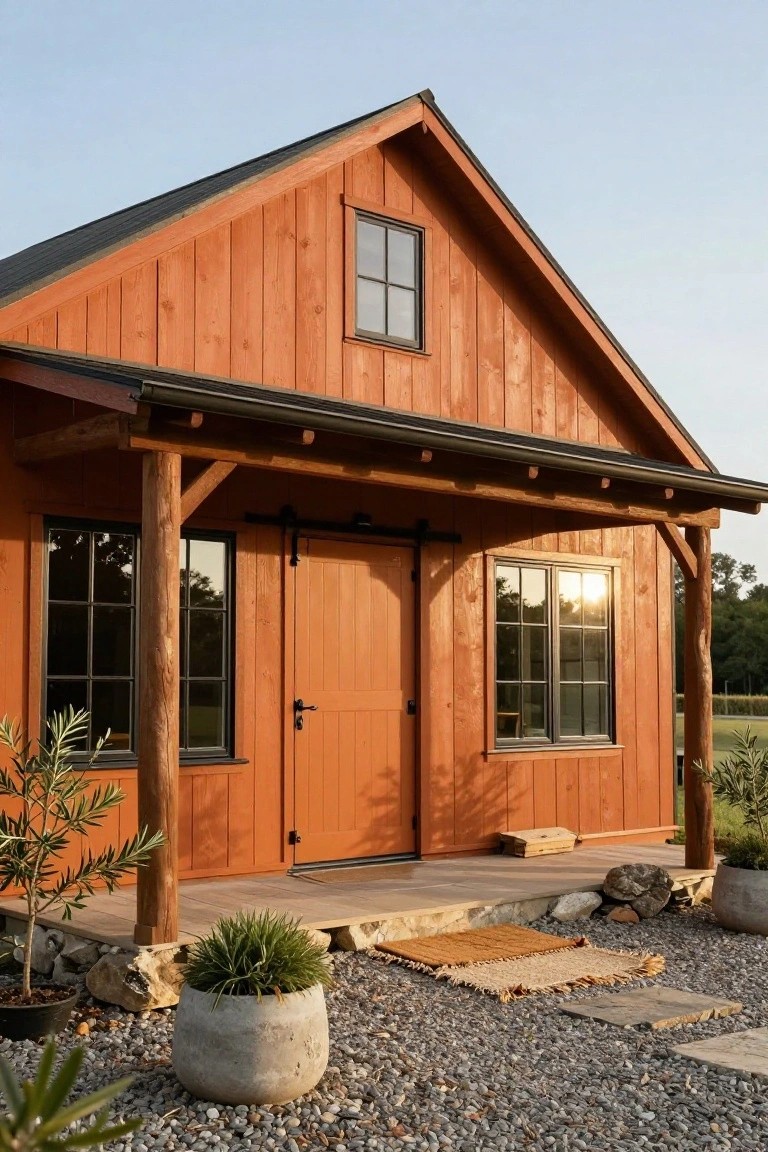
A warm reddish-brown stain like this on vertical siding turns a simple cabin into something that fits right into the countryside. The color pulls warmth from the wood grain and settles nicely against trees or fields without overpowering the scene. It’s one of those straightforward choices that feels timeless for rustic spots.
You can use it on small outbuildings, guest cabins, or farm-style homes where you want that cozy, lived-in look. It works best in rural or wooded areas. Just keep up with sealing to protect against weather, or the tone might fade over time.
Sage Green Siding on Rustic Cottages
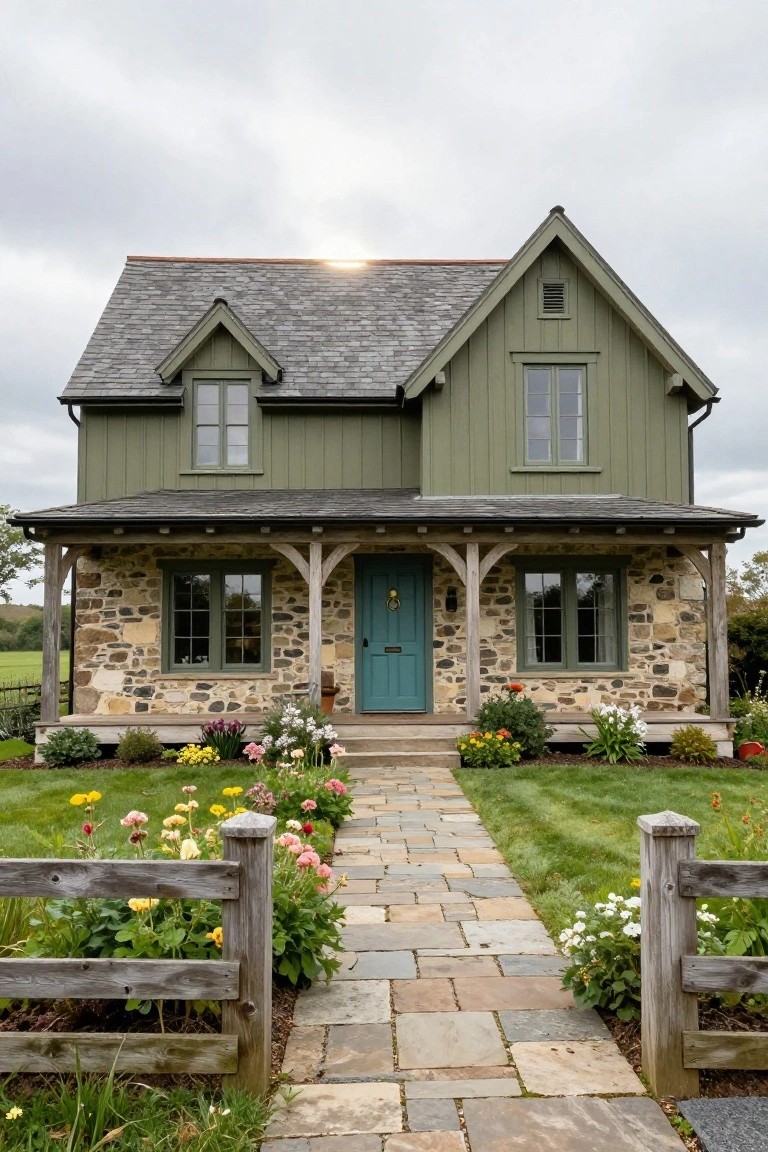
A soft sage green paint on the siding gives this cottage a calm, earthy look that fits right into a rural setting. The color picks up on the stone base below and blends with the slate roof above, making the whole house feel settled and timeless. That blue front door adds just a pop without stealing the show.
This works best on smaller homes like farmhouses or cottages where you want a gentle, lived-in vibe. Pick a muted green shade for shady spots, and pair it with natural stone or wood details. Steer clear of brighter greens unless your yard has bold flowers to match.
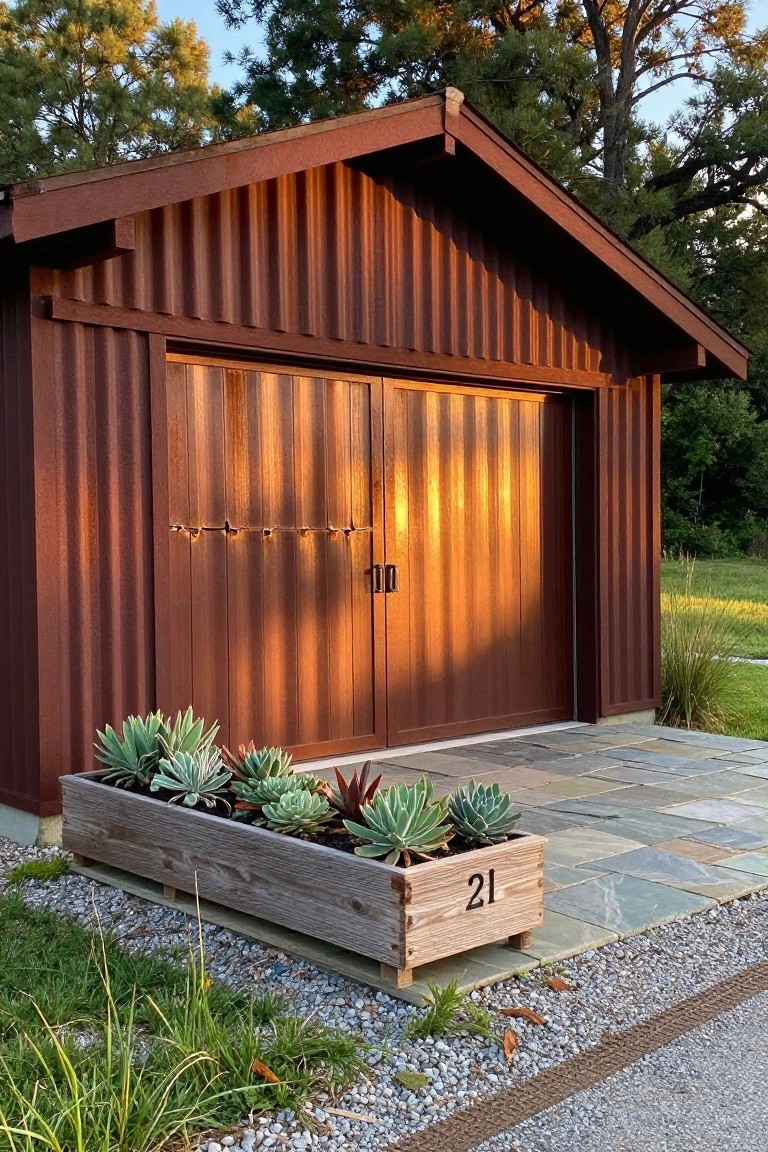
Green Door on Shingle Siding
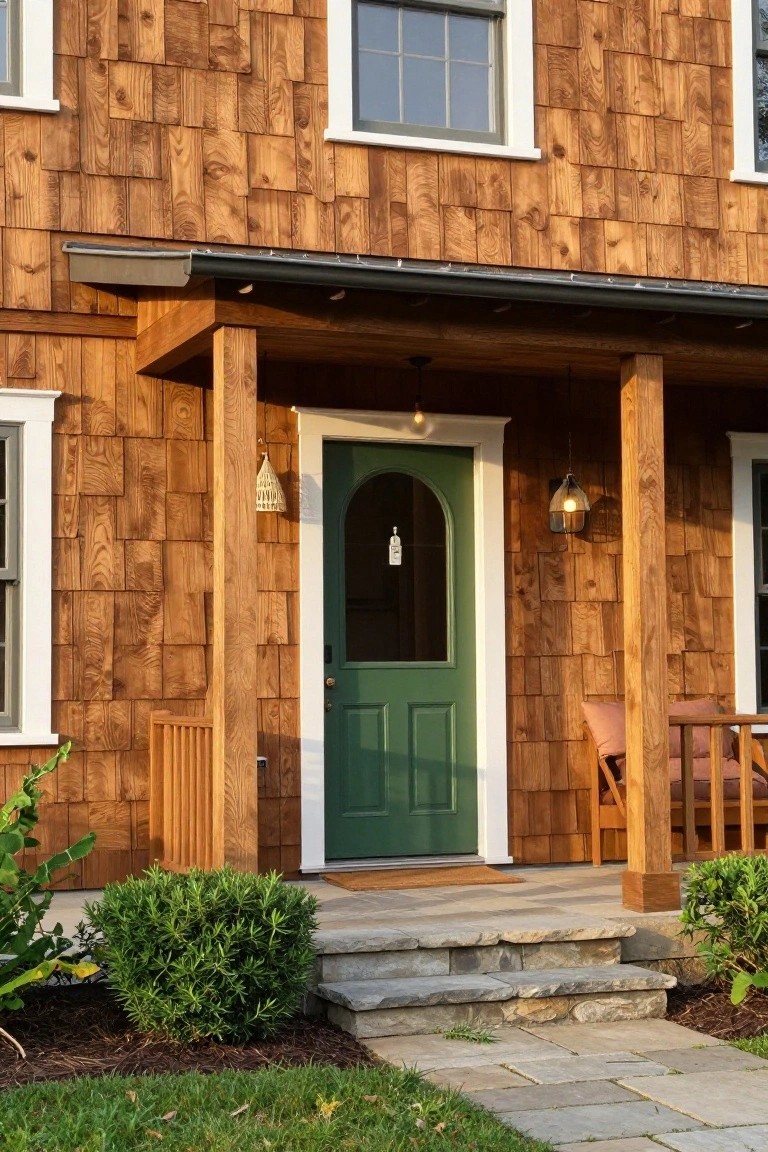
A deep green front door stands out nicely against the warm brown tones of cedar shingle siding. That color contrast makes the entry feel more defined and welcoming. It’s a simple way to add some personality to a rustic exterior without overdoing it. The arched top on the door here just fits right in.
This works best on craftsman or coastal style homes where wood siding is already the main feature. Go for a glossy green paint that holds up outside, and keep hardware simple like black knobs. Skip it if your house faces a super sunny spot, as the green might fade quicker there.
Soft Blue Clapboard Siding
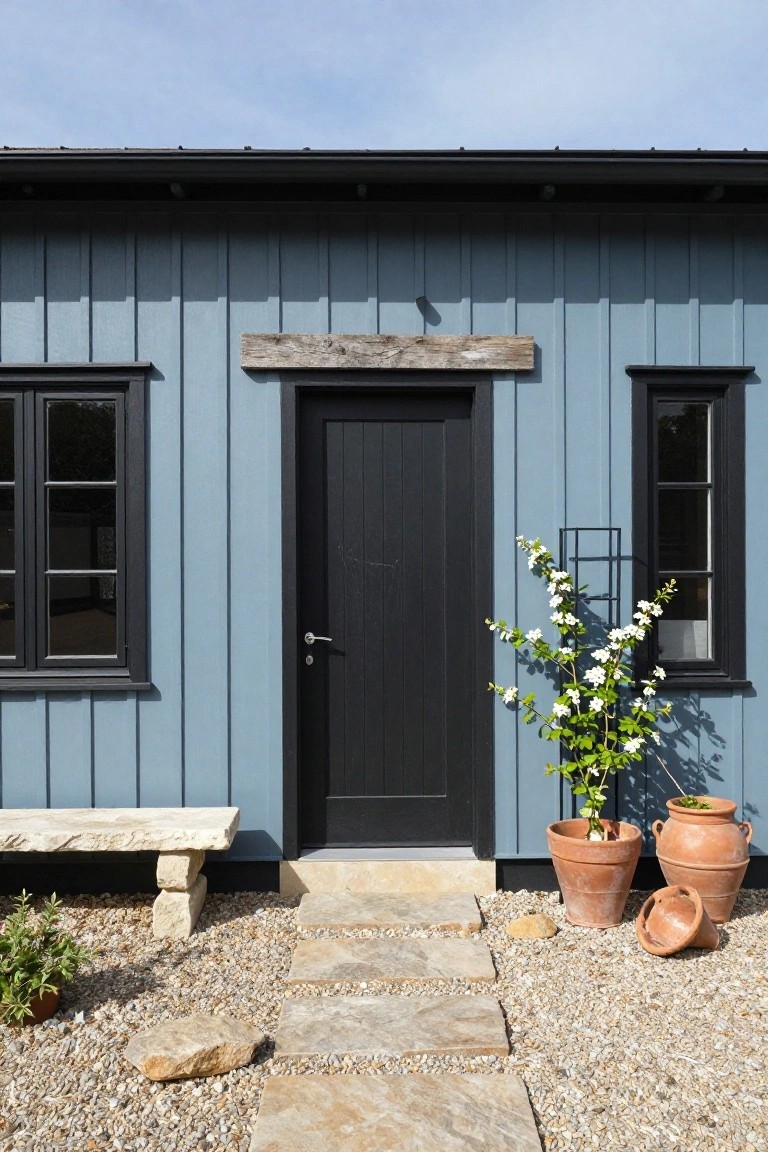
A pale blue on clapboard siding like this brings a quiet rustic feel to a simple house front. It softens the wood texture just enough to look lived-in and easygoing. The black door and windows pull it together without overpowering things.
This color works best on compact cabins or farm-style homes where you want calm curb appeal. Pair it with gravel paths and terracotta pots for that grounded look. Stick to a flat finish paint so it ages nicely over time.
Soft White Plaster Exteriors
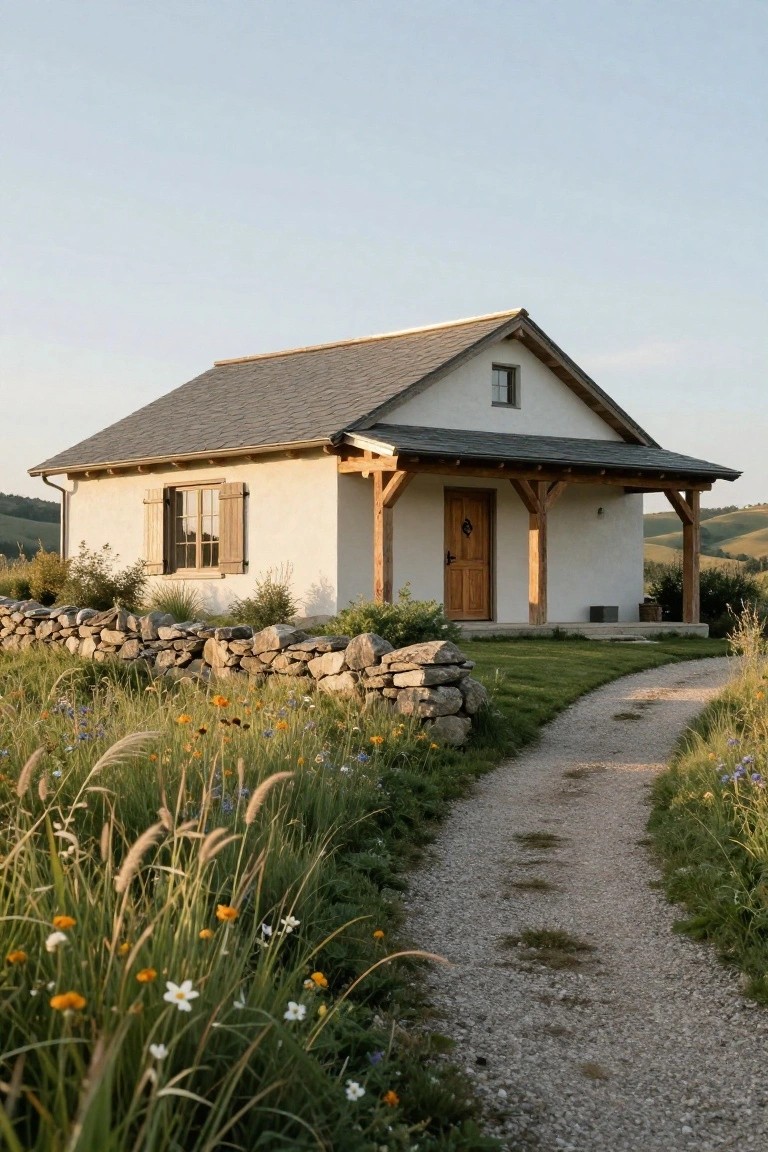
Soft white plaster covers the walls of this little cottage, giving it a fresh yet aged look that fits right into the countryside. The color stays light and neutral, letting the wooden porch and door add some warmth without overpowering things. It’s simple. And that stone wall at the base ties it all to the ground nicely.
You can pull this off on modest homes tucked into hills or fields. Go for a lime-based plaster to get that subtle texture. It suits older styles or new builds wanting a rustic vibe. Just skip glossy paints. They fight the natural feel.
Gray Siding for Coastal Rustic Homes
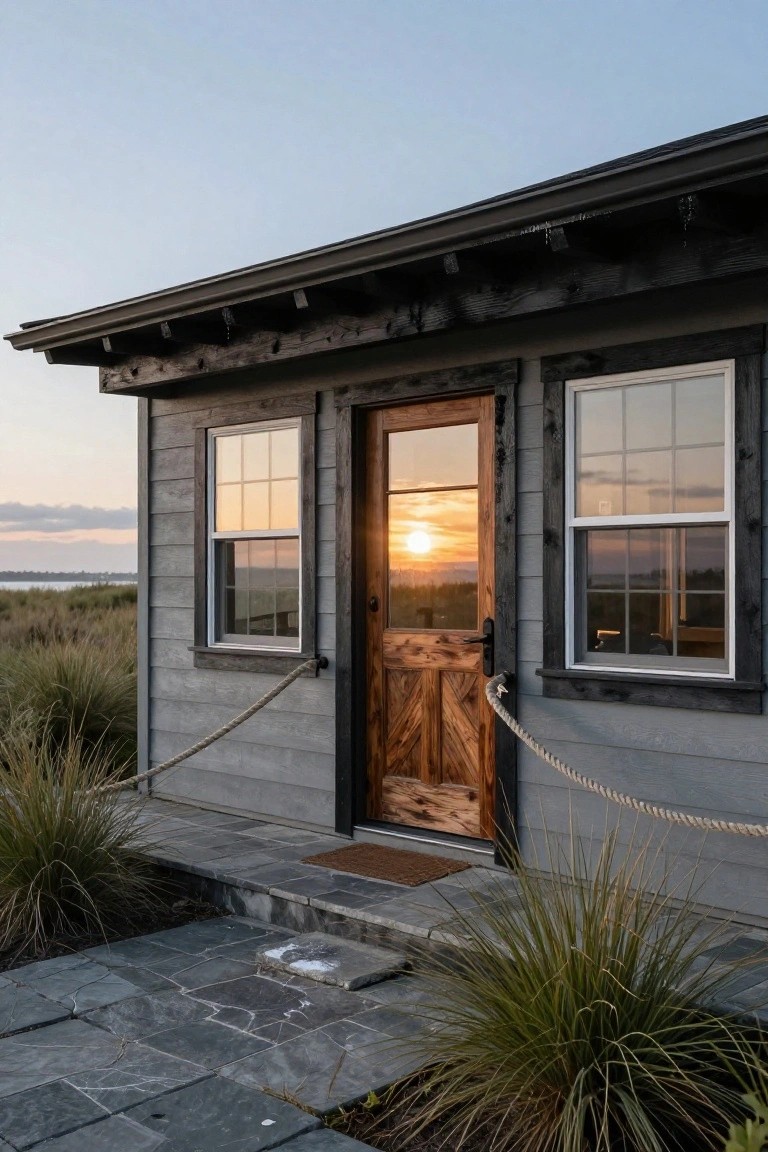
Gray siding like this picks up on that natural, weathered look you see in old beach houses. It sits quiet against grasses and water views, letting the house feel part of the land instead of standing out. The soft tone keeps things simple and rugged, especially when you add a wood door for a bit of warmth.
Try it on cabins or small vacation homes near marshes or fields. It holds up well to salt air and sun. Seal any wood trim to blend with the gray, and skip bold colors elsewhere. Works best where low-key maintenance matters.
Frequently Asked Questions
Q: Can these rustic colors hide dirt and wear on siding?
A: Earthy tones like muted browns and grays blend right in with everyday grime. They age gracefully too, so your house looks lived-in charming instead of neglected.
Q: How do I test a rustic color before painting the whole house?
A: Grab a few sample quarts and paint big swatches on different sides. Check them morning, noon, and evening, since light changes everything.
Q: What pairs best with a dark asphalt shingle roof?
A: Warm beiges or soft taupes ground the look perfectly. And skip cool blues, they clash hard.
Q: Will bold rustic shades overwhelm a small cottage?
A: Stick to one bold accent, like the door or shutters…it draws the eye without shrinking the house. Neutrals everywhere else keep things airy.
