

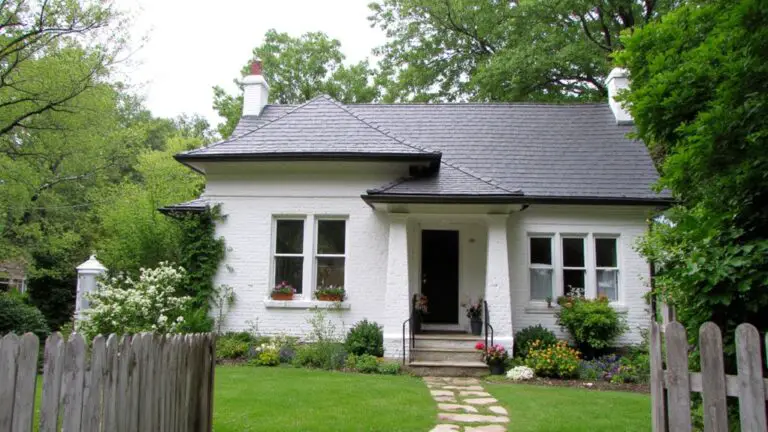
Have you ever noticed how a black roof can make the White House’s classic white facade pop? This striking choice isn’t just about looks; it speaks to a modern shift in our design preferences. It’s a conversation starter about balancing tradition with contemporary style. Plus, there’s something to be said about the energy efficiency of darker roofs. Let’s uncover the layers of meaning behind this bold design choice.
The Evolution of White House Architecture
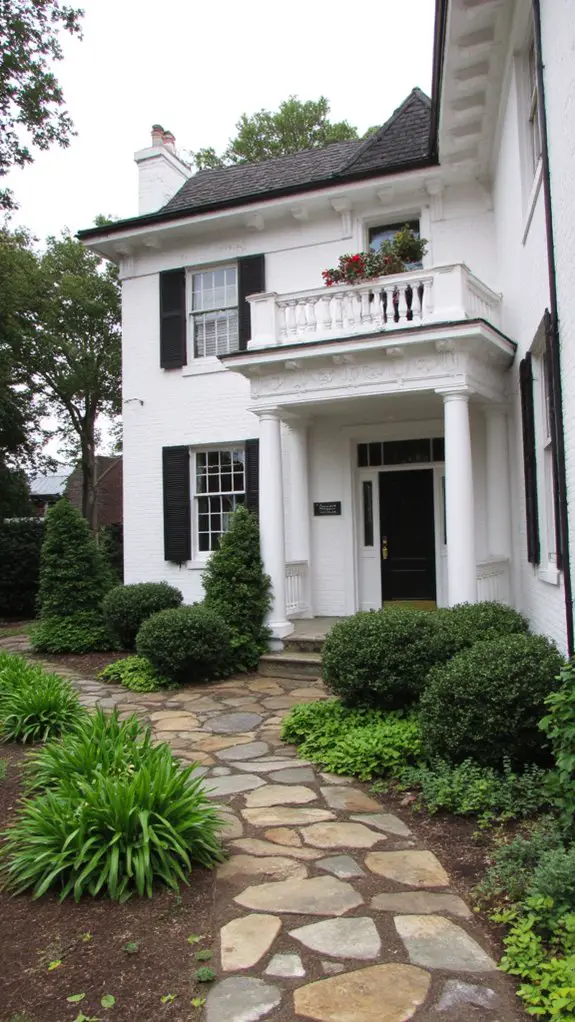
As I explore the evolution of White House architecture, it’s fascinating to see how this iconic structure has transformed over the centuries.
From its neoclassical beginnings to modern renovations, each era reflects the changing values and aesthetics of the nation.
I’ve marveled at the blend of styles, showcasing resilience and innovation, making the White House not just a residence, but a symbol of American history.
The Significance of Color in Design
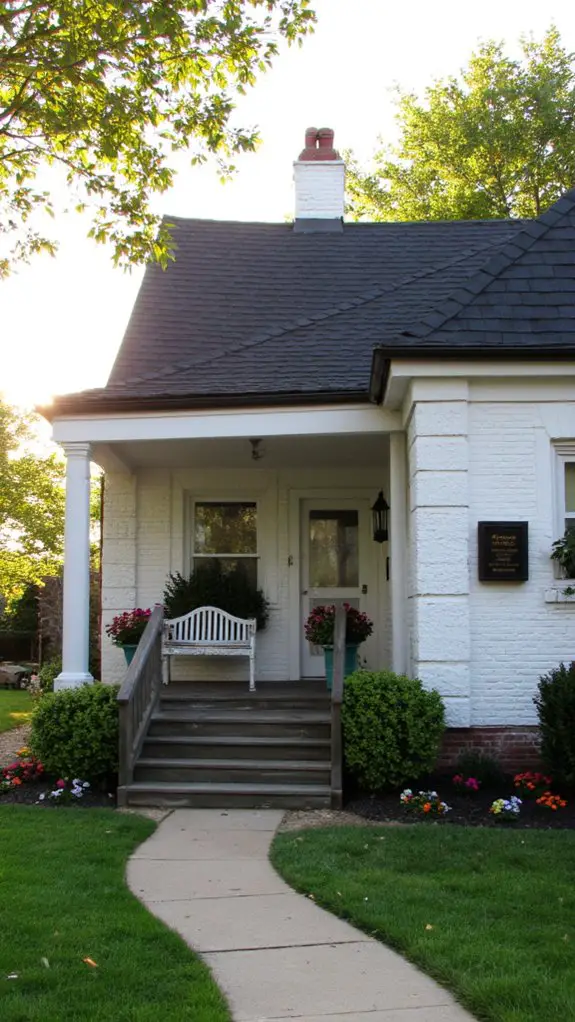
Color plays an essential role in design, shaping our perceptions and emotions in profound ways.
I’ve always found that the right color can evoke feelings of warmth, calm, or excitement.
In architecture, like the White House’s striking black roof against a white exterior, color contrasts create visual interest and highlight unique features.
It’s fascinating how thoughtful color choices can transform a space and influence our experiences.
The Impact of a Black Roof on Energy Efficiency
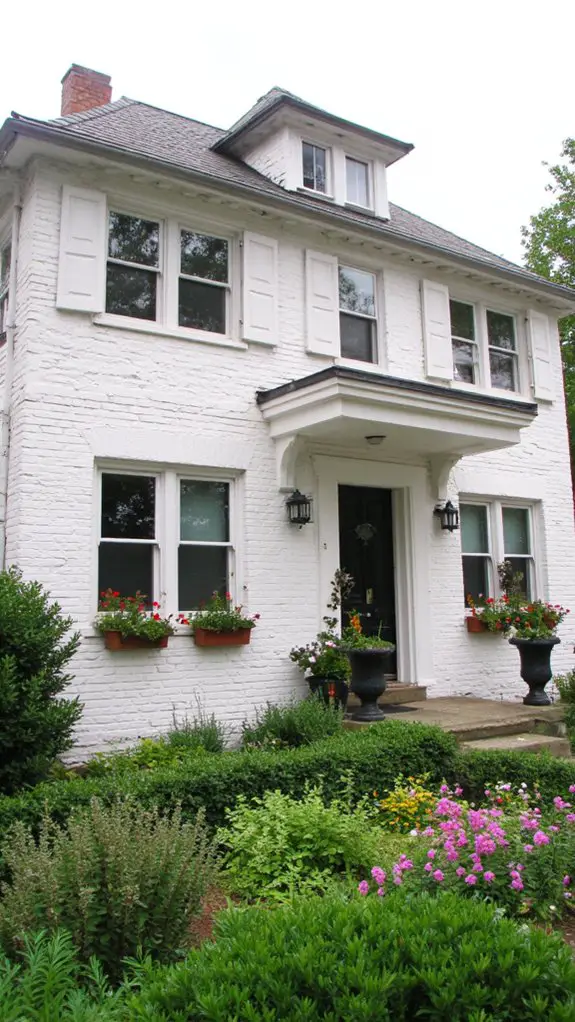
While many admire the aesthetic appeal of a black roof, I’m often intrigued by its impact on energy efficiency.
Black roofs tend to absorb more heat, which can lead to higher cooling costs in warmer months. However, in cooler climates, they can help reduce heating expenses.
It’s important to take into account your local climate when evaluating the overall energy efficiency of a black roof.
Historical Context: Black Roofs in American Architecture
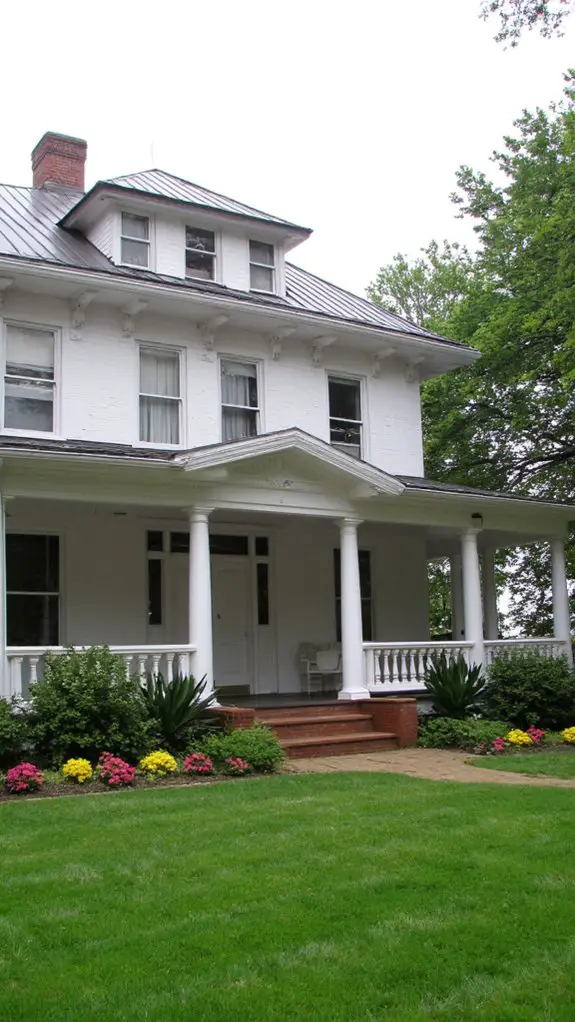
When I explore the evolution of American architecture, I can’t help but notice the significance of black roofs throughout history.
They’ve been a practical choice, often reflecting the materials available and the climate of the time. From colonial homes to modern structures, black roofs not only served functional purposes but also became symbols of durability and style, shaping our architectural identity.
Visual Appeal: The Aesthetic of Contrast
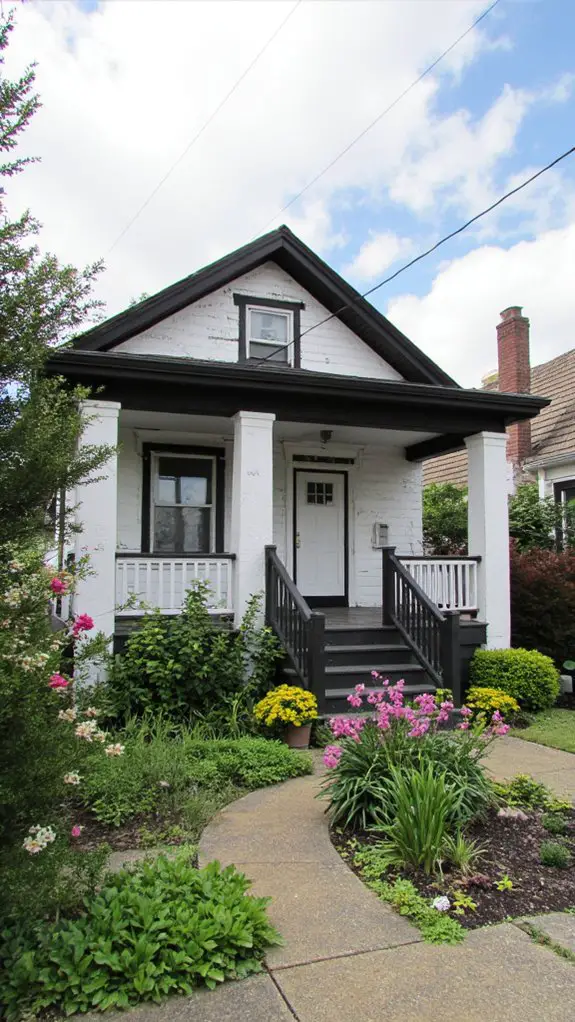
The striking contrast of a black roof against a white exterior instantly captivates the eye, drawing attention to the building’s unique features.
A bold black roof paired with a white exterior creates a captivating focal point that highlights architectural beauty.
I love how this bold combination enhances visual interest and creates a sense of elegance.
It’s not just about color; it’s about making a statement.
This aesthetic choice elevates the overall design, inviting admiration and sparking conversation.
Modern Interpretations of Classic Designs
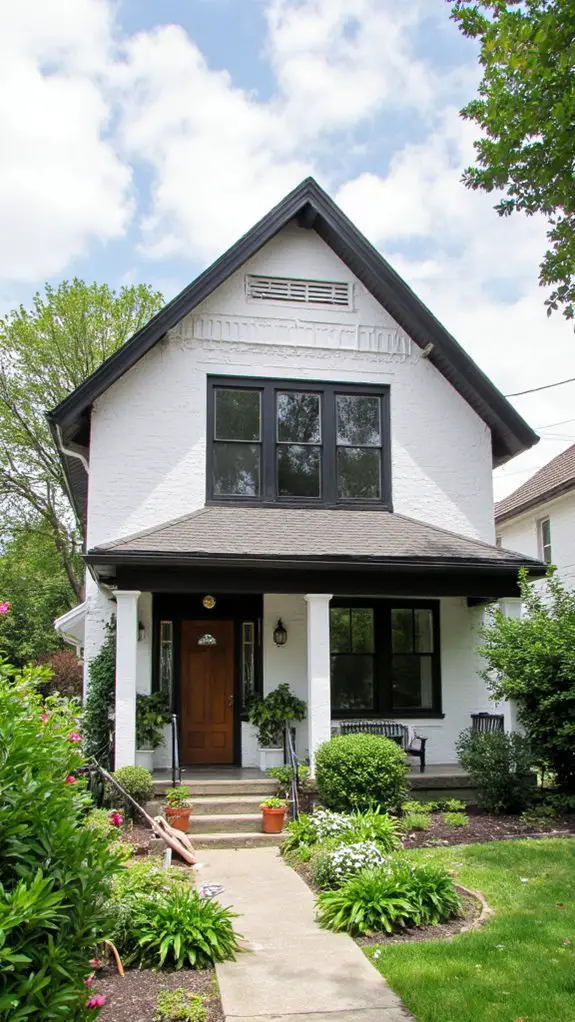
As I explore modern interpretations of classic designs, it’s fascinating to see how contemporary architects breathe new life into traditional aesthetics.
They blend timeless elements with innovative materials and techniques, creating striking contrasts.
For instance, a sleek black roof atop a white exterior not only honors classic styles but also enhances curb appeal, showcasing elegance and sophistication in today’s architectural landscape.
Psychological Effects of Color Combinations
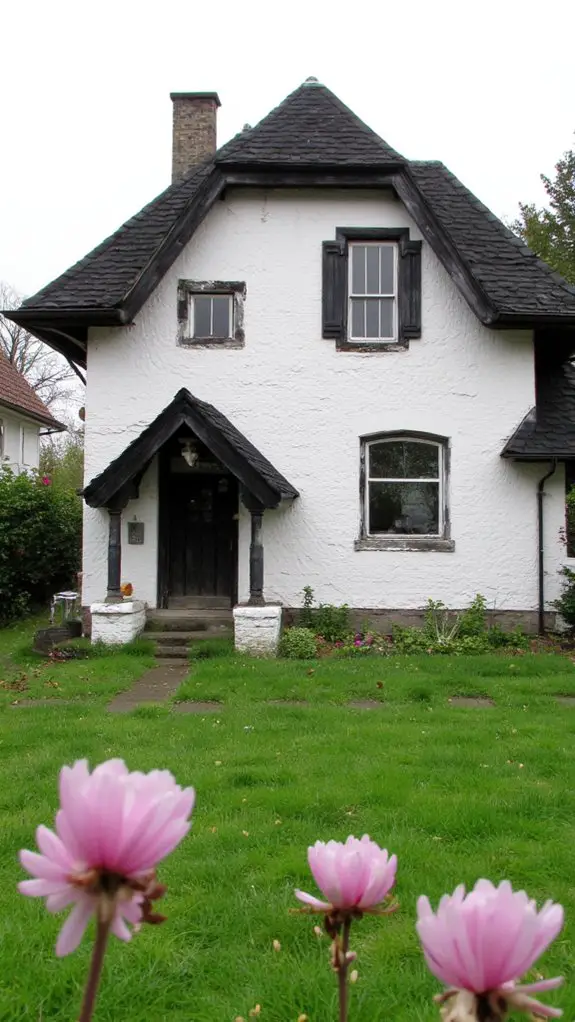
Color combinations can greatly influence our emotions and perceptions, often without us even realizing it.
For instance, pairing a crisp white exterior with a deep black roof can evoke feelings of sophistication and elegance. These contrasts draw attention and create a striking visual impact.
Understanding how colors affect our mood can help us make informed design choices that resonate positively.
Case Studies: Successful Implementations
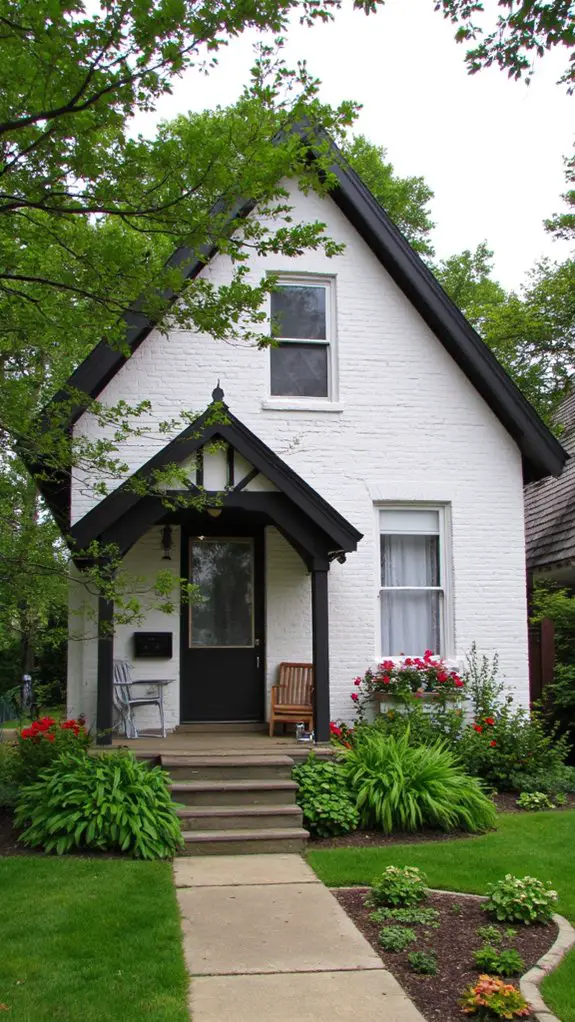
Many homeowners have harnessed the power of color combinations to enhance their properties.
I’ve seen stunning examples where a white house paired with a bold black roof creates striking visual appeal. One neighbor transformed his home, and the contrast added elegance and modernity.
Another friend’s choice of black trim against white siding made her house stand out beautifully in the neighborhood.
Future Trends in Architectural Design
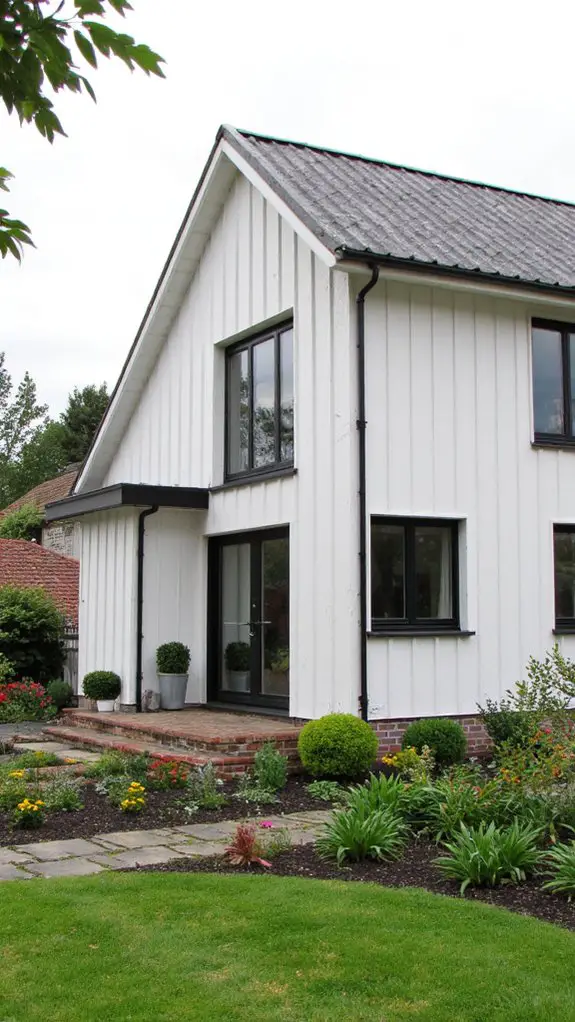
While traditional styles have their charm, I believe the future of architectural design is leaning towards bold, innovative choices that reflect individual expression.
We’re seeing a rise in sustainable materials, tech integration, and unique shapes that challenge norms.
I envision designs that embrace nature, prioritize functionality, and create immersive experiences, allowing people to connect with their surroundings like never before.
The Role of Personalization in Public Buildings
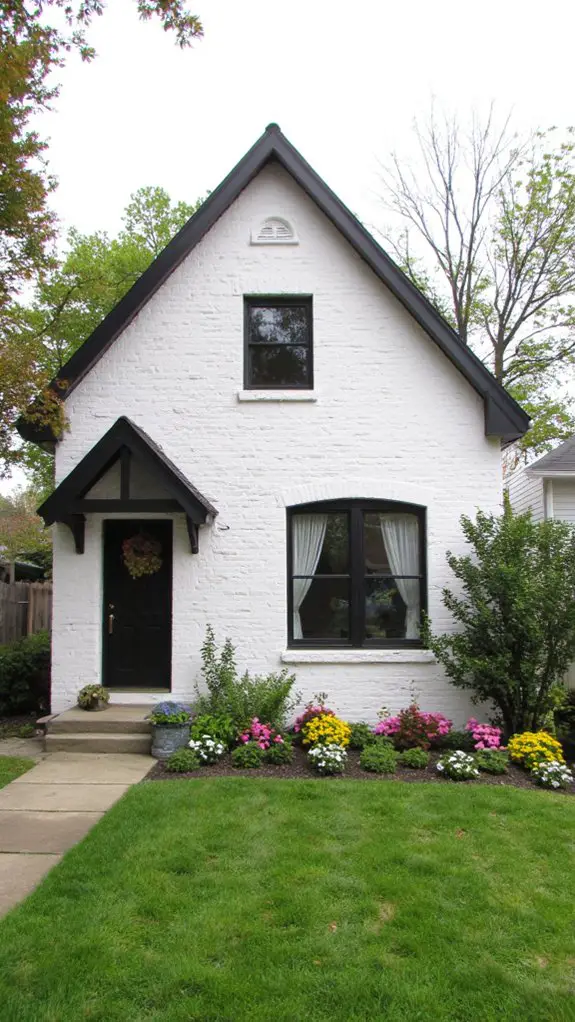
As we rethink public buildings, I see personalization playing an essential role in making these spaces more inviting and representative of the communities they serve.
By incorporating local art, cultural elements, and community feedback, we create environments that resonate with people.
This approach fosters a sense of ownership and pride, ultimately enhancing civic engagement and turning public spaces into true reflections of their neighborhoods.
